Borevo
Borevo
Borevo
Explore our high-density 1U, 2U, and 4-socket configurations engineered for AI inference, heavy enterprise databases, and virtualized workloads.
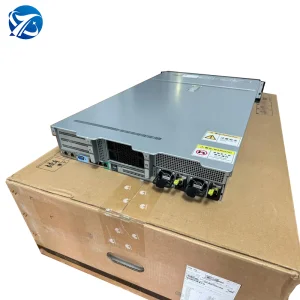
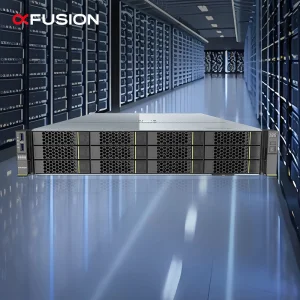
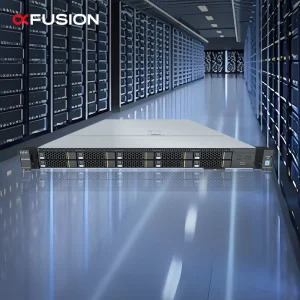
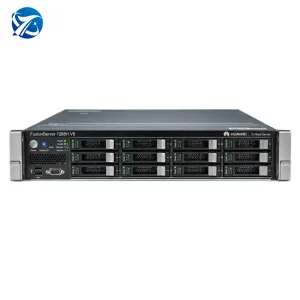
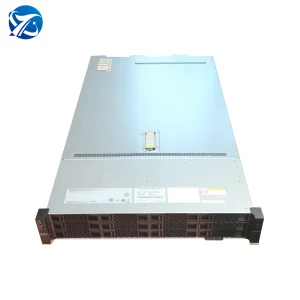
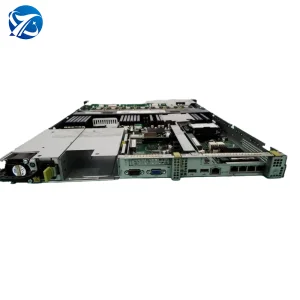
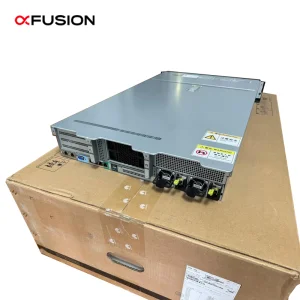
In the rapidly evolving landscape of global enterprise IT architectures, high-density computing platforms serve as the core engines of digital transformation. The xFusion FusionServer V5 rack server architecture represents a vital technical baseline for standardizing hyper-converged infrastructures, cloud virtualization platforms, and scale-out network architectures. Powered by Intel Xeon Scalable Processors, the V5 server family balances computing density, storage capacity, and power efficiency.
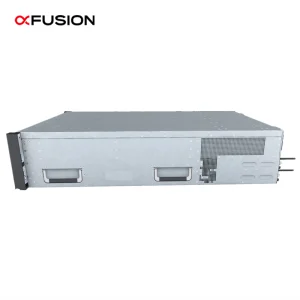
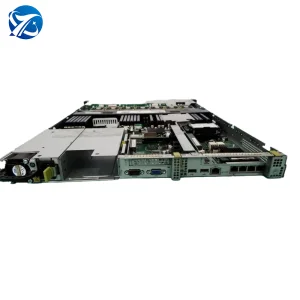
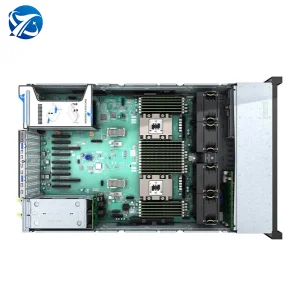
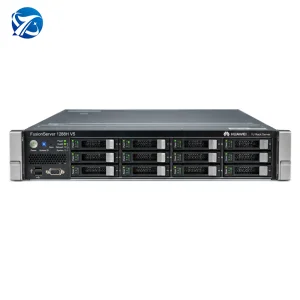
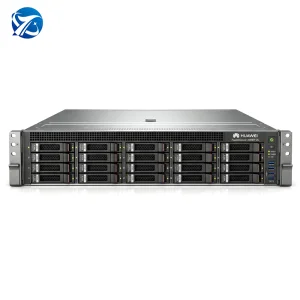
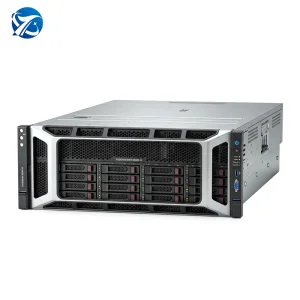
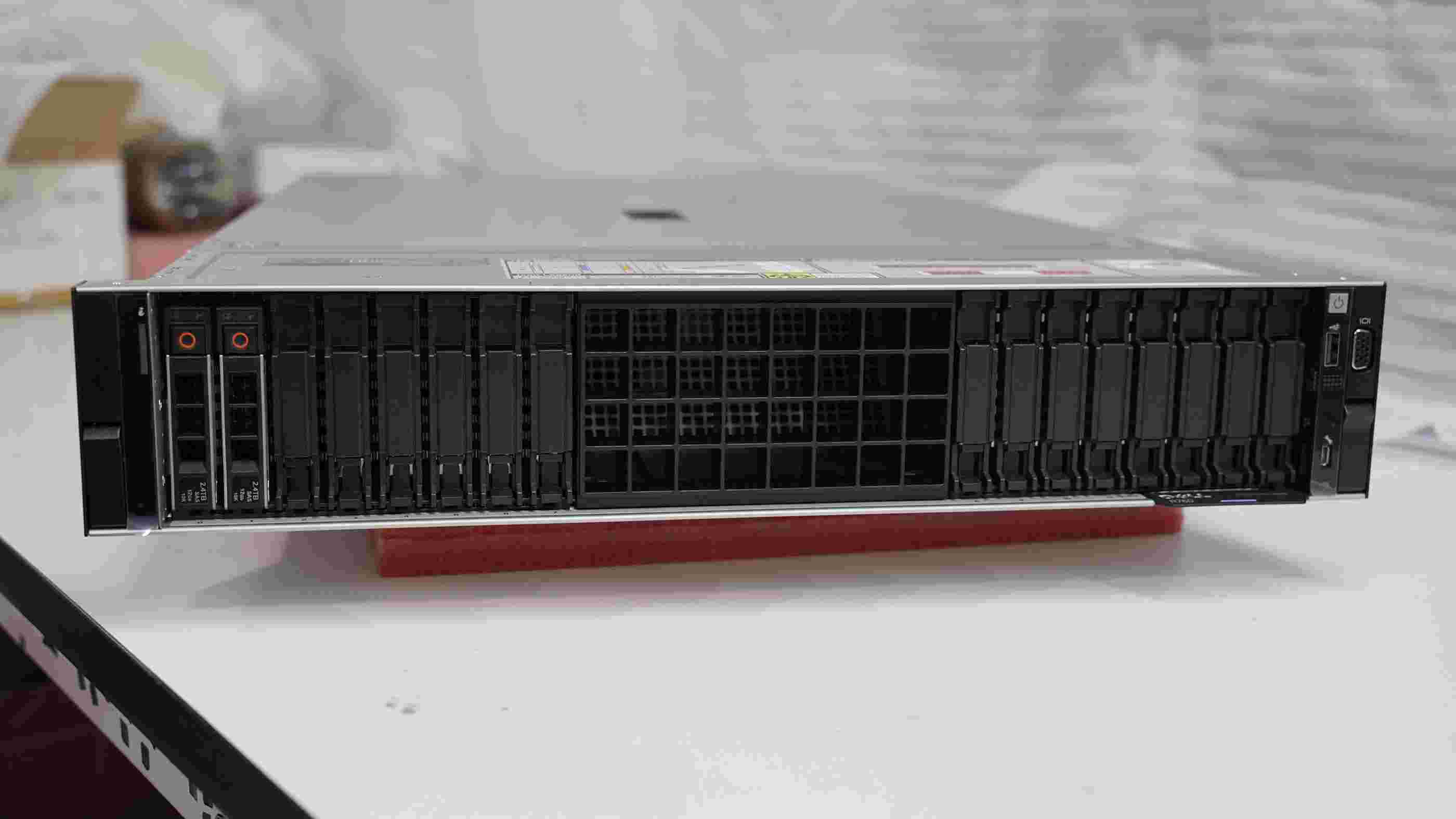
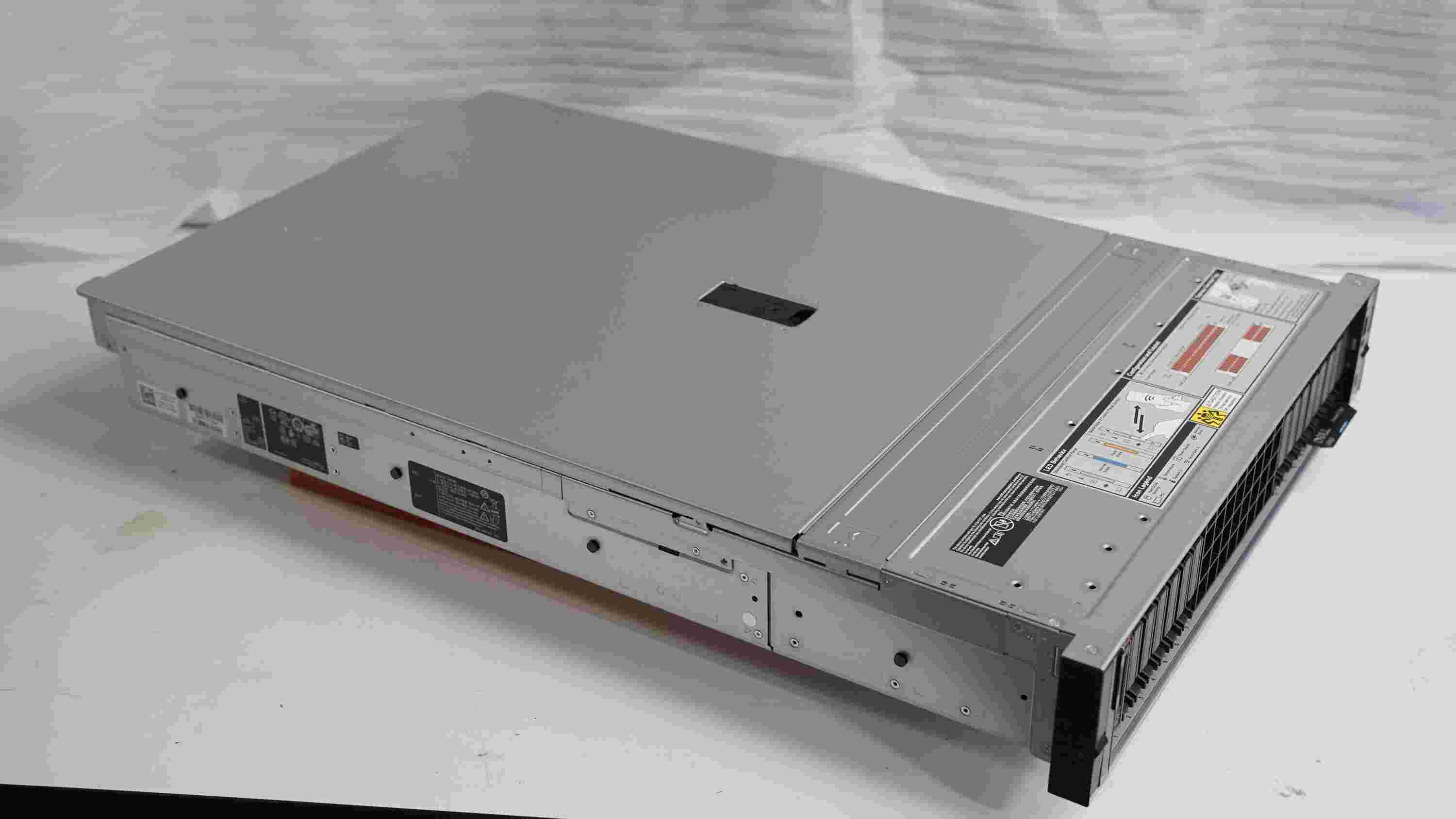
Across global industries—ranging from Tier-1 hyper-scalers to manufacturing complexes—data centers face the challenge of maximizing performance within restricted footprints. V5 rack servers address this by offering customizable modular drive bays, flexible PCIe expansion, and robust thermal engineering. Whether deploying standard 1U systems like the 1288H V5 for space-constrained edge nodes, or heavy-duty 2U and 4-socket configurations like the 2288H V5 and 2488H V5 for primary relational databases, companies rely on these platforms for consistent performance.
As software-defined storage (SDS) and complex machine learning pipelines (such as running inference workloads like DeepSeek) become mainstream, the hardware architecture needs to adapt. System integrators and corporate IT departments look for robust hardware that minimizes CPU bottlenecks, optimizes L3 cache usage, and ensures data path redundancy.
The technical efficacy of the xFusion V5 series lies in its structural diversity, enabling configurations to align with specific workloads. Understanding the performance profiles of these systems helps identify the correct deployment:
Borevo AI Infrastructure (China) Co., Ltd. is a specialized hardware partner, developer, and global exporter of high-performance rack server architectures and custom AI compute systems.
Discover how the integration of V5 servers and specialized hardware optimization targets critical business workloads across multiple sectors.
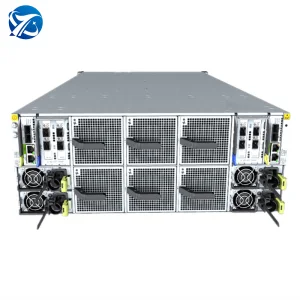
Utilizing high-density V5 GPU chassis like the G5200 V5, centers run local deep learning pipelines and DeepSeek workloads, managing thermal output during persistent compute states.
For systems handling critical database tasks, the 4-socket 2488H V5 provides dense computing and large memory bandwidth, reducing licensing costs and data latency.
With 1U chassis options, users deploy edge nodes for local data processing, filtering latency-sensitive telemetry before syncing to central clouds.
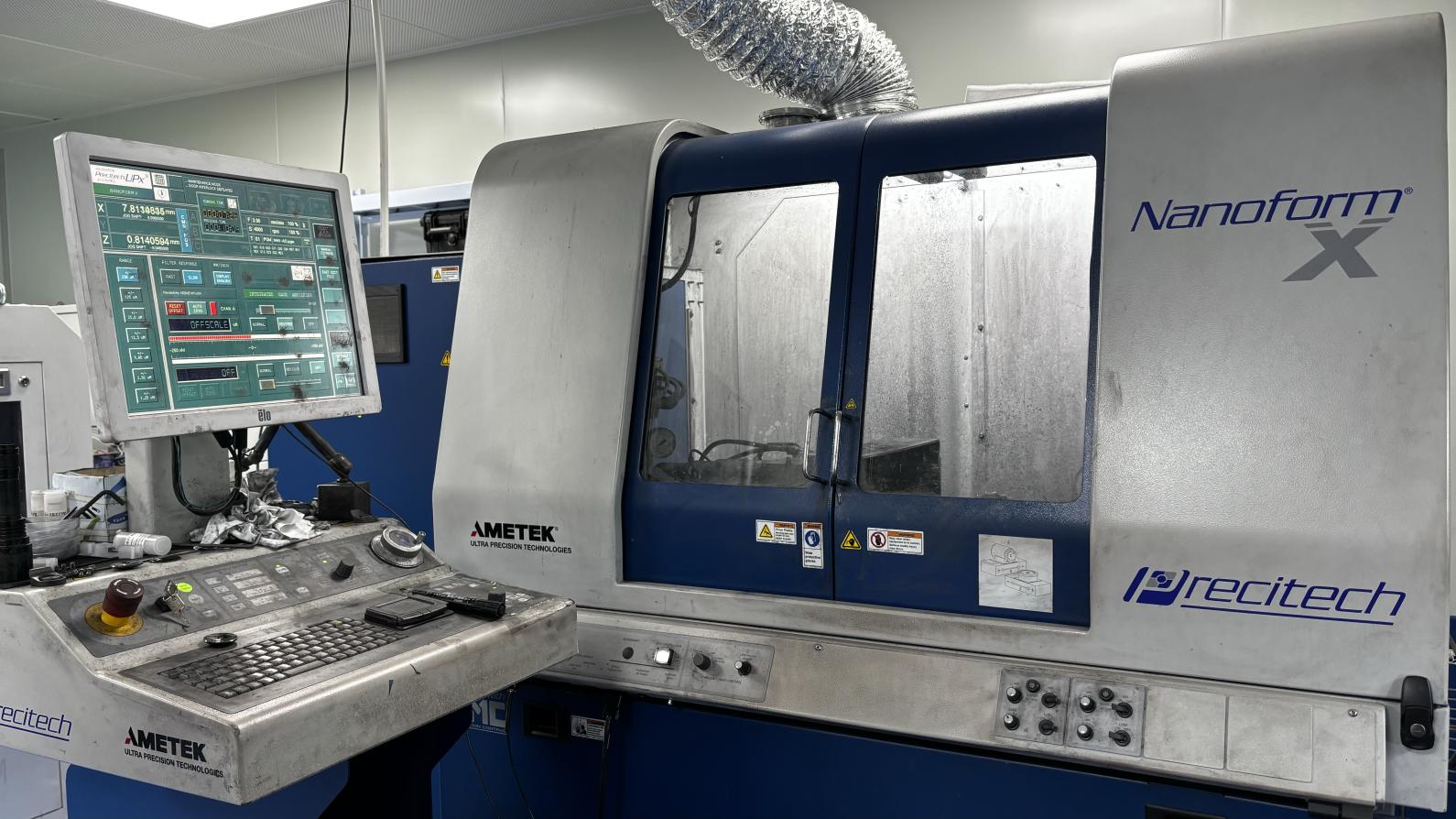
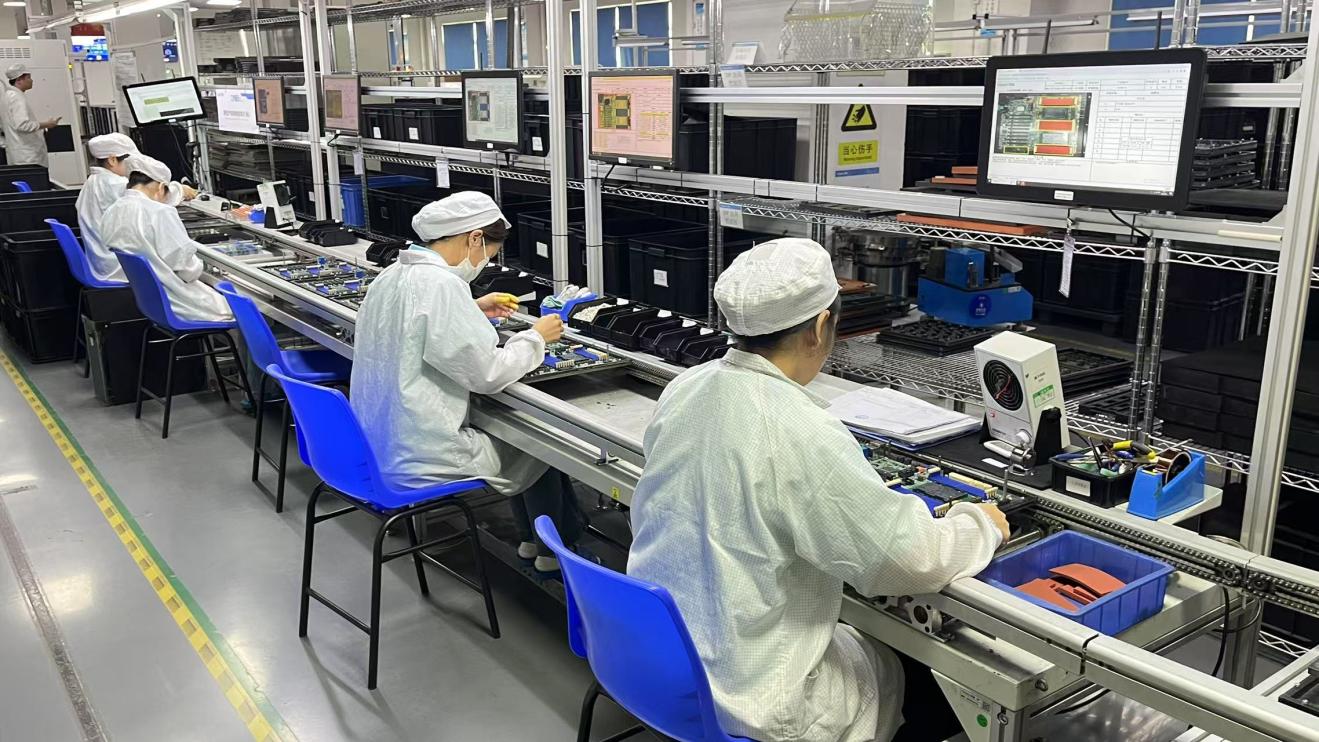
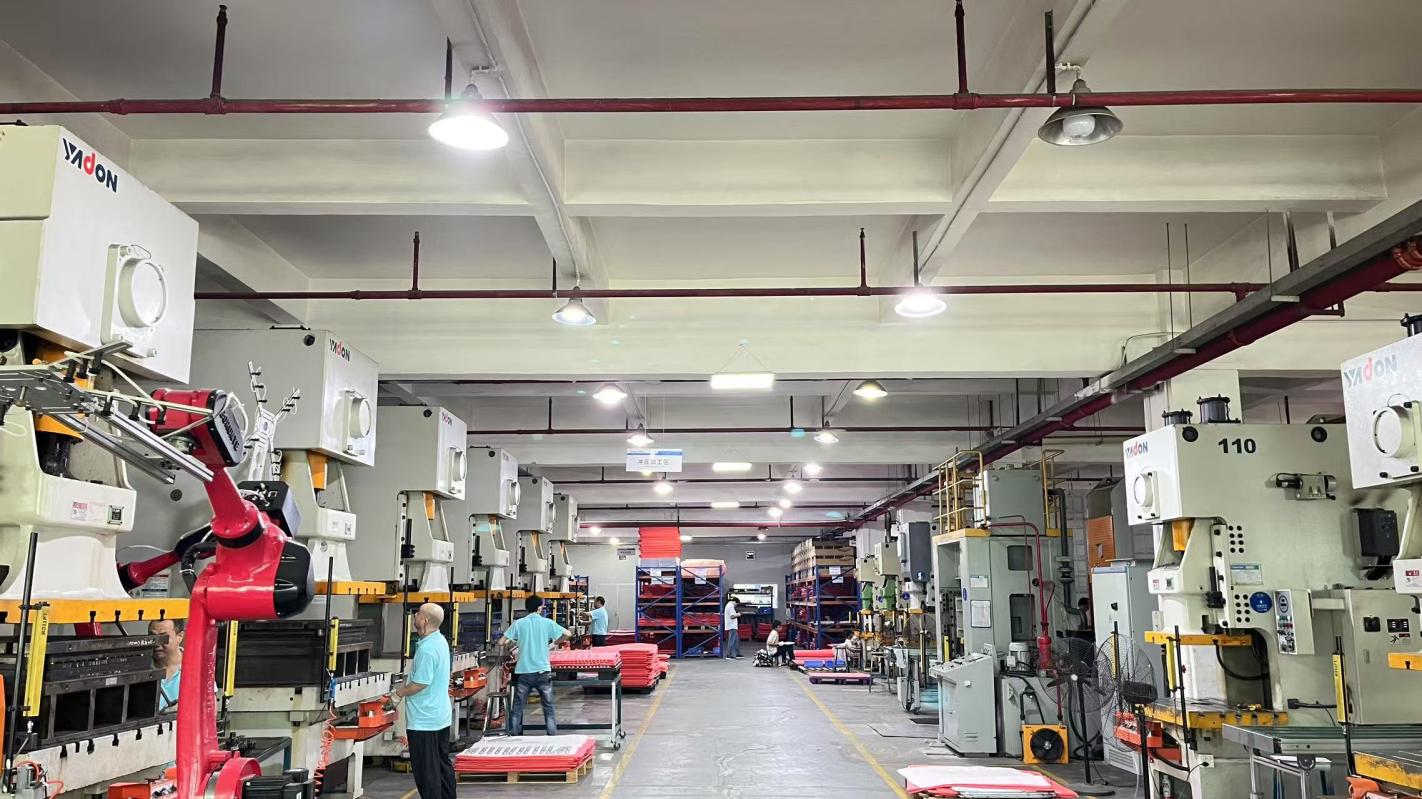
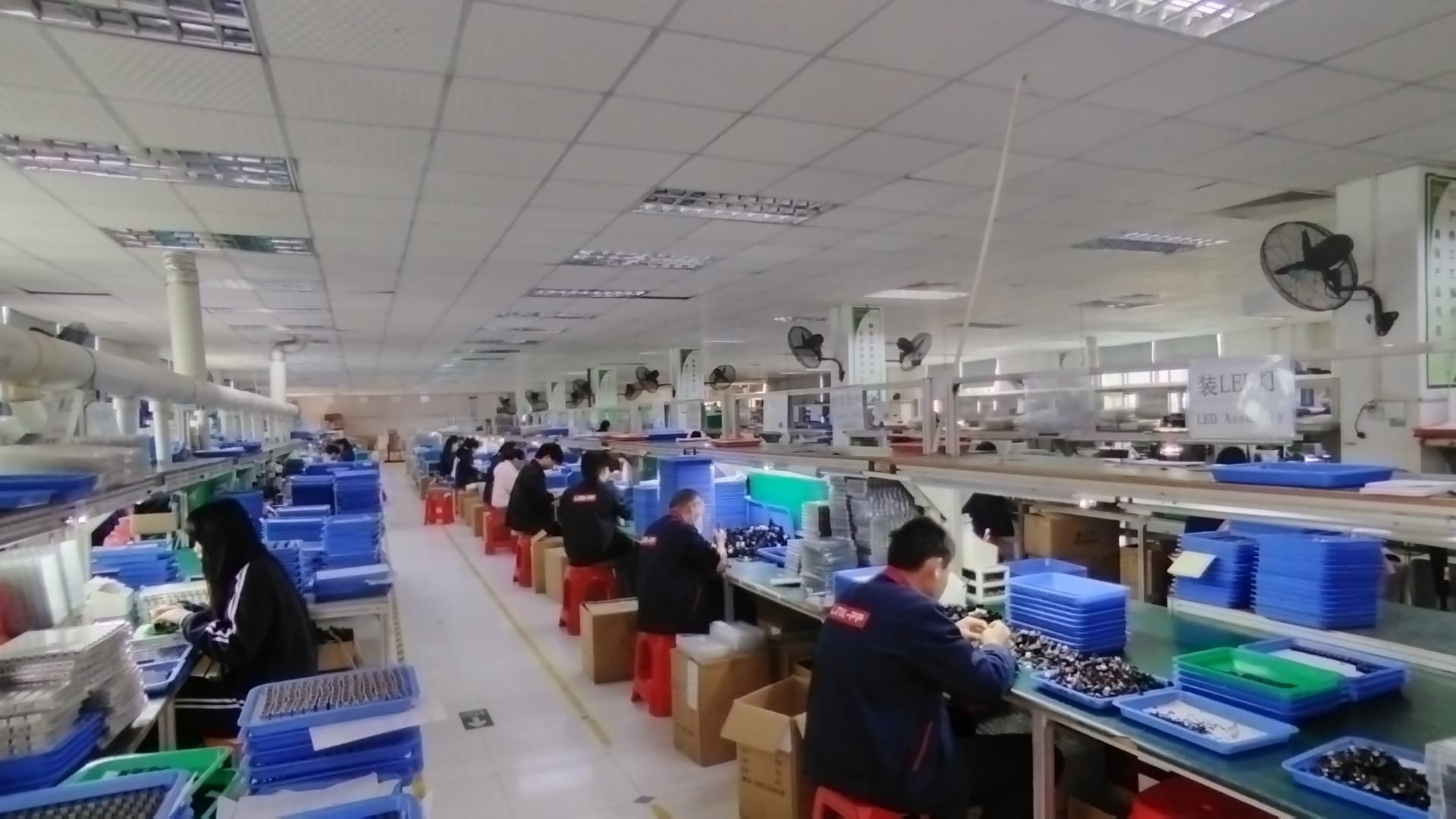
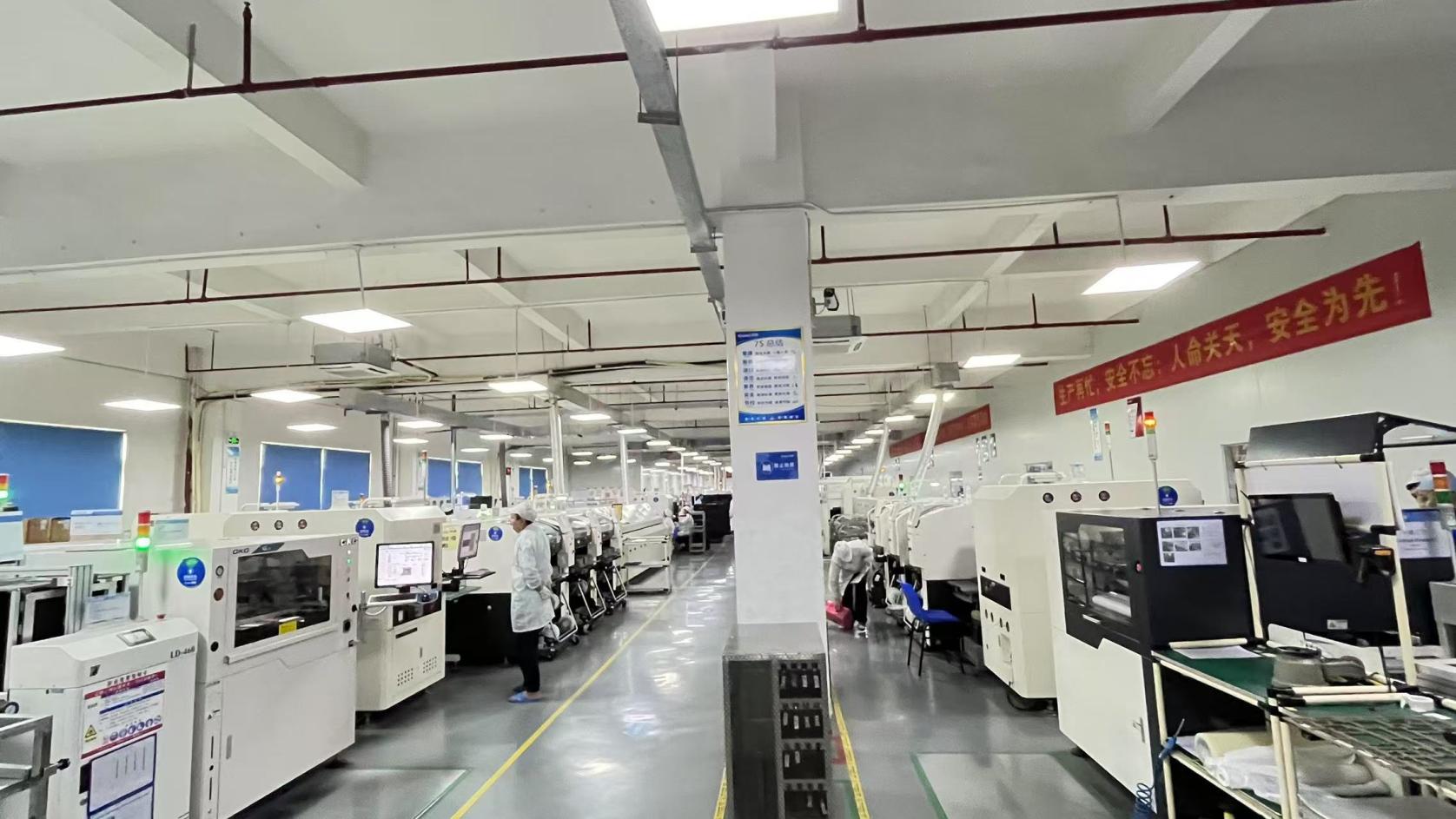
Borevo AI Infrastructure integrates manufacturing processes with quality validation protocols. Every xFusion V5 or customized GPU server chassis undergoes dynamic inspection workflows before export:
The architecture of enterprise servers is adapting to meet high-density compute demands, focusing on cooling efficiency, high-speed interconnects, and physical density. The transition from legacy V5 platforms to V7 architectures marks a shift toward unified compute frameworks. Compute densities that previously required full rack cabinets are now housed in compact chassis units.
Key developments shaping this roadmap include:
Technical and logistical insights for procurement departments, systems administrators, and system integrators.
Q1: How does the V5 series handle modern AI frameworks like DeepSeek inference?
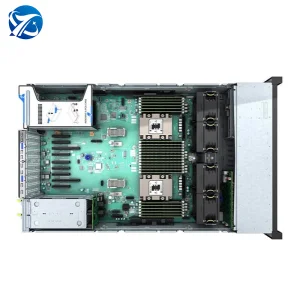
A: The FusionServer V5, especially the G5200 V5 and high-density variants, supports multiple dual-slot accelerator cards. By routing PCIe lines directly to the CPU sockets, the system minimizes latency in data transfer. This configuration supports running localized inference models and AI pipelines within the server's compute limits.
Q2: Can Borevo customize BIOS/Firmware to match legacy data center control loops?
A: Yes, our R&D engineering team of 180 professionals provides BIOS configuration, custom IPMI profiles, fan-speed curves, and thermal threshold optimization to match target environments, ensuring system stability.
Q3: What quality control steps are taken prior to global export?
A: Every server undergoes automated optical inspection (AOI), full-load burn-in testing in thermal chambers, component validation, and diagnostic testing for memory and PCIe lanes, supervised by our 45-member QC team.
Q4: What is the benefit of a 4-socket 2U server (2488H V5) compared to two 2-socket servers?
A: The 2488H V5 4-socket server reduces hypervisor licensing costs, saves rack space, and shares a single system board pool of memory. This setup benefits database operations and real-time transaction processing systems.
Review additional system architectures, specialized GPU servers, and high-performance computing platforms.