Borevo
Borevo
Borevo
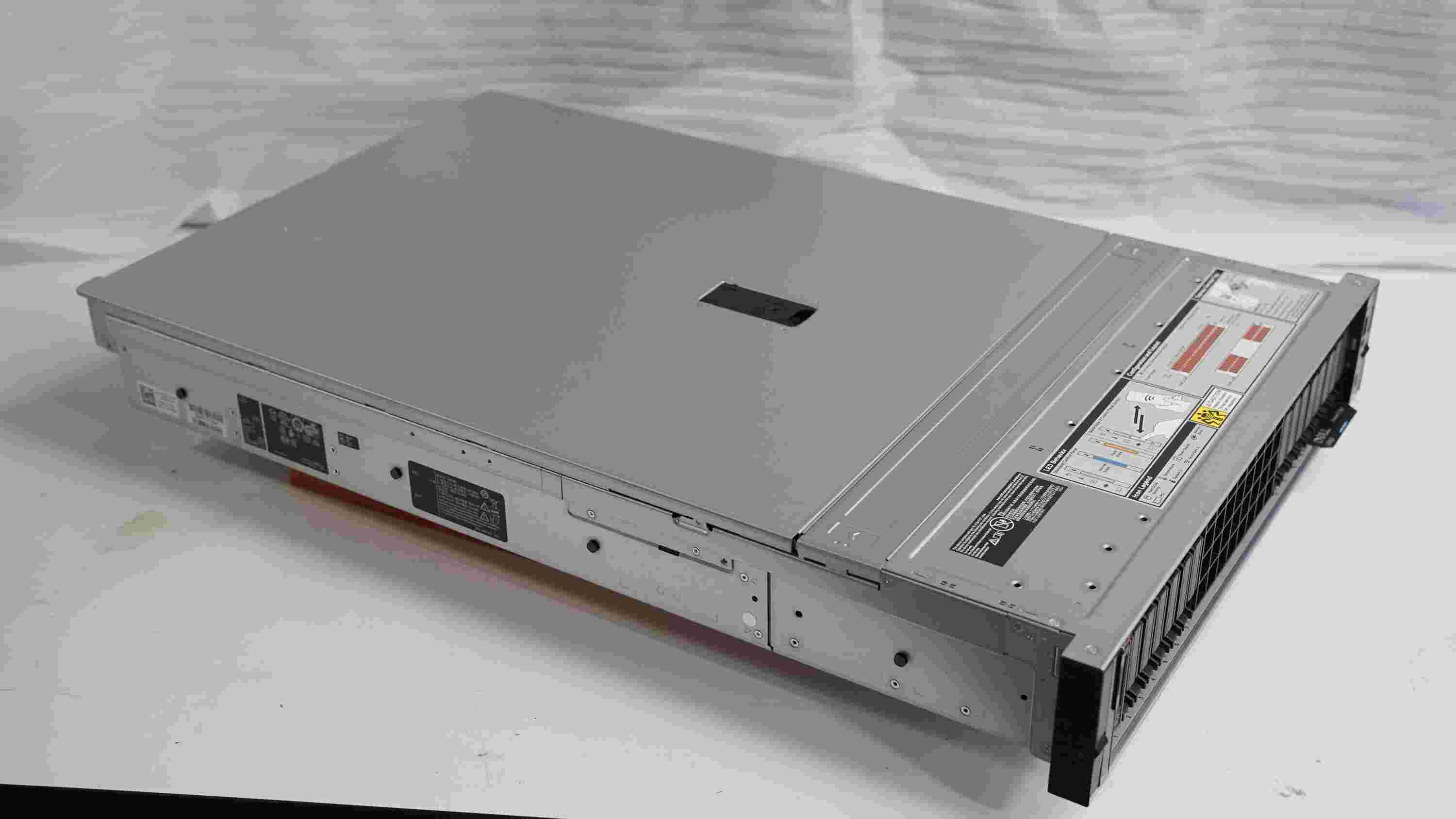
Explore our premium selection of advanced xFusion dual-socket x86 servers and hyperconverged nodes designed to scale with your organization's compute requirements.
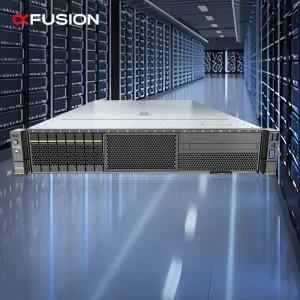
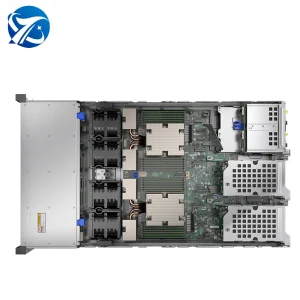
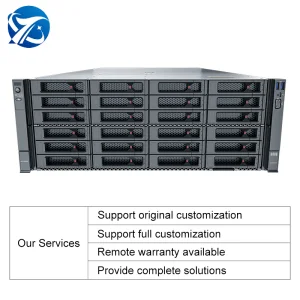
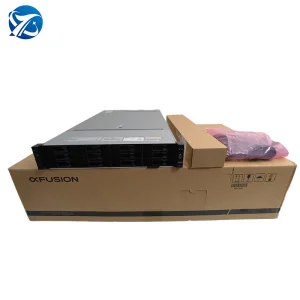
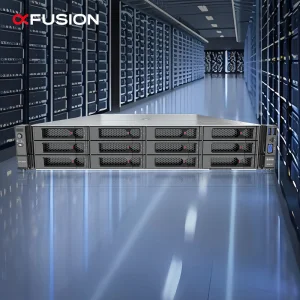
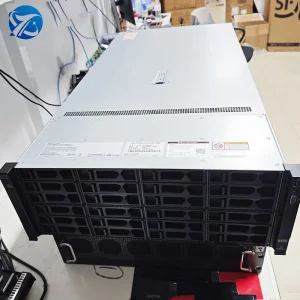
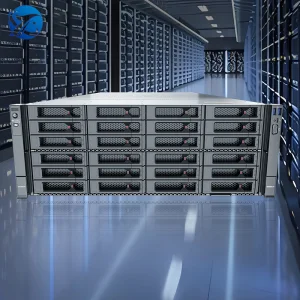
In the contemporary era of generative AI models, high-performance computing (HPC), and hyperconverged IT structures, organizations require robust hardware backbones capable of processing exabytes of unstructured data with minimal latency. High-performance dual-socket rack servers have transitioned from simple database repositories to integrated computing nodes designed to scale in tandem with multi-cloud fabrics. As global technology networks face rising workloads, particularly for running open-source frameworks like DeepSeek R1, the standard hardware configurations must evolve.
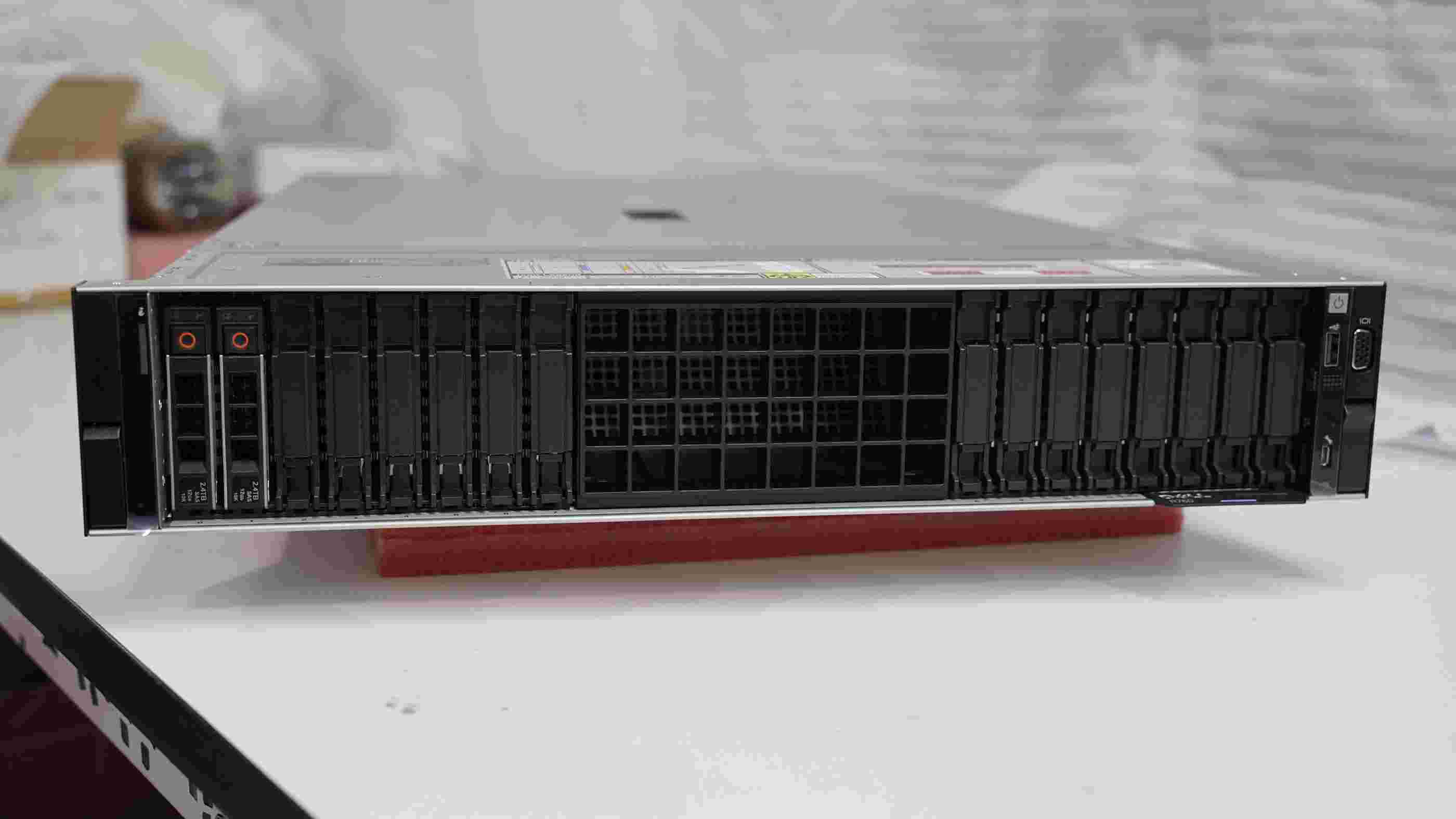
Through our comprehensive expertise as xFusion server suppliers and exporters, we recognize that optimization occurs at the intersection of heterogeneous CPU/GPU configurations, customized BIOS profiles, and optimized power consumption schemes. Advanced series such as the FusionServer 2258 V7 and G8600 V7 provide enterprises with highly-parallelized architectures, leveraging high PCIe Gen 5 lane availability to minimize data processing bottlenecks between processing units and memory chips.
“The transition to 4th and 5th Gen Intel® Xeon® Scalable processors, paired with rapid PCIe Gen5 expansions, allows modern data centers to achieve up to a 50% reduction in computing power bottlenecks while scaling heterogeneous AI models.”
The latest iteration of xFusion enterprise rack designs represents a significant technological leap, particularly in thermal dissipation and memory density. Modern systems, like the FusionServer 2258 V7, support dynamic liquid cooling arrays alongside traditional smart air fans. This structural flexibility allows enterprise operators to deploy them in standard data centers as well as dense, localized edge locations without risking heat throttling under severe computing stress.
How our strategic base in Shenzhen, China optimizes production time, ensures rigorous QA standards, and stabilizes global delivery timelines.
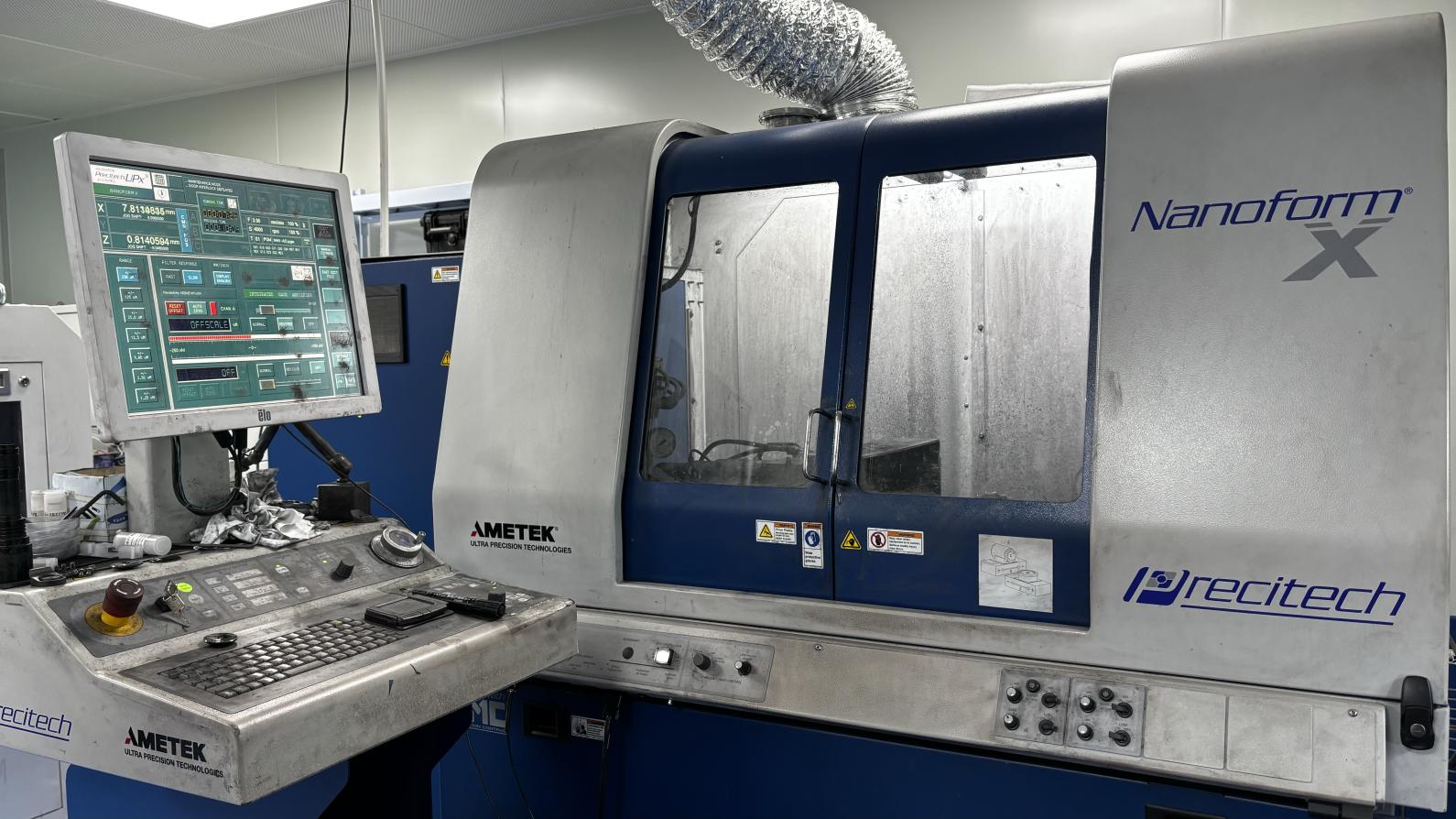
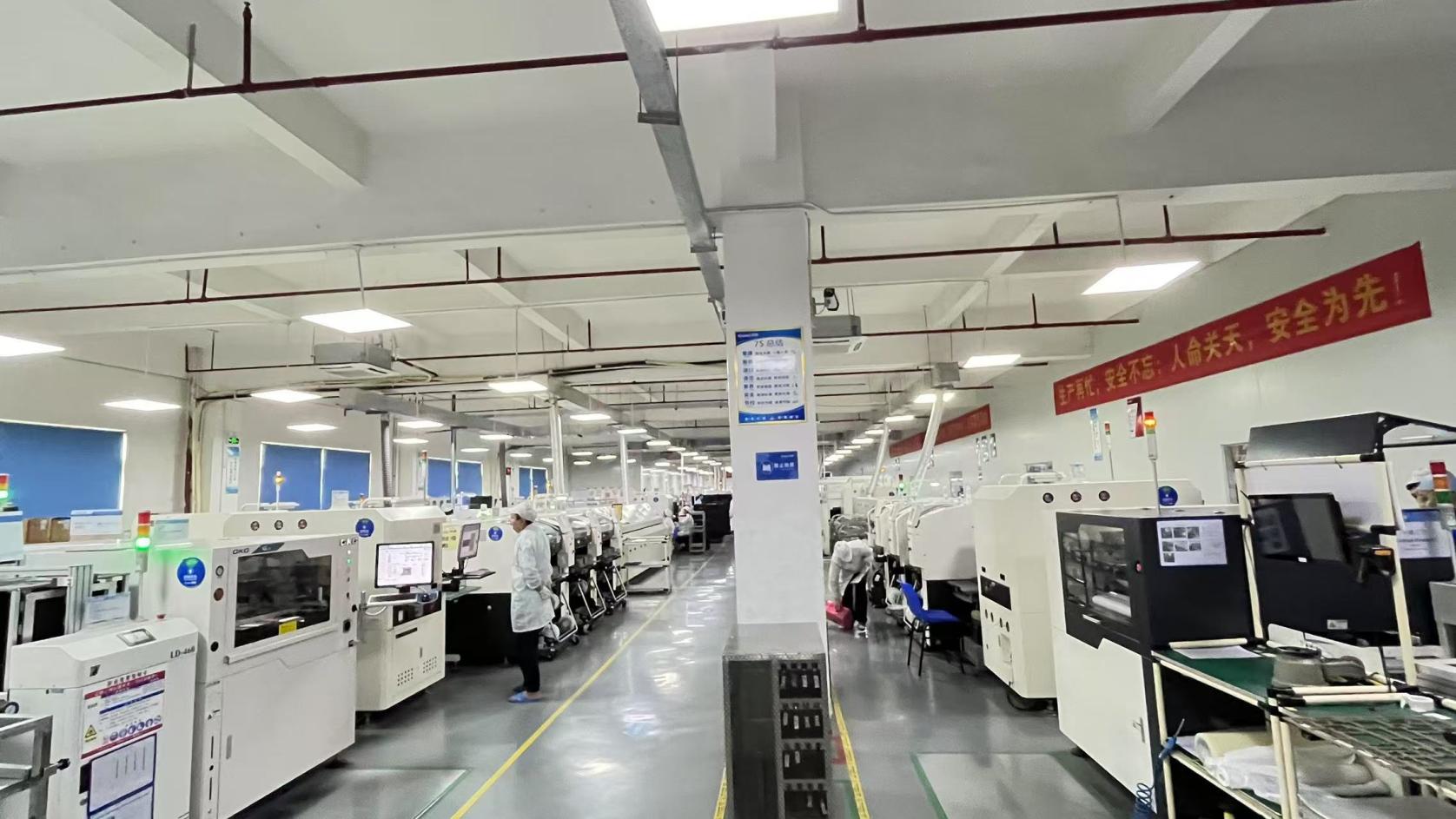
Operating out of an 18,600 m² modern facility, we deliver extensive customization ranging from proprietary firmware configurations and hardware BIOS profiles to bespoke structural chassis designs.
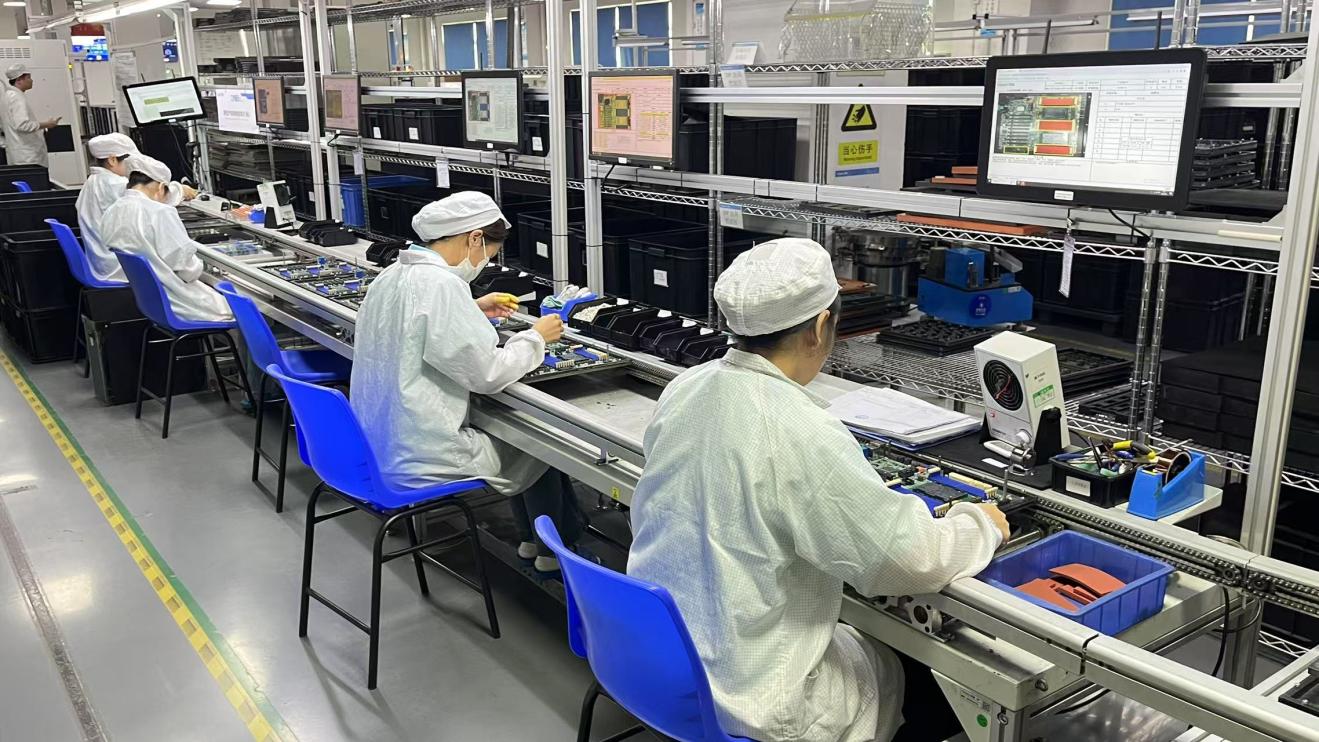
Our dedicated team of 45 quality assurance technicians manages strict testing protocols, including AOI inspections, thermal chamber cycling, and full-load burn-in validation before packaging.
By leveraging long-term agreements with over 850 strategic semiconductor, PCB fabrication, and high-performance memory component suppliers, we buffer our inventory from market fluctuations.
The rise of customized artificial intelligence model training and inference pipelines—exemplified by open-weight networks such as DeepSeek—has fundamentally shifted hardware procurement criteria. Organizations no longer assess computing capacity solely by CPU frequency. Instead, memory bandwidth per core, PCIe slot placement for heavy-duty GPUs, and native support for low-precision data types (like FP8 and INT8) dictate hardware viability.
Modern server assemblies, such as the xFusion G5500 V7 and the dense FusionServer G8600 V7, address these computing demands. By routing up to 8 dual-width GPU cards through high-speed switches within an 8U rack-mounted chassis, these systems achieve massive interconnect speeds. This design allows data science teams to execute complex training operations with lower latency, ensuring that data pipelines remain fully saturated.
Deploying AI and deep learning engines introduces three primary hardware engineering requirements:
Our hardware solutions scale to meet the compliance and performance standards of major industries:
Strategic integration partner providing premium computing designs and component support for global IT markets.
Founded in 2018, Borevo AI Infrastructure (China) Co., Ltd. is a dedicated designer and exporter of high-performance GPU systems, customized computing units, and complete server solutions. Based in Shenzhen’s tech hub, we integrate advanced research and development with scalable manufacturing, delivering reliable hardware architectures to customers in North America, Europe, and Southeast Asia.
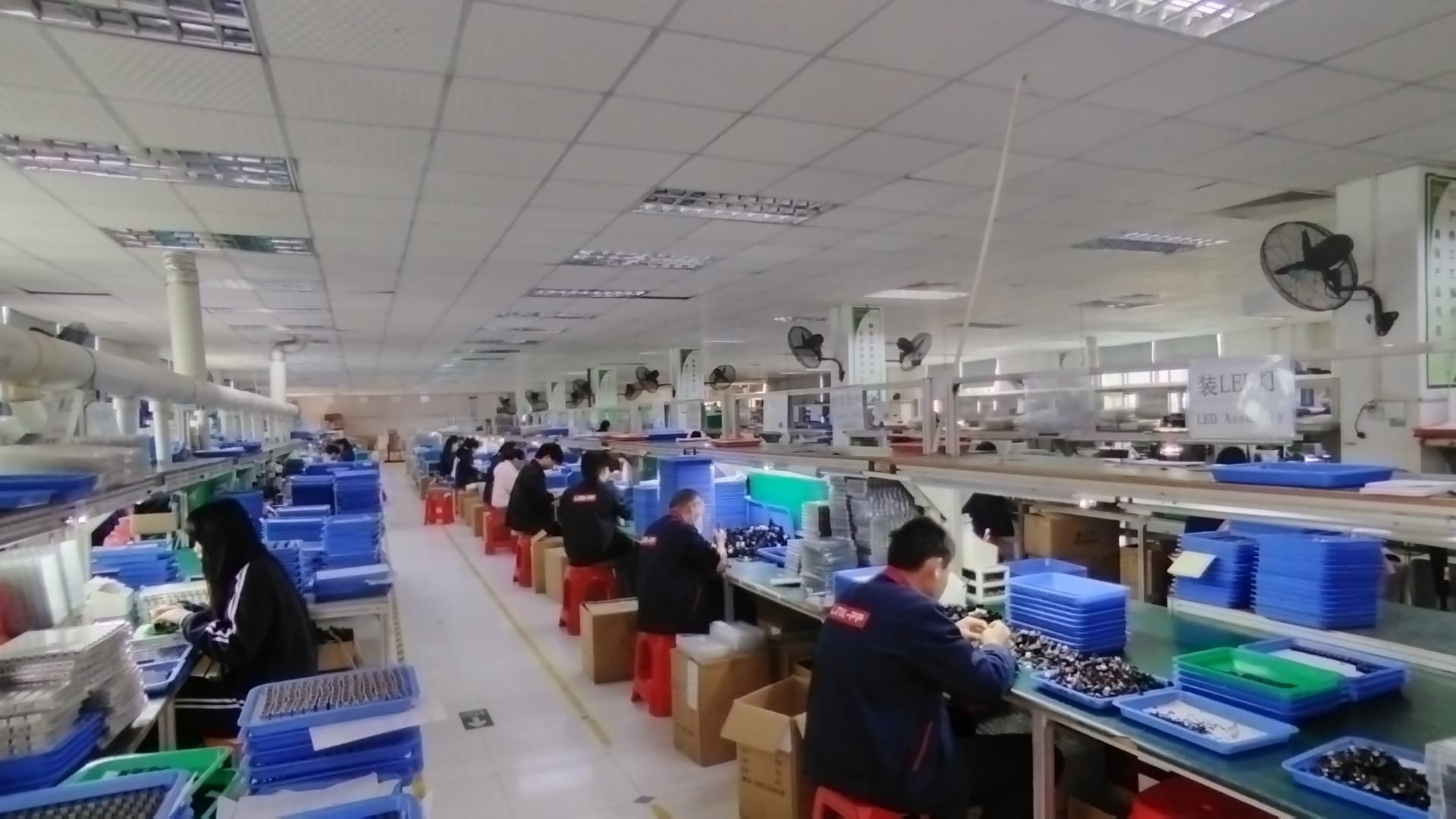
Our 18,600 m² production facility houses cleanroom assembly lines and automated testing chambers. Supported by 180 engineers and a dedicated 45-person QA team, we manage quality at every stage, from component validation to full system stress testing. Through long-term agreements with over 850 supply chain partners, we ensure consistent production even during global component shortages.
| Key Organizational Metrics | Specifications & Capabilities |
|---|---|
| Company Registration | Established in 2018 |
| Annual Export Revenue | USD 18 Million |
| Total Team Experience | 12 Years Industry Experience / 7 Years Dedicated Export Operations |
| R&D Output (Previous Year) | 120 New Specialized Product Configurations Released |
| Quality Verification Protocols | Automated Optical Inspection (AOI), Thermal Stress Cycling, Burn-in Performance Benchmarking |

Technical insights, configuration questions, and procurement procedures answered by our engineering team.
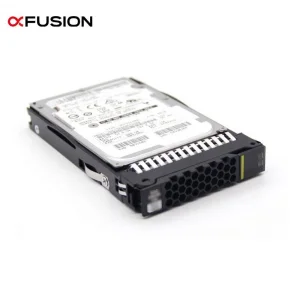
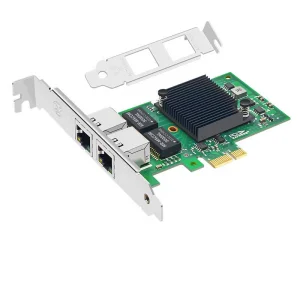
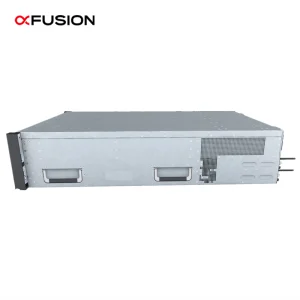
Complete your deployment with certified replacement parts, fast solid-state drives, storage adapters, and high-density server nodes.