Borevo
Borevo
Borevo
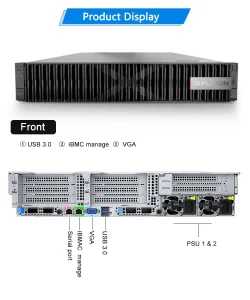
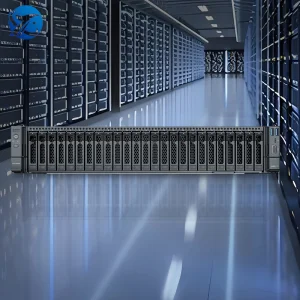
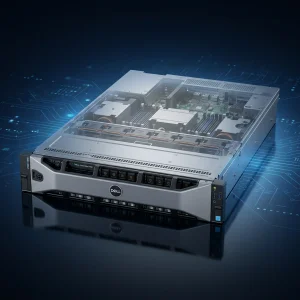
High-performance processing engines optimized for deep learning, LLM fine-tuning, and enterprise AI inference workloads.
Navigating hardware scalability, thermal profiles, and the paradigm shift in massive tensor processing engines.
Modern enterprise compute demands have transitioned from traditional scalar processing (CPU) to highly parallelized tensor and vector processing (GPU). As large language models (LLMs) such as DeepSeek-R1 (671B parameters) and Llama variants scale, standard cloud virtualization struggles with communication latency and thermal throttling.
Global procurers look for AI hardware configurations that prioritize high-bandwidth interconnects (like NVLink and PCIe Gen5 interfaces) alongside unified memory bandwidth (HBM3e / DDR5). System architectures must be designed to withstand heavy, continuous cycles without risking electrical degradation or catastrophic hardware failure.
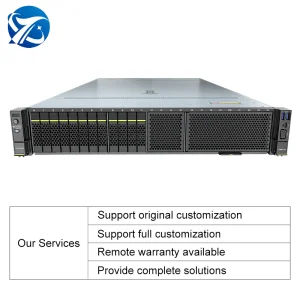
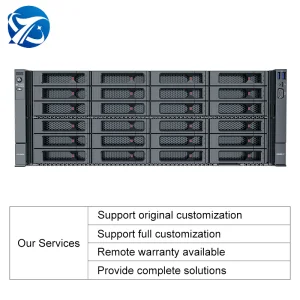
Deploying state-of-the-art GPU clusters yields high thermal footprints. A single high-density 2U or 4U AI server housing multiple double-width GPUs can draw up to 3.5kW - 10kW of continuous power.
To mitigate performance degradation, system integrators implement advanced thermal design features: copper vapor chambers, customized fan curves, and liquid cooling cold plates. Choosing the right server supplier involves analyzing not just RAW compute power (TFLOPS), but also the thermodynamic capabilities (airflow optimization, smart PMBus control) to secure sustainable Power Usage Effectiveness (PUE) at scale.
When engineering and scaling AI computing infrastructure, technical decision-makers must evaluate several performance-limiting vectors to ensure alignment with immediate workloads and future AI requirements. System-level integration should prioritize the following parameters:
Company Profile: A specialized global manufacturer dedicated to delivering high-performance computing hardware.
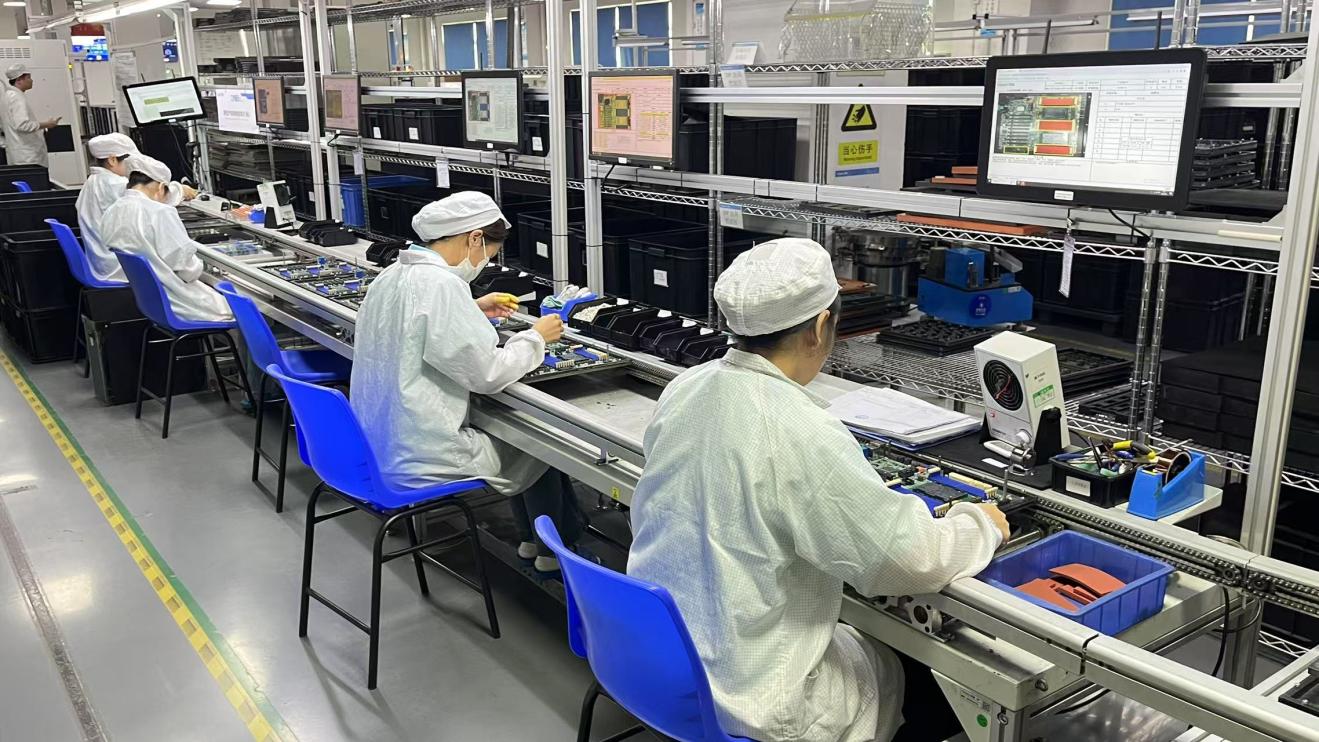
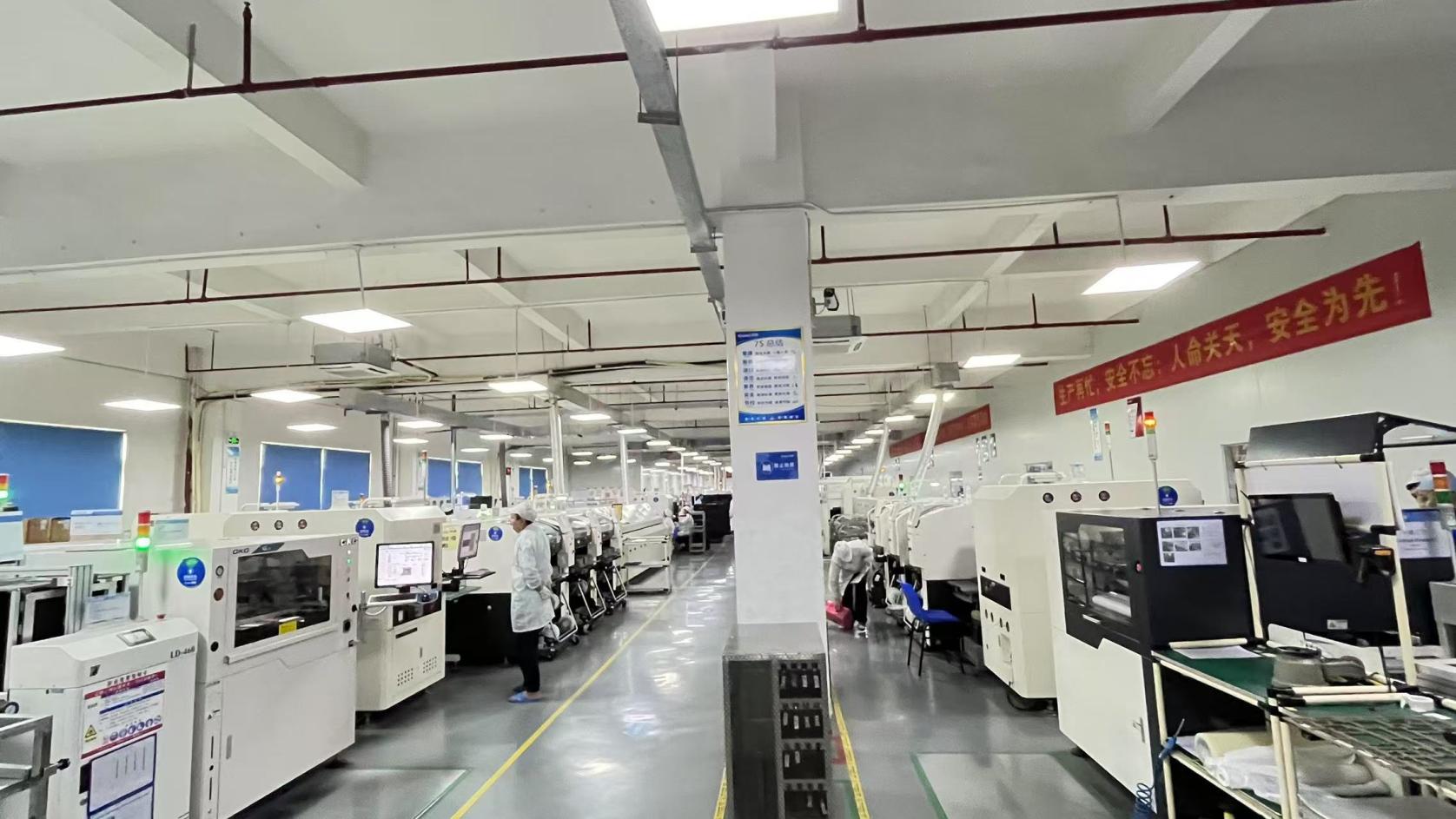
Our manufacturing workflow operates under a strict full-process quality control schema. Our testing suite includes automated optical inspection (AOI), high-temperature environmental burn-in simulation, dynamic thermal stress testing, and real-world high-throughput electrical benchmarking. This ensures every server system operates with absolute stability under 100% sustained computing utilization.
Focusing on high-speed PCB layouts, signal transmission protection, dynamic firmware manipulation, and optimized heat dissipation. The R&D group engineered 120 new products in the last year, aligning hardware with complex heterogeneous software suites and bare-metal AI clustering technologies.
Through our network of roughly 850 strategic hardware partners, Borevo manages component sourcing to guarantee short lead times. We source directly from major manufacturers of semiconductor substrates, memory modules, PCB components, and active liquid cooling systems, securing consistent supply chains even during market shortages.
Tailoring high-density server configurations to the computing requirements of modern enterprise pipelines.
Next-generation DNA sequencing requires processing billions of base pairs in parallel. High-density GPU arrays accelerate sequence alignment (using tools like GATK and Clara), reducing genomic processing cycles from weeks to minutes, directly supporting real-time clinical discoveries.
Executing high-frequency algorithmic transactions, Monte Carlo market simulations, and deep neural network-driven fraud detection requires ultra-low latency. Our hardware configurations optimize PCIe paths to network interfaces, allowing financial systems to analyze sub-second market data feeds.
Training visual model pipelines for autonomous vehicles requires processing massive, continuous high-definition video datasets. Using high-density GPU platforms accelerates object detection, path planning simulations, and semantic segmentation training with zero drop frames.
How Borevo bridges the physical limits of hardware engineering to support future AI computational paradigms.
As board rates climb, preserving signal integrity over copper runs becomes increasingly difficult. Borevo’s R&D division utilizes high-grade, ultra-low-loss PCB laminates combined with active retimer components. This ensures reliable transmission without data packet loss or CPU-to-GPU sync bottlenecks.
Proprietary systems limit deployment flexibility. Borevo designs hardware compliant with Open Compute Project (OCP) standards. This allows operators to easily swap components, adapt power shelves, and scale their server rooms using standardized modules, lowering Total Cost of Ownership (TCO).
Air cooling is approaching its limit for high-density AI clusters. Borevo’s engineering division is focusing on liquid cooling systems, designing custom cold plates for high-TDP accelerators. Our systems are built to support closed-loop water blocks and two-phase immersion cooling setups. This allows data centers to significantly lower their cooling overhead, keeping overall PUE ratios close to 1.10.
Ensuring hardware performance is backed by strict compliance, certifications, and robust lifecycle support.
All Borevo systems carry international safety and environmental certifications, including FCC, CE, RoHS, UL, and VCCI. This guarantees smooth customs clearance and strict compliance with local workplace safety regulations.
Utilizing strategic logistics nodes, we coordinate expedited worldwide shipments of rackmount systems. Every system is shipped in custom-engineered flight cases with built-in moisture protection and shock indicators to ensure safe transport.
We provide comprehensive post-deployment support, offering 24/7/365 tier-3 engineering escalation pathways, localized component depots, and rapid on-site hardware swap SLAs to maximize system uptime.
Detailed answers to technical questions commonly raised by system engineers and hardware procurement leads.
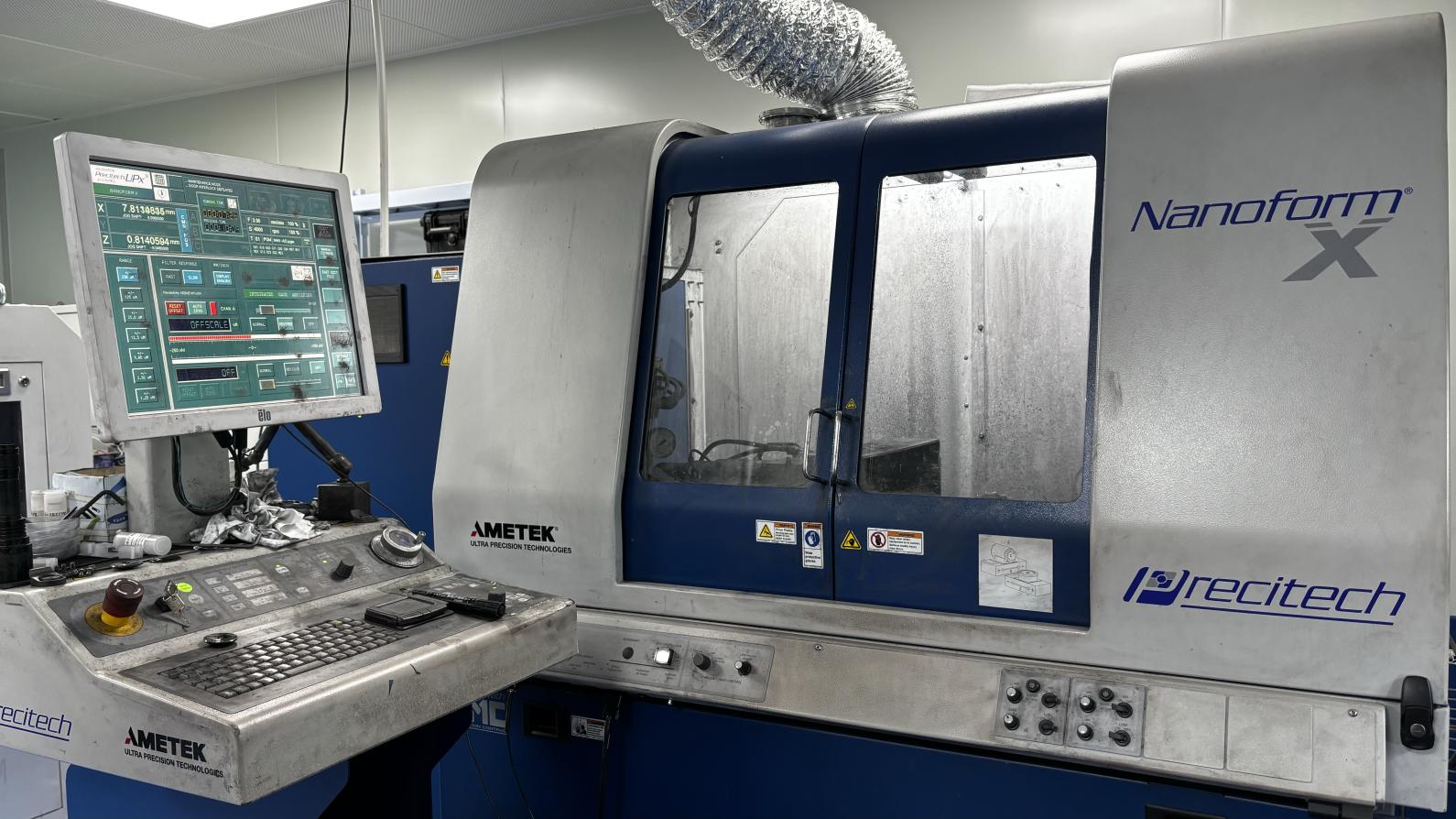
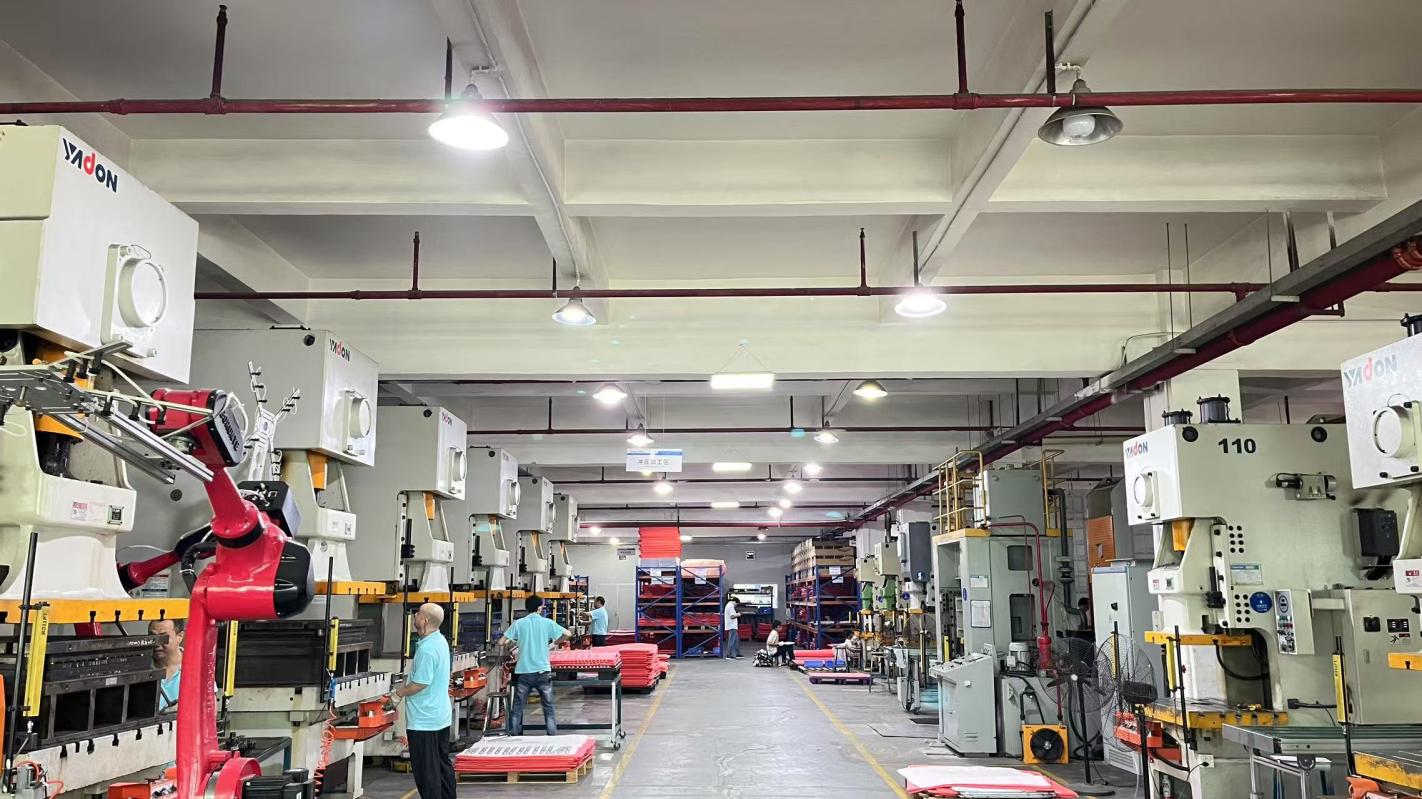
Visual tour inside the Borevo 18,600 ㎡ high-performance computer hardware manufacturing plants.


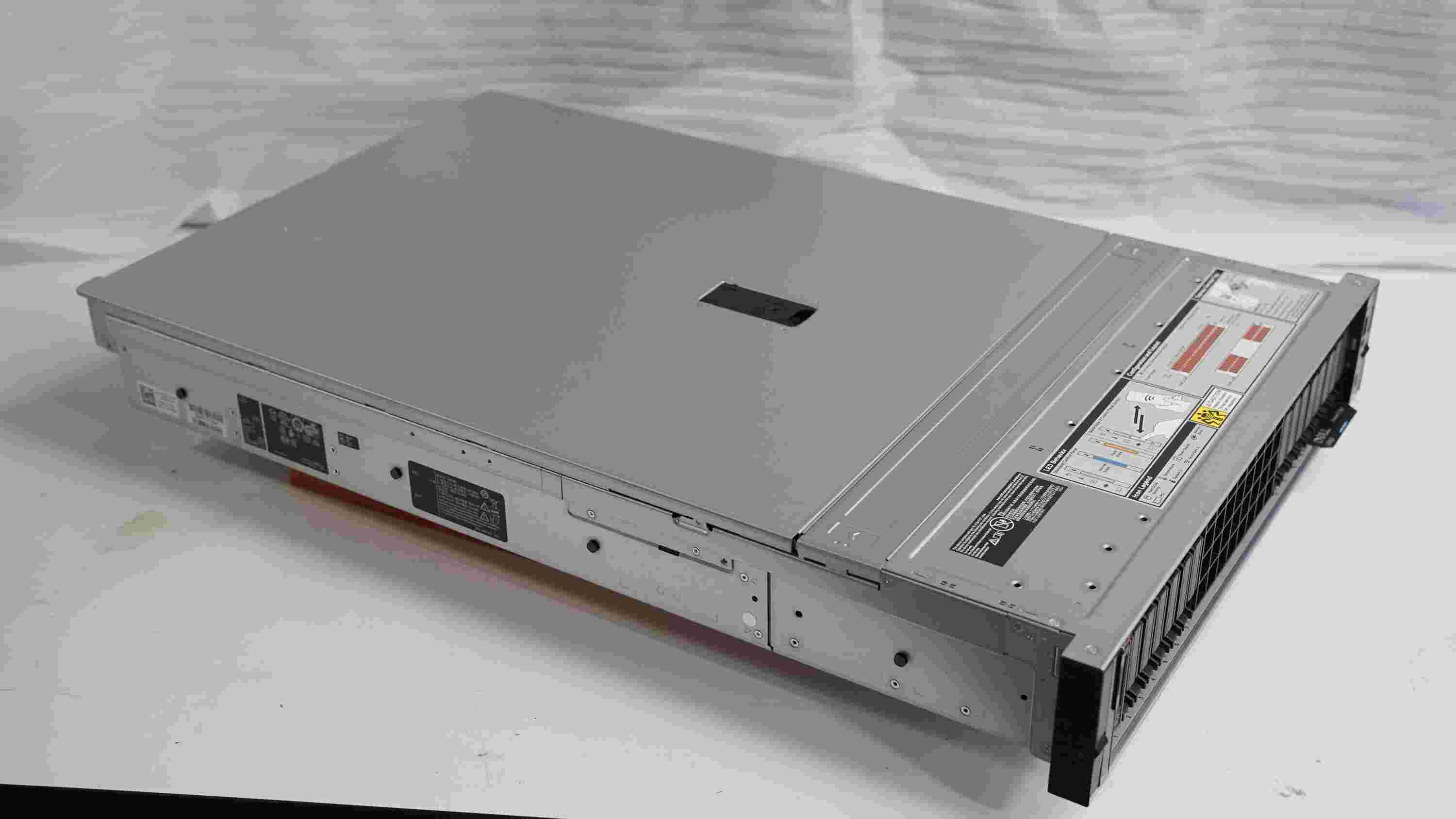
Select, configure, and customize the ideal chassis for your enterprise workloads.