Borevo
Borevo
Borevo
Explore our premium grade server RAM components, scalable processing nodes, and acceleration modules engineered for modern cloud infrastructure.
Analyzing the architectural transitions and supply chain mechanisms driving data-intensive computing platforms.
As deep learning architectures and LLMs (Large Language Models), such as DeepSeek and GPT models, scale to hundreds of billions of parameters, server memory is no longer just a storage buffer—it is the definitive bottleneck of computational throughput. Heterogeneous AI accelerators require extremely fast, high-density, and failure-tolerant system RAM to sustain continuous data pipelines without starving the GPU tensor cores.
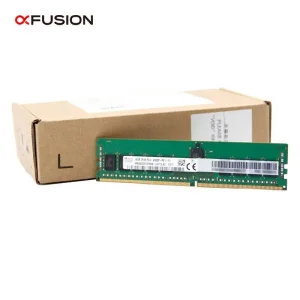
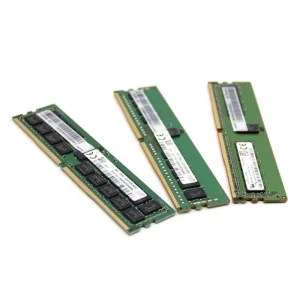
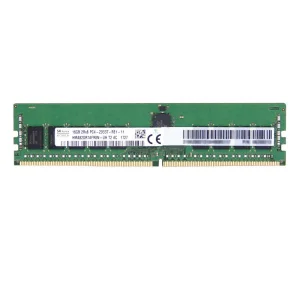
Server DRAM (Dynamic Random-Access Memory) manufacturers operate at the convergence point of global semiconductor scaling limits and growing datacenter thermal profiles. The deployment of high-frequency DDR4 RDIMMs (operating at 3200 MT/s with low latencies down to 0.625ns) and next-generation DDR5 infrastructures provides the physical foundation for scalable multi-socket processing, preventing memory starvation during massive multi-tenant virtualization workloads.
The global enterprise RAM ecosystem is characterized by highly consolidated wafer manufacturing and localized component integration. As an established exporter, Borevo AI Infrastructure (China) Co., Ltd. bridges the gap between raw silicon production and optimized system-level integration. Enterprise purchasers require strict compliance with international reliability protocols, highlighting the value of structured supply chains and rigorous quality gates.
Exporting server RAM involves navigating complex compliance frameworks, environmental standards, and signal integrity guarantees. Memory modules must undergo strict validation procedures to survive the hostile electrical and thermal environments found in dense 1U and 2U multi-socket cloud servers.
Technical Insight: Latency in modern server memory modules is calculated based on clock cycles and raw frequency. For example, a DDR4-3200 RDIMM with a cycle time of 0.625ns operates with highly optimized column address strobe (CAS) latencies to reduce instruction-fetch stalls in enterprise compute engines.
An enterprise partner integrating global export experience with rigorous quality management frameworks.
At Borevo AI Infrastructure, quality is validated at the electrical and physical layer. Our 45-member Quality Control Team executes a multi-tiered inspection protocol designed to eliminate early component failures (infant mortality) before shipping globally:
Understanding that generic configurations often cause bottlenecks in specialized HPC systems, we offer targeted OEM/ODM customization services:
| Customization Vector | Engineering Depth |
|---|---|
| Firmware & SPD Tuning | Optimizing Serial Presence Detect (SPD) parameters for legacy and custom server mainboards. |
| PCB Layer Optimization | Upgrading copper thickness and layer stackup to maintain signal integrity in high-density environments. |
| Thermal Solution Integration | Developing tailored low-profile heat spreaders for tight 1U server node enclosures. |
| Memory Density Profiles | Configuring custom Rank allocations (Single, Dual, and Quad Rank options) for specialized CPU memory controllers. |
A deep dive into technical specifications, signal topologies, and future-proof design principles.
Operating with a base voltage of 1.2V, DDR4 RDIMMs represent the baseline for global data systems. Key features include physical 288-pin interfaces, Cyclic Redundancy Check (CRC) for data transmission integrity, and independent parity detection on command lines to prevent system failures.
Scaling frequencies beyond 4800 MT/s, DDR5 reduces operating voltage to 1.1V while transferring power management from the motherboard directly to the DIMM via a Power Management IC (PMIC). This yields localized voltage regulation, higher power stability, and dynamic thermal adjustments.
Compute Express Link (CXL) protocol introduces memory pooling mechanisms over the PCIe physical layer. This allows servers to dynamic-share memory allocations across heterogeneous computing arrays, reducing latency overhead and avoiding costly memory under-utilization.
To assist datacenter architects in system configuration, the table below compares critical electrical and physical layers between DDR4 and DDR5 memory modules:
| Feature Parameter | DDR4 RDIMM | DDR5 RDIMM | Impact on Server Operations |
|---|---|---|---|
| Operating Voltage | 1.2 Volts | 1.1 Volts | Decreases power consumption; lowers datacenter thermal load. |
| Power Management | Motherboard Dependent | On-DIMM PMIC | Provides cleaner power delivery, preventing high-frequency noise. |
| On-Die ECC | Not Supported (Requires external chip) | Supported (Internal to DRAM chip) | Corrects single-bit errors inside the silicon before sending data out. |
| Burst Length | BL8 | BL16 | Doubles memory access efficiency per clock cycle. |
| Max Density (Single Die) | 16 Gb | 64 Gb | Allows high-capacity modules up to 256GB/512GB for extreme virtualization. |
Targeted memory architectures engineered to support specific computational workloads and environments.
In weather modeling, fluid dynamics, and molecular rendering platforms, server RAM bandwidth dictates time-to-solution. Multi-socket setups equipped with high-density DDR4/DDR5 ECC RAM prevent system crashes during computations that run for days at 100% capacity.
Financial trading terminals require low latency to clear transactions. Our modules focus on low CAS latency profiles (CL16 to CL22) and stable clock distribution systems, minimizing memory-controller level processing delays down to a minimum.
Multi-tenant cloud platforms hosting dozens of Virtual Machines (VMs) per physical node require massive memory capacities. High-capacity RDIMMs enable system administrators to allocate dedicated, hardware-isolated RAM nodes to secure cloud clients.
Modern factories rely on edge servers to run real-time machine vision inspection systems. These local servers operate in high-temperature, high-vibration conditions next to factory floor machinery. In these demanding environments, standard client memory modules often experience contact failures and signal drift.
Borevo AI Infrastructure’s server-grade RDIMMs utilize 30-microinch gold plating on contacts, coupled with temperature-hardened PCB cores, ensuring continuous industrial monitoring without system-level halts.
Clarifying memory design concepts, ECC capabilities, and deployment practices for server architects.
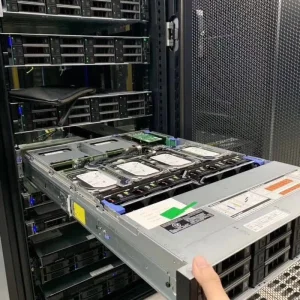
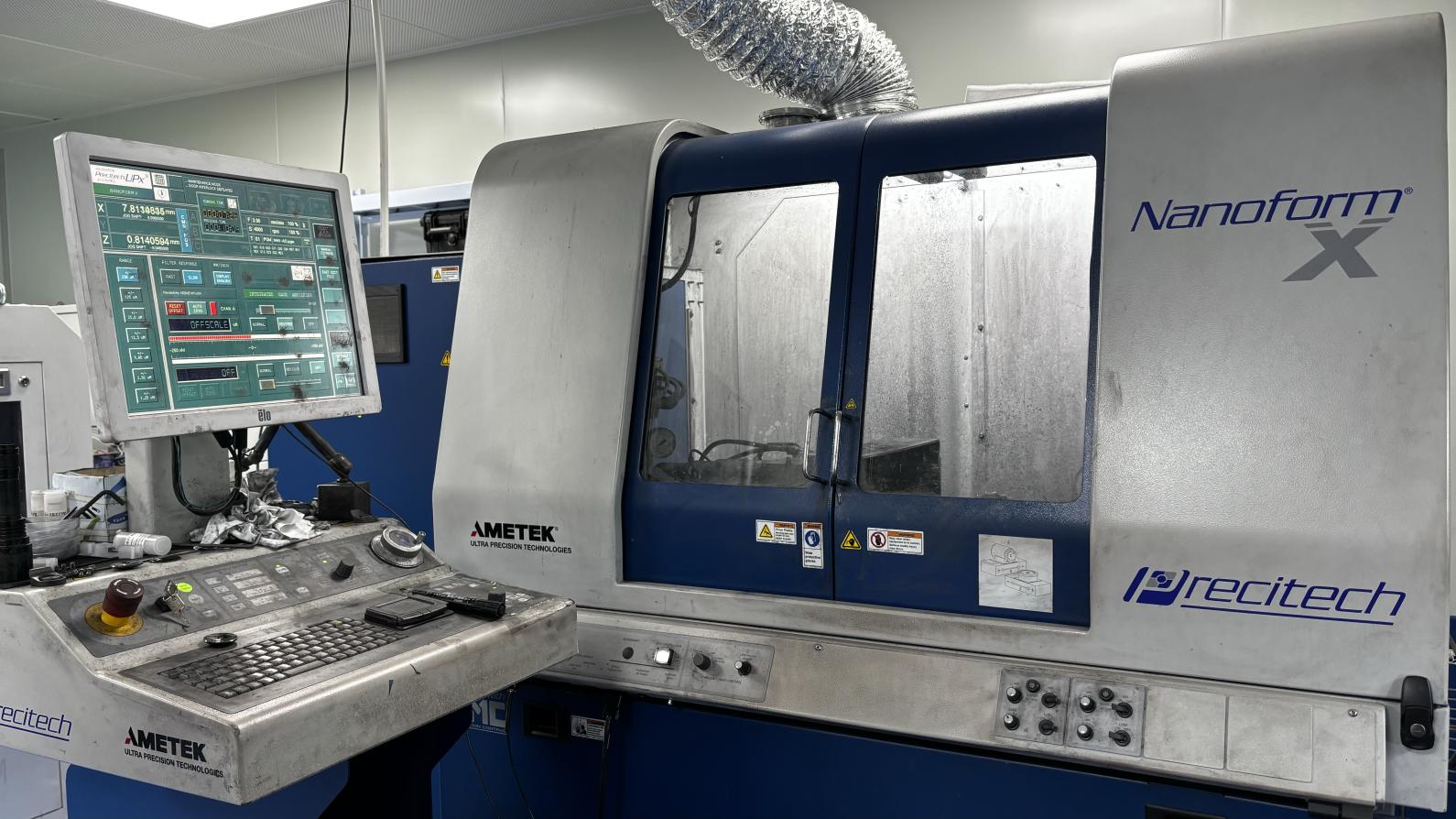
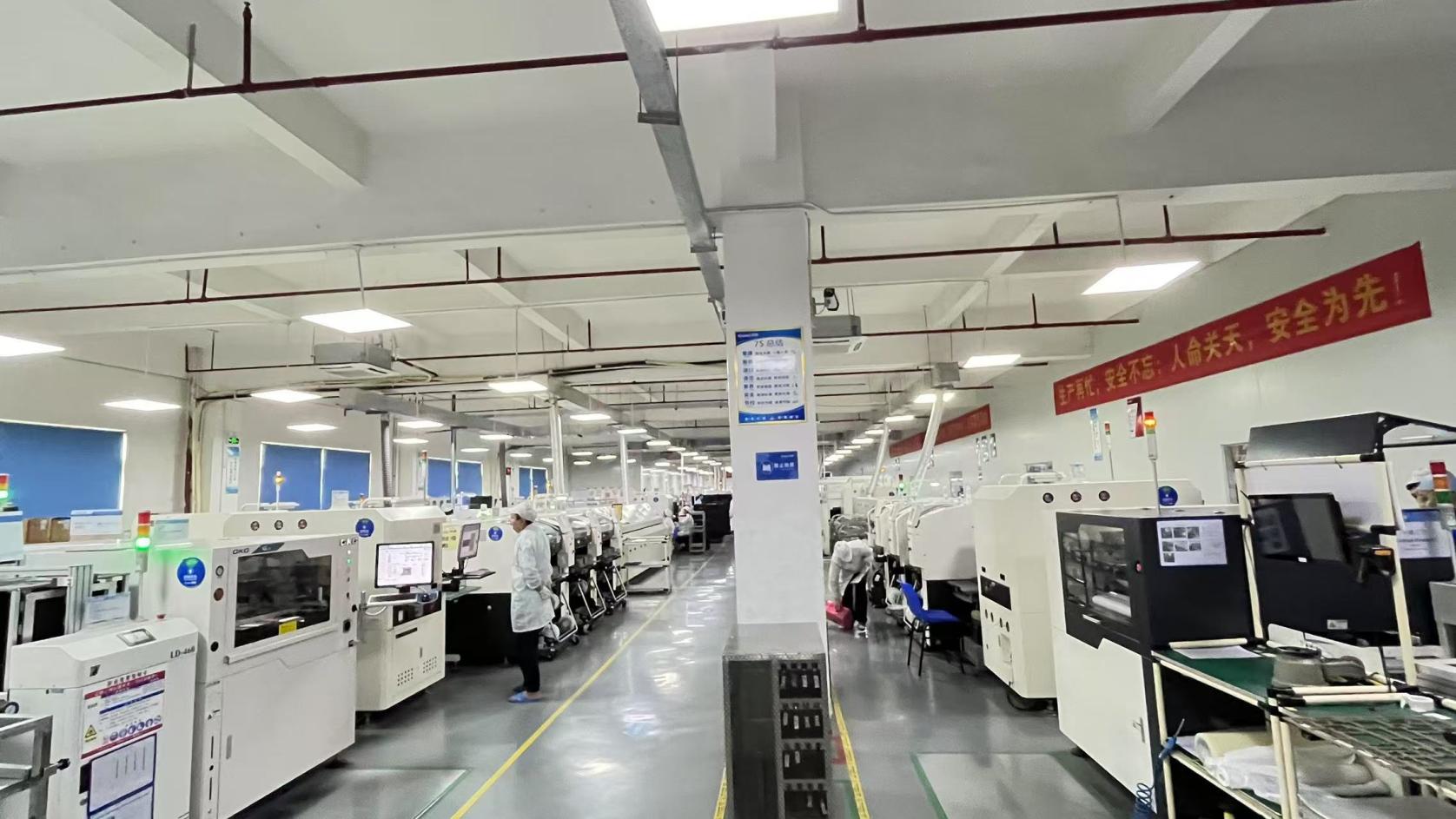
A visual look inside our 18,600 ㎡ high-performance AI GPU and system integration infrastructure.
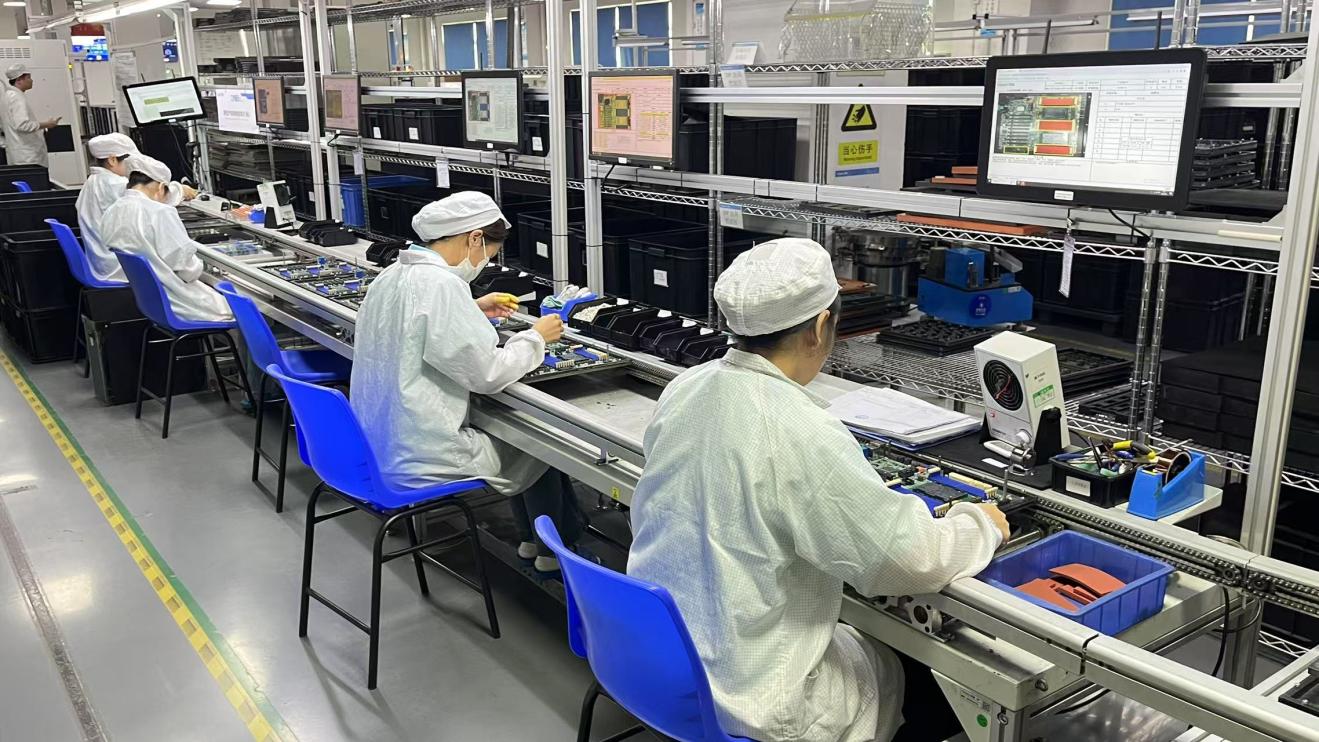
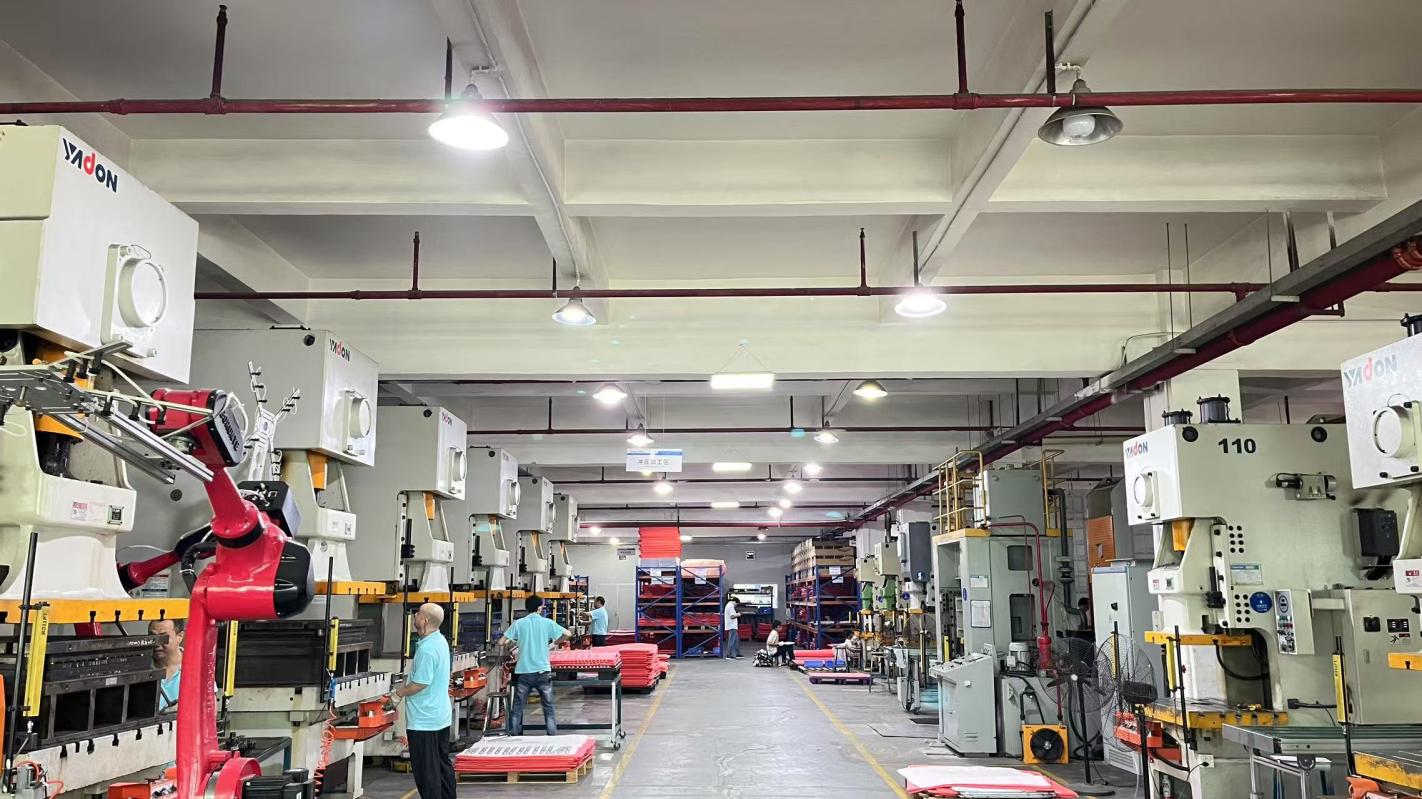
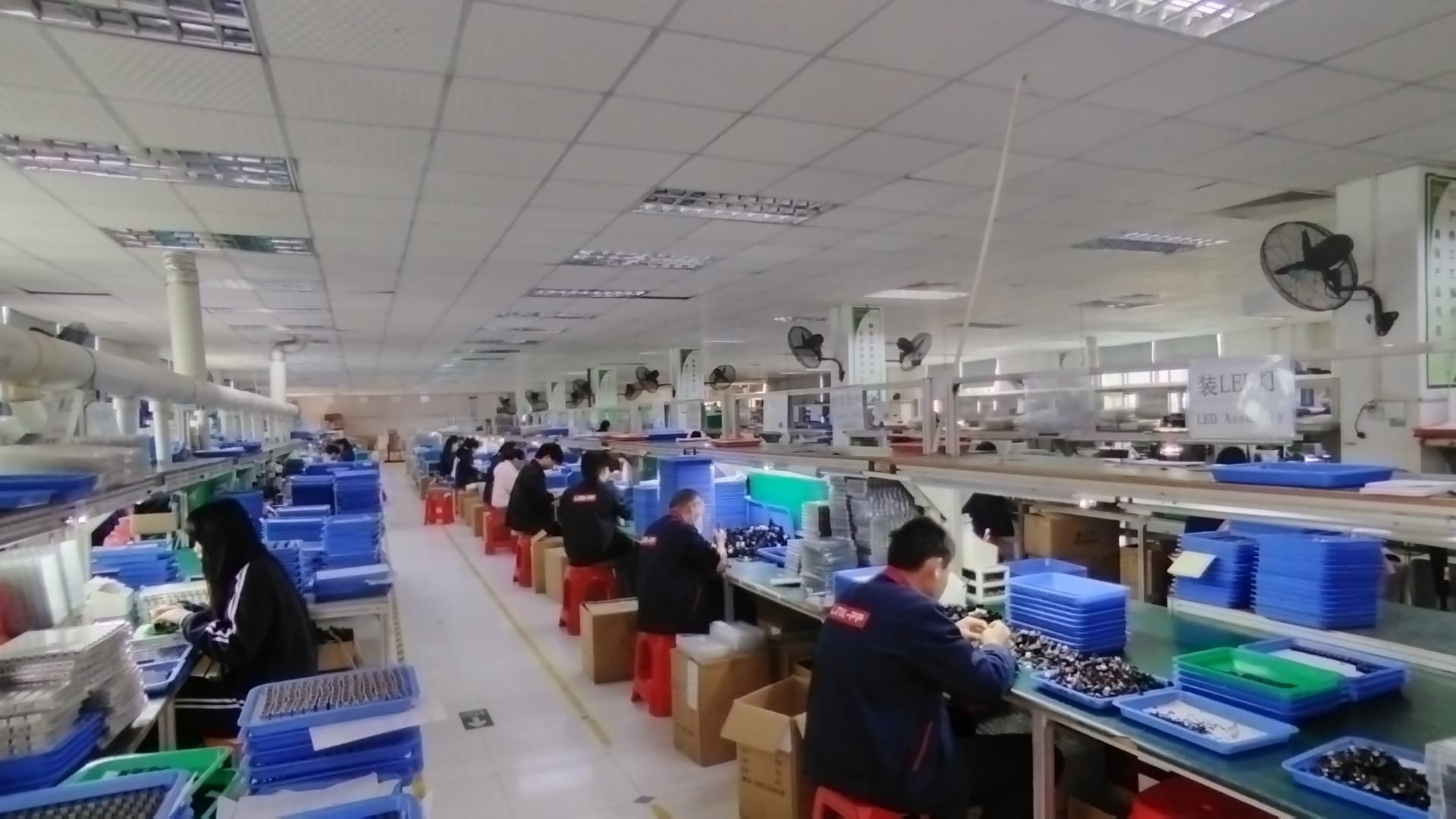

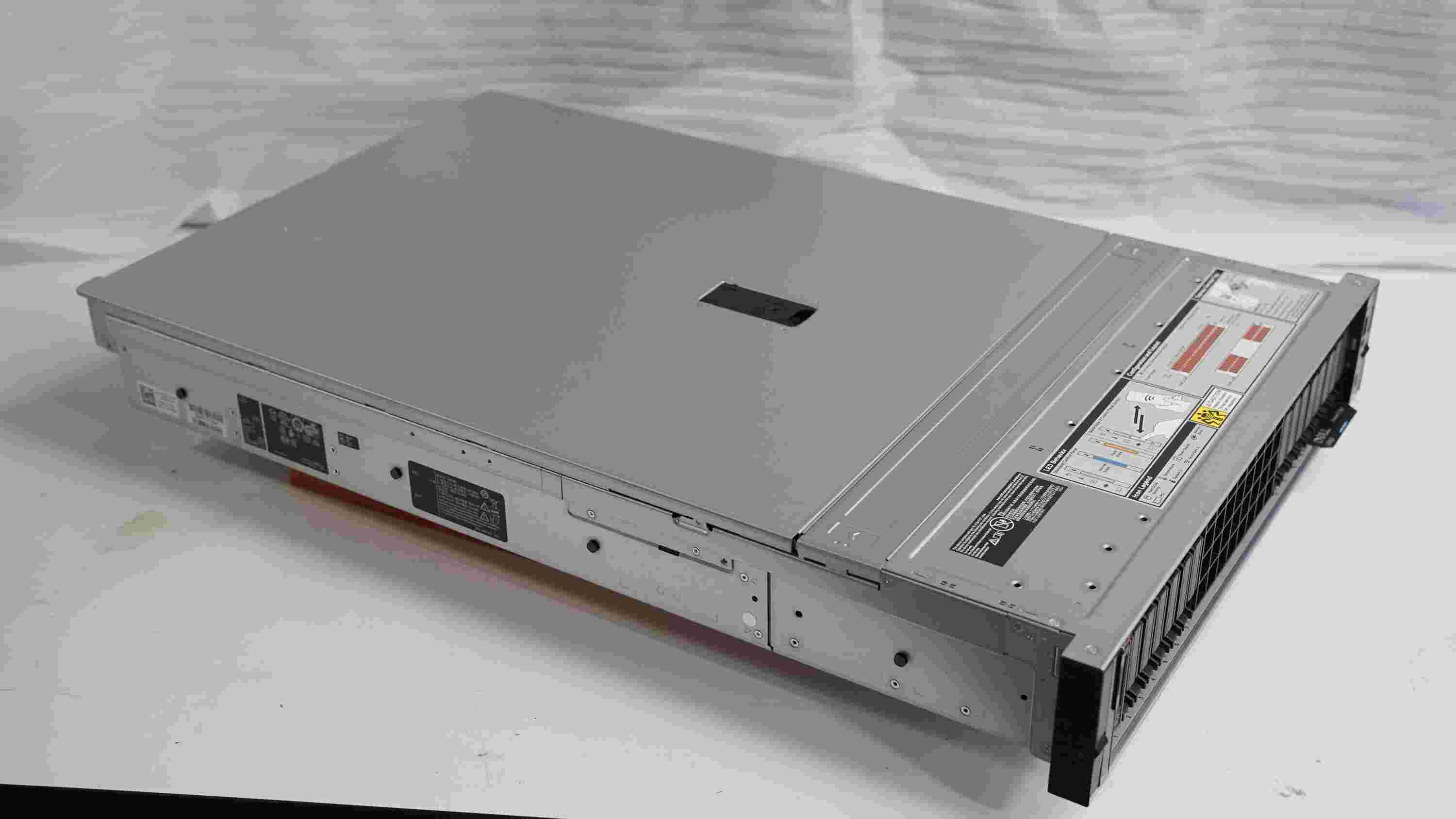
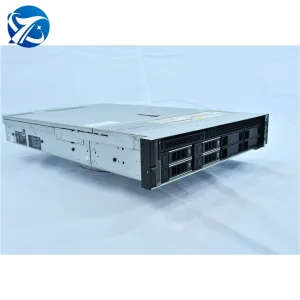
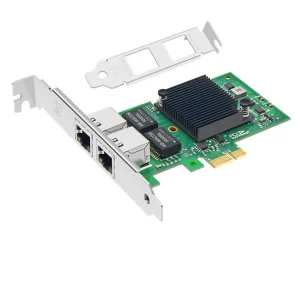
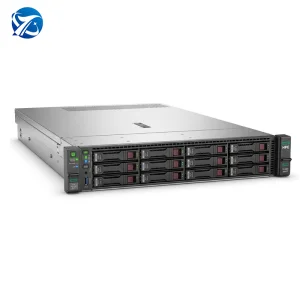
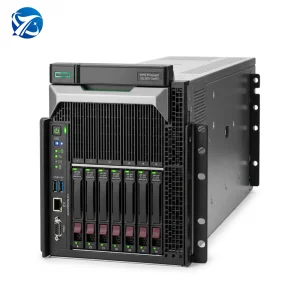
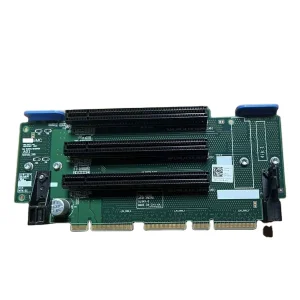
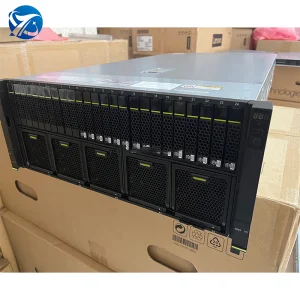
Explore our system offerings, including multi-socket compute nodes and auxiliary bus riser expansion modules.
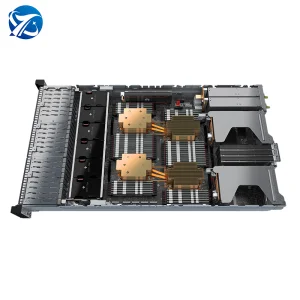 New xFusion Fusionserver 2488H V6 Server Computer 8x2.5 Inch Drive + Xeon 2x5318H 900W 2x32GB 2U 4-socket Rack Server
 FusionServer G5200 V5 Ai Data Servers Gpu Storage Deepseek Xeon Computer Rack Cloud Center Cpu Short Depth Oem For Sale Server
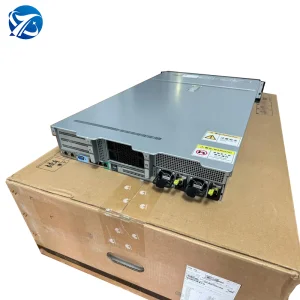 New xFusion Fusionserver 2288H V5 2U 2-socket Computer Servers 12*3.5 Inch Drive 2288H V5 2U 2-socket Rack Server
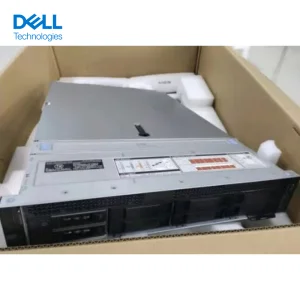 New Poweredge R360 1ru 1u Server Case Zte Silent Lion Line Gigabytes Aic Time Qnap Pc Intel Xeon D Ell Emc Rack Server
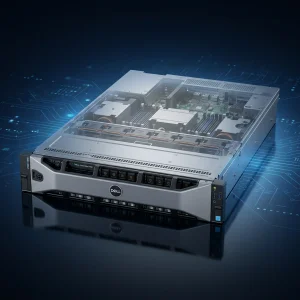 New Dell R740 R750 R760 Ai Servers Poweredge Rack For Pc Nas Datacenter Cases Cache Network Computer Gpu Sale Shenzhen Server