Borevo
Borevo
Borevo
Explore our cutting-edge network switches, high-performance computing platforms, and high-speed network interfaces engineered for modern enterprise environments.
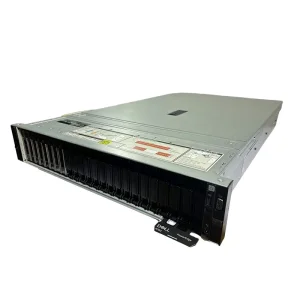
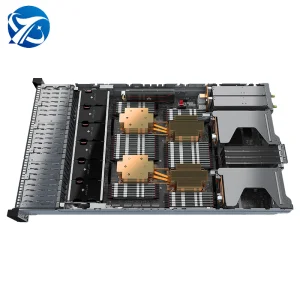
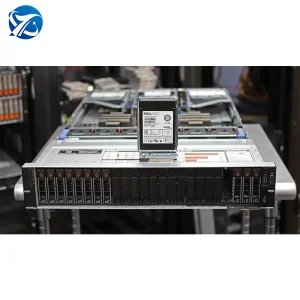
The global enterprise network infrastructure landscape is undergoing a significant transformation. High-density cloud architectures, edge computing, and complex large language model training (such as DeepSeek and GPT variations) demand highly advanced routing and switching topologies. IT directors, procurement teams, and data center engineers must navigate challenging choices when selecting a network switch manufacturer and supplier.
Traditional Layer 2 and Layer 3 switches designed for standard office environments can no longer handle the extreme data throughput, low latency requirements, and massive packet volumes generated by modern business intelligence applications. Today, the focus is on parameters such as non-blocking switching capacity, sub-microsecond port-to-port latency, and deep packet buffers designed to prevent packet loss during high-burst application runs.
For modern financial platforms, transactional databases, and AI training workloads, microseconds translate directly to compute efficiency and cost. Top-tier switches leverage advanced custom ASICs to achieve minimum packet delays.
Smart buildings and dense enterprise campuses require intelligent Power over Ethernet (PoE/PoE+) capabilities to drive VoIP lines, wireless access points, and security setups, while minimizing idle power consumption.
Hardware-level security features, including 802.1AE MACsec encryption, Dynamic ARP Inspection (DAI), and granular ACLs, prevent unauthorized access right at the ingress port, mitigating threats before they enter the core.
A resilient network requires a well-structured design tailored to its operating environment. Network engineers generally categorize deployments into three core areas, each with specific requirements for hardware and optical transceivers:
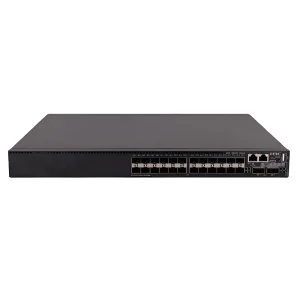
Modern data centers have largely replaced traditional three-tier architectures with a highly optimized, two-tier Spine-Leaf topology. In this architecture, every leaf switch (which connects directly to compute servers) is linked to every spine switch (the network backbone). This ensures a consistent, predictable distance between any two server nodes, drastically reducing east-west network latency. High-performance models like the H3C S6520X-30QC-EI deliver the all-optical Layer 3 throughput needed to act as leaf switches, supporting high-density 10G/40G connections and expansion ports for flexible scale-out.
For large corporate headquarters and universities, network switches must deliver high port density, reliability, and simplified management. Modern switches integrate Software-Defined Networking (SDN) protocols, enabling automated provisioning, simplified VLAN assignment, and centralized configuration management. This reduces maintenance costs and allows IT teams to respond dynamically to changing work environments.
In manufacturing plants, automation facilities, and oil fields, standard office networking hardware is prone to premature failure due to dust, vibration, electromagnetic interference (EMI), and extreme temperatures. Specialized industrial switches feature fanless chassis, redundant DC power inputs, IP30/IP40 ruggedized enclosures, and advanced ring protocols (such as ERPS) that ensure network sub-50ms self-healing recovery times in the event of fiber cuts.
As corporate workloads transition to cloud-native ecosystems, hybrid AI deployments, and IoT frameworks, the demand for high-capacity networks is growing. Network switch manufacturers are driving innovation across several key areas:
While 10G and 40G optical connections remain the standard for mid-sized enterprise networks, high-density hyperscale data centers are moving rapidly to 400Gbps and 800Gbps interfaces. This shift is driven by new switching silicon architectures that pack up to 51.2 Tbps of bandwidth into a single chip, facilitating the movement of massive datasets.
Traditional pluggable transceivers face physical and thermal limitations at higher speeds. Co-Packaged Optics (CPO) resolves these challenges by integrating optical engines directly onto the processor substrate, reducing power consumption by up to 30% and significantly improving signal integrity.
Modern enterprise switches no longer rely on reactive monitoring. Real-time streaming telemetry allows switches to report traffic spikes, buffer drops, and optical transceiver degradation instantly. Advanced management consoles use AI algorithms to predict and resolve congestion before network services are affected.
Providing integrated compute and networking infrastructures for data-intensive enterprise workloads.
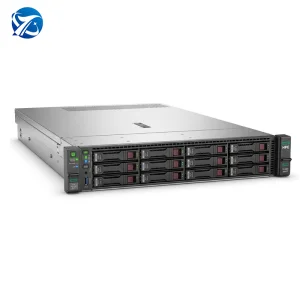
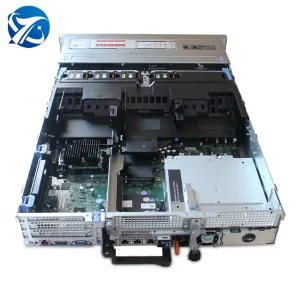
In high-performance networking, hardware operates as part of a larger ecosystem. To maximize the performance of Layer 3 switches, enterprises require high-performance computing nodes, storage clusters, and accelerators. Borevo AI Infrastructure (China) Co., Ltd. is a dedicated manufacturer of AI compute platforms and advanced IT infrastructure solutions designed for global enterprises.
Borevo provides the computing systems, servers, and accelerators that connect to high-speed optical switch networks, offering clients a single source for high-performance deployments.
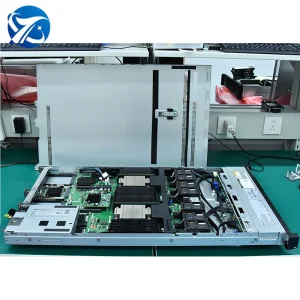
Borevo ensures the reliability of its computing systems through rigorous testing protocols. These include Automated Optical Inspection (AOI), high-temperature burn-in testing, and thermal stress testing under maximum compute loads. Supported by a strategic supply chain of over 850 partners, Borevo delivers hardware configurations tailored to specific AI, computing, and enterprise networking applications.
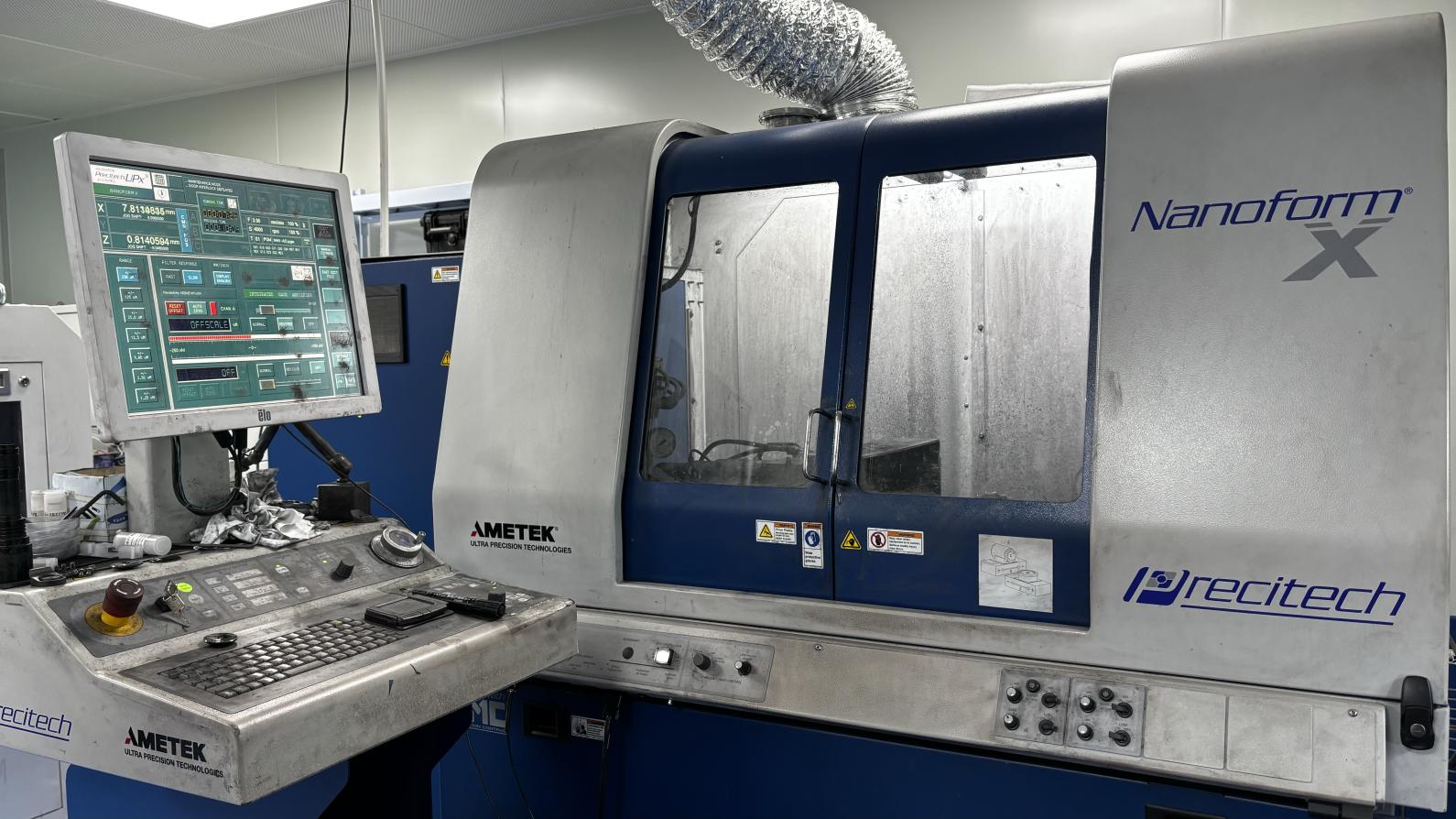
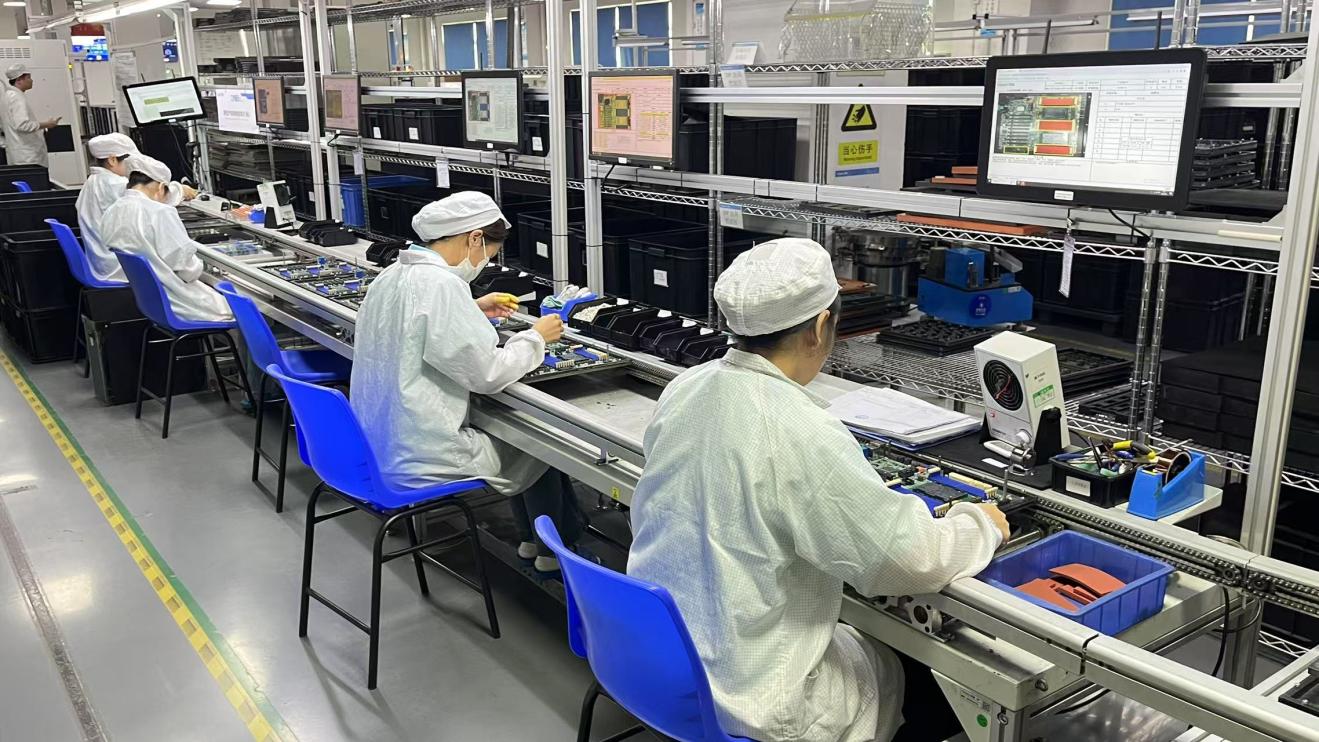
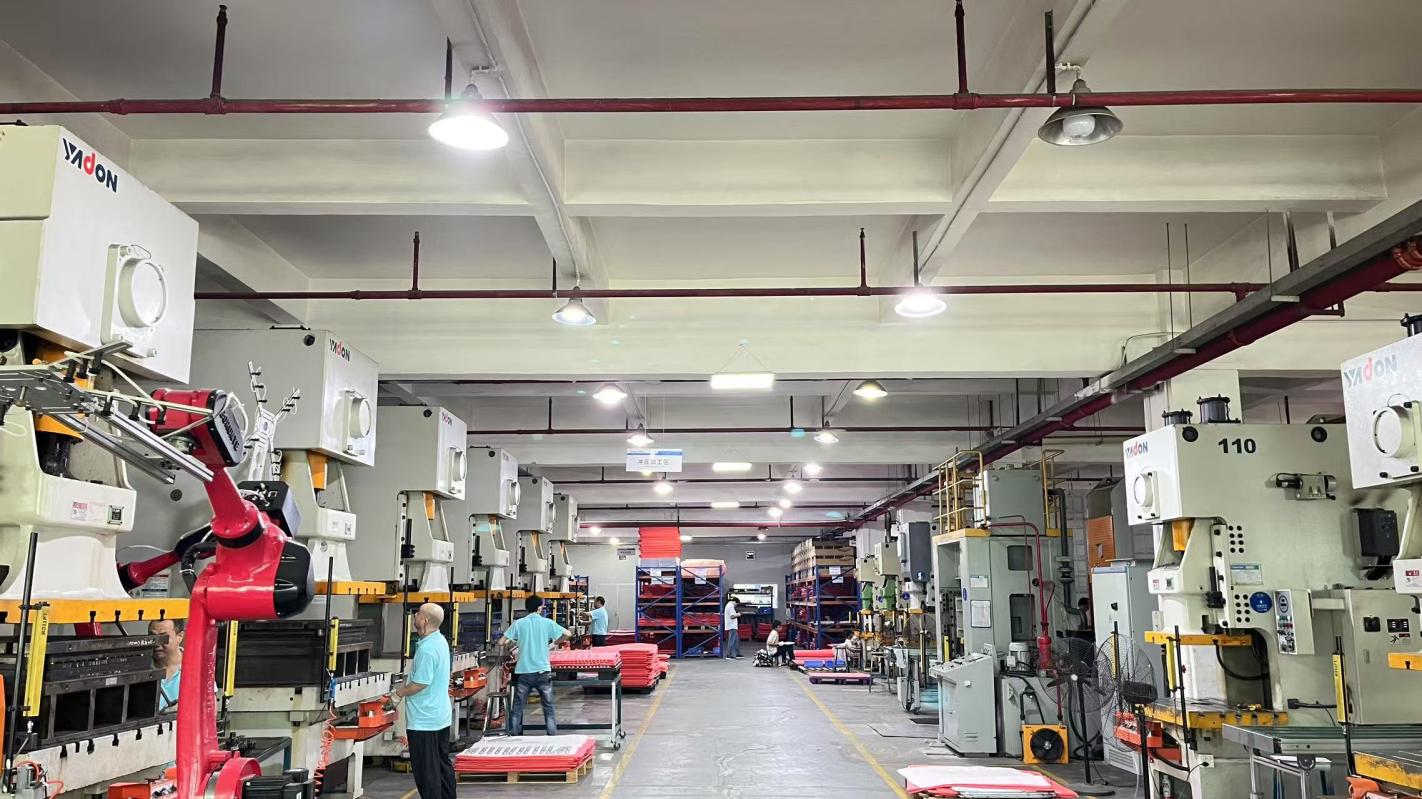
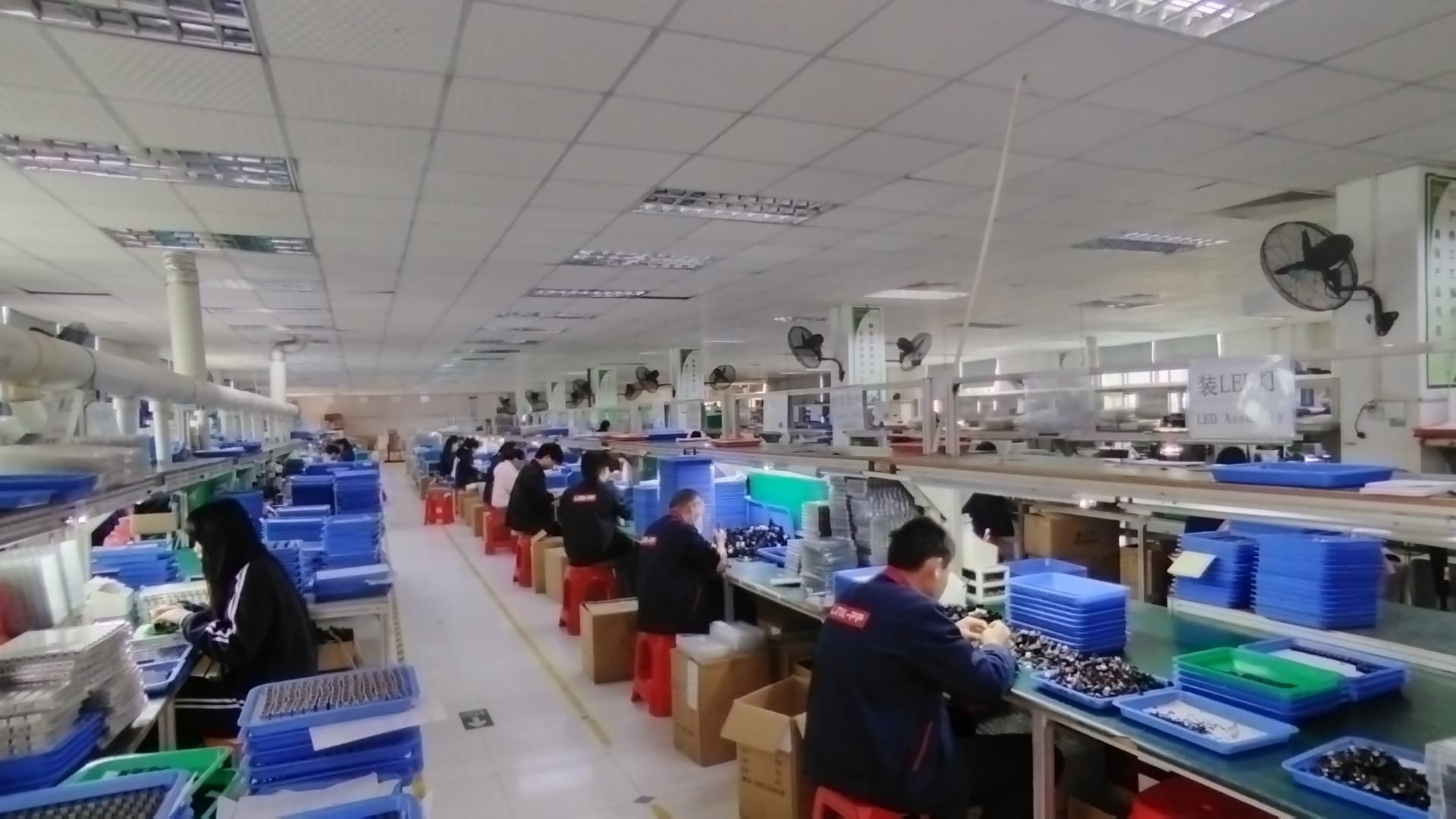
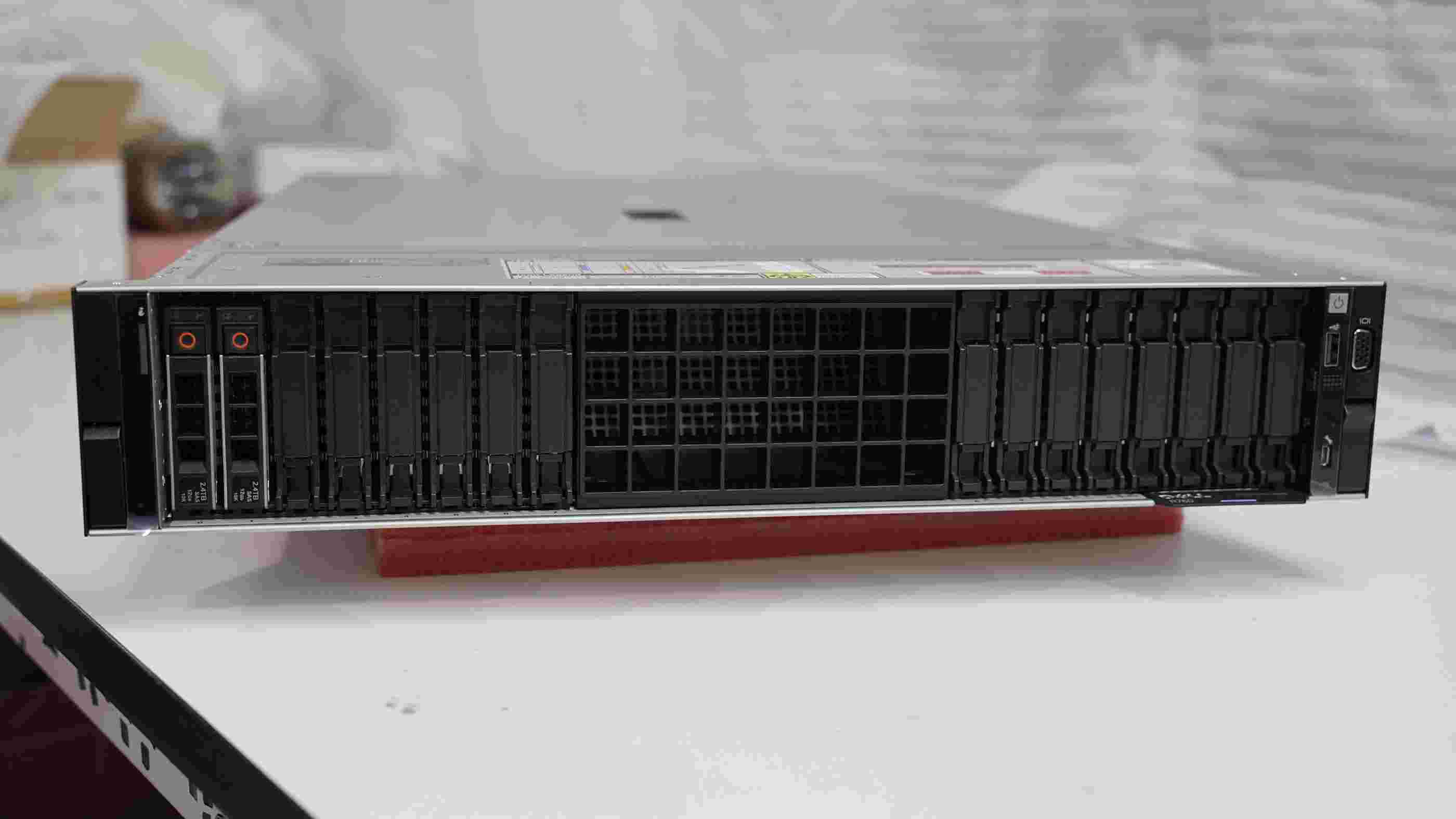
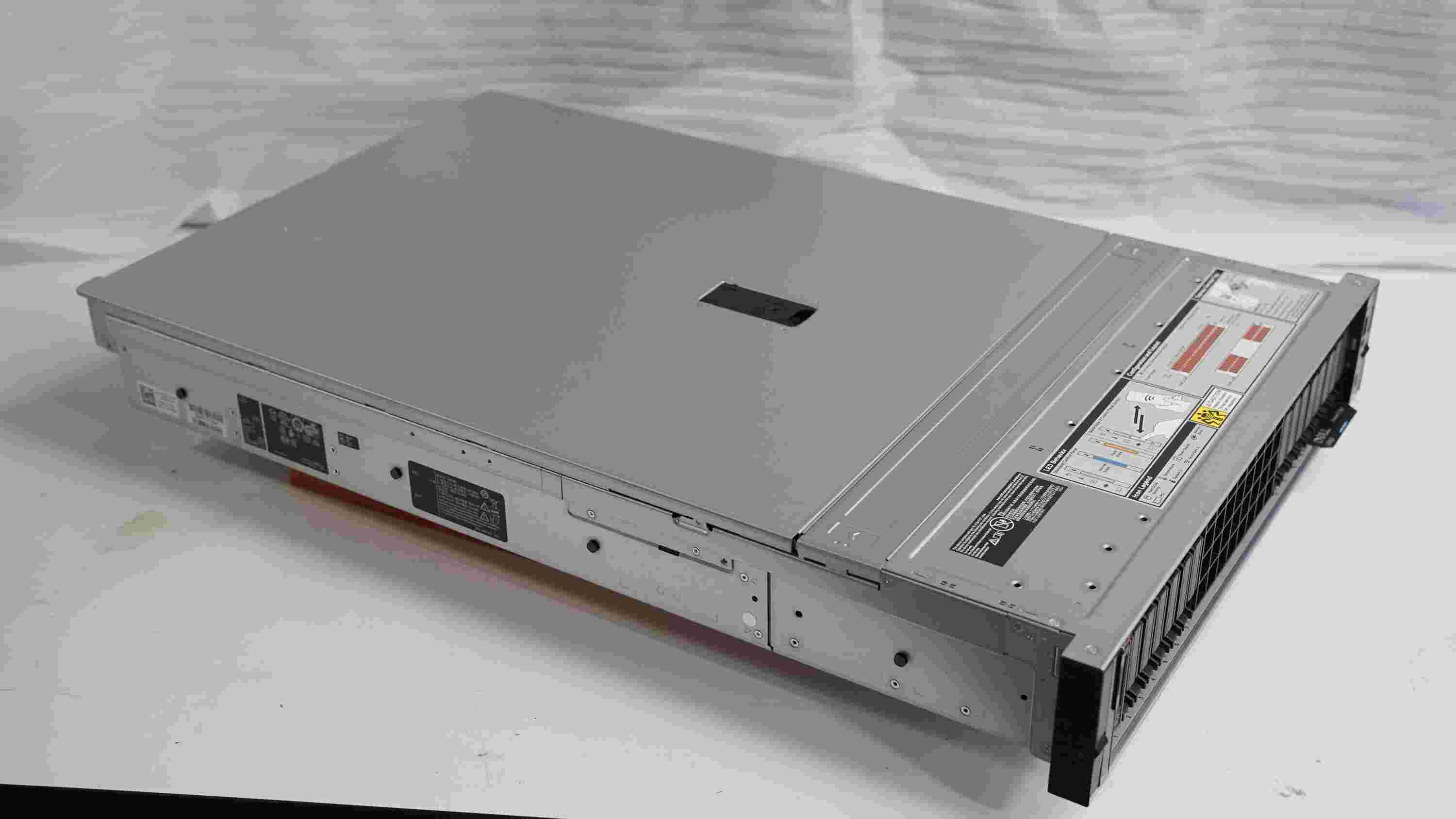
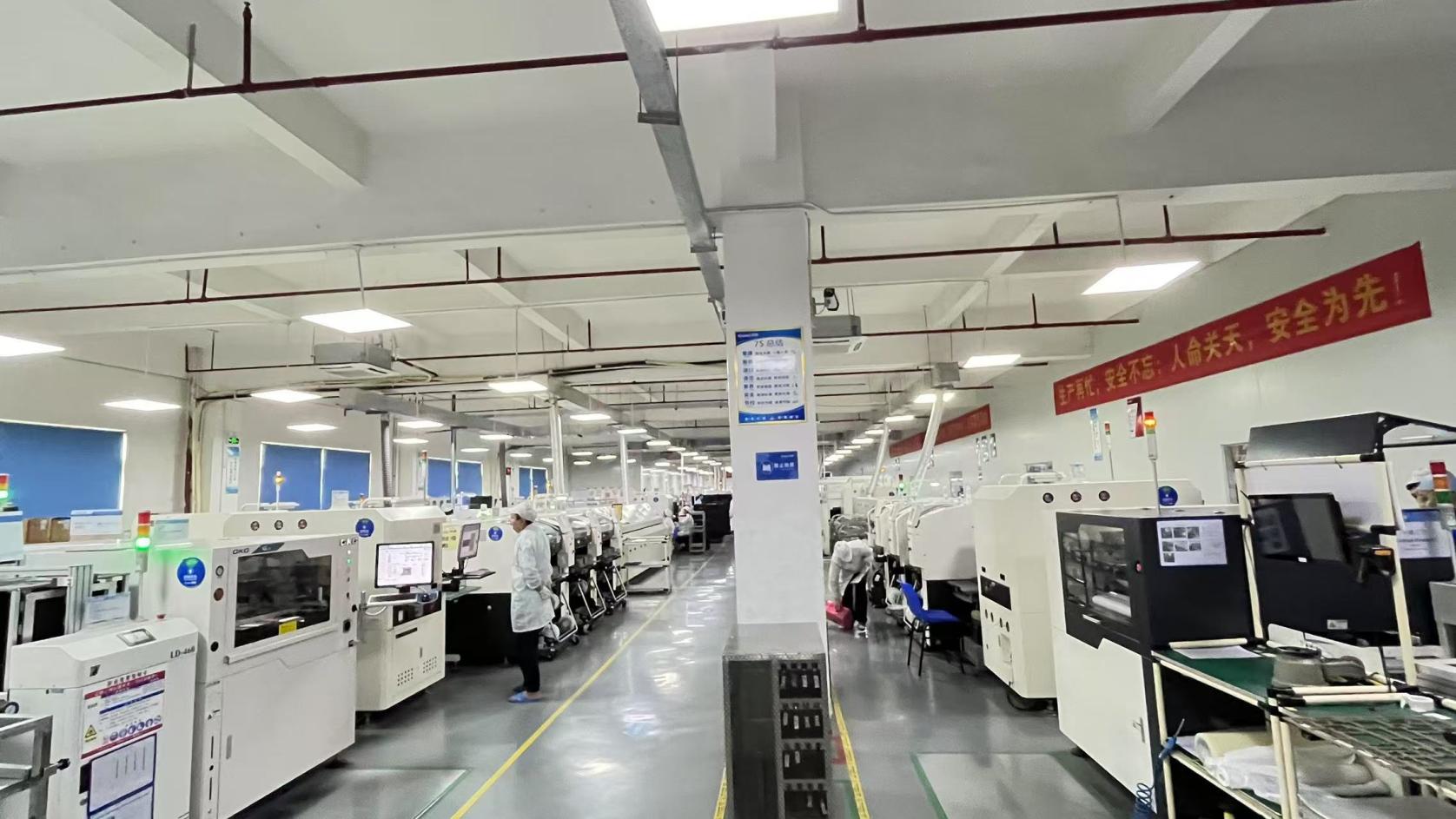
Global enterprises must balance performance with strict regulatory requirements. When sourcing switches, network interface cards (NICs), and high-performance servers, IT procurement departments must ensure that equipment carries the necessary regional certifications. Compliance with **CE, FCC, and RoHS** is essential for seamless deployment in North American, European, and Asia-Pacific markets.
Additionally, modern enterprise switch suppliers must demonstrate proactive supply chain management. Production processes at Borevo leverage multi-source chip fabrication partnerships and robust quality assurance protocols to mitigate delays and maintain production consistency. This ensures that global enterprise rollouts proceed on schedule, regardless of global component shortages.
Frequently asked technical questions regarding switches, servers, and high-performance computing topologies.
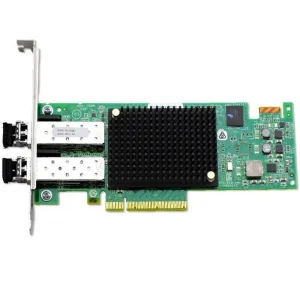
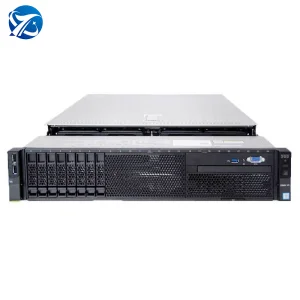
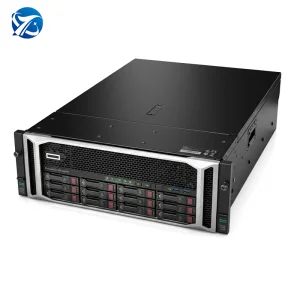
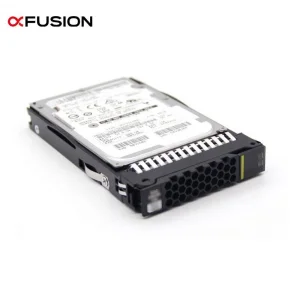
Browse our complete catalog of enterprise-grade components, optical HBA cards, high-speed SSDs, and rackmount server nodes.