Borevo
Luxembourg Datacenter Landscape & Server RAM Demand
Luxembourg has consolidated its position as a primary European digital hub. Backed by the government's "Digital Luxembourg" roadmap, the country features one of the highest densities of Tier IV certified datacenters globally. These facilities cater heavily to European financial institutions, high-frequency trading agencies, and global media distributors requiring near-zero down-time and stringent data protection standards governed by the Commission de Surveillance du Secteur Financier (CSSF).
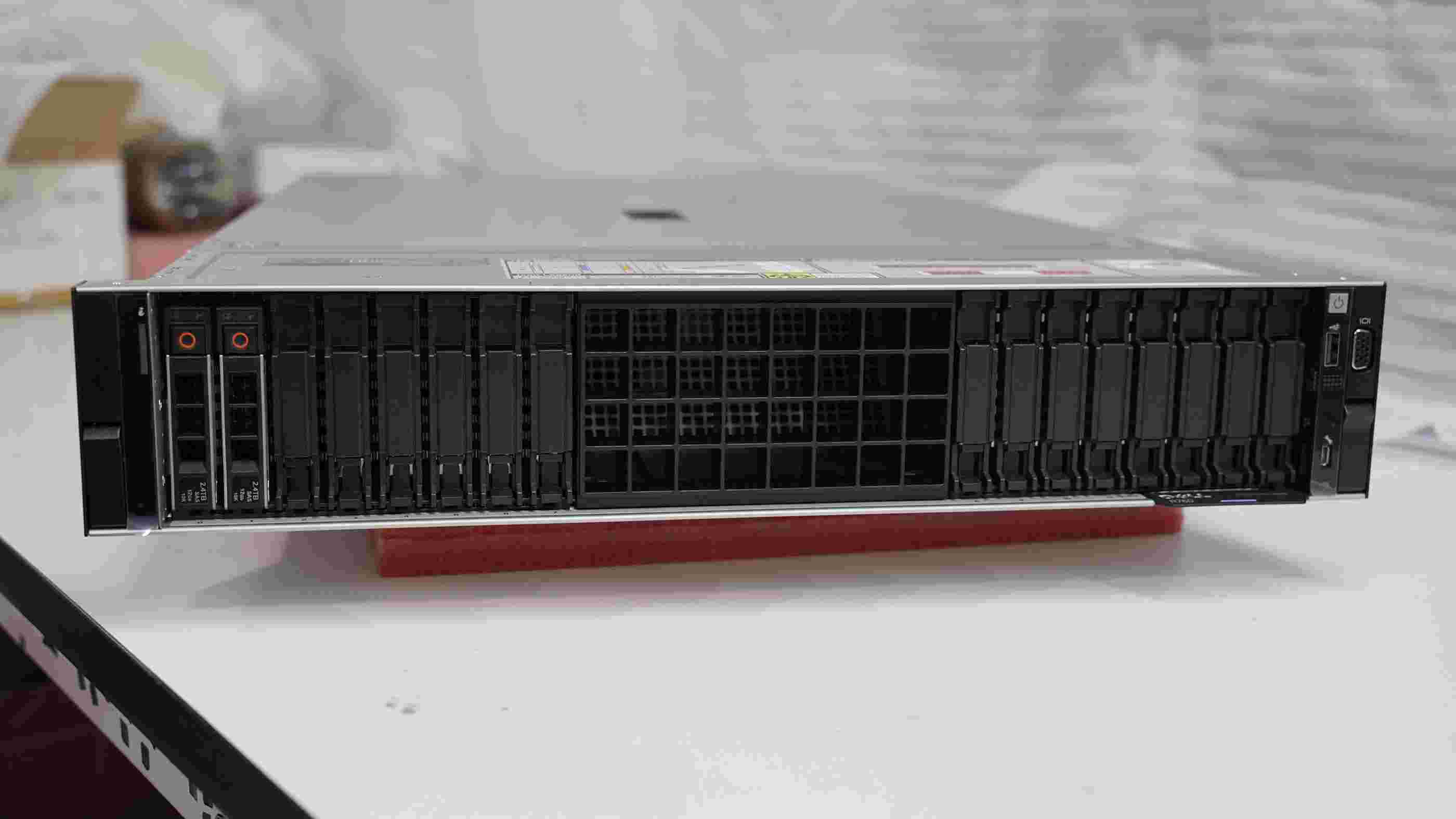
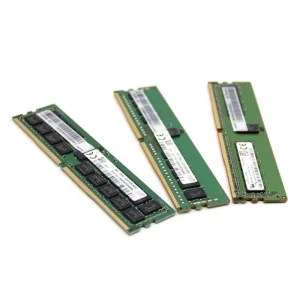
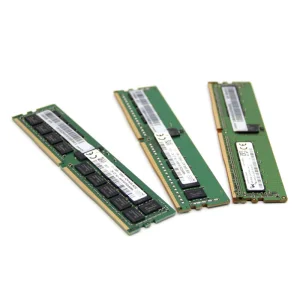
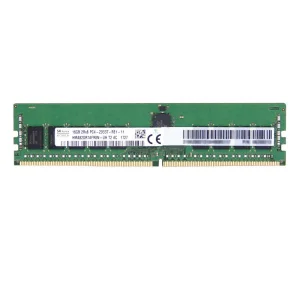
In these high-assurance environments, the stability of the hardware layer is paramount. Rack servers, particularly V5, V6, and V7 architectures, form the backbone of these virtualization layers. The continuous deployment of multi-tenant cloud ecosystems translates to high capacity demand for ECC RDIMM DDR4 and high-performance DDR5 RAM. Memory configurations with built-in Error-Correcting Code (ECC) are mandatory to mitigate transient soft errors caused by electrical interference or atmospheric cosmic rays, which otherwise lead to critical system faults and memory-dump panics.
Technical Mechanics: Why RDIMMs Define Virtualization Performance
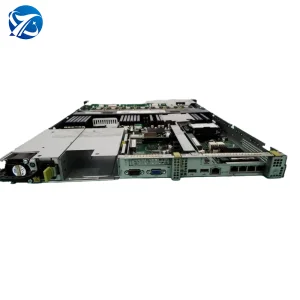
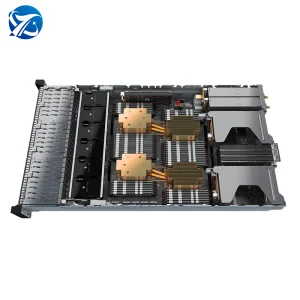
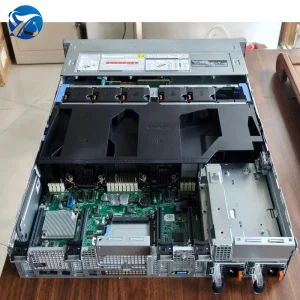
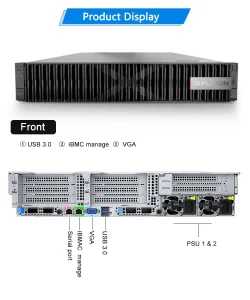
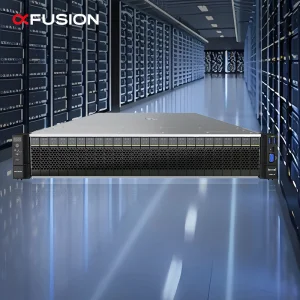
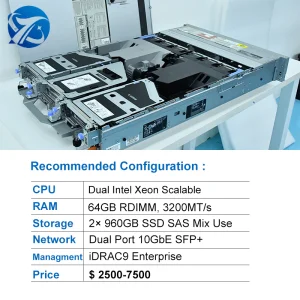
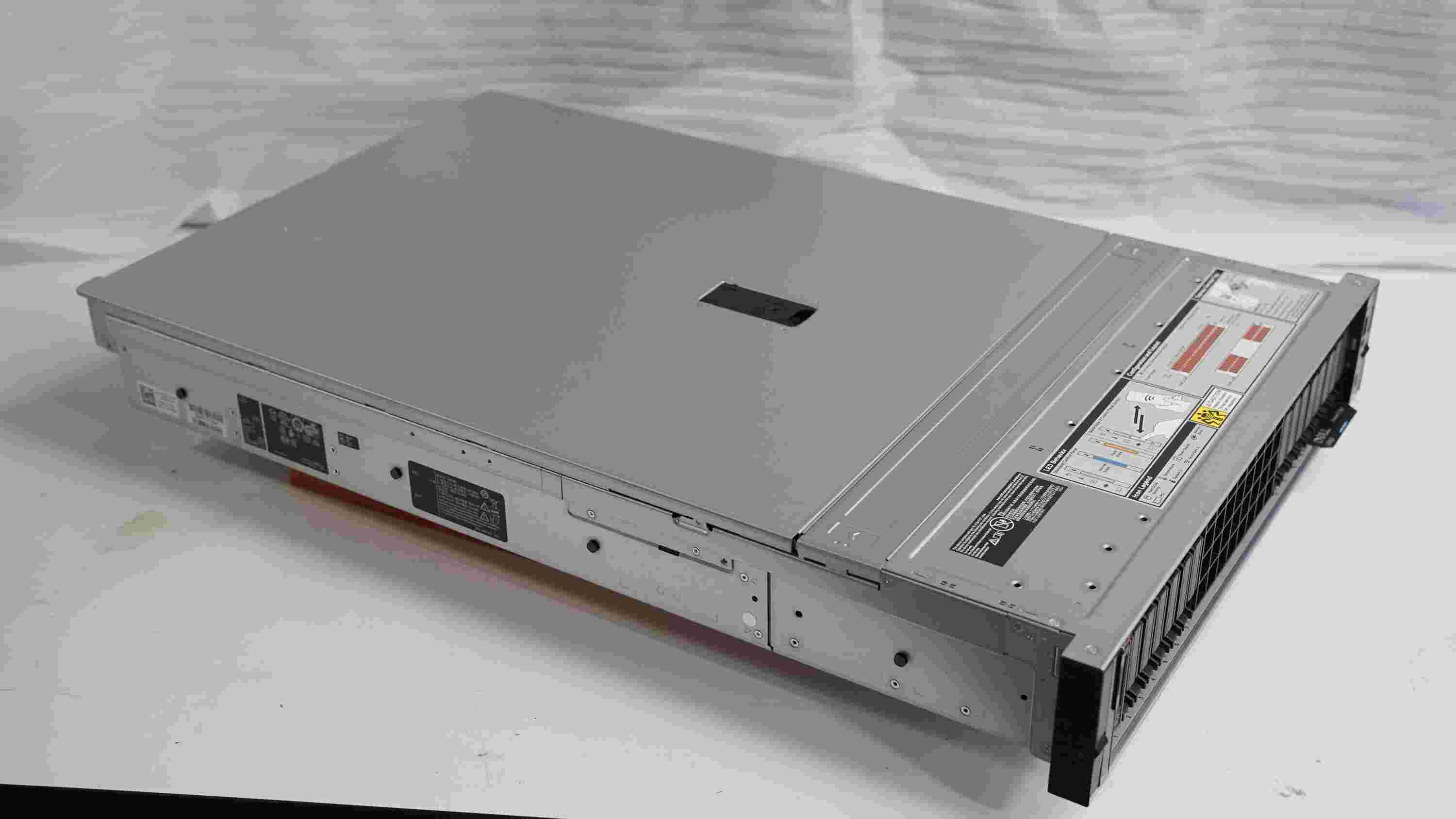
Modern rack server designs, such as the 1288H V5 or 2288H V5, run complex hypervisors that host hundreds of concurrent virtual machines. Under these settings, standard memory modules suffer from electrical load bottlenecks on the memory bus. Registered DIMMs (RDIMMs) incorporate an onboard hardware register that buffers command and address signals. This buffering stabilizes the physical system bus, enabling system integrators to fill every memory slot in a dual-socket system up to the maximum bandwidth capacity of 3200MHz at 1.2V.
The latency profile of $0.625\text{ ns}$ combined with 2 Rank architecture guarantees that parallel threads accessing the memory pool experience minimal pre-charge delays. Dual-rank setups allow the memory controller to read or write data to one rank while executing precharge commands on the second, facilitating overlapping memory access operations. For Luxembourg financial databases running in-memory analytical processing (IMAP), this dual-rank configuration yields up to a 15% increase in transactional throughput.
Architectural Evolution: Transitioning from V5 to V6 and V7 Servers
The computing landscape is transitioning towards heterogeneous architecture. While the V5 rack server line remains a reliable option for baseline computational workloads, database servers, and virtualization environments, the newer V6 and V7 generations introduce substantial performance advancements:
- PCIe & I/O Protocol Upgrades: V5 rack platforms run PCIe Gen 3 capabilities, limiting NVMe transfer speeds. V6 systems support PCIe Gen 4, doubling the bandwidth, while V7 platforms introduce PCIe Gen 5, unlocking transmission rates up to 32 GT/s per lane.
- DRAM Memory Architecture: Transitioning from DDR4 (1.2V, 3200 MT/s) in V5 to DDR5 (1.1V, 4800 to 5600 MT/s) in V7 systems provides substantial increases in memory bandwidth, removing bottlenecks for memory-intensive multi-core workloads.
- Accelerator Integration: V7 servers are designed for complex artificial intelligence workflows. High-performance configurations leverage PCIe Gen 5 lanes to maximize GPU-to-CPU bandwidth, which is essential for high-throughput AI workloads.