Borevo
Borevo
Borevo
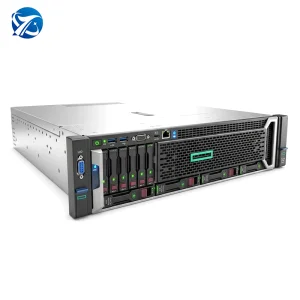
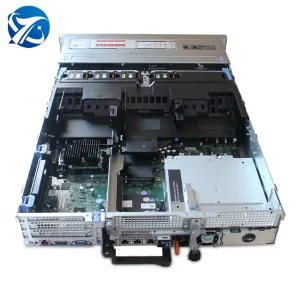
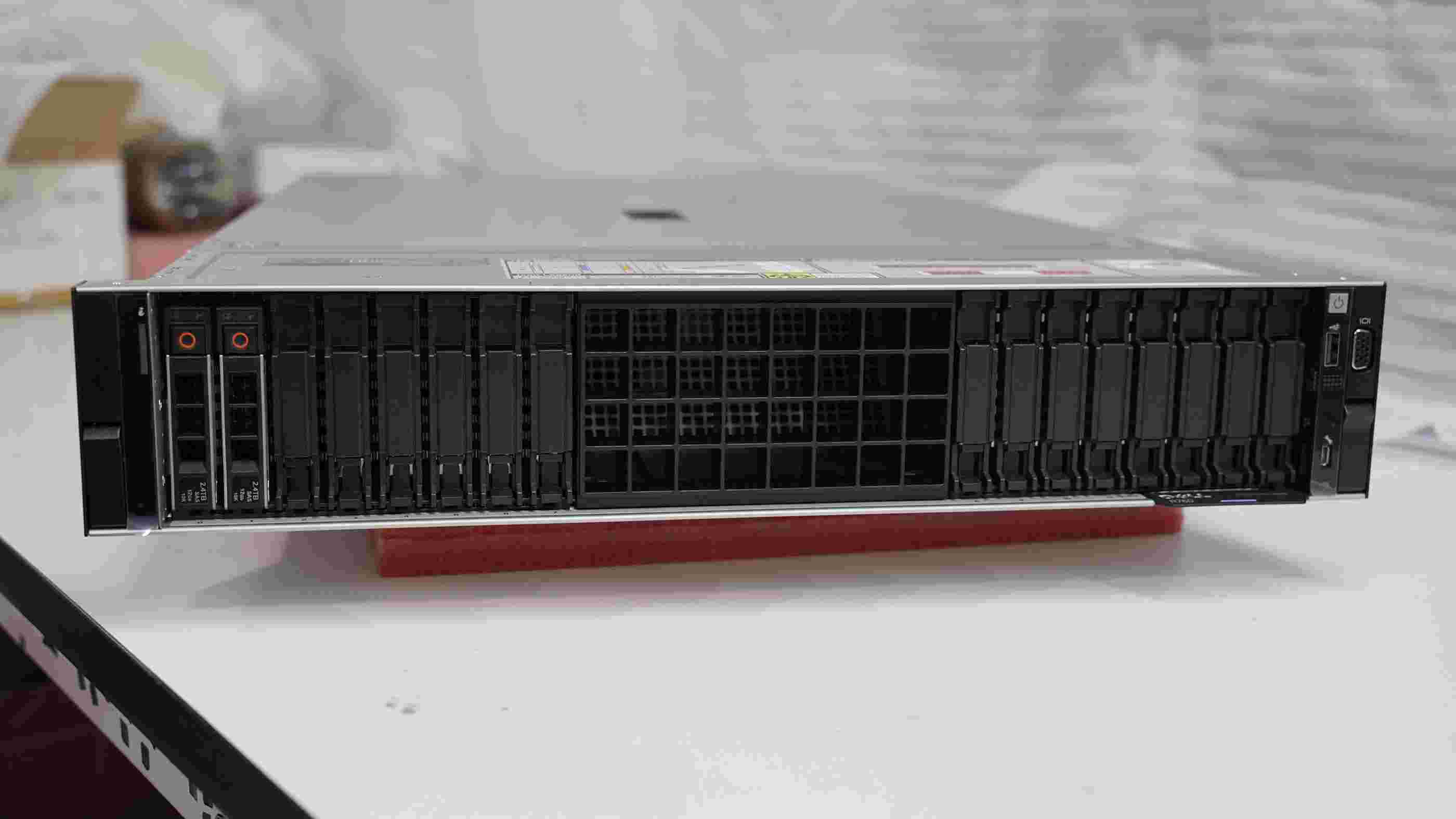
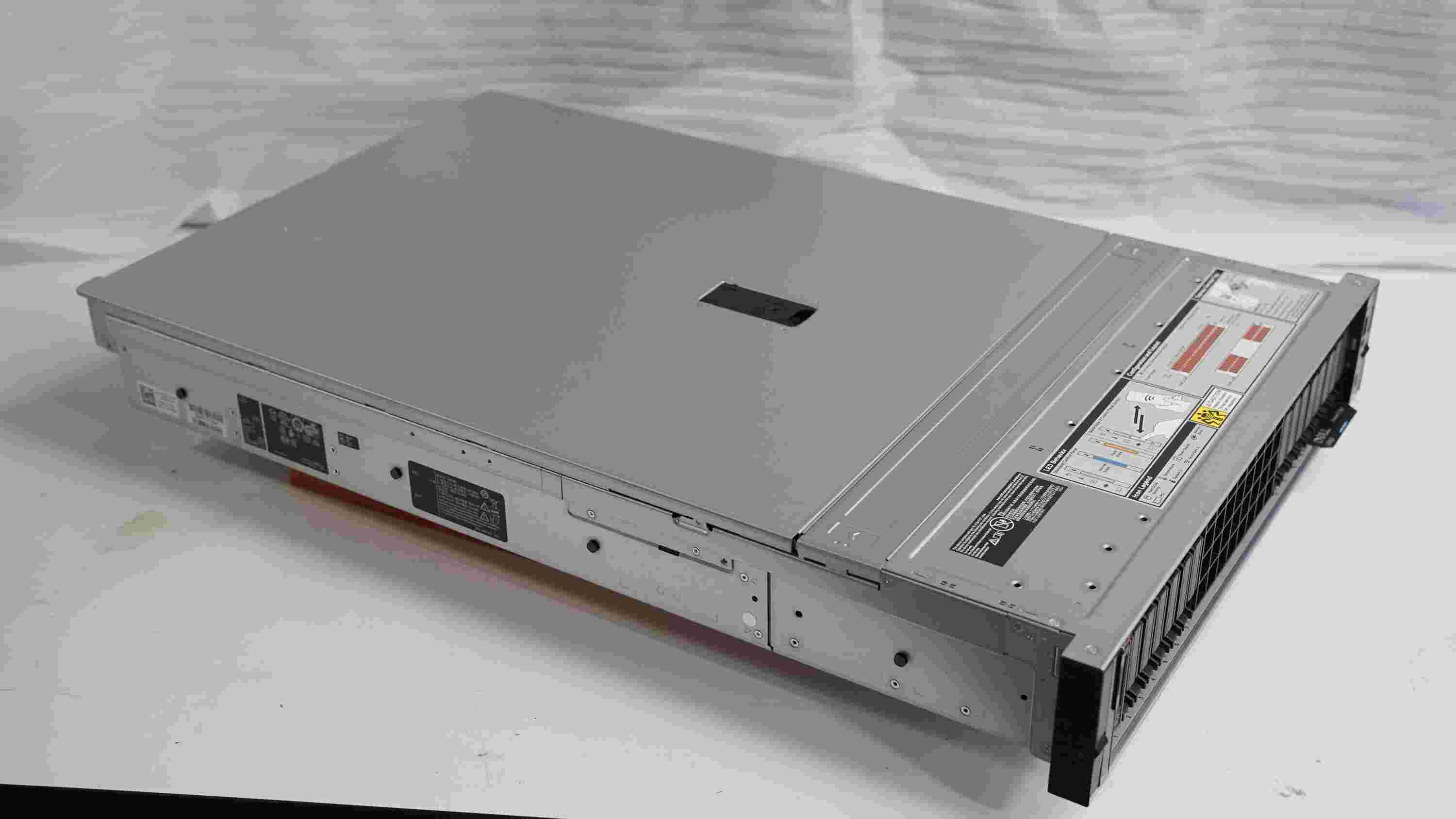
Explore our industrial-grade rackmount servers, GPU workstations, and high-performance server components engineered for maximum thermal dissipation efficiency.
The explosive rise of large language models (LLMs) such as DeepSeek, GPT-4, and compute-heavy AI inference workloads has fundamentally changed data center engineering. Standard thermal structures are struggling. Standard heat sink components can no longer cope with the heat generated by the latest GPUs, where TDP values exceed 700W per accelerator card.
As a leading hardware integration pioneer, Borevo AI Infrastructure (China) Co., Ltd. integrates high-density system designs with liquid-to-air, direct-to-chip, and advanced hybrid heat dissipation systems. By optimization at the architectural level, we ensure systems operate continuously under peak loads while maintaining an optimal Power Usage Effectiveness (PUE) below 1.15.
The progression of server cooling systems from traditional forced air models to two-phase immersion systems.
Employs copper 3D vapor chambers, micro-channel high-performance heatsinks, and counter-rotating fan systems. Best suited for workloads up to 35 kW per rack, balancing implementation costs with reliable mechanical airflow design.
Utilizes air-to-liquid heat exchangers built directly into the server cabinet rear door. Capable of neutralizing heat output at the rack level, removing the need for heavy modifications to building chilled water systems.
Circulates dielectric fluid or treated water directly through micro-channel cold plates mounted on the CPU/GPU die. Manages heat levels exceeding 100 kW per rack, capturing 80-90% of total server heat output directly at the source.
Submerges entire servers directly inside a specially formulated dielectric fluid. Offers maximum thermodynamic efficiency, eliminates fans, minimizes moving parts, and provides silent, low-energy thermal management for extreme AI clusters.
We deliver comprehensive thermal management architectures optimized for diverse environments, ranging from edge nodes to hyper-scale cloud data centers.
Custom designs using centralized Cooling Distribution Units (CDUs) and secondary loops. We optimize cooling flow distribution to lower Power Usage Effectiveness (PUE), helping operators meet strict government environmental targets.
Optimized for GPU deployments handling heavy deep learning workloads. Incorporates split liquid-to-air cooling setups and customized direct-to-chip copper blocks, designed to prevent thermal throttling during continuous compute runs.
Closed-loop, dust-resistant cooling units tailored for small server enclosures and harsh field conditions. Engineered to maintain high reliability with minimal maintenance in remote settings.
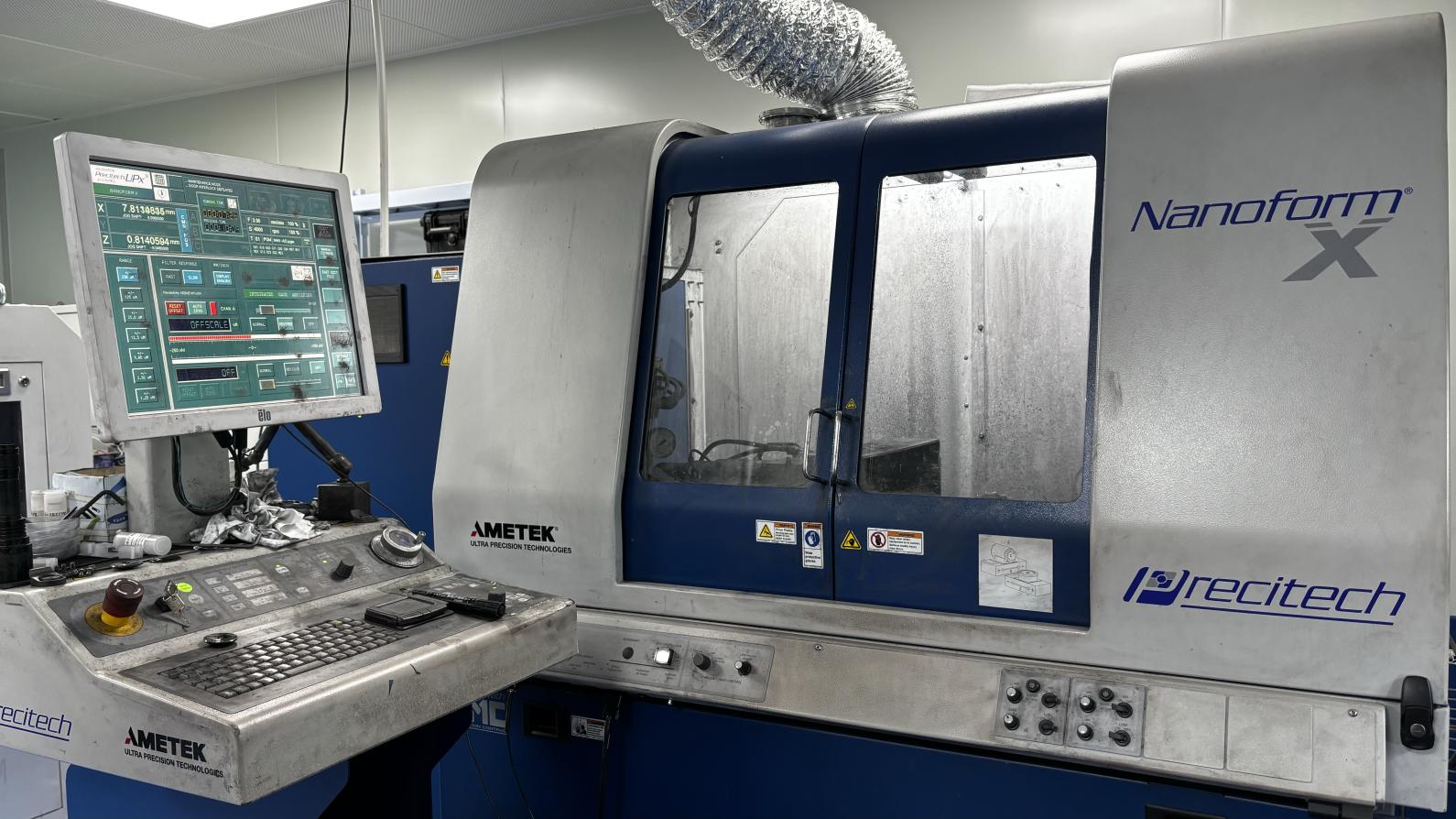
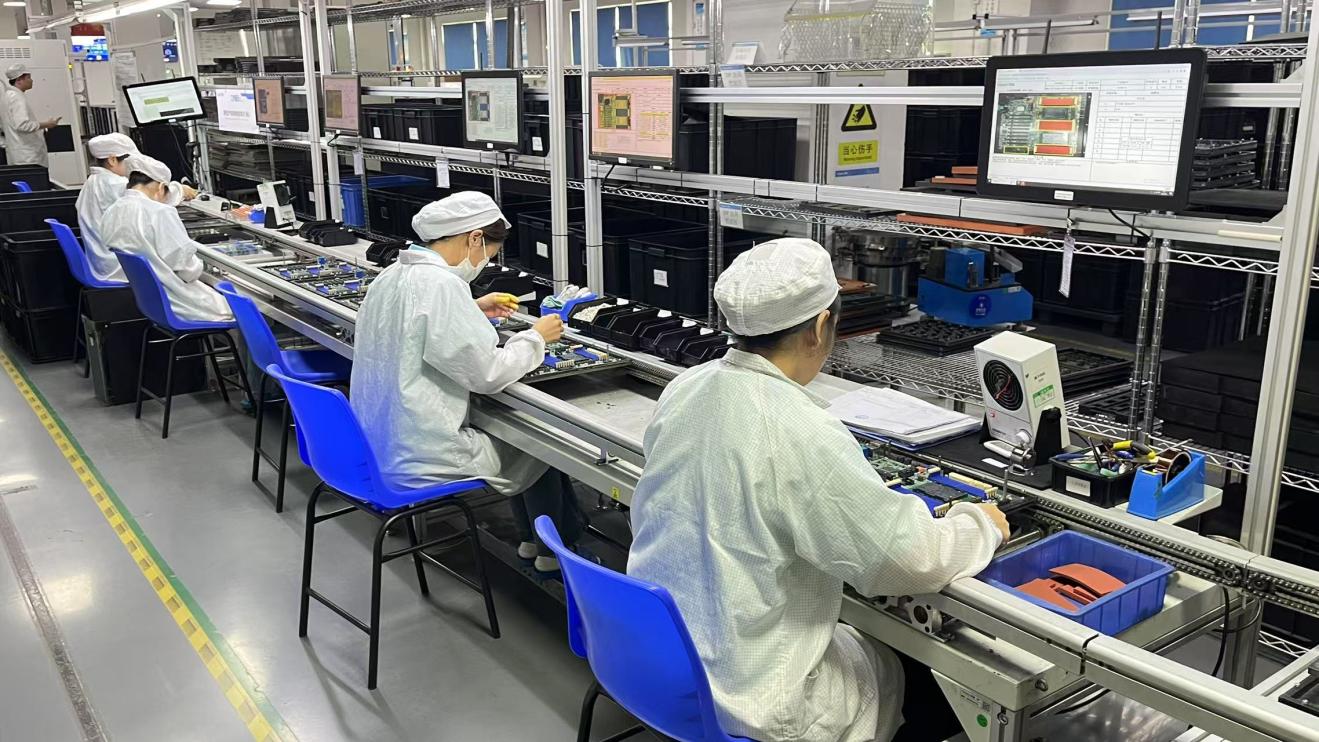
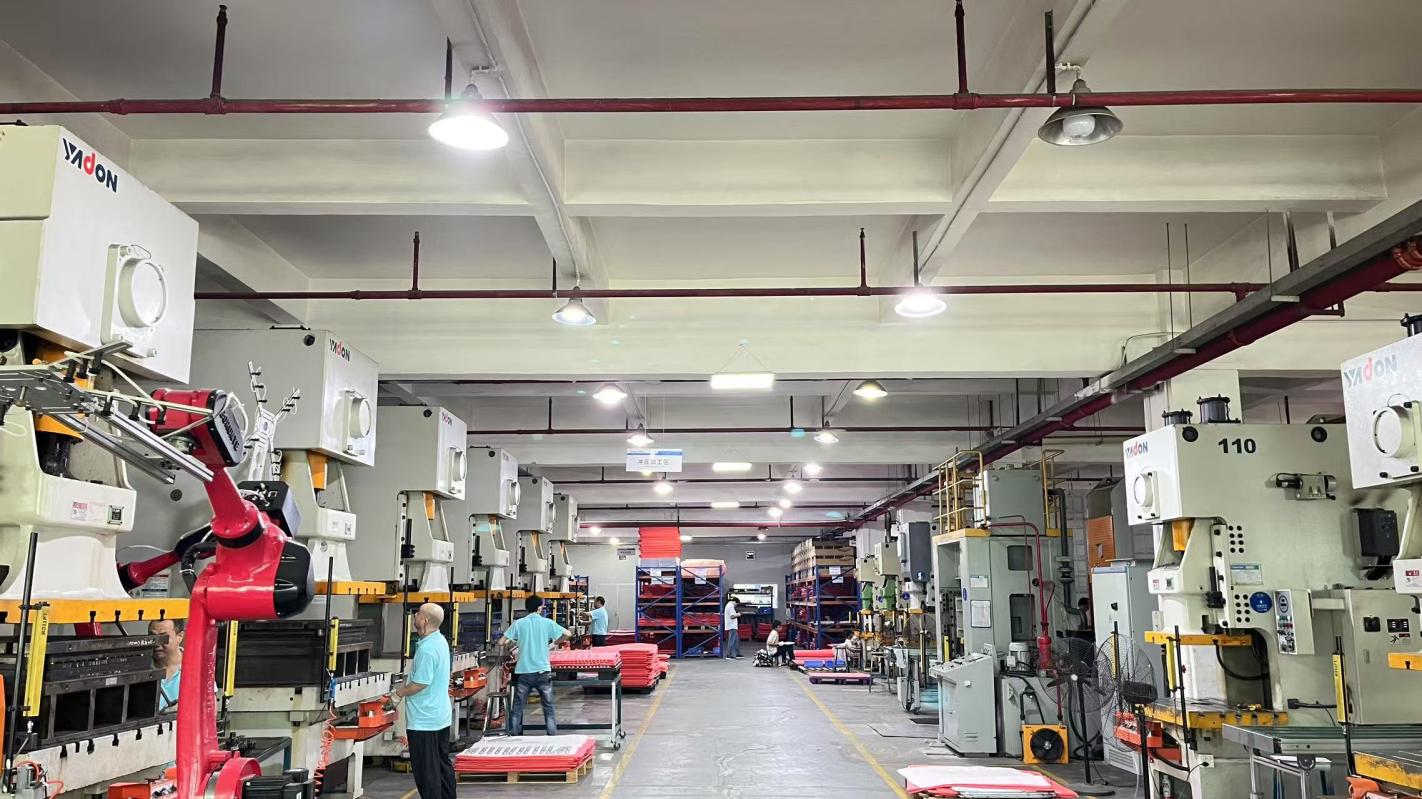
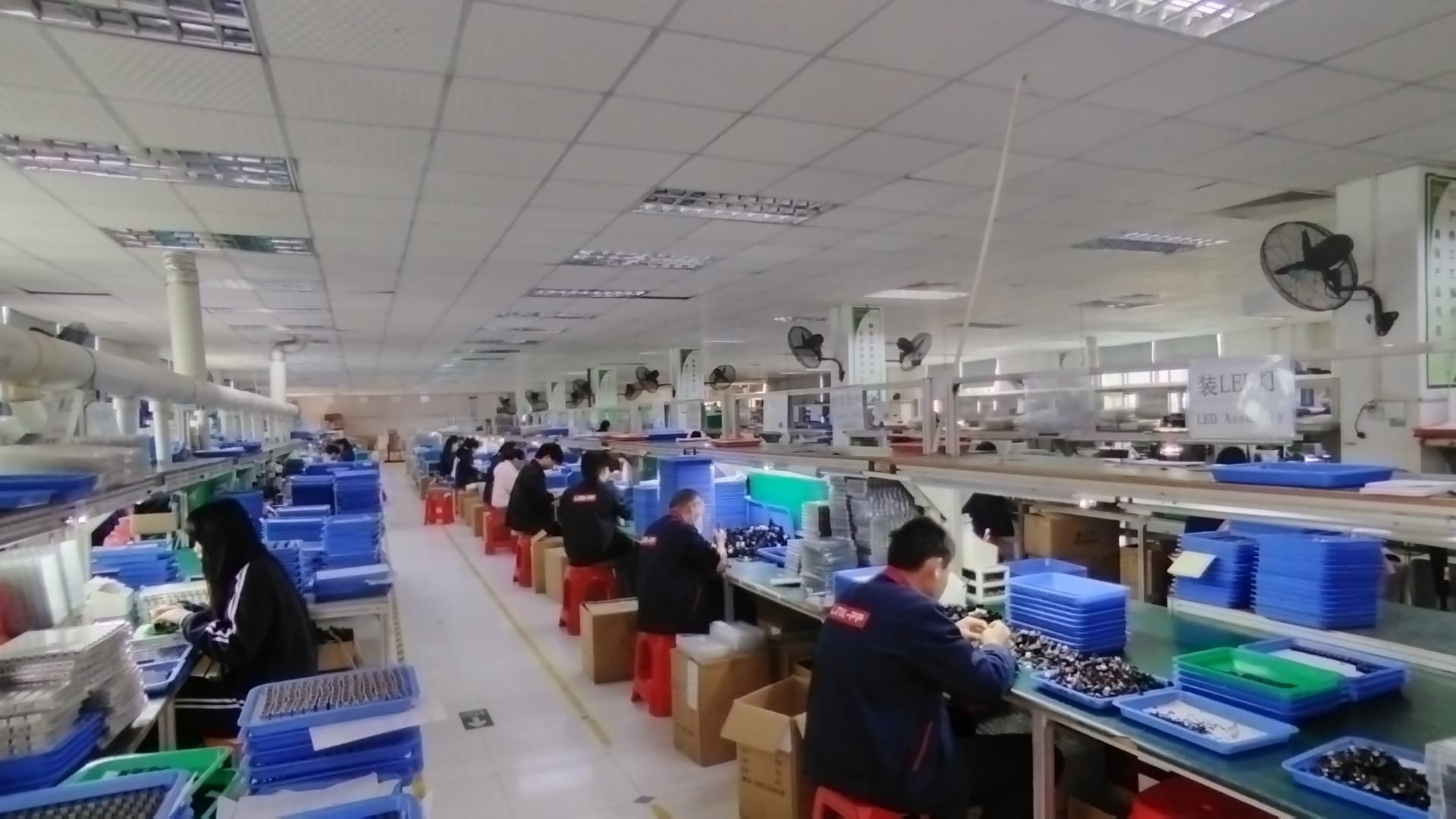
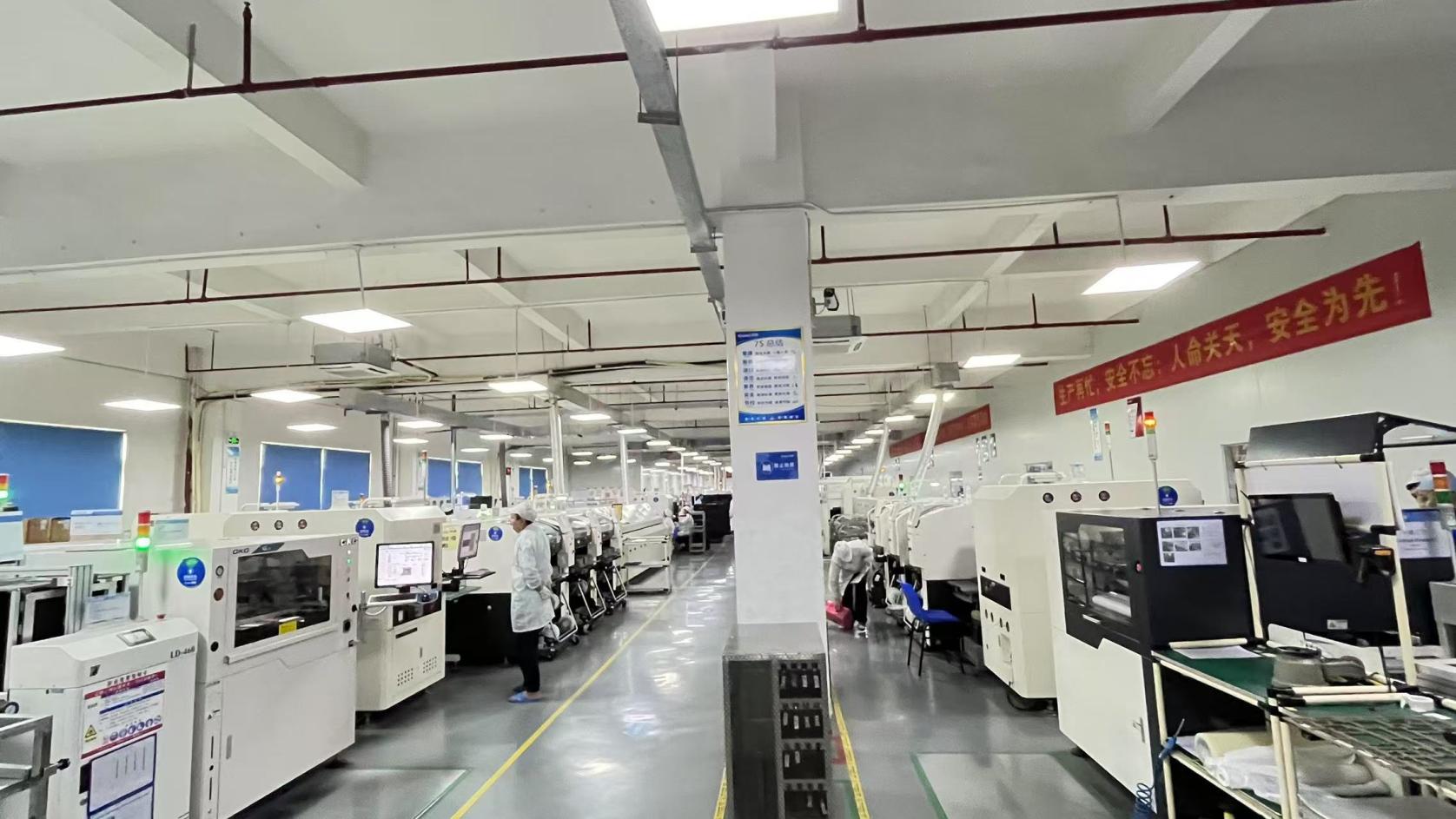
Combining state-of-the-art automated manufacturing with a highly integrated components supply chain to deliver reliable computing systems globally.
To ensure long-term performance and leak-free operation, Borevo enforces a rigorous multi-stage quality control protocol across all server configurations:
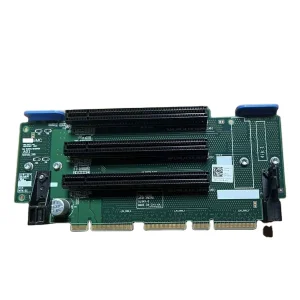
Automated Optical Inspection (AOI) identifies surface defects on PCBs, riser cards, and electrical interfaces prior to final assembly.
Modules undergo extensive climate chamber testing under varying temperature loads to guarantee structural integrity.
Assembled servers run at 100% capacity for extended periods to verify electrical, compute, and thermal stability.
Liquid cooling components undergo high-sensitivity helium mass spectrometry testing to ensure long-term, leak-proof operations.
We provide full customization (OEM/ODM) to meet specific layout, power, and thermal density requirements. Our engineering team assists with fluid dynamics analysis, custom cold plate prototyping, and adjustments to electrical schematics.
All exports conform to international standards, including CE, UL, RoHS, and FCC certifications. Additionally, our global distribution network ensures timely access to replacement parts and engineering assistance across North America, Europe, and Southeast Asia.
Tailored modification of server chassis, liquid loop pathways, cold plate profiles, and control systems to fit your pre-existing network infrastructure.
Comprehensive warranty coverage, step-by-step installation support, and system health monitoring guidelines to minimize potential operational downtime.
A look inside our 18,600 ㎡ state-of-the-art server assembly lines, testing chambers, and quality control departments.
Addressing the technical, operational, and financial considerations essential for server room upgrades.
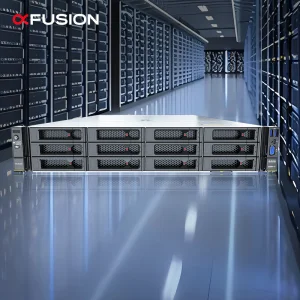
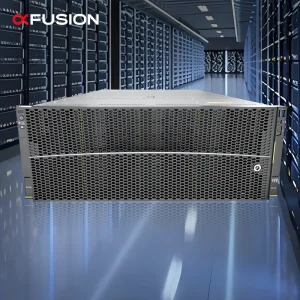
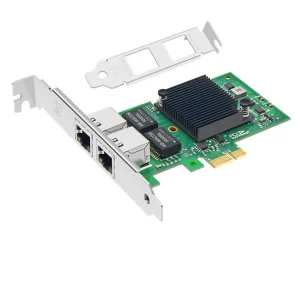
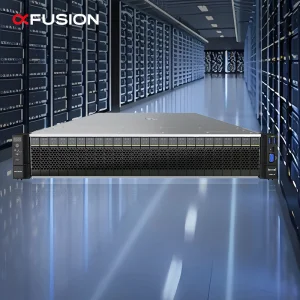
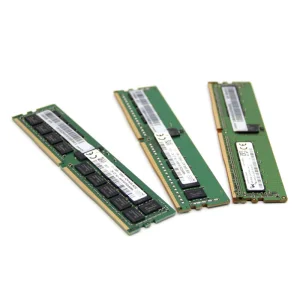
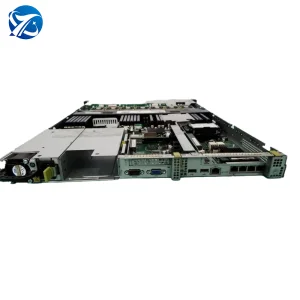
Complete your infrastructure with our enterprise-grade server units, memory options, and high-performance controller configurations.