Borevo
Borevo
Borevo
High-density computing servers and custom network architectures optimized for enterprise-grade colocation deployments.
An in-depth analysis of supply chain consolidation, technological optimization, and global deployment readiness for modern data centers.
China's physical collocation factories sit at the epicentre of semiconductor packaging, PCB fabrication, and high-performance cooling manufacturing. This allows direct integration of components (such as Xeon processors, PM893 enterprise SSDs, and DDR4 ECC RAM) with zero logistical transit lag, reducing integration costs by 15-25% compared to regional integrators.
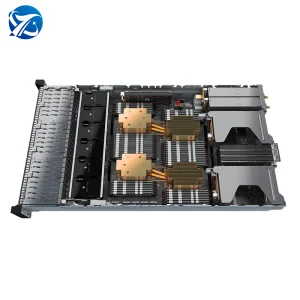
Modern workloads, especially those running AI models like DeepSeek, require customized, heterogeneous server nodes. Chinese collocation factories excel in tailoring system architecture—balancing PCIe lane allocation, custom BIOS/firmware modifications, and specialized cooling configurations to match precise virtualization and training demands.
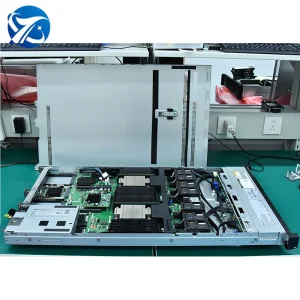
To eliminate dead-on-arrival (DOA) risks at the colocation facility, advanced facilities utilize a multi-tier testing pipeline. Automated Optical Inspection (AOI), structural burn-in under thermal load, and specialized packet-loss stress tests guarantee that configured systems (like xFusion V6/V7 and HPE Gen11 architectures) perform optimally upon installation.
From an enterprise procurement perspective, the term "collocation" (historically spelling-aligned with data center "colocation") addresses a dual intent: the physical matching/assembly of customized multi-socket hardware components (heterogeneous server configuration) and the sourcing of hardware ready for direct integration into Tier III/Tier IV colocation racks. Global buyers require hardware that minimizes deployment times, conforms to standard rack power limits (e.g., 30A/208V configurations), and supports Intelligent Platform Management Interface (IPMI) 2.0 or Redfish APIs for seamless remote management.
By shifting component assembly and pre-allocation testing to specialized factories in China, hardware importers and cloud service providers secure a dramatic reduction in provisioning times (Time-to-Market). Rather than assembling parts locally, servers arrive fully configured, updated to the latest stable microcode, and pre-burn-in verified.
An export-oriented AI hardware manufacturer and server integration powerhouse specializing in high-density computing clusters.
Borevo AI Infrastructure (China) Co., Ltd. is a premier manufacturer and designer of AI GPU systems and enterprise-grade servers. By linking design integration, heterogeneous computing architectures, and customized firmware deployments, we supply cloud service providers, hyper-scale data centers, and global enterprises with high-efficiency hardware colocation options.
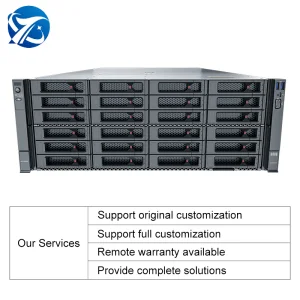
Our engineering division supports intensive customization requirements, including firmware configuration, PCB adaptation, tailored high-performance cooling arrays, and optimized storage configurations. With 12 years of industry experience and an active partner network of 850 strategic hardware suppliers across the semiconductor, cooling, and components industries, Borevo represents reliability and performance.
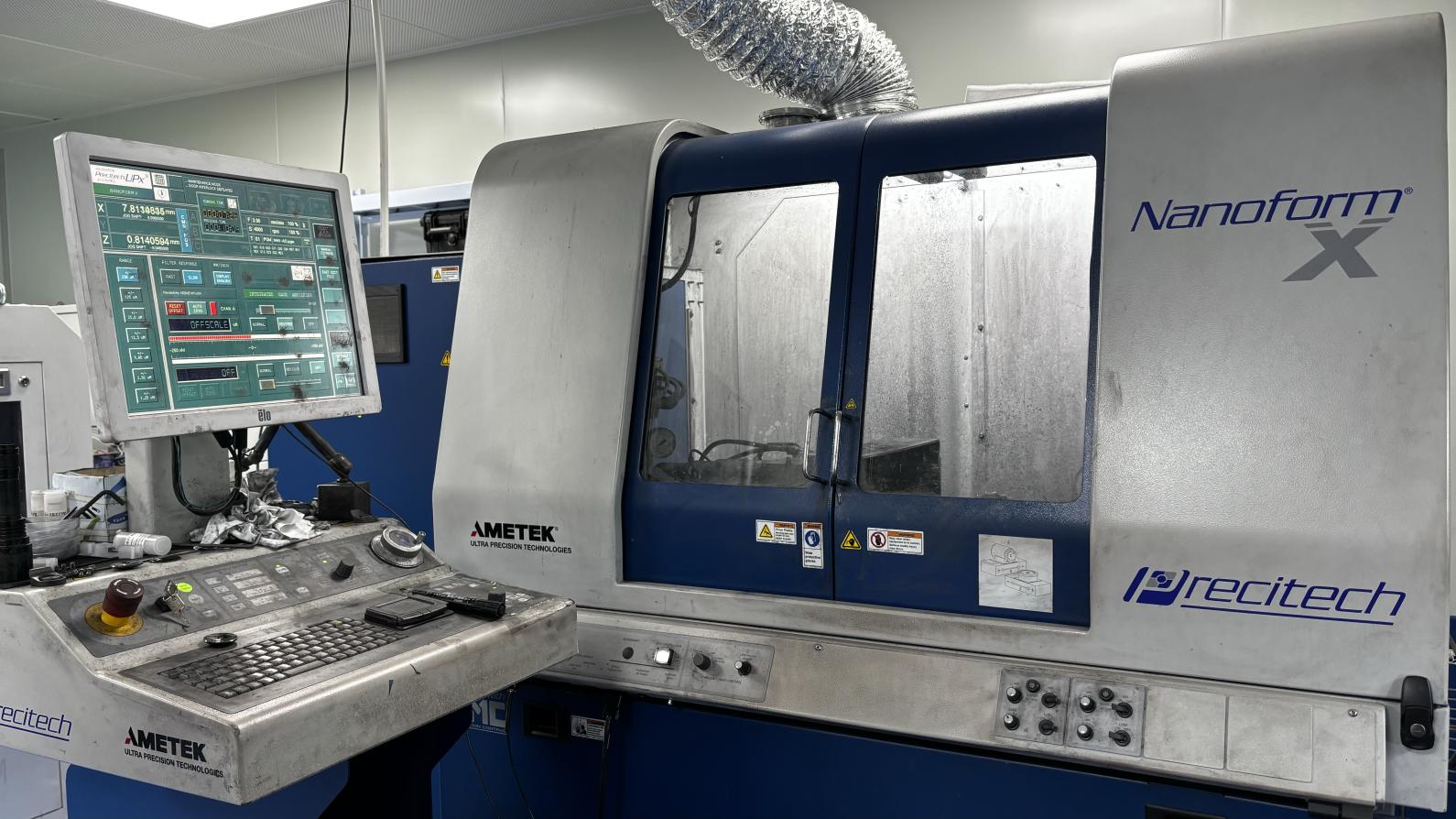
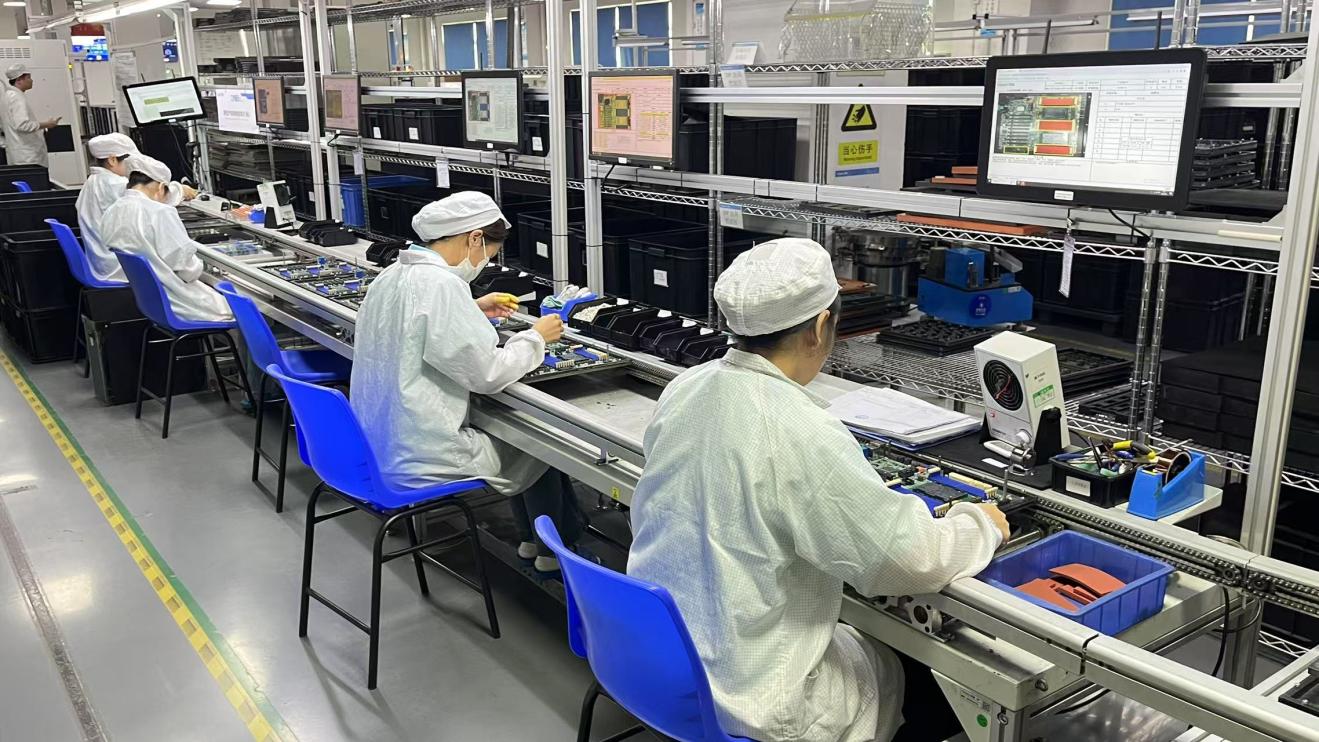
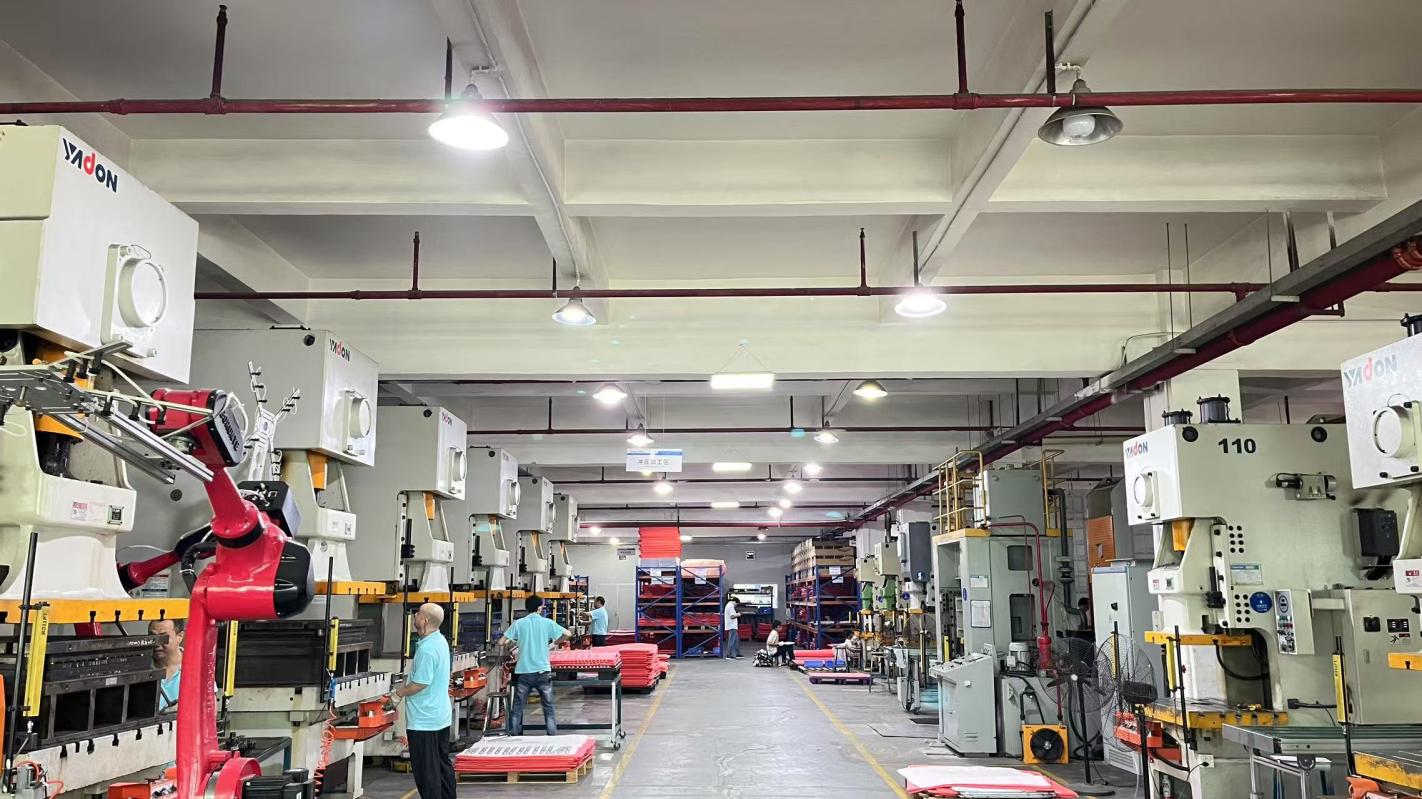
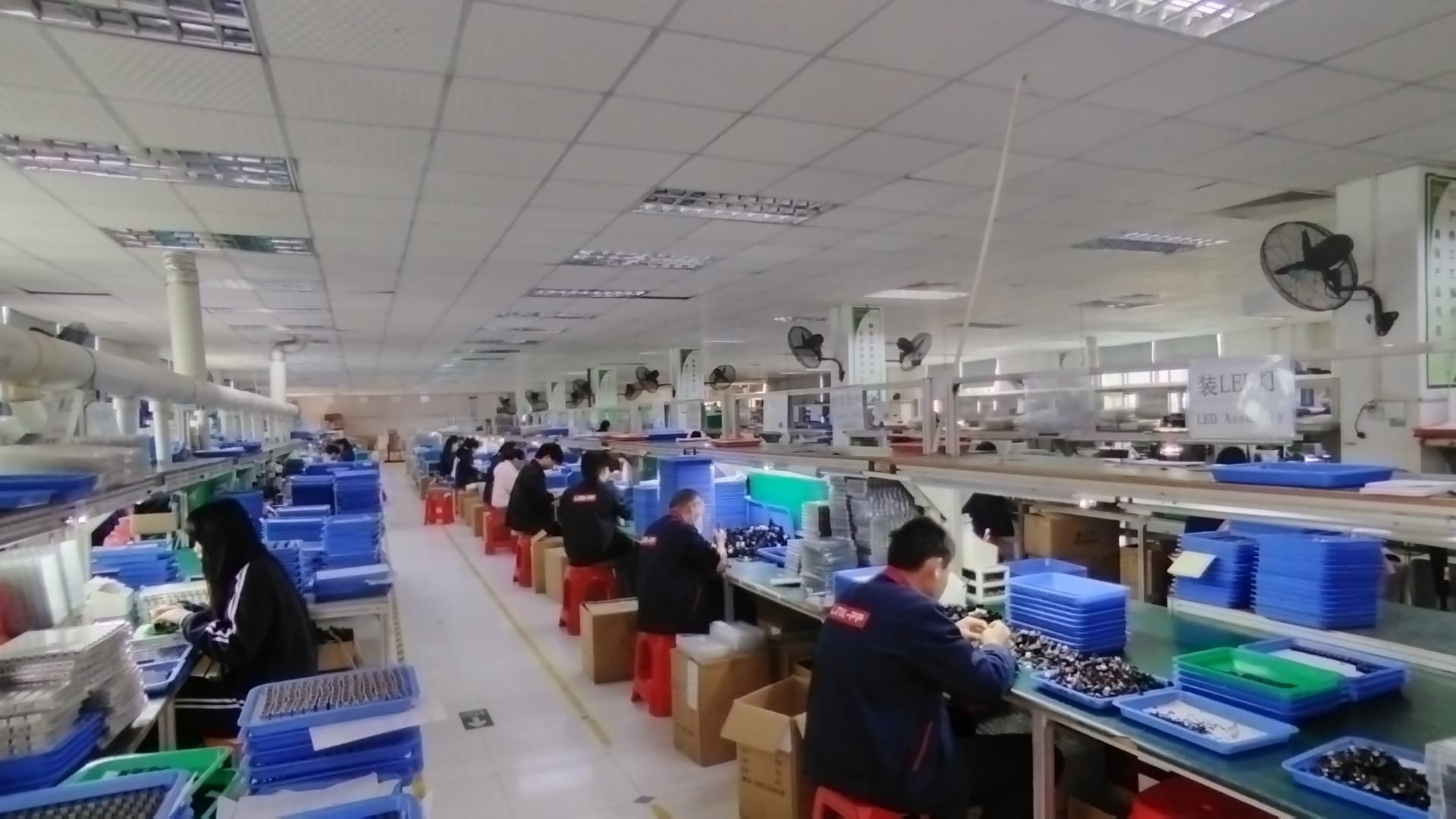

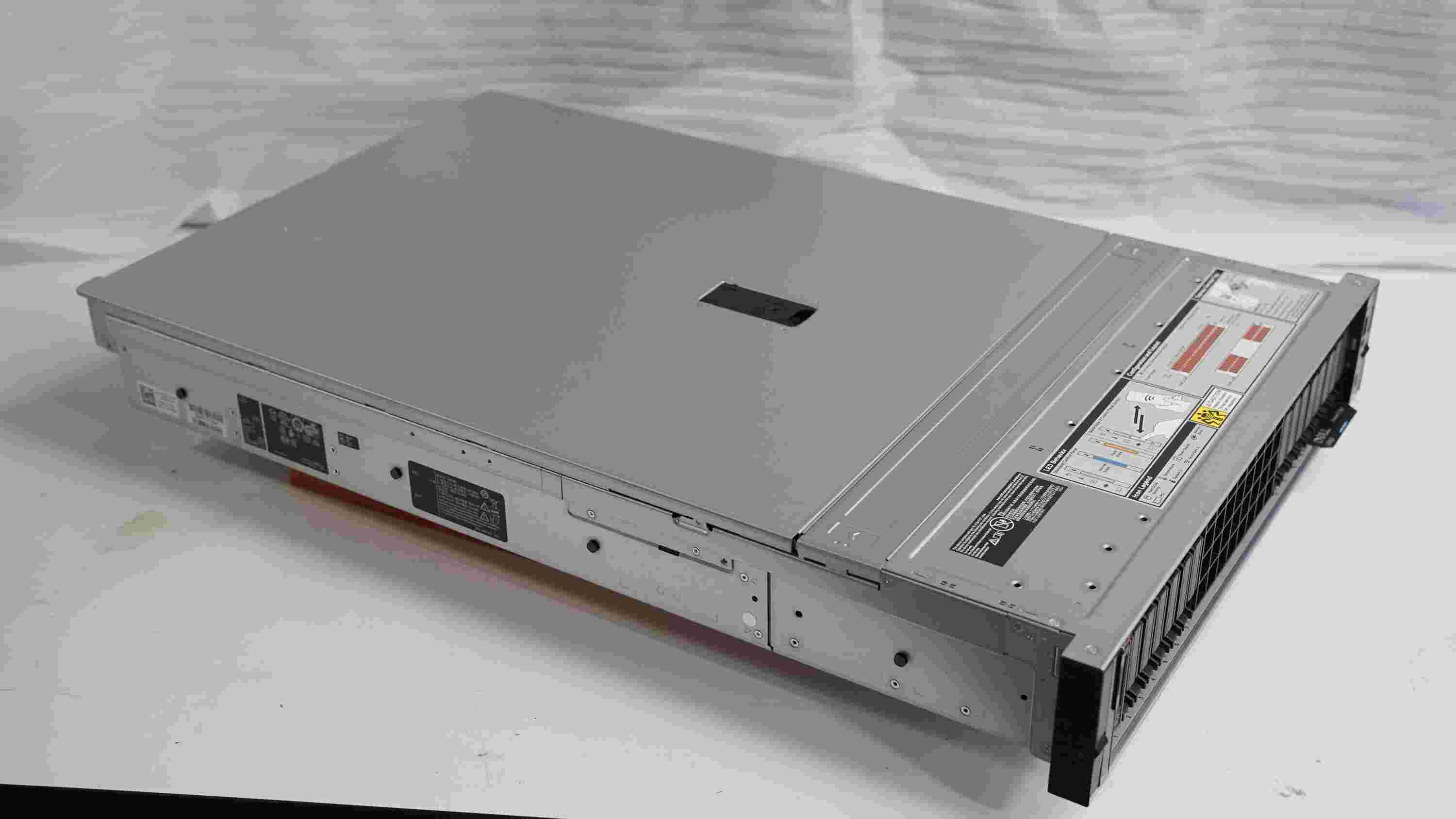
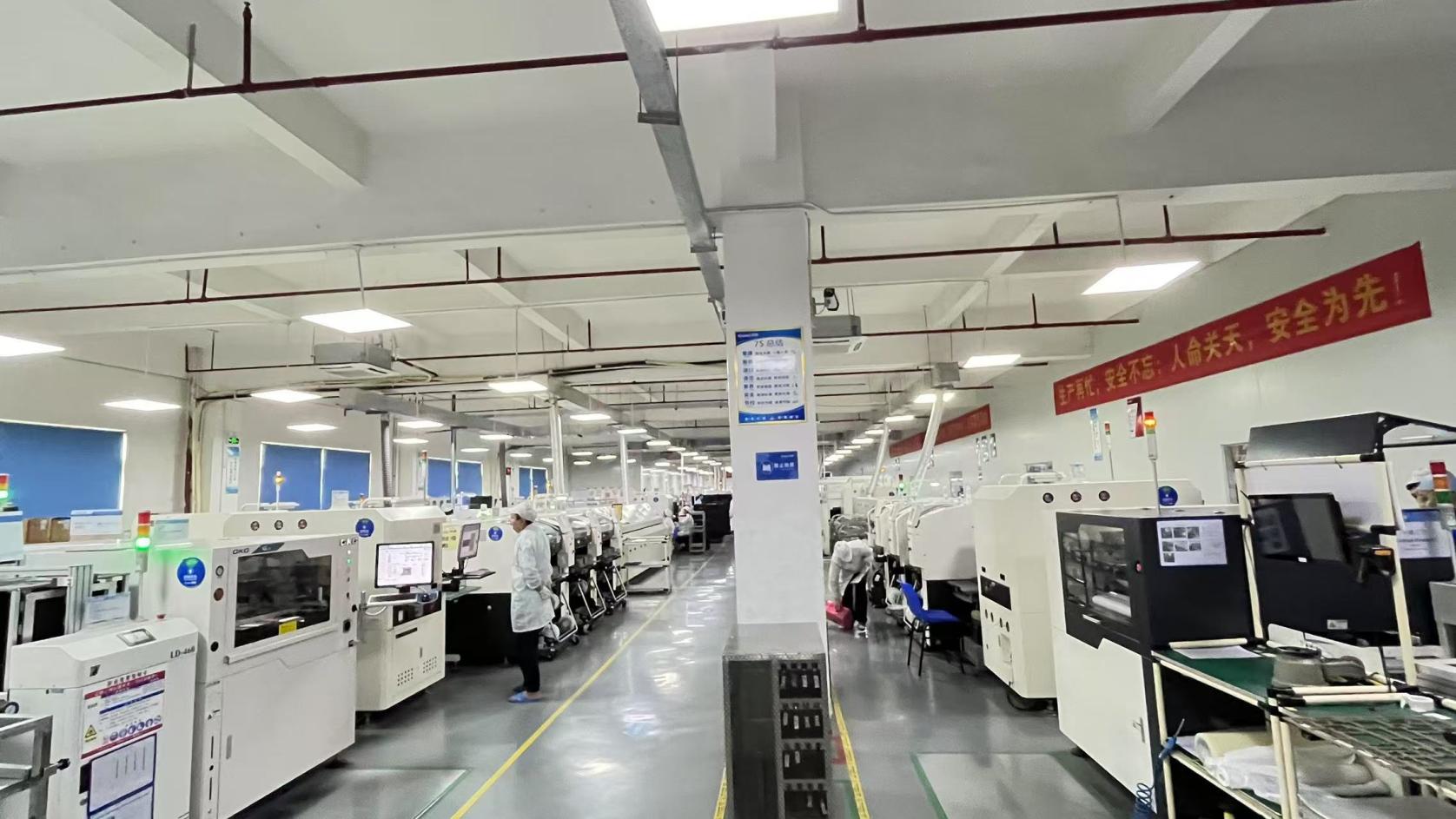
Designing and deploying scalable infrastructures for artificial intelligence, virtualization, and ultra-dense storage environments.
Designed for large language models (LLMs) and deep learning networks. By leveraging servers with integrated high-density PCIe lanes, dual-socket Intel Xeon processors, and optimized GPU spacing, we ensure that deep learning architectures function without thermal throttling or data transfer bottlenecks.
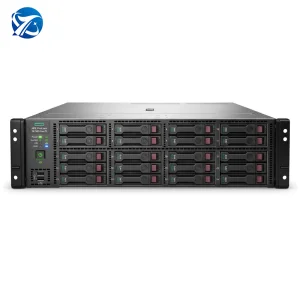
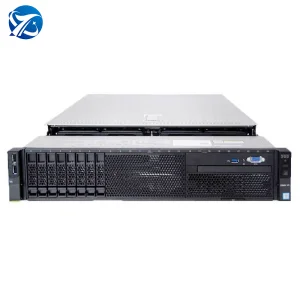
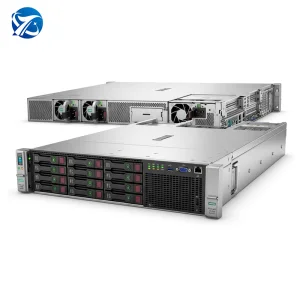
Tailored solutions using platforms like the HPE ProLiant DL380 Gen11 or Dell PowerEdge R760. Perfect for virtualized environments, database clustering, and high-frequency transaction applications that require low latency and high hardware uptime.
Providing custom multi-terabyte arrays with SAS/SATA RAID backup configurations and ECC RAM to support massive data storage needs. Ideal for media streaming, video rendering pipelines, and historical archive databases.
When procurement managers seek partners for server collocation hardware, they look beyond component pricing. They examine the total cost of ownership (TCO) and compliance standards. This includes evaluating power supply unit (PSU) efficiency (with a focus on 80 Plus Platinum or Titanium certification to lower PUE), obtaining CE, FCC, and RoHS certifications, and ensuring reliable logistics support to guarantee components arrive damage-free.
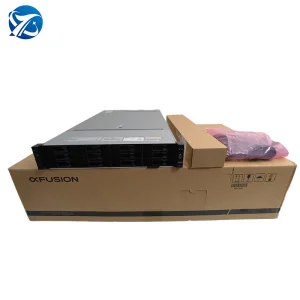
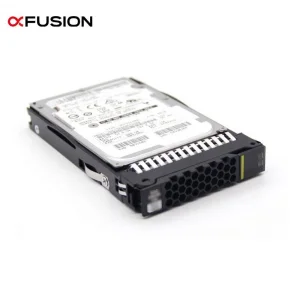
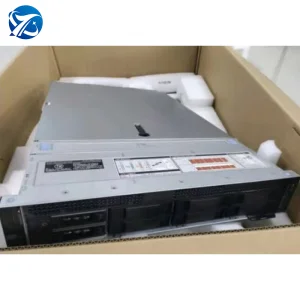
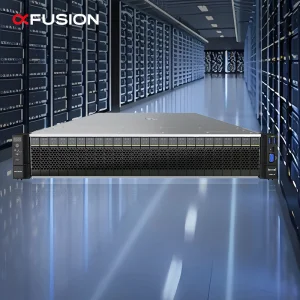
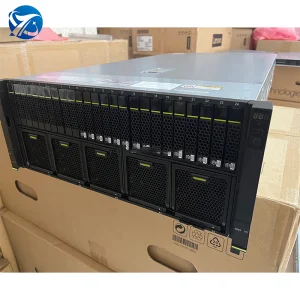
Borevo addresses these needs by maintaining strict compliance standards across all export models, including specialized xFusion FusionServer systems and custom enterprise components. Every server is shipped in multi-layer shockproof packaging designed to survive air and sea freight conditions.
A projection of physical server architecture shifts, green cooling requirements, and edge integration technologies.
As computing densities increase to handle massive AI models, legacy air cooling systems are reaching their physical limits. Next-generation servers are shifting toward liquid-to-air hybrid cooling and direct-to-chip (D2C) liquid cooling plates. China collocation manufacturers are leading this transition by integrating liquid loop testing tables directly inside SMT and final validation lines. This ensures leak-free setups that match the strict requirements of green colocation data centers.
To reduce spatial footprints and simplify onsite maintenance, large enterprises are transitioning toward OCP server designs. The integration of bus-bar power connections, tool-less tray designs, and front-accessible IO ports allows technicians to complete drive or modular component replacements in seconds. Standardizing hardware layouts ensures compatibility across global data centers.
With the rise of low-latency local processing, modern server hardware must operate outside standard corporate server rooms. Ruggedized 1U and 2U short-depth server designs allow processing power to be colocated directly inside telecom utility cabinets, transit hubs, and distributed industrial environments without compromising raw compute throughput.
Everything you need to know about sourcing, customization, testing, and international shipping of enterprise compute hardware.