Borevo
Borevo
Borevo
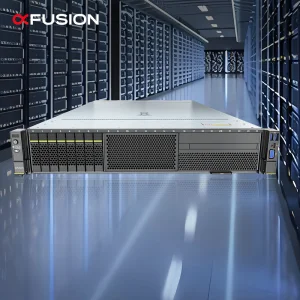
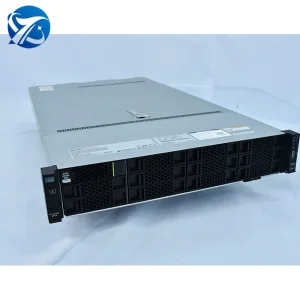
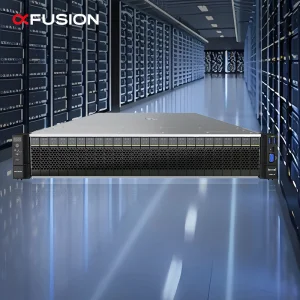
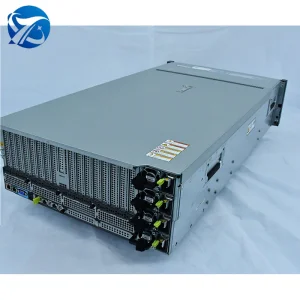
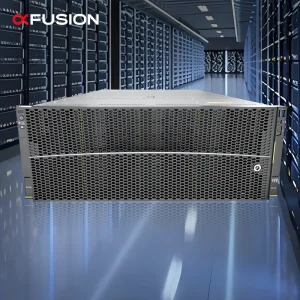
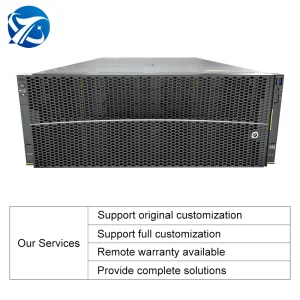
The global shift toward generative AI, Large Language Models (LLMs) like DeepSeek, and predictive semantic systems has rewritten data center strategies. Enterprises are no longer buying general-purpose compute hardware; they are engineering customized, high-density AI GPU Clusters. Standard IT architectures struggle to dissipate the heat generated by TDP limits reaching 700W+ per acceleration module, requiring dedicated design planning at the server rack level.
For cross-border logistics, global cloud providers (CSPs), and localized hosting centers, procurement is not just about raw silicon performance. It is about architectural compatibility, supply chain resilience, and operational reliability. Global enterprises must navigate the complexity of international compliance, high-capacity electrical engineering, and low-latency network interconnectivity (such as RDMA over Converged Ethernet and InfiniBand fabrics) to keep deep learning applications running uninterrupted.
As a leading name among top China AI GPU hosting exporters, Borevo AI Infrastructure (China) Co., Ltd. bridges the gap between state-of-the-art server manufacturing capabilities and global delivery pipelines. Our custom-designed hardware provides the stability and scalability that mission-critical AI workloads demand.
We design, optimize, and build heterogeneous infrastructure to support modern computing needs. Through collaboration with major raw silicon manufacturers, structural component vendors, and global logistics providers, we build systems designed for scalability.
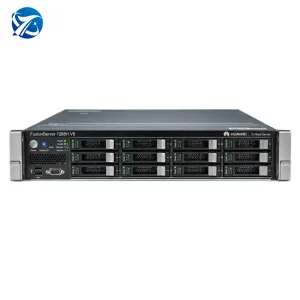
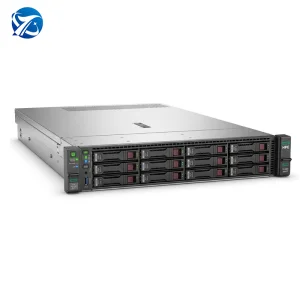
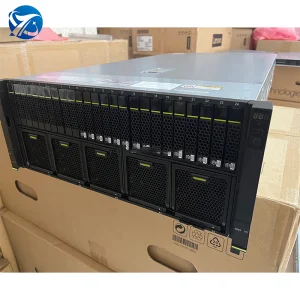
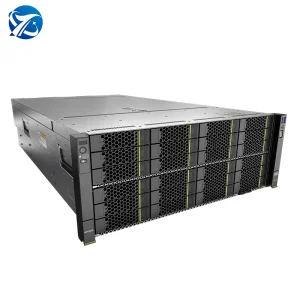
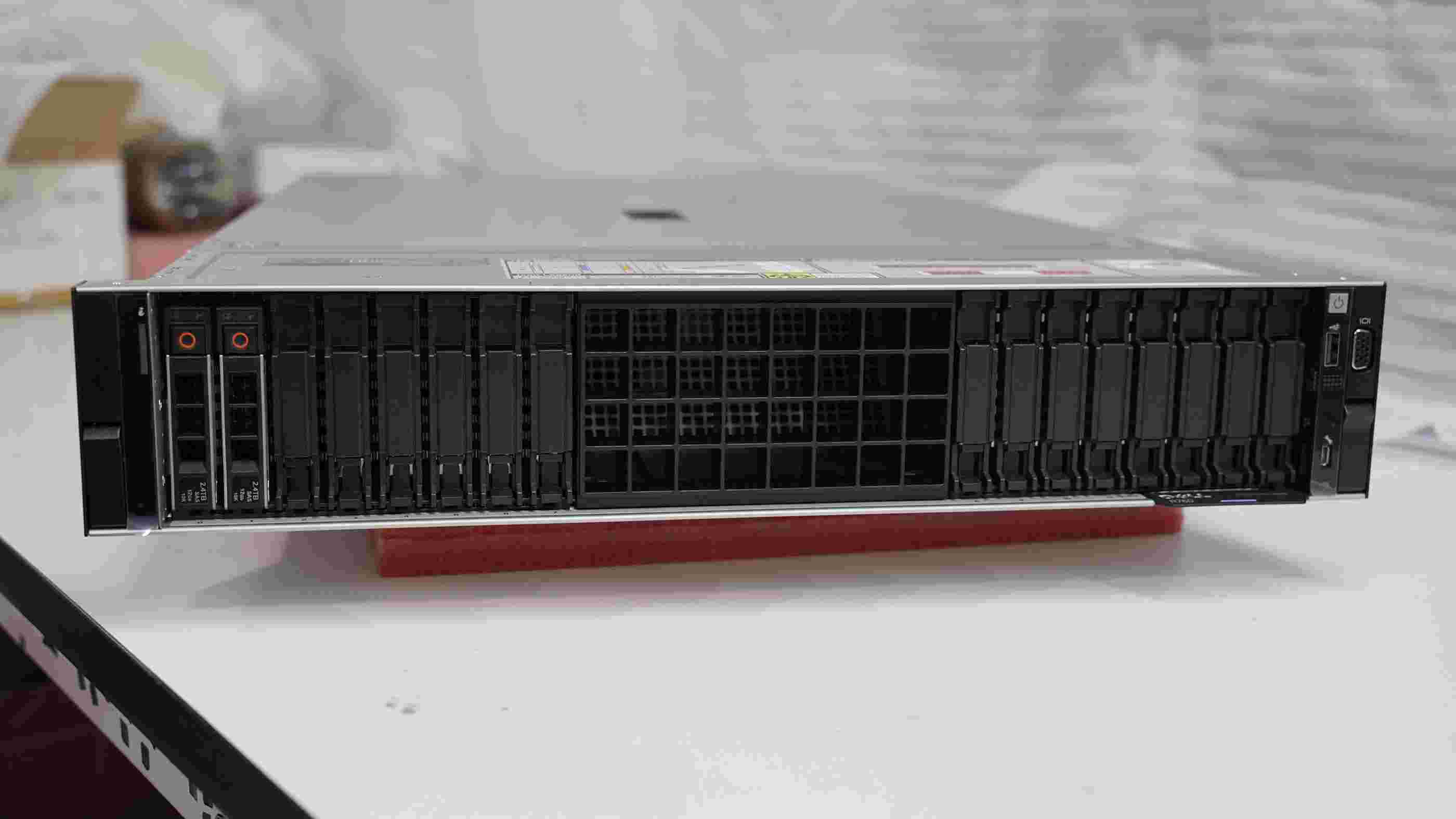
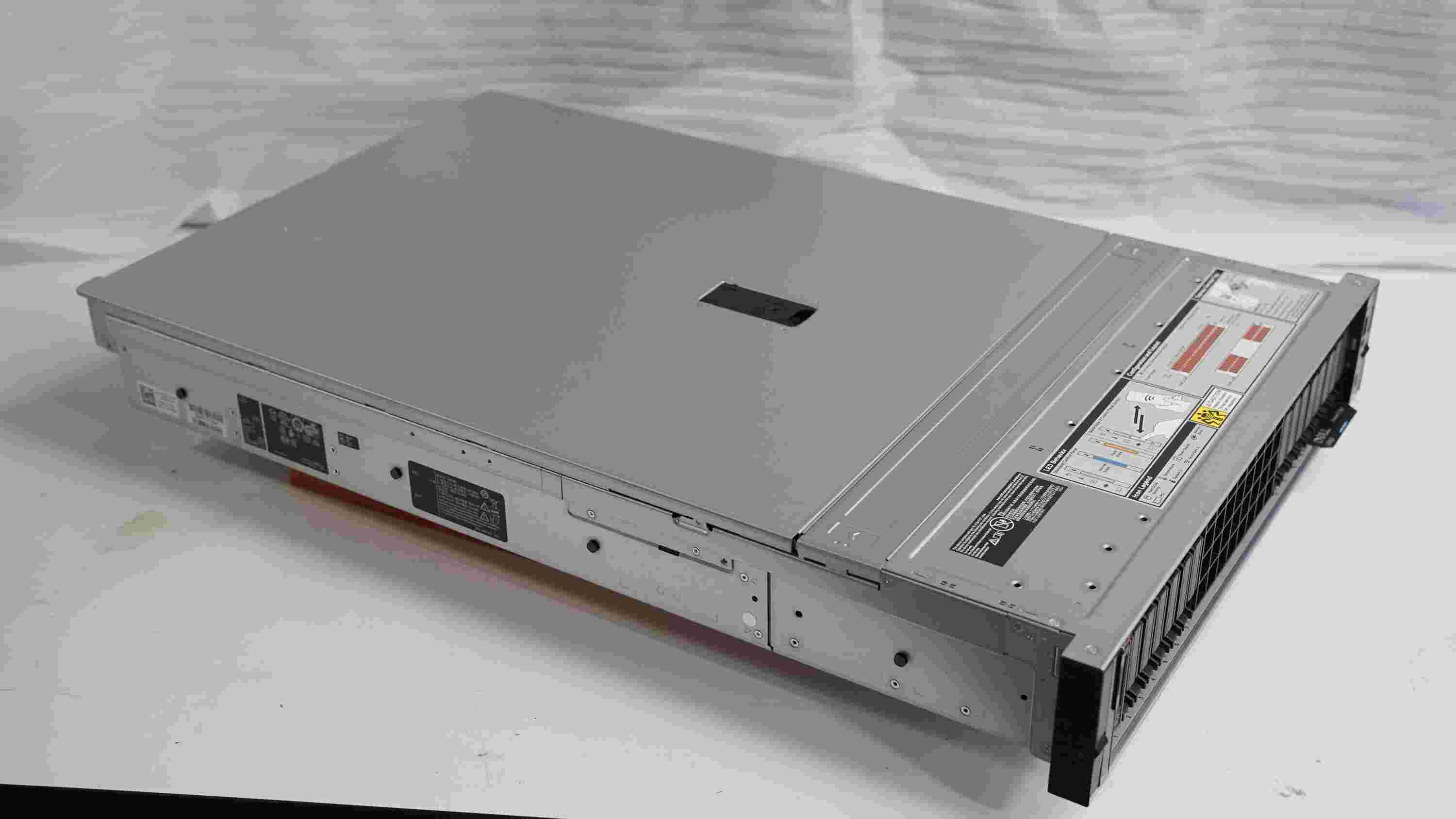
We configure 2U & 4U rack systems (including the FusionServer G5500 and 5288 series) to maximize computing density per cabinet. Our multi-socket designs and PCIe Gen 4.0/5.0 pipelines prevent structural I/O bottlenecks during distributed LLM training cycles.
High-load AI compute nodes generate significant heat. Our custom integration services provide adjusted heatsinks, smart cooling fan controllers, and structural airflow panels tailored to hot-aisle containment systems in global hosting facilities.
Operating under rigorous global export laws, we ensure all components, custom motherboard layouts, and BIOS configurations undergo structural reviews. This guarantees compliant distribution and fast clearing in North American, European, and Asian custom hubs.
As large-scale transformer models demand lower interconnect latency and high system bandwidth, we design our platforms to optimize communication between CPUs, GPUs, and network nodes.
Our ongoing research focuses on high-speed system buses, optimized cooling solutions, and flexible configuration options:
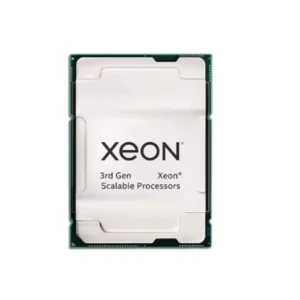
By planning our hardware updates in step with new CPU platform cycles (such as the latest Intel Xeon Scalable lines), we make sure our international buyers' investments remain compatible with future upgrades.
Our R&D team of 180 engineers focuses on custom server motherboard design, high-frequency signal integrity, and BIOS optimization. Over the last year alone, we released 120 new products to keep pace with changing market needs.
Leveraging strategic relationships with 850+ trusted component suppliers, we secure the supply chains for memory, network chips, high-density PCBs, and structural metals. This allows us to keep manufacturing times steady even during periods of high demand.
We believe that hardware reliability underpins AI performance. To guarantee high performance in critical environments, our 45-person QC team monitors every stage of production.
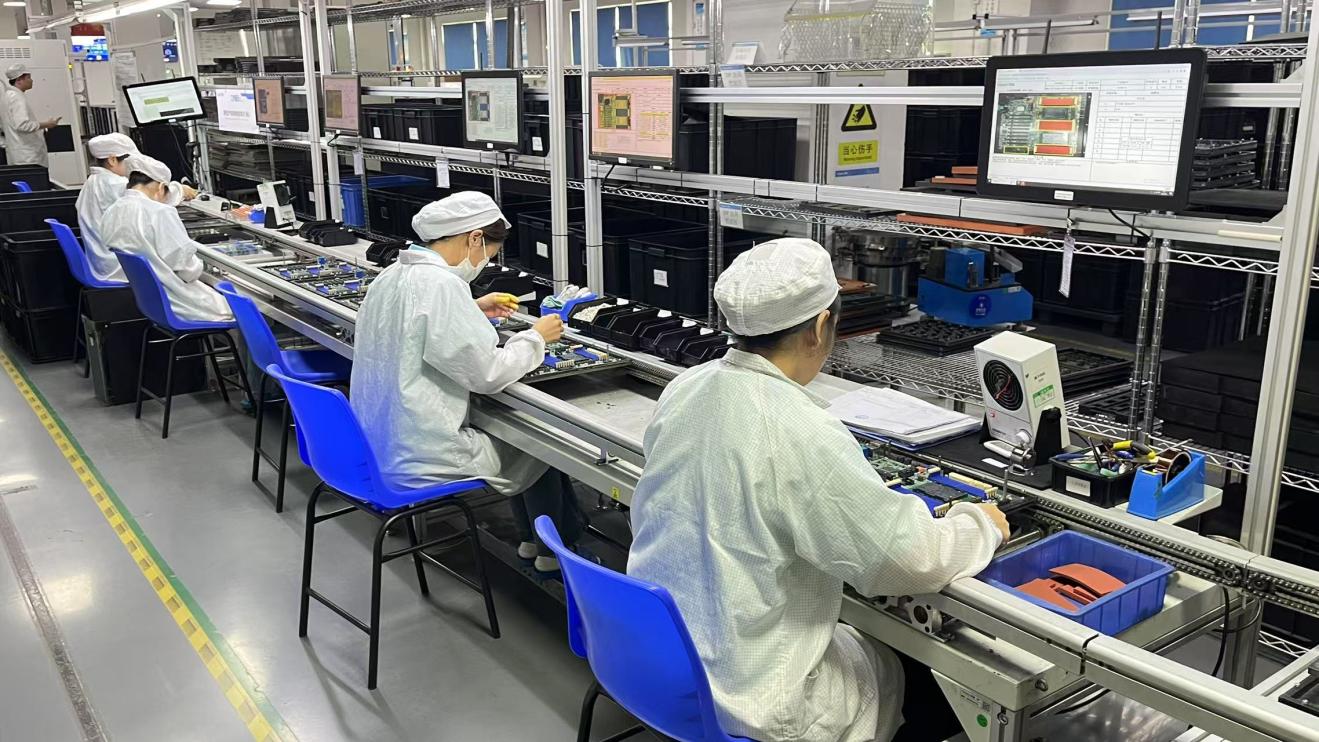
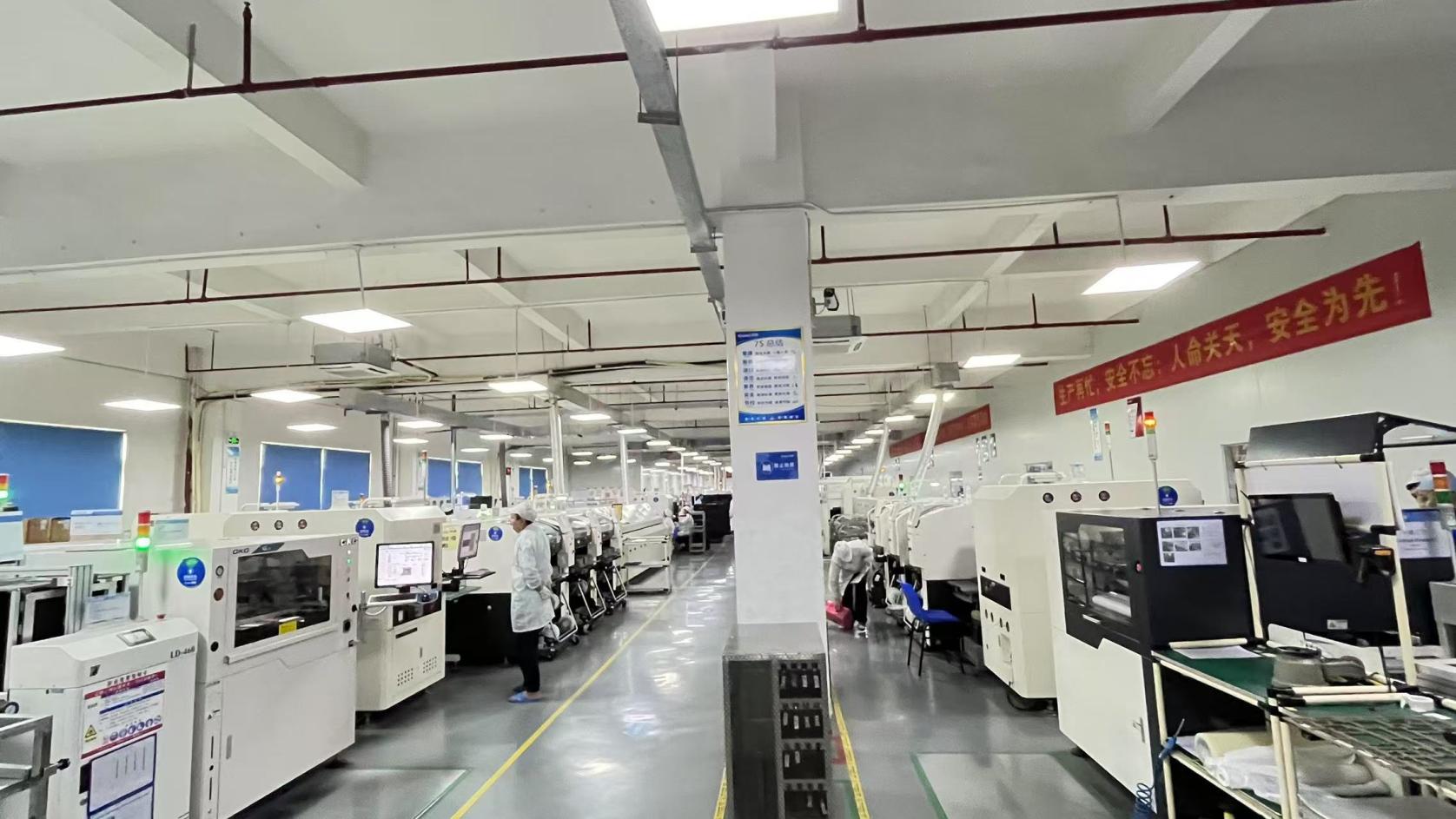
Automated Optical Inspection scans multi-layer PCBs after reflow soldering. This step identifies any micro-defects, bridging, or solder joint anomalies before the board moves to final assembly.
We run servers inside specialized temperature chambers to simulate the hot conditions of high-density computing facilities. This ensures the physical assemblies can handle changing thermal environments.
Assembled server systems undergo full-load benchmark stress testing for up to 72 hours. This step helps identify and replace components that are prone to early-stage failure before systems leave our facility.
Our technicians test power supply units (PSUs) under dynamic power-draw cycles. This step verifies that the power conversion components can handle the sudden power spikes common in AI model runs.
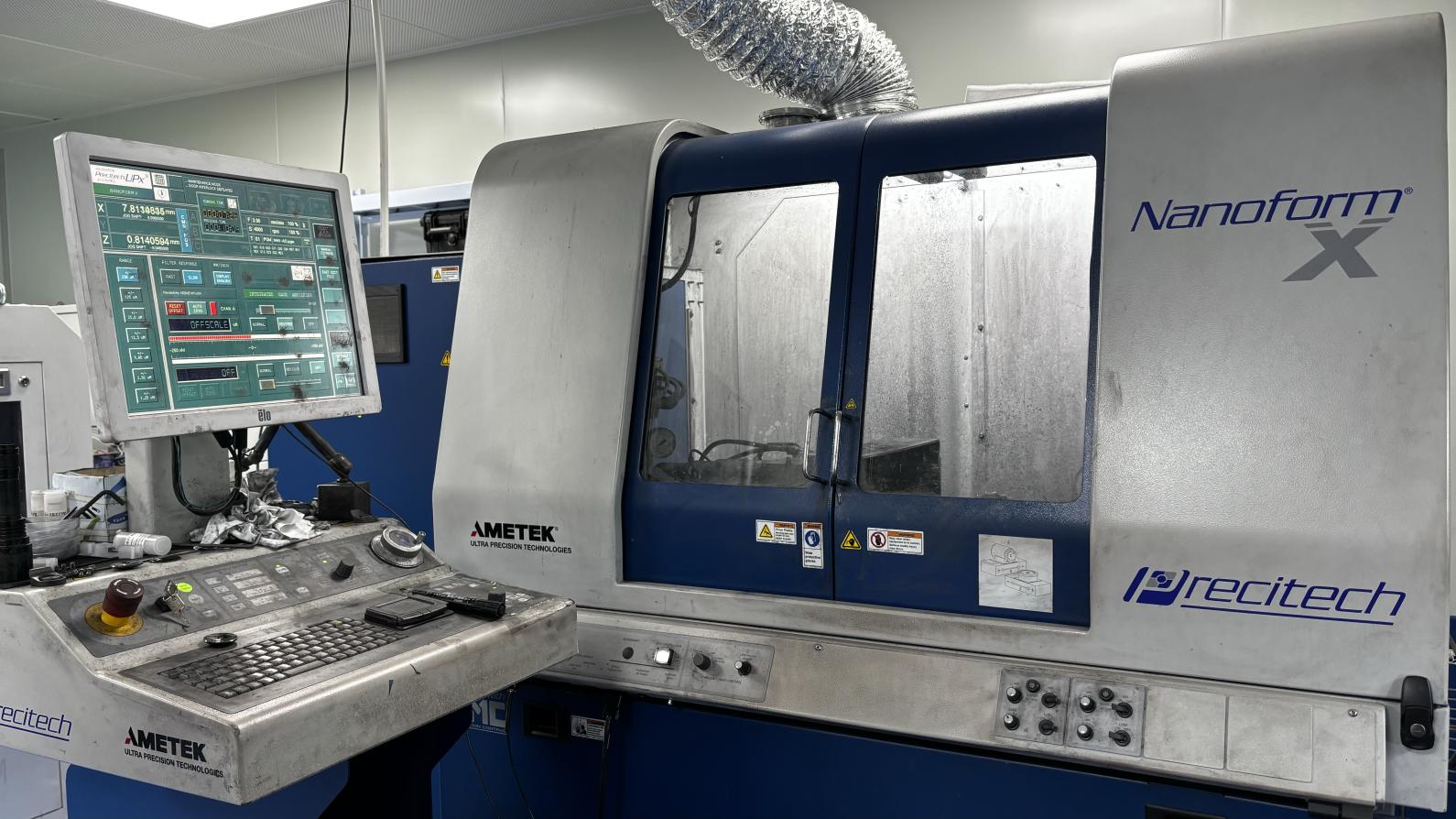
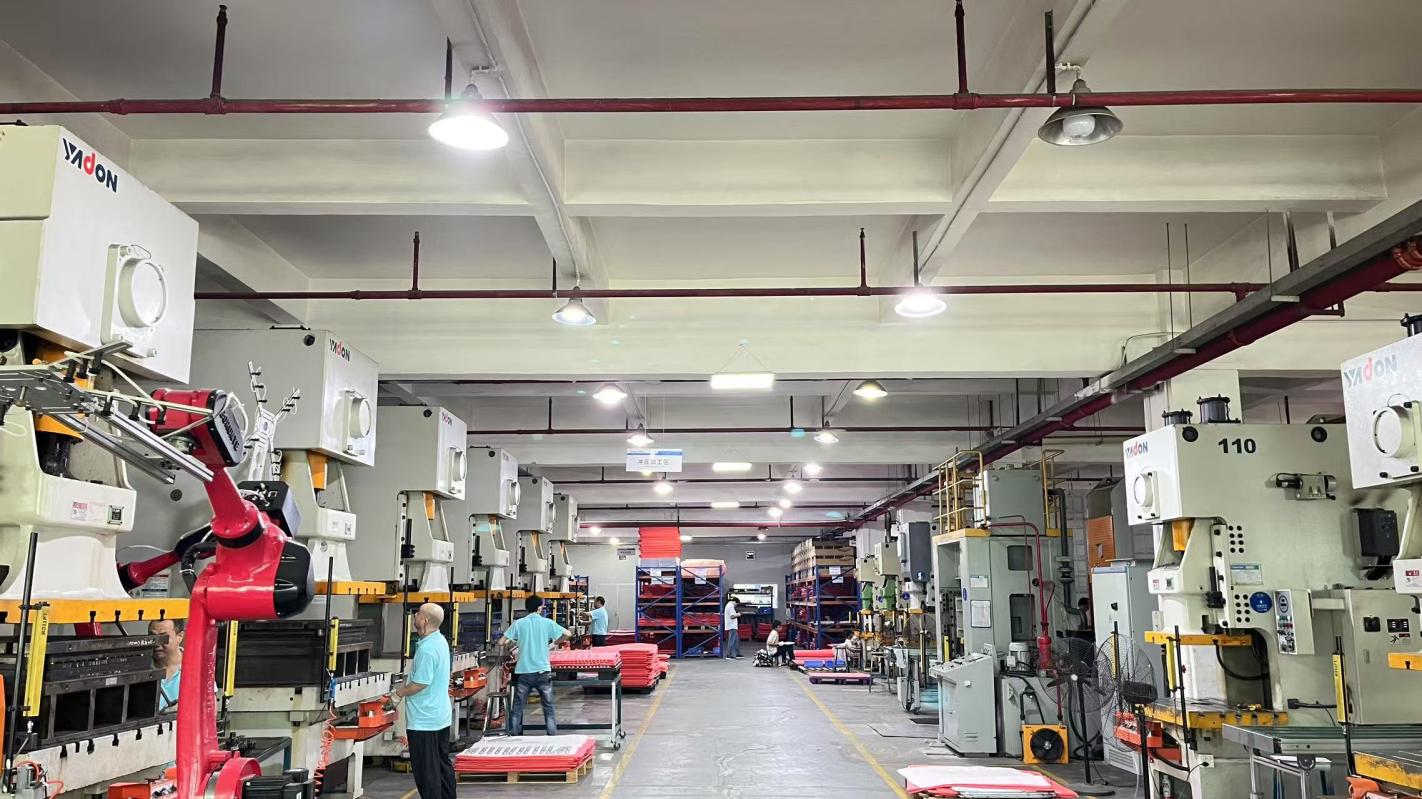
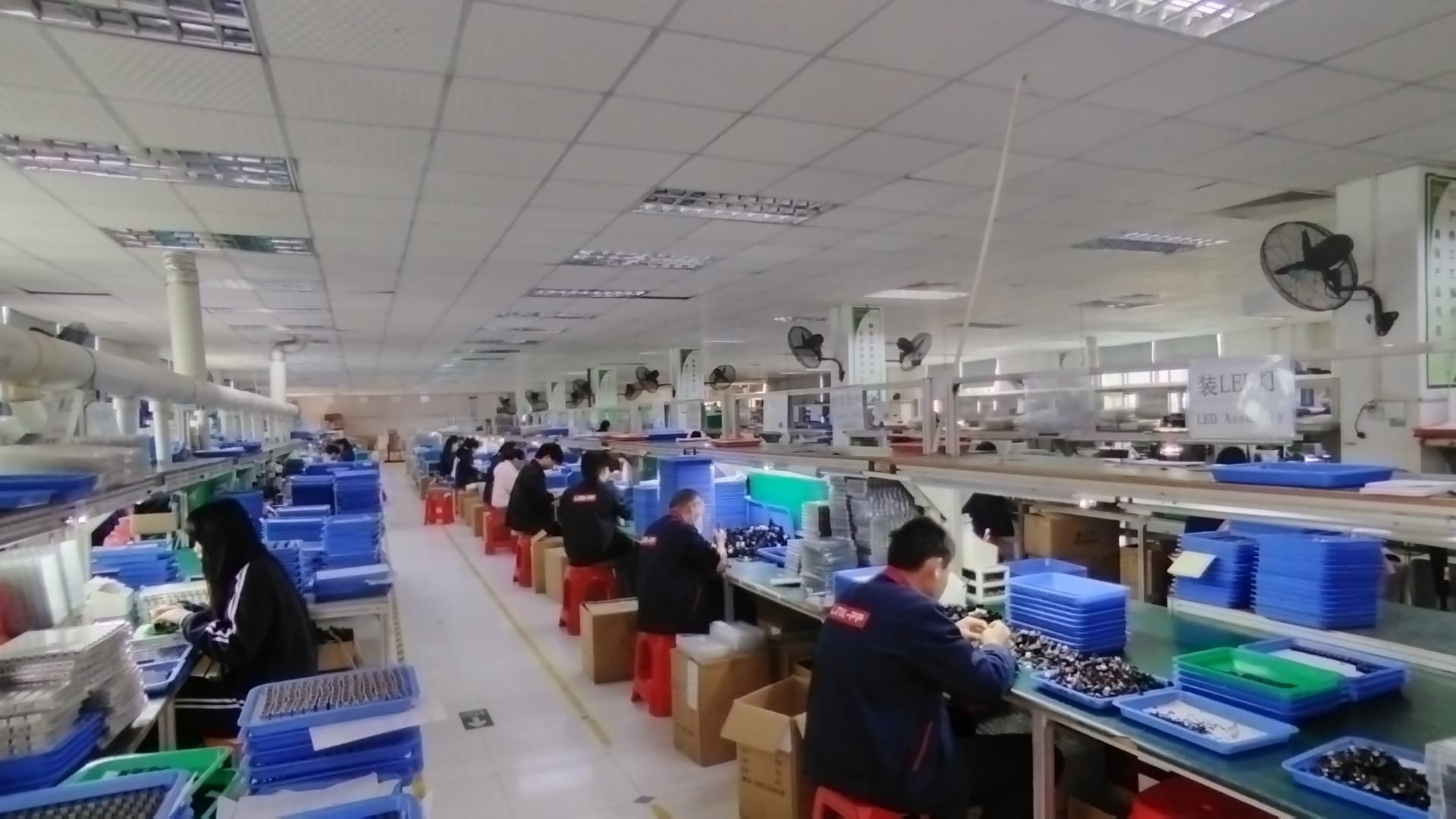
Operating from our 18,600-square-meter facility in China, our team integrates research, assembly, quality control, and shipping systems under one roof to maintain high standards of quality and efficiency.
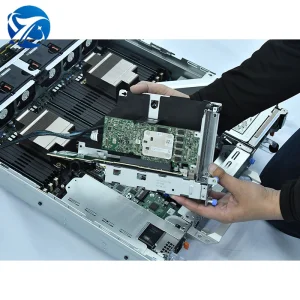
We offer hardware customization options, including modified PCIe slot layouts, customized BIOS configurations to support specific accelerators, customized thermal solutions (such as liquid-to-air cooling options), and bespoke memory configurations.
We review all international regulations and design rules. Our legal and engineering teams audit motherboard layouts, controller designs, and encryption components to ensure they align with export compliance and cross-border trade standards.
Yes. All our rack servers, including the 1U-4U form factors, are built to standard EIA-310 dimensions. This ensures compatibility with standard 19-inch server racks used in co-location and hosting data centers around the world.
Standard systems are usually ready to ship in 2 to 4 weeks. Custom motherboard design updates, specific testing requirements, or high-volume orders can take 6 to 10 weeks depending on the availability of components.
We use 80 PLUS Platinum or Titanium redundant power supplies (such as 900W, 1600W, or 2000W PSUs). These setups prevent downtime by immediately switching to a backup power module if one fails during a compute run.