Borevo
Borevo
Borevo
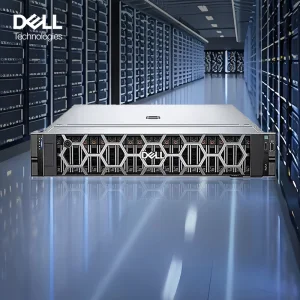
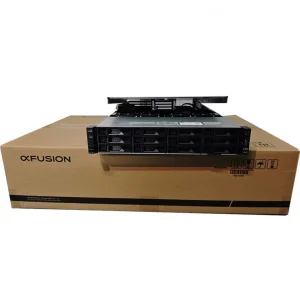
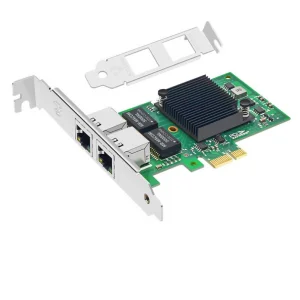
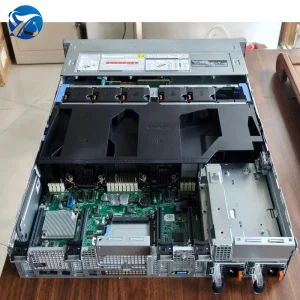
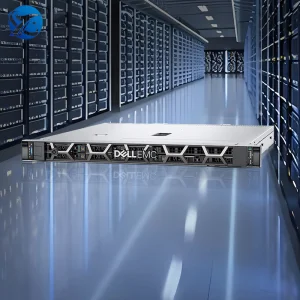
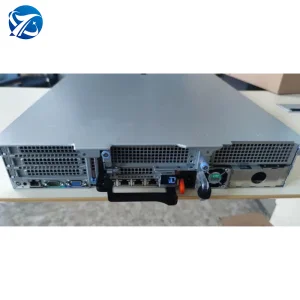
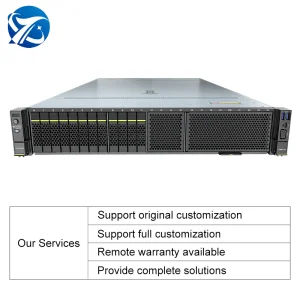
The global computational landscape is undergoing a seismic paradigm shift. The rapid emergence of Large Language Models (LLMs) like DeepSeek, GPT-4, and specialized generative AI models has transformed GPU accelerators from optional accelerators to critical baseline compute assets. High-Performance Computing (HPC) centers and enterprise data infrastructures are transitioning away from CPU-only legacy networks toward heterogeneous, hyper-parallelized acceleration platforms.
Modern GPU architecture is no longer defined solely by raw TFLOP throughput. Instead, system integration, high-bandwidth interconnects (such as NVLink and Infinity Fabric), and advanced thermal profiles dictate real-world training and inference efficiencies. The deployment of AI hardware now demands deep integration of server motherboard topologies, liquid cooling ecosystems, and ultra-high-speed memory configurations (DDR5 & HBM3e) to overcome traditional Von Neumann hardware bottleneck dynamics.
"By 2026, over 85% of newly installed enterprise datacenter racks will incorporate high-density GPU accelerators, driving the transition toward automated rack-level liquid cooling designs and PCIe Gen 5.0/Gen 6.0 high-speed backplane integration."
Enterprises require virtualized, highly-sliced GPU structures to run isolated development training tasks and consumer-facing production inference models on a single bare-metal node.
Moving past standard PCIe constraints, next-generation accelerators deploy OAM (OCP Accelerator Module) layouts to scale cross-chassis cluster communications to multi-terabit speeds.
As server component powers approach 700W–1000W per GPU socket, dynamic liquid cold plates and precision heat sinks have become foundational architectural requisites.
Purchasing agents, CTOs, and systems integrators in North America, Europe, and Asia no longer acquire servers strictly as pre-packaged commodity units. Modern enterprise workflows dictate bespoke silicon adaptation. Hardware engineering teams must coordinate closely with factory production floors to assure customization of BIOS/BMC firmware profiles, dynamic memory balancing, and strict signal-integrity routing across complex PCIe lanes.
To navigate geopolitical challenges and component constraints, global organizations are focusing heavily on manufacturing transparency, rigorous hardware validation regimes, and strategic component multi-sourcing. From small-batch AI training workstations to hyperscale cluster expansions, purchasing directors demand detailed information regarding structural reliability, component origin, and testing standards before placing large orders.
| Procurement Metric | Primary Technical Requirement | Operational Importance |
|---|---|---|
| Bandwidth Integrity | PCIe Gen 5.0 / Gen 6.0 Compliance | Minimizes GPU-to-CPU latency bottlenecks during LLM training. |
| Thermal Architecture | Hybrid Direct-to-Chip Liquid Cooling | Maintains consistent performance under massive continuous workloads. |
| Storage Speed | Direct NVMe Gen 4/5 Interfacing | Supports multi-gigabyte training dataset streaming. |
| BMC Customization | OpenBMC / Custom IPMI Integration | Assures secure out-of-band monitoring and remote management. |
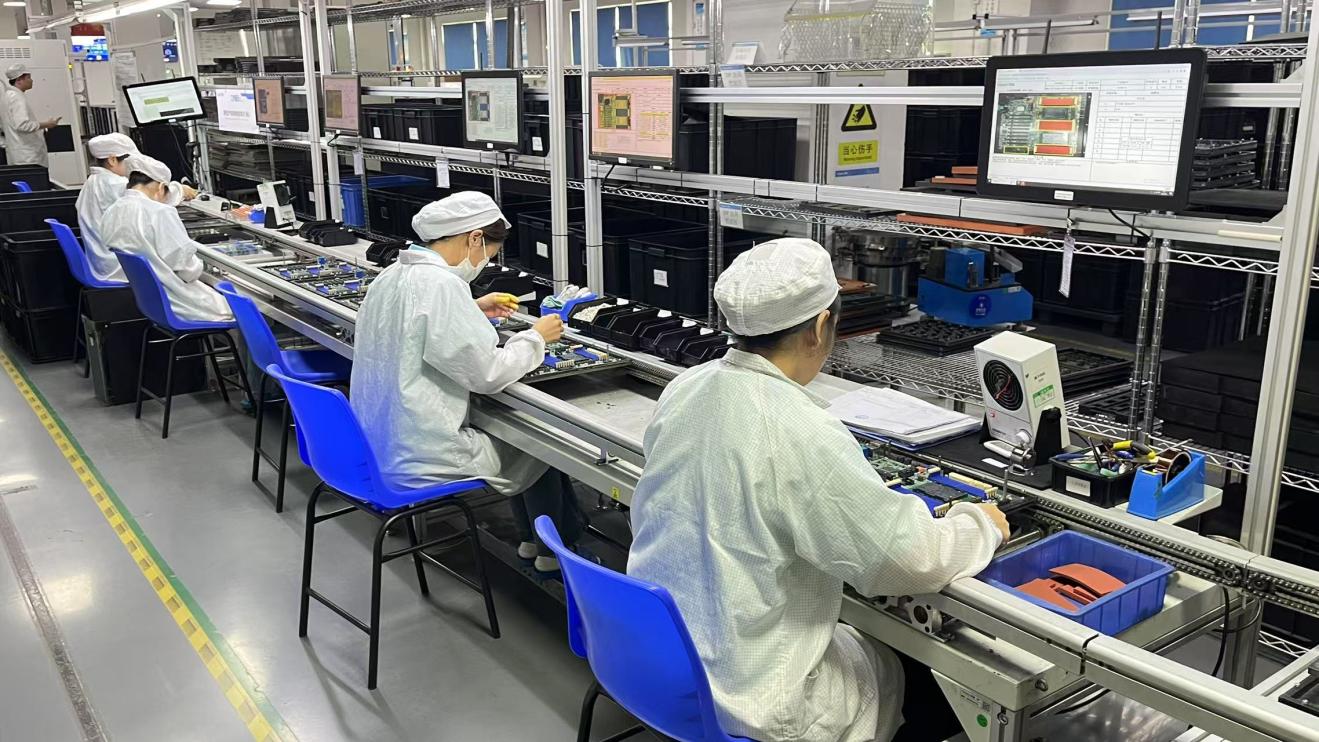
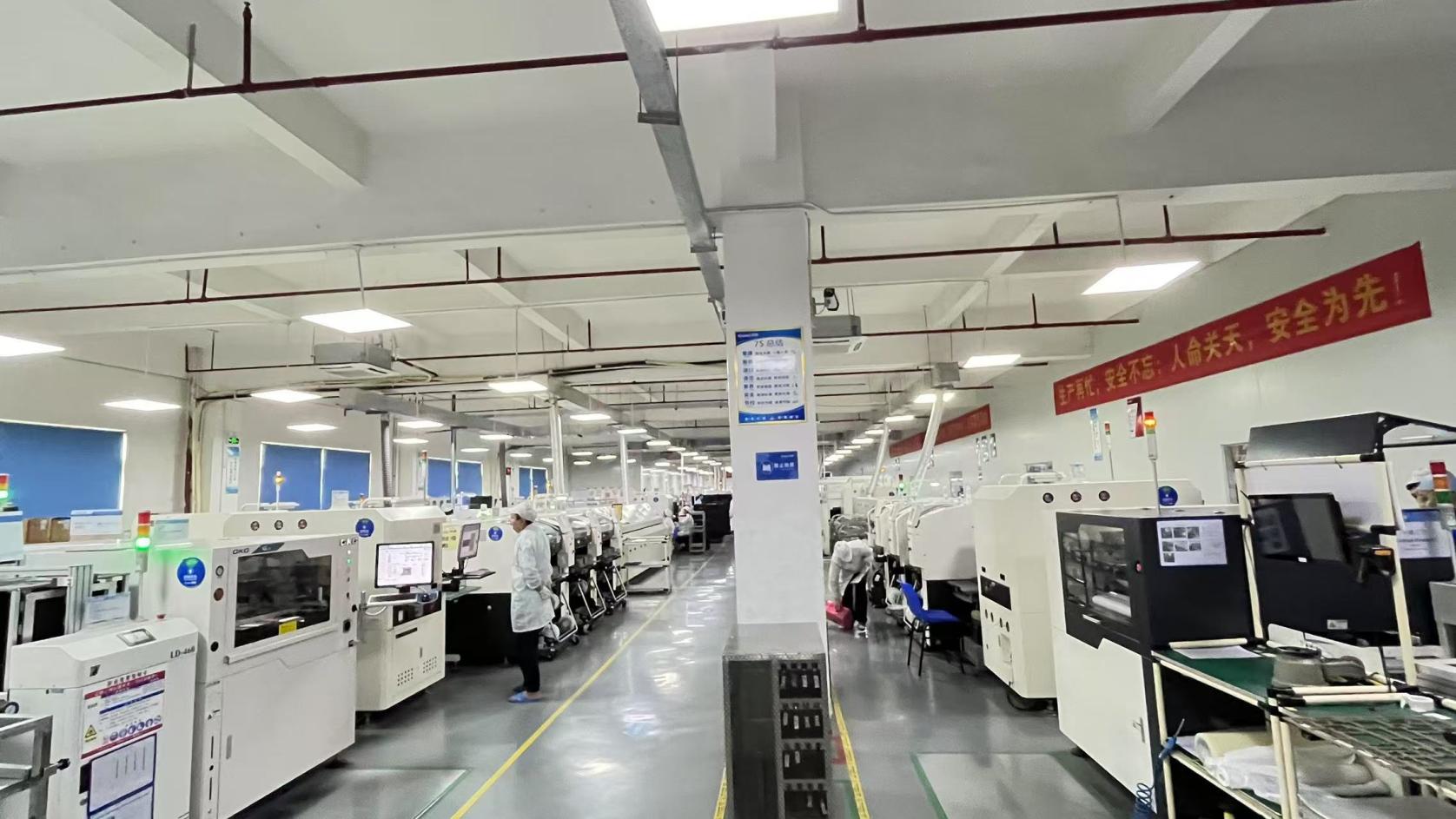
China's high-tech manufacturing sector has evolved from simple hardware assembly to advanced smart manufacturing under the "Factory 4.0" framework. For AI GPU accelerators and compute server integration, this translates into automated SMT (Surface Mount Technology) lines, real-time AOI (Automated Optical Inspection) systems, and multi-tier component supply chains that react dynamically to international component fluctuations.
By grouping component suppliers—ranging from PCB fabrication houses, advanced cooling manifold suppliers, high-frequency connectors, to dedicated system validation labs—within unified regional logistics loops, Chinese manufacturing facilities achieve fast production turnarounds and resilient scale economies. This structural proximity mitigates international shipping and raw materials delay risks, guaranteeing that delivery schedules for complex high-density GPU chassis remain predictable and secure.
Borevo AI Infrastructure (China) Co., Ltd. is a leading AI GPU system integrator and manufacturer dedicated to providing global enterprise markets with high-performance computing hardware and advanced AI infrastructure solutions. The company's core operations center on advanced GPU architectural design integration, hyper-converged AI acceleration systems, and custom computing layout designs optimized for data-heavy applications, including large-scale LLM training and distributed neural networks.
Established
Building Area
Annual Exports
Industry Exp
R&D Engineers
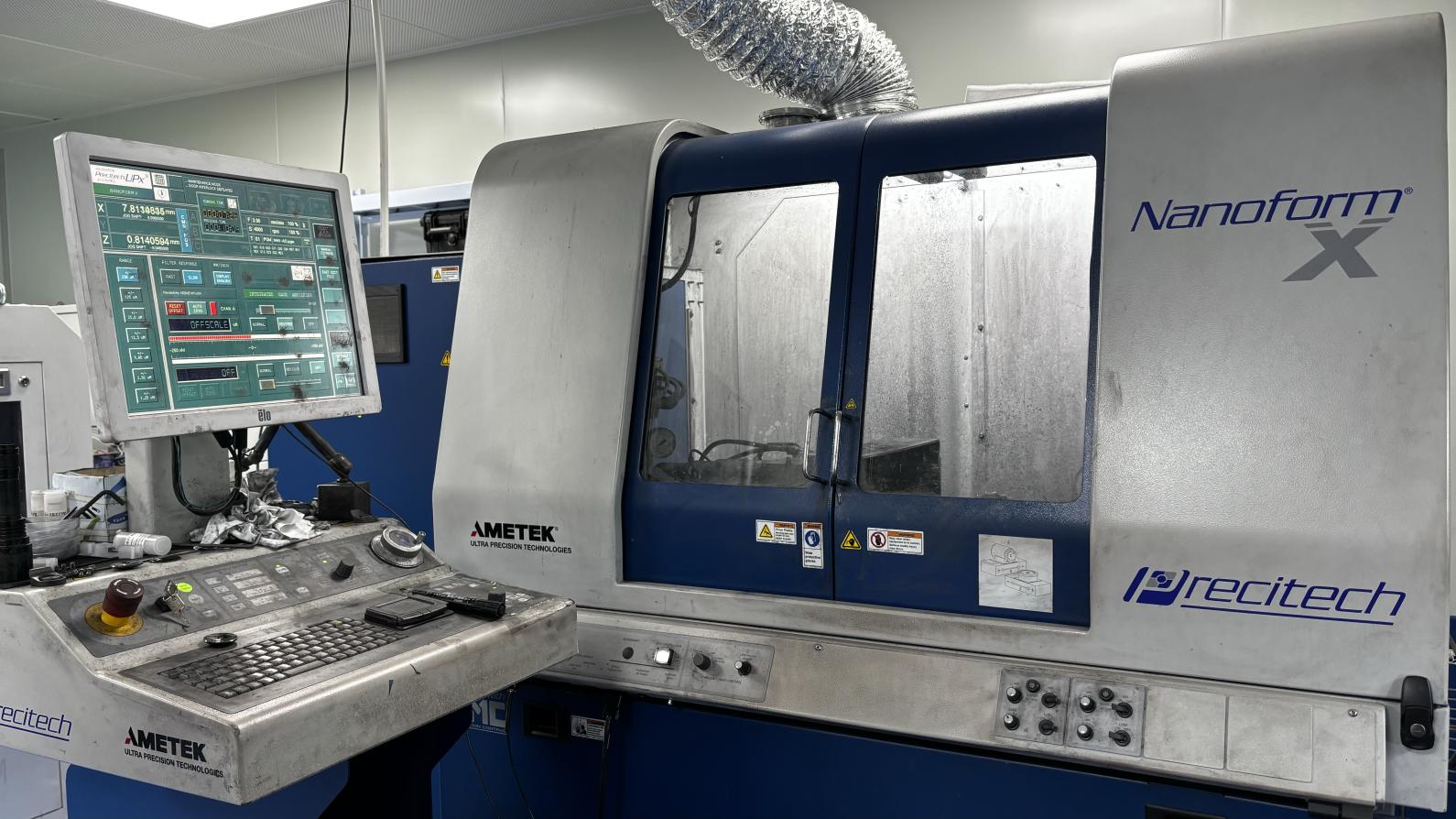
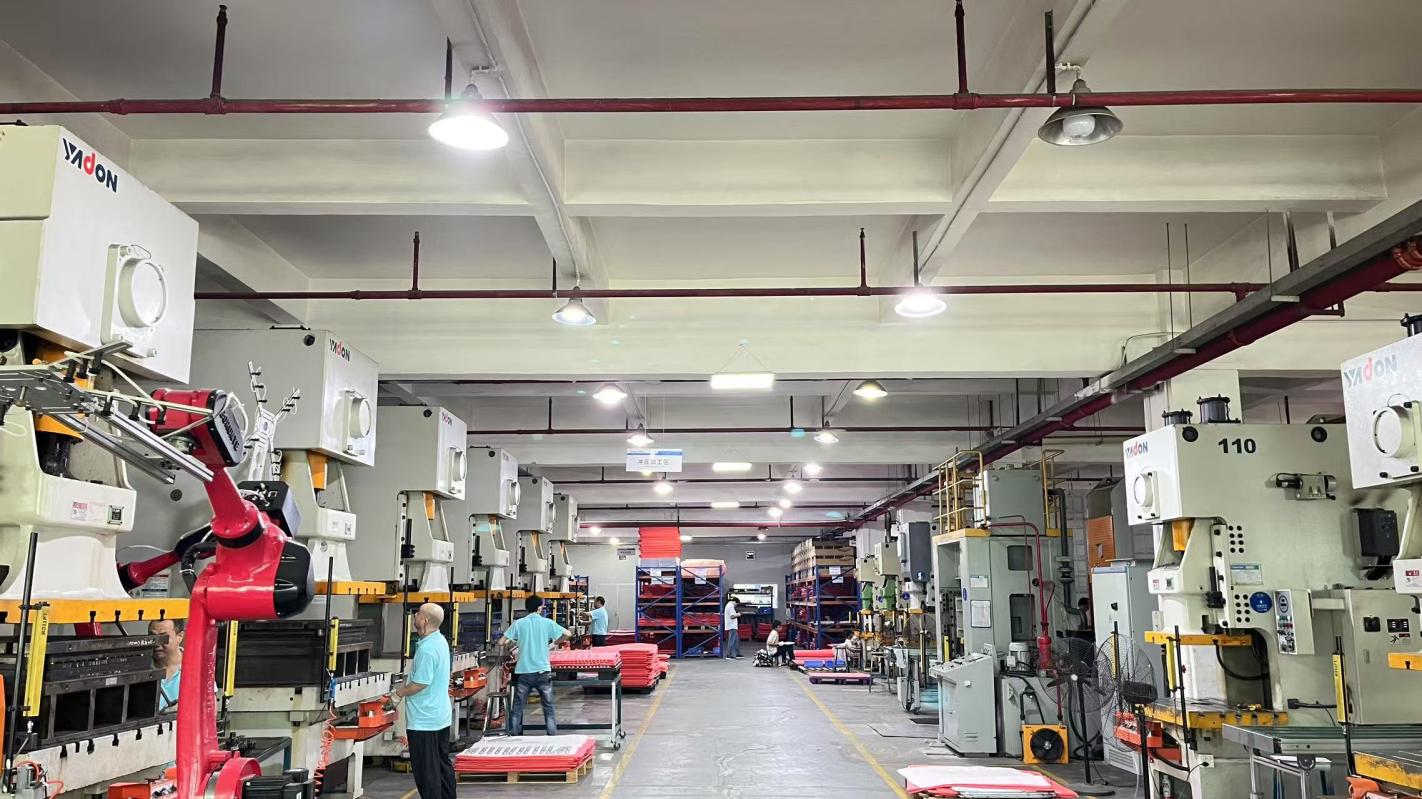
Borevo runs a state-of-the-art 18,600 square meter integrated fabrication facility, operating modern SMT assembly lines, thermal calibration chambers, and dedicated cleanrooms for precision server mainboard alignment.
Backed by 45 dedicated QC personnel, Borevo employs rigorous inspection protocols including incoming component testing, automated inline optical inspection (AOI), high-temperature chamber burn-in, and full system benchmarking under max TDP load.
The company maintains direct strategic partnerships with over 850 specialized semiconductor, advanced high-density PCB, heat management, and memory module suppliers globally, ensuring rapid access to critical materials.


Navigating the global landscape of AI acceleration requires identifying the major tiers of hardware suppliers, system integrators, and OEM/ODM factories that design, manufacture, and distribute computing hardware. Below is the industrial breakdown of the global top 10 market leaders:
The primary architect of modern parallel computing standards. NVIDIA designs the Hopper, Blackwell, and next-generation GPU platforms, setting the software benchmark with its proprietary CUDA ecosystem.
A leading force in open ecosystems. AMD's Instinct series (MI300X, etc.) delivers massive HBM3e densities, utilizing its ROCm open-source framework to support scale-out model execution.
Expanding heterogeneous computing through its Gaudi series AI accelerators and Xeon integration, focusing on optimized matrix operations and cost-efficient scaling.
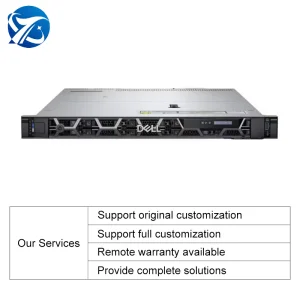
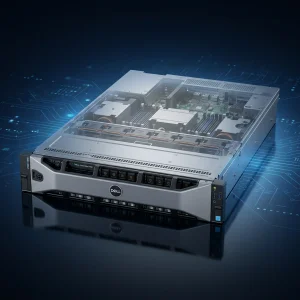
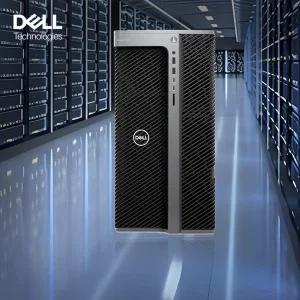
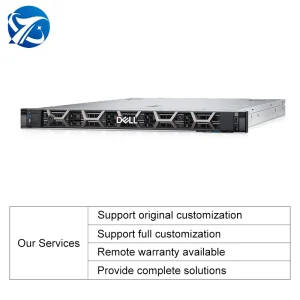
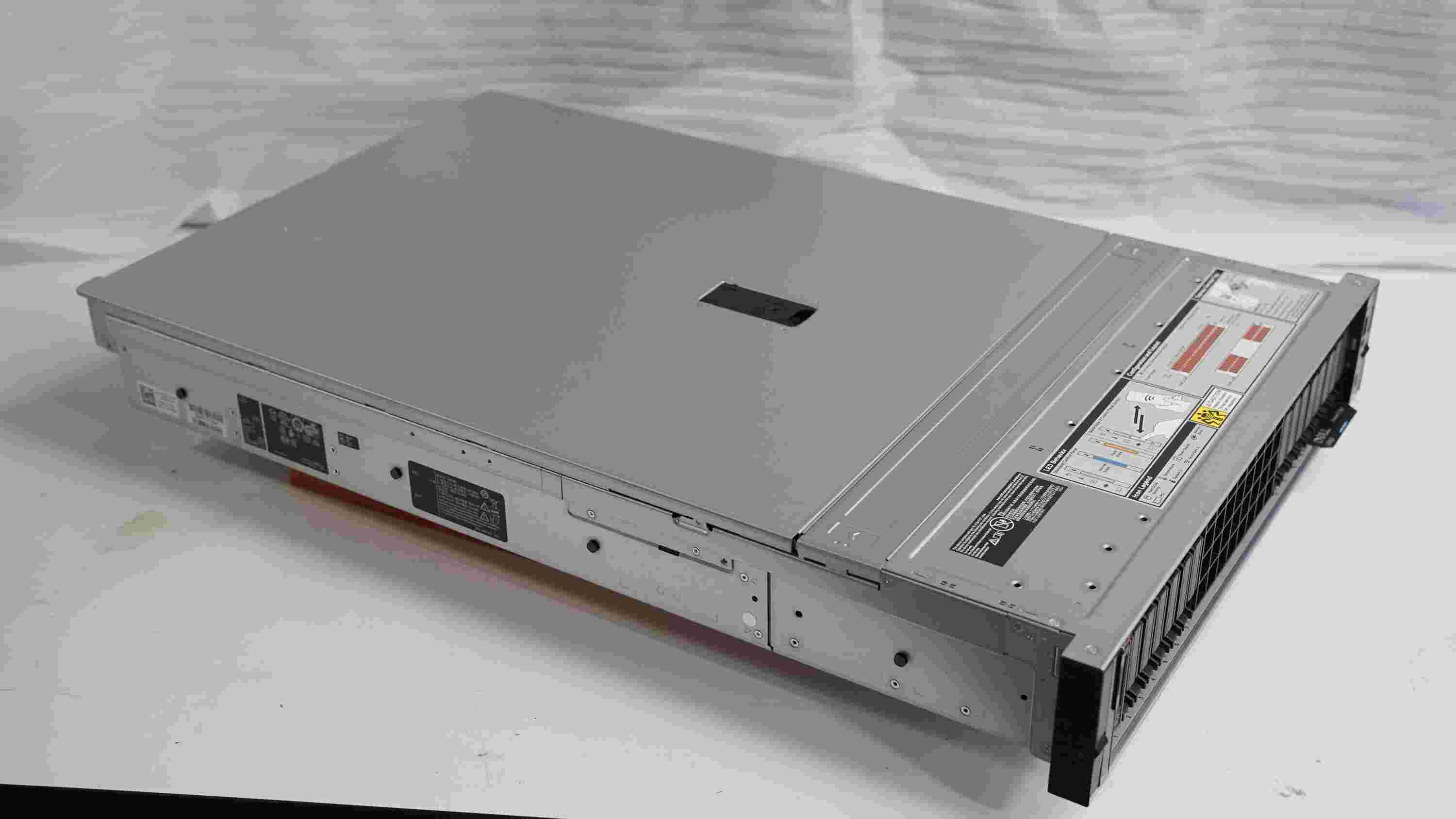
The premier system architecture and distribution partner. Dell's PowerEdge rack servers (e.g., R760, R7625) provide enterprise-grade stability with sophisticated thermal management and out-of-band management controllers.
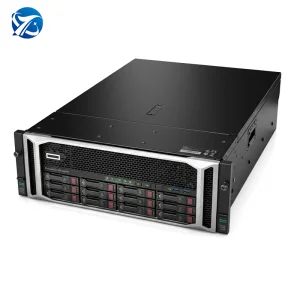
A specialist in high-performance computing clusters and hybrid cloud frameworks. HPE's ProLiant (e.g., DL380 Gen12) integrates high-density hardware layouts for extreme-scale deployment.
Pioneers of the modular "building block" server design, Supermicro excels in rapidly integrating GPU platforms with direct-to-chip liquid cooling loops at scale.
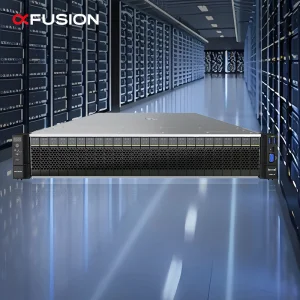
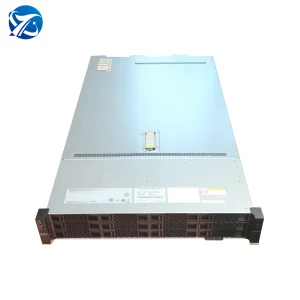
A global server powerhouse specializing in intelligent computing systems. xFusion's FusionServer family offers high-efficiency thermal architectures and optimized rack systems for cloud datacenters and DeepSeek integrations.
A scale-focused server manufacturer providing hyperscalers with open-rack servers, AI accelerators, and high-density storage platforms optimized for large-scale enterprise clusters.
A high-efficiency OEM/ODM specialist in custom GPU integration, advanced hardware layout designs, and custom firmware/BIOS systems for international cloud operations.
The world's largest electronics manufacturing services (EMS) provider, producing baseboards, OAM structures, and complete server chassis under contract for major global AI system suppliers.
GPU accelerators do not operate in a vacuum; they must be tuned for target workloads. Depending on the enterprise domain, the optimization strategy shifts dramatically:
Focused on maximizing compute density and multi-tenant virtualization. Systems rely heavily on hot-swappable fans, redundant power supplies, and high-performance PCIe backplanes to guarantee high uptime SLA standards.
Designed for low-power, rugged deployments where space and cooling are constrained. Systems emphasize compact 1U/2U server profiles, wider operating temperature tolerances, and integrated hardware security modules.
Tailored for large language models (such as DeepSeek-V3/R1). Requires high GPU memory capacity, fast inter-GPU communication channels, and fast local NVMe staging zones to speed up parameter loading.
A1: PCIe GPU systems offer greater configuration flexibility, allowing enterprises to adapt existing server designs for various workloads. OAM (OCP Accelerator Module) and UBB (Universal Baseboard) configurations are designed for massive clusters. They eliminate cable connections in favor of direct high-speed PCB traces, enabling much higher interconnect bandwidth and better thermal paths for workloads that span hundreds of compute nodes.
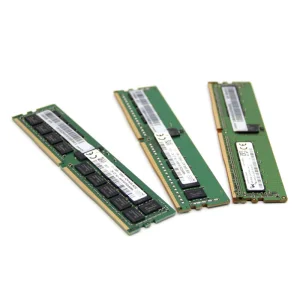
A2: When processing large AI models, the GPU relies on the system memory to quickly feed datasets into its high-bandwidth memory (HBM). DDR5 provides a significant boost in data rates and bandwidth compared to DDR4, helping to feed the GPU clusters and preventing compute starvation during model training.
A3: Custom BMC (Baseboard Management Controller) firmware, such as OpenBMC, allows operators to disable unnecessary network protocols and implement secure cryptographic validation. This mitigates vulnerabilities at the hardware level, preventing unauthorized firmware modifications in shared cloud hosting enviornments.
A4: High-quality factories should perform Automated Optical Inspection (AOI) to check solder joint integrity, thermal stress testing (cycling from -40°C to 85°C to catch dynamic expansion faults), and high-load burn-in tests. Run-time validation under extreme thermal profiles (TDP) helps identify early-stage component defects before the system ships.
A5: xFusion platforms use dynamic thermal balancing and optimized PCIe routing. This ensures that when training models like DeepSeek, the high-throughput communication lanes do not overheat, maintaining system stability during continuous FP8 or INT8 training cycles.