Borevo
Borevo
Borevo
Deploy enterprise-grade computing power and secure, high-density storage solutions directly from our production pipeline.
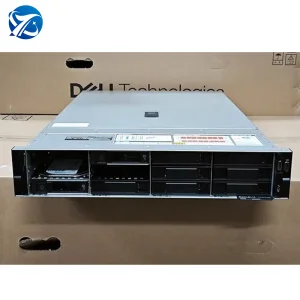
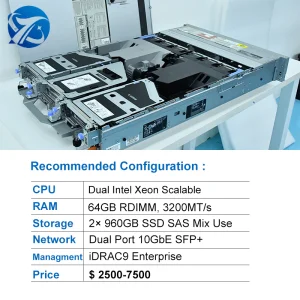
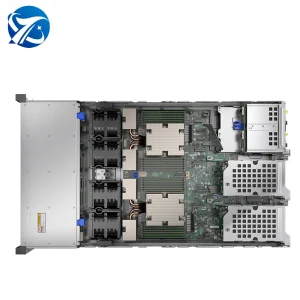
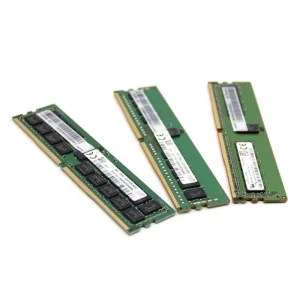
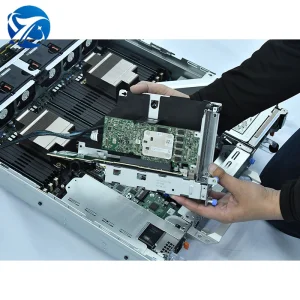
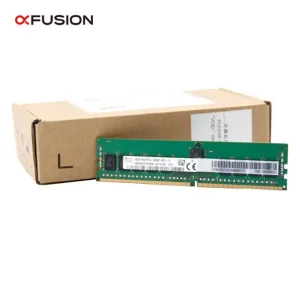
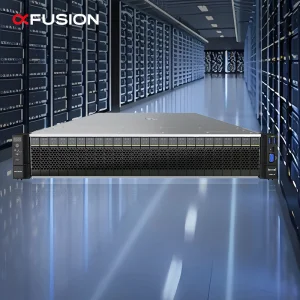
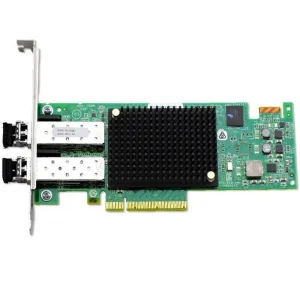
In the modern era of machine learning and large-scale artificial intelligence models (such as deep learning training systems and GPU-accelerated workloads), data storage is no longer just about repository size—it is about high-speed data delivery, structural stability, hardware-level encryption, and zero-compromise security. As global data privacy regulations tighten, the infrastructure running storage architectures must natively support secure cryptographic standards and hardware-based root of trust configurations.
Securing data at rest and in transit requires specialized hardware integration. From enterprise NVMe SSD arrays containing self-encrypting drive (SED) controllers to Host Bus Adapters (HBAs) managing isolated fiber channels, each hardware node must be hardened. Our factories optimize and integrate these technologies into every layout we design, aligning with global demand for zero-trust data center infrastructure.
Operating under rigorous global quality standards to deliver high-performance hardware systems worldwide.
Founded with a mission to develop world-class server architectures, Borevo AI Infrastructure (China) Co., Ltd. is a dedicated computing hardware manufacturer. Our facility bridges the gap between GPU integration, customized heterogeneous server configurations, and secured storage systems. Annually, we release over 120 new products to address shifting performance parameters across North American, European, and Southeast Asian enterprise markets.
Leveraging localized semiconductor ecosystems, streamlined logistics, and raw material access to maximize output efficiency.
By coordinating with approximately 850 strategic partners across PCB layout, structural fabrication, precision cooling systems, and specialized memory distribution, our facility manages short lead times and reduces bottlenecks for complex product rollouts.
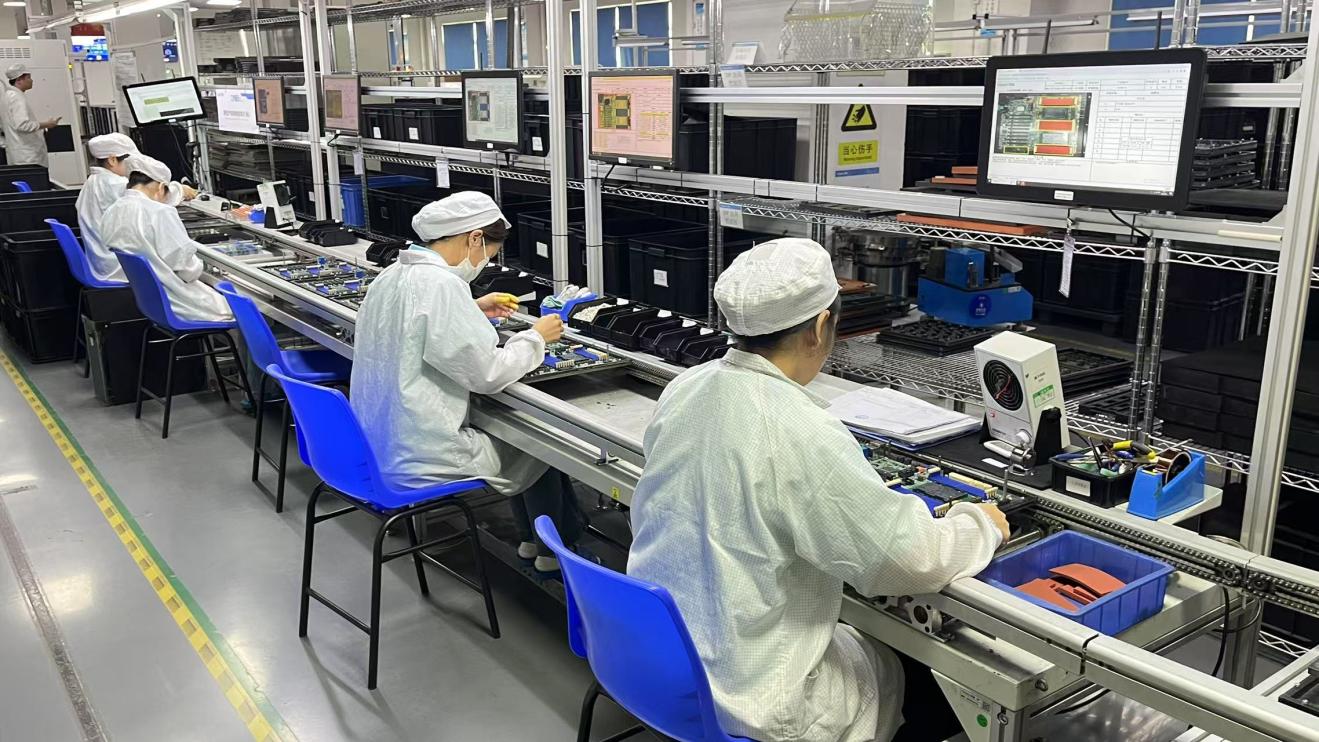
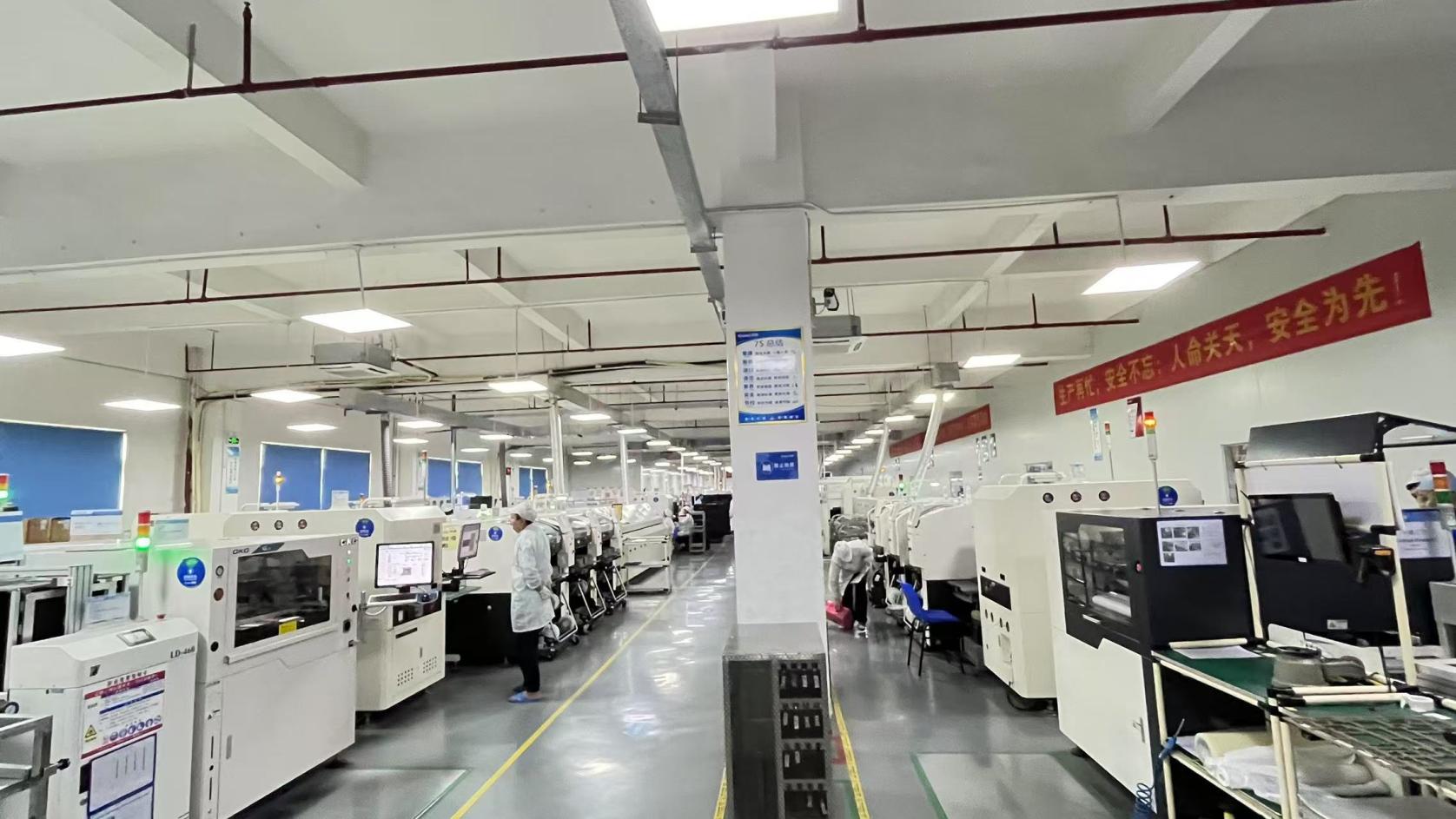
Our quality verification relies on automated optical inspection (AOI), high-temperature thermal stress cycles, real-world networking simulations, and systematic electrical tolerance testing. This minimizes hardware failure rates and maximizes deployment success.
We configure servers and storage systems to comply with international regulations, including CE, FCC, RoHS, and WEEE standards. Our firmware solutions align with localized secure data hosting and privacy requirements, ensuring cross-border utility.
When designing enterprise rack storage and dual-socket computer server platforms, we emphasize local support interfaces and structural compatibility. Security architecture is built from the PCB layer up. High-speed signals require rigorous impedance control to prevent signal decay and data corruption across long traces, particularly when operating at PCIe 4.0 or PCIe 5.0 speeds.
Furthermore, our storage systems integrate seamlessly with RAID controllers (such as the LSI 9560-16I with 8GB cache), supporting high-bandwidth array management and fallback cache protection. These features prevent data loss during power outages, making them ideal for high-density, mission-critical database clusters.
Through our custom OEM/ODM program, global buyers can customize server BIOS, modify fan curves for specific datacenter environments, optimize power supply parameters, and install specific secure storage firmware layers prior to shipment.
How our servers and components are deployed across high-performance enterprise workloads.
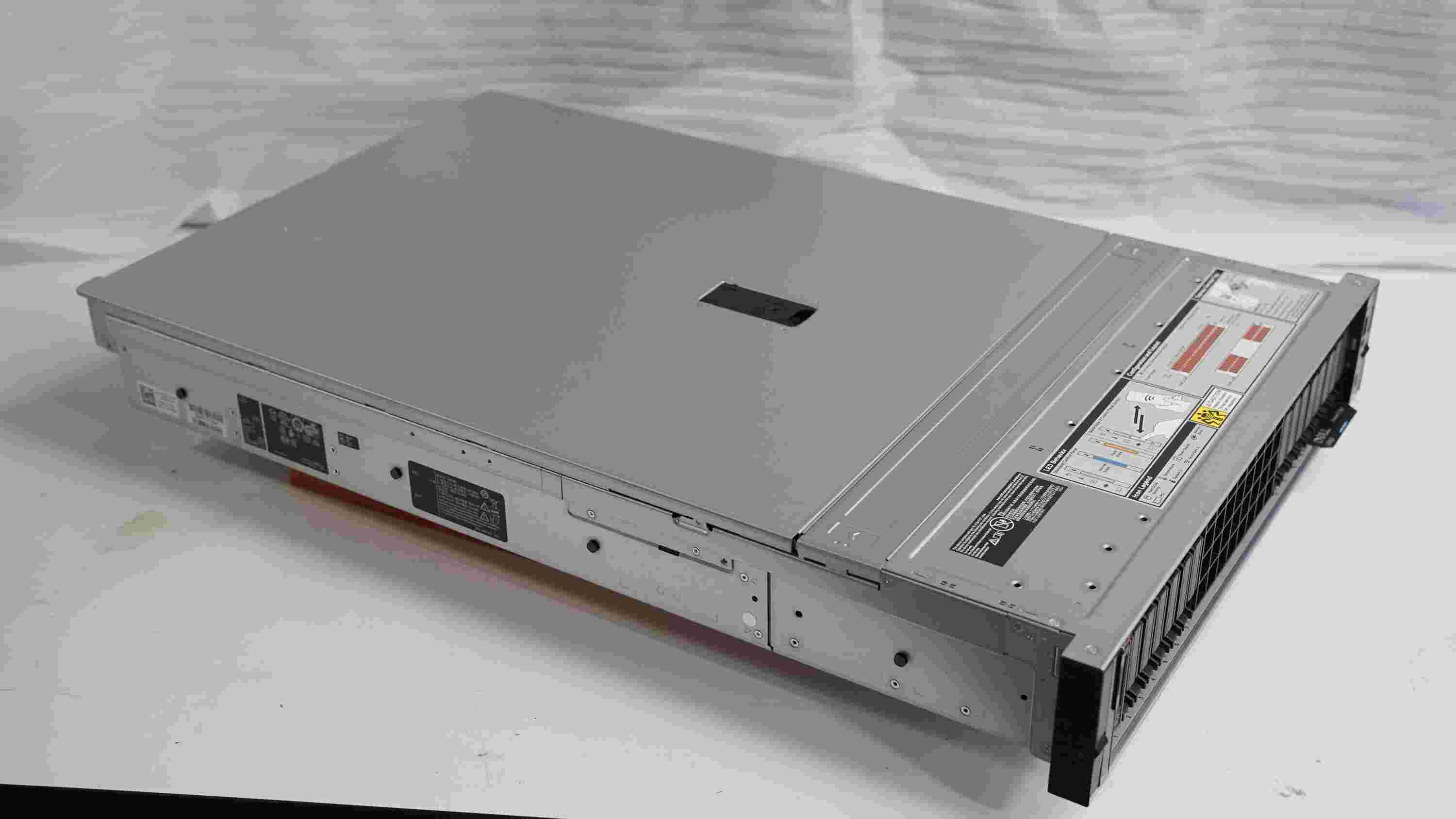
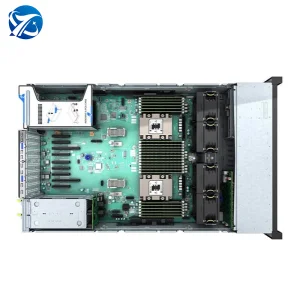
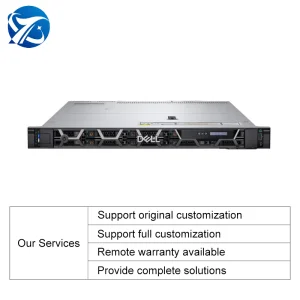
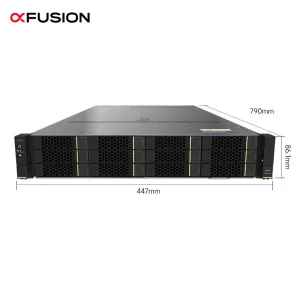
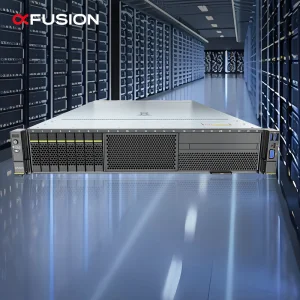
Large language models require high-speed access to training datasets. Deploying systems like the xFusion 2288H V6 or Dell PowerEdge platforms with custom SSD arrays eliminates bandwidth bottlenecks, feeding data directly to GPUs with minimal latency.
AI AccelerationsFor financial platforms, healthcare portals, and SaaS backbones, hardware redundant clusters maintain 24/7 uptime. Integrating hot-swappable enterprise SATA PM893 SSD drives protects write cycles while ensuring smooth database replication.
Data CentersDeploying storage nodes at the network edge exposes systems to physical security vulnerabilities. By using TPM 2.0 authentication chips and automated key rotation firmware, data remains secure, even in remote locations.
Edge ComputeAs the computing landscape transitions toward PCIe 5.0 and Gen 6 architectures, the physical limitations of copper connections require advanced signal conditioning and PCB fabrication techniques. Signal integrity issues, thermal output, and power delivery are critical bottlenecks. Our team works directly with global semiconductor providers to integrate DDR5 registers, low-loss dielectrics, and next-generation CPU sockets into our layouts.
Additionally, CXL (Compute Express Link) protocols will redefine how memory and storage share pools of physical hardware. Standardizing these system layouts ensures long-term upgrade options, reducing total cost of ownership (TCO) for data centers.
Answers to key operational, custom engineering, and procurement questions from global IT buyers.
We employ a multi-phase validation process. Every server chassis and custom GPU acceleration system undergoes automated optical inspection (AOI) followed by a physical burn-in phase under varying thermal loads (ranging up to 45°C) to simulate high-density operations. Our dedicated 45-person QC team monitors trace alignment and solder points to guarantee stability.
Yes, we provide full firmware-level customization. This includes custom BIOS logo injections, locking down boot sequences for enhanced security, configuring default virtualization setups (Intel VT-x / AMD-V), setting up specific IPMI networking out-of-the-box, and optimizing fan curve tables for custom datacenter cooling environments.
Our products are engineered to comply with major global frameworks. Our hardware aligns with FCC and CE electromagnetic interference rules, RoHS environmental directives, and is compatible with drive-level AES-256 bit encryption standards for compliance with regional data privacy laws such as GDPR and HIPAA.
Standard components in our inventory can ship within 5-7 business days. For customized OEM/ODM projects (involving hardware configuration modifications or custom metal fabrication), typical lead times run between 3 to 6 weeks, depending on component availability from our supply partners.
Over the past 12 years, we have built relationships with more than 850 strategic partners, including chip designers, memory suppliers, and PCB manufacturers. This network allows us to secure alternative components and maintain manufacturing timelines during market fluctuations.
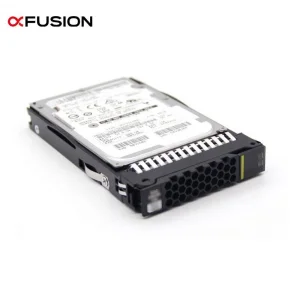
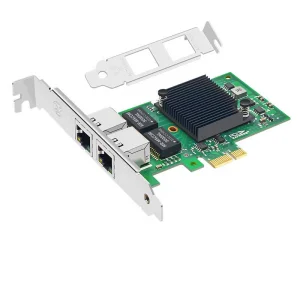
Discover replacement components, high-speed controller cards, and modular storage options to scale your data structures.
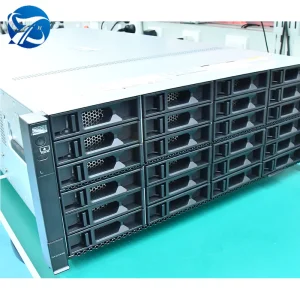
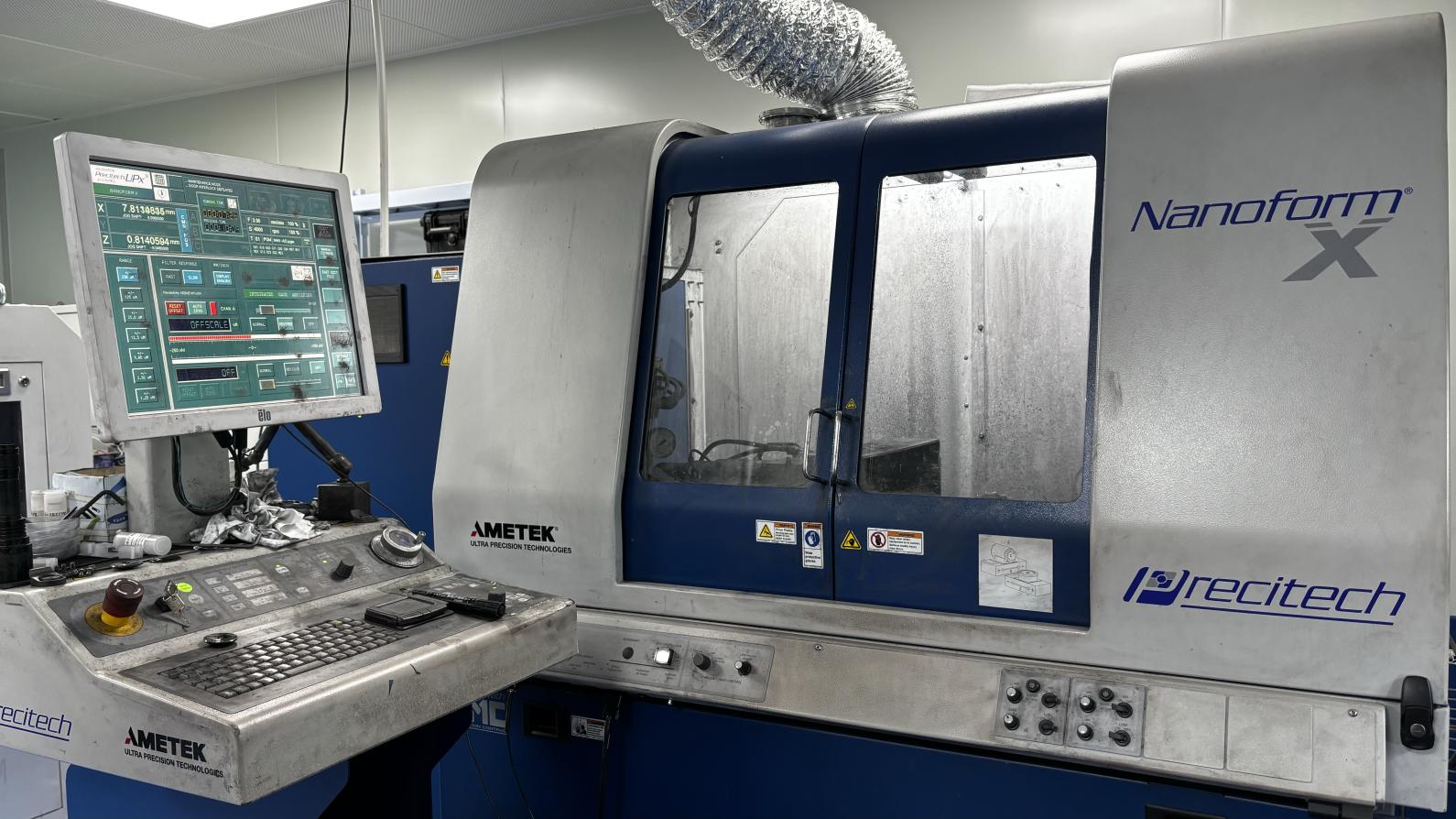
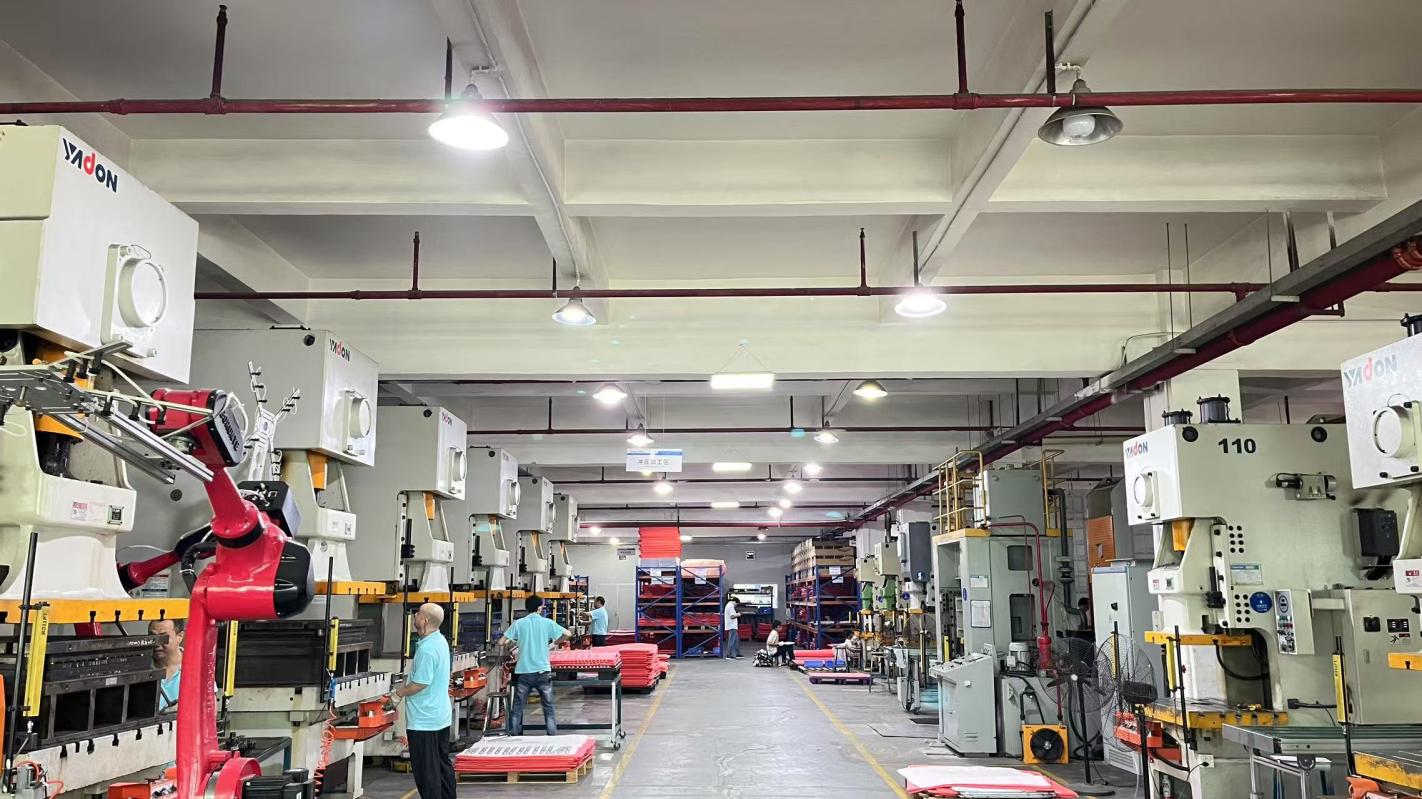
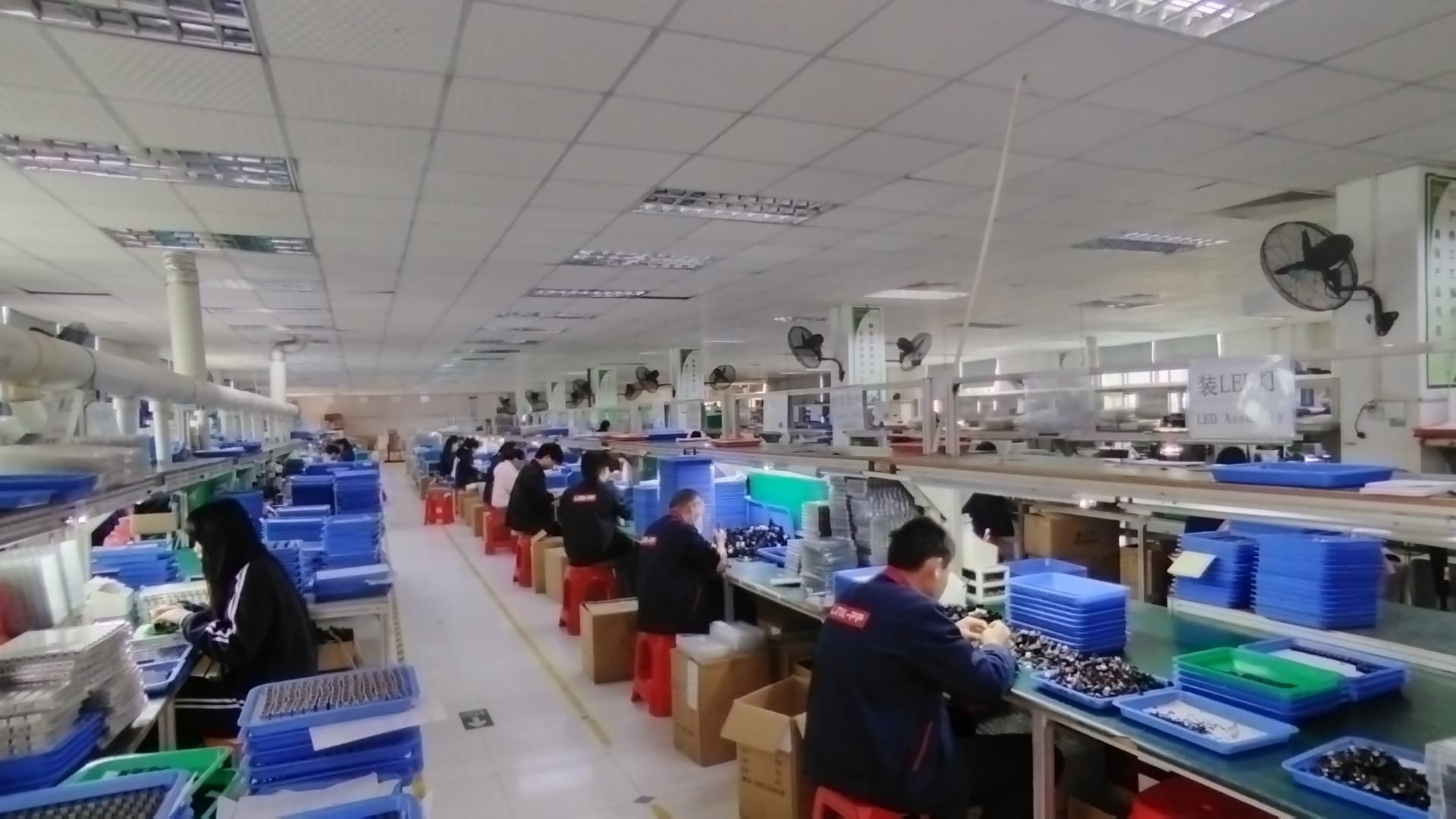
A visual walkthrough of our 18,600 ㎡ server manufacturing facility, testing rooms, and component processing centers.