Borevo
Borevo
Borevo
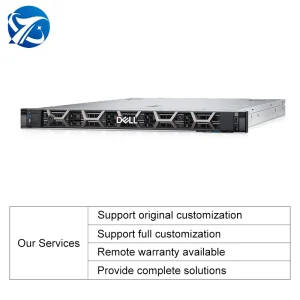
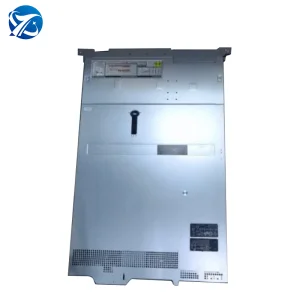
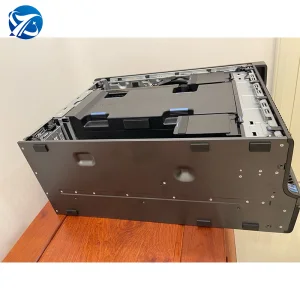
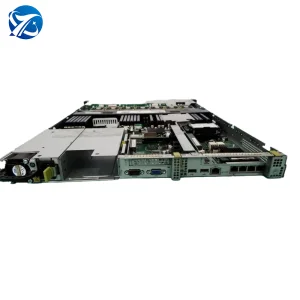
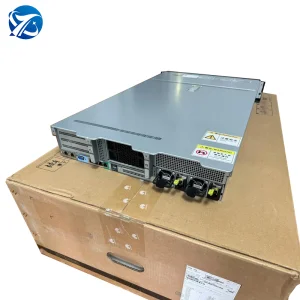
Deploy high-availability server clusters with our core computing nodes, offering native integration with specialized load balancing configurations.
In modern cloud environments, hyper-scale datacenters, and distributed AI computing arrays, the load balancer has transitioned from a standard networking appliance into the critical core of application delivery. As enterprises demand sub-millisecond response times, absolute data consistency, and seamless scalability, typical hardware load balancers must do more than route packets; they must dynamically orchestrate complex workloads based on application layer awareness, network traffic semantics, and hardware utilization metrics.
For more than a decade, the primary performance criteria centered purely on Layer 4 (TCP/UDP) routing and SSL termination throughput. Today, with the rapid ascent of generative AI, deep learning workloads, containerized orchestration (Kubernetes), and real-time streaming, advanced L7 Application Delivery Controllers (ADCs) are crucial. They provide the deep packet inspection (DPI), dynamic session binding, predictive congestion management, and protocol translations (such as HTTP/3 and gRPC) necessary to prevent server starvation and eliminate single-point bottleneck vulnerabilities.
A specialized global AI hardware and load balancer manufacturer dedicated to delivering robust hardware engineering, high-density computing platforms, and state-of-the-art networking integration.
How our advanced manufacturing ecosystem ensures industry-leading production speed, robust quality control, and uninterrupted delivery timelines.
By basing our primary manufacturing assets in China’s high-tech industrial corridors, we capture immediate logistical synergies. With direct access to optical transceiver component production hubs, advanced enclosure fabricators, and raw silicon wafer processing plants, our production pipeline exhibits unparalleled resilience. This proximity reduces transit latency for raw components, allowing us to build, configure, test, and ship complex rack-level configurations and high-speed network switches faster than western alternatives.
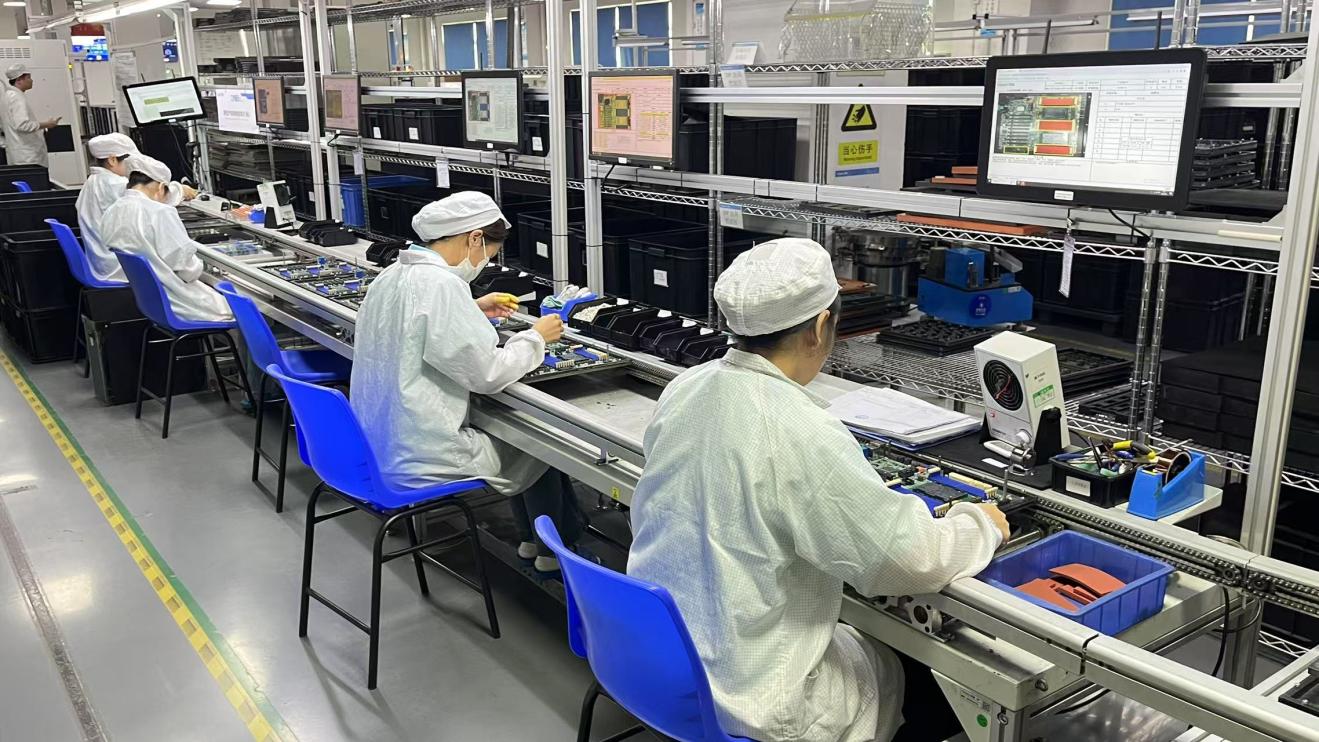
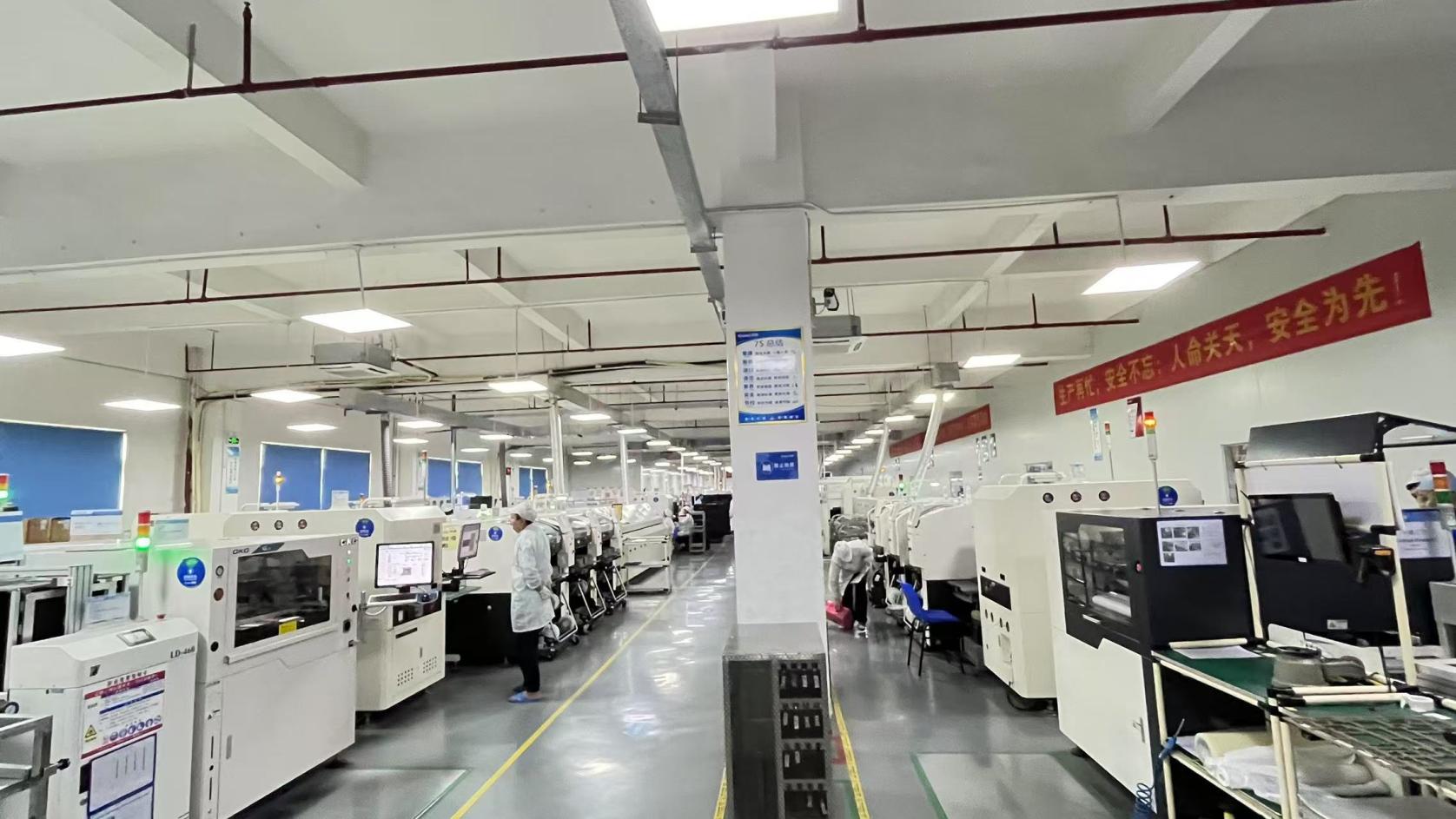
Furthermore, our production floor employs advanced Automated Optical Inspection (AOI) technology and rigorous high-temperature testing chambers to ensure structural integrity and operational stability. When our systems are deployed in demanding industrial environments, they demonstrate high MTBF (Mean Time Between Failures) ratings, representing an efficient and highly reliable choice for modern enterprise networking.
As data rates scale toward 800Gbps and multi-node GPU clusters require complex model-parallel topologies, load balancers must evolve beyond simple routing protocols.
Transitioning core application routing functions to Data Processing Units (DPUs). Utilizing eBPF (Extended Berkeley Packet Filter) technology within modern Linux kernels to achieve packet filtering and redirection directly in the network card driver, reducing system latency and eliminating standard CPU overhead.
Integrating real-time machine learning models at the load balancer level to dynamically predict traffic spikes and allocate resources proactively. Utilizing deep packet inspections to identify and prioritize AI model training and inference pipelines (e.g., DeepSeek R1 workloads) across distributed compute grids.
Merging L7 application delivery controllers directly with dynamic, per-session hardware encryption engines. Ensuring every packet is structurally verified, routed, and decrypted via dedicated security chips at 800Gbps line rates, creating secure and unified network perimeters.
Understanding how hardware load balancers and optimized servers function in diverse enterprise, industrial, and hyper-scale settings.
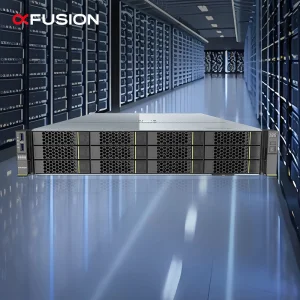
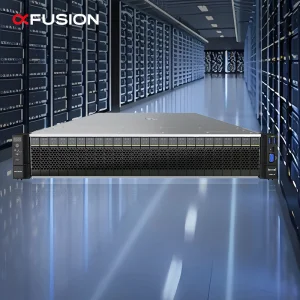
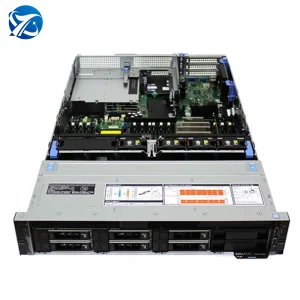
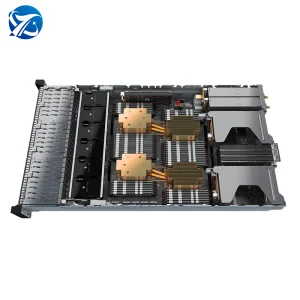
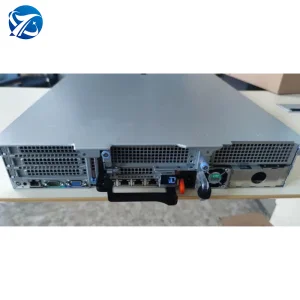
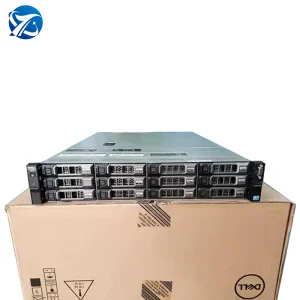
When executing large language models like DeepSeek R1 671B in cloud settings, processing requests can lead to inconsistent GPU load times. Our L7 load balancing architecture reads semantic prompts, routes users to optimal GPU systems (such as customized xFusion/Dell compute servers), and minimizes response latency.
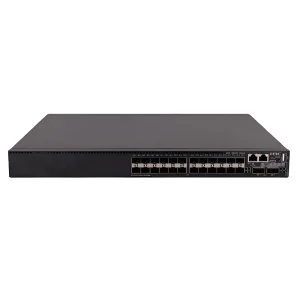
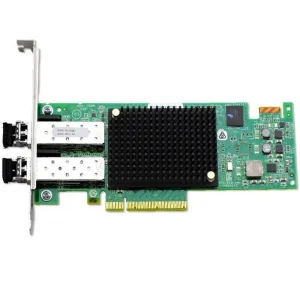
For banking applications, even minor latency spikes can disrupt transactions. Our network cards and high-density switches support sub-microsecond traffic distribution. By offloading TCP handshakes and utilizing hardware-based routing, financial institutions can maintain reliable data streams under heavy demand.
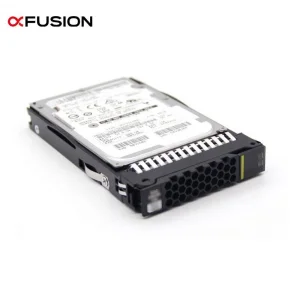
Industrial settings demand continuous connectivity. Our rugged 1U network systems and SSD-equipped servers function at the network edge, collecting data from thousands of field sensors, balancing incoming telemetry traffic, and providing real-time data to local control consoles.
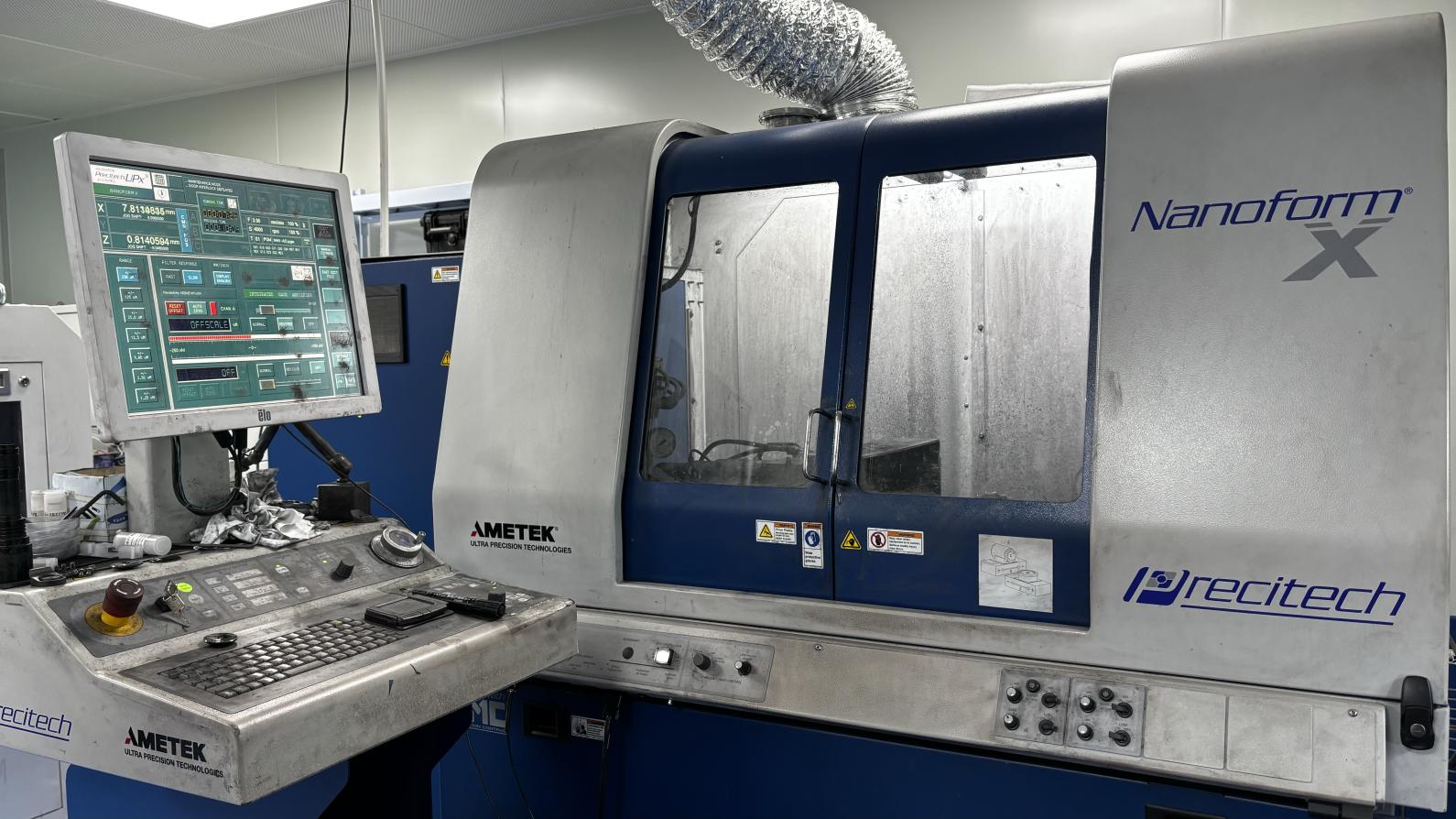
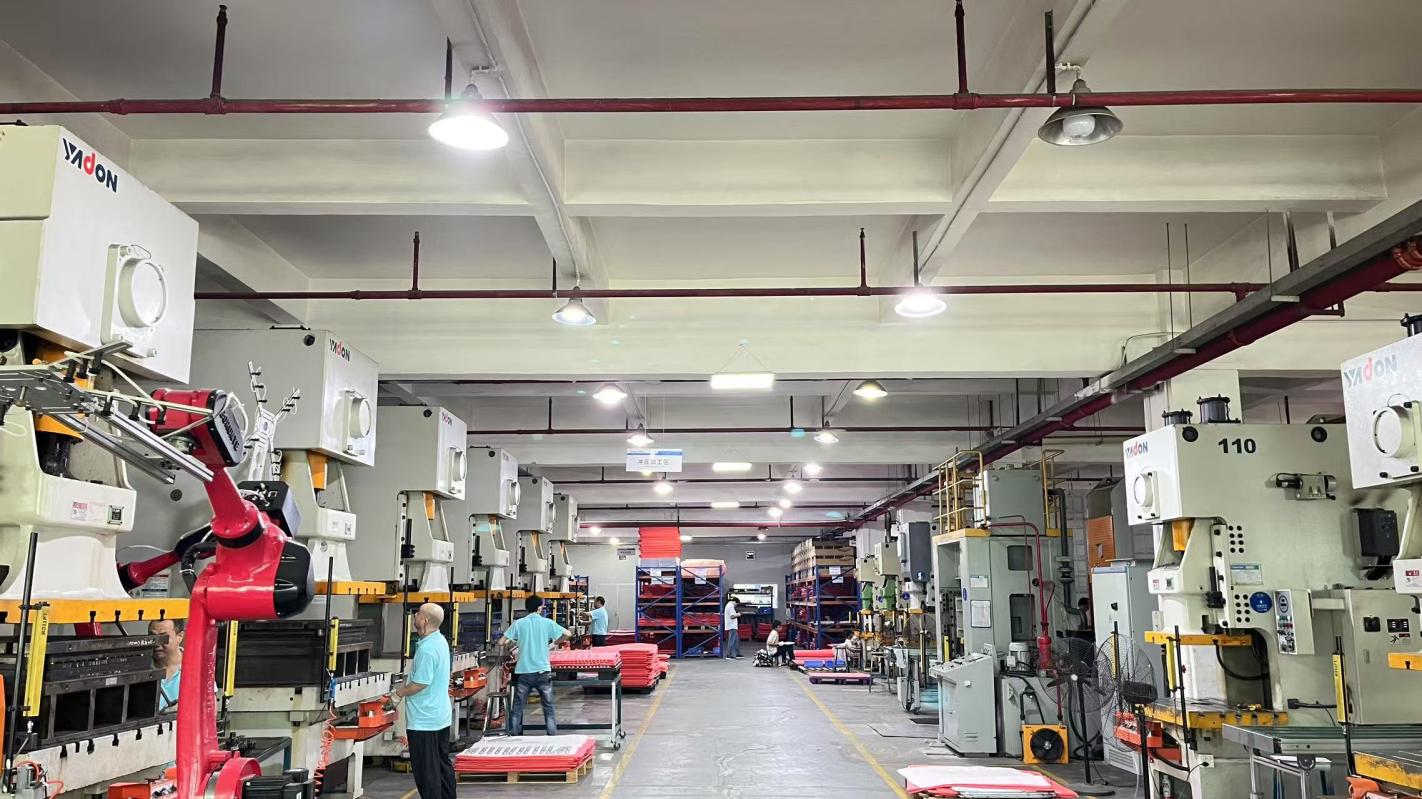
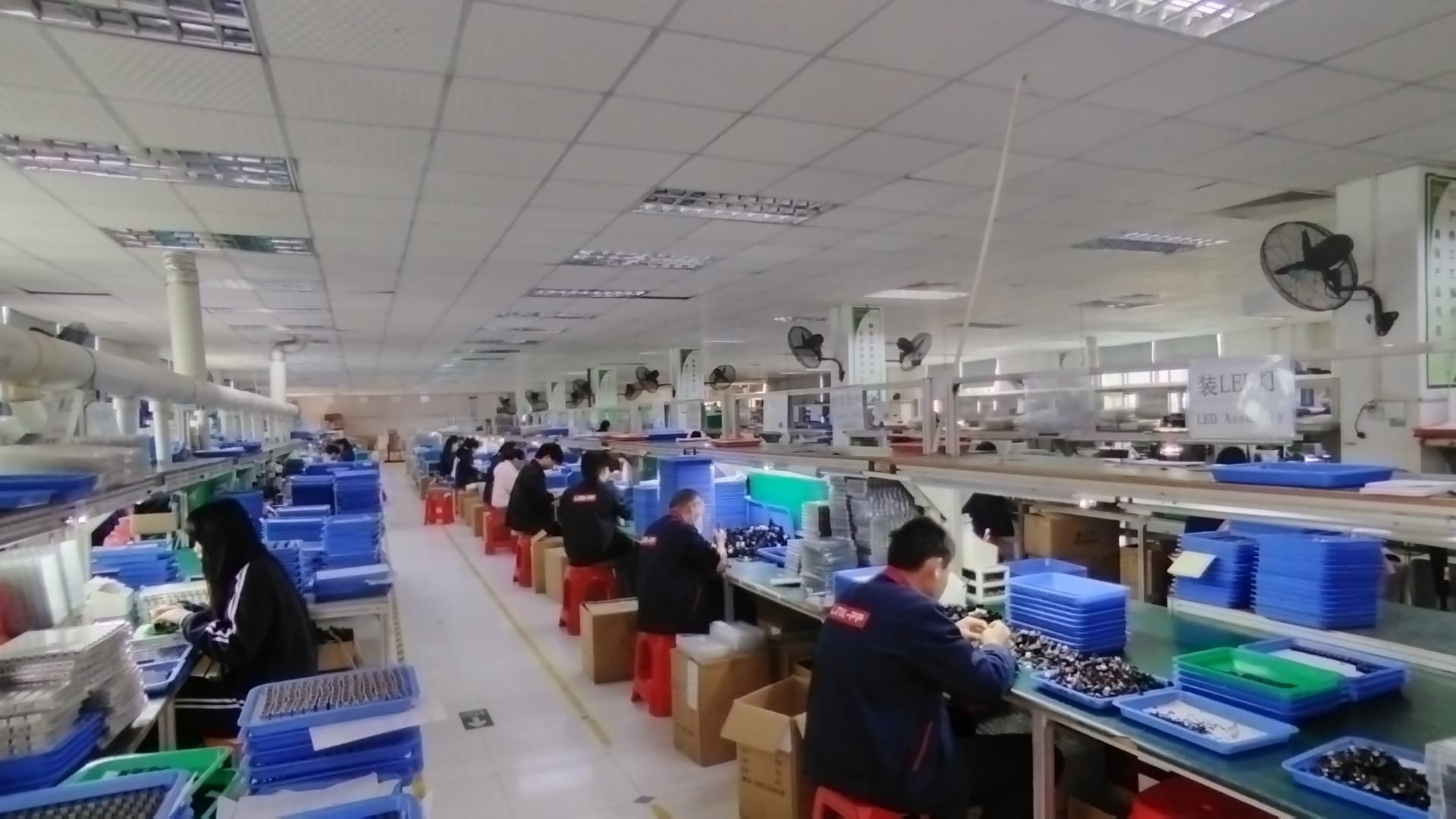
Take a look inside our 18,600 ㎡ production facility, featuring advanced cleanrooms, high-temperature aging chambers, and precise calibration equipment.
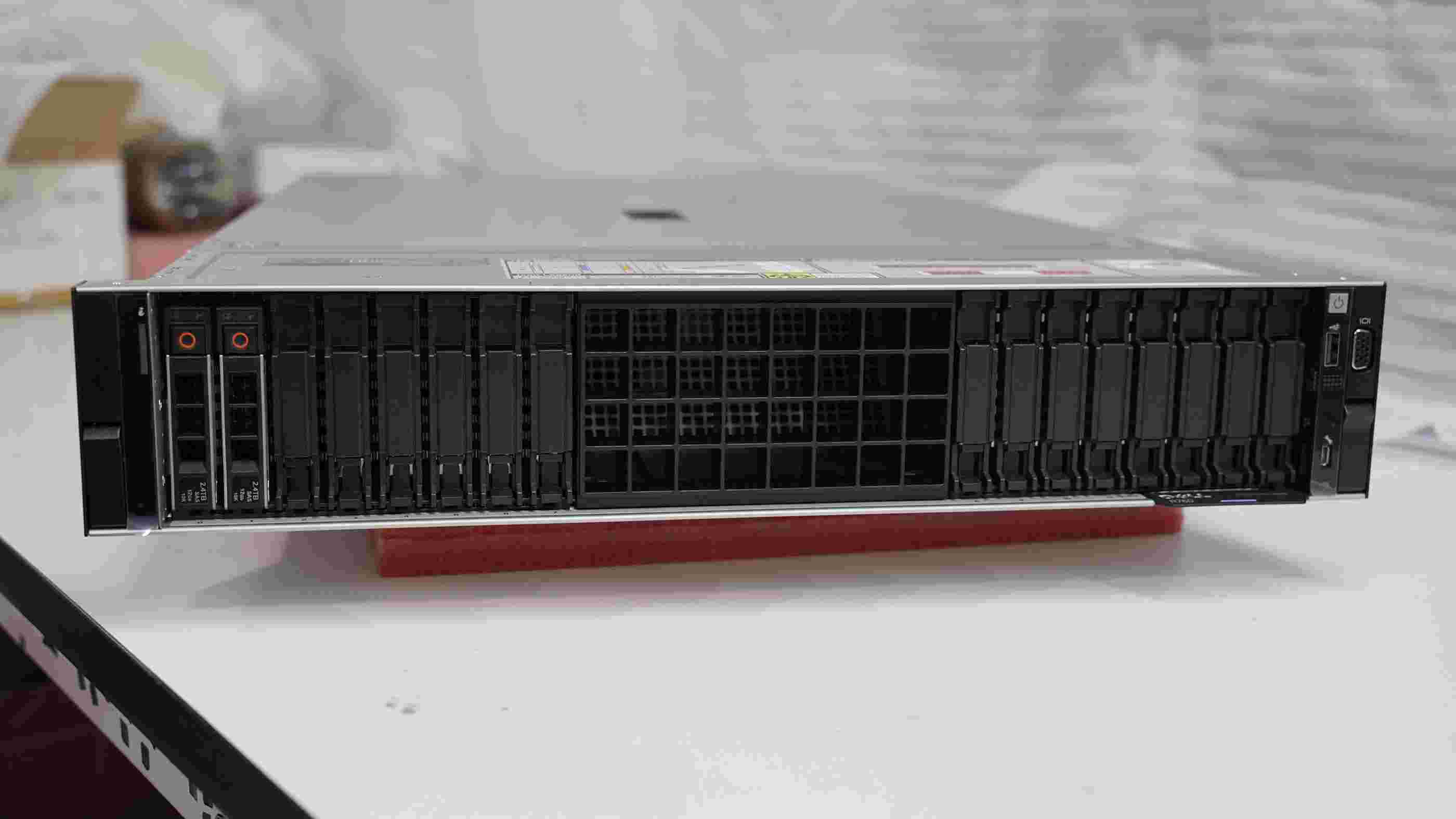
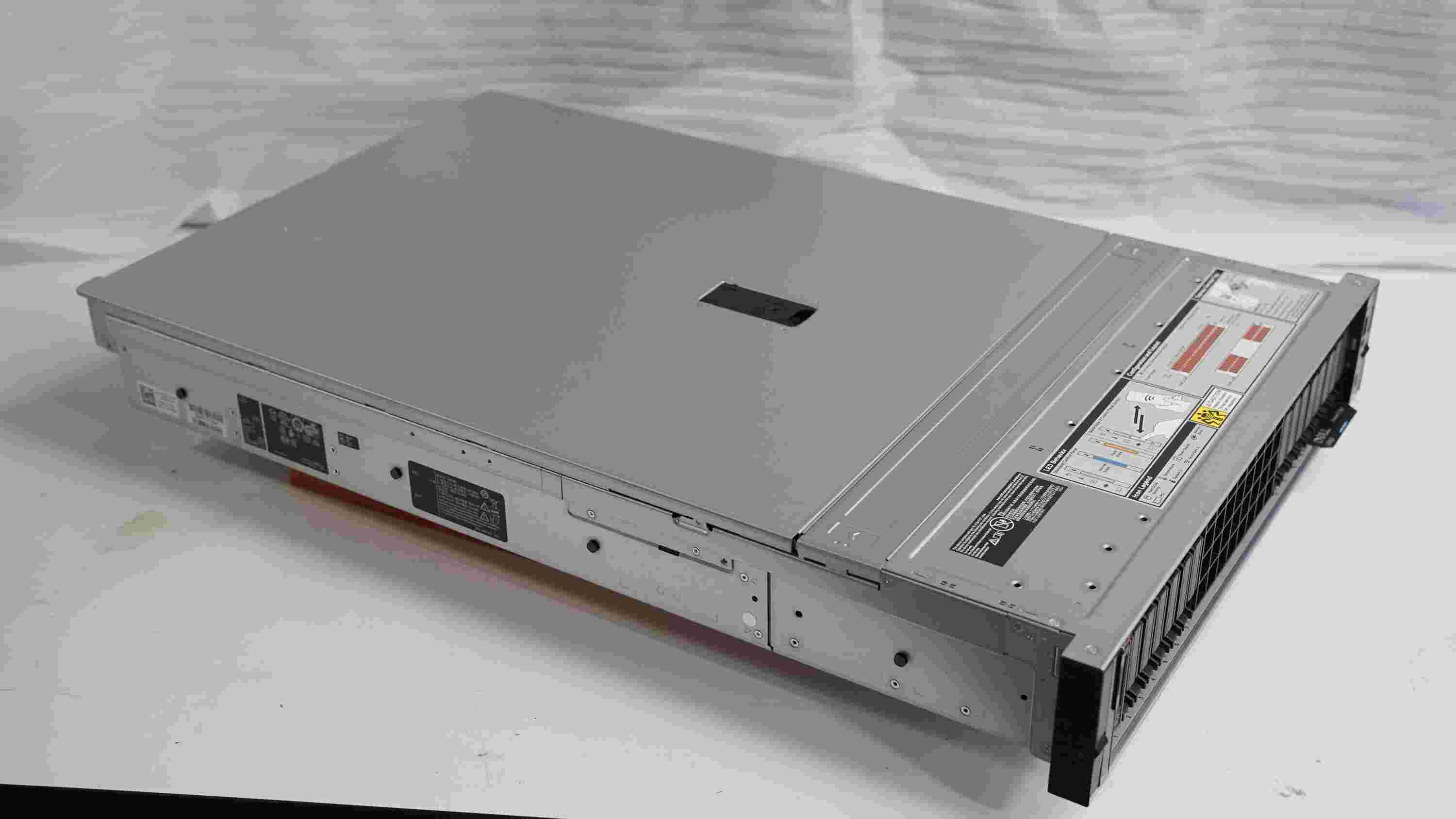
Operating across international boundaries demands strict adherence to regulatory guidelines. All of our networking appliances, computing systems, and hardware components comply with international standards including CE, FCC, RoHS, ISO 9001, and UL. This guarantees seamless customs clearance, safe facility installation, and legal compliance across North America, the European Union, and Asia-Pacific territories.
To support high-availability applications, we partner with regional system integrators to offer localized warranty and replacement services. In the rare event of hardware failures, replacement components like SSD arrays, network cards, and power supply units (PSUs) can be sourced and shipped from regional warehouses to keep your operations running smoothly.
Get answers to critical technical questions regarding hardware load balancers, server optimization, and OEM/ODM procurement.
Optimize your core IT systems with enterprise network switches, high-speed interface cards, specialized AI servers, and fast storage arrays.