Borevo
Borevo
Borevo
Optimized compute clusters selected specifically to address latency-sensitive and thermal-demanding environments across Egypt's strategic enterprise sectors.
Egypt is executing one of the Middle East and Africa’s (MEA) most ambitious national digitization agendas. Supported by the “Digital Egypt” strategy and the broader Egypt Vision 2030, the country is undergoing a major paradigm shift. Driven by the Ministry of Communications and Information Technology (MCIT), this initiative focuses on relocating governmental datacenters, optimizing banking frameworks, and implementing regional AI processing networks. In this landscape, local hosting solutions are no longer adequate; the market demands enterprise-grade computing architecture that is both highly resilient and cost-effective.
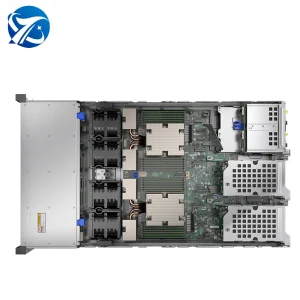
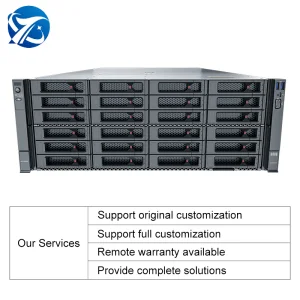
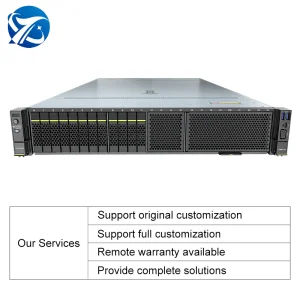
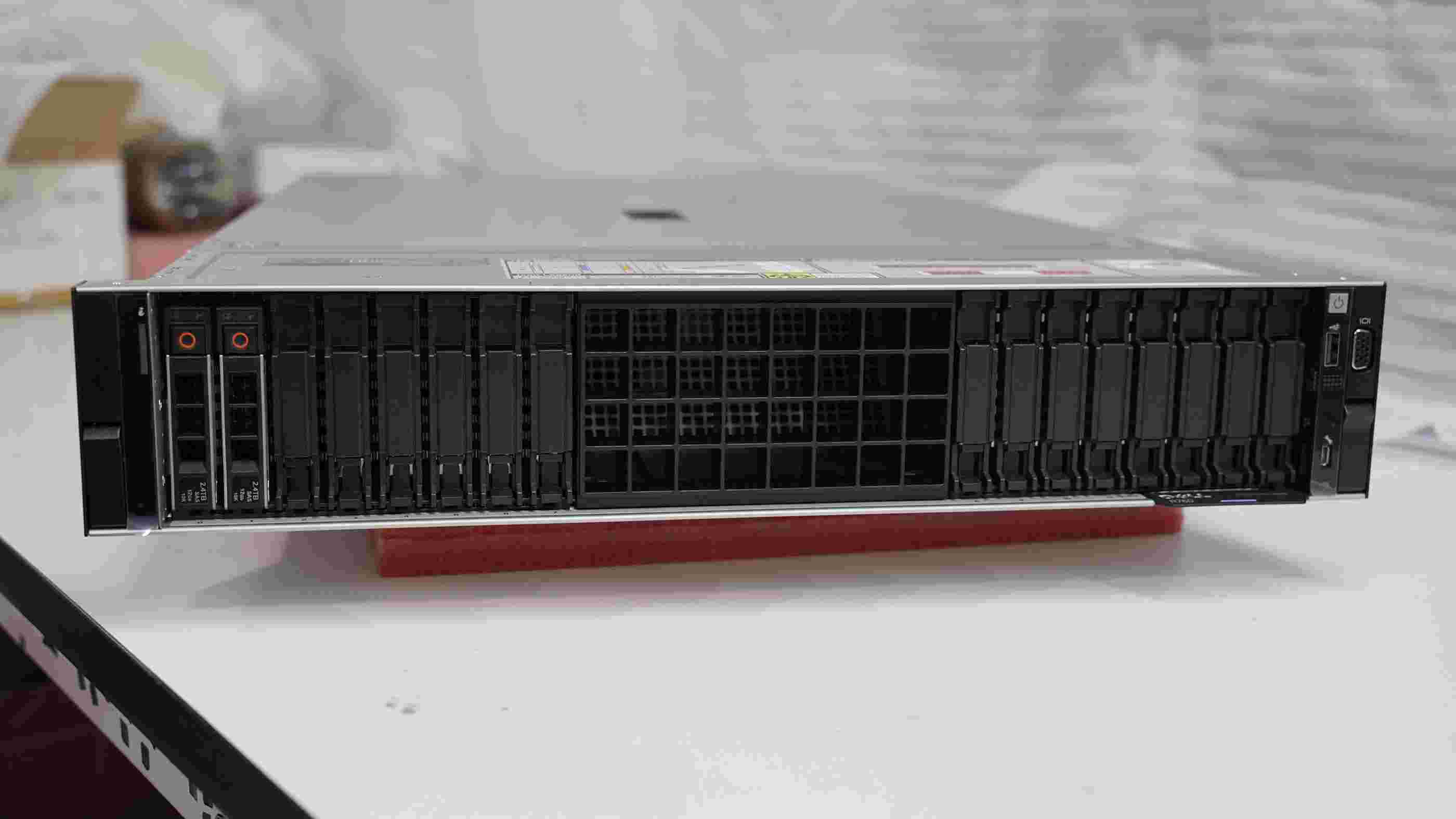
The construction of the New Administrative Capital (NAC) has created a new blueprint for smart cities across the continent. To power smart grid systems, automated municipal utilities, and real-time CCTV analysis, the infrastructure requires servers capable of sustained data throughput and low latency. The xFusion platform, known for its high scalability and compatibility with Intel Xeon and GPU heterogeneous chips, meets these demands. At the same time, Egypt's financial capital, Cairo, is modernizing its fintech and banking sectors to meet Central Bank of Egypt regulations on local data retention. This transition relies on robust rack-mount platforms like the xFusion FusionServer 2258 V7, which provide the secure and compliant environments needed for hybrid cloud deployments.
Beyond municipal projects and finance, the expansion of the Suez Canal Economic Zone (SCZONE) and its logistics centers has increased the demand for Edge AI compute nodes. Warehouses, sorting depots, and shipping tracking facilities require high-performance, compact 2U nodes to manage automated guided vehicles (AGVs) and optical character recognition (OCR) tracking systems. This makes high-grade servers essential for maintaining the regional supply chain.
Egyptian institutions are actively developing Arabic-language Large Language Models (LLMs) to improve public utility delivery, automated legal research, and customer care. Heterogeneous clusters, powered by GPUs on platforms like the FusionServer G8600 V7, support the massive matrix multiplications required to train models on Egyptian dialect variations, reducing training time from months to days.
Faced with urgent water management challenges, agricultural companies are deploying smart irrigation systems. Utilizing 2U computing models, localized databases process sensor telemetry (soil moisture, evaporative transpiration rates, and satellite imaging data) directly on the farm, enabling automated water management without the latency of remote cloud services.
Egypt’s energy sector utilizes raw seismic datasets to locate offshore gas reserves. Calculating these subterranean structures requires massive storage arrays and computational power. High-speed NVMe storage systems configured with caching controllers (such as the LSI 9560-16i) enable seismic processing engines to reconstruct subsurface profiles quickly, lowering exploration risks.
Operating datacenters in regions with ambient temperatures reaching 45°C requires robust hardware engineering. Standard equipment often experiences thermal throttling, leading to packet loss and reduced component lifespans.
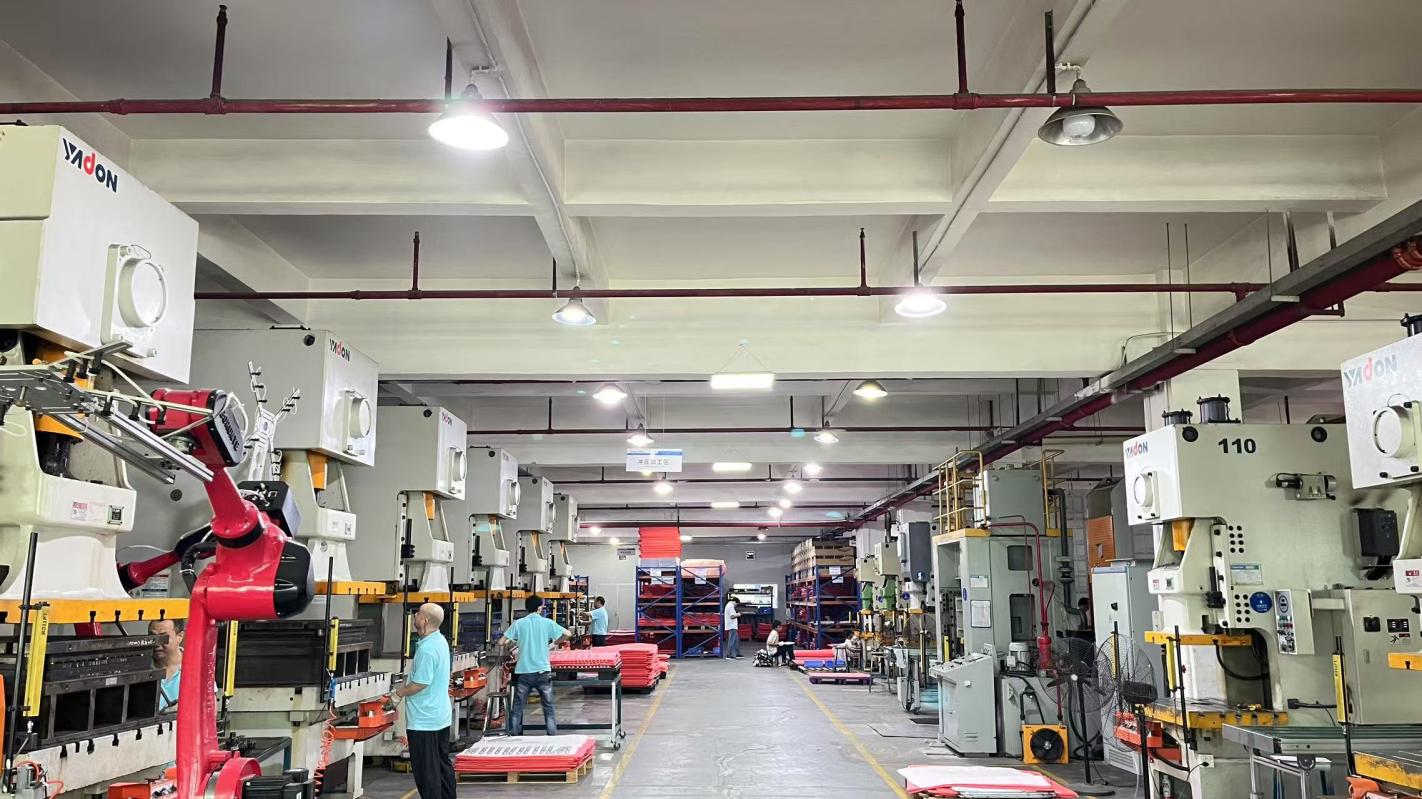
Our manufacturing facilities in China combine advanced technology with supply chain resilience to support continuous operations in the Egyptian market.
As computing requirements evolve toward hybrid cloud frameworks and GPU-accelerated processing, hardware sourcing faces challenges from geopolitical restrictions and supply bottlenecks. Borevo AI Infrastructure (China) Co., Ltd. provides a reliable supply option. Since 2018, Borevo has manufactured and exported enterprise compute solutions, utilizing a robust raw component pipeline in China's technology production hubs.
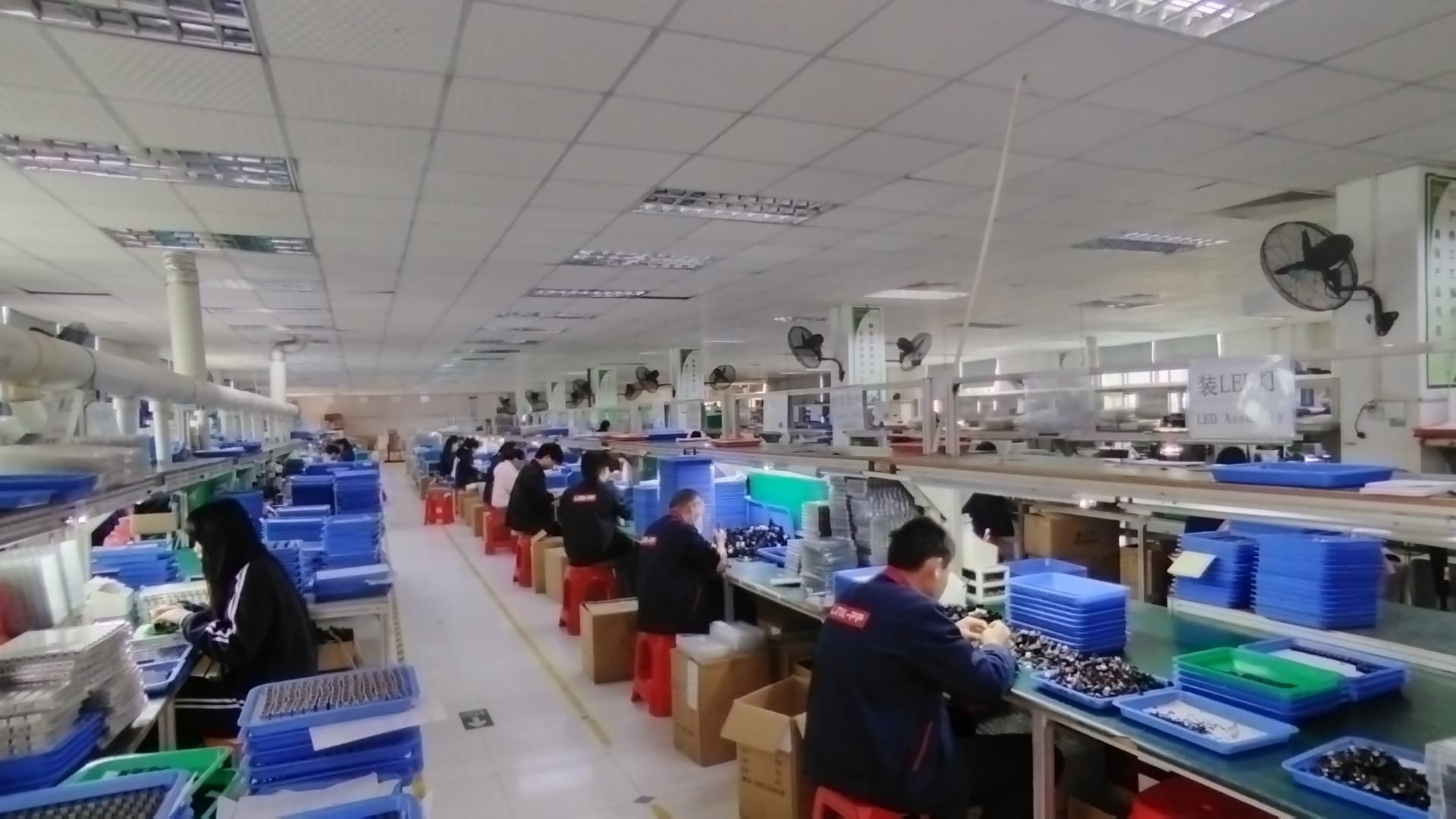
Operating an 18,600 square meter factory with 180 design and integration engineers, Borevo manages the build process from bare-board validation to firmware adjustments. This allows us to customize memory configurations, modify PCB dimensions, and optimize cooling solutions to meet the specific requirements of Egyptian projects.
Our network of 850 strategic partners ensures reliable access to PCB raw materials, memory chips, and high-performance cooling systems. This broad partner ecosystem protects operations against supply chain disruptions, allowing us to maintain stable production schedules and shipping times to Alexandria and Port Said, even when global markets experience volatility.
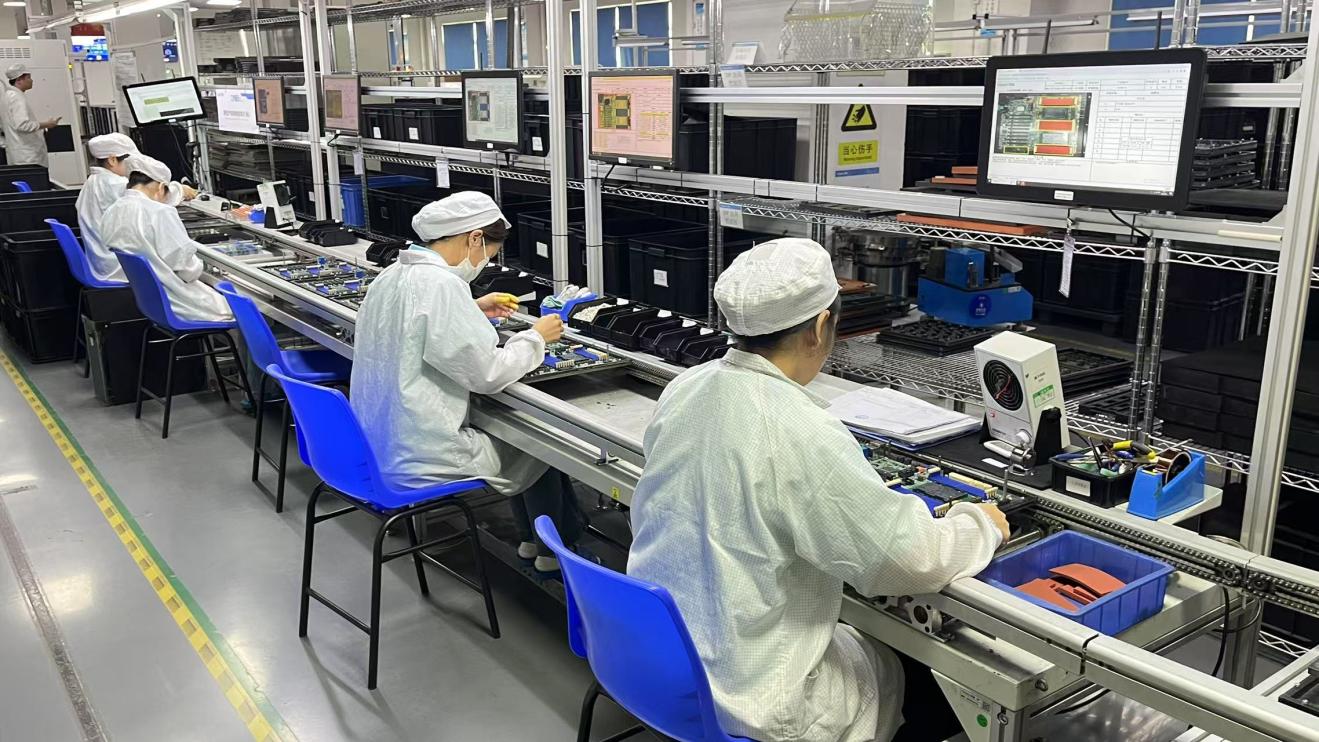
Before leaving our factory, every server undergoes rigorous quality inspections managed by our 45-person QC team. Our testing protocol includes automated optical inspection (AOI), high-temperature burn-in tests, and thermal stress tests, ensuring the hardware is built to operate reliably in demanding environments.
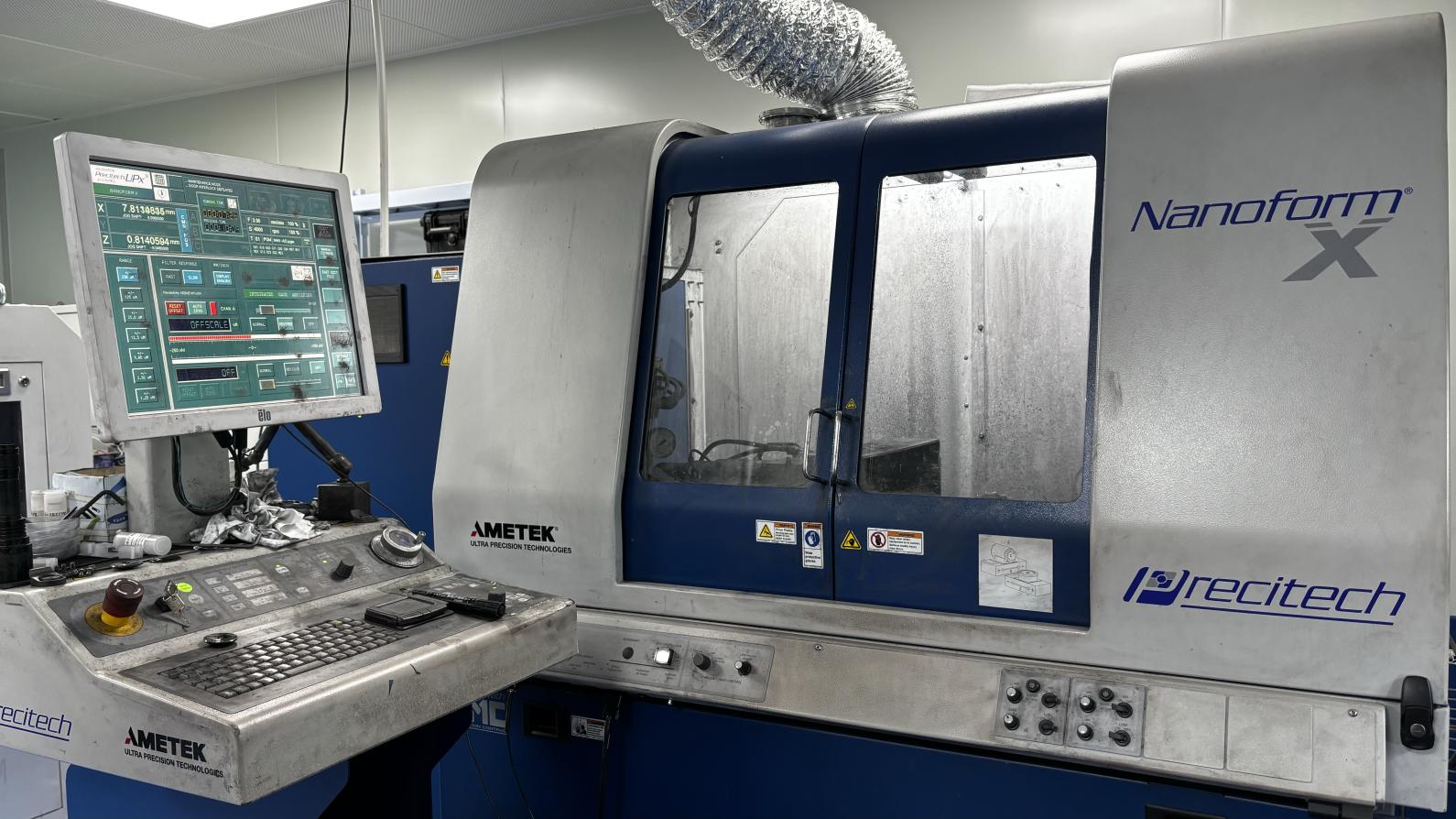
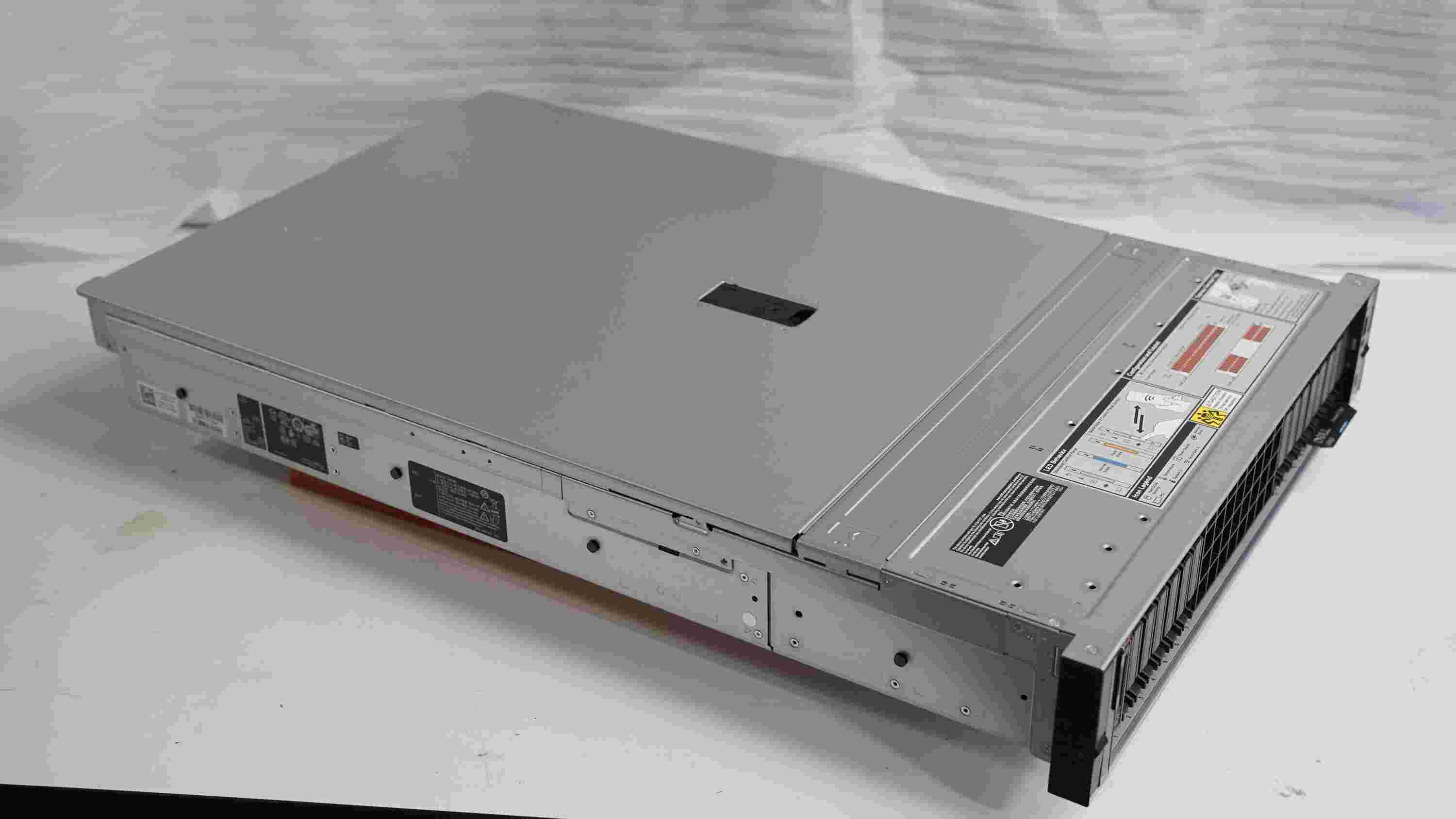
A inside look at our advanced production facilities, testing zones, and assembly lines where high-performance hardware is integrated and verified.
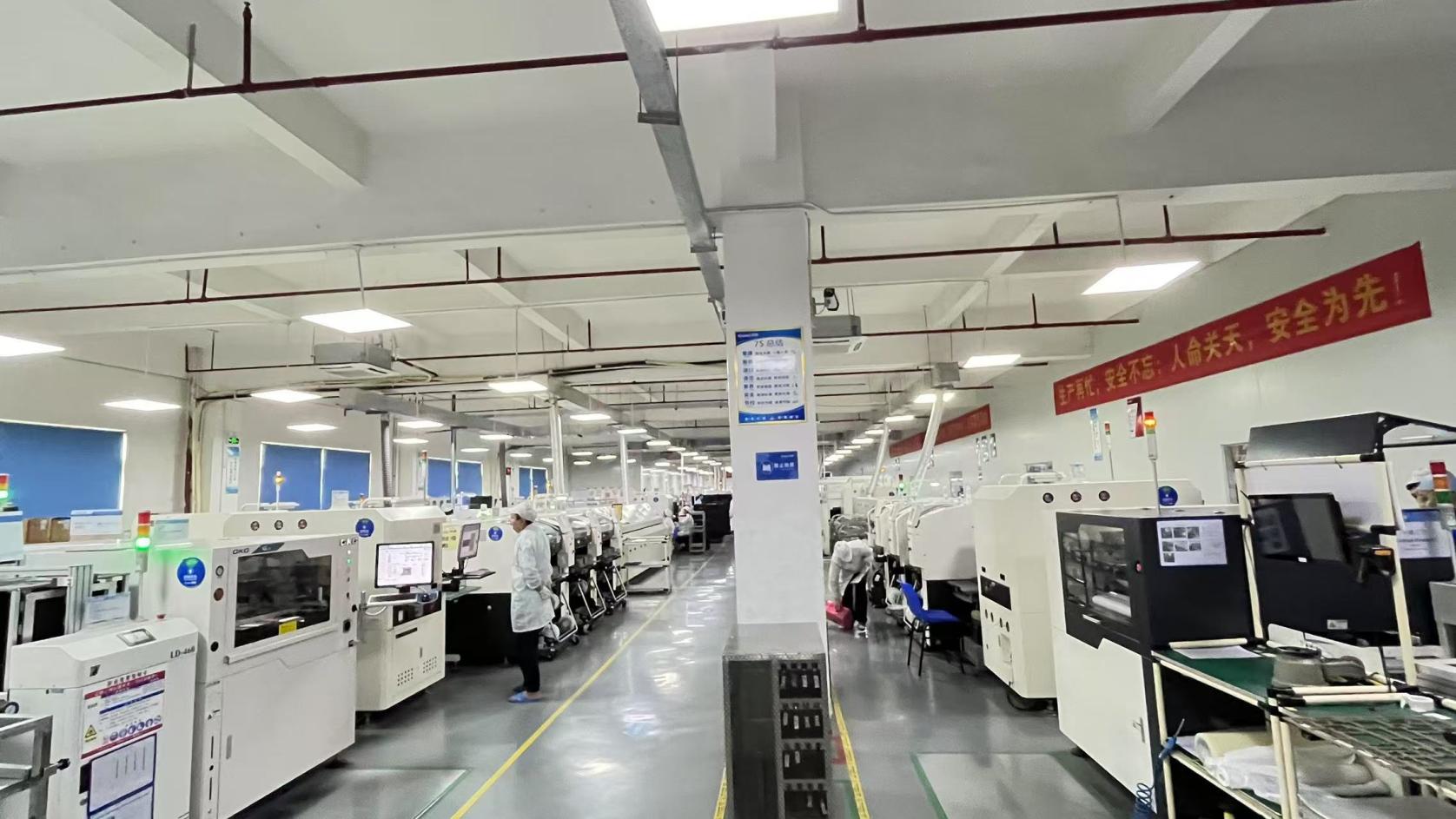
Importing computing equipment into Egypt requires navigating local regulations and licensing requirements. The National Telecommunications Regulatory Authority (NTRA) enforces strict guidelines on radio emissions, data encryptions, and network interfaces for all systems. Additionally, custom clearance processes under the digital single window system (Nafeza) require accurate documentation and certifications to prevent delays at Alexandria or Port Said ports.
Borevo works with local technology integrators to simplify these processes for Egyptian enterprises:
Our hardware is shipped with default firmware configurations that comply with NTRA encryption and communication standards, facilitating local approvals.
We provide the necessary technical documentation, certificates of origin, and testing logs to support clean processing through Nafeza.
Our network of local partners assists with installation, setup, and on-site support at datacenters in the New Administrative Capital and beyond.
We maintain inventory of key spare parts, including power supplies, memory modules, and storage drives, to ensure prompt replacement options.
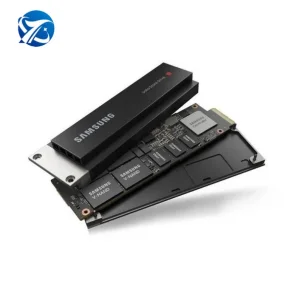
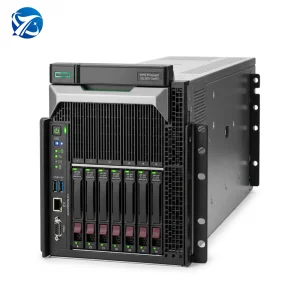
Our complete line of enterprise storage devices, GPU accelerators, and computational nodes designed to handle intensive, data-heavy applications.
As computing requirements grow, datacenter operators must plan for future integration needs. The integration of high-bandwidth PCIe Gen 5 and Gen 6 system topologies with dynamic processing cards is changing baseline processing requirements. To help Egyptian enterprises address these updates, our design roadmap focuses on three primary developments:
Faced with rising energy costs and ambient heat in Cairo and regional datacenters, liquid-to-air cooling manifolds are becoming more common. Our upcoming designs incorporate integrated liquid cooling blocks directly onto CPU sockets and GPU arrays. This helps maintain stable operating temperatures, lowering energy consumption and supporting continuous hardware operation.
Our platforms are designed to run major open-source software libraries and AI pipelines, including Deepseek 2025 network structures and Triton inference systems. This compatibility allows local development teams to implement and run models without facing lock-ins from proprietary programming languages.
For networks operating across multiple sites—such as branch offices in Alexandria, Cairo, and regional ports—our remote management interface provides visibility down to individual sensor components. This allows IT teams to monitor thermal readings, update firmware, and manage power cycles remotely, reducing the need for on-site maintenance visits.
Essential technical and regulatory information for implementing xFusion and customized enterprise servers within Egypt.
Ready to deploy reliable enterprise hardware for your project?
Send Inquiry Now