Borevo
Borevo
Borevo
Deploy high-availability virtualized platforms, AI database nodes, and storage backbones engineered for robust workloads.
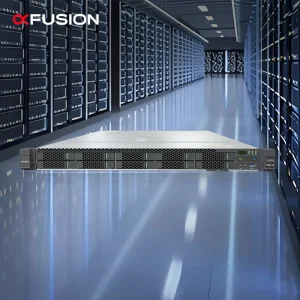
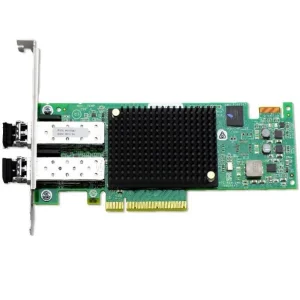
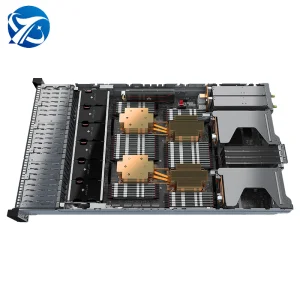
Under the visionary "Digital Ethiopia 2025" strategy, the Federal Democratic Republic of Ethiopia is undergoing a monumental shift towards a digital-first economy. The liberalization of the telecommunications sector—marked by the expansion of Ethio Telecom and the entry of Safaricom Ethiopia—has catalyzed demand for massive datacenter storage, high-throughput network nodes, and computing power in Addis Ababa and neighboring economic zones.
This rapid digital migration has created critical demand for specialized rack server infrastructure. As financial technologies, mobile money platforms (such as Telebirr), and e-government platforms expand, local organizations require hardware that offers continuous availability, thermal stability, and computational power. Our V7 rack servers are designed precisely to address these requirements.
“Building resilient, local digital computing hubs is no longer optional for Ethiopia's enterprise sector. Our V7 rack server solutions deliver reliable computing power to support these high-demand workloads.”
Ethiopia's geographical profile presents unique considerations for hardware deployment. For instance, Addis Ababa's elevation of 2,355 meters above sea level means a lower atmospheric density, which directly impacts traditional air cooling systems. Standard servers deployed in such conditions often experience thermal throttling or elevated fan speeds, which increases energy consumption.
To overcome these challenges, our V7 Rack Servers integrate several specialized design considerations:
How our V7 architectures and enterprise-grade computing nodes solve complex business problems across Ethiopia's core industries.
Supporting high-transaction core banking systems, decentralized micro-finance platforms, and real-time transaction processing for local commercial institutions. The dual-socket performance ensures minimal latency during peak transactional hours.
Engineered for Software-Defined Networking (SDN) and Network Functions Virtualization (NFV) deployment within local cellular architectures, accommodating high-throughput data processing demands.
Processing centralized national databases, regional administration record management, and secure public utility billing software with high-grade cryptography support and hardware security module integrations.
| Operational Requirement | V6 Generation Server | V7 Advanced Rack Server | Local Advantage in Ethiopia |
|---|---|---|---|
| Memory Architecture | DDR4 (up to 3200 MHz) | DDR5 (up to 4800/5600 MHz) | High-throughput transaction processing for banking and local fintech databases. |
| PCIe Expansion slots | PCIe Gen 4.0 | PCIe Gen 5.0 (Double Bandwidth) | Enables rapid data transfer for local telecoms and high-performance network nodes. |
| Cooling Technology | Standard Air Intake | Smart Airflow + Liquid Cooling option | Compensates for the thin-air high altitude cooling challenges of Addis Ababa. |
| Supply Chain Delivery | Standard Shipping channels | Priority Air/Sea Cargo corridors | Expedited custom handling via Djibouti dry ports to major industrial sites. |
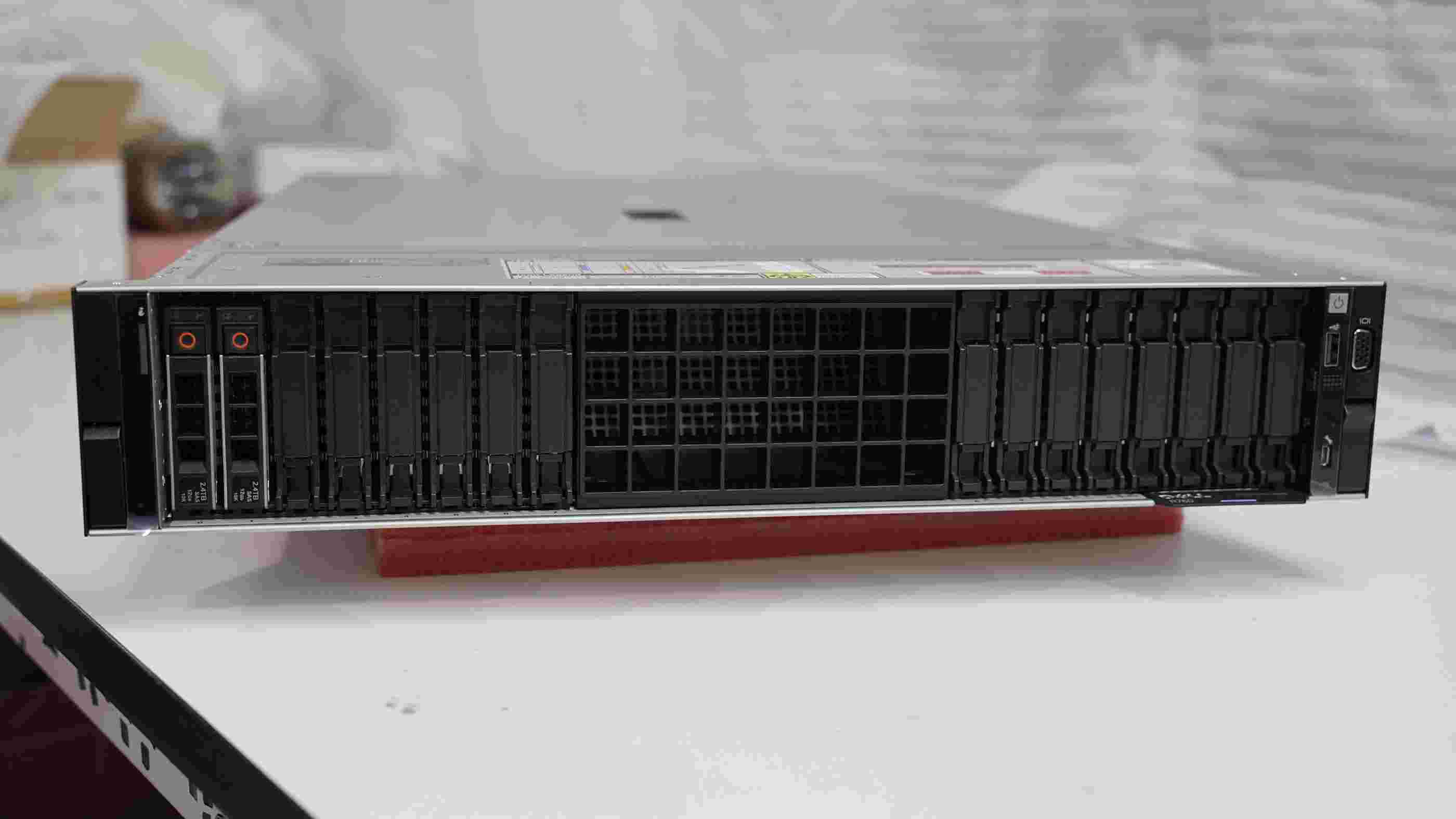
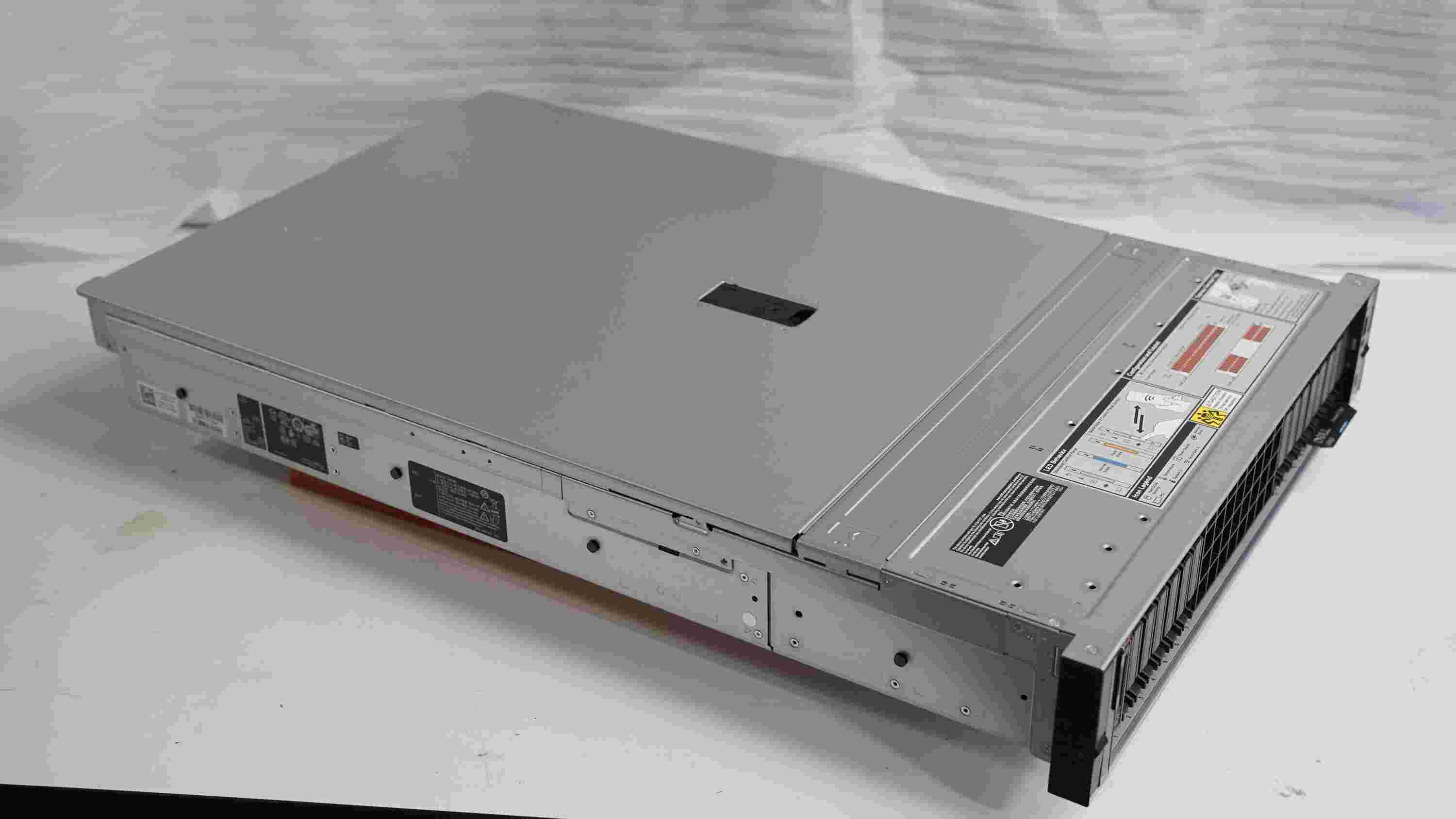
The V7 computing architecture represents a major step forward in server design. Developed by Borevo AI Infrastructure (China) Co., Ltd., these servers utilize the latest processors, high-speed interfaces, and security architectures. Designed for cloud hosting, containerized enterprise software, and machine learning, they deliver dependable, high-density performance.
By leveraging high-performance processing capabilities, V7 servers deliver up to 50% more computing power per rack unit compared to previous generations. This enables organizations to consolidate their hardware footprint, reducing datacenter floor space requirements and operational expenses (OPEX).
Additionally, V7 architectures support modern accelerators. For applications requiring dense AI modeling, large database indexing, or complex network simulations, V7 servers offer the flexibility to integrate multiple PCIe Gen 5 accelerators. This capability provides a modular, future-proof solution as computing demands grow.
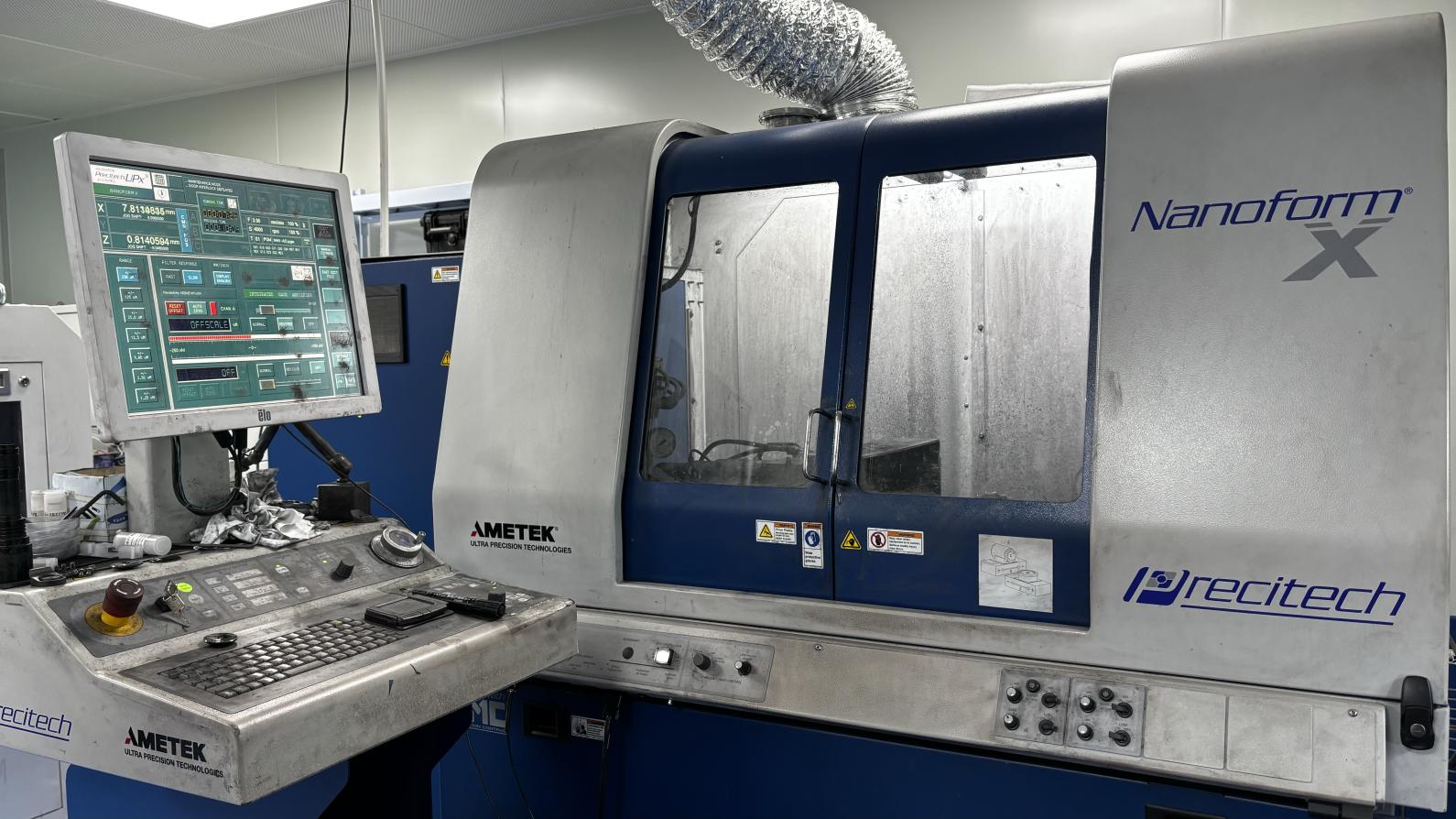
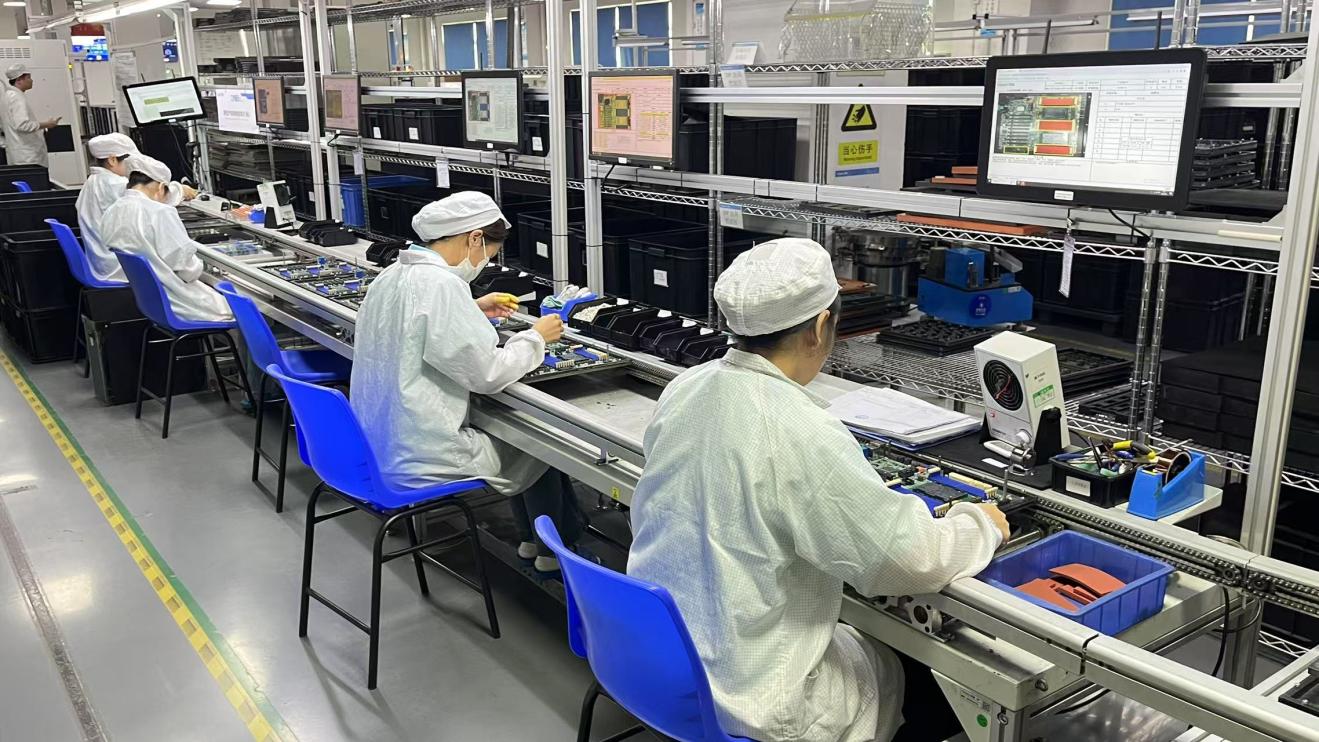
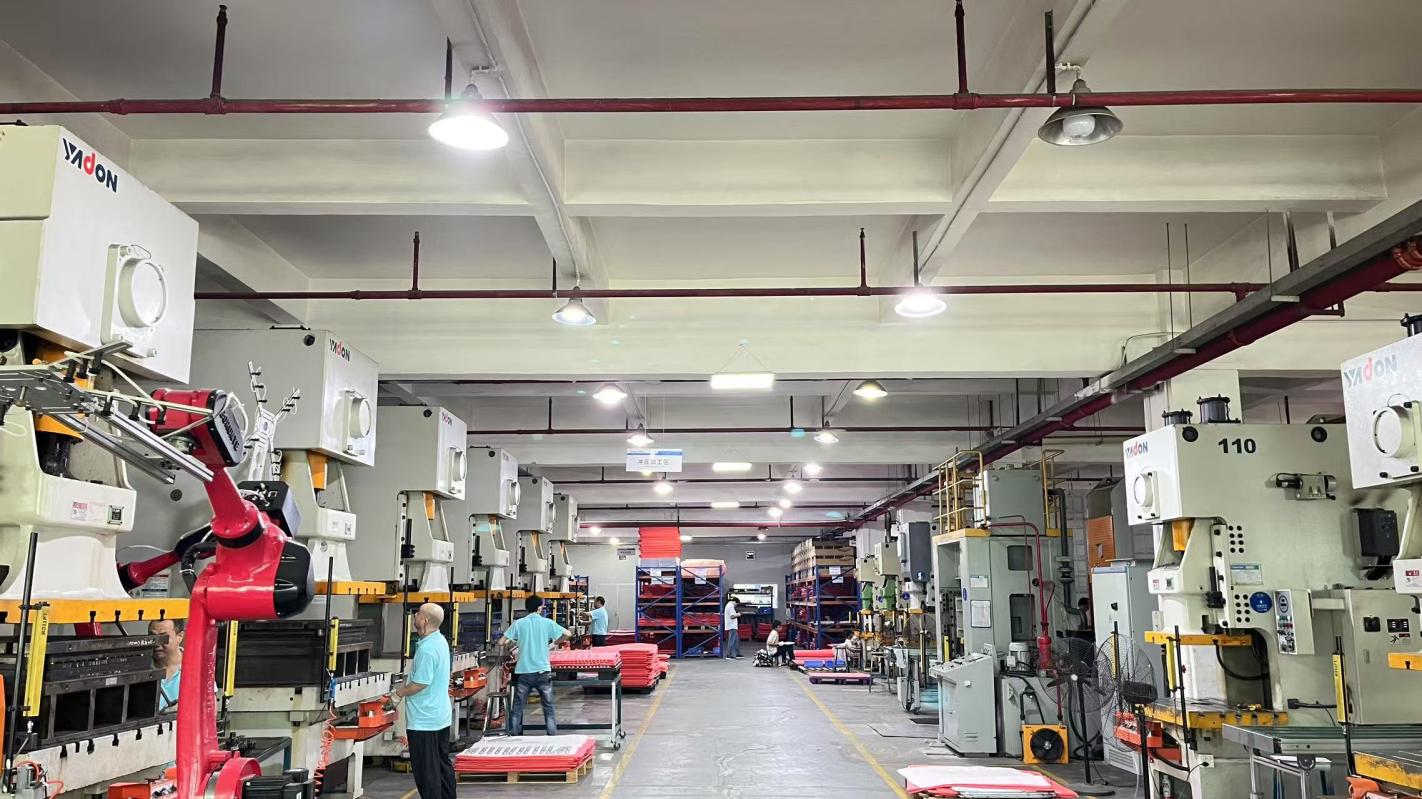
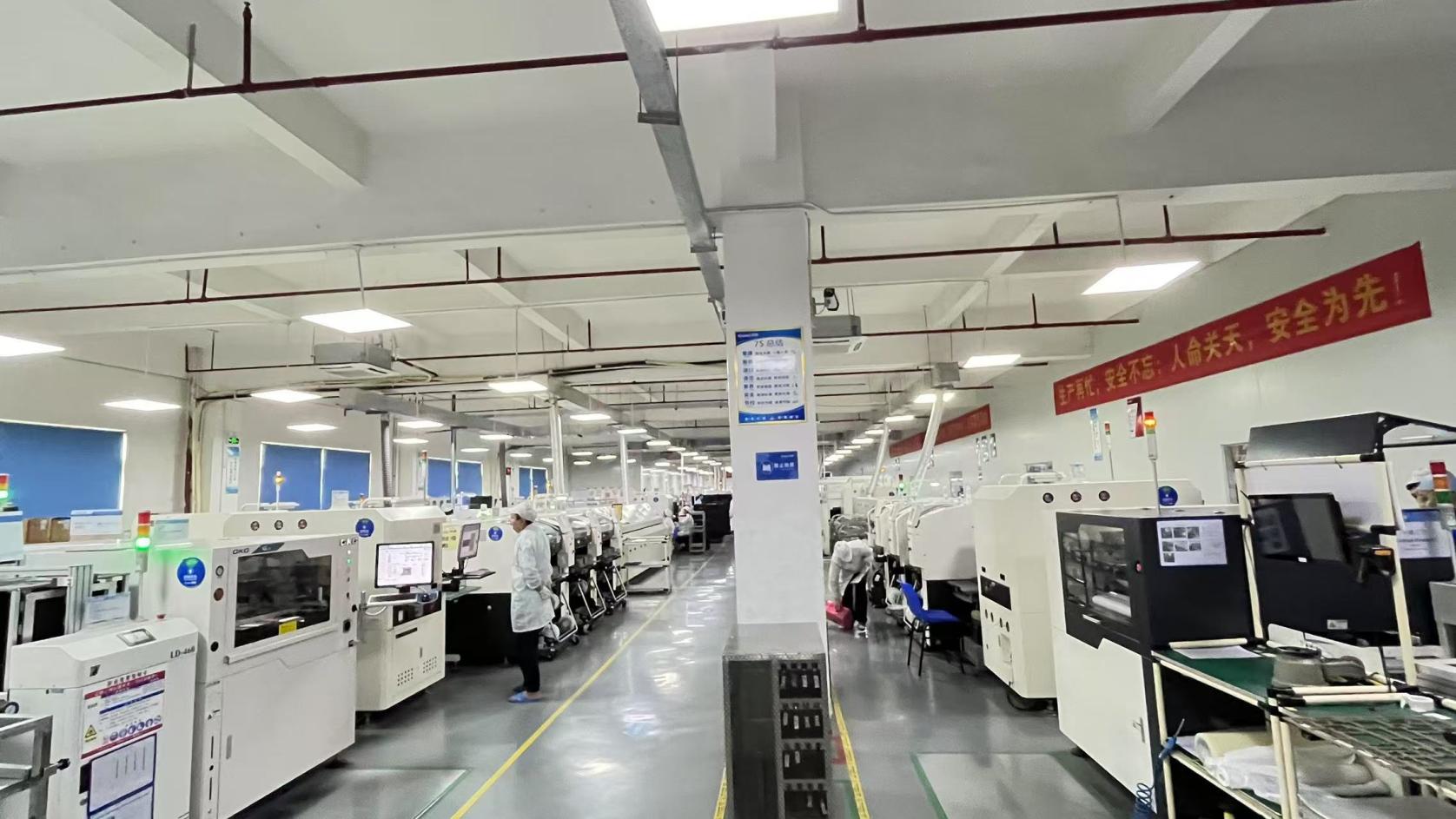
At Borevo AI Infrastructure (China) Co., Ltd., our manufacturing facility spans 18,600 square meters, enabling us to manage large production volumes while maintaining strict quality control. Since our establishment in 2018, we have developed a resilient network of 850 strategic partners across the semiconductor, PCB fabrication, structural steel, and cooling component industries.
This deep supply chain integration allows us to secure essential components even during global shortages, ensuring stable production timelines and consistent pricing for our partners in East Africa and beyond.
Our Quality Assurance system includes incoming material inspections, in-line optical monitoring (AOI), high-temperature burn-in tests, and full electrical performance benchmarking conducted by 45 dedicated QC personnel.
With an engineering team of over 180 R&D professionals, we focus on continuous hardware development. Last year alone, we introduced 120 new products to meet the evolving demands of our clients. We offer customized configurations, including:

Navigating the supply chain into East Africa requires planning and execution. Most of our server shipments destined for Ethiopia enter via the Port of Djibouti and travel along the Addis Ababa–Djibouti Railway corridor to the Modjo Dry Port. We work closely with experienced logistics partners to ensure safe handling of high-value electronic systems during transport.
Our logistics team handles document preparation, transit insurance, and tracking to minimize delays, ensuring your equipment arrives ready for datacenter deployment.
Importing computing equipment into Ethiopia requires compliance with several national regulations. We configure our hardware to meet these standards, facilitating a smoother customs process:
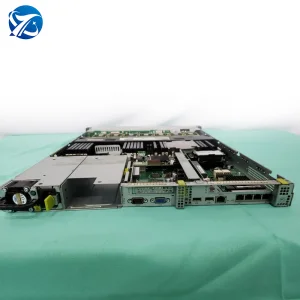
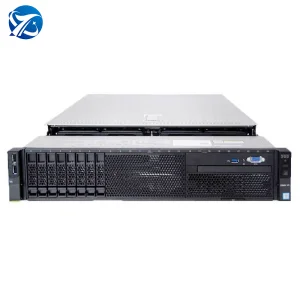
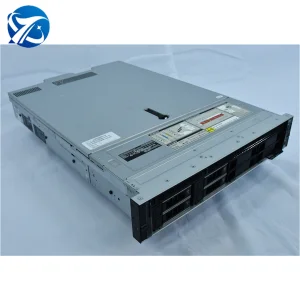
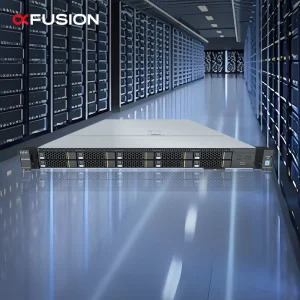
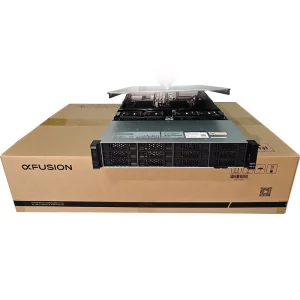
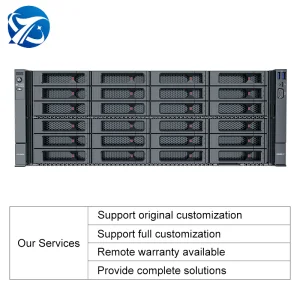
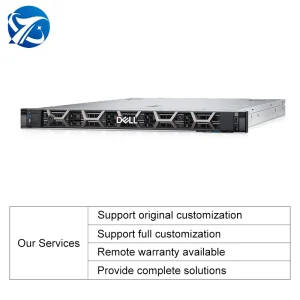
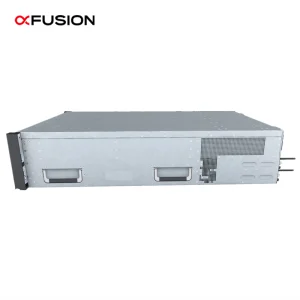
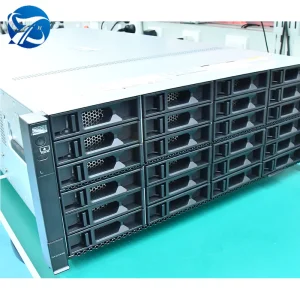
Select from our range of 2U rack configurations, custom AI computing platforms, and specialized server expansion modules.
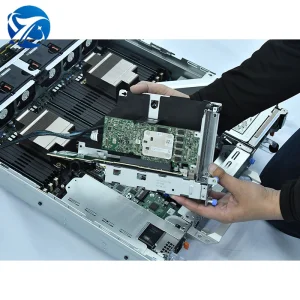
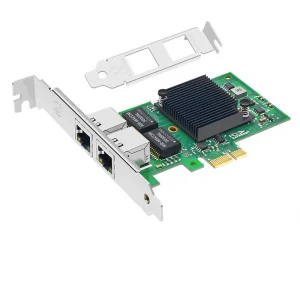
Ensure continuous availability with certified spares, enterprise controller cards, and processors.
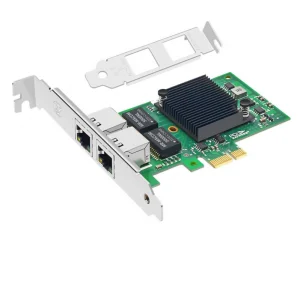
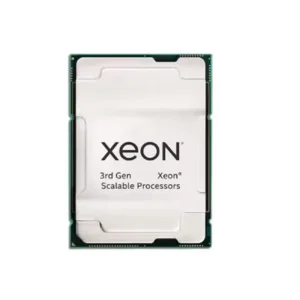
Key technical and purchasing questions answered by our engineering and logistics teams.
Our V7 Rack Servers integrate altitude-compensated fan speeds and high-temperature tolerance profiles. Because the lower air density at 2,400 meters reduces standard cooling efficiency, our management controller automatically adjusts fan profiles using internal thermal sensors. This helps maintain stable CPU temperatures and prevents thermal throttling without excessive energy use.
For sea freight shipments along the Djibouti-Addis corridor, transit times typically range from 28 to 35 days, followed by customs processing at local dry ports. For urgent deployments, we also offer air freight services directly to Bole International Airport (ADD), reducing transit times to approximately 7 to 10 working days.
Yes. We provide complete technical documentation, CE certificates, and test reports required for ECA type approval. We also assist local importers in working with the Information Network Security Administration (INSA) to ensure smooth clearance processes.
Yes, we offer hardware customization options, including custom PCB design, BIOS configurations, localized network interfaces (such as LOM cards or high-bandwidth Fibre Channel adapters), and specific cooling modifications to meet your requirements.
We provide a comprehensive warranty program on all enterprise systems. Critical replacement components—such as power supplies, fans, and storage controllers—can be pre-packaged with shipments as dedicated spare kits to ensure high availability and minimal downtime.