Borevo
Borevo
Borevo
Fueling Southern Europe's emerging data corridor with enterprise memory technology.
In accordance with the National Digital Strategy (Ψηφιακός Μετασχηματισμός), Greece is swiftly positioning itself as a strategic technology hub and key connectivity gateway for Southern Europe and the Mediterranean. Hyperscale data center ecosystems in Athens and Thessaloniki, backed by regional investments from tech leaders like Microsoft, Google, and Amazon Web Services, have accelerated the demand for high-reliability components. Central to this transformation is the optimization of raw computing infrastructure, specifically Server Random Access Memory (Server RAM).
As virtualization density, artificial intelligence workloads, and complex database services expand across Greek enterprises—from high-transaction maritime shipping fleets and banking consortia to public cloud frameworks like the G-Cloud—the requirements for physical memory modules have transitioned. Simple storage capacity is no longer the sole metric; hardware must deliver maximum memory bandwidth, thermal resilience under high ambient operating temperatures, and robust error prevention protocols like Error-Correcting Code (ECC).
"For Greek enterprise networks, system instability represents severe operational vulnerability. Enterprise Server RAM modules utilizing advanced DDR4 and DDR5 ECC standards offer the vital safety net required to handle petabytes of data traffic without risking critical silent data corruption."
High-performance DDR4 RDIMM modules optimized for high-virtualization density and critical system stability.
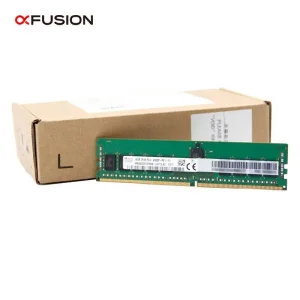
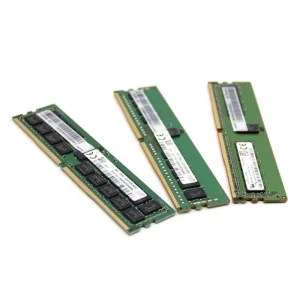
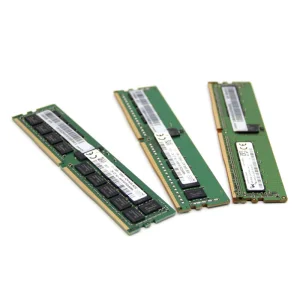
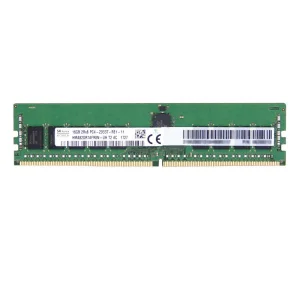
Deep dive into ECC architectures, rank configurations, and heat mitigation in warm Mediterranean operating environments.
In consumer computers, single-bit errors simply result in minor application crashes or an occasional OS restart. In server architecture, where operations are constant, a single-bit error can lead to a catastrophic crash of critical databases, rendering financial platforms or maritime logistics engines offline. Our server memory is constructed with advanced Hamming code mechanisms. By adding a distinct parity band of data, our RAM detects and corrects single-bit errors dynamically without requiring system interruption, preventing memory corruption and maintaining peak availability.
Understanding memory "Ranks" is vital for optimizing server workloads. A rank represents a block of data that is 64 bits wide (72 bits when including ECC parity). Our catalog features Dual Rank (2 Rank) architectures. While Single Rank configurations allow for slightly higher clock frequencies, Dual Rank memory modules utilize interleaved structures that improve data throughput on memory controllers, making them ideal for heavy database indexing and virtualized workloads common in Athens and Thessaloniki tech centers.
Operating at a frequency of 3,200,000 KHz (3200 MT/s) with a low power ceiling of 1.2V, our DDR4 RDIMM modules maintain high thermal efficiency. Standardizing server infrastructure at 1.2V reduces power consumption, which translates to a minimized thermal footprint inside high-density server racks. In countries with warm summer climates like Greece, selecting components that lower heat generation is a crucial strategy for optimization, saving costs on HVAC maintenance within localized hosting facilities.
A globally trusted hardware manufacturer backed by systematic quality control and experienced engineering.
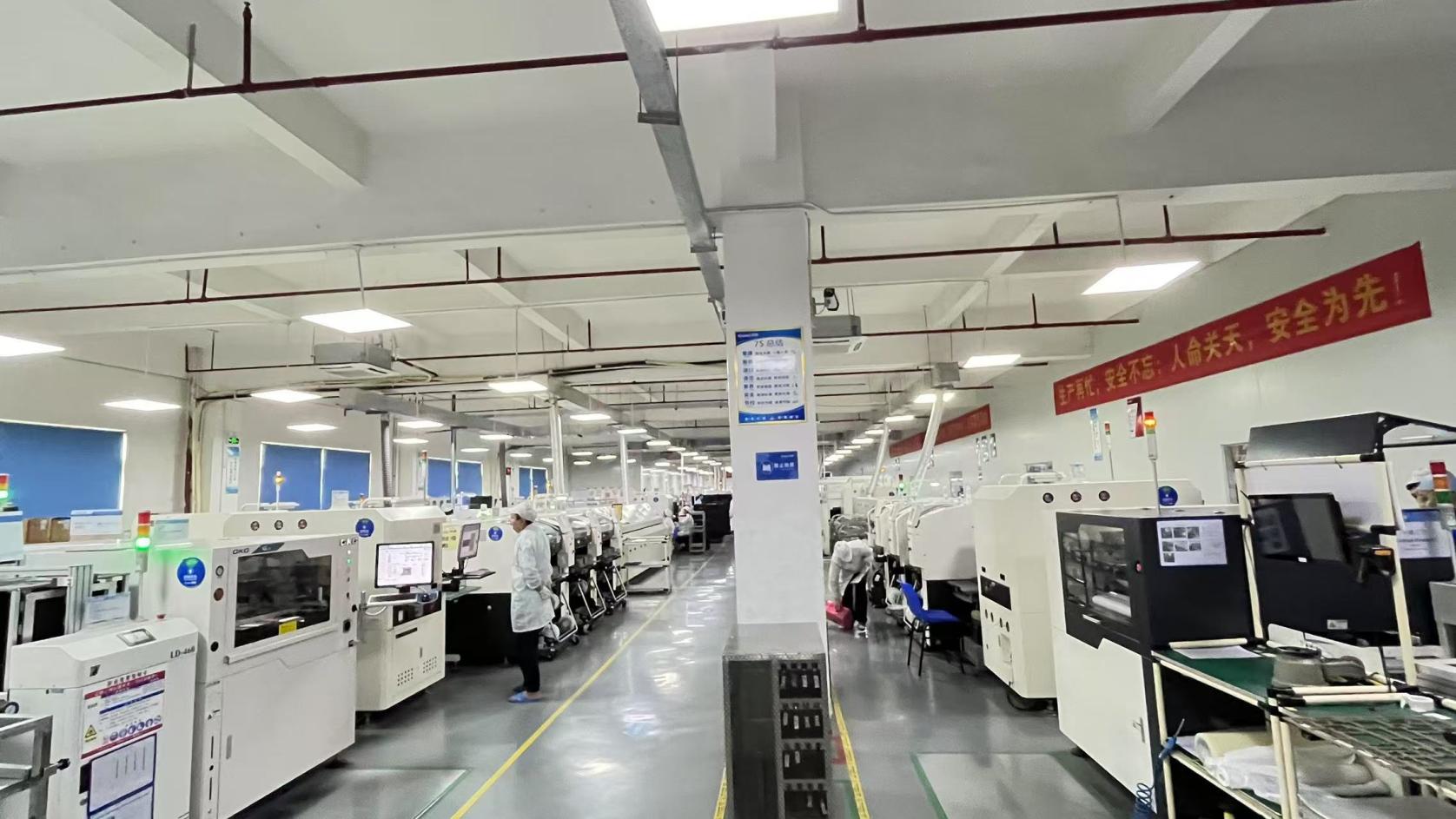
Borevo AI Infrastructure (China) Co., Ltd. is a specialized AI GPU and enterprise server component manufacturer dedicated to delivering high-performance computing hardware and advanced AI infrastructure solutions for global markets. We focus on GPU design integration, AI acceleration systems, and customized computing solutions for data-intensive applications, supporting critical systems in Europe, North America, and Southeast Asia.
With an R&D team consisting of 180 engineers, we specialize in GPU architecture optimization, heterogeneous computing systems, and hardware customization (PCB design, custom firmware, thermal tuning, memory configuration).
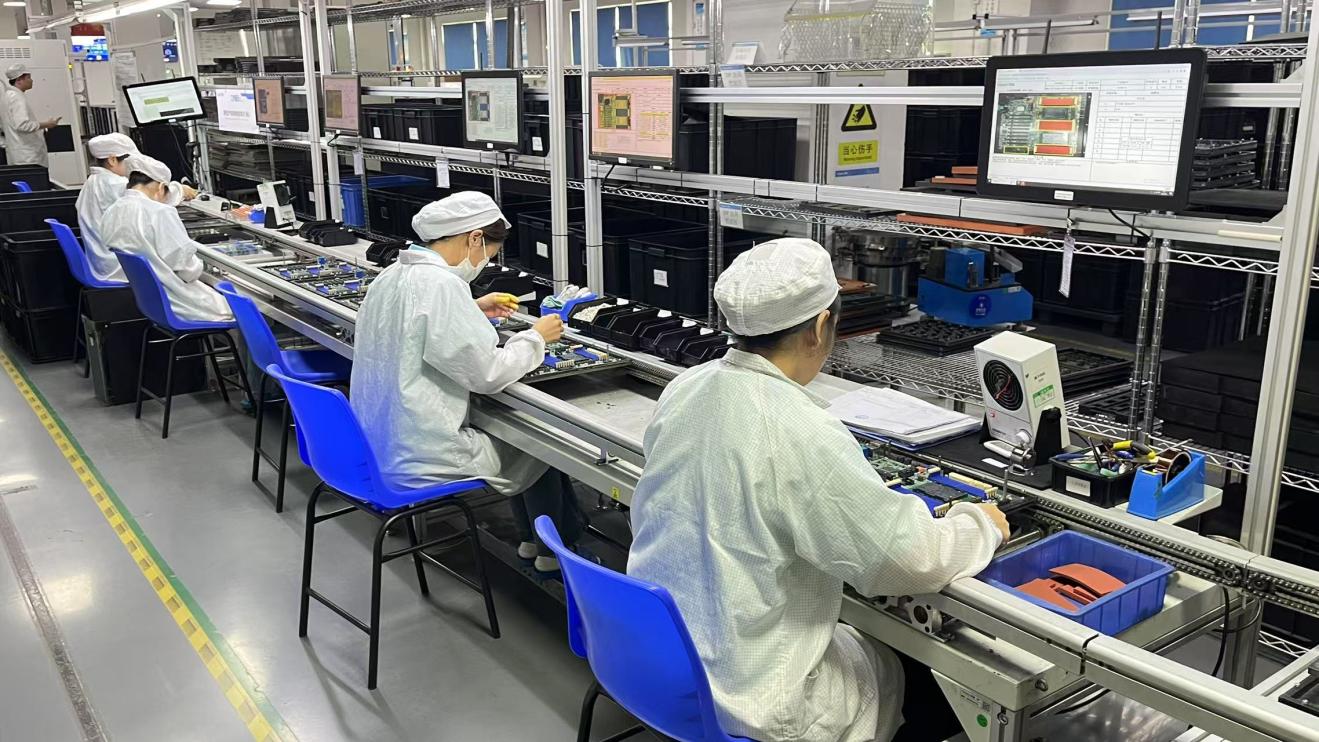
Backed by 45 dedicated QC personnel, we conduct full-process quality assurance, including incoming material inspections, AOI inspection, burn-in testing, thermal stress testing, and electrical benchmarking.
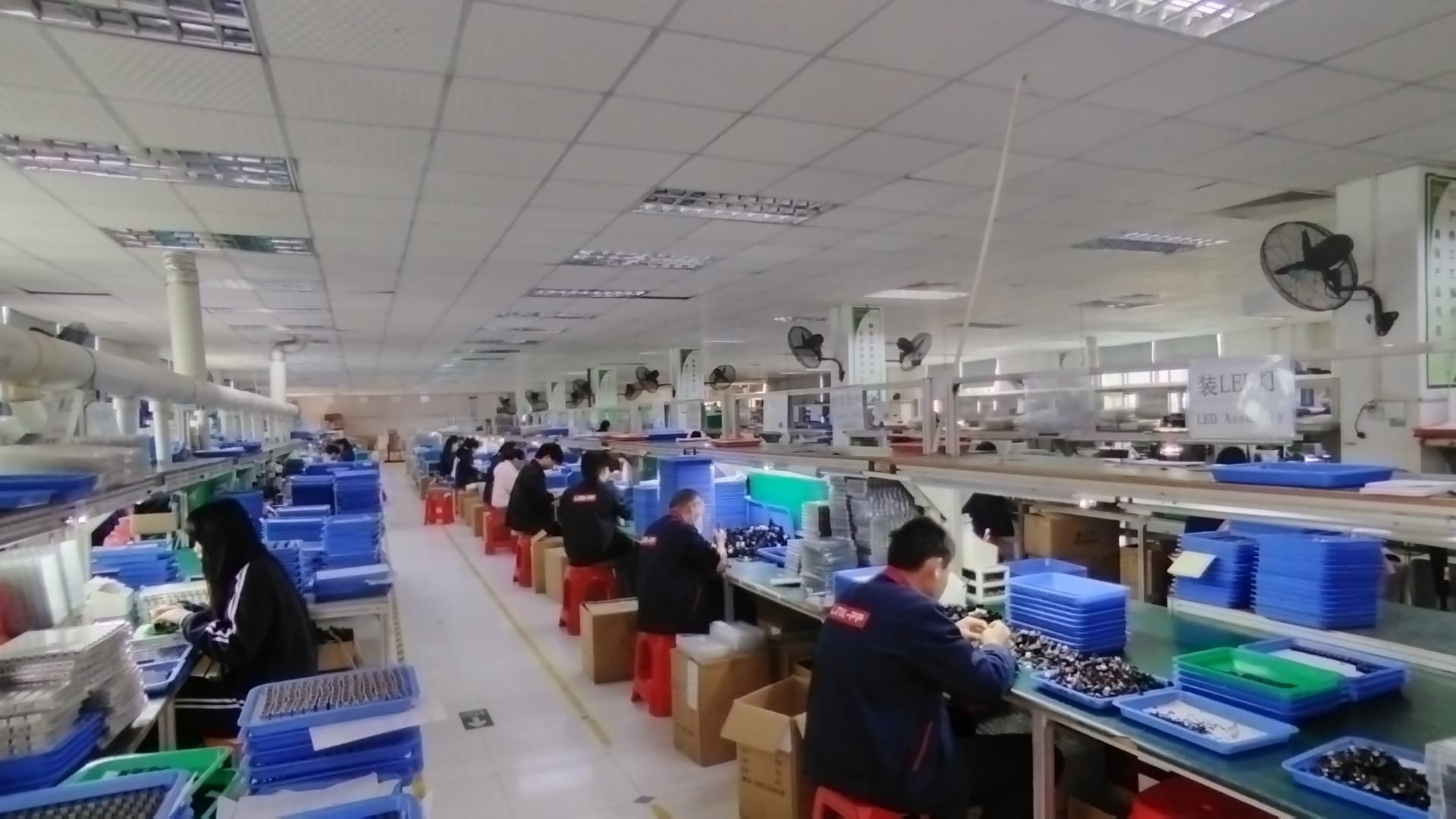
We work with 850 strategic partners across the semiconductor, PCB, cooling system, and memory component industries, ensuring a steady, long-term supply of raw components for global distribution.
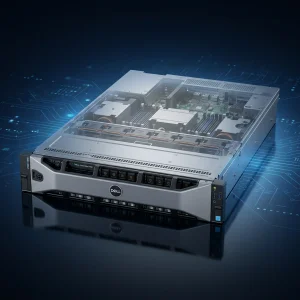
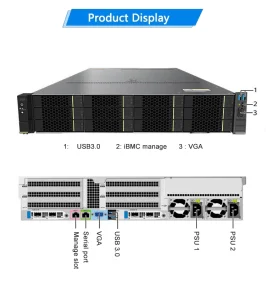
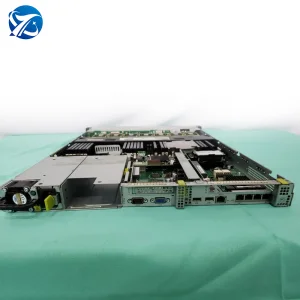
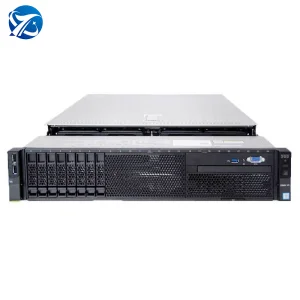
Fully compatible computing infrastructure, high-speed interface cards, and GPU deep-learning servers.
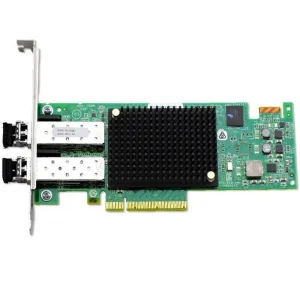
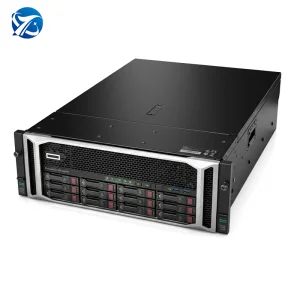
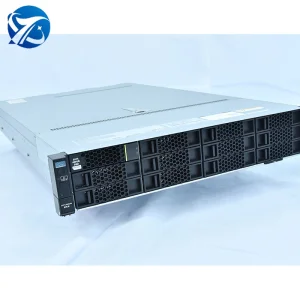
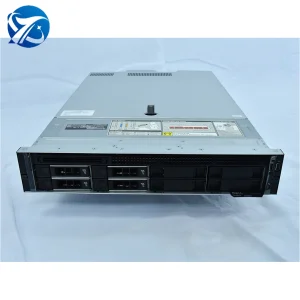
How our memory configurations empower specific enterprise sectors across the Hellenic republic.
Greek shipping companies manage some of the largest merchant fleets globally. Real-time telemetry, routing optimization systems, and global supply chain integrations demand constant server uptime. Integrating DDR4 and DDR5 ECC RAM within these corporate server stacks prevents random memory allocation faults, ensuring container allocation and vessel navigation data pipelines flow uninterrupted.
With major banks in Athens modernizing their transactional cores, memory latency must remain under nanosecond thresholds without sacrificing consistency. Low-latency RDIMMs (0.625ns timing architectures) allow swift database read/writes for processing credit authorizations, online transactions, and portfolio management services, avoiding delay bottlenecks.
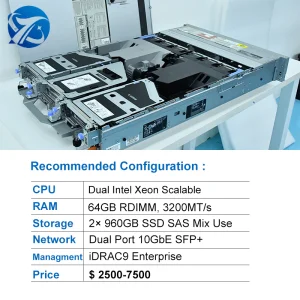
Greek universities (such as the National Technical University of Athens) and public clouds require server setups configured for intensive mathematical modeling and distributed database tasks. Deploying Multi-socket servers combined with 64GB ECC RDIMM modules enables virtual machines to scale efficiently, meeting both scientific and administrative computation loads.
Meeting European standards for reliability, health, and environmental safety.
Purchasing components for the Greek market requires strict adherence to European Union directives. Borevo AI Infrastructure guarantees that all shipped memory modules, acceleration systems, and server accessories comply with the standard European framework:
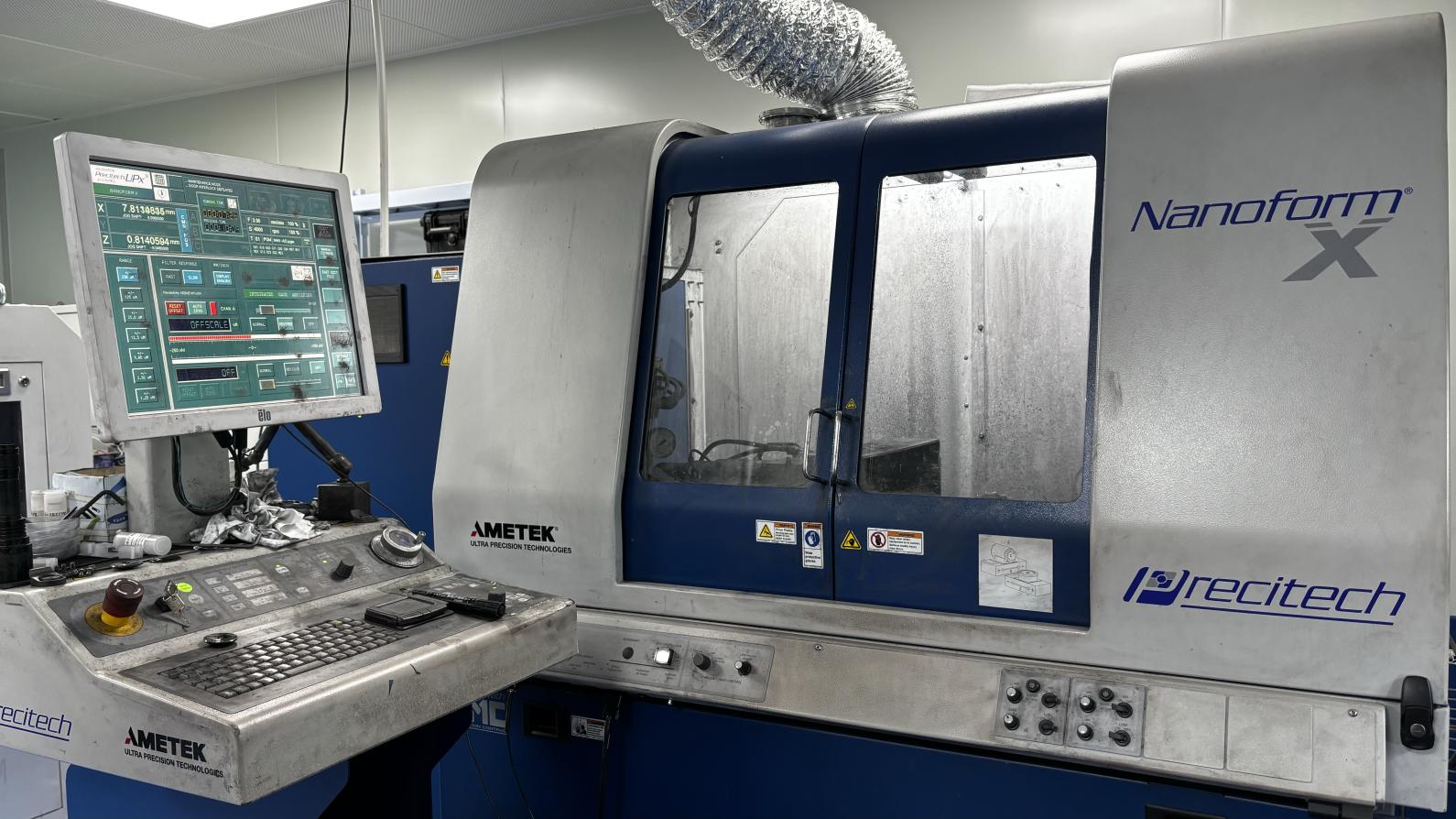

Preparing Greek enterprise architectures for the next decade of data processing.
As CPU core counts continue to rise, memory bandwidth per core is becoming a critical system bottleneck. The industry is transition from DDR4 to DDR5, featuring twice the bandwidth, lower energy requirements (1.1V compared to 1.2V), and on-die ECC integration. For Greek businesses planning next-generation upgrades, understanding these core technologies is essential:
CXL is establishing a new paradigm for resource sharing. By running over PCIe physical layers, CXL allows servers to access expanded memory pools dynamically, helping IT administrators reduce hardware over-provisioning and optimize allocation across physical server racks.
While DDR4 relies on side-band ECC via additional physical chips, DDR5 introduces on-die ECC to correct errors within the silicon block itself. For mission-critical workloads, combining on-die ECC with system-level ECC ensures high fault tolerance across all layers.
Borevo AI Infrastructure maintains dual-track manufacturing lines for both high-demand legacy DDR4 RDIMM modules and new DDR5 solutions, ensuring long-term hardware support for Greek data centers during their technology transitions.
Technical and logistical insights to help streamline your enterprise component procurement.