 Borevo
Borevo
Borevo
High-speed DDR4 registered ECC DIMMs engineered for extreme reliability and optimized for metropolitan data grids and computing servers in Tokyo.
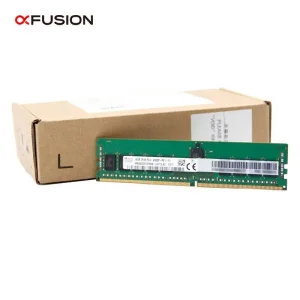
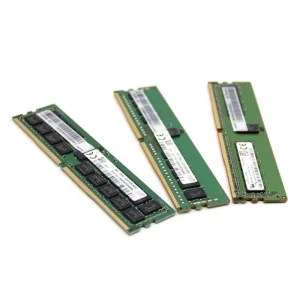
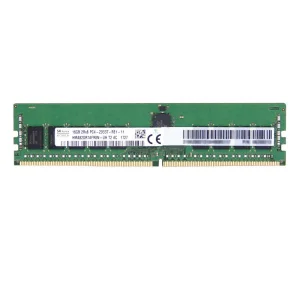
As the primary financial and technological engine of East Asia, the Tokyo Metropolitan Area is undergoing an unprecedented transition to high-density, hyper-scale computing environments. Driven by global initiatives in cloud operations, IoT data ingestion, and generative AI hosting, Tokyo is home to some of the world's most dense cluster zones of data processing facilities, notably located in the Chiba Inzai cluster, Otemachi business core, and Mitaka research corridor.
In these modern facilities, server memory operates as the critical bottleneck. Unlike consumer desktops, enterprise clusters in Tokyo require high-performance, low-latency, and fault-tolerant RAM architectures. The expansion of sub-millisecond high-frequency trading (HFT) platforms in the Tokyo Stock Exchange (TSE) and real-time transit telemetry processing demand optimized ECC RDIMM (Error-Correcting Code Registered DIMM) hardware that mitigates the risks of single-bit errors. This has localized the requirement for high-density, 288-pin DDR4 and DDR5 memory modules capable of sustaining reliable operations under volatile thermal loads.
Specially calibrated RAM modules to support the low-latency networking profiles of Tokyo's premier regional colocation datacenters.
Active multi-bit and single-bit detection mechanisms to eliminate system halts, memory leaks, and silent data corruption events.
1.2V operational energy envelope that supports global energy saving mandates while maximizing processing bandwidth.
On a macro scale, the global server market is experiencing a massive architectural paradigm shift. With the sudden rise of localized Large Language Models (LLMs) like DeepSeek, standard cloud computing infrastructures are transitioning into heterogeneous accelerated architectures. In these configurations, system memory (CPU RAM) acts as the loading buffer and direct interface layer for GPU VRAM. As GPU arrays process massive parameter matrices, they rely on massive system RAM pipelines to feed dataset batches without starving the accelerator cores.
Moreover, the global semiconductor supply chain emphasizes the critical nature of reliable manufacturing standards. Component failures in enterprise settings result in catastrophic service level agreement (SLA) breaches. As a global supplier, we address these challenges by providing strictly verified DDR4 and DDR5 memory modules that offer seamless cross-compatibility with industry-leading rack servers, including xFusion FusionServer, Dell PowerEdge, and HPE ProLiant platforms.
| Server RAM Technology Spec | DDR4 Enterprise RDIMM | DDR5 Enterprise RDIMM | Key Application Target |
|---|---|---|---|
| Operating Voltage | 1.2V / 1.1V (Low Power) | 1.1V | Energy Optimization & TDP management |
| Frequency Range | 2400MHz - 3200MHz | 4800MHz - 6400MHz+ | Real-time processing & High Bandwidth Memory loading |
| Pin Configuration | 288-Pin DIMM | 288-Pin DIMM | Backward & Forward server hardware integration |
| ECC Support | Hardware ECC (Register) | On-Die & Sideband ECC | Hyper-scale virtualization & financial calculations |
| Thermal Interface | Standard Integrated Heat Spreader | Power Management IC (PMIC) Integrated Heat Spreader | High density configurations & high-airflow server racks |
Borevo AI Infrastructure (China) Co., Ltd. is a specialized AI GPU and enterprise hardware manufacturer dedicated to delivering high-performance computing hardware and advanced AI infrastructure solutions for global markets. The company focuses on GPU design integration, AI acceleration systems, and customized computing solutions for data-intensive applications. With deep-rooted industry partnerships, we specialize in supplying high-performance server memory modules to Tokyo and global regional markets.
To support high-stress environments such as cloud rendering, scientific modeling, and AI model inference, every memory module manufactured by Borevo undergoes strict validation and testing procedures. Our global QA framework is executed by 45 dedicated QC personnel and includes the following steps:
We provide comprehensive OEM/ODM customization services to adapt memory modules to specific data center requirements. This includes firmware adjustments, custom PCB design layouts for specialized computing servers, custom-engineered heat spreaders for high-density environments, and specific memory timings optimized for target server chipsets.
Modern memory modules must align with the specific computational patterns of their deployment locations. In Tokyo, our server RAM solutions address several critical computing requirements:
Financial clusters in Otemachi and Nihonbashi run complex quantitative models that require continuous access to historical trade databases. By utilizing our low-latency DDR4 3200MHz RDIMMs, financial firms can maintain large in-memory databases (IMDB) without experiencing standard I/O bottlenecks. The active registers in our RDIMMs stabilize clock signals, allowing multi-processor server architectures to perform fast database transactions with minimal CPU cycles lost to error recovery.
Tokyo's urban traffic system, public transport networks, and smart utility grids generate continuous streams of real-time telemetry. Edge servers located throughout the metropolitan grid process this data to optimize municipal operations. Our industrial-grade server RAM provides the thermal stability and long-term durability required for continuous operation in distributed edge enclosures, minimizing the need for on-site hardware maintenance.
Tokyo's thriving digital animation, game engine development, and industrial design studios rely on massive rendering networks. These systems require high-capacity, multi-channel RAM arrays to store large 3D scene files and physical simulation parameters. Our 64GB RDIMMs allow workstation networks and render farms to prevent page-file swapping, maintaining maximum CPU utilization throughout complex rendering tasks.
Entering the Japanese IT infrastructure ecosystem requires strict adherence to local industrial expectations and international regulatory frameworks. Unlike standard consumer hardware, enterprise components deployed in Tokyo datacenters must meet strict criteria:
As memory architectures evolve, we are updating our production capabilities to support upcoming standards. The transition from DDR4 to DDR5 introduces key upgrades such as on-die ECC management and dual sub-channels, doubling effective memory bandwidth. Our R&D team is working to scale up the production of high-performance DDR5 modules to meet the demands of next-generation server platforms.
Additionally, we are exploring CXL (Compute Express Link) memory expansion protocols. CXL allows servers to access external memory pools over high-speed PCIe lanes, enabling dynamic memory sharing between CPUs and accelerator hardware. This technology will allow Tokyo data centers to scale their memory capacity dynamically, reducing stranded resource costs and improving processing efficiency for massive AI and data analytics workloads.
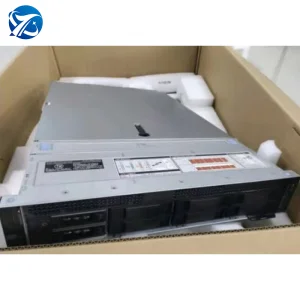
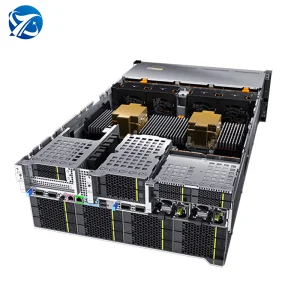
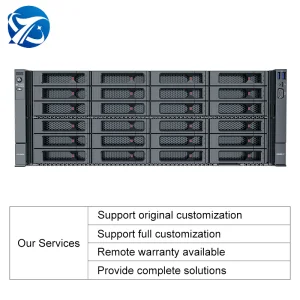
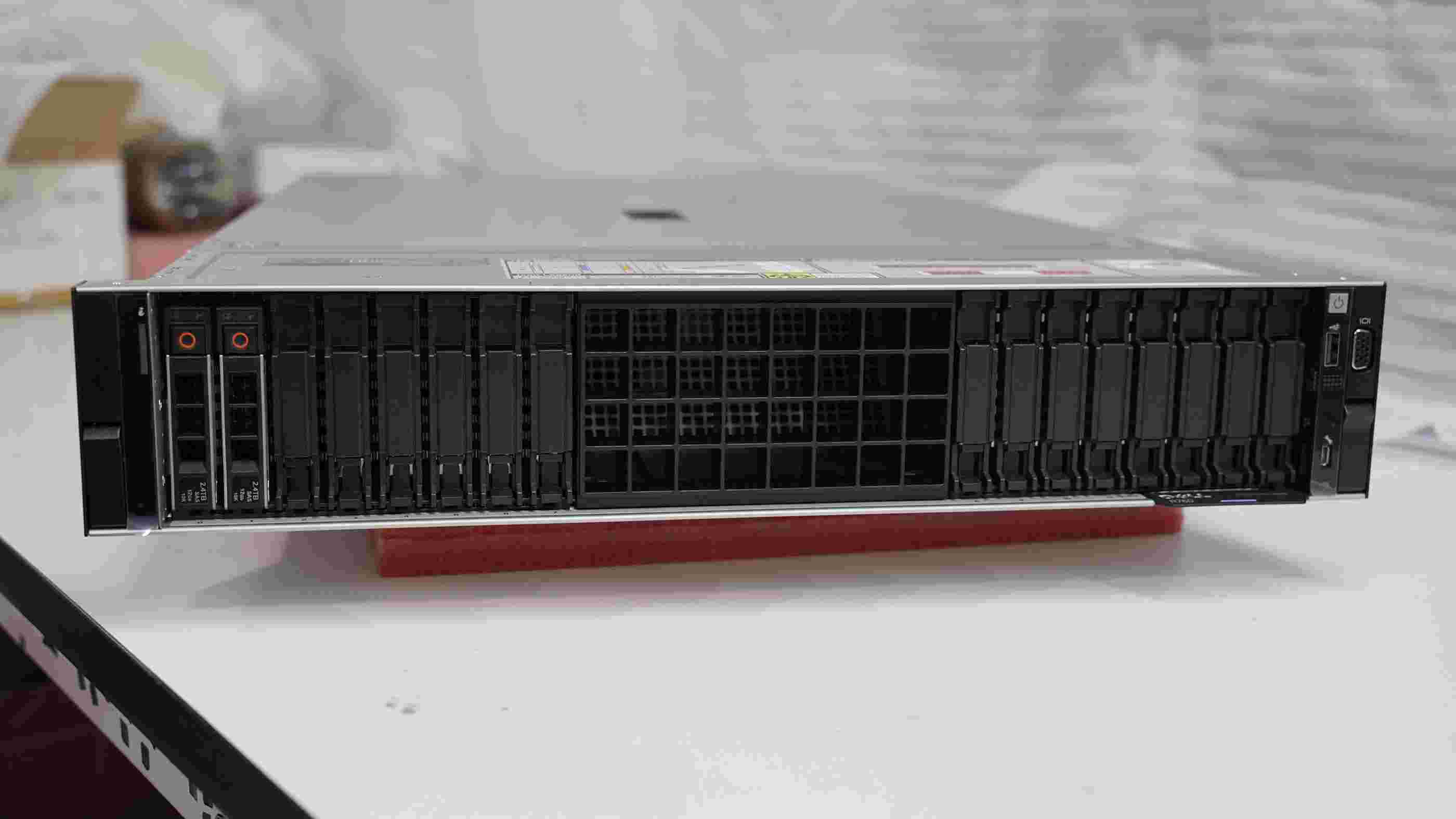
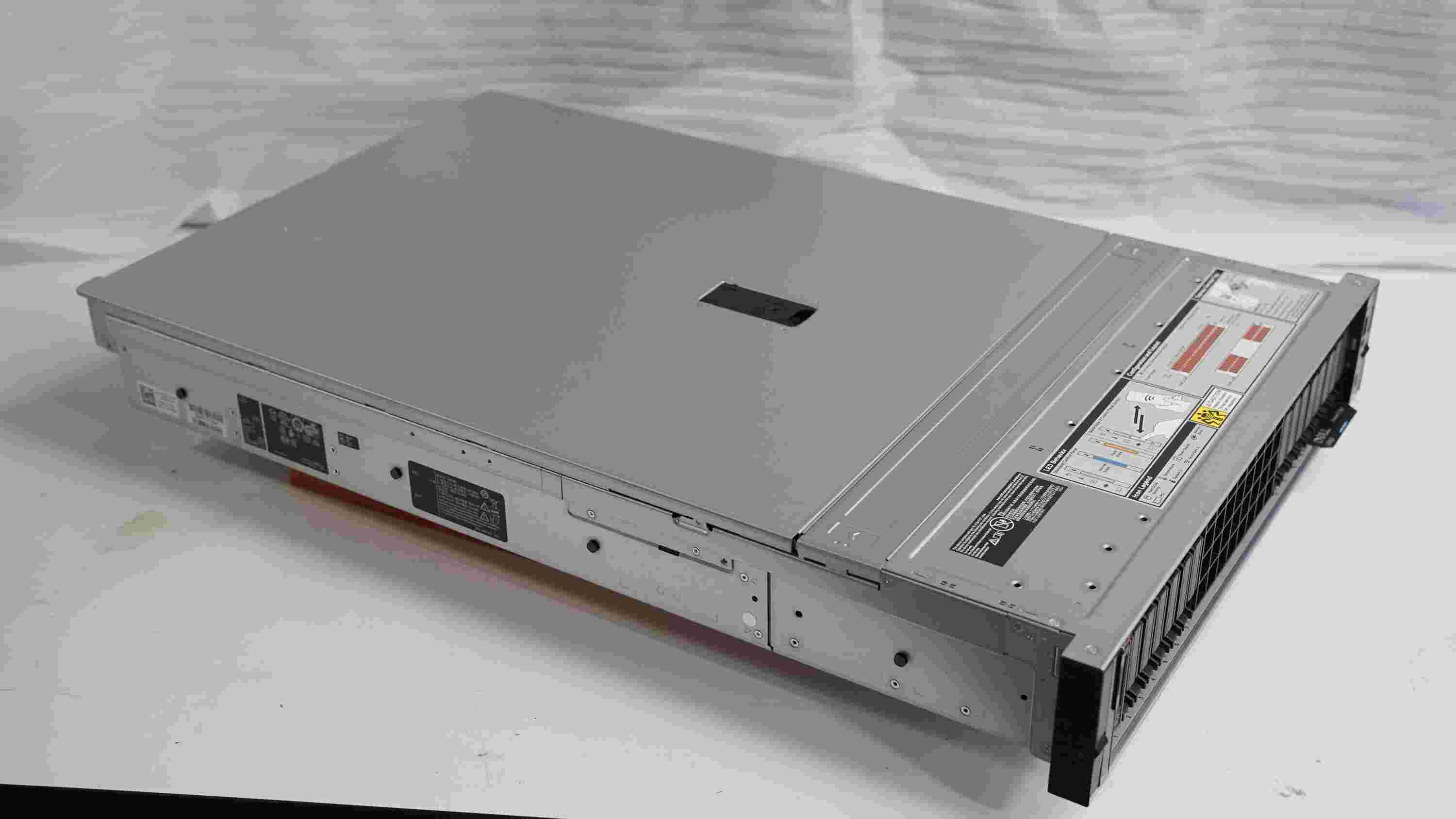
High-reliability server configurations and storage systems designed to work with our enterprise memory modules for demanding workloads.
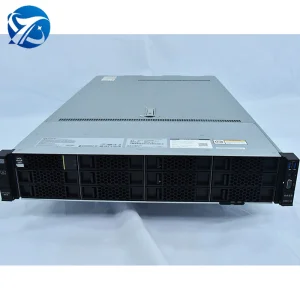
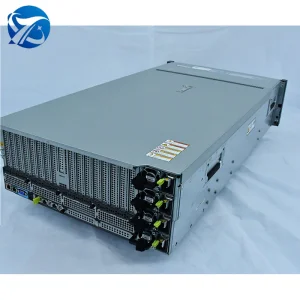
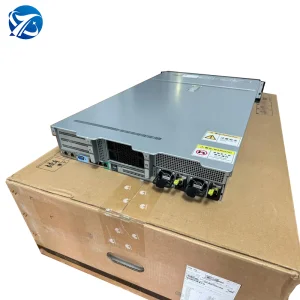
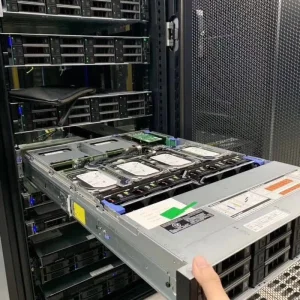
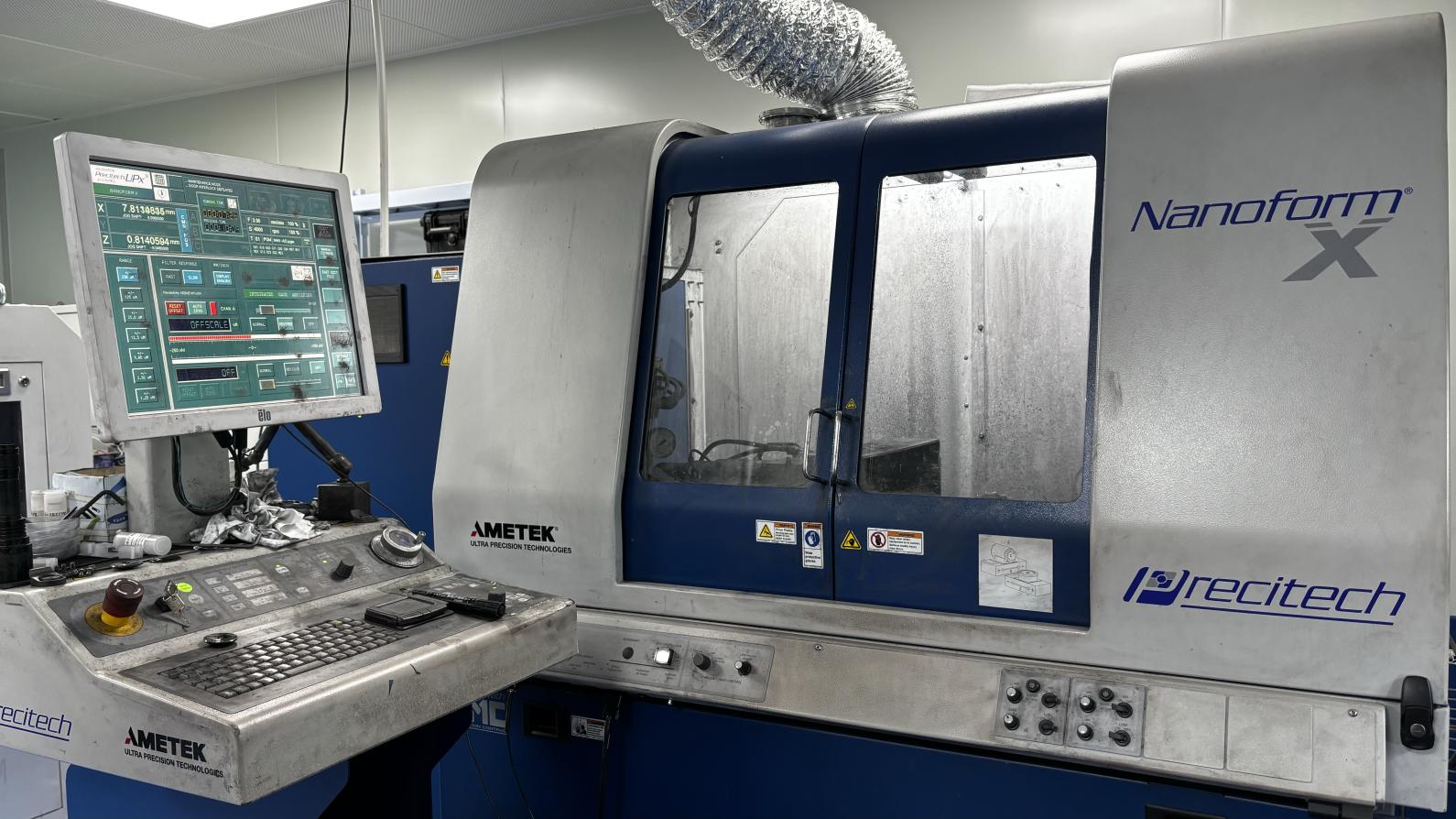
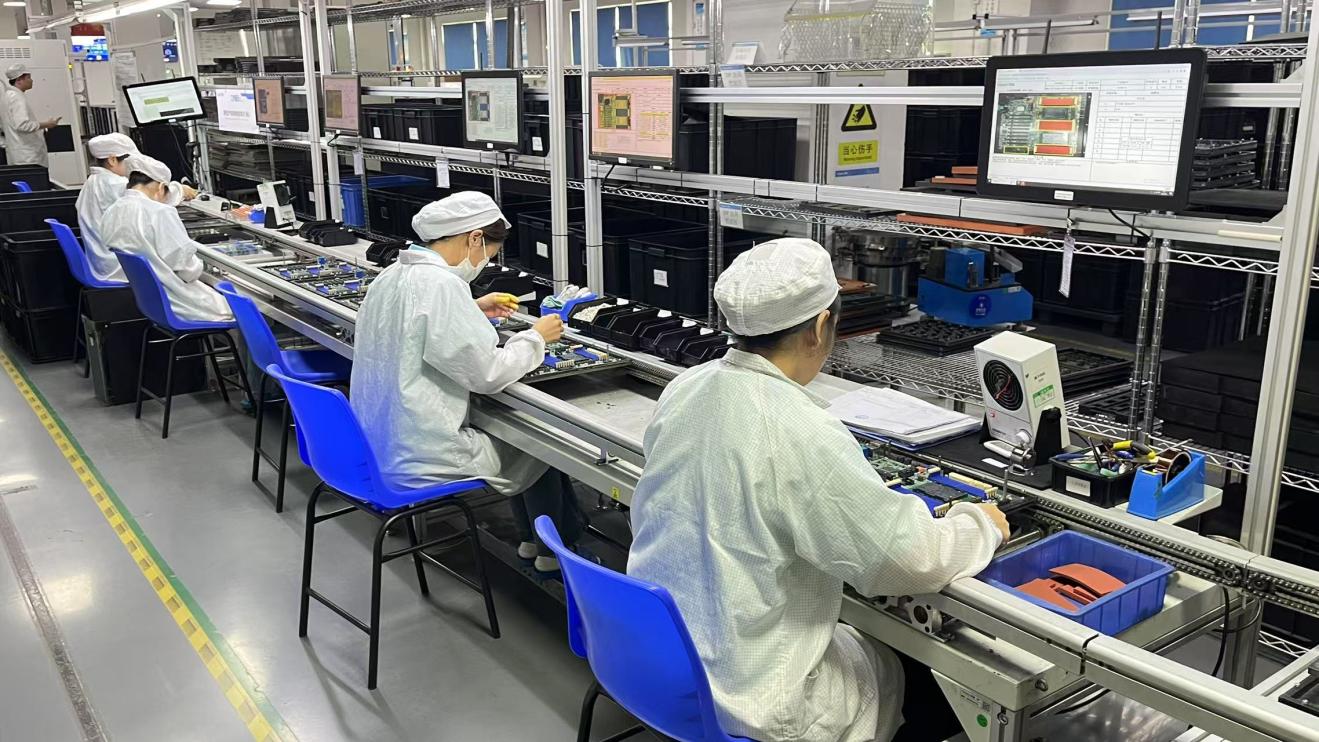
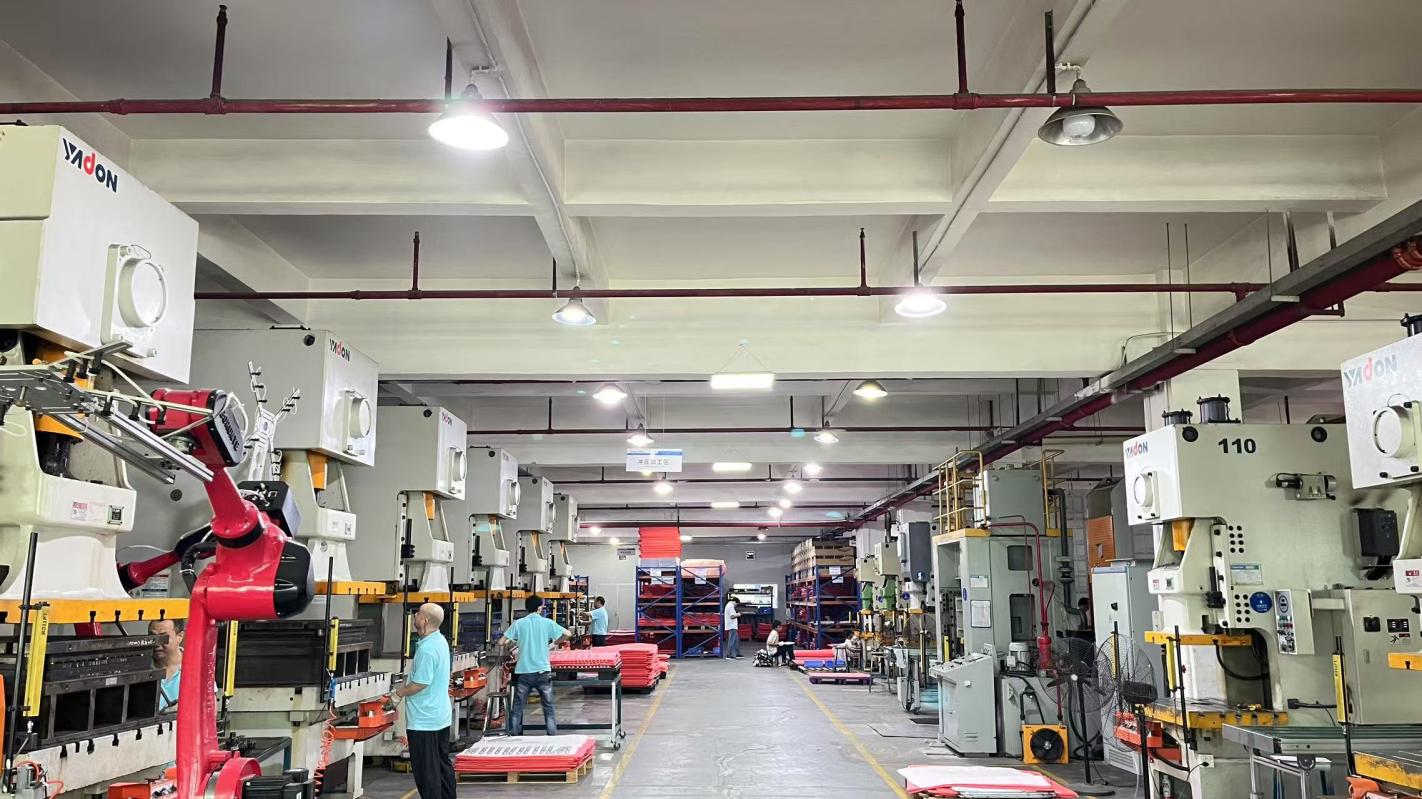
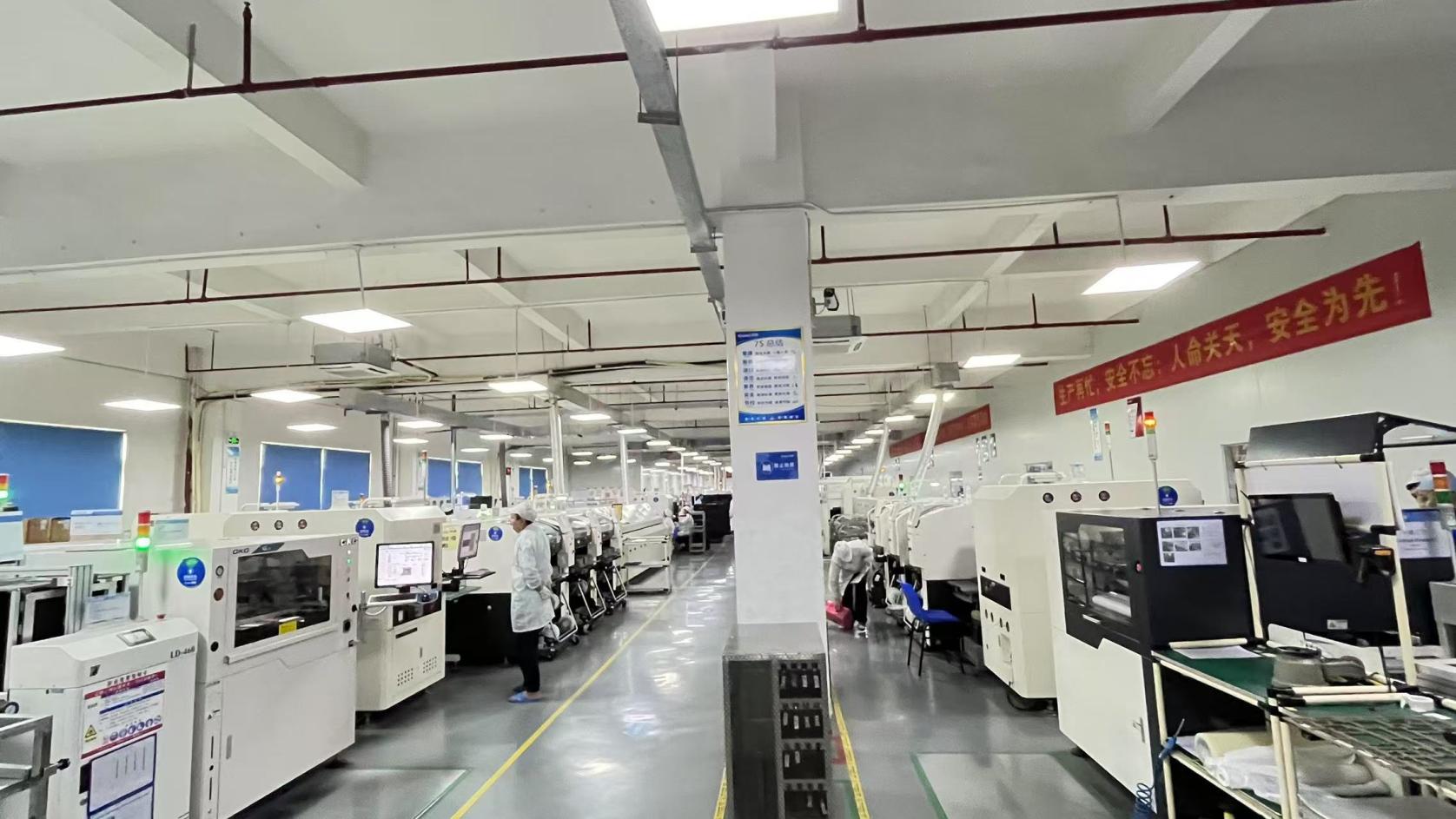
A visual tour of our production facilities, cleanroom assembly zones, and electronic engineering test floors.

ISO 9001/14001
Certified Production Processes
Technical answers about memory technologies, hardware compatibility, and deployment guidelines for enterprise systems.
Contact our technical sales team for engineering specifications, volume pricing, and customization options for your data center infrastructure.
Send Inquiry Now