 Borevo
Borevo
Borevo
Enterprise-grade, rigorous stress-tested DDR4 ECC Registered memory modules designed for high-density computing clusters, hosting deployments in Frankfurt, and Munich-based AI training platforms.
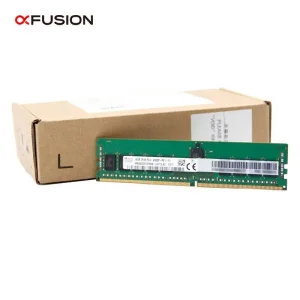
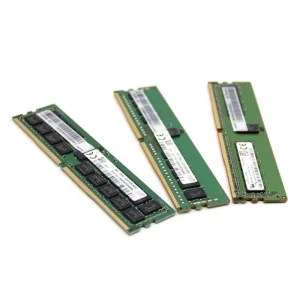
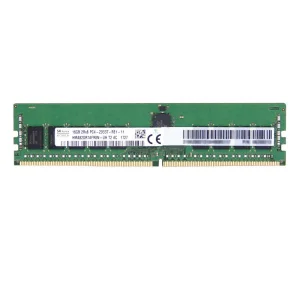
Germany stands as the digital backbone of continental Europe, driven primarily by the colossal hosting infrastructure in Frankfurt (home to DE-CIX, the world's leading Internet Exchange), and high-performance computing centers in Munich, Stuttgart, and Berlin. This dense ecosystem places immense demands on enterprise-level computing components. Server RAM (Random Access Memory) operates as the primary catalyst for transaction speed, database query performance, and virtualization densities within these environments.
In mission-critical enterprise environments across Germany, system downtime can cost upwards of thousands of Euros per minute. Our ECC (Error-Correcting Code) modules play a vital role in preventing silent data corruption by detecting and correcting single-bit memory errors on the fly. By utilizing Registered DIMM (RDIMM) structures with a physical register buffer, electrical loads on the memory controller are significantly reduced, enabling German IT managers to scale memory capacities to extreme heights (up to 64GB per module and beyond) without compromising system stability.
With European Union green mandates and the rising cost of industrial electricity in Germany, power-efficient infrastructure is crucial. The modules presented here feature low operating voltages of 1.2V, yielding a substantial reduction in power consumption and thermal dissipation when compared to legacy 1.5V technologies. This translates directly to lower Power Usage Effectiveness (PUE) ratios for data center facilities complying with local climate targets.
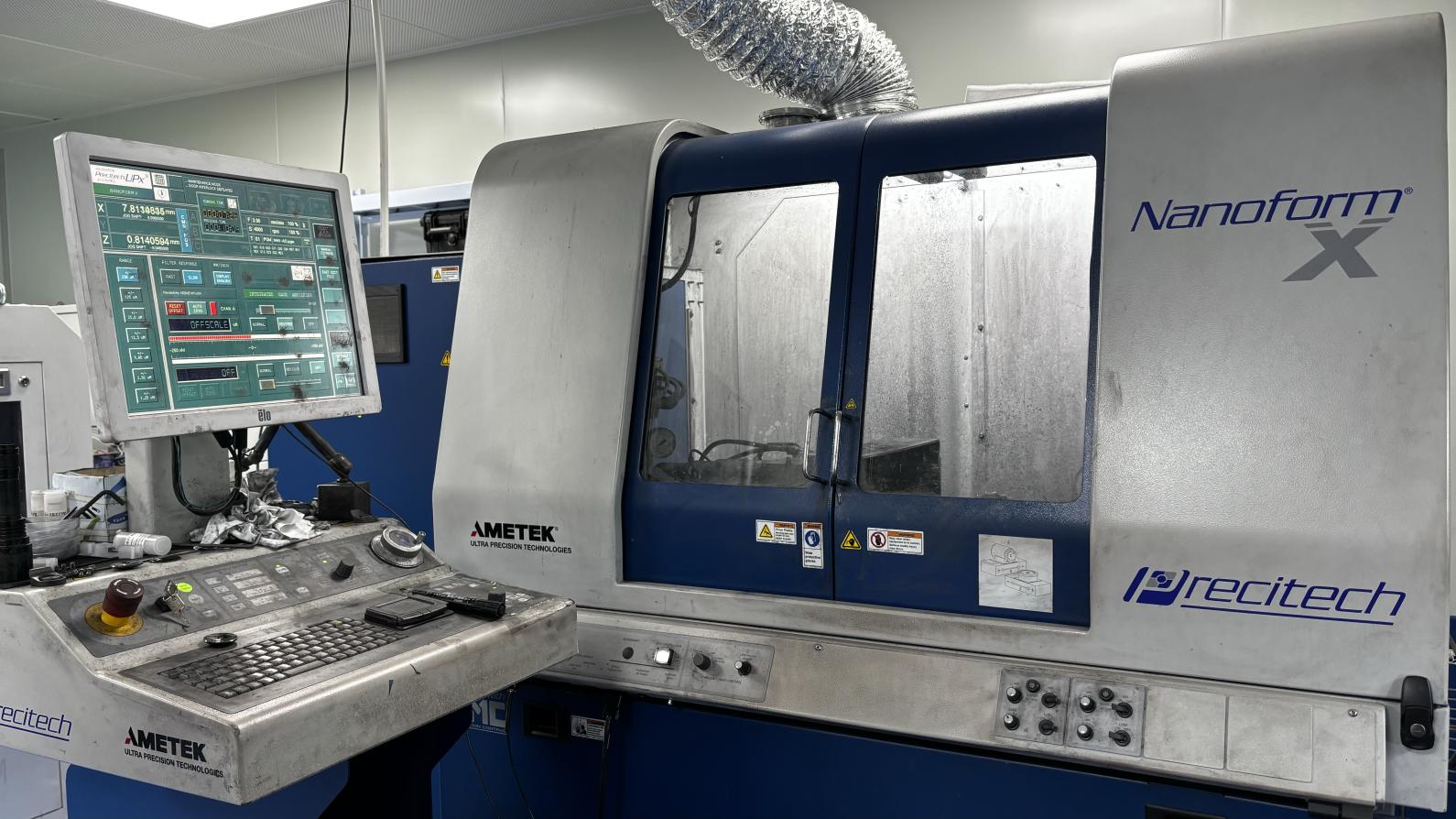
A global leader in high-performance hardware and customized storage solutions. Our capabilities perfectly align Chinese supply chain agility with German precision engineering standards.
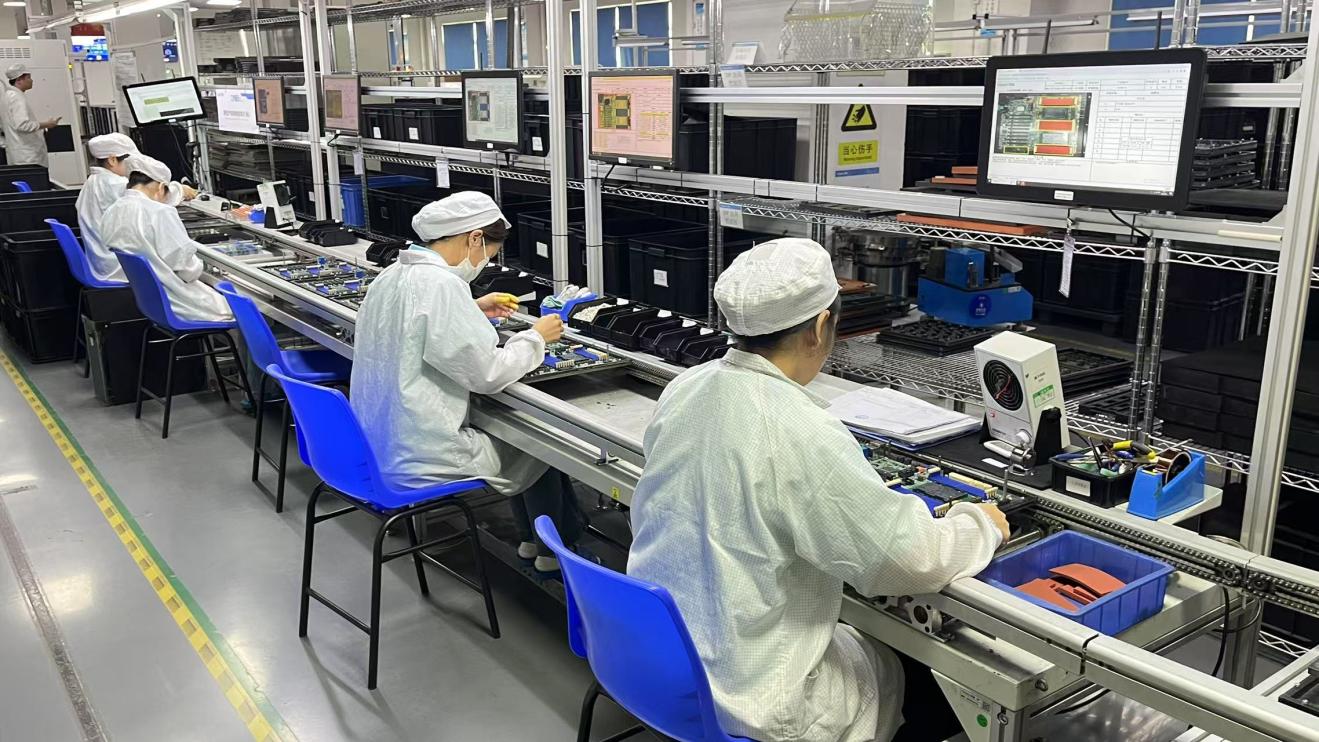
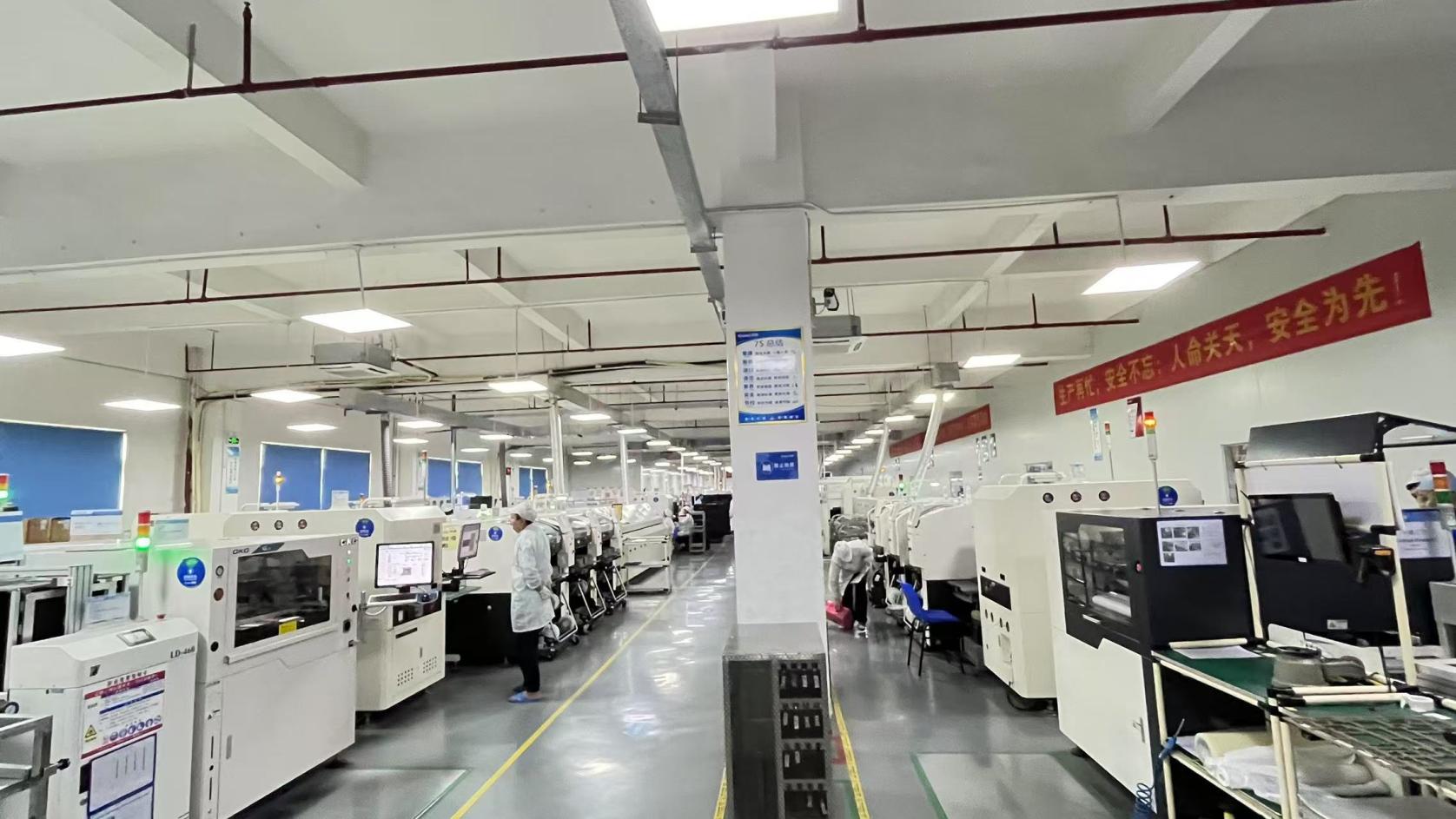
Quality control is the bedrock of our business model. With a dedicated team of 45 QC personnel, we employ multi-tier testing protocols, including:
Supported by 180 R&D engineers, we introduced 120 new server-oriented hardware products last year alone. Our capabilities extend beyond standard configurations to specialized BIOS adaptations, custom component layout, customized thermal solutions, and firmware tuning. These services are tailored for complex software environments such as VMware ESXi, Proxmox VE, and enterprise-grade Linux systems used across Germany.

Borevo understands that procuring server memory modules for German and European clients requires strict adherence to international and local regulatory standards. Hardware failure is not the only risk; regulatory misalignment can also lead to legal and operational challenges.
| Compliance Standard | Operational Significance for Germany | Borevo’s Compliance Implementation |
|---|---|---|
| CE Certification | Mandatory conformity marking for products sold within the European Economic Area (EEA). | All Server RAM modules undergo rigorous testing for electromagnetic compatibility (EMC) and electrical safety before dispatch. |
| RoHS Directive | Restricts the use of specific hazardous substances (e.g., Lead, Cadmium, Mercury) in electrical devices. | Lead-free soldering processes and environmentally safe PCB substrates are standard across all RAM production lines. |
| WEEE Compliance | Regulates the proper disposal and recycling of electrical and electronic waste. | Strategic partnerships with registered local European recycling bodies to support end-of-lifecycle product recovery. |
| TISAX / ISO 27001 Alignment | Crucial for components deployed in the German automotive sector. | Production and quality testing data are managed under strict information security management guidelines, ensuring supply chain integrity. |
To address the strict SLA (Service Level Agreement) requirements of German enterprise customers, Borevo works with local logistics partners to ensure expedited custom clearance and direct delivery to hubs in Frankfurt, Munich, and Hamburg. We offer technical documentation, installation manuals, and configuration support in English and German to simplify integration for system administrators.
Local German system integrators often face long lead times from domestic distributors. Borevo offers a responsive supply alternative. We maintain strategic inventories of major components and high-capacity DRAM dies, ensuring rapid configuration, testing, and shipping. This helps clients keep complex server upgrade projects on schedule.
Industrial digitalization in Germany (Industry 4.0) relies on robust computing pipelines. From edge controllers on factory floors in Baden-Württemberg to multi-node AI clusters in Berlin, the demand for high-capacity memory is growing. Borevo bridges the gap between raw manufacturing scale and localized deployment:
By sourcing memory dies directly from leading semiconductor manufacturers (Samsung, SK Hynix, and Micron), we ensure consistent performance and compatibility. Each production run is fully documented, providing German clients with transparent component tracing (down to the silicon wafer batch level).
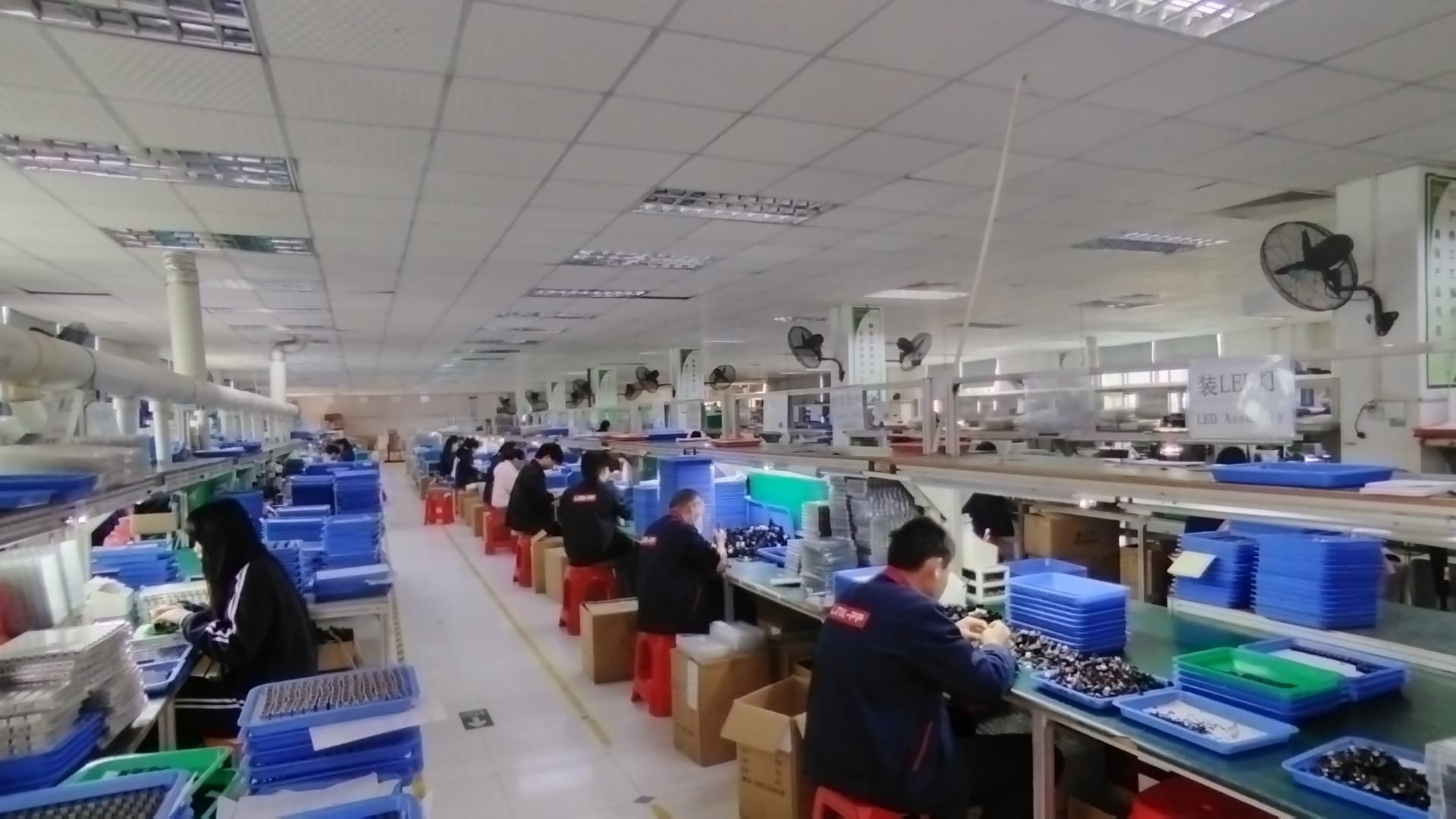
Our 18,600 ㎡ manufacturing facility provides economies of scale that help lower unit costs. This cost advantage allows German enterprises to optimize their IT procurement budgets without sacrificing reliability or product longevity.
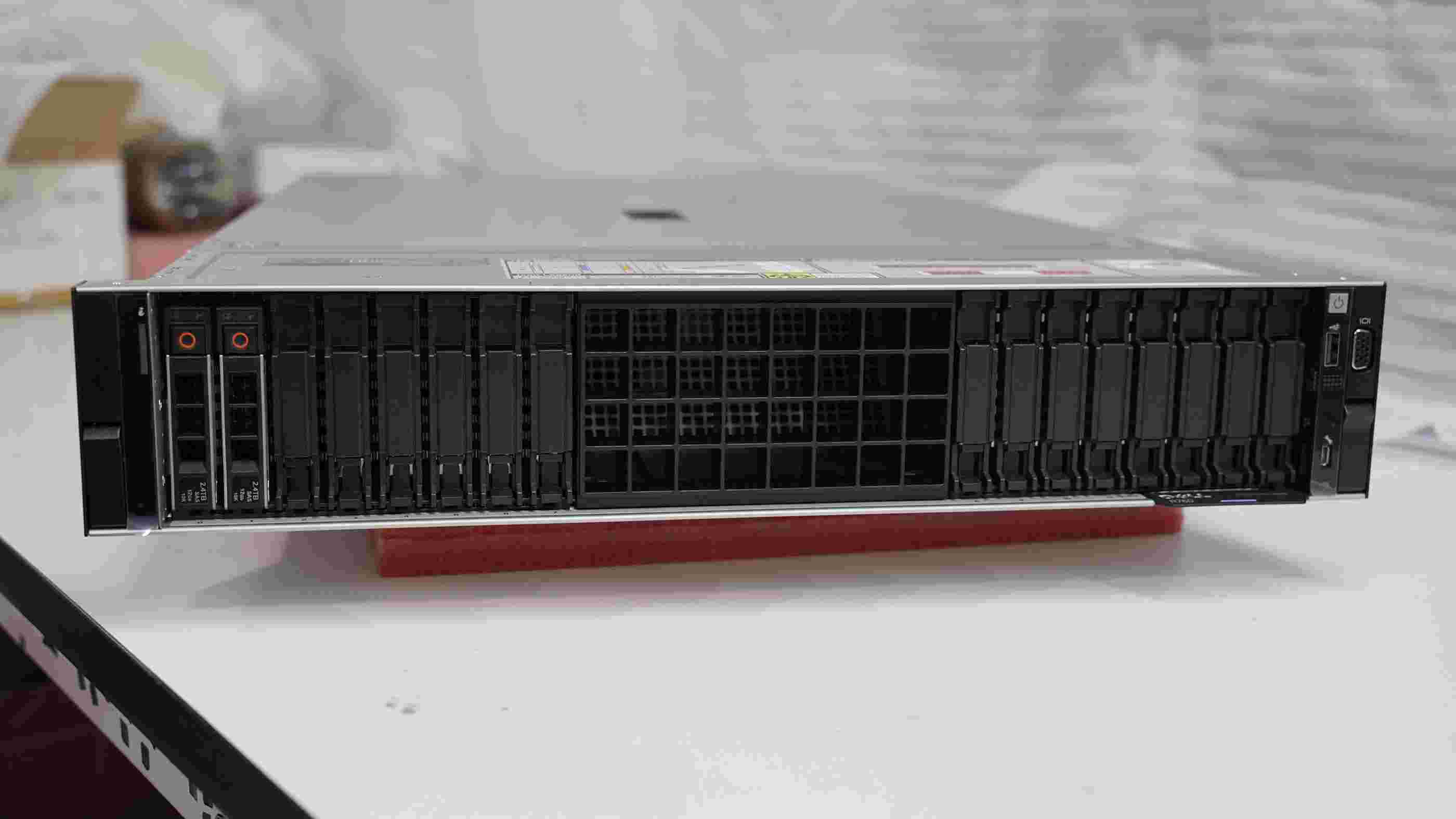
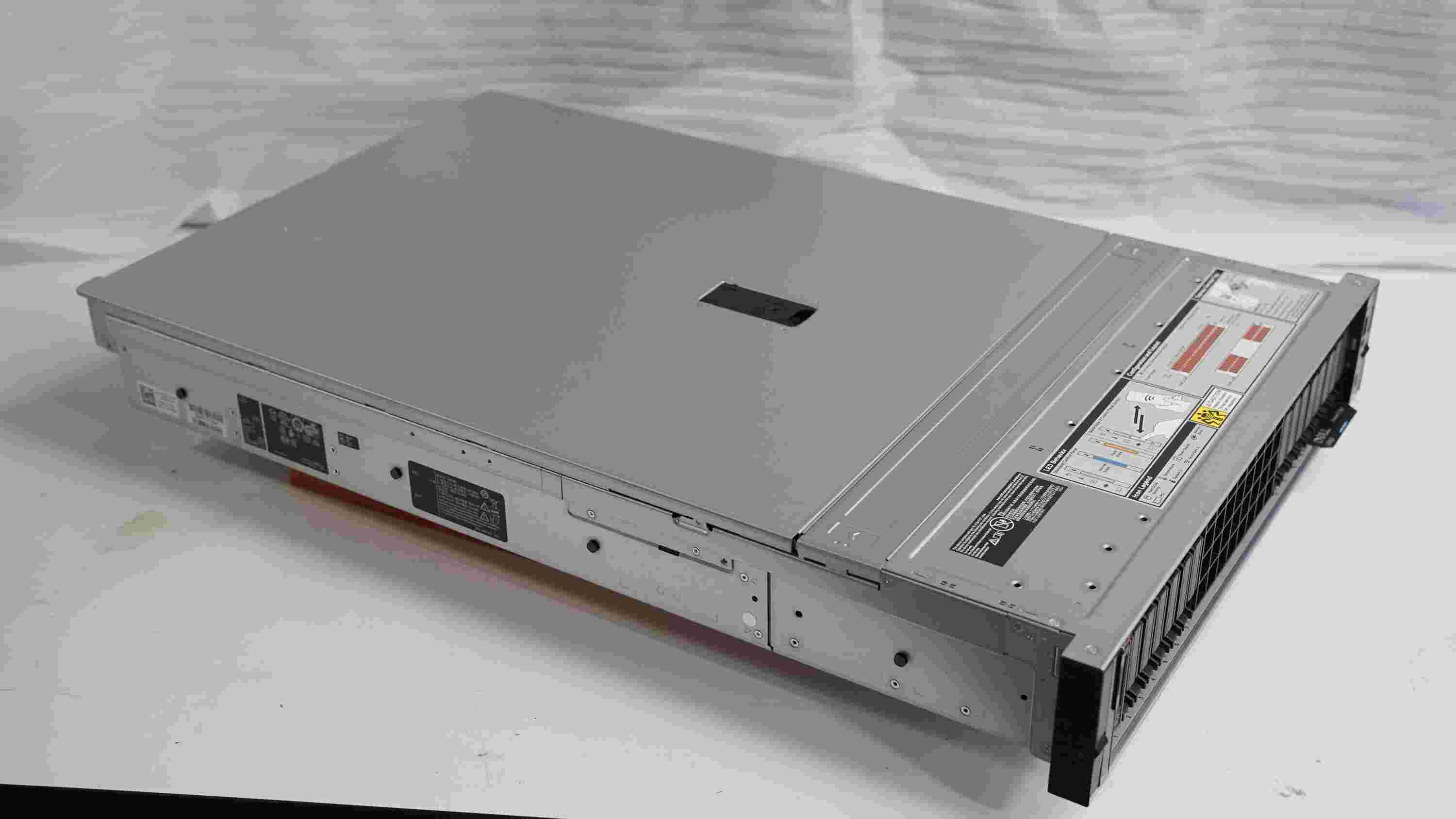
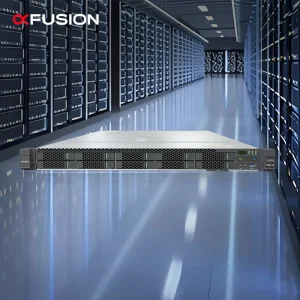
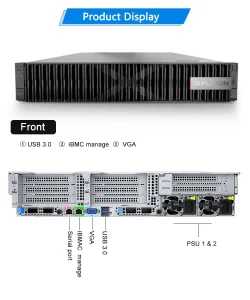
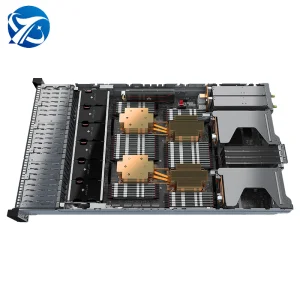
To support our memory modules, we offer a range of validated enterprise components, storage systems, and rackmount servers designed for stable performance in German data center environments.
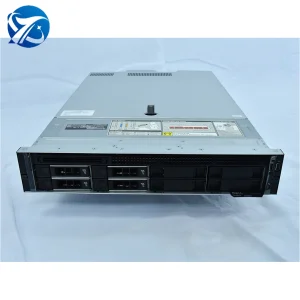
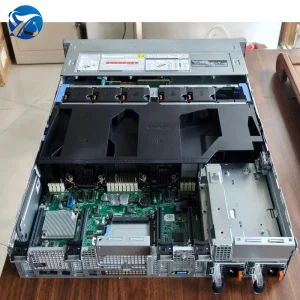
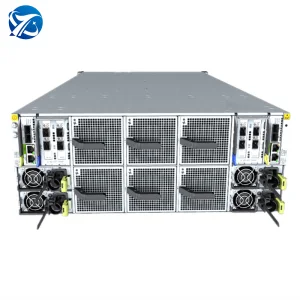
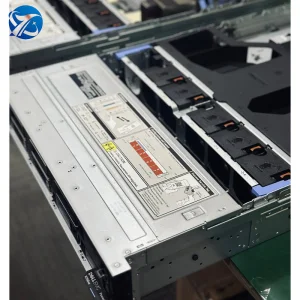
The European server ecosystem is transitioning, driven by complex workloads like machine learning, high-frequency financial trading, and real-time simulations in the German automotive sector. These applications are pushing traditional memory architectures to their limits.
DDR4 remains widely used due to its maturity, reliability, and cost-effectiveness. However, DDR5 is gaining adoption for newer platforms. DDR5 offers higher data rates, starting at 4800MT/s, and features on-die ECC. On-die ECC manages errors at the individual chip level, helping to reduce the workload on the system's main CPU memory controller.
The adoption of CXL (Compute Express Link) protocol standards represents a significant shift in data center architecture. CXL enables shared memory pools between CPUs, GPUs, and specialized accelerators. This architecture helps reduce latency and allows for more flexible memory resource allocation across modern virtualization clusters in Germany.
Our high-performance memory modules are designed to integrate seamlessly into diverse applications across the German industrial landscape:
For large-scale cloud service providers operating in the Frankfurt area, high-density DDR4 ECC RDIMMs (32GB and 64GB) help maximize VM density per node. Error correction capabilities keep systems stable, helping providers meet strict SLAs.
Autonomous driving platforms and automotive design environments in Munich require substantial memory bandwidth. High-speed, low-latency (0.625ns, 3200MHz) memory kits help keep data flowing smoothly to GPUs and accelerators during heavy workloads.
Industrial computers operating on smart factory floors require components that can withstand fluctuating environments. Our thermal-stressed modules are built to deliver reliable performance in these challenging edge locations.
Banking applications require high security and stability. ECC memory helps prevent transactional data corruption, supporting compliance with strict national regulatory frameworks.
Detailed answers regarding compatibility, logistics, regulatory compliance, and customized ordering protocols.
Partner with Borevo AI Infrastructure to secure stable supply lines, competitive pricing, and certified quality for your server configurations. Contact our team to request detailed technical datasheets, compatibility audits, or a direct quote.
* We usually respond to business inquiries from qualified system integrators, data center operators, and OEMs within one business day.