Borevo
Strategic Insights: Network Infrastructure in the United Arab Emirates
The United Arab Emirates (UAE) is rapidly positioning itself as the leading digital capital of the Middle East, driven by visionary national initiatives including the Dubai Economic Agenda (D33) and the UAE Strategy for Artificial Intelligence 2031. As smart cities, hyper-scale cloud data centers, and advanced artificial intelligence workloads proliferate throughout Abu Dhabi and Dubai, the demand for enterprise-grade, high-capacity, low-latency networking equipment has experienced exponential growth. Within this dynamic ecosystem, the selection of reliable, certified network switch manufacturers and exporters is no longer just a purchasing decision—it is a critical imperative for ensuring business continuity, strategic scalability, and national cybersecurity alignment.
1. Industrial & Commercial Networking Trends in the UAE
Modern commercial frameworks in the UAE are characterized by highly integrated cyber-physical infrastructures. High-frequency trading hubs in the Dubai International Financial Centre (DIFC) and Abu Dhabi Global Market (ADGM), combined with extensive oil and gas automation pipelines (ADNOC), require network backbones capable of nanosecond latency and high bandwidth capacity. Layer 3 Core Network Switches, with optical interfaces operating at 10G, 40G, 100G, and even 400G configurations, serve as the backbone of these deployments. The shift toward software-defined networking (SDN) and multi-tenant hyperconverged infrastructures (HCI) demands switches that support virtualization protocols, segment routing, and intelligent traffic management.
Furthermore, local network policies demand stringent energy-efficiency profiles. In alignment with the UAE Net Zero 2050 strategic initiative, global enterprises setting up regional offices or large-scale data hosting facilities must procure networking switches equipped with advanced cooling architectures, intelligent energy-management firmware, and eco-friendly manufacturing profiles. This has driven the industry toward next-generation hardware that integrates robust physical heat dissipations alongside state-of-the-art software-defined power controls.
2. Global Procurement Dynamics and UAE Requirements
Procuring network equipment for distribution in the Middle East demands adherence to complex supply chain regulations, logistics protocols, and localized technological standards. The Telecommunications and Digital Government Regulatory Authority (TDRA) in the UAE enforces rigorous conformity standards to ensure all active telecommunication equipment aligns with local electromagnetic compatibility (EMC) and radio frequency guidelines. For systems deployed in critical environments, compliance with international standards such as CE, FCC, RoHS, and UL is mandatory.
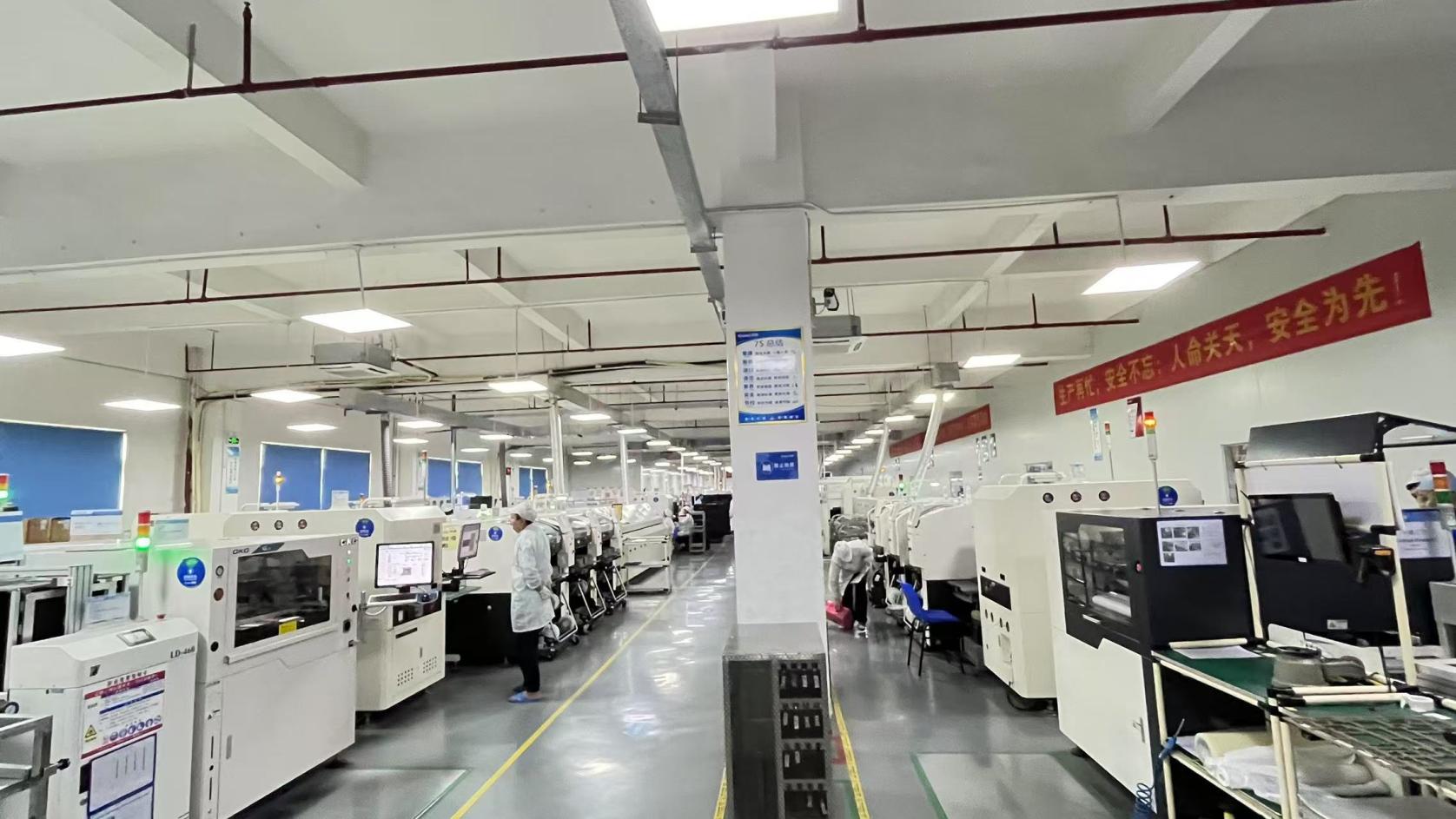
Enterprise procurement specialists increasingly look to manufacturers that provide secure, audited supply chains, minimizing the risk of third-party firmware manipulation. Reliable manufacturers must offer comprehensive hardware documentation, cryptographic verification of operating systems, and flexible OEM/ODM options to customize port layouts, cooling dynamics, and management interfaces according to distinct operational environments.
3. Macro-Industry Solutions: Integrating Switch Technology and AI Compute
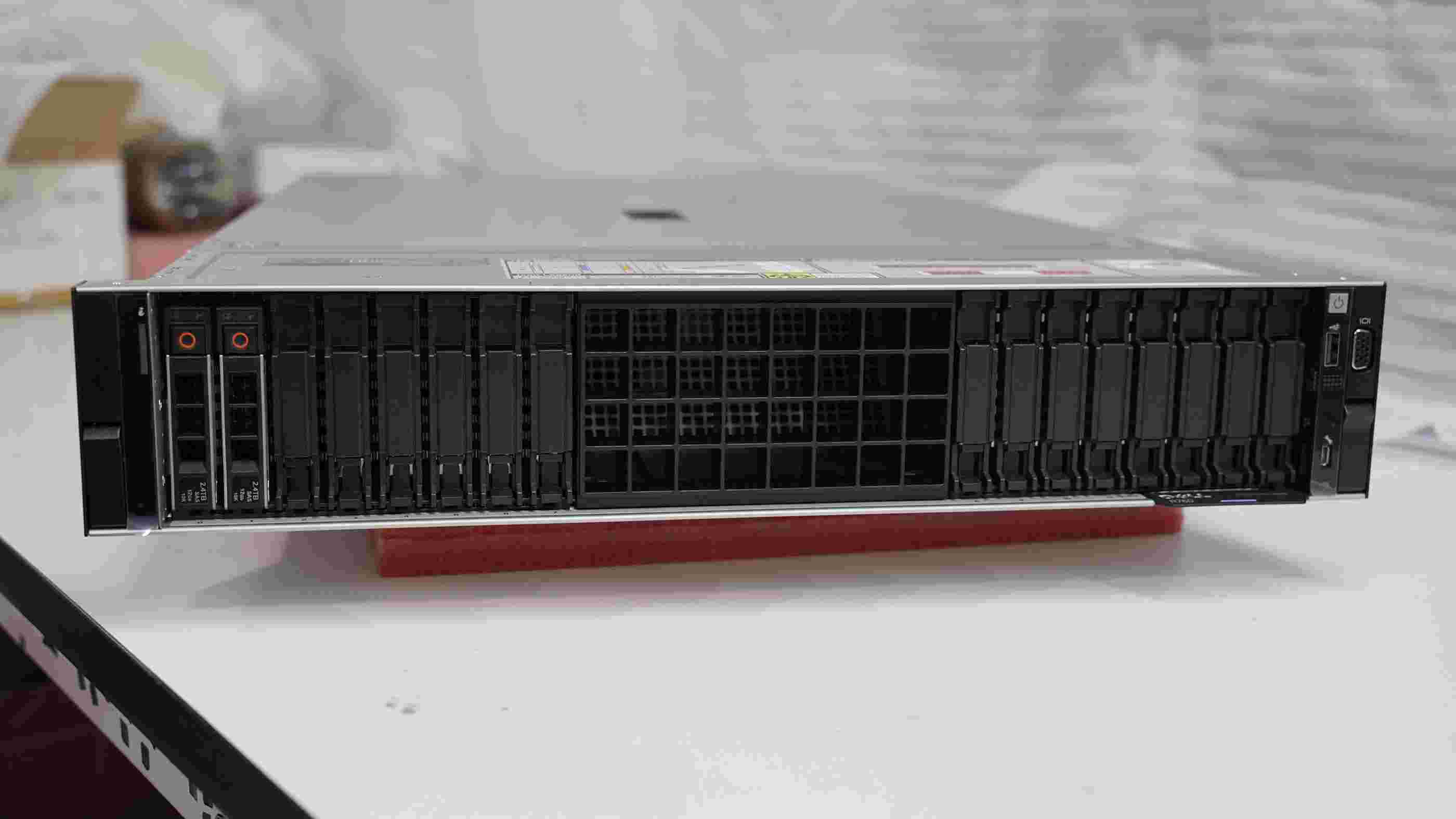
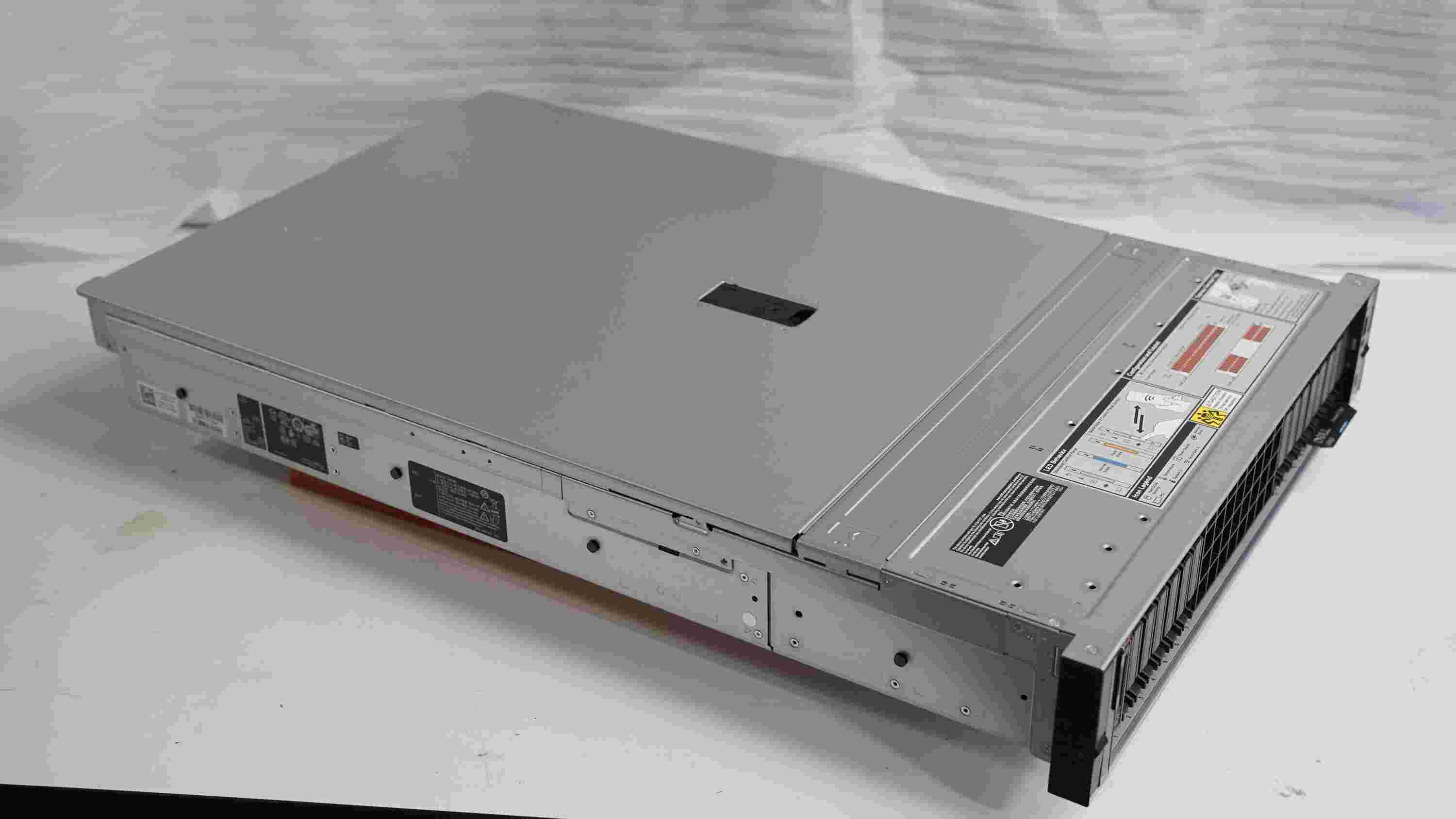
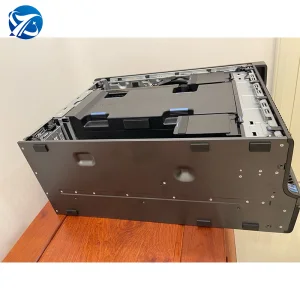
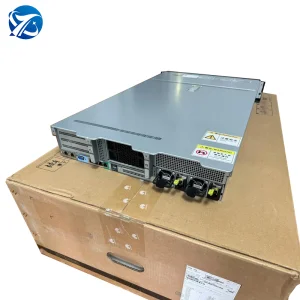
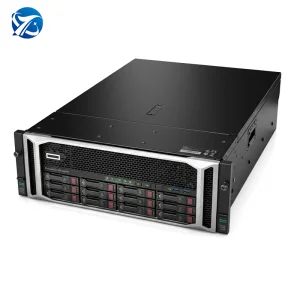
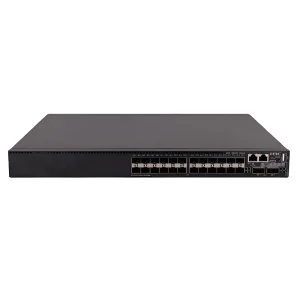
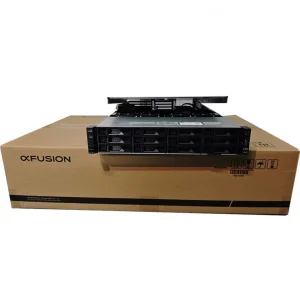
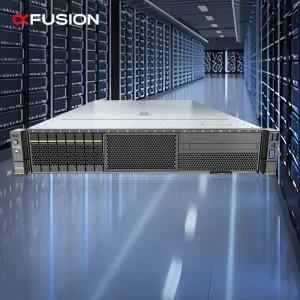
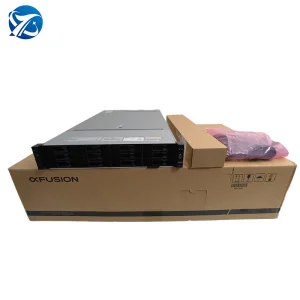
In the age of generative AI and large language models (LLMs) like DeepSeek, network switches do not operate in isolation. They form a unified fabric with specialized GPU compute systems, hyperconverged servers, and network-attached storage (NAS) devices. For instance, high-speed optical switches like the H3C S6520X-30QC-EI act as the vital interconnect within racks containing massive computing nodes like the xFusion 2288H V7 and DEll PowerEdge R960.
By leveraging features like RoCE (RDMA over Converged Ethernet) and low-latency packet processing, these switches prevent data transfer bottlenecks, ensuring that costly GPU infrastructure is fully utilized during deep learning training and inference cycles. Whether managing traffic for smart traffic management networks in Abu Dhabi, powering automated port operations in Jebel Ali, or hosting secure banking transactions, these macro-industry solutions depend on seamless, high-throughput network architectures.