Borevo
Borevo
Borevo
Premium Layer-3 core switches and high-density GPU computing servers customized for Swiss FinTech, Edge Nodes, and Hyperscale deployments.
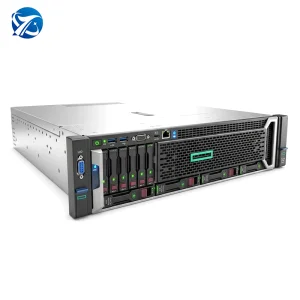
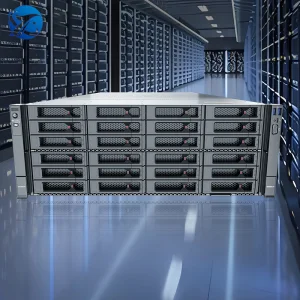
A technical whitepaper analyzing local integration standards, low-latency architectures, and high-performance switches in Swiss Canton regions.
As one of the world's most sophisticated digital economies, Switzerland maintains unique structural demands regarding data orchestration and physical networking hardware. With Zurich and Geneva operating as tier-1 global financial hubs, alongside the emergence of "Crypto Valley" in Zug and high-security storage complexes nestled in the Swiss Alps, network architecture must offer robust parameters for latency, energy conservation, and operational reliability. Today's Swiss enterprises are steadily moving away from general-purpose, non-optimized hardware in favor of tailored networks capable of handling heterogeneous workloads with minimal packet loss.
A key driver of this upgrade cycle is the Swiss Federal Act on Data Protection (FADP), which took effect in late 2023. The FADP mirrors many elements of the EU's GDPR but introduces specific provisions concerning data sovereignty and physical storage. Consequently, local operators demand core switch systems configured for complete isolation, high throughput, and explicit VLAN configurations. Borevo AI Infrastructure (China) Co., Ltd. addresses this segment by exporting core Layer-3 switches and rackmount servers that integrate smoothly with Swiss private and hybrid cloud topologies.
Financial clusters and trading nodes in Zurich require network round-trip times (RTT) minimized to sub-microsecond levels. Implementing deep-buffer, all-optical switches with high-density QSFP ports helps prevent buffer exhaustion under micro-burst traffic patterns, ensuring continuous compliance with FINMA requirements.
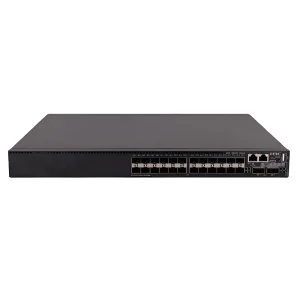
Modern Swiss industrial systems, particularly those related to precision manufacturing (e.g., watchmaking, biotechnology, and medical technology), rely heavily on Time-Sensitive Networking (TSN) standards. The integration of H3C S6520X structures within these environments supports advanced Layer-3 routing protocols, multi-service deployment, and VXLAN overlays. This setup enables industrial plants in Cantons like Neuchâtel or Solothurn to bridge IT networks and OT machinery without performance loss or security risks.
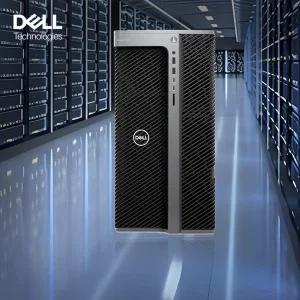
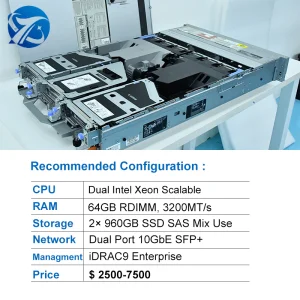
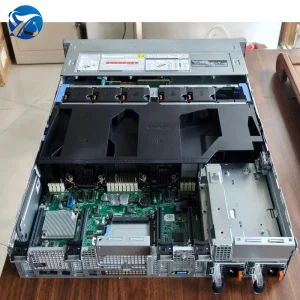
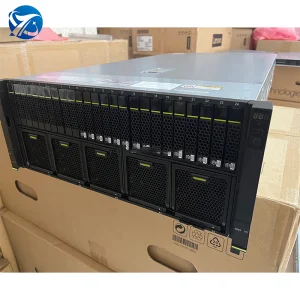
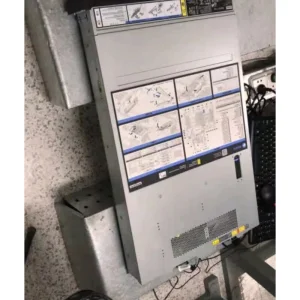
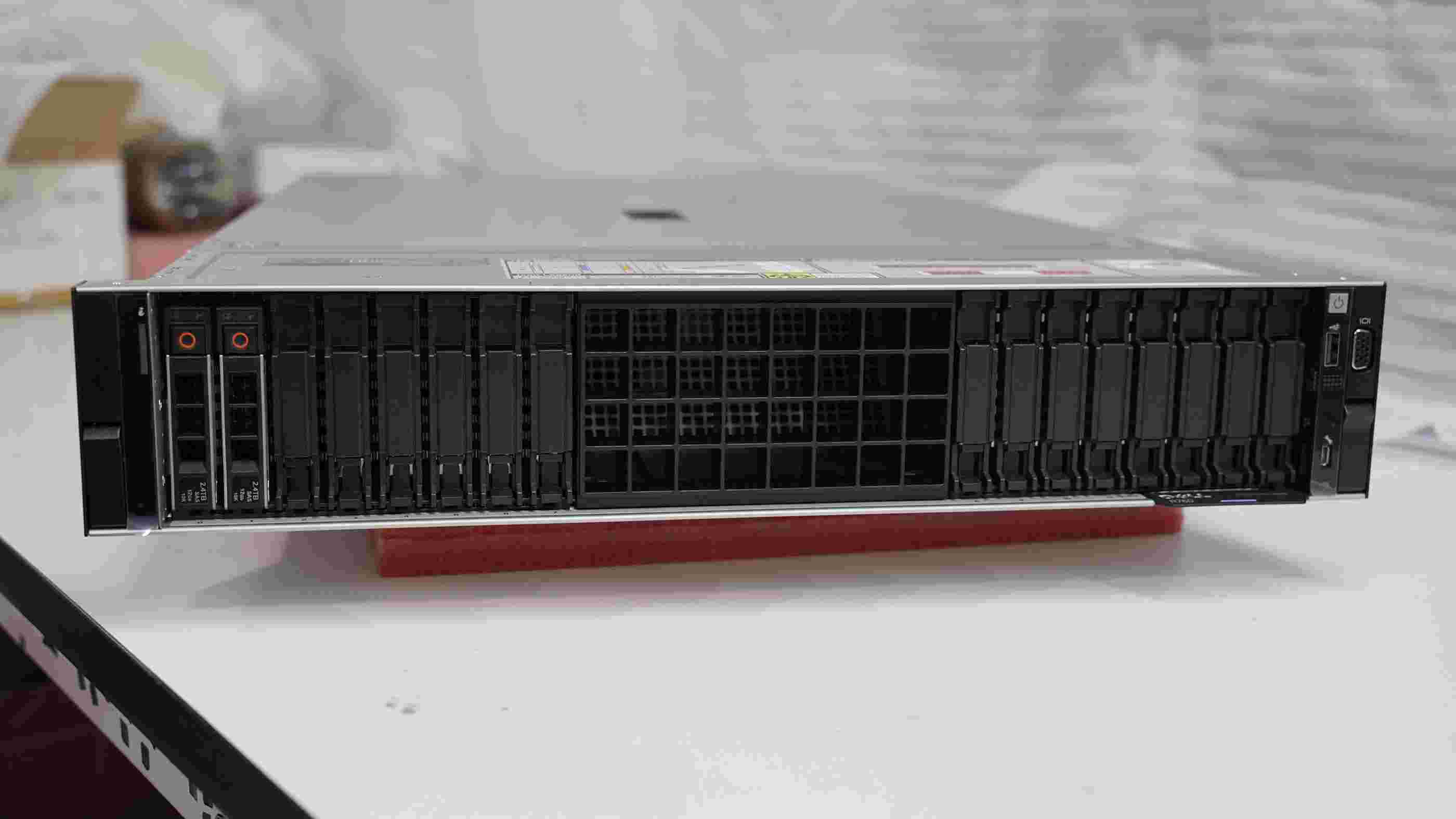
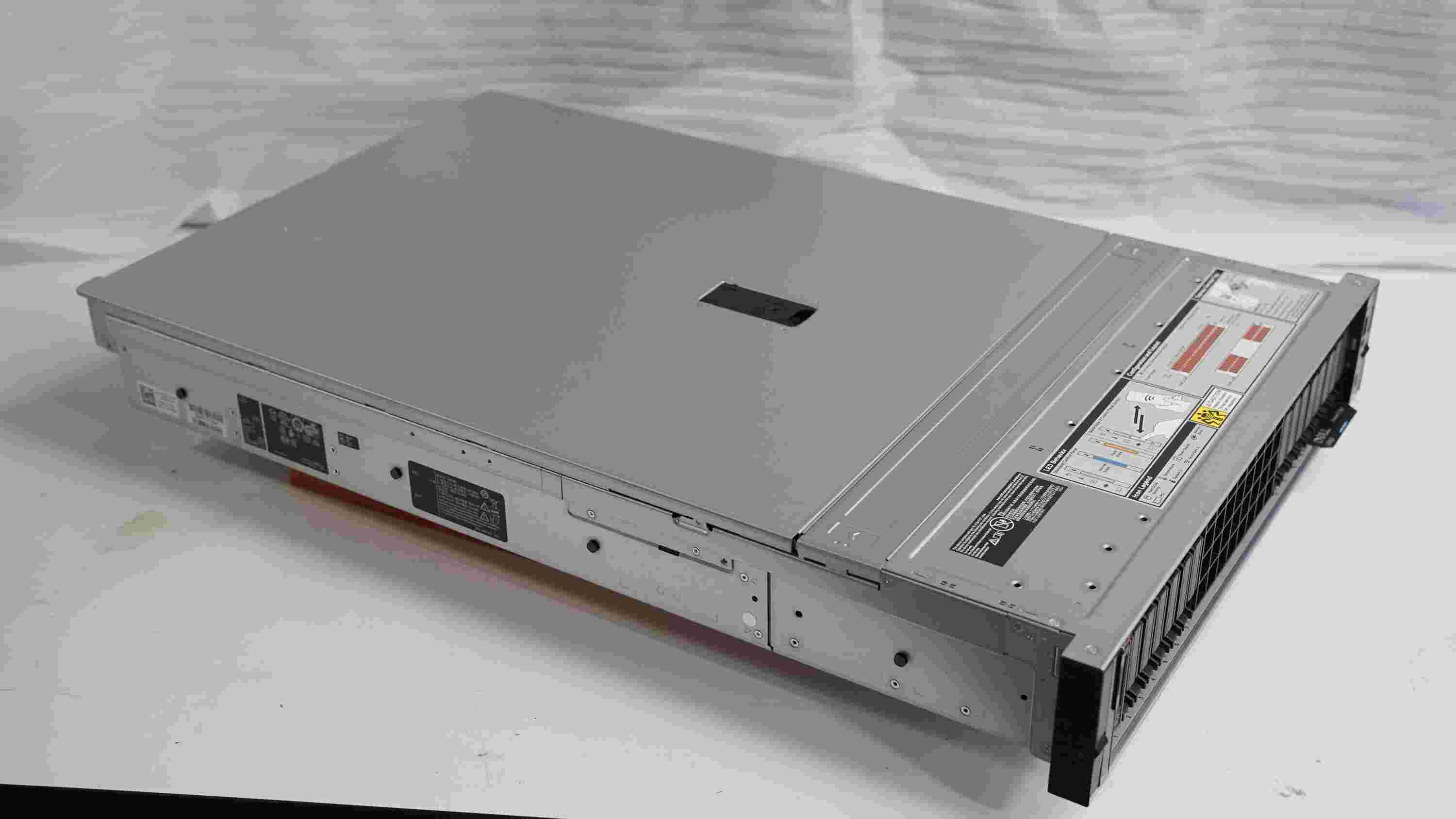
Moreover, the thermal efficiency of rack servers (such as the xFusion FusionServer series or Dell PowerEdge frameworks) represents a crucial metric for Swiss green data center certifications. Due to high energy tariffs and strict local laws targeting carbon neutrality, Swiss facilities actively prioritize servers configured with intelligent power management systems, high-efficiency Titanium PSUs, and compatibility with cold-aisle containment systems.
Dual-socket network rack enclosures and computing modules optimized for Swiss decentralized enterprise storage.
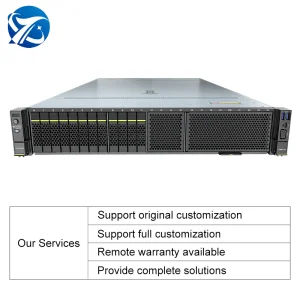
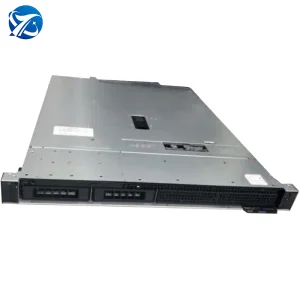
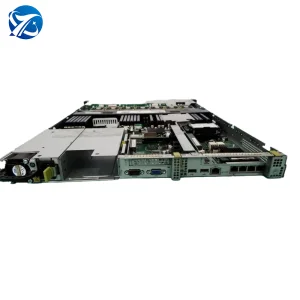
How specialized manufacturing plants deliver cost-efficiency, strict quality assurance, and global logistics capability.
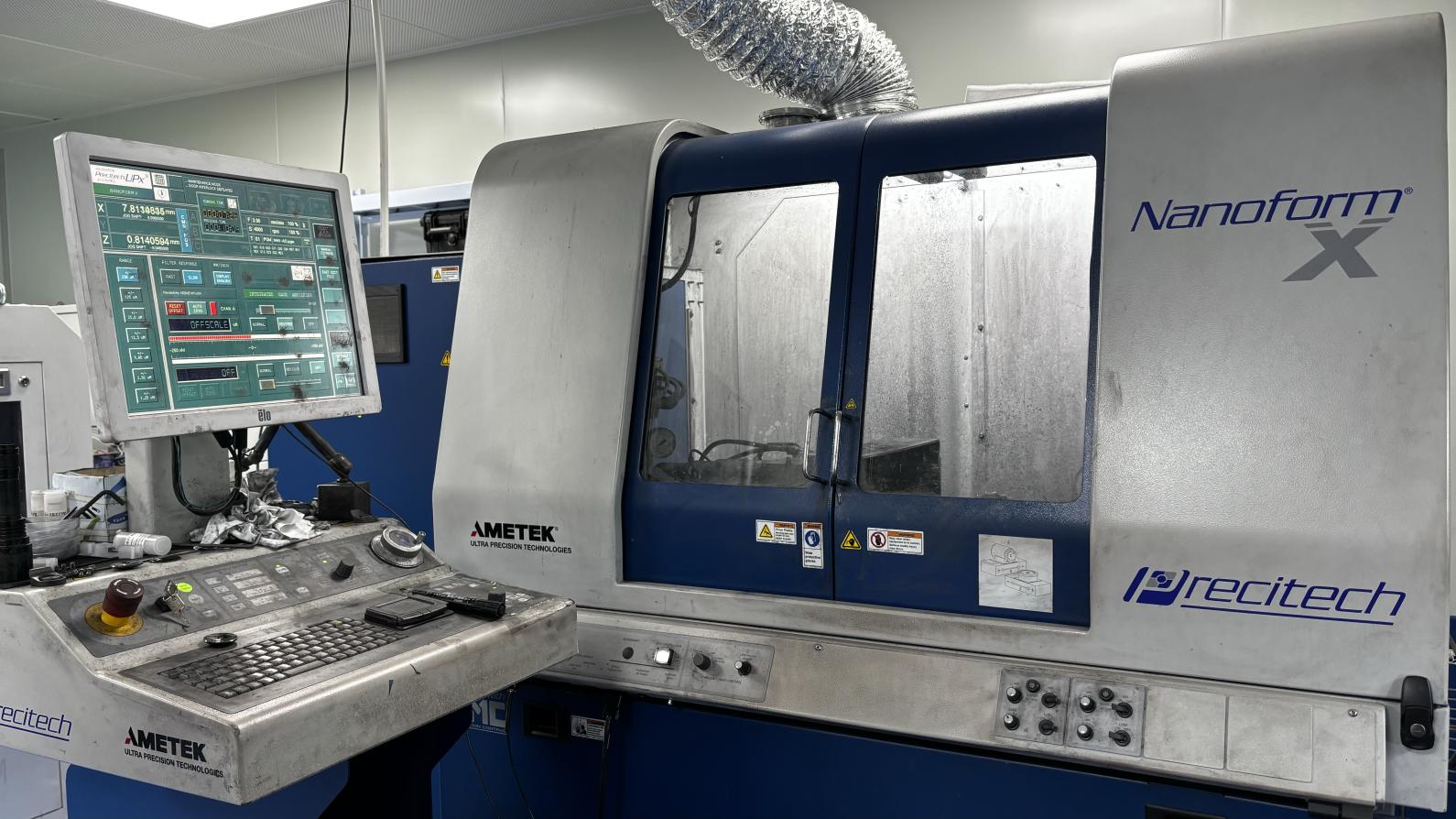
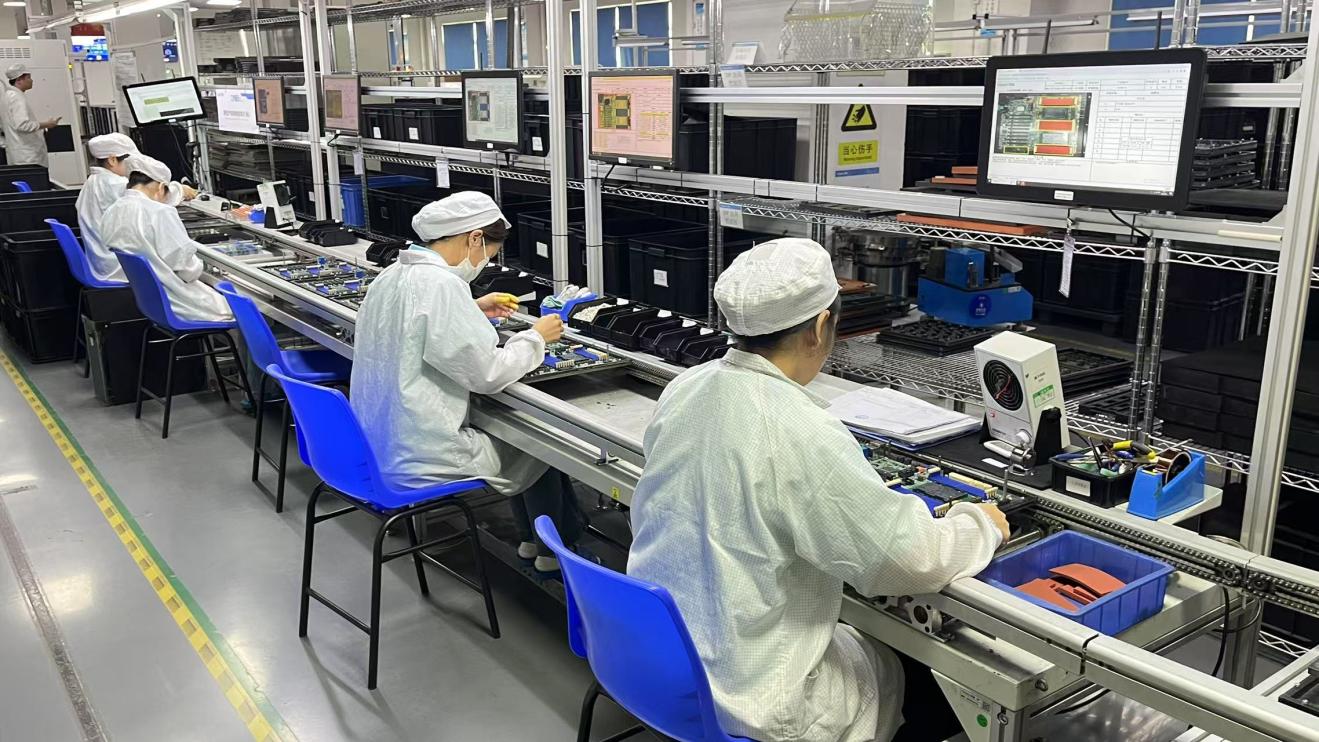
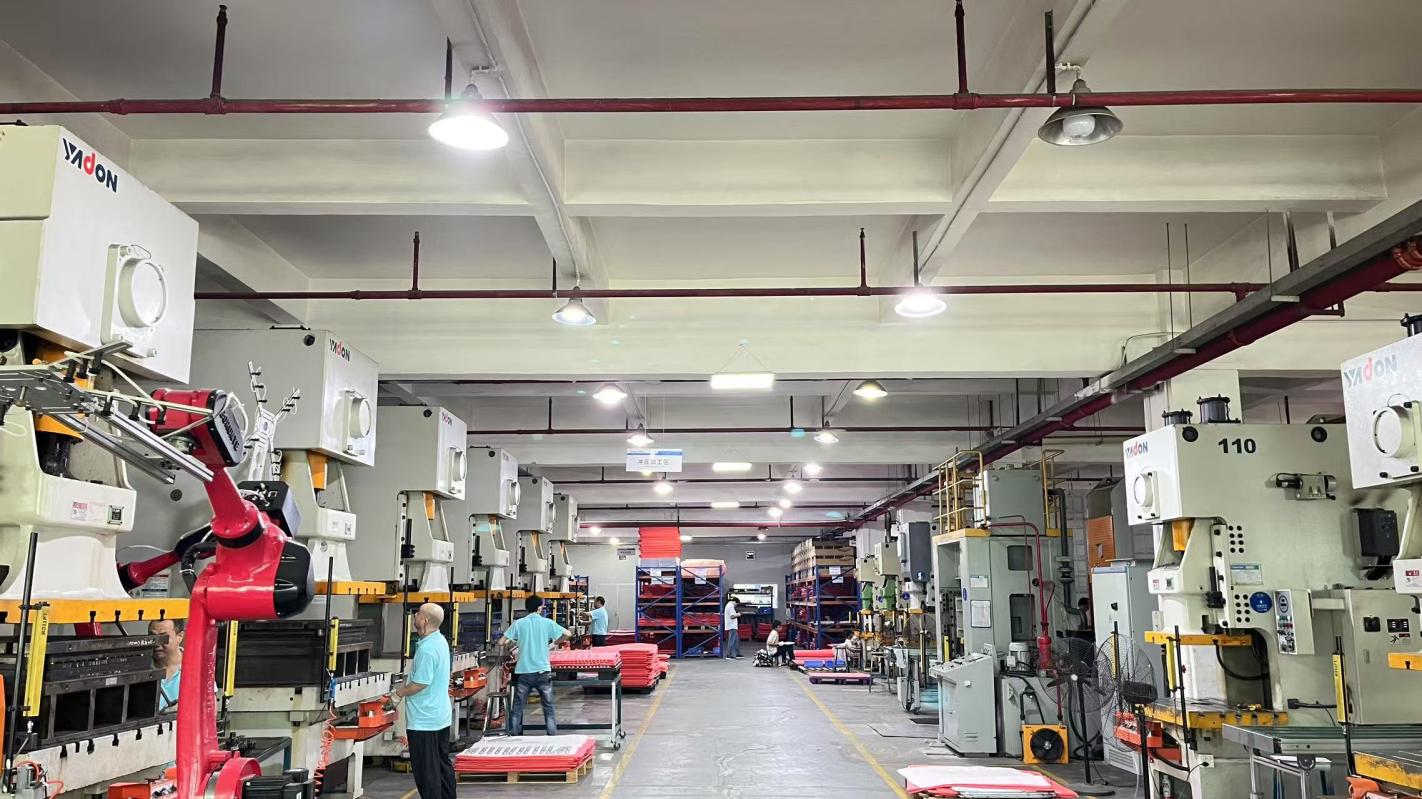
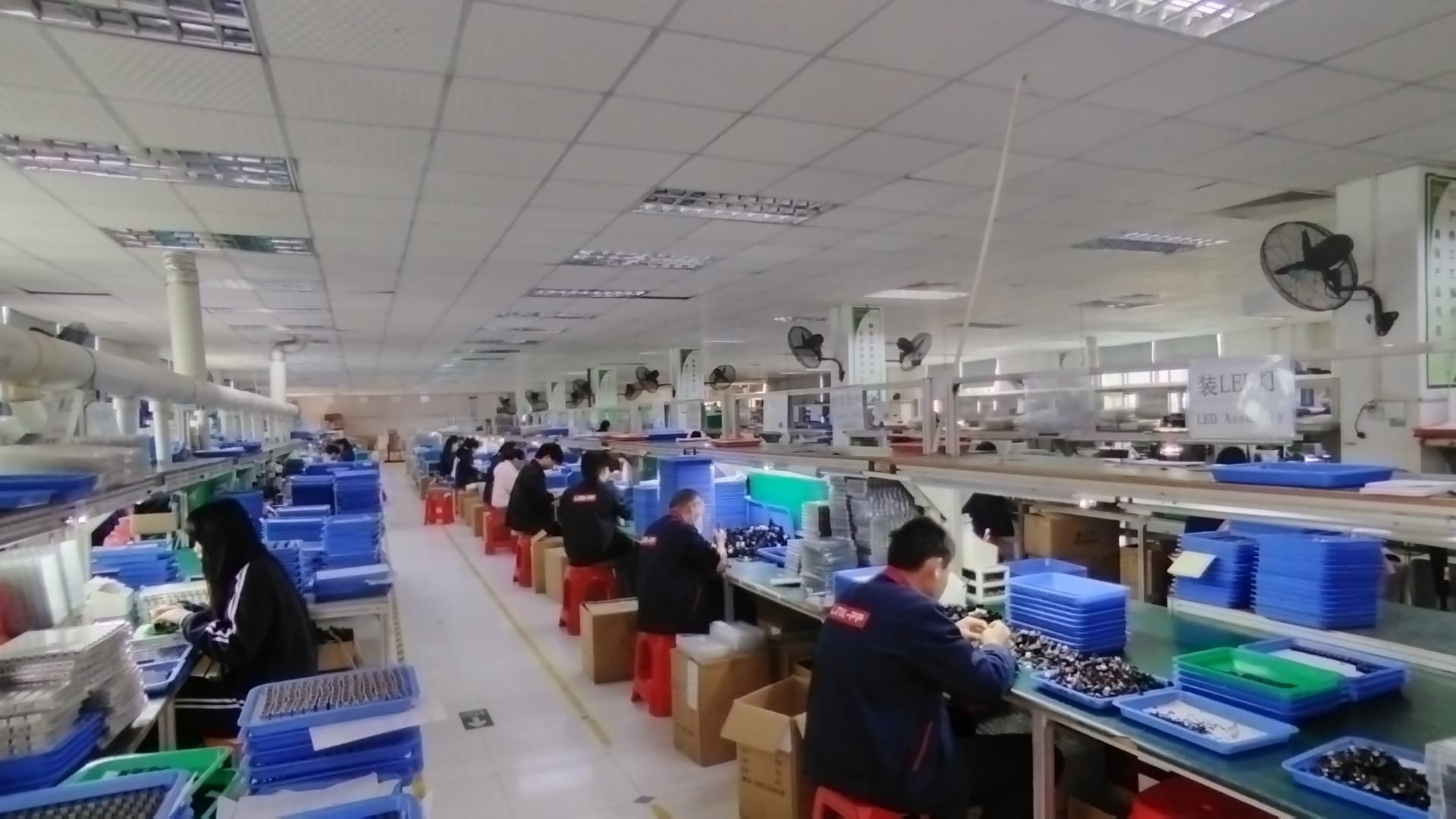
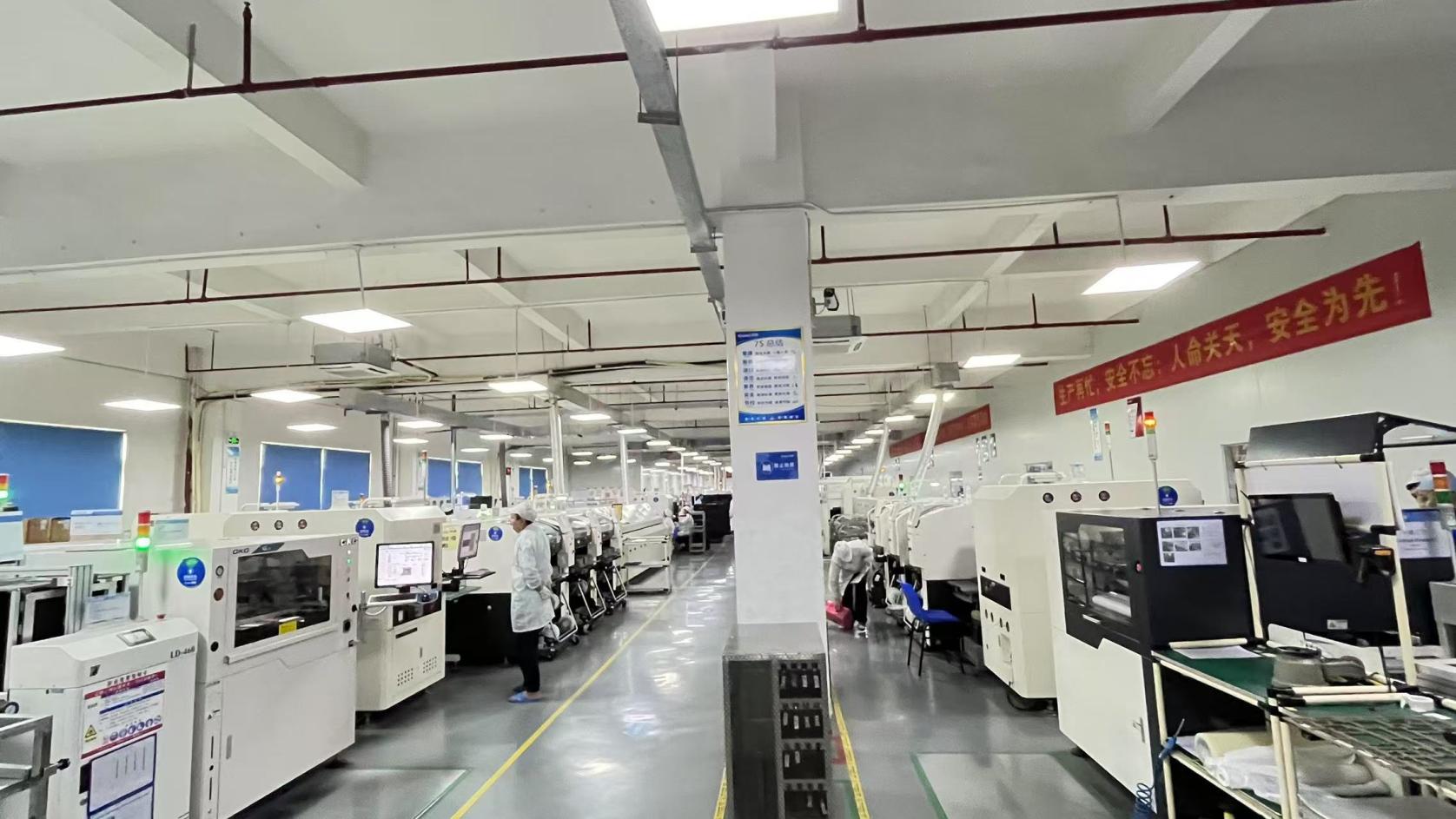
In high-density network switches and server fabrication, Chinese manufacturing offers deep vertical integration. Borevo AI Infrastructure (China) Co., Ltd. operates a modern 18,600 m² facility equipped with advanced SMT (Surface Mount Technology) assembly lines, automated optical inspection (AOI) units, and dedicated thermal testing chambers. By managing the supply chain from raw silicon substrates to final metal enclosures, we provide Swiss customers with predictable lead times, even during volatile market cycles.
Quality control at this scale requires a multi-layered testing workflow. Every component exported to Europe, particularly Switzerland, undergoes rigorous inspection:
| Quality Metric | Standard Protocol | Target Threshold |
|---|---|---|
| Mean Time Between Failures (MTBF) | Telcordia SR-332 Method | >150,000 Hours |
| Solder Joint Defect Rate | IPC-A-610 Class 3 (Industrial) | <10 DPPM |
| Operating Temperature Tolerance | Thermal Cycle Testing (-10°C to 60°C) | No Packet Loss at Max Load |
| Signal Integrity (Jitter) | IEEE 802.3 Ethernet Standards | <0.25 UI (Unit Interval) |
Through strategic alignments with over 850 raw component suppliers, Borevo secures direct access to tier-1 semiconductors, high-frequency oscillators, and high-performance copper interconnects. This network buffers our assembly operations from component shortages, helping us support European infrastructure expansions with short turnaround times.
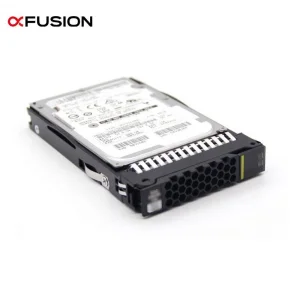
Premium server RAM, high-density SSD storage, and enterprise computing platforms tailored to Swiss standard rack standards.
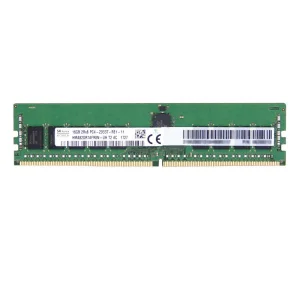
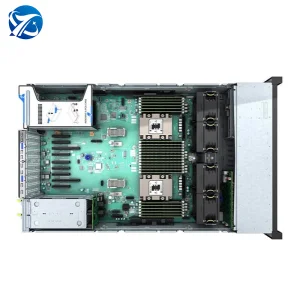
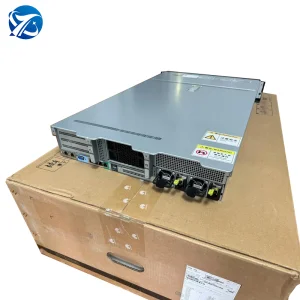

An expert analysis of Swiss network modernization, AI computing demands, and green compliance.
As virtualization and software-defined networking (SDN) expand across Swiss industrial landscapes, standard 10GbE copper uplinks are reaching their limits. The current upgrade cycle prioritizes QSFP28 (100G) and QSFP56 (200G/400G) transceivers, driven by the need to scale data transmission lanes without increasing cabling footprints in compact cabinet configurations. This shift is particularly prominent in Swiss high-performance computing centers where RDMA over Converged Ethernet (RoCE v2) has become the standard for data movement.
By bypassing the CPU during transfer steps, RoCE-enabled switches and network interfaces lower latency profiles down to the sub-microsecond level. This architecture is crucial for training and serving large language models locally, including specialized Swiss AI engines and localized DeepSeek R1 systems. Keeping latency low at the physical layer ensures that processing chips spend their cycles computing rather than waiting for networking buffers to clear.
Switzerland maintains strict energy utilization regulations under the Swiss Federal Office of Energy (SFOE). Data centers operating in the country are subject to stringent Power Usage Effectiveness (PUE) requirements, pushing engineers to seek hardware options that reduce active cooling overhead.
Our network switches and server chassis address this through structural optimizations:
Export-oriented production, strategic semiconductor alliances, and rigorous hardware validation systems.
Borevo AI Infrastructure (China) Co., Ltd. specializes in design integration, validation, and manufacturing services for global enterprise networking and compute operations. Backed by 12 years of industry experience and 7 years of global export capabilities, our team provides tailored firmware, hardware adjustments, and component integrations to meet unique system needs.
Answers to common deployment, compliance, and integration questions for Swiss systems integrators.
Looking for a reliable network switch and server exporter for Switzerland? Contact us to discuss your hardware specifications, compliance requirements, and custom configurations.
Send Inquiry Now