Borevo
Borevo
Borevo
High-density core interconnects and AI computing nodes engineered for low latency, low power consumption, and maximum reliability.
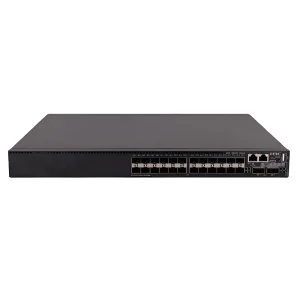
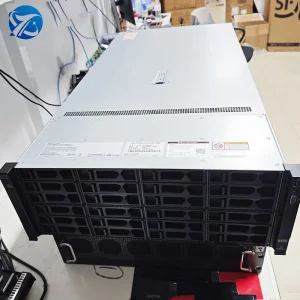
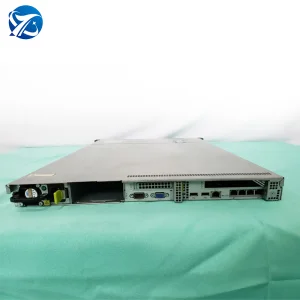
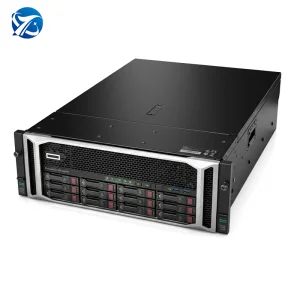
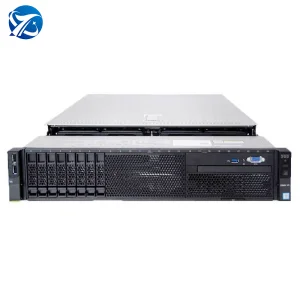
The acceleration of New Zealand's digital economy has placed unprecedented demands on enterprise switching and high-density compute infrastructure. Powered by the rollouts of the Government's Ultra-Fast Broadband (UFB) initiative and investments in trans-Pacific subsea cables like Hawaiki and Southern Cross NEXT, local enterprises are shifting away from traditional siloed hardware to scalable, low-latency, hybrid architectures.
Major hyperscale providers—including Microsoft Azure and Amazon Web Services (AWS)—alongside regional leaders like DCI Data Centers and CDC (Canberra Data Centres), are actively building multi-megawatt facilities in Auckland and Canterbury. This surge in data footprint requires non-blocking Layer 3 core switches and advanced GPU network fabrics capable of processing high-volume calculations without bottlenecking the main pipelines.
Furthermore, New Zealand's geography dictates a reliance on highly robust edge computing networks. Regional industries such as AgTech, viticulture, geothermal energy operations, and marine research require ruggedized local servers linked via low-latency optical switches to ensure continuous service operations in seismically active and remote regions.
How Leaf-Spine topologies, RoCE v2, and high-performance server architecture are changing data transit requirements globally.
Traditional three-tier network architectures are giving way to two-tier Leaf-Spine topologies. This shift ensures predictable latencies and uniform bandwidth for east-west traffic, which is critical for parallel GPU training environments and clustering operations.
By using RoCE v2 protocol, modern Ethernet switches bypass the CPU during data transit. This provides InfiniBand-like latency performance at a fraction of the cost, making it ideal for standardizing multi-GPU racks in high-speed research clusters.
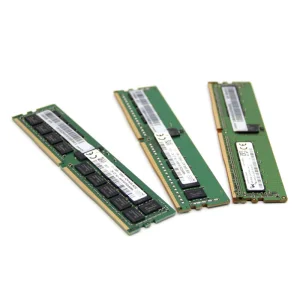
Enterprises now customize firmware, cooling profiles, and memory configurations (like ECC DDR5/DDR4 RAM modules) to achieve high compatibility between third-party optical switches and high-density rack servers.
Borevo AI Infrastructure (China) Co., Ltd. supplies high-performance switching, server architectures, and customized computing arrays to global data centers.
Reliability is critical when deploying IT hardware in New Zealand, where remote locations make emergency maintenance costly. Our manufacturing facility follows strict quality checks to ensure zero-defect exports:
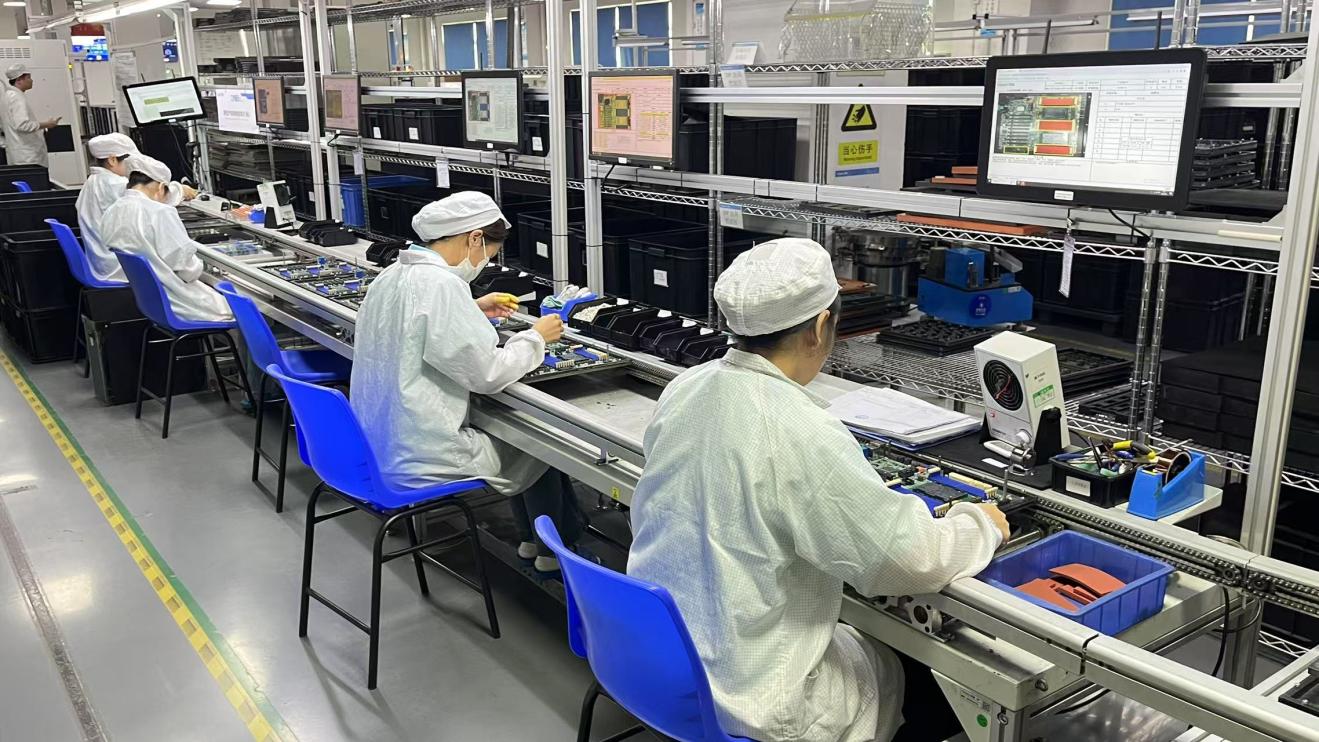
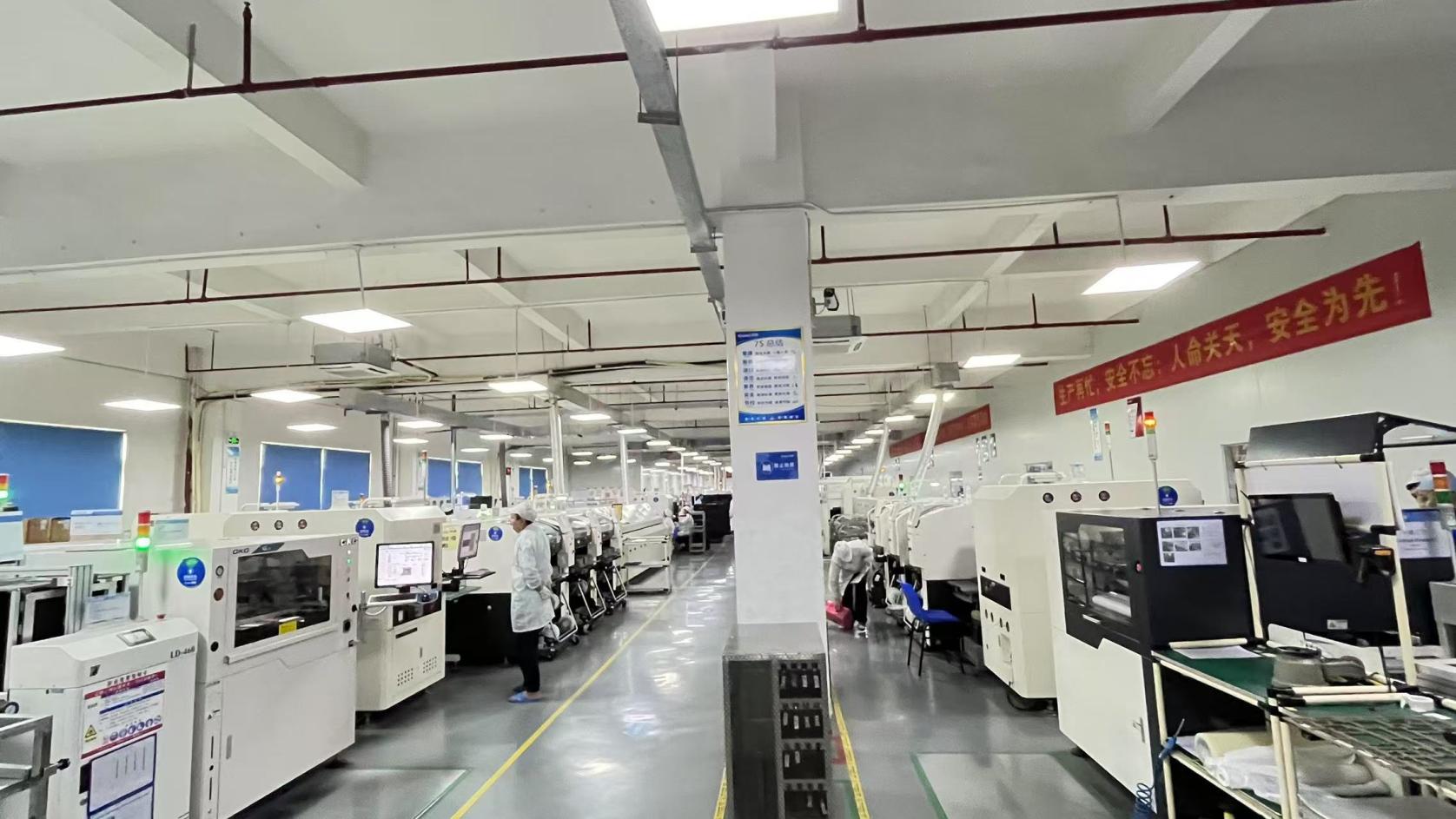
Every switch motherboard and server PCB undergoes high-precision camera inspection to verify component placement, soldering joints, and trace path integrity before assembly.
Assembled hardware goes through continuous cycling in temperature-controlled environmental chambers to simulate long-term operations in server racks.
Servers and network switches undergo full throughput and memory stress tests for up to 72 hours, ensuring components like DDR5 RDIMM RAM operate smoothly under continuous workloads.
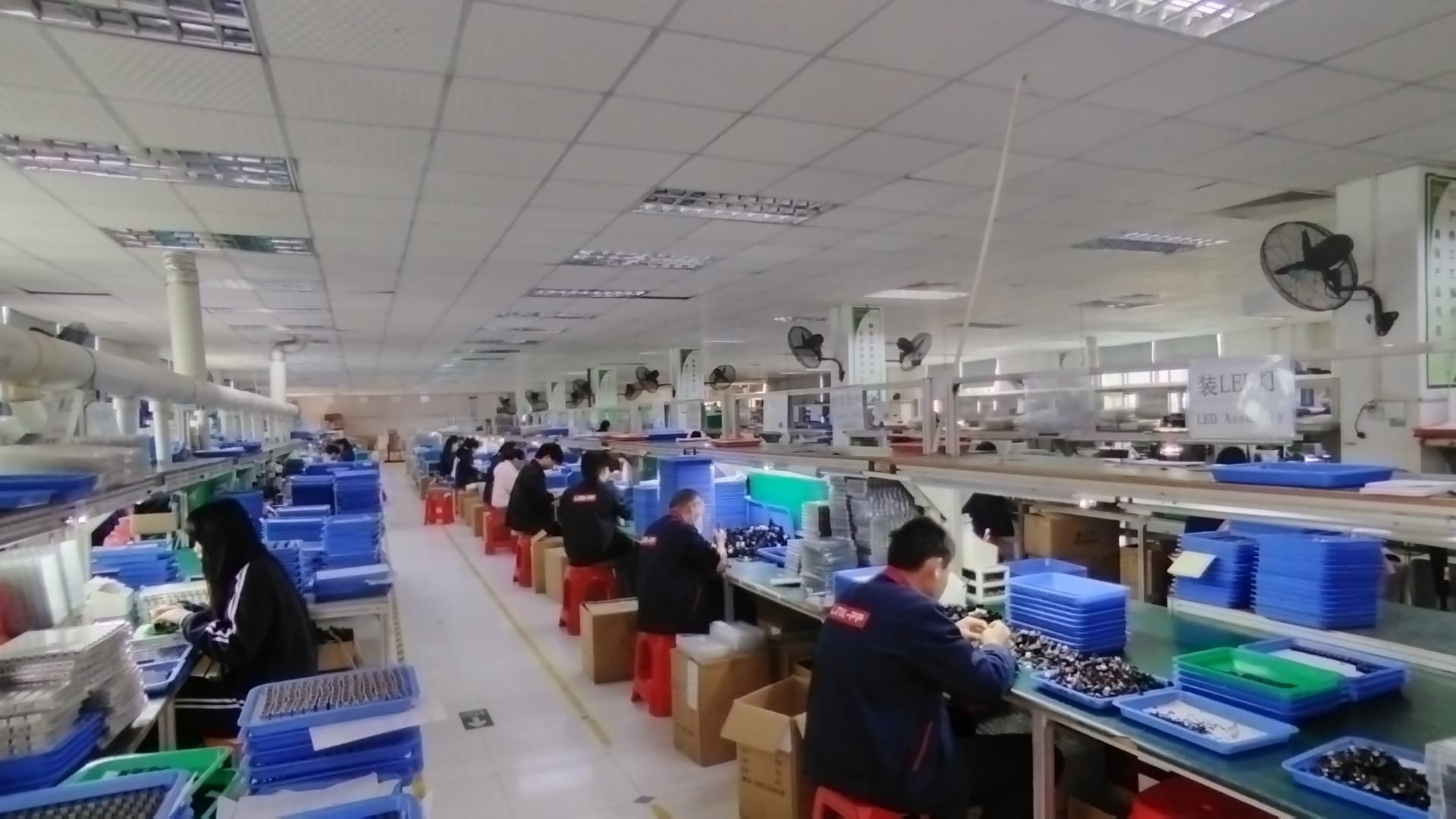
Operating out of our specialized 18,600㎡ manufacturing complex, our 45-person Quality Control Team oversees every step of the assembly line. By integrating R&D, structural design, and international logistics, we deliver custom computing infrastructures that meet strict enterprise expectations.
With over 12 years of industry experience and 7 years of global export expertise, we maintain strategic partnerships with more than 850 component vendors. This deep supply integration ensures access to premium raw materials, including high-grade PCBs, high-conductivity copper heatsinks, and long-lasting cooling fans.
For New Zealand network engineers, this means access to high-performance IT equipment that stands up to continuous network demands. We offer comprehensive configuration services, including custom firmware loads, specific cooling designs, and optimized memory setups.
How our optical switches and high-density servers address specific challenges in regional Kiwi industries.
For data centers near Auckland, high density and cooling efficiency are vital. Using H3C 10G/40G optical switches in Leaf-Spine setups allows operators to deploy virtualized server arrays with minimal packet loss and low energy footprints.
New Zealand's modern primary sector relies on continuous IoT sensor data from remote sites. Deploying 1U and 2U rack servers at regional processing facilities ensures local data filtering, buffering latency, and reliable connection back to central cloud platforms.
Scientific entities studying geothermal activity and marine ecosystems require substantial computational capacity. Using customized multi-GPU rack servers enables fast modeling of fluid dynamics and seismic activity, accelerating local research initiatives.
Ensuring smooth pathways for upgrading bandwidth, scaling workloads, and maintaining compliance.
With subsea cable bandwidth growing rapidly, local backbones must scale to meet demand. Transitioning from standard 10G/25G distribution layers to high-speed 100G, 400G, and 800G fabrics ensures that local operations can handle growing artificial intelligence workloads, data warehouse syncs, and large-scale cloud services.
Our ongoing hardware R&D focuses on developing low-profile ASICs and high-frequency connectors, allowing systems to deliver higher data throughput without requiring extensive modifications to rack spaces.
All imported hardware complies with AS/NZS electrical safety, electromagnetic compatibility (EMC), and telecommunications requirements. We ensure all switches and servers undergo strict electrical insulation tests and carry clear RCM certifications for deployment across Australasia.
We work closely with logistics partners to offer comprehensive door-to-port delivery SLAs, backed by hardware warranties, ensuring your projects stay on track and operate with minimal downtime.
Deep technical answers to common queries regarding network switches, server deployment, and regional compliance in New Zealand.
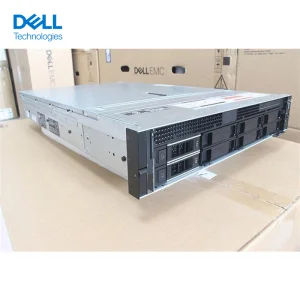
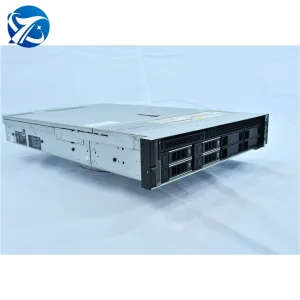
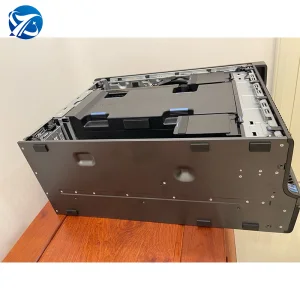
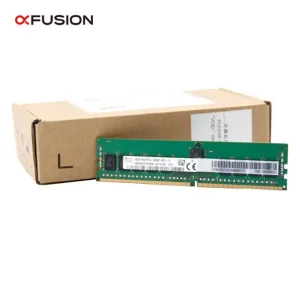
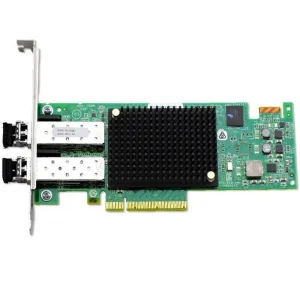
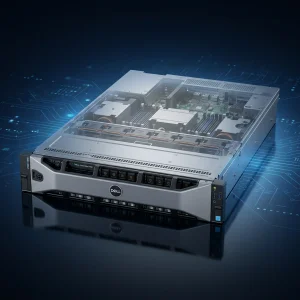
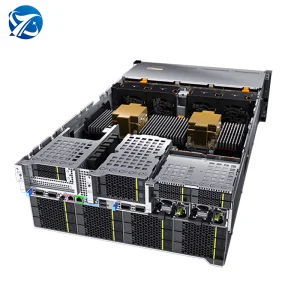
Scale your data center resources with compatible memory upgrades, high-speed interface cards, and reliable rack server chassis.
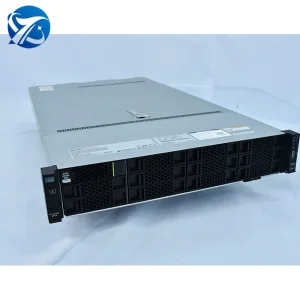
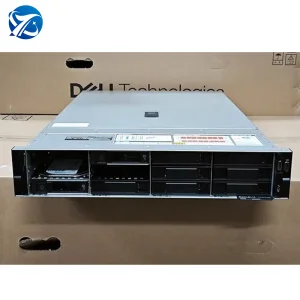
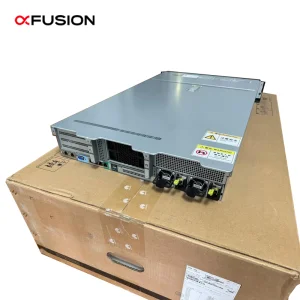
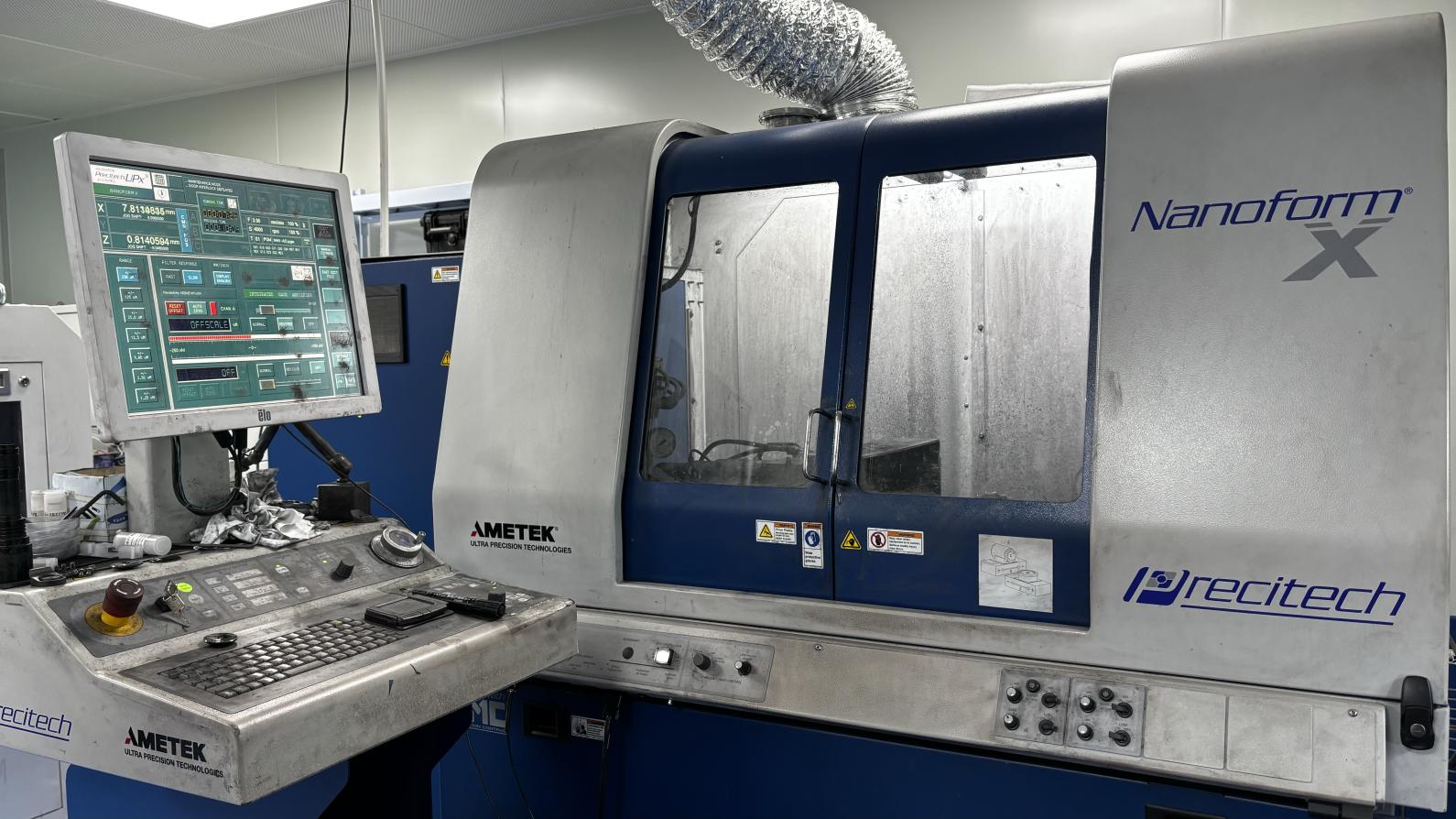
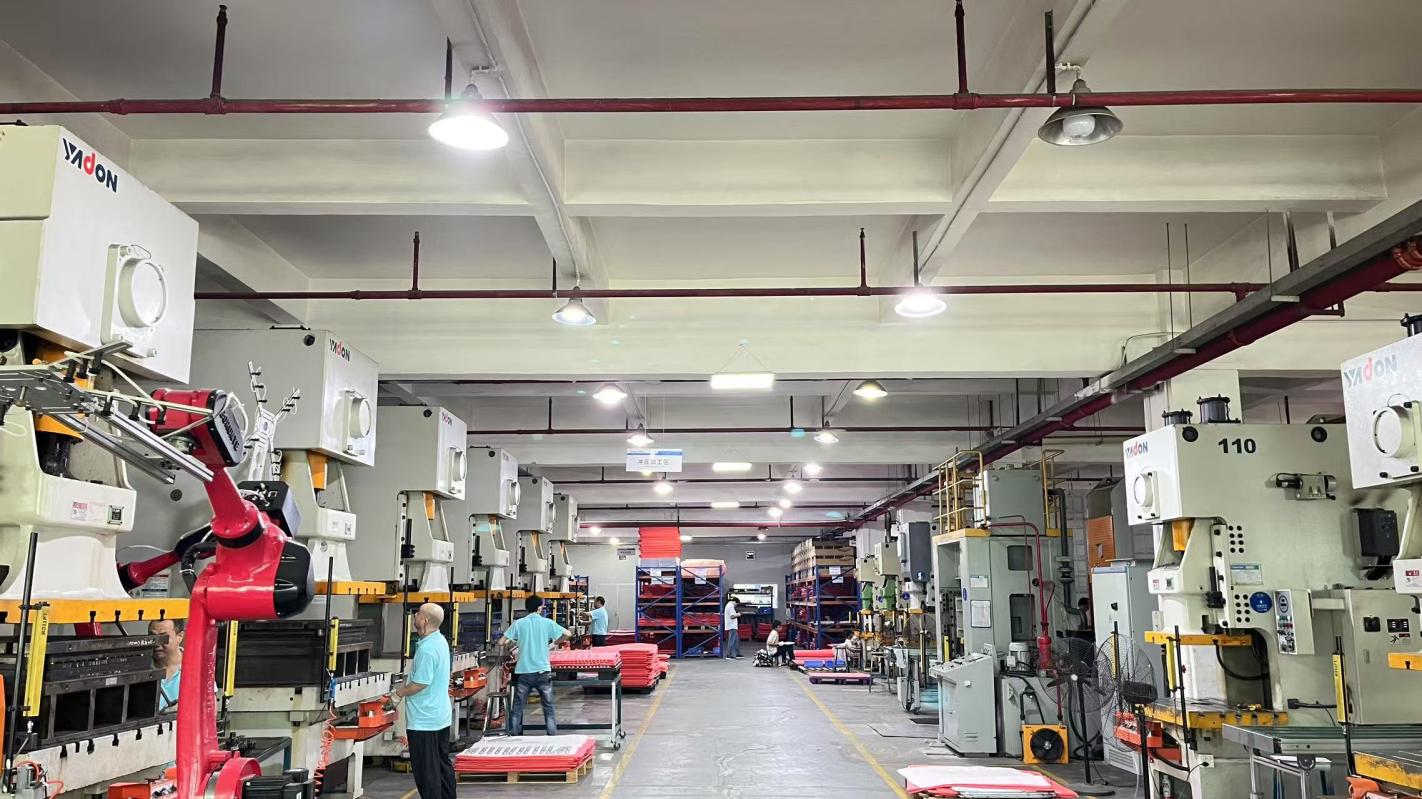
A visual overview of our manufacturing facilities, assembly lines, and testing equipment.
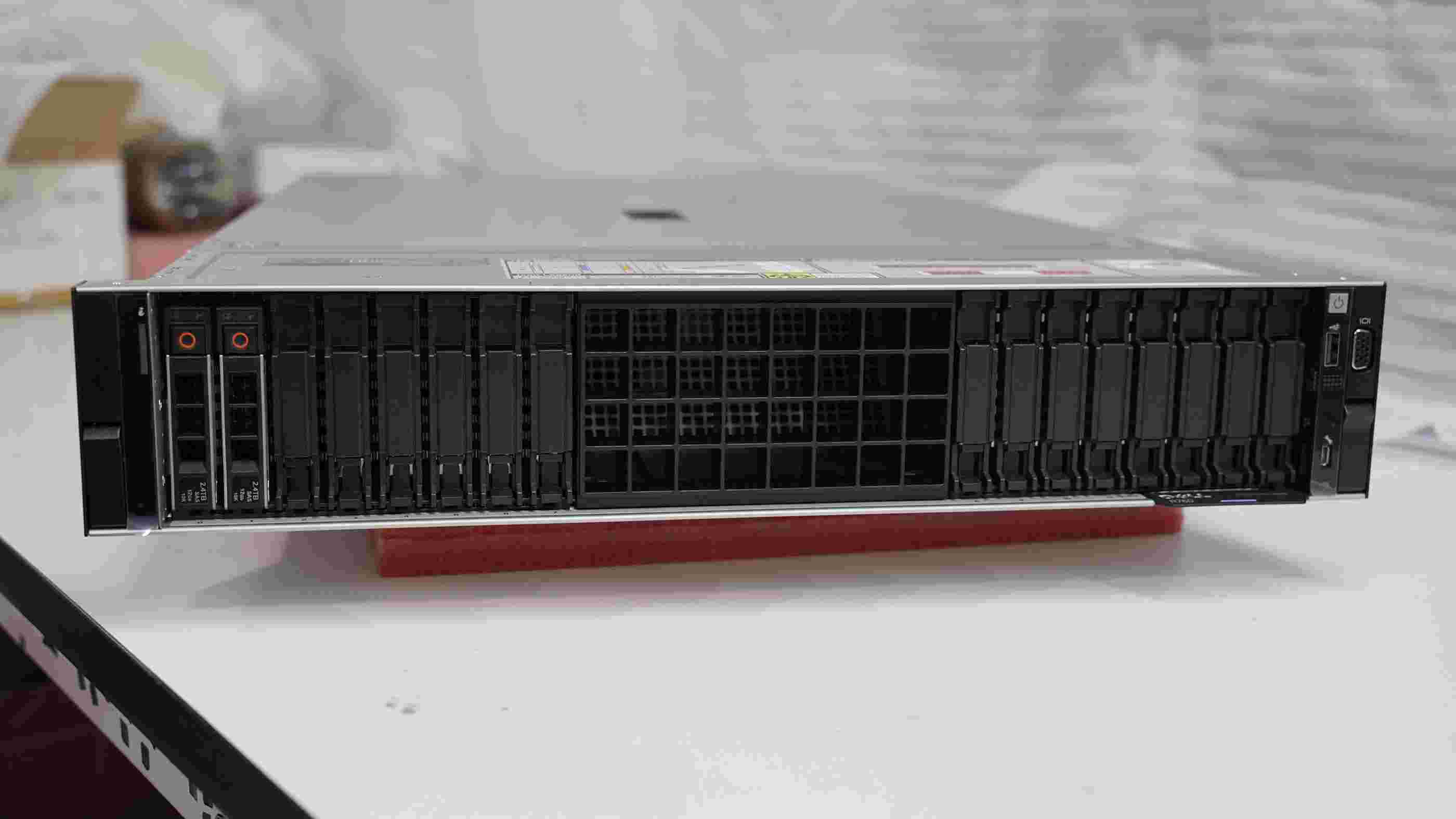
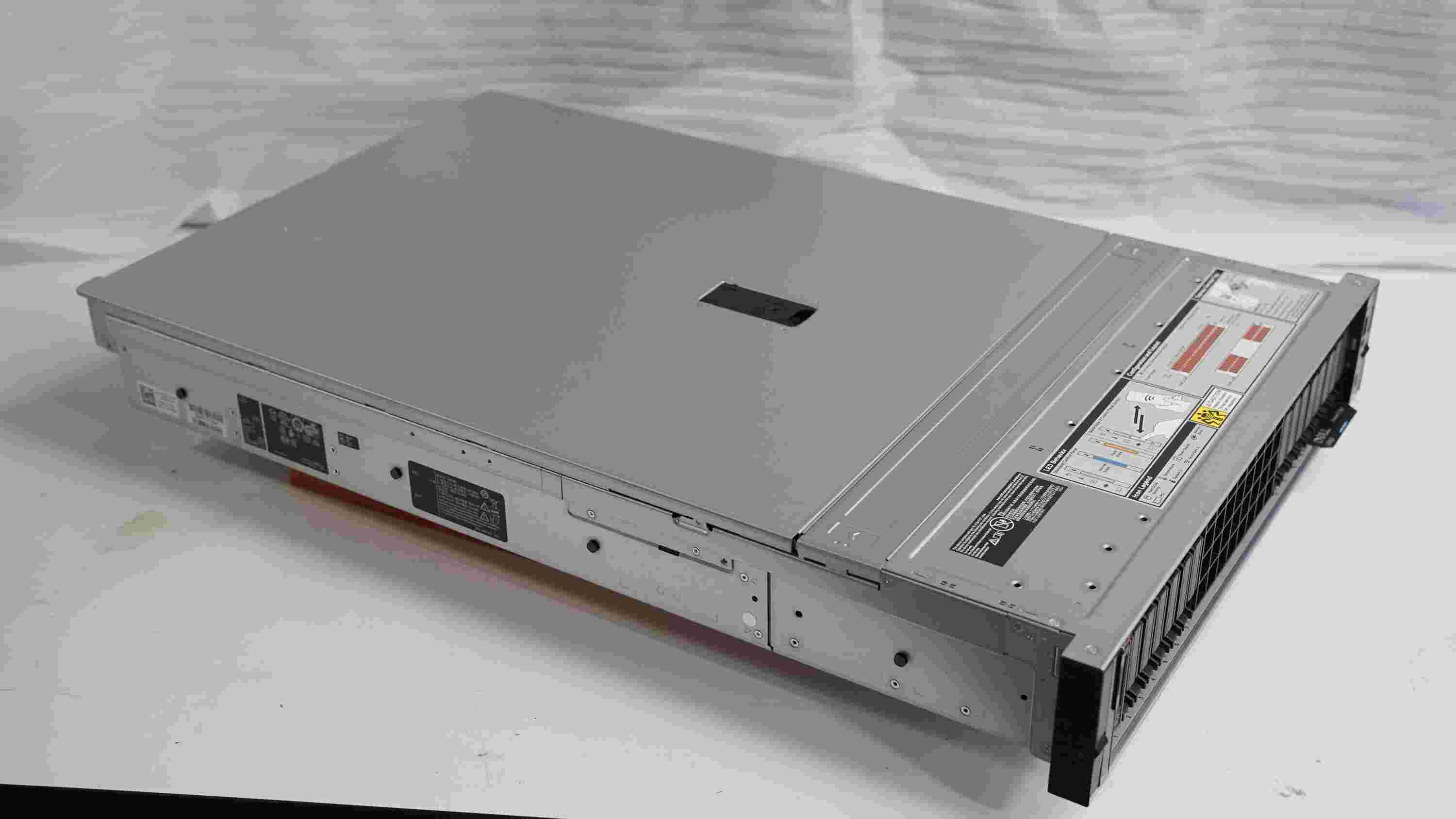
Get in touch with our engineering team for customized specifications, bulk pricing, and reliable delivery to New Zealand.
Send Inquiry Now