Borevo
Borevo
Borevo
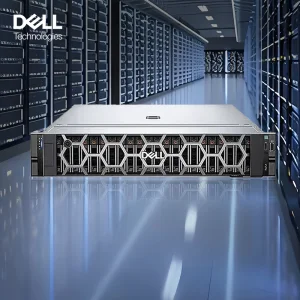
Optimized Dell PowerEdge computing elements engineered specifically for high-efficiency, multi-tenant cloud ecosystems and localized deployment across Japanese industrial corridors.
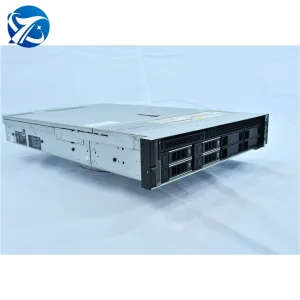
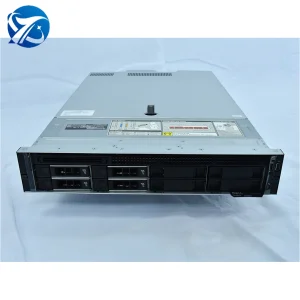
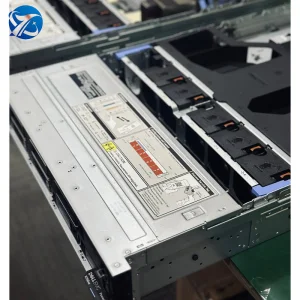
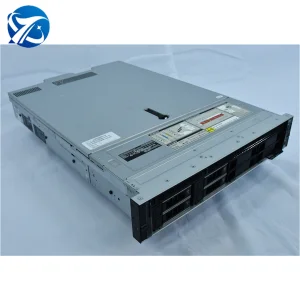
Aligning advanced compute structures with the energy regulations, floor space restrictions, and high-frequency operational parameters of Japanese industries.
Japan’s business and industrial sectors are currently experiencing a rapid transition toward digital modernization (DX). As companies across Tokyo, Yokohama, Osaka, and Nagoya phase out legacy mainframe systems, the demand for enterprise x86 architectures—specifically the Dell PowerEdge series—has reached unprecedented levels. Modern high-density data centers in zones like Chiba's Inzai Cluster and Osaka's Saito West require systems that deliver massive floating-point calculations while maintaining strict thermal control and space efficiency.
Additionally, Japan’s energy policies, formalized under the strict energy efficiency guidelines of the *Act on Rationalization of Energy Use*, require local operators to optimize Power Usage Effectiveness (PUE). Modern architectures such as the Dell PowerEdge R760 and R660 series align directly with these green directives, incorporating high-efficiency Platinum and Titanium Hot-Plug Redundant Power Supply Units (PSUs) and dynamic multi-vector smart cooling technologies to minimize thermal footprint in high-density rack configurations.
| Japanese Market Drivers | Hardware Requirements | Dell Core Technologies |
|---|---|---|
| Limited Urban Floor Space (Tokyo/Osaka) | Ultra-dense, low-profile layouts | 1U PowerEdge R660 / R660XS Series |
| High Grid Costs & PUE Directives | Energy-efficient PSUs & smart cooling | 80 Plus Titanium PSUs, iDRAC9 telemetry |
| Manufacturing Robot Integration (Nagoya) | Rugged localized edge controllers | PowerEdge R260 & R350 rack systems |
| FinTech High-Frequency Calculations | Ultra-low memory latency & NVMe storage | PCIe Gen5, DDR5 RDIMM 4800 MT/s |
Tokyo’s financial districts (Kabutocho) rely heavily on Dell PowerEdge's fast processing speeds to run algorithmic trading engines. Upgrades to PCIe Gen5 architectures reduce latency bottlenecks between memory channels and network interfaces.
Industrial centers across Aichi Prefecture integrate Dell servers directly into manufacturing execution systems (MES), running automated quality control, computer vision inference, and industrial PLC synchronization.
Every imported server unit is thoroughly checked for compliance with VCCI (Voluntary Control Council for Interference) Class A and Class B emissions regulations, ensuring it functions correctly near sensitive laboratory equipment.
How Borevo AI Infrastructure (China) Co., Ltd. uses its specialized 18,600 sqm production capacity and structured testing procedures to supply the Japanese enterprise market.
Operating a modern 18,600 m² integration facility in China's high-tech manufacturing corridors, **Borevo AI Infrastructure (China) Co., Ltd.** acts as a primary hub for global server distribution and custom optimization. Backed by 12 years of industry experience and 7 years of export expertise, our operations are optimized to handle custom server configurations, component validation, and logistics management for the Japanese market.
By working directly with more than 850 strategic partners across PCB, semiconductor, cooling systems, and high-speed memory supply lines, we manage component acquisition and quality control before systems ever leave the factory floor. Our export-oriented infrastructure enables us to maintain shorter lead times compared to traditional distribution networks, helping Japanese enterprises deploy high-performance hardware exactly when they need it.
Our dedicated R&D department (comprising 180 engineers) works closely with our 45-person Quality Control team. This team manages our strict multi-phase testing protocol, which includes Automated Optical Inspection (AOI), high-temperature dynamic burn-in testing, and thermal stress evaluation to prepare units for demanding operational environments.
Automated optical inspection scans every component connection on customized cards and storage backplanes to identify connection variances and micro-fractures before final casing assembly.
Assembled server chassis undergo cycles of elevated room temperatures to test thermal dissipation paths, ensuring proper fan speed modulation and component stability under full load.
Power conversion curves and power supply units are validated across varying input voltages to ensure reliability under the dual 50Hz (Eastern Japan/Tokyo) and 60Hz (Western Japan/Osaka) utility frequency standards.
Providing custom IPMI network settings, pre-injected security certificates, and localized boot-options to ensure seamless integration into existing IT environments.
Review how these high-capacity servers are configured and deployed in real-world scenarios across Japan’s advanced industry sectors.
In latency-critical transactional database environments, storage speed and write-cycles are key performance factors. Incorporating multi-channel SAS-4 controllers and enterprise NVMe backplanes allows for high read/write operations per second (IOPS) with minimal data latency.
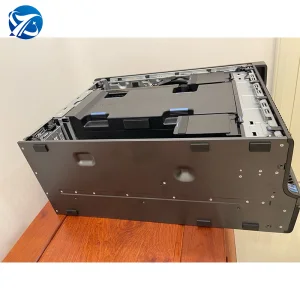
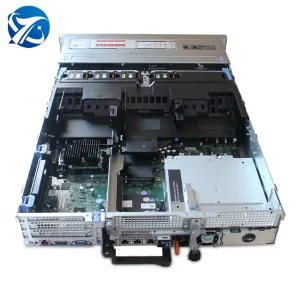
The 4U design provides the thermal headroom and physical space needed for high-power Intel Xeon Gold configurations, making it well-suited for intensive database applications.
Primary Hardware Solution:
Academic and industrial research labs require flexible hardware platforms capable of running AI model training and dynamic data inference workloads. Combining Intel Xeon Gold multi-core processors with high-speed system memory provides the balanced architecture needed to handle large datasets.
Configuring these systems with fast local storage options reduces memory bottlenecks during intensive analytical processing runs.
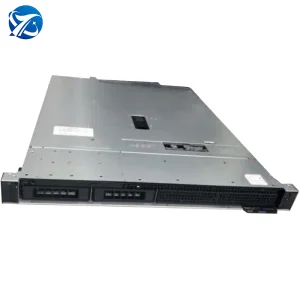
Industrial environments like automotive assembly plants require compact, reliable computing nodes. Deploying 1U rackmount systems with short-depth chassis design allows them to fit into standard electrical control cabinets near the production line.
These edge setups process sensor feedback and run computer vision models locally, enabling fast response times for automated inspection systems.
Primary Hardware Solution:
Small and mid-sized offices require reliable, cost-effective storage solutions. A 1U configuration balancing processing power and storage options serves as a dependable platform for local active file storage and automated background backups.
These installations provide remote teams with fast file access while ensuring data is backed up to central corporate repositories.
Primary Hardware Solution:
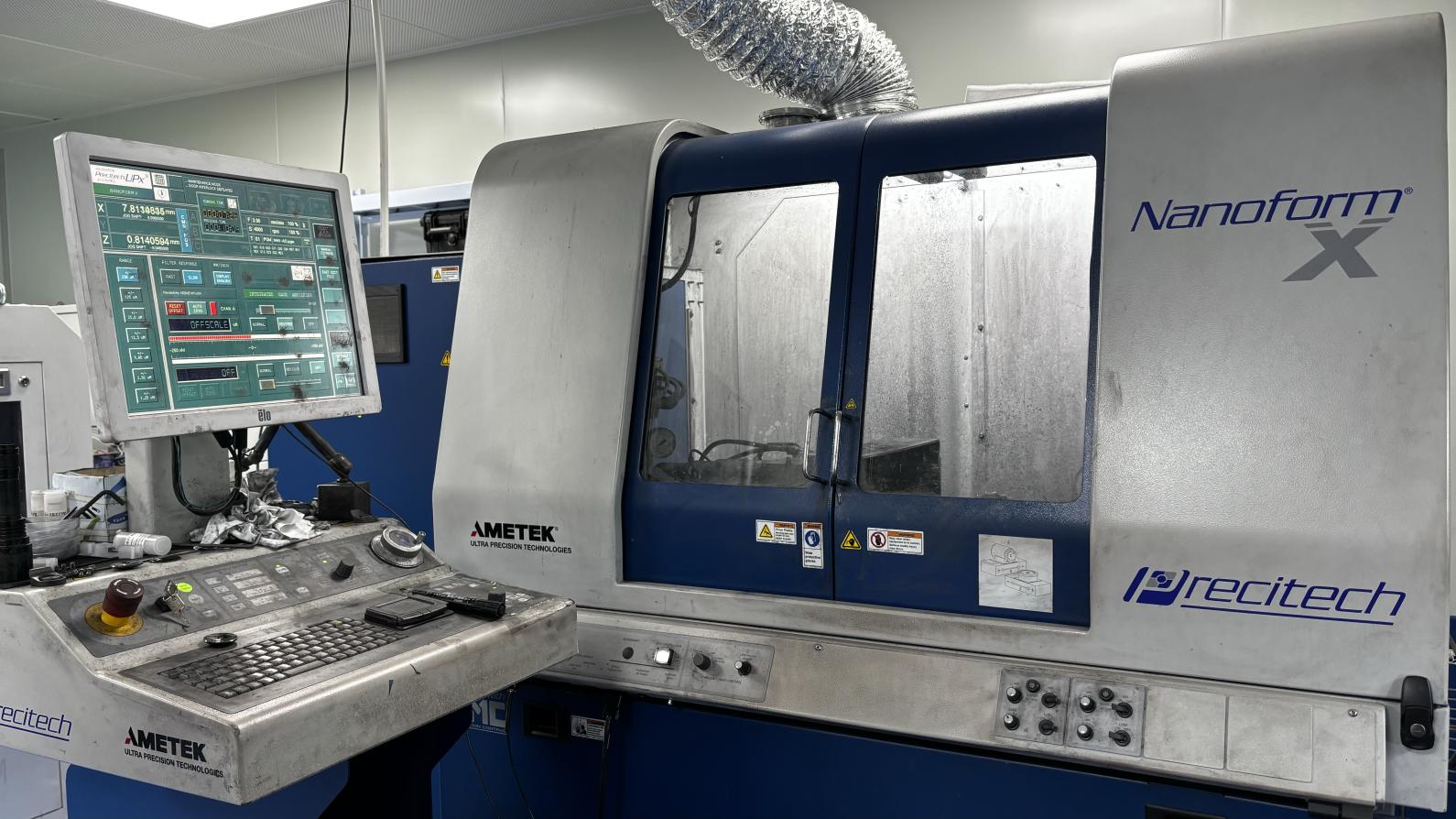
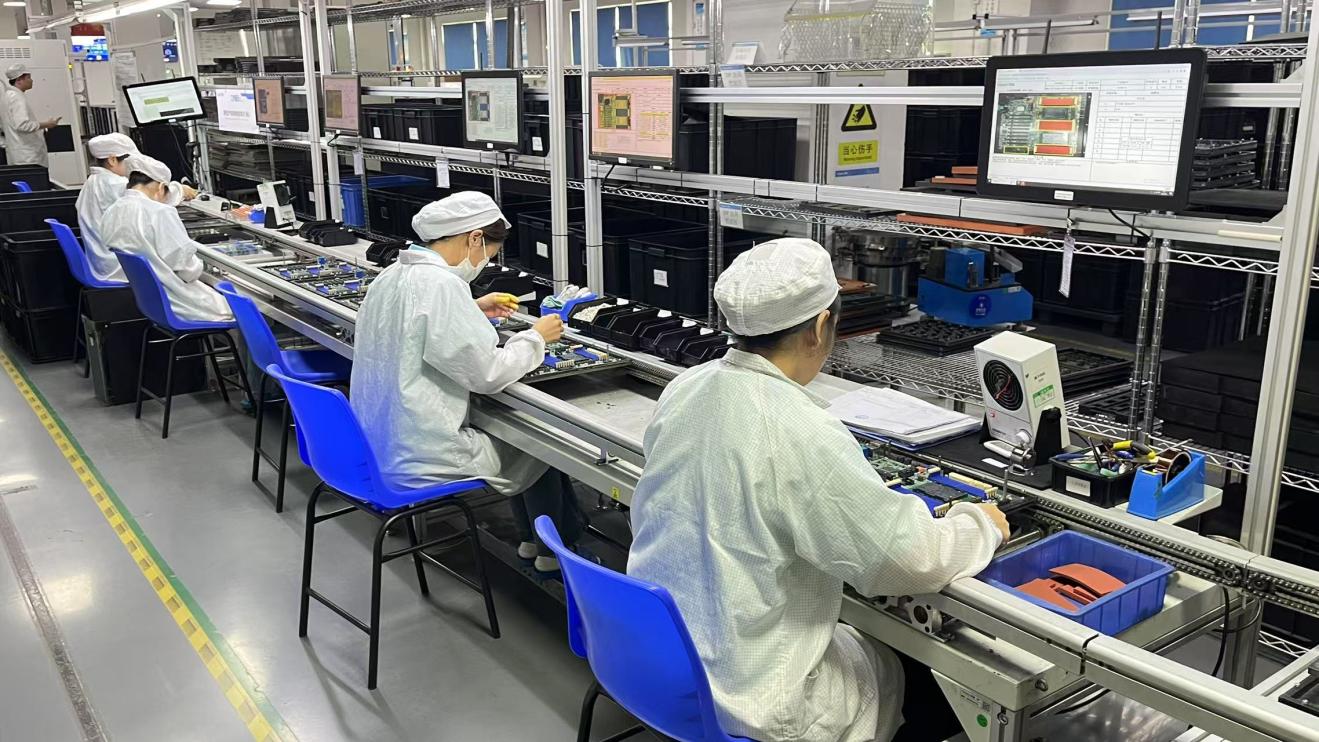
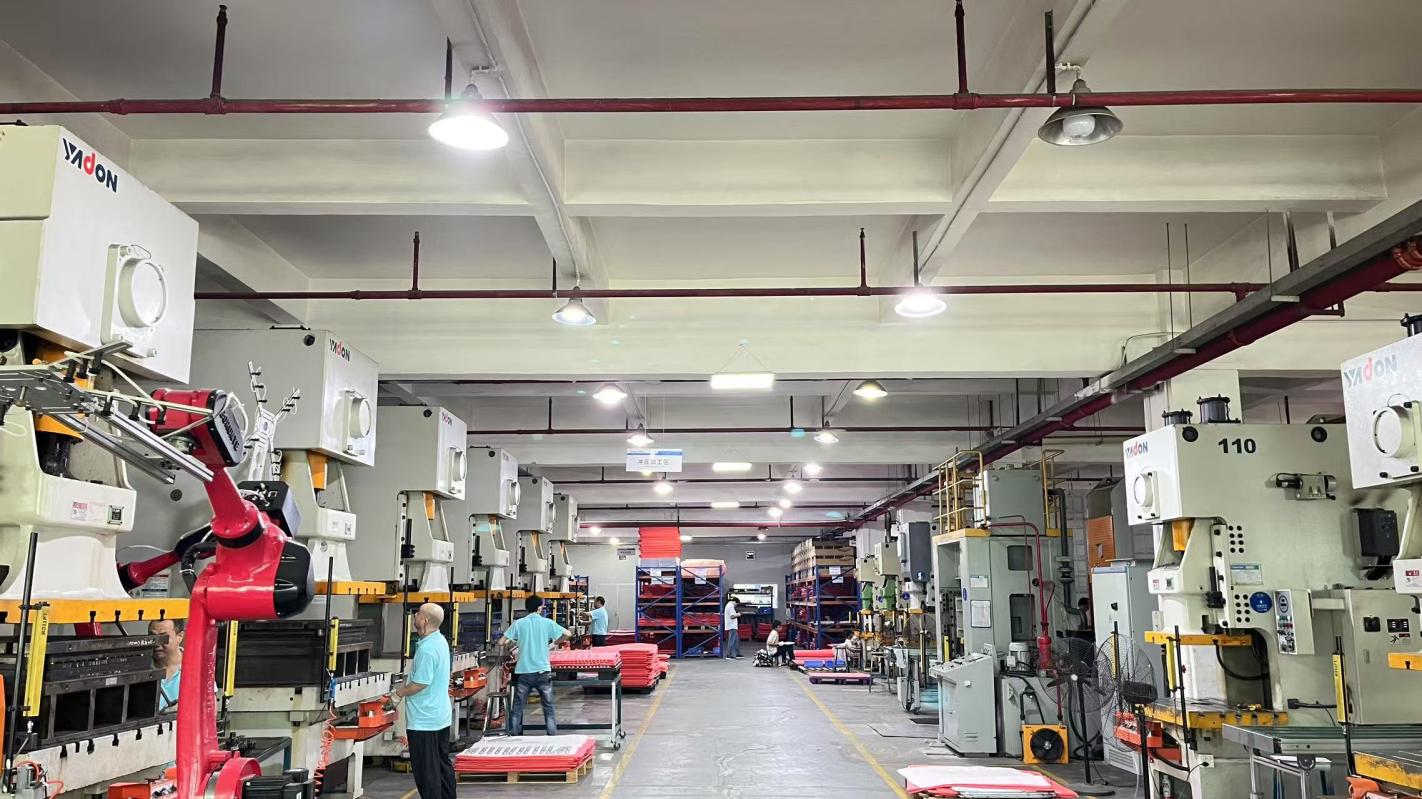
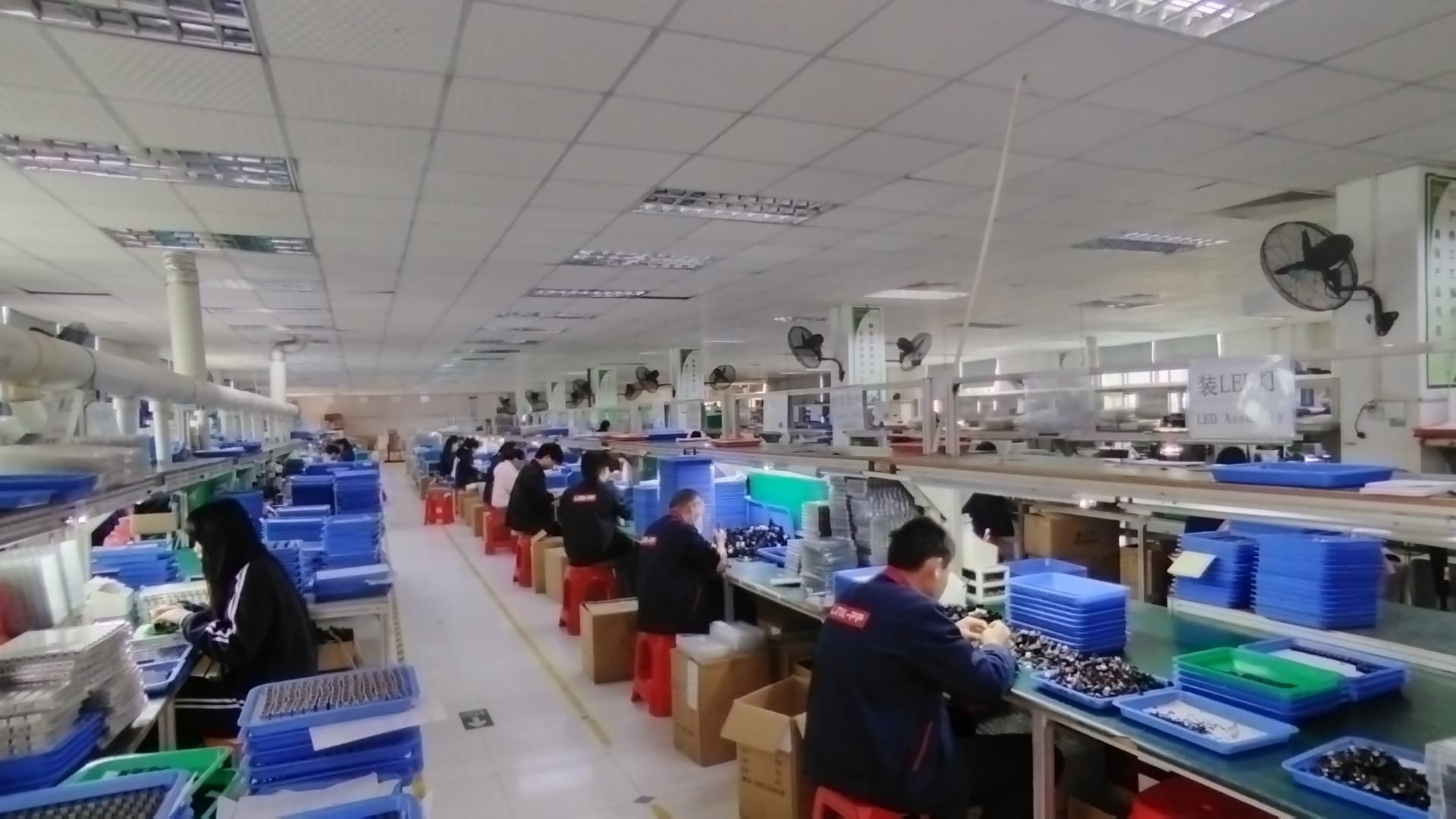
An inside look at our 18,600 ㎡ integration center, dynamic hardware testing bays, and secure component packaging lines.
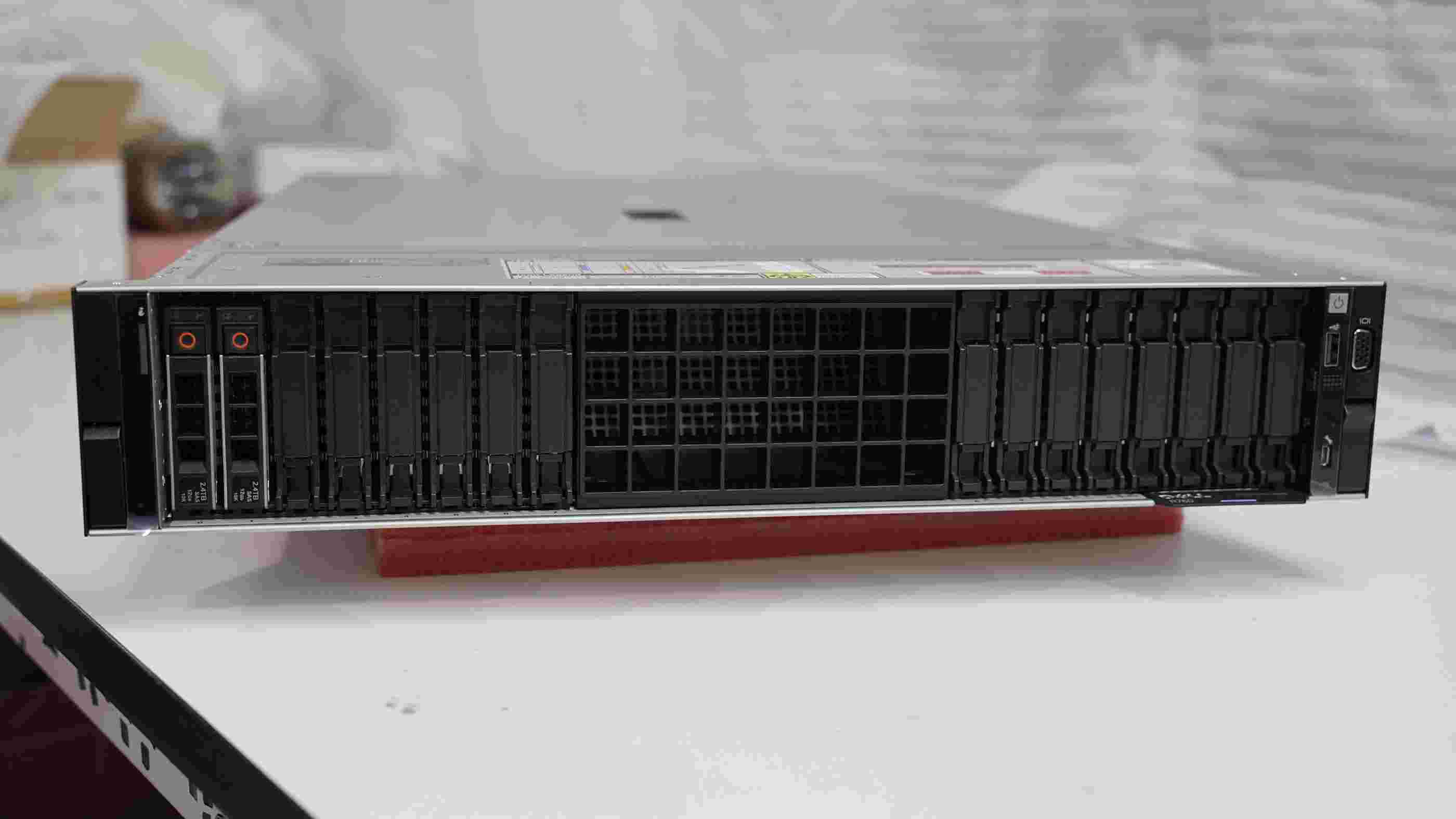
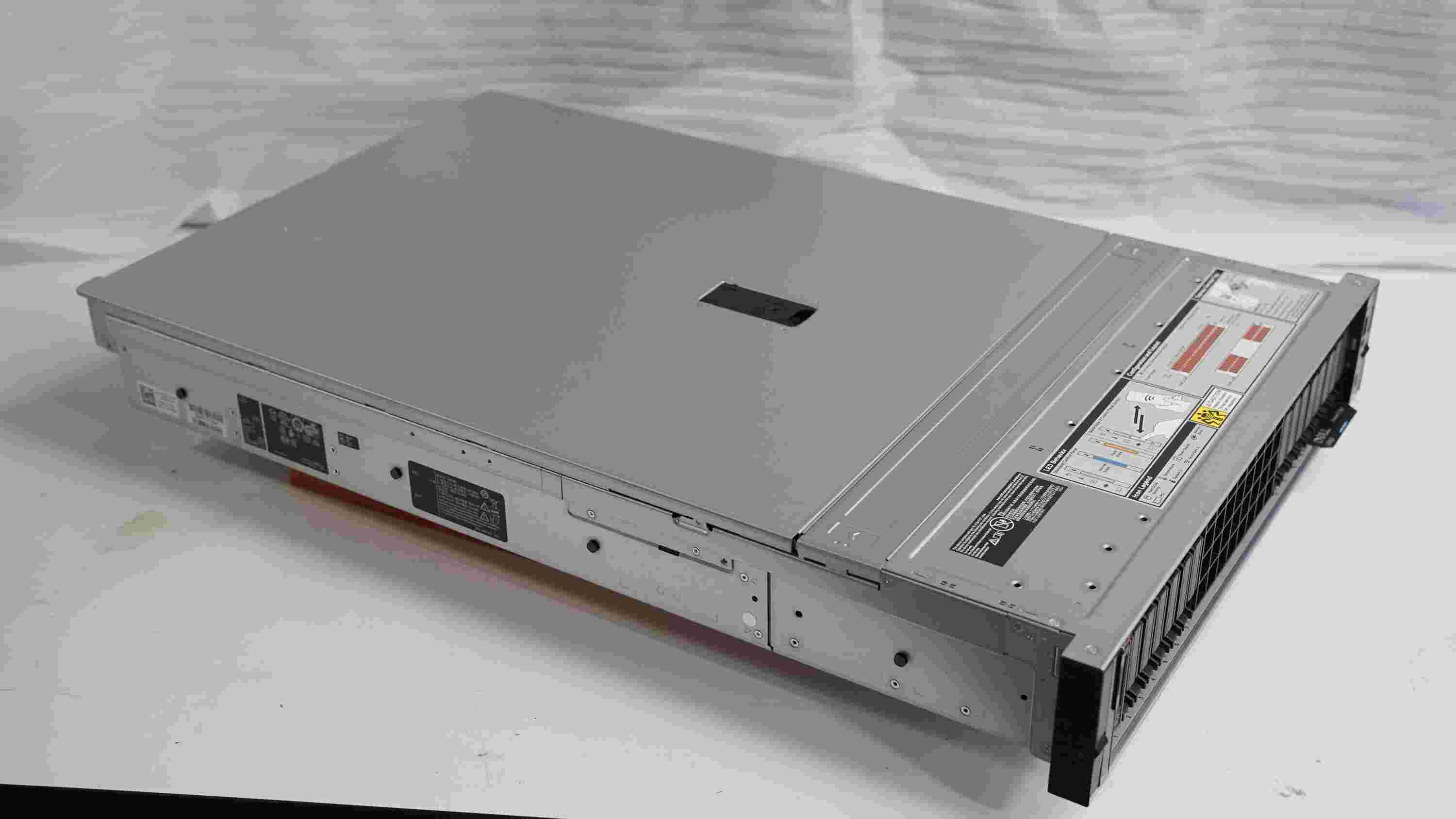
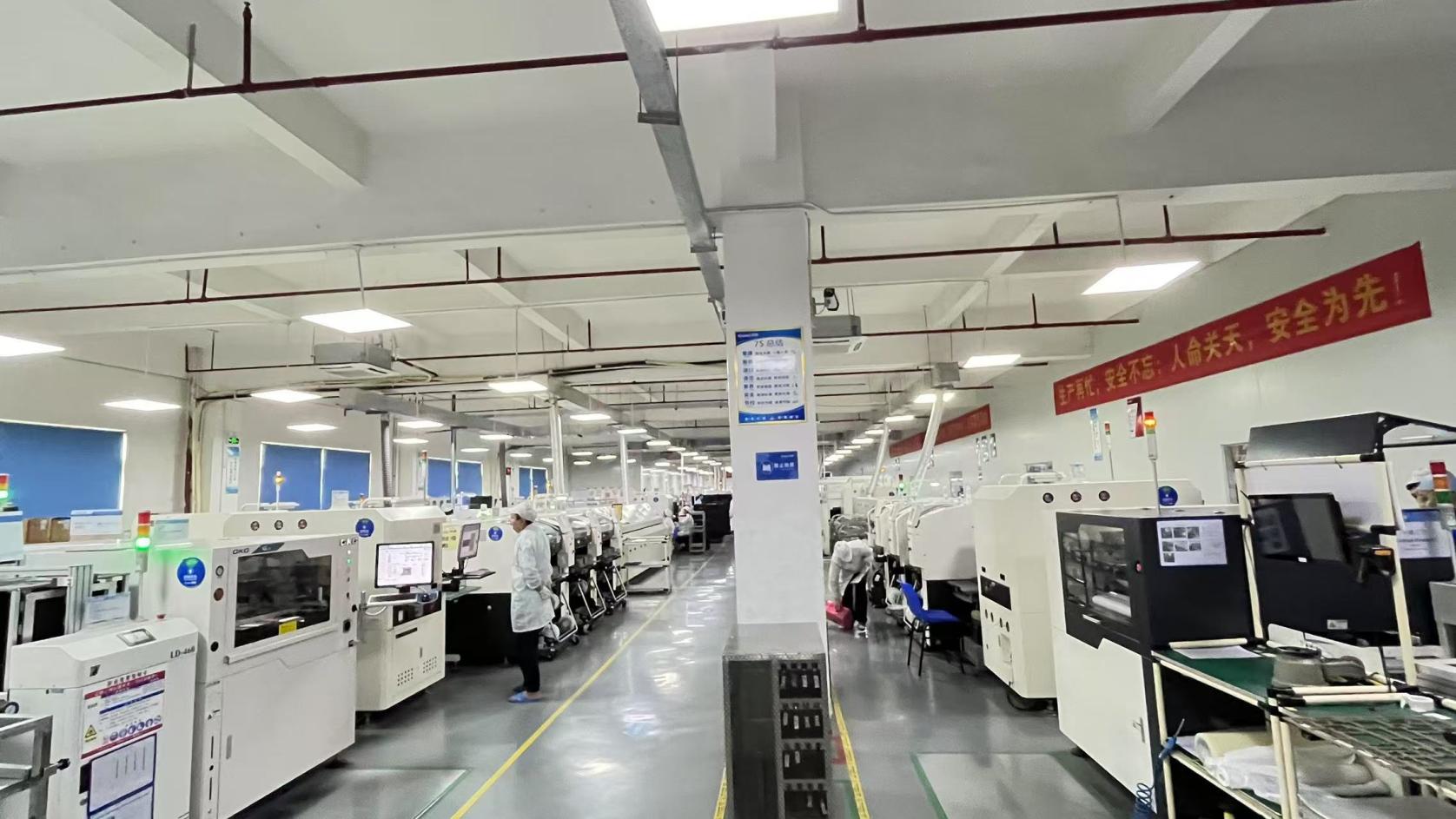
Select from our range of 1U, 2U, and 4U rackmount servers, configure hardware components, and request direct export shipping to Japan.
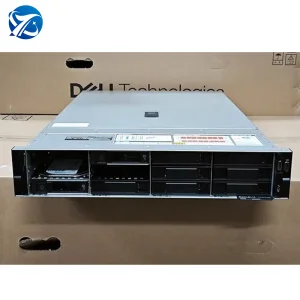
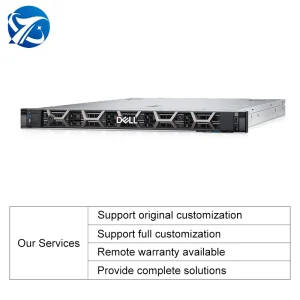
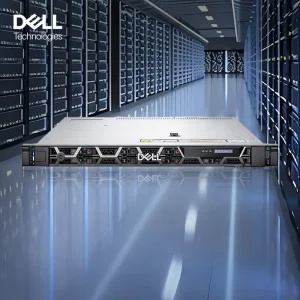
Ensuring hardware is tested, certified, and cleared for immediate import at major Japanese ports of entry.
We assist clients with domestic electromagnetic interference and electrical device safety compliance procedures. All components are sourced to meet standard Japanese power system and environmental regulations.
Our engineering team configures custom BIOS parameters, pre-allocates secure virtual networks, and sets up localized server management portals prior to shipping, simplifying onsite deployment.
With logistics hubs located near major manufacturing centers, we coordinate freight transport directly to Tokyo, Yokohama, Kobe, and Osaka port facilities, ensuring predictable transit schedules.
Information on importing configured Dell PowerEdge servers into the Japanese market.
Every Dell PowerEdge server we build is equipped with wide-range, autosensing power supplies (typically 100V–240V AC). During custom integration, we verify compatibility with Japan's regional utility grids—specifically 50Hz for Tokyo and Eastern Japan, and 60Hz for Osaka and Western Japan.
Yes. We can customize the system configuration during the assembly phase, including pre-loading localized operating systems (Windows Server Japanese Edition, Red Hat Enterprise Linux) and adjusting BIOS/iDRAC management console language settings.
Our Quality Control team runs a multi-step inspection process at our facility. This includes automated optical inspections of component connections, 24- to 48-hour thermal chamber tests to verify heat dissipation, and hardware diagnostic checks to ensure overall system stability.
We provide all necessary shipping documentation, including commercial invoices, certificates of origin, detailed packaging list breakdowns, and technical specifications, to facilitate customs clearance at ports like Tokyo, Yokohama, Nagoya, and Kobe.
Contact our engineering and sales teams to request custom component configurations, check lead times, and receive pricing options for Dell PowerEdge deployment in Japan.
Configure Your System