 Borevo
Borevo
Borevo
Pre-engineered cluster nodes designed for high ambient resilience, localized model execution, and sub-Saharan latency optimization.
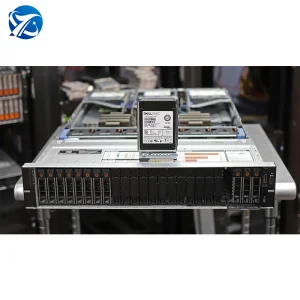
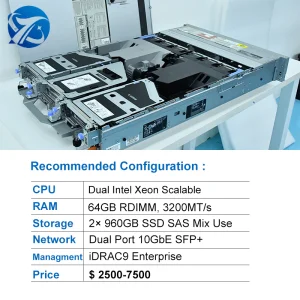
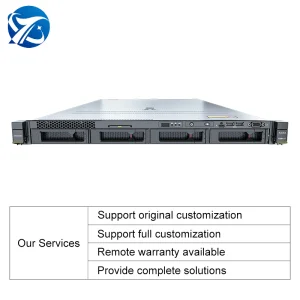
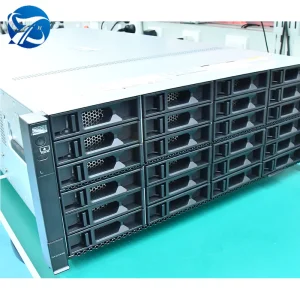
The Democratic Republic of Congo (DRC) is undergoing a major digital transition. The integration of high-performance computing (HPC) and artificial intelligence (AI) has moved from theoretical pilots to mission-critical infrastructure. As the world's leading producer of cobalt and a massive exporter of copper, the DRC's industrial mining hubs in Kolwezi, Lubumbashi, and Likasi rely heavily on computational intelligence. Real-time seismic calculations, geological survey modeling, and autonomous sorting operations require deep learning acceleration.
Additionally, telecom operators in Kinshasa are expanding their data pipelines, demanding high-density GPU processing locally. Local hosting is essential because satellite backhauls or long undersea fiber routing to South African or European servers introduce latency and raise concerns about sovereign data control.
Operating state-of-the-art enterprise AI hardware in Central Africa requires addressing three key operational factors:
Local power feeds can experience voltage drops and micro-interruptions. Our GPU servers integrate dual/quad redundant Titanium 80 Plus power supplies that handle input voltages ranging from 100V to 240V with active power factor correction (PFC).
Congolese installations require robust cooling strategies. Our GPU racks feature high-RPM, hot-swappable dual-rotor cooling fan units alongside counter-rotating fans, ensuring stable operation up to 35°C ambient inlet temperature.
For open-pit mining logistics centers, we integrate specialized electro-static dust filters and anti-corrosive conformal coatings on our motherboard PCBs to protect electrical circuits from heavy particulate wear.
A specialized global AI GPU manufacturer, delivering high-performance computing hardware and deep learning infrastructure to enterprise partners worldwide.
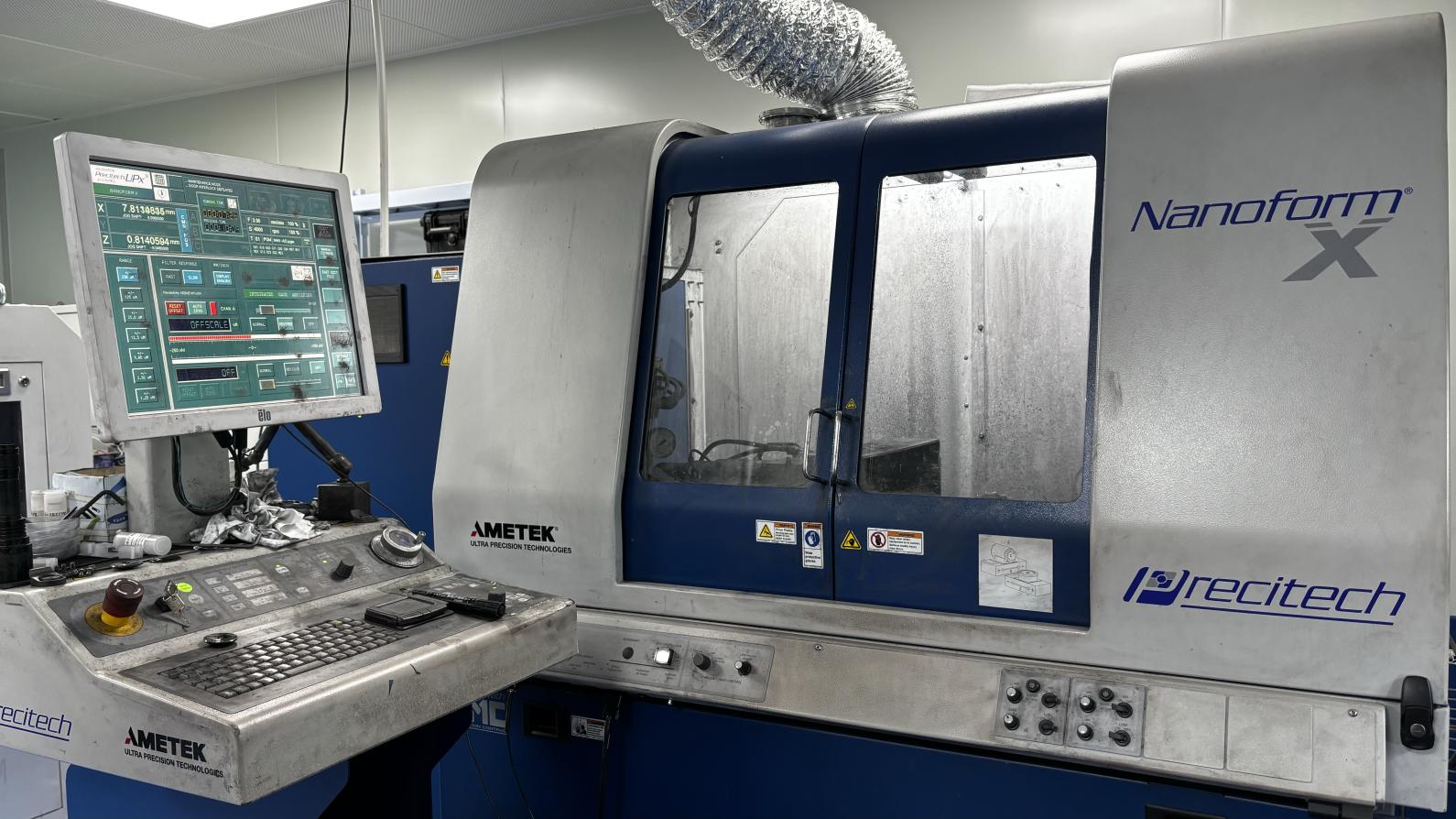
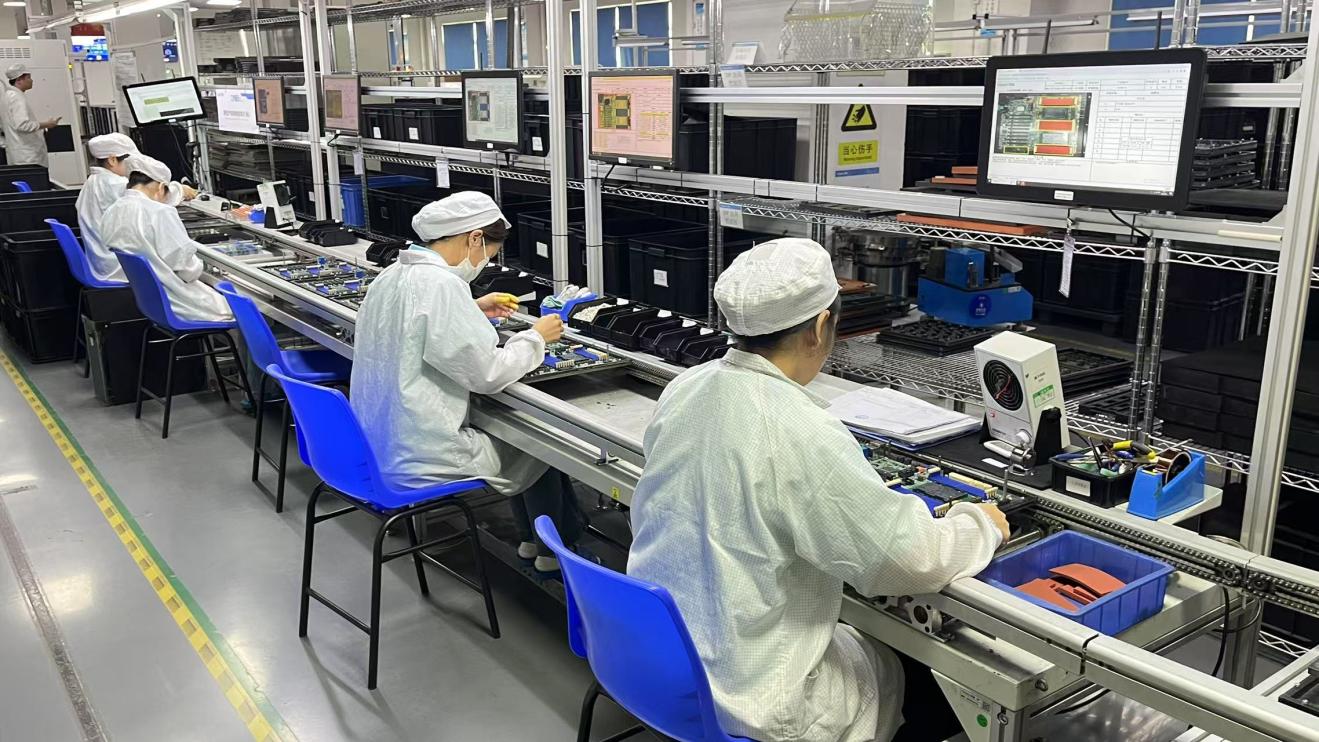
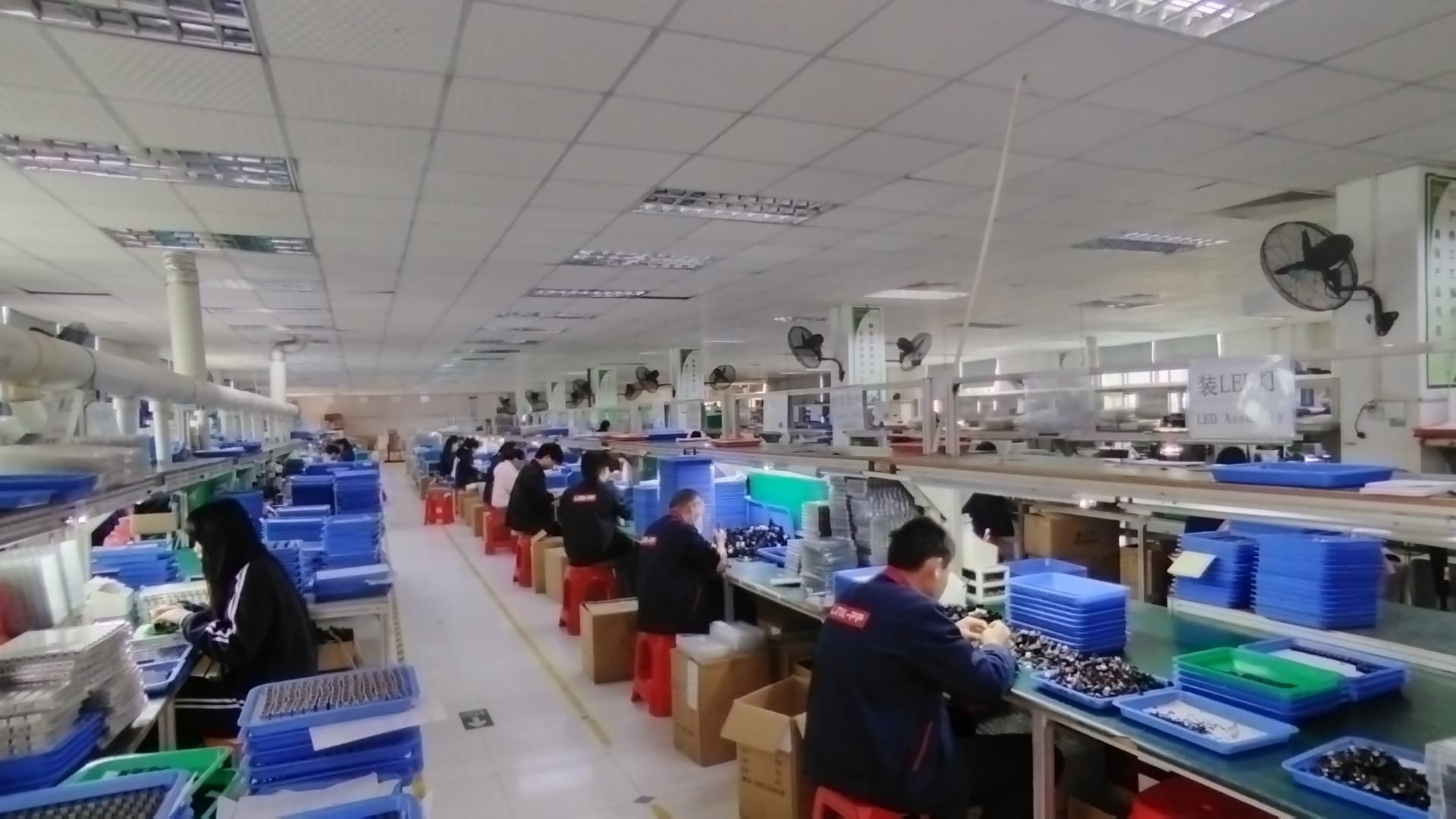
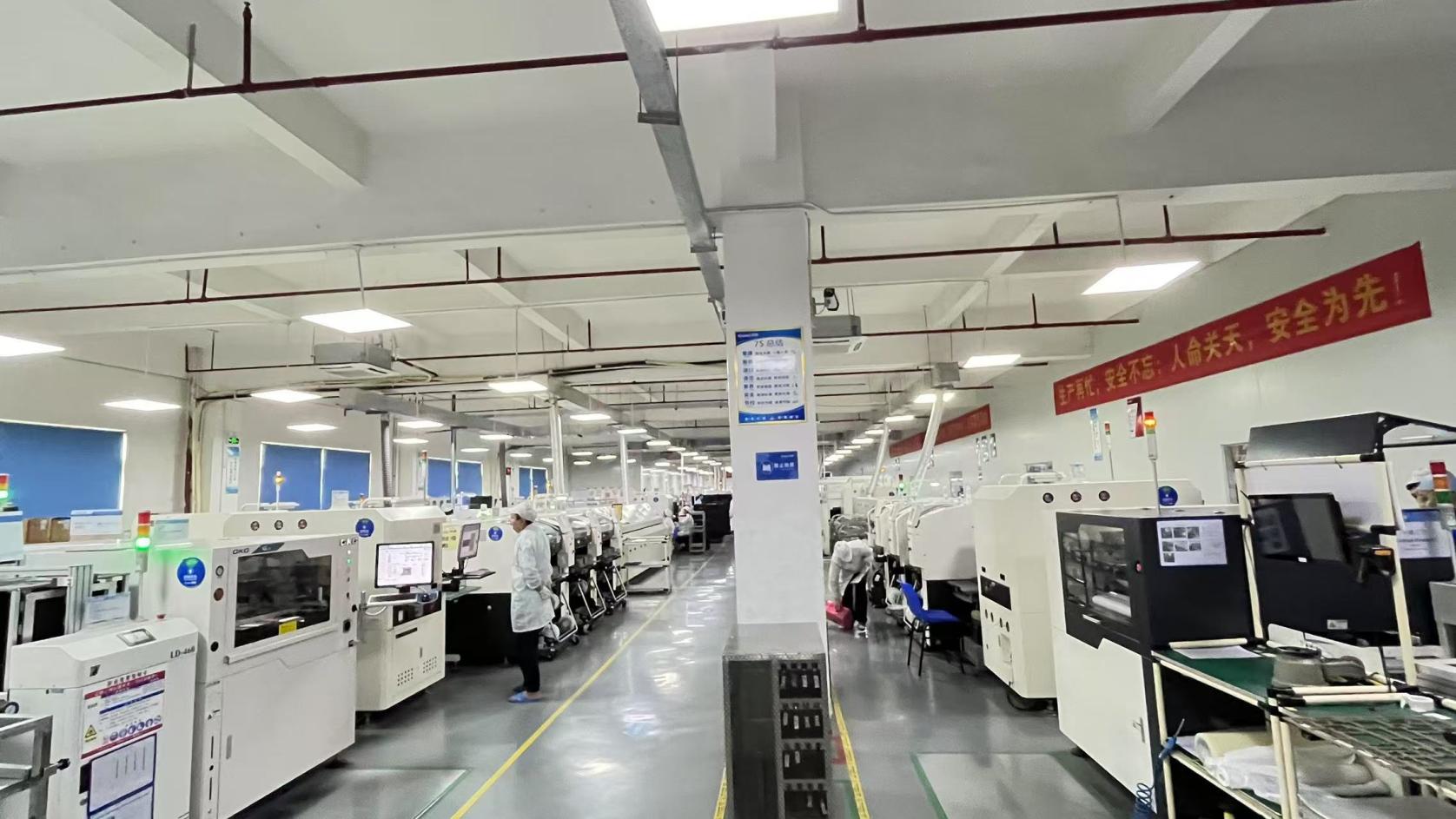
At Borevo AI Infrastructure, we control every step of the assembly process. Our 18,600-square-meter facility features cleanroom environments that meet international standards for electrostatic discharge protection and environmental control.
Each server undergoes a rigorous 72-hour thermal stress test and active component benchmarking before shipping. Our global quality operations are managed by 45 dedicated QC engineers, ensuring that all systems deployed in challenging climates, like the DRC, perform reliably under sustained compute loads.
| Quality Phase | Standard Operations & Protocols |
|---|---|
| Incoming Component Validation | AOI inspection on GPU trace lines, dynamic dielectric testing for PCB substrate layers. |
| In-Line Diagnostics | Automated optical inspections for memory pins and PCIe interface soldering. |
| Burn-In Benchmarks | Continuous high-temperature loop testing at 45°C ambient with 100% computational load. |
| Vibration & Transport Simulation | Simulates overland transport conditions to protect against transit damage in remote industrial areas. |
We customize computing hardware to meet our clients' specific operational needs. Our R&D engineering team designs tailored solutions, including bespoke BIOS configurations, cooling shroud designs, and customized rail kits for deep or shallow server racks.

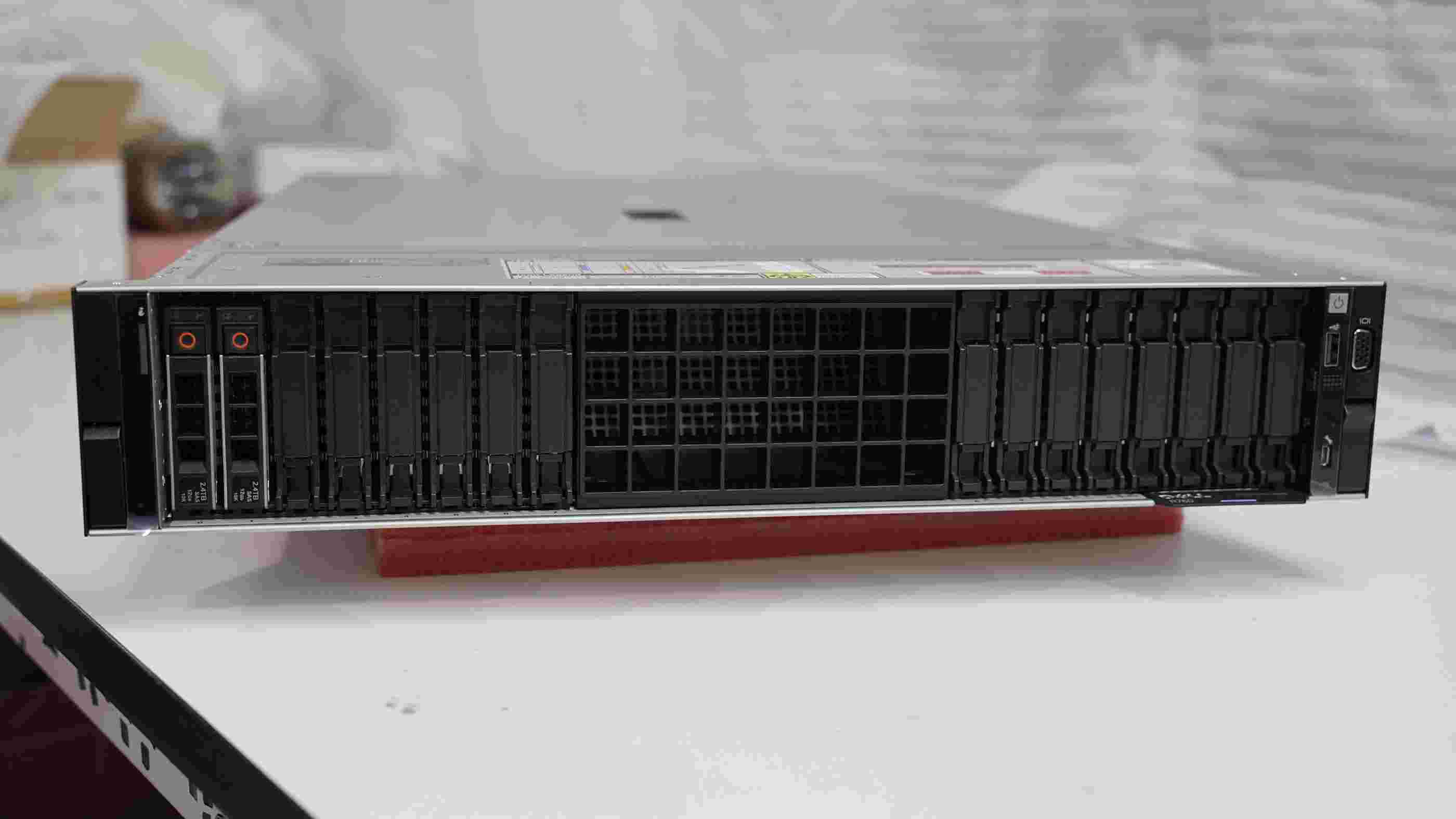
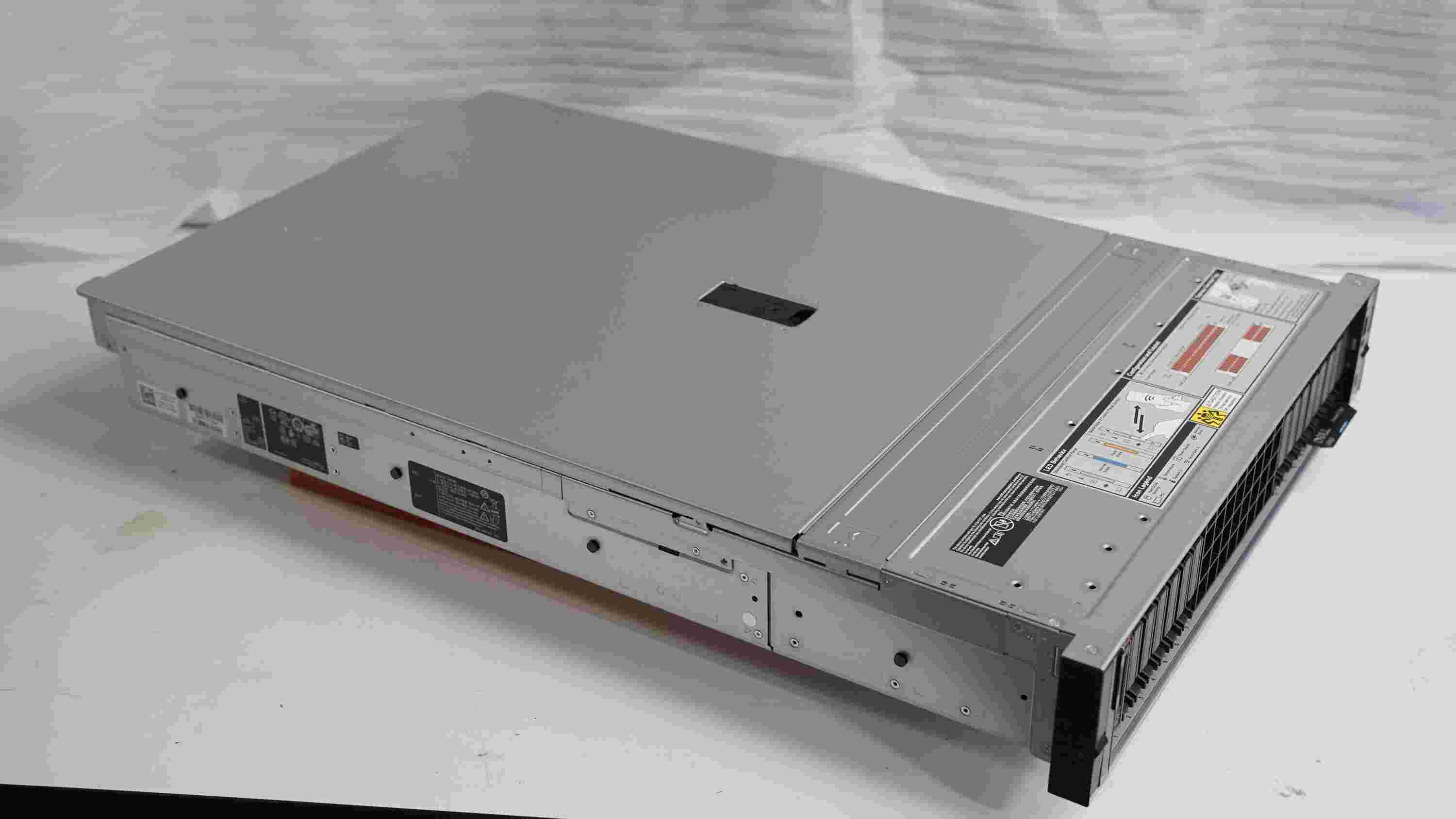
An engineering overview of how we optimize hardware density, power efficiency, and operating lifespans in tropical data centers.
Modern AI workflows require different compute accelerators based on the task. While deep learning LLM training needs high-speed GPU-to-GPU interconnects (like NVLink), inference pipelines and geological mapping can run efficiently on high-bandwidth PCIe configurations.
Our systems support diverse accelerator architectures, allowing companies in the DRC to scale their compute nodes step-by-step. By integrating Intel Xeon Scalable or AMD EPYC host processors with multi-GPU baseboards, we balance system memory, storage capacity, and compute speed.
We configure system pathways to prevent data bottlenecks. For training nodes, we implement a direct root-port switch architecture to enable low-latency GPU communication, bypass CPU bottlenecks, and maximize operational efficiency.
Thermal throttling can limit computing performance in warm regions. To prevent this, our chassis feature dedicated internal ducting that routes cool air directly across the GPU cold plates.
Our server firmware features dynamic fan speed management. Instead of running fans at a static speed, the system monitors internal temperature sensors on the GPU cores, memory chips, and power rails. It adjusts fan speeds in real time to match the workload, reducing dust intake and power draw when the system is idle.
Our systems include built-in over-current, over-voltage, and transient surge protection circuits. These safeguards protect system components from electric grid fluctuations common in remote mining and industrial operations.
A comprehensive lineup of hardware platforms designed for machine learning inference, deep training nodes, and data center scaling.
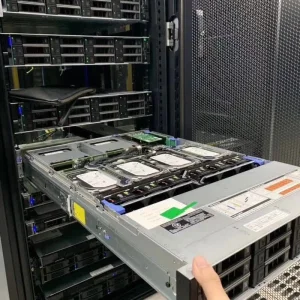
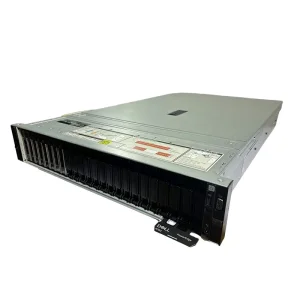
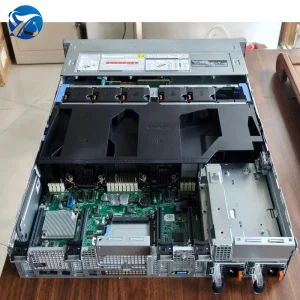
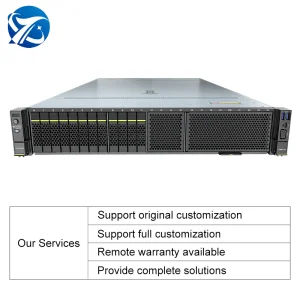
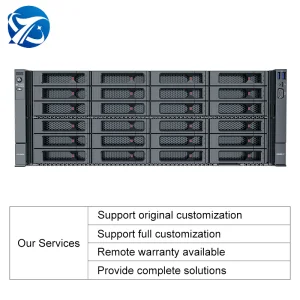
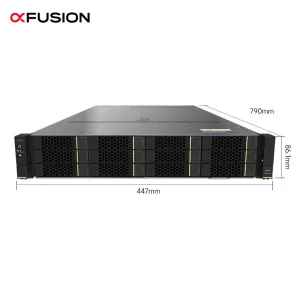
Optimized rack nodes with specialized physical layouts, targeting massive model parameters and network edge caching environments.
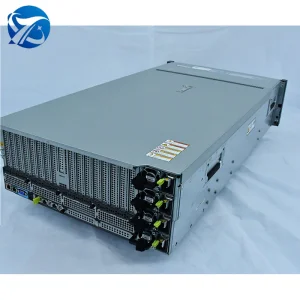
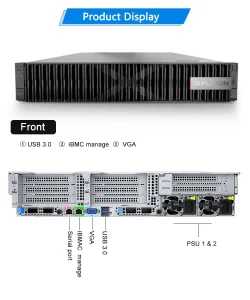
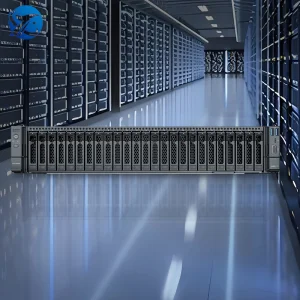
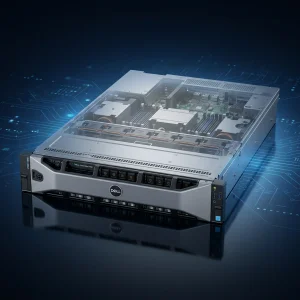
How we manage supply chains, logistics routes, and regulatory requirements to deliver hardware to Kinshasa, Lubumbashi, and regional hubs.
Shipping high-performance computing hardware into the Democratic Republic of Congo requires strict adherence to trade rules. Our export team manages the necessary certification processes, including the Office Congolais de Contrôle (OCC) pre-shipment inspections.
To prevent shipping delays, we provide complete, compliant documentation. This includes detailed packing lists, HS Code classifications for high-density computing systems, and Certificates of Origin. We work closely with authorized customs brokers at the port of Matadi and regional airport custom centers in Kinshasa (FIH) and Lubumbashi (FBM) to streamline the import process.
To protect sensitive server systems during long-distance transit, we package each unit in heavy-duty, multi-layered crating.
Answers to common questions regarding hardware integration, custom configurations, shipment logistics, and support operations.
Yes, our GPU servers are optimized for large-scale AI deployment. For complex models like DeepSeek-R1 (671 billion parameter scale), we configure servers with dual AMD EPYC or Intel Xeon host processors, and install multiple high-speed PCIe Gen 5 GPUs. This provides the memory bandwidth and processing capacity required for fast token generation and model execution.
To prevent hardware damage from power instability, we configure our servers with hot-swappable, redundant power supplies (such as 1+1 or 2+2 setups) certified with 80 Plus Platinum or Titanium efficiency. These power units support a wide input voltage range (100VAC - 240VAC) and include surge protection. For critical sites, we recommend installing our servers alongside online double-conversion UPS systems and voltage stabilizers.
For time-sensitive projects, we ship systems via air freight directly to Ndjili International Airport (FIH) in Kinshasa or Luano International Airport (FBM) in Lubumbashi. For larger, volume-based infrastructure projects, we ship ocean freight to the port of Matadi, or route cargo through East African ports like Dar es Salaam or Mombasa, followed by secure overland transit to the southern mining districts.
Yes, we provide comprehensive OEM/ODM customization services. We configure server motherboards, PCIe expansion slots, storage setups (such as high-speed NVMe arrays for raw data ingestion), and custom thermal layouts to match the requirements of specific industrial software.
For challenging physical environments, we build servers with industrial-grade chassis that support optional washable dust filters. Additionally, we apply a conformal protective coating to the motherboard PCBs, safeguarding the solder joints and components from fine conductive dust and moisture.
Each server includes a standard factory warranty that covers all internal components, including CPUs, RAM, power supplies, and logic boards. We provide technical support via email, phone, and secure remote terminal interfaces. If replacement parts are needed, we prioritize air freight delivery to Kinshasa and Lubumbashi to minimize system downtime.
Discuss your project needs with our hardware engineering team. We provide custom configurations, price quotes, and shipping plans tailored to your regional logistics requirements.