Borevo
Borevo
Borevo
Explore our core line of server infrastructures, memory options, and network interface solutions optimized for massive scale deployment.
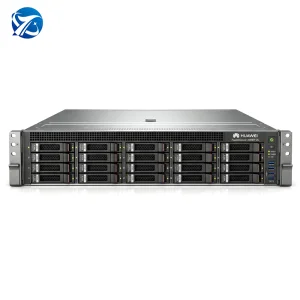
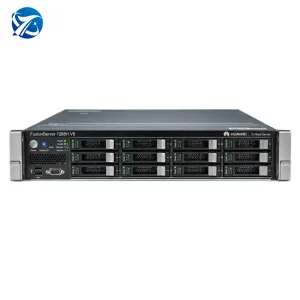
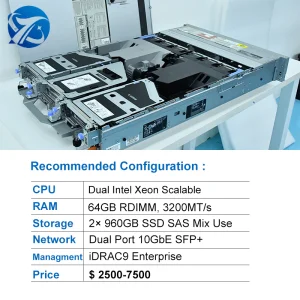
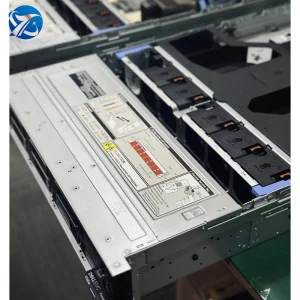
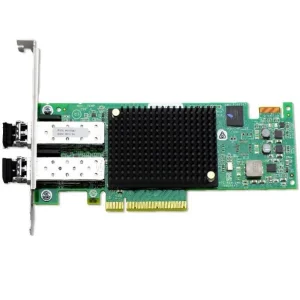
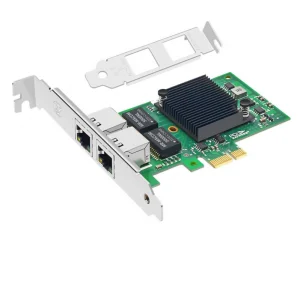
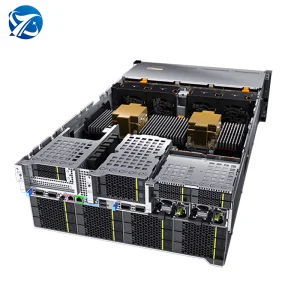
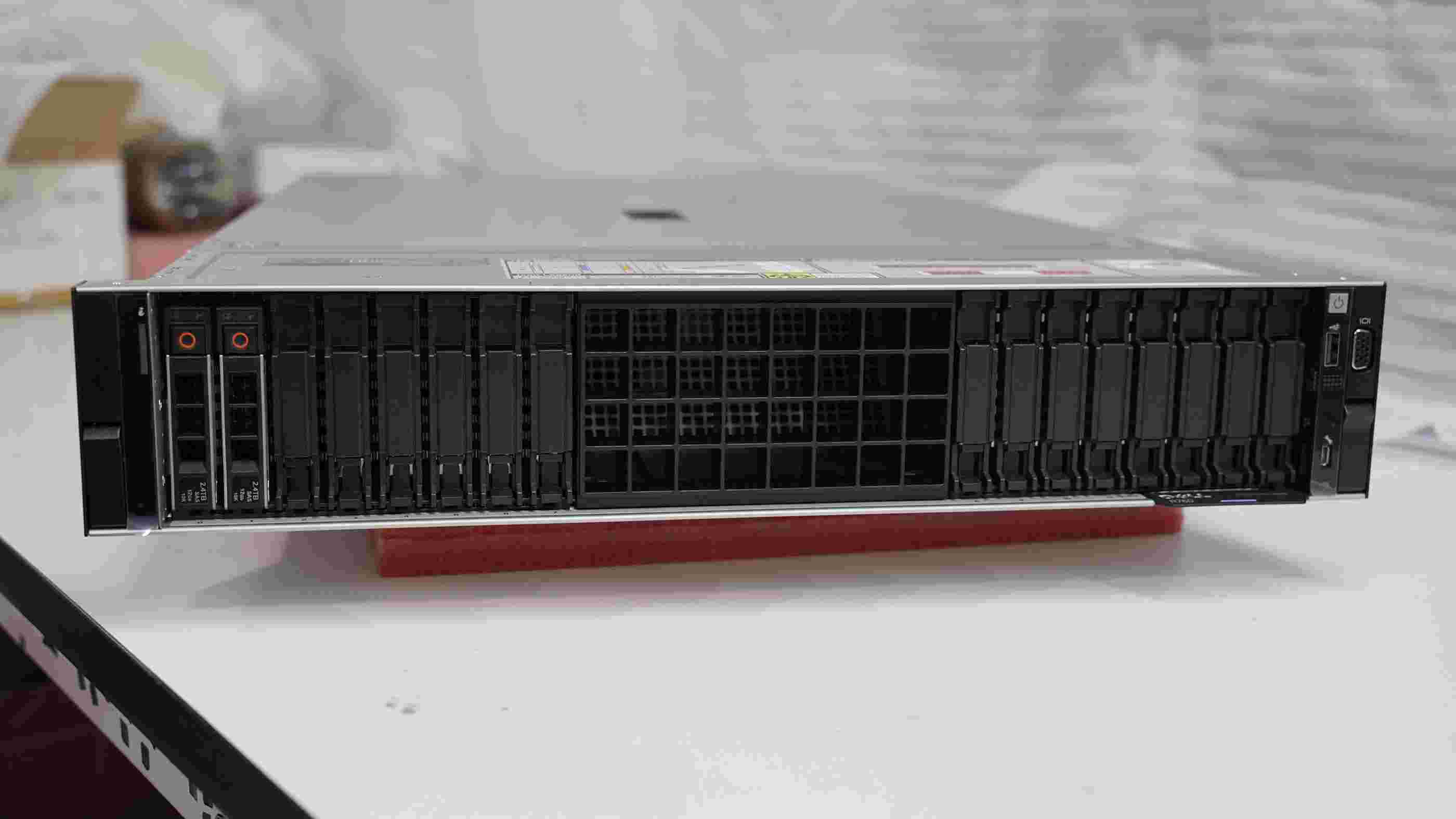
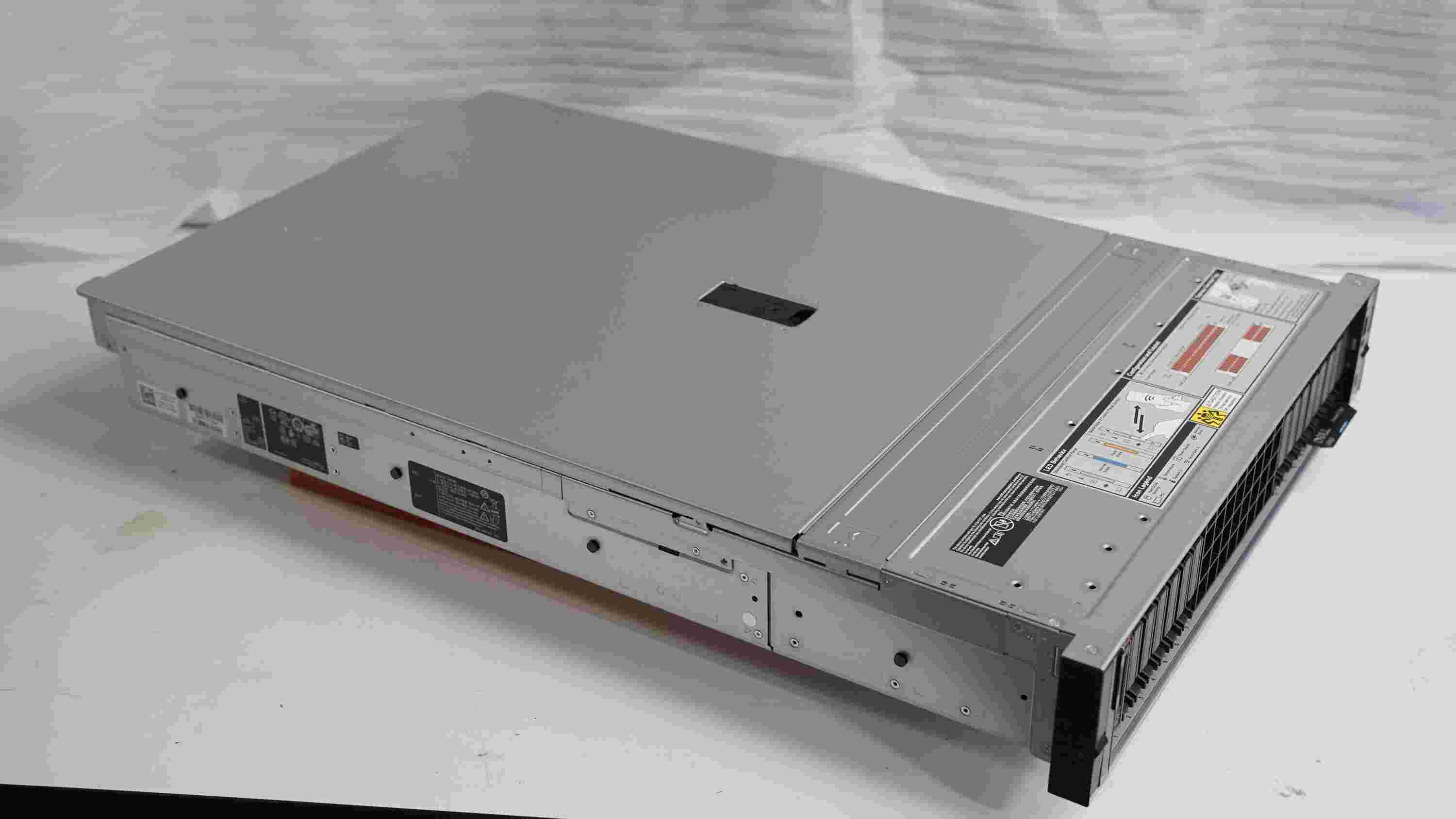
The modern data landscape demands architectures capable of processing petabytes of heterogeneous data with minimal latency. The transition from legacy V5 platforms to modern V6 server structures represents a monumental shift in computational capability. Built to support next-generation workloads such as Large Language Models (LLMs) and containerized microservices, V6 technology optimizes CPU and GPU communication interfaces to prevent latency bottlenecks.
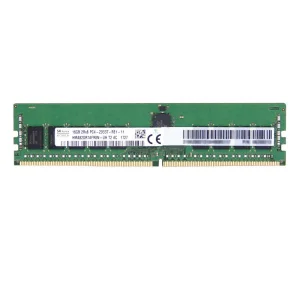
By upgrading from PCIe Gen 4 to PCIe Gen 5 architectures, V6 infrastructure doubles the operational bandwidth, ensuring that specialized components like the Emulex LPe35002-M2 Dual Port HBA card can achieve true 32GFC throughput speeds. Additionally, system memory has evolved to support higher speed DDR5 RAM topologies, yielding up to a 50% improvement in read/write bandwidth compared to standard DDR4 configurations. These hardware advancements allow workloads to remain in local memory pools longer, avoiding costly calls to external storage blocks.
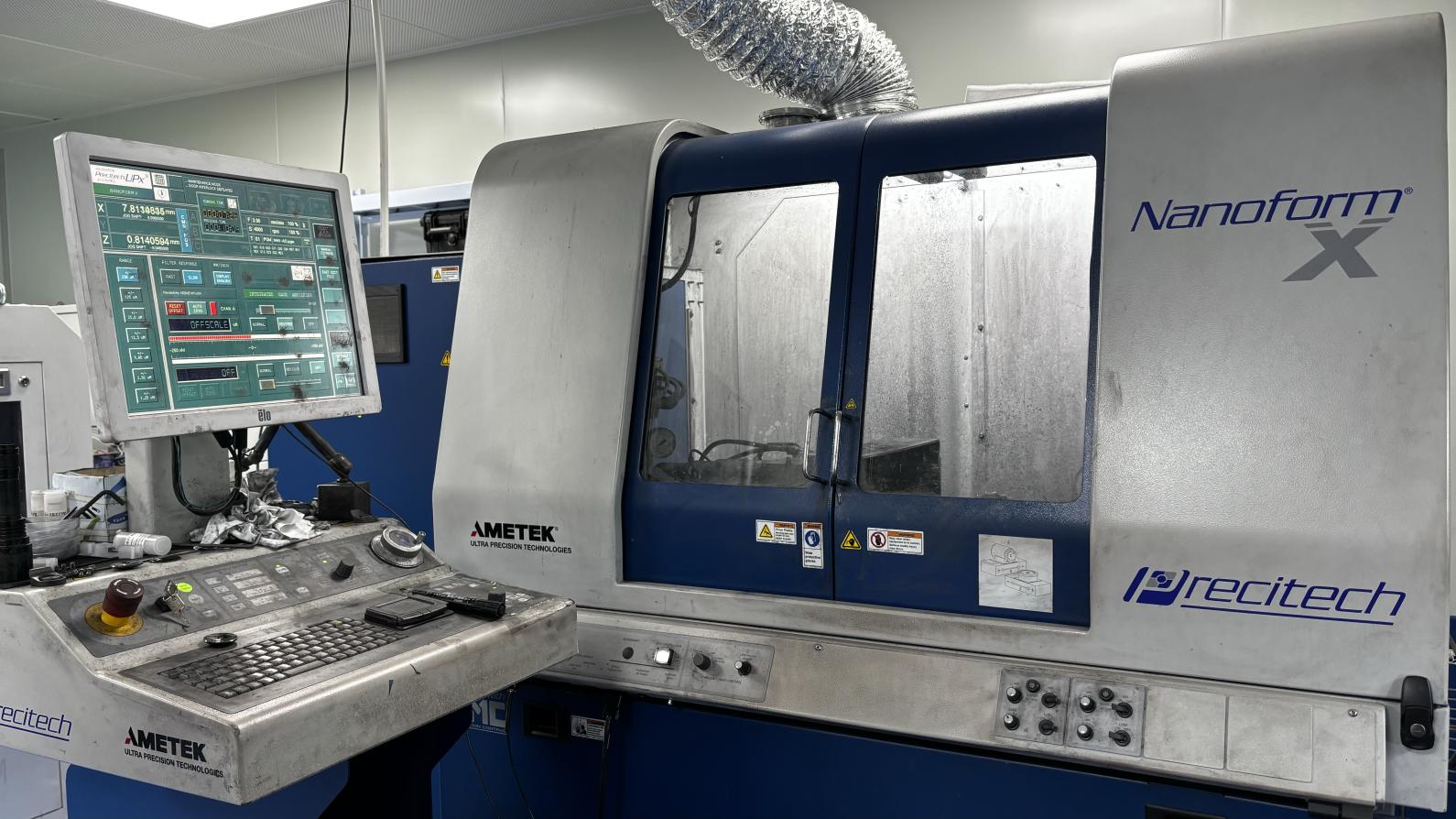
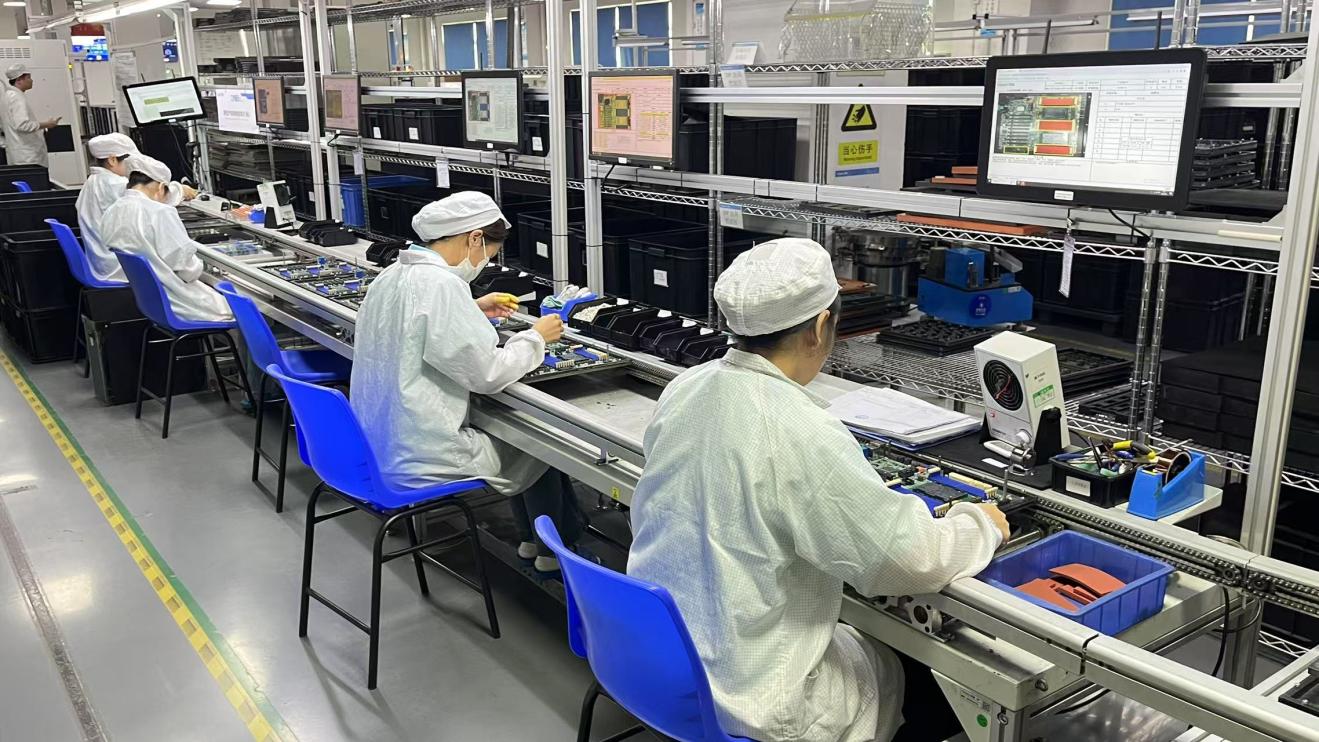
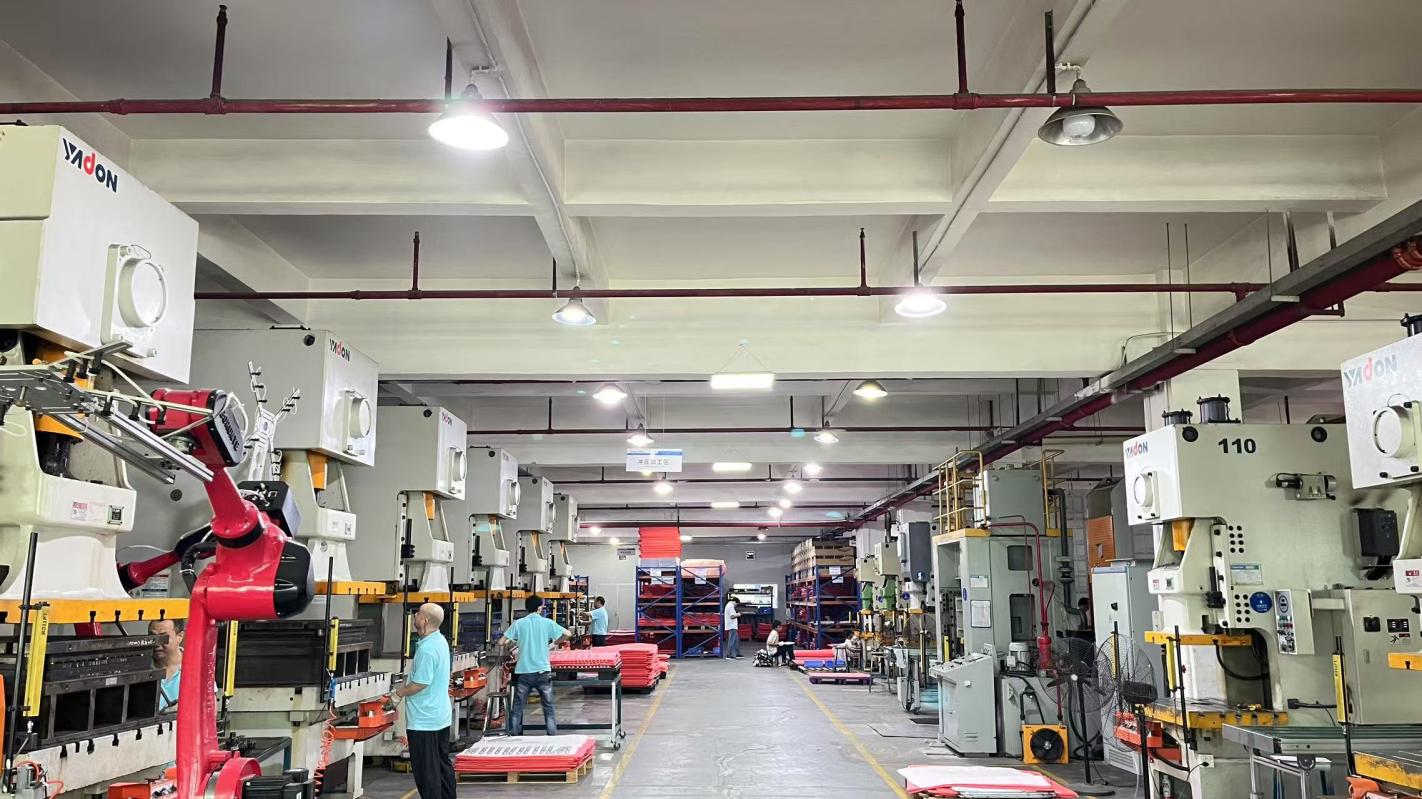
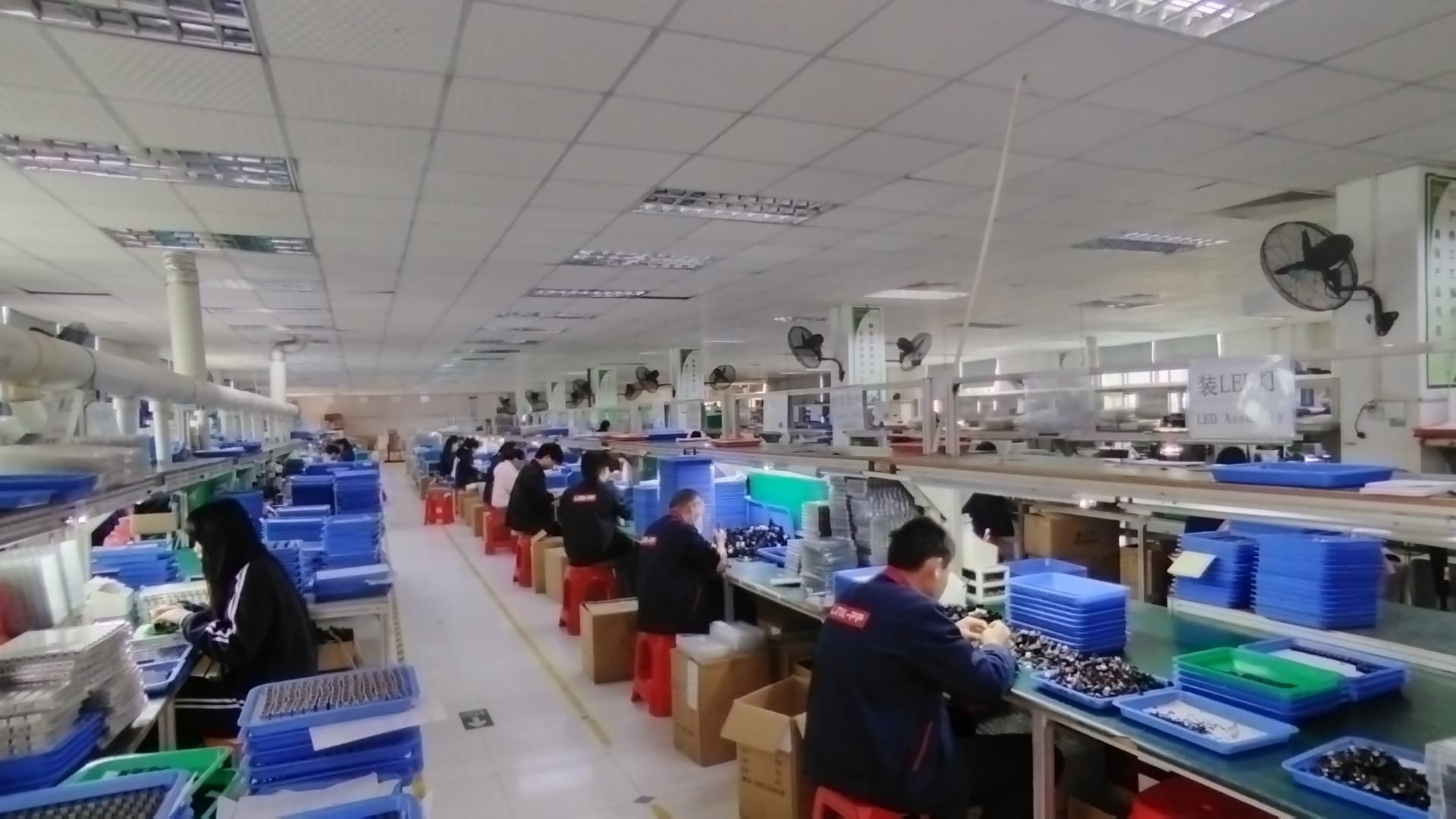
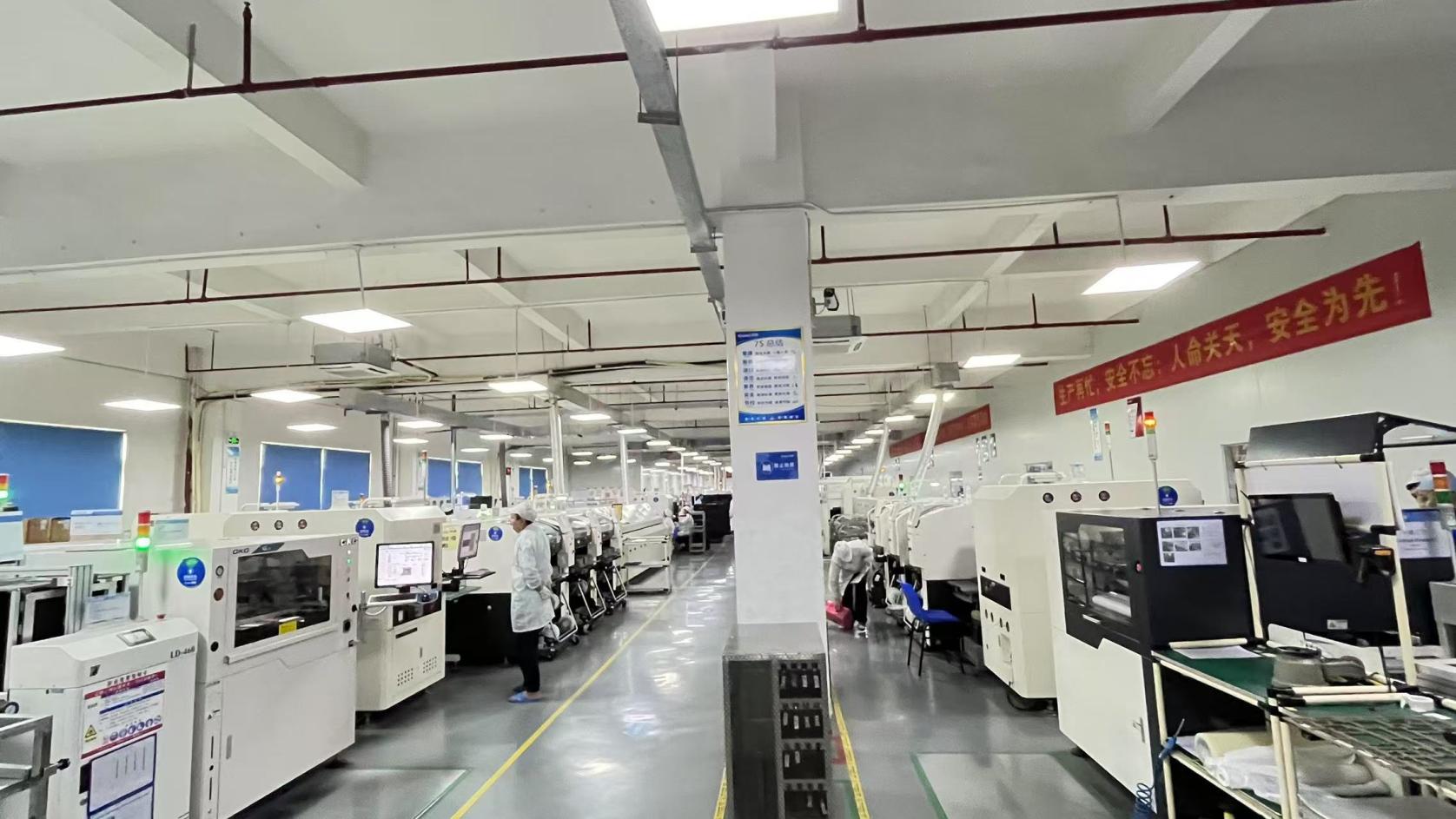
Our strategic manufacturing base, operated by Borevo AI Infrastructure (China) Co., Ltd., encompasses an extensive 18,600 ㎡ state-of-the-art facility. Founded in 2018, this facility houses robotic assembly platforms and precision testing cleanrooms, enabling rapid scaling of custom enterprise-grade server hardware.
Quality assurance is backed by a team of 45 dedicated QC specialists. Every server unit undergoes a series of testing procedures including AOI (Automated Optical Inspection), high-temp burn-in chambers, electrical signal benchmarking, and thermal stress tests to verify system stability under heavy loads.
Supported by a dynamic team of 180 R&D engineers, we continuously optimize firmware, PCB layouts, and advanced cooling designs. In the past year alone, our R&D efforts yielded 120 new products, bridging the gap between chip advancements and global system deployments.
In the high-intensity data center supply chain, reliance on single-source components leads to project delays. Borevo maintains strategic supply partnerships with approximately 850 component suppliers. This ecosystem guarantees stable sourcing for crucial materials, including enterprise memory chips, specialized high-speed PCBs, fan systems, and server chassis, maintaining short lead times even when global markets fluctuate.
Global enterprise buyers face constant pressure to balance computational power with cost-efficiency. Calculating Total Cost of Ownership (TCO) goes beyond the upfront capital expenditure (CAPEX); it requires careful analysis of energy efficiency (PUE), reliability metrics, and operational lifespans. Our optimized V6 servers are designed with highly efficient, 80-Plus Titanium redundant power supplies and automated cooling profiles to minimize ongoing operational expenses (OPEX).
Scalability is another key consideration. When deploying new applications or expanding existing setups, you need hardware that integrates smoothly with current systems. Our platforms feature extensive modularity, allowing you to configure custom combinations of computing nodes, fast local storage, and PCIe expansion cards. This approach ensures your hardware can grow alongside your organization's performance requirements.
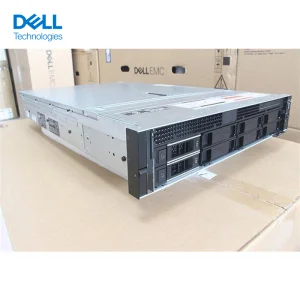
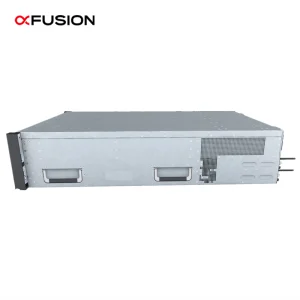
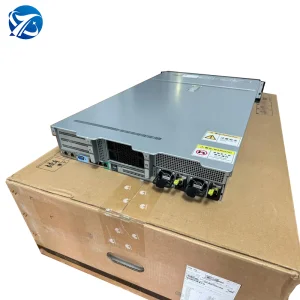
Optimize server workloads with our range of high-density storage drives, memory modules, and specialized rack computing units.
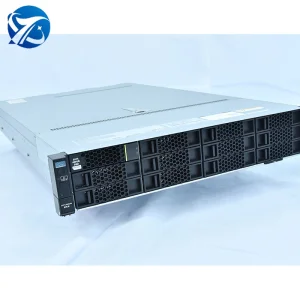
Navigating different international regulations is a critical aspect of modern server deployment. Global markets require strict compliance with data handling standards, emission rules, and component recycling laws. Our hardware lineup is engineered to meet recognized international certification standards.
We work to align our products with standard environmental guidelines like RoHS and WEEE, as well as electrical safety and EMI certifications (such as CE, FCC, and UL). For organizations handling sensitive data, our systems can be configured to comply with GDPR storage controls and HIPAA security policies by utilizing hardware-level encryption keys and secure root-of-trust boot cycles.
To support global deployments, we provide localized assistance across our primary distribution regions in North America, Europe, and Southeast Asia. We offer remote hardware troubleshooting, field assistance options, and advance component replacement programs to keep server downtimes to a minimum.
Our global engineering teams work directly with local data center operations to support physical installation, power load balancing, and network integration. This structure helps ensure that custom installations, like high-density GPU nodes and SAN networks, are deployed efficiently and with less risk.
AI model operations require high throughput and minimal latency. Utilizing high-density rack units like the FusionServer 5288 V6 AI GPU Rack, organizations can build computing clusters optimized for deep learning, transformer-based model updates, and high-volume data inference.
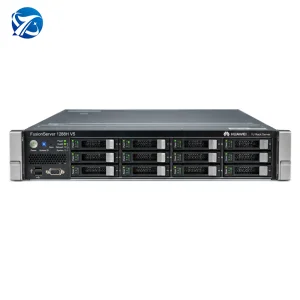
Large enterprise databases and ERP applications need high memory capacity and reliable multi-socket processing. Systems like the xFusion FusionServer 2488H V6 4-Socket Server provide the CPU resources and memory density required to manage complex database structures without memory bottlenecks.
Deployments outside core data centers benefit from compact 1U systems like the xFusion 1288H V5. These servers provide strong computing performance in a smaller footprint, making them suitable for branch locations, regional caches, and localized IoT processing.
The server industry continues to evolve toward higher energy efficiency and localized processing solutions. Standard air cooling is reaching its limits as hardware TDP levels rise, driving broader adoption of direct-to-chip liquid cooling. Concurrently, data architecture is moving toward unified frameworks that simplify resource sharing across distributed clusters. By designing hardware ready for these upcoming technologies, organizations can protect their infrastructure investments and prepare for future computational demands.
A view inside our 18,600 ㎡ assembly facility, showing the production lines, testing bays, and quality control areas.