Borevo
Borevo
Borevo
Factory Area
Annual Export Revenue
R&D Engineers
Dedicated QC Team
Deploy optimized bare-metal infrastructure engineered to execute continuous data protection, real-time deduplication, and scalable remote backup tasks.
Evaluating the convergence of high-capacity storage servers, hardware-level encryption, and high-speed transit networks for multi-site disaster recovery.
In the contemporary digital economy, data is the primary operational fuel. Enterprise environments spanning cloud computing, financial services, healthcare, and automated manufacturing generate exabytes of critical operational telemetry, patient archives, transactional logs, and artificial intelligence model checkpoints (such as DeepSeek and specialized LLMs). Consequently, establishing a zero-trust, highly resilient remote backup solution is not merely a box-checking exercise for compliance—it is an existential commercial requirement.
Modern remote backup solutions have evolved from traditional linear magnetic tape systems and basic cloud synchronizations into complex, hardware-defined architectures. These setups leverage distributed file systems (e.g., Ceph, GPFS, Lustre), high-throughput bare-metal storage pools, and low-latency interconnects. For remote storage deployments, the infrastructure must process intensive read/write workloads, perform hardware-level inline deduplication to conserve bandwidth, and maintain write-once-read-many (WORM) configurations to resist ransomware incidents. Deploying optimized hardware configurations, including the Dell PowerEdge, HPE ProLiant, and FusionServer series equipped with NVMe SSD storage caches and high-port count HBAs, guarantees minimal Recovery Time Objectives (RTO) and Recovery Point Objectives (RPO).
By pairing high-core count Intel Xeon Scalable processors with PCIe Gen 5 NVMe enterprise SSDs, local hardware nodes process data deduplication and compression in microseconds, slashing RTO to nearly instantaneous recovery windows.
Utilizing object lock configurations and hardware firmware security, backup archives are rendered immutable. This ensures that even if main networks are compromised, the remote replica remains unalterable by malicious actors.
Our solutions facilitate seamless synchronization between on-premise private clouds, hybrid computing structures, and global hyperscale platforms, enabling resilient workloads across borders.
Borevo AI Infrastructure (China) Co., Ltd. is a premier specialized AI GPU and enterprise server manufacturer dedicated to delivering high-performance computing hardware, massive-capacity storage arrays, and sophisticated backup infrastructure solutions. Founded in 2018, the enterprise has spent 12 years in the computing hardware sector, accumulating 7 years of pure global export experience with an annual export revenue exceeding USD 18 million.
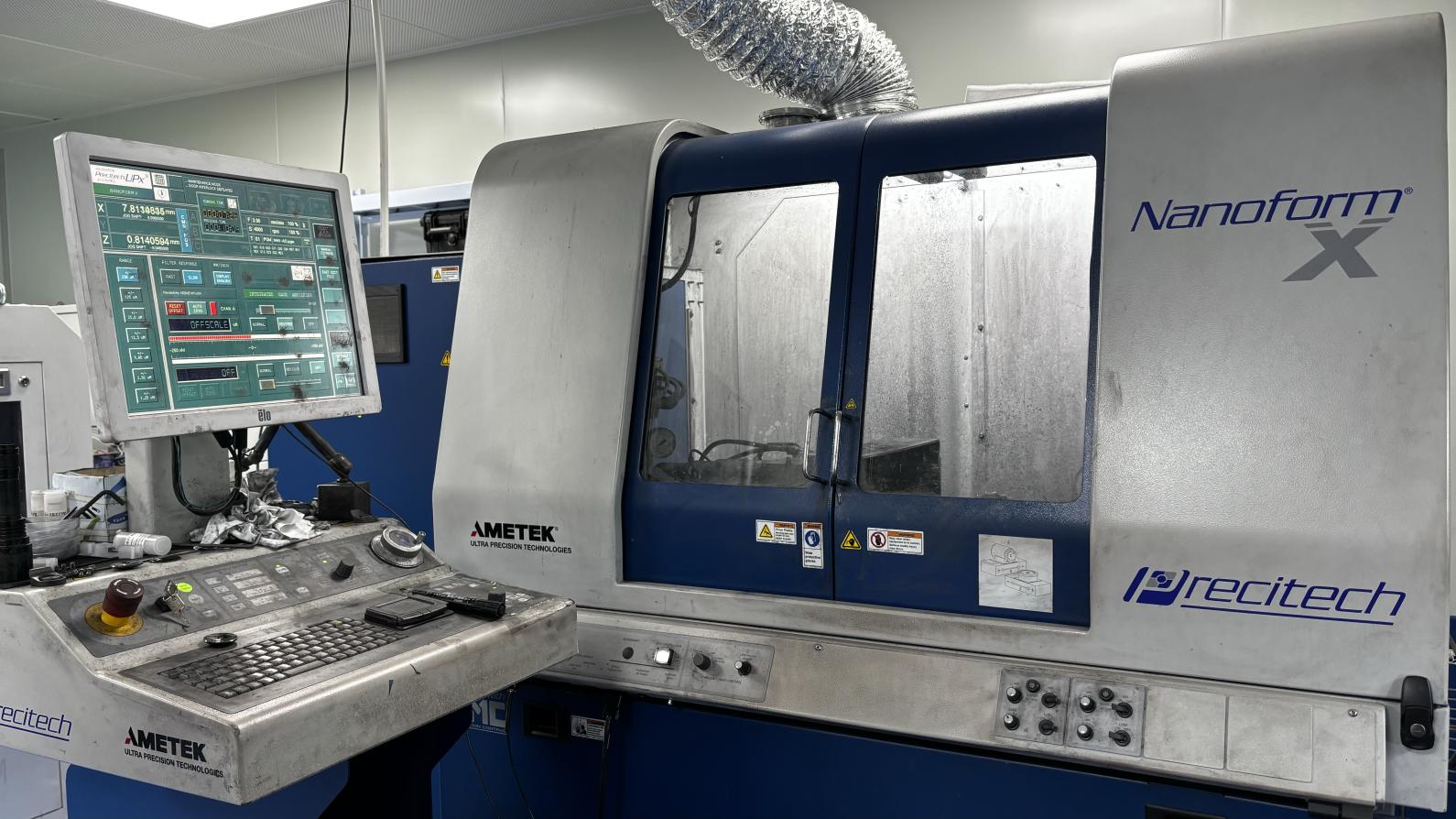
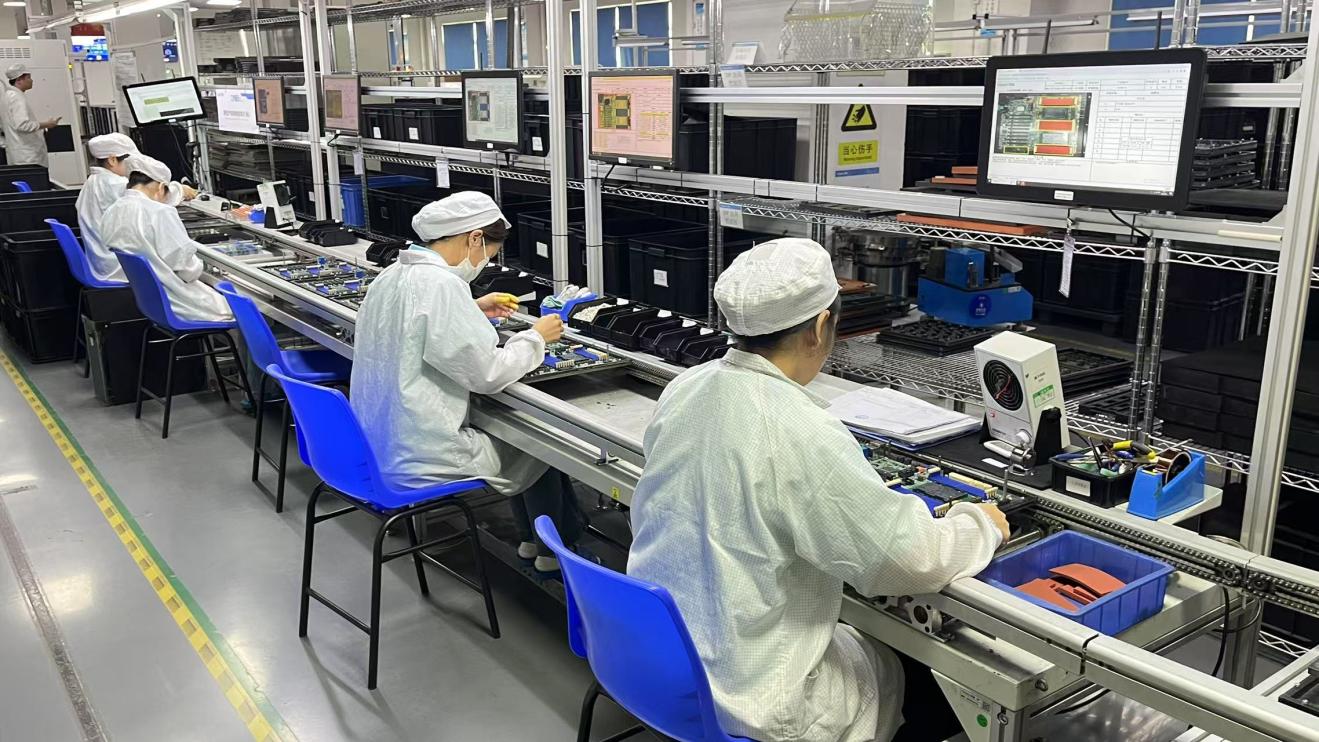
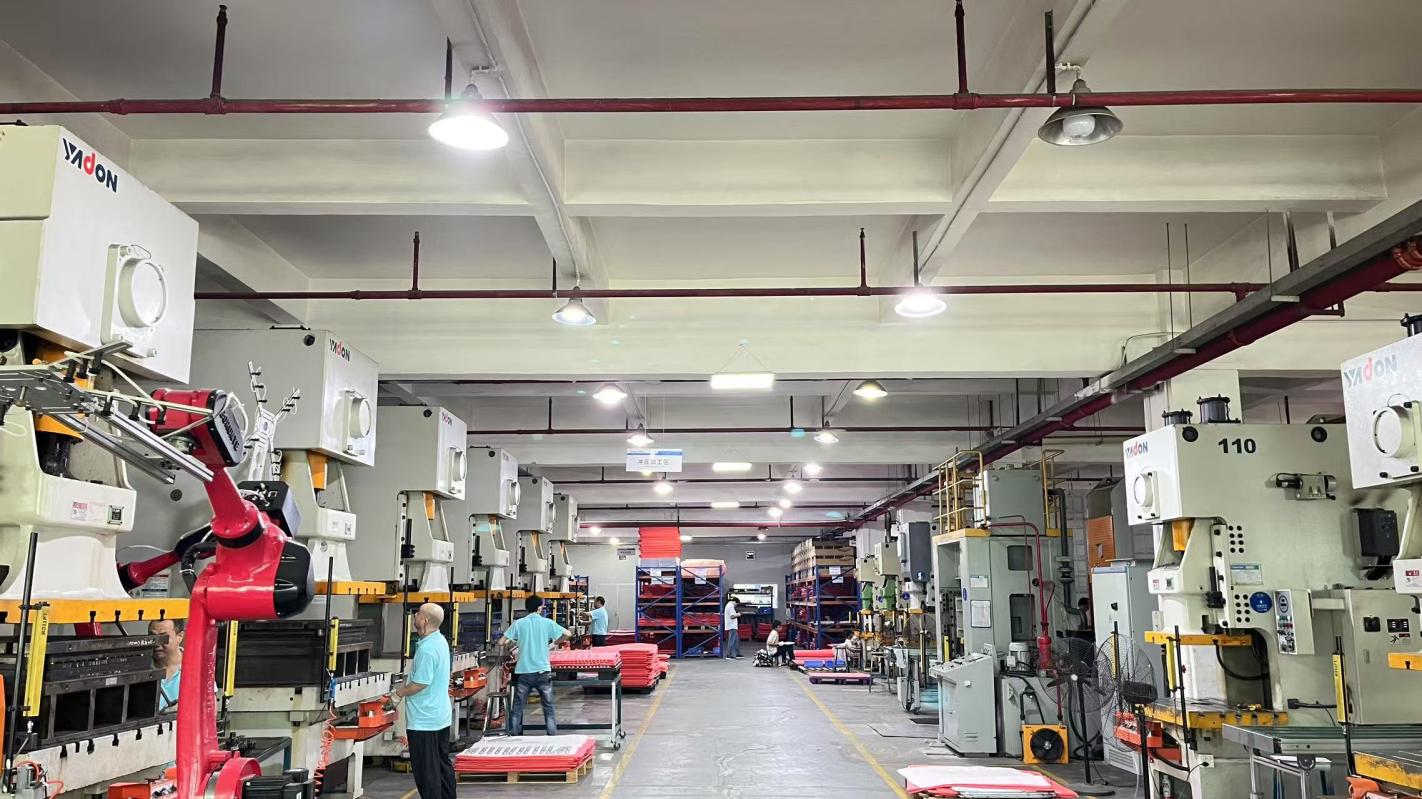
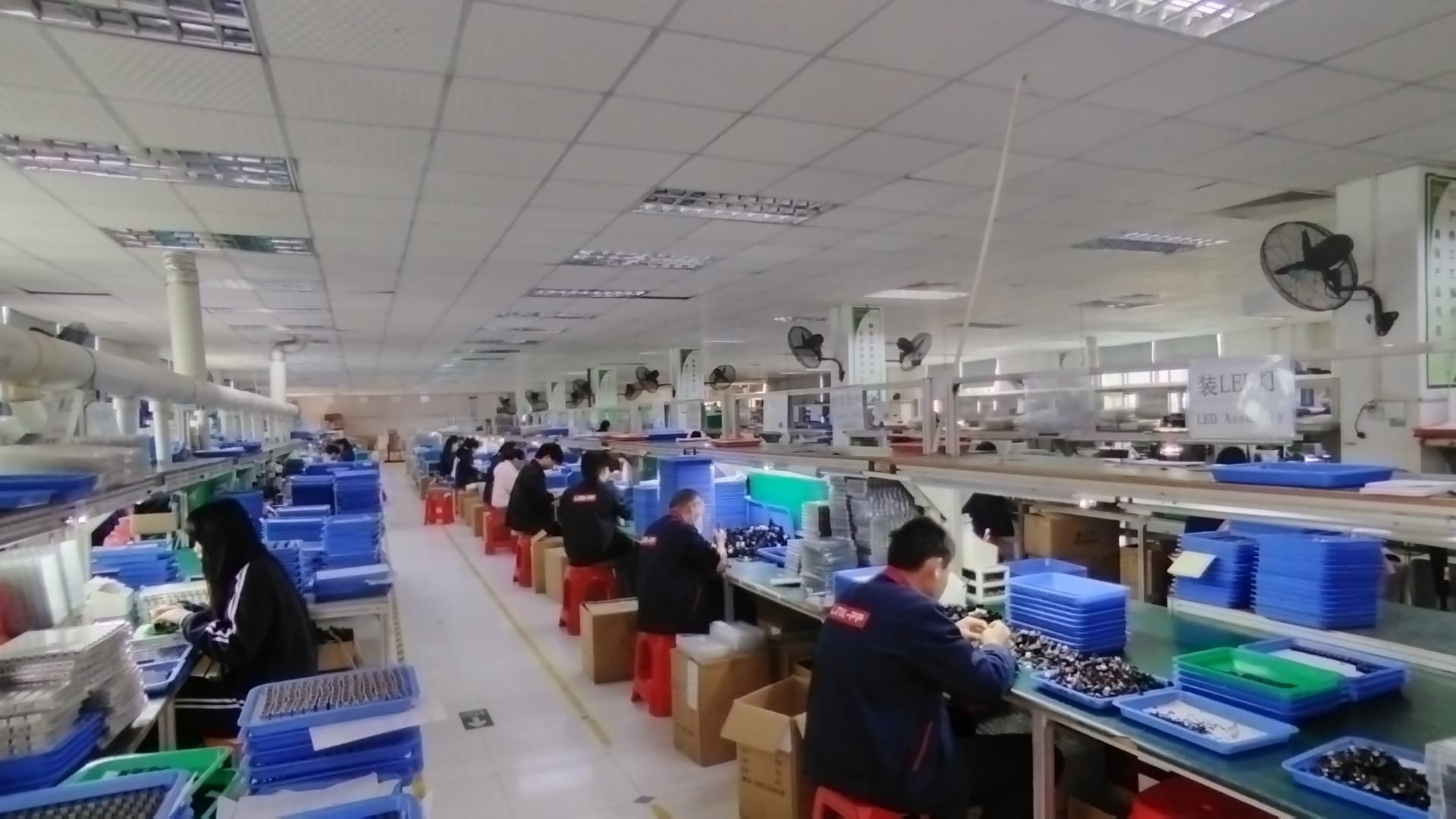
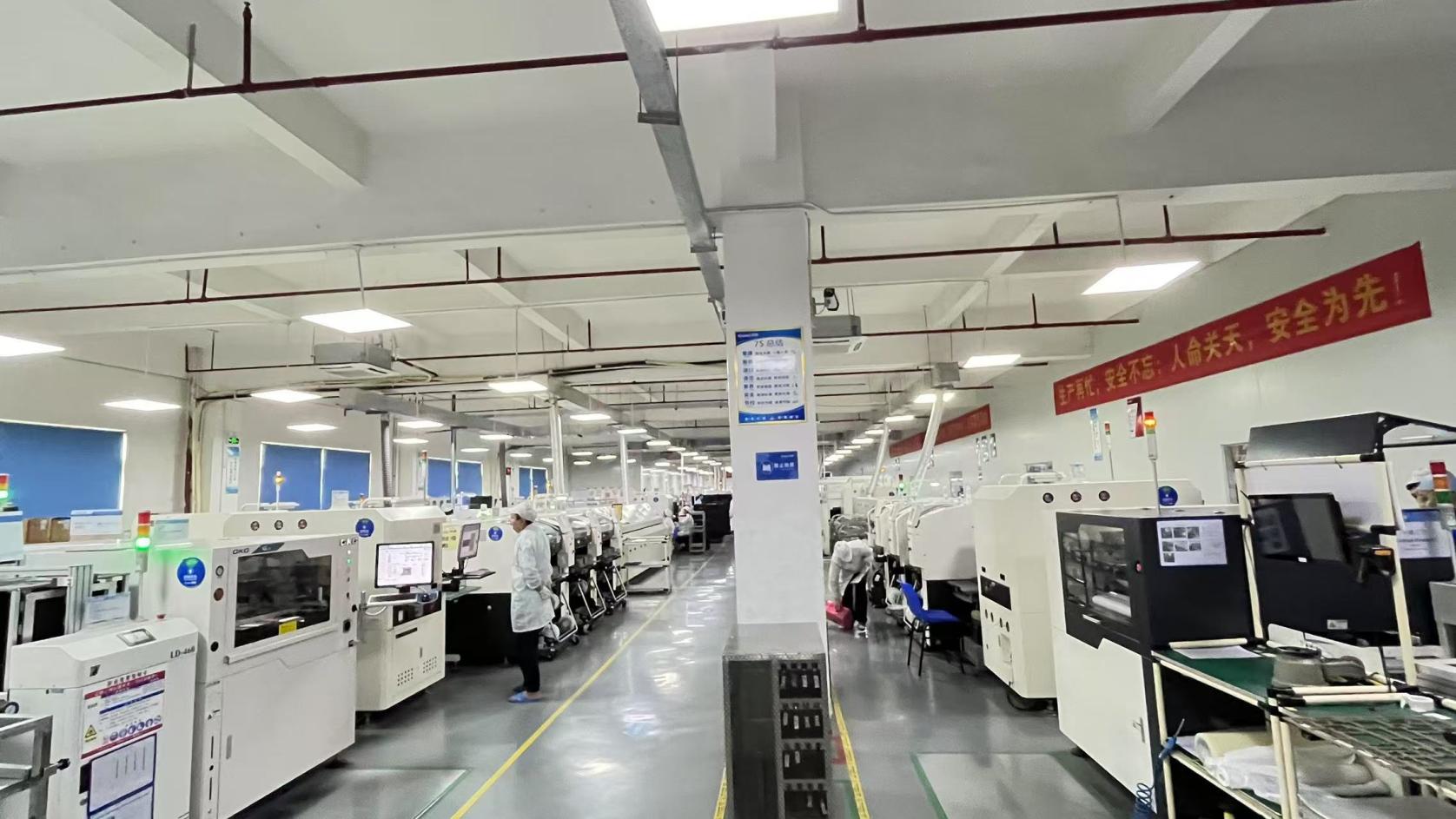
Operating a manufacturing footprint of 18,600 ㎡, our facility combines cutting-edge automated assembly lines with highly precise custom configuration stations. This capacity allows us to build bespoke rack server systems tailored for localized backup workloads, dynamic virtualization, and massive deep learning pipelines.
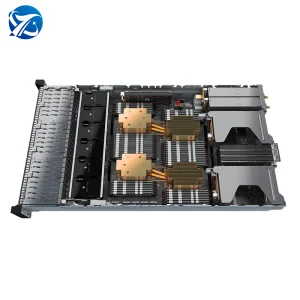
From firmware adaptations and custom BIOS parameters to physical PCB design modifications and thermal optimization for high-density deployments, Borevo works with a network of 850 strategic supply chain partners to secure semiconductor components, specialized cooling blocks, and server chassis. This resilience ensures consistent supply chains and competitive lead times even during global chip shortages.
Compare key operational specifications across our flagship enterprise servers optimized for disaster recovery and remote backup targets.
| Server Model | Form Factor | Processor Configuration | Max Storage Capacity | Ideal Application Scenario |
|---|---|---|---|---|
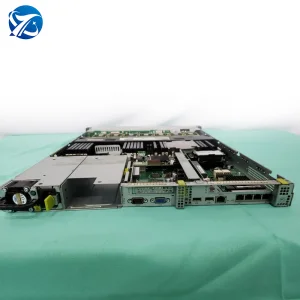
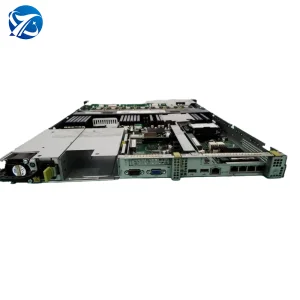
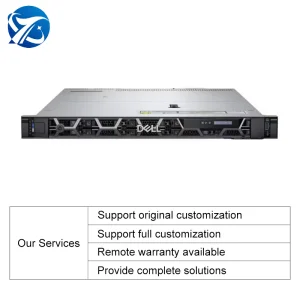
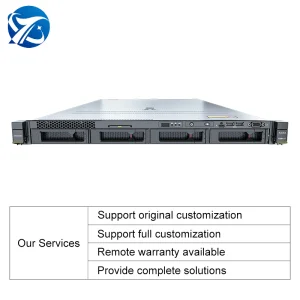
| FusionServer 1288H V6 / V7 | 1U Rack Mount | Dual Intel Xeon Scalable | Up to 12x 3.5" or 24x 2.5" Hot-Swap Bays | High-Density Compute-Centric Offsite Deduplication Nodes |
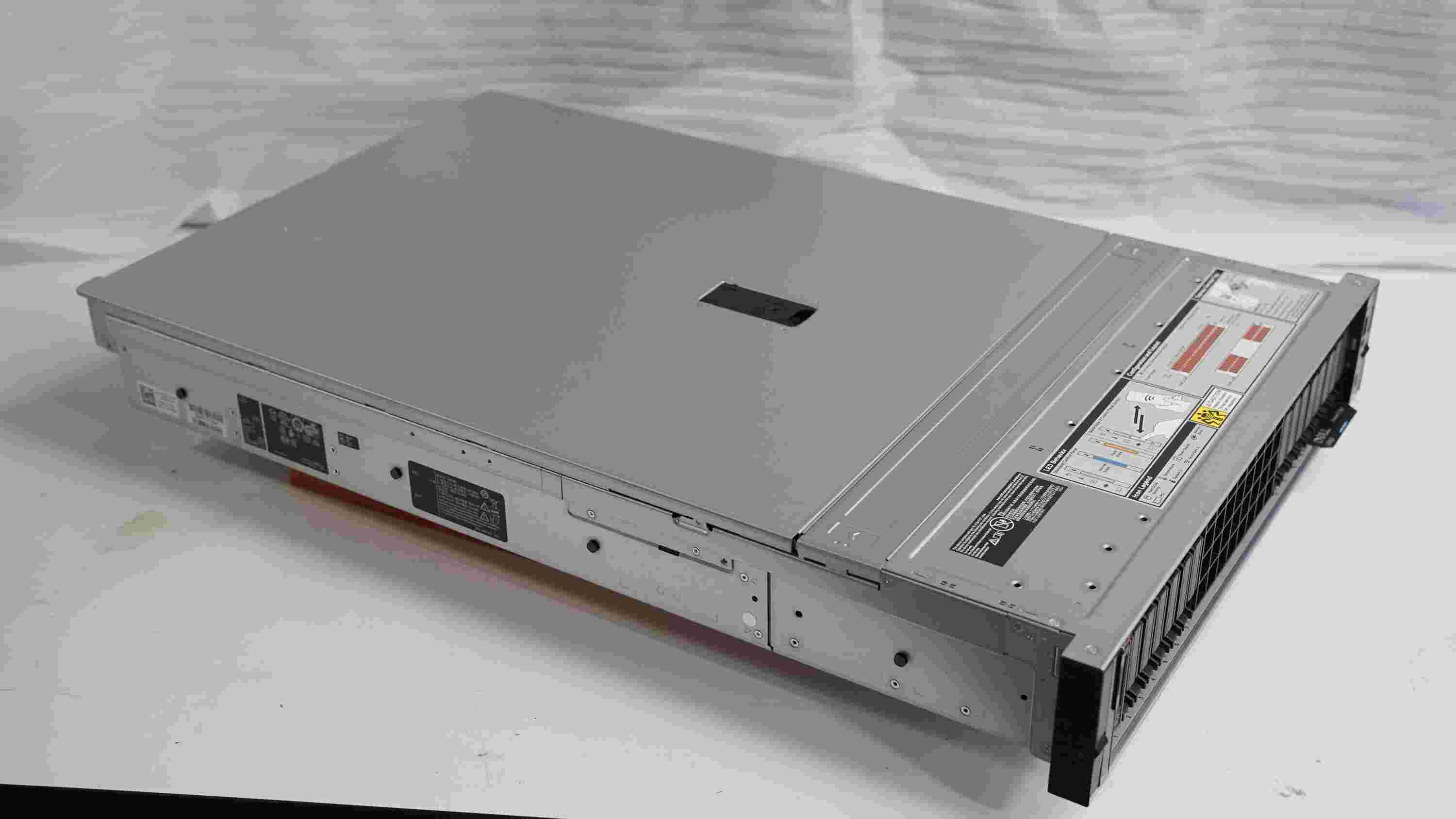
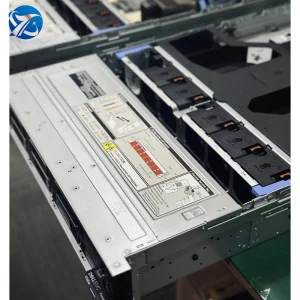
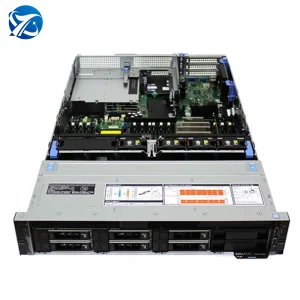
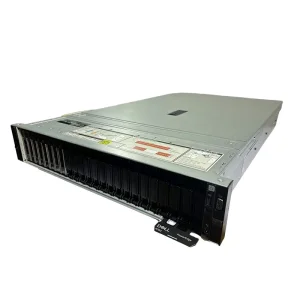
| DEll PowerEdge R760XD2 | 2U High-Density Rack | Dual Intel Xeon Scalable Gen 4 | Up to 24x 3.5" SAS/SATA Drive Bays | Massive Storage Targets for Localized/Remote Active Archives |
| HPE ProLiant DL380 Gen12 | 2U Rack Mount | Dual 5th Gen Intel Xeon / AMD EPYC | Scalable Smart Carrier Storage Bays (SSD/NVMe) | Critical Virtualization Storage & High-Availability Hot Backups |
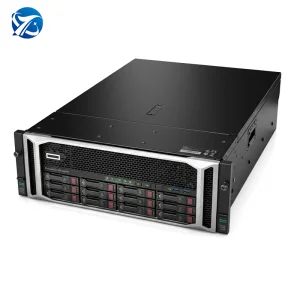
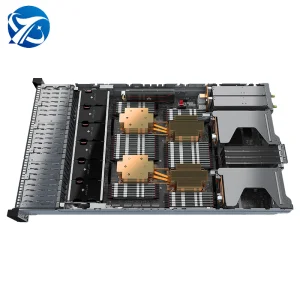
| FusionServer 5288 V6 / G5500 V7 | 4U / 5U Mass Storage & GPU | Multi-Socket Xeon + Acceleration Card Support | Ultra-Dense Hard Drive Trays + NVMe Boot Caches | AI-Engineered Backup Analytics, Checkpoint Saves, and Object Store |
How global enterprises adapt Borevo-engineered hardware configurations to address challenging regional environments.
In regions with fluctuating network latency, such as remote mining sites or deepwater drilling platforms, installing physical, short-depth xFusion and Dell PowerEdge 1U storage nodes enables real-time edge processing. Data is securely held locally and trickle-synced to remote datacenters during off-peak windows, minimizing costly satellite transit fees.
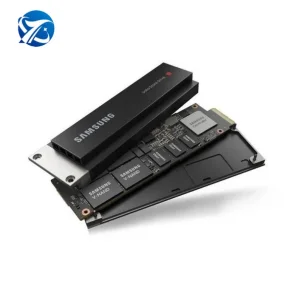
Hospitals and clinical groups require robust PACS systems to archive raw, high-resolution diagnostic imaging. Utilizing Samsung Enterprise SSD pools nested within dual-socket server arrays allows hospital nodes to index patient data instantly, keeping local hot caches active while generating automated, HIPAA-compliant off-site backups.
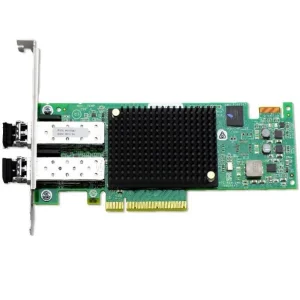
Financial brokerages process millions of micro-transactions per second. To prevent transactional mismatch during server failures, they employ redundant Emulex Fibre Channel HBA cards connecting servers directly to centralized SAN setups. This enables zero-loss remote journaling and real-time database updates.
Anticipating storage technology shifts and the future of automated enterprise backup between 2025 and 2030.
Compute Express Link (CXL) technologies will redefine physical storage bounds, allowing servers to treat remote solid-state drive arrays as pooled virtual RAM, reducing disaster recovery sync latencies to near-zero margins.
AI hardware integrations (using powerful GPUs and NPUs) will autonomously classify backup data blocks, shifting cold historical files directly to low-cost archival states while retaining vital operation data on high-speed NVMe flash.
As quantum computing progresses, standard cryptographic keys face vulnerabilities. Future iterations of Borevo hardware platform BIOS will support post-quantum cryptography (PQC) algorithms to defend backup streams against future interception risks.
Navigating complex international data privacy guidelines, sovereignty standards, and secure logistics operations.
Deploying remote backup infrastructure requires strict compliance with distinct regional data laws. For instance, European deployments must adhere to the General Data Protection Regulation (GDPR), which mandates secure data transit mechanisms and limits international transfers. Similarly, operations in North America must comply with SOC 2 Type II and HIPAA security controls, which govern administrative permissions, access logging, and physical server location parameters.
Borevo provides customized BIOS options that enable hardware-based cryptography directly within hardware security modules (HSM), ensuring all backed-up payloads remain encrypted at rest and in transit. This strategy prevents third parties from accessing protected databases, even if storage arrays are physically compromised during transit. Additionally, our global shipping networks and trusted logistics partnerships guarantee that all hardware reaches its destination safely, accompanied by complete CE, FCC, RoHS, and UL documentation.
Get answers to the most common configuration and engineering questions regarding Borevo storage platforms.
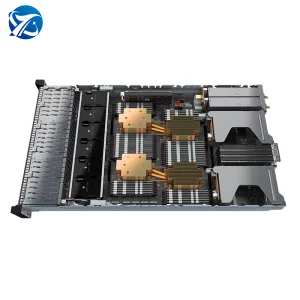
Select from our range of performance-tested rack mount servers, high-density SSD arrays, and network cards to build out your secure disaster recovery centers.
Inside the 18,600 ㎡ Borevo plant: where enterprise server architecture is built, validated, and shipped worldwide.