Borevo
Borevo
Borevo
Explore our top-tier server hardware, network arrays, and storage solutions tailored for high-throughput security appliances and AI acceleration workloads.
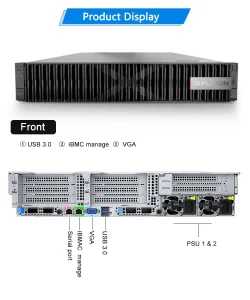
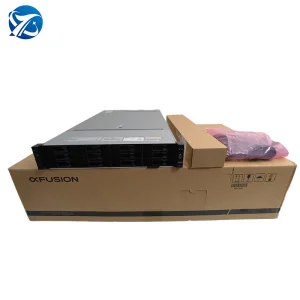
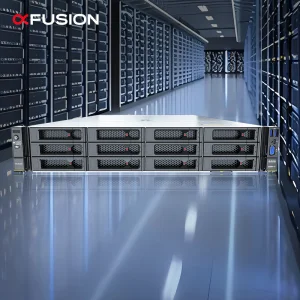
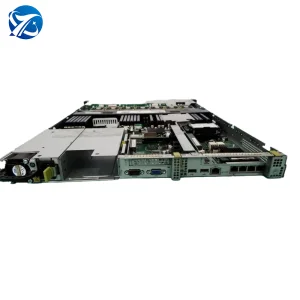
In an era of relentless cyber threats and complex cloud-native architectures, standard software-level security measures are no longer sufficient. Enterprise security demands hardware-accelerated, robust, and dedicated Network Security Appliances. As leading manufacturers and strategic suppliers, we recognize that true network security integration begins at the physical layer, bridging bare-metal server infrastructure with advanced real-time packet inspection and artificial intelligence models like DeepSeek.
A high-performance network security appliance functions as the gatekeeper of the enterprise network, handling massive traffic throughput while running sophisticated algorithms for threat detection, intrusion prevention (IPS), virtual private networks (VPN), and unified threat management (UTM). These hardware platforms must be designed with multi-core processors, optimized PCIe lanes, scalable network interface cards (NICs), and dedicated hardware acceleration modules to prevent performance bottlenecks during peak workloads.
China has established itself as the global epicenter for precision electronic manufacturing and network hardware assembly. Partnering with a China-based manufacturer like Borevo AI Infrastructure (China) Co., Ltd. offers unparalleled strategic benefits for enterprise procurement:
The network security sector is undergoing a massive paradigm shift. The integration of Artificial Intelligence (AI) and Machine Learning (ML) models at the network edge is transforming static packet-filtering boxes into proactive, intelligent defense systems. Today's network security appliances are tasked with running localized deep-learning networks to inspect traffic for zero-day vulnerabilities and anomalous behavior without routing data back to a centralized cloud, preserving data privacy and minimizing latency.
As AI optimization becomes critical, optimized hardware platforms configured with multi-core processors, NVMe SSD storage pools, and specialized GPU accelerators (like the optimized DeepSeek configurations we offer) are fast becoming the standard for modern enterprise gateways.
Dedicated multi-core architectures allow wire-speed processing of application-layer data to identify concealed malware signatures.
Equipped with specialized GPU expansion modules supporting deep learning workloads and real-time behavioral analysis.
Root-of-Trust (RoT) implementations with TPM 2.0 security chips ensure secure boot processes and complete firmware integrity.
Enterprise requirements vary drastically depending on the legal framework, geographic region, and industry vertical. We provide specialized configurations that satisfy rigorous technical parameters and localized compliance standards:
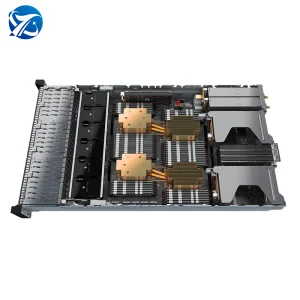
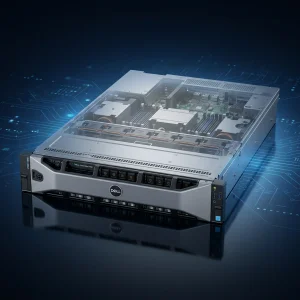
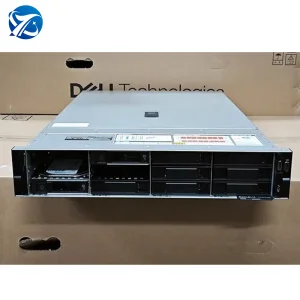
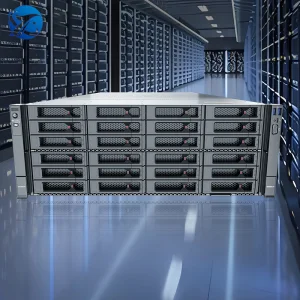
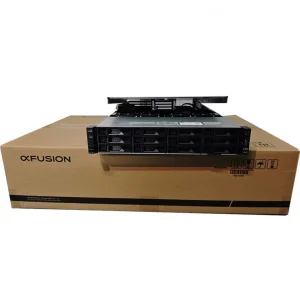
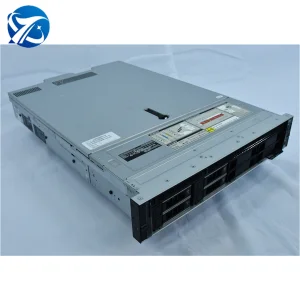
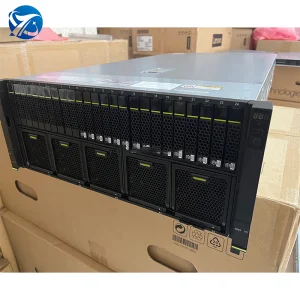
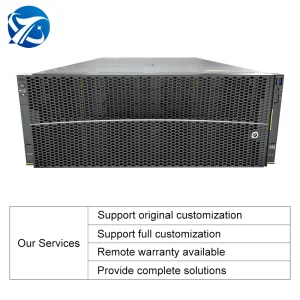
In modern multi-tenant datacenters, network boundaries require high-throughput firewall appliances that support high-density 10G/25G/40G fiber configurations. Utilizing robust chassis options such as the xFusion 2288H V7 or Dell PowerEdge R760XS, IT architects can run high-density network virtualization environments and software-defined firewalls (SDF) while maintaining thermal efficiency in standard racks.
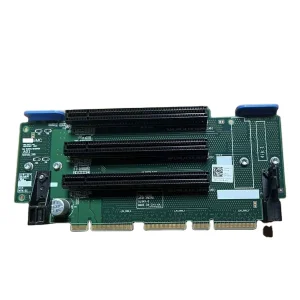
Low latency is paramount in financial trading. Legacy firewalls add impermissible delays. By leveraging high-performance, short-depth server nodes with optimized SAS/SATA RAID array cards (e.g., XC170-M-8i) and PCI-E 3.0 riser cards (e.g., PM3YD), financial institutions can build low-latency inline intrusion inspection networks that prevent data leaks without impacting transaction processing speeds.
Globally operating enterprises must respect localized data residency and cybersecurity regulations (such as GDPR in Europe, HIPAA in healthcare, and cyber security laws in the Asia-Pacific region). Our products feature customized BIOS architectures, allowing for the integration of regional-specific cryptographic modules and security keys, enabling localized compliance and absolute control over root security layers.
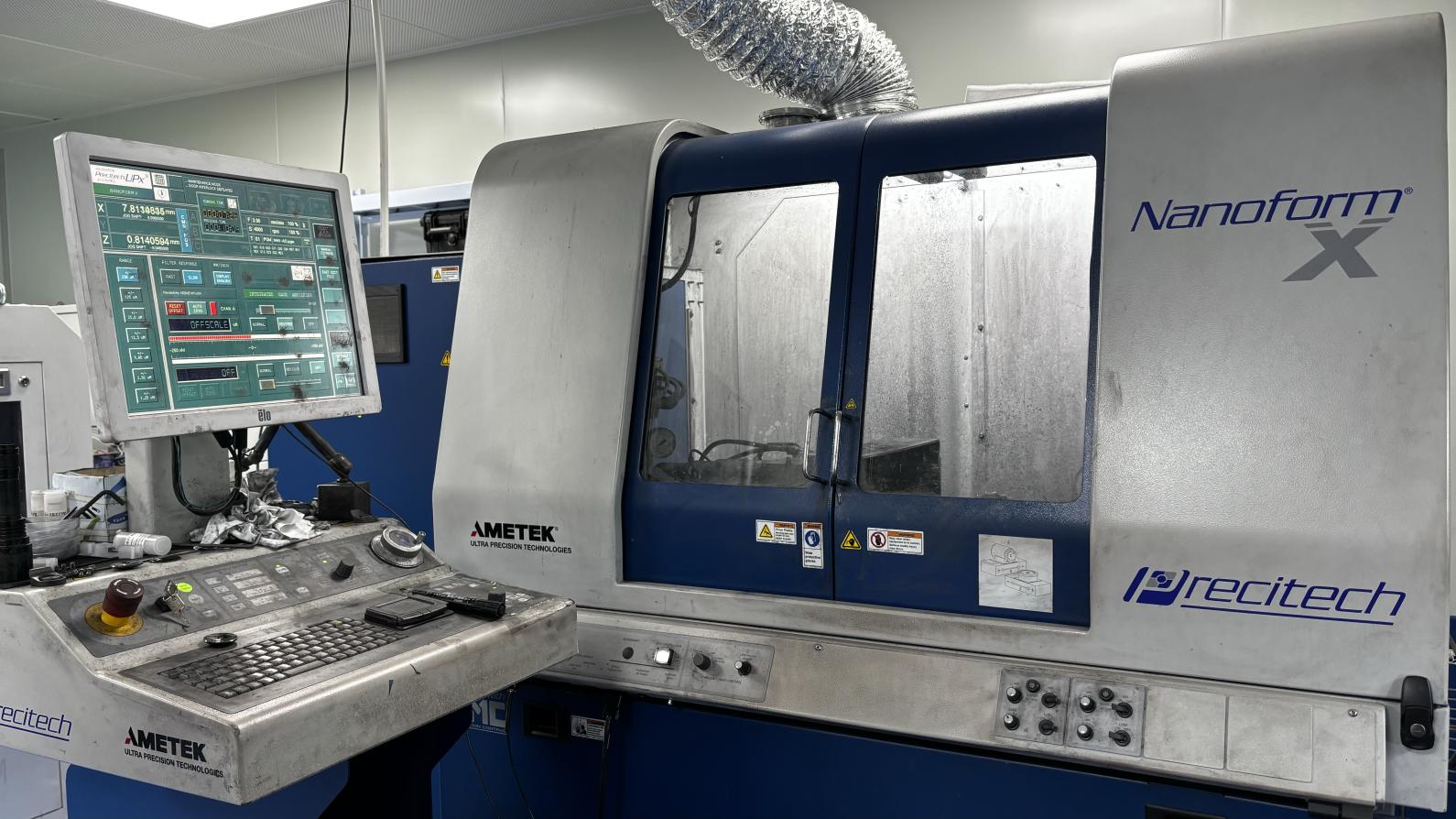
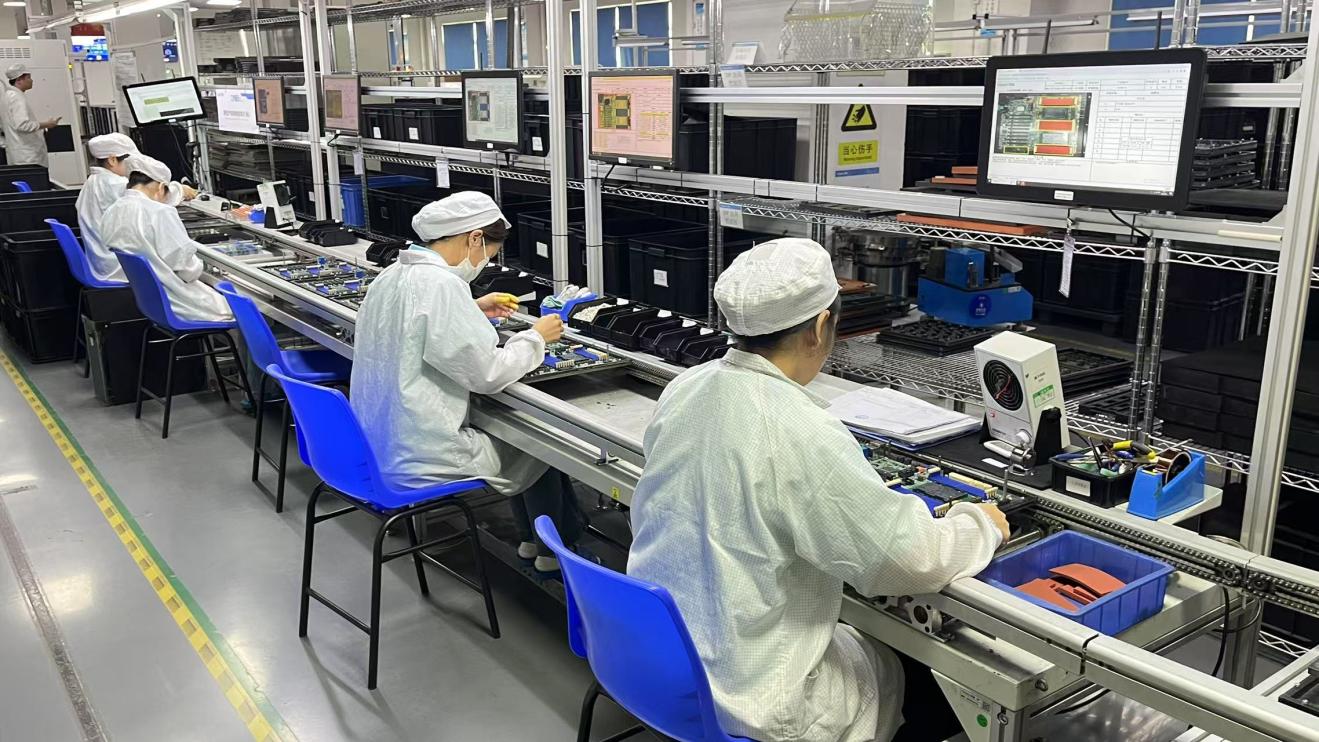
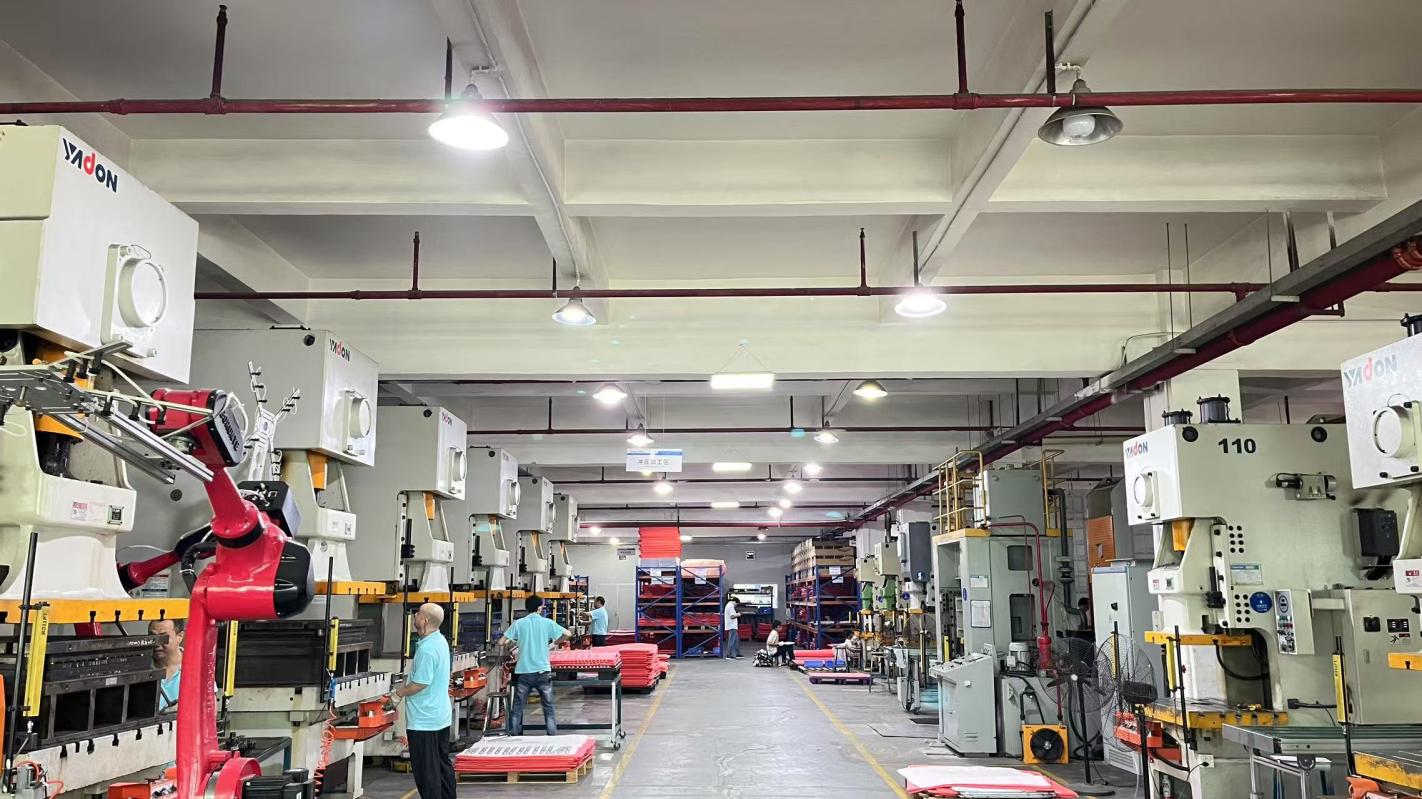
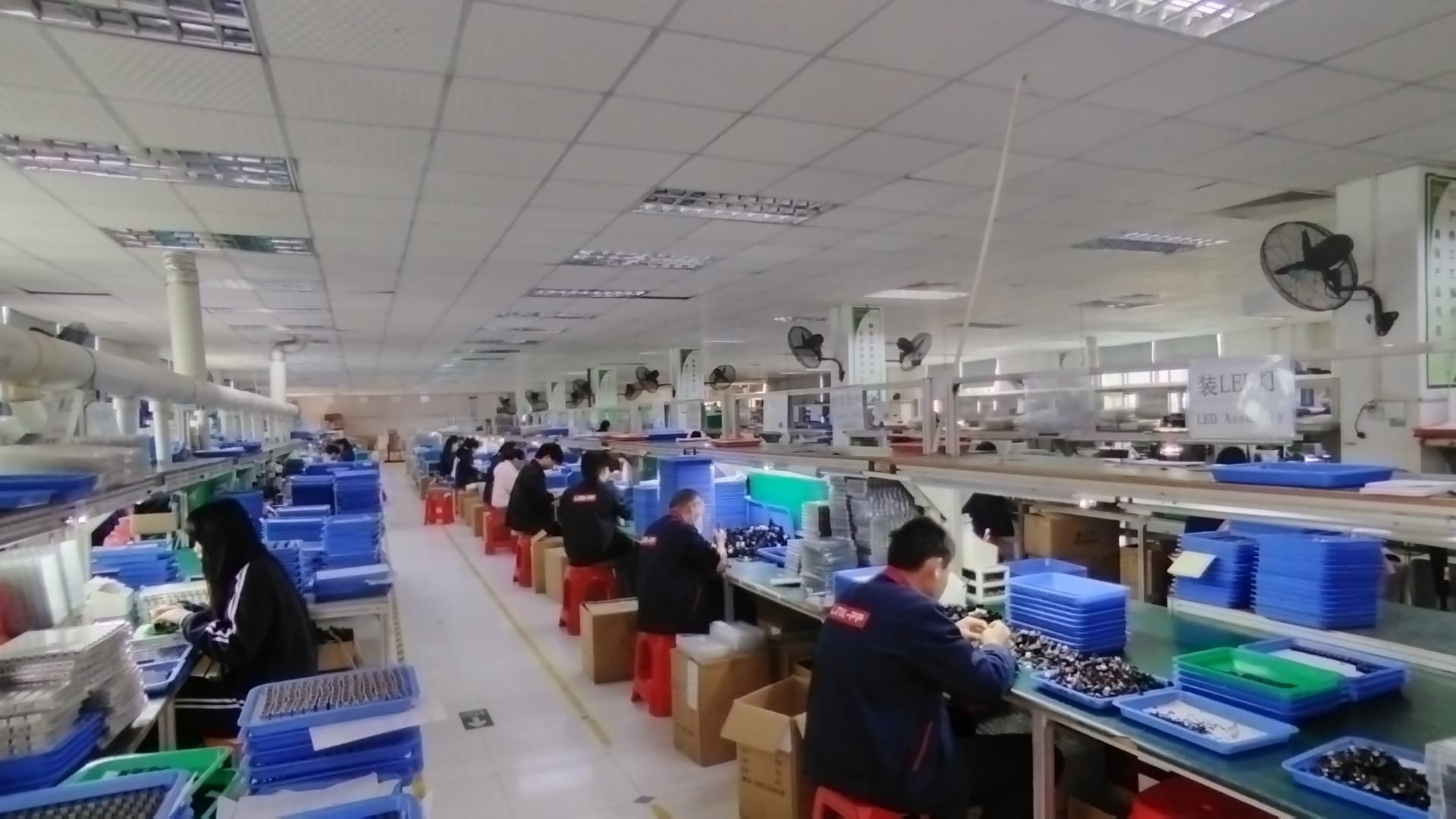
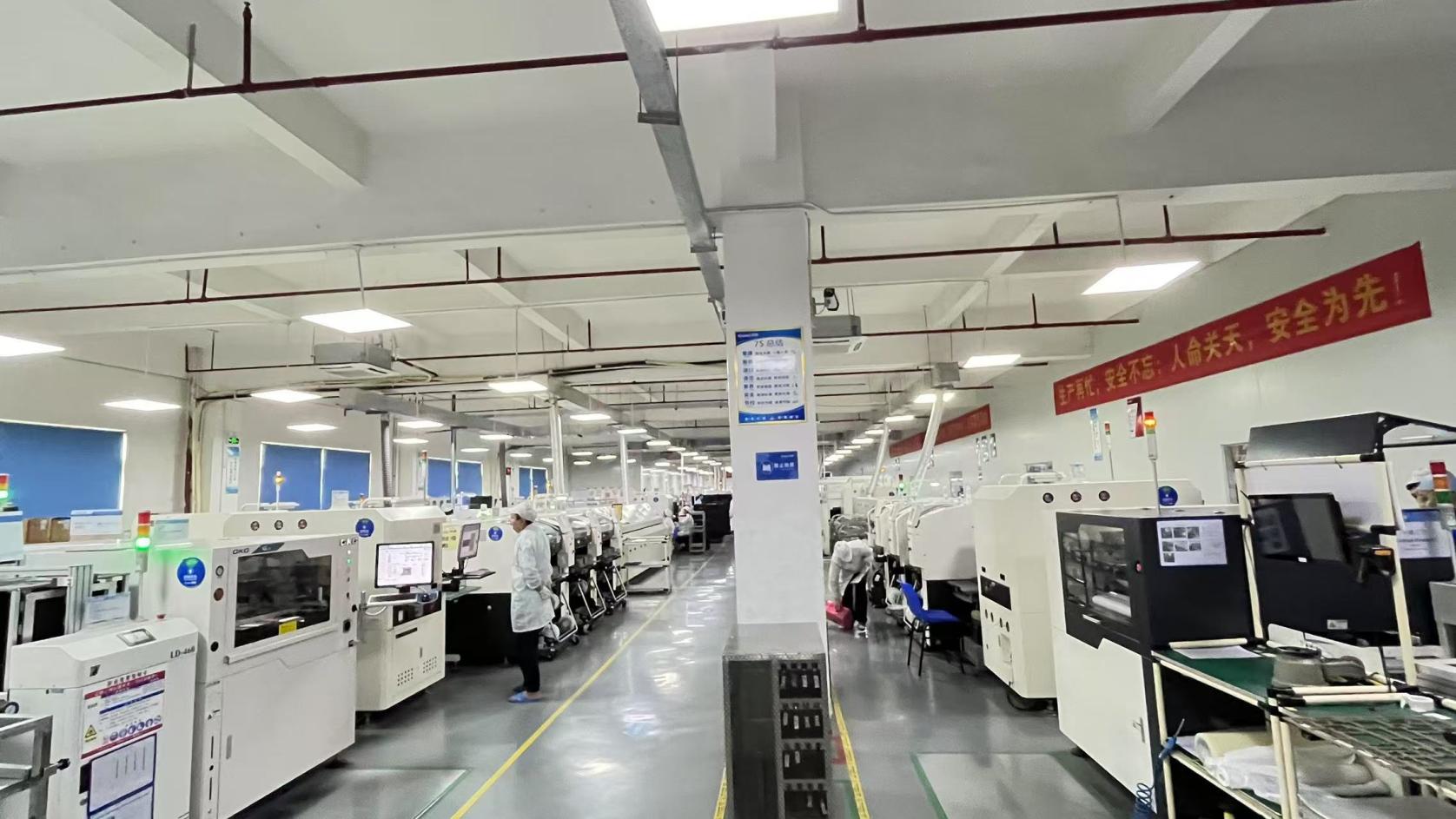
Established in 2018, Borevo AI Infrastructure (China) Co., Ltd. is a dedicated manufacturer focusing on high-performance computing hardware and network safety deployment. Operating a state-of-the-art facility spanning 18,600 ㎡, we serve cloud service providers, global enterprise datacenters, and OEM/ODM system integrators across North America, Europe, and Southeast Asia.
Our quality assurance program is designed to meet strict international standards, ensuring reliability under the most grueling operation scenarios. Every device undergoes a comprehensive and multi-tier quality validation phase prior to shipping:
Identifies micro-soldering anomalies, component misalignments, and board trace deviations before physical assembly occurs.
Units are subjected to controlled heat and prolonged high-load scenarios to eliminate premature component failures.
Validation of network interface packet processing, storage array transfer speeds, and thermal efficiency ratings under peak computational strain.
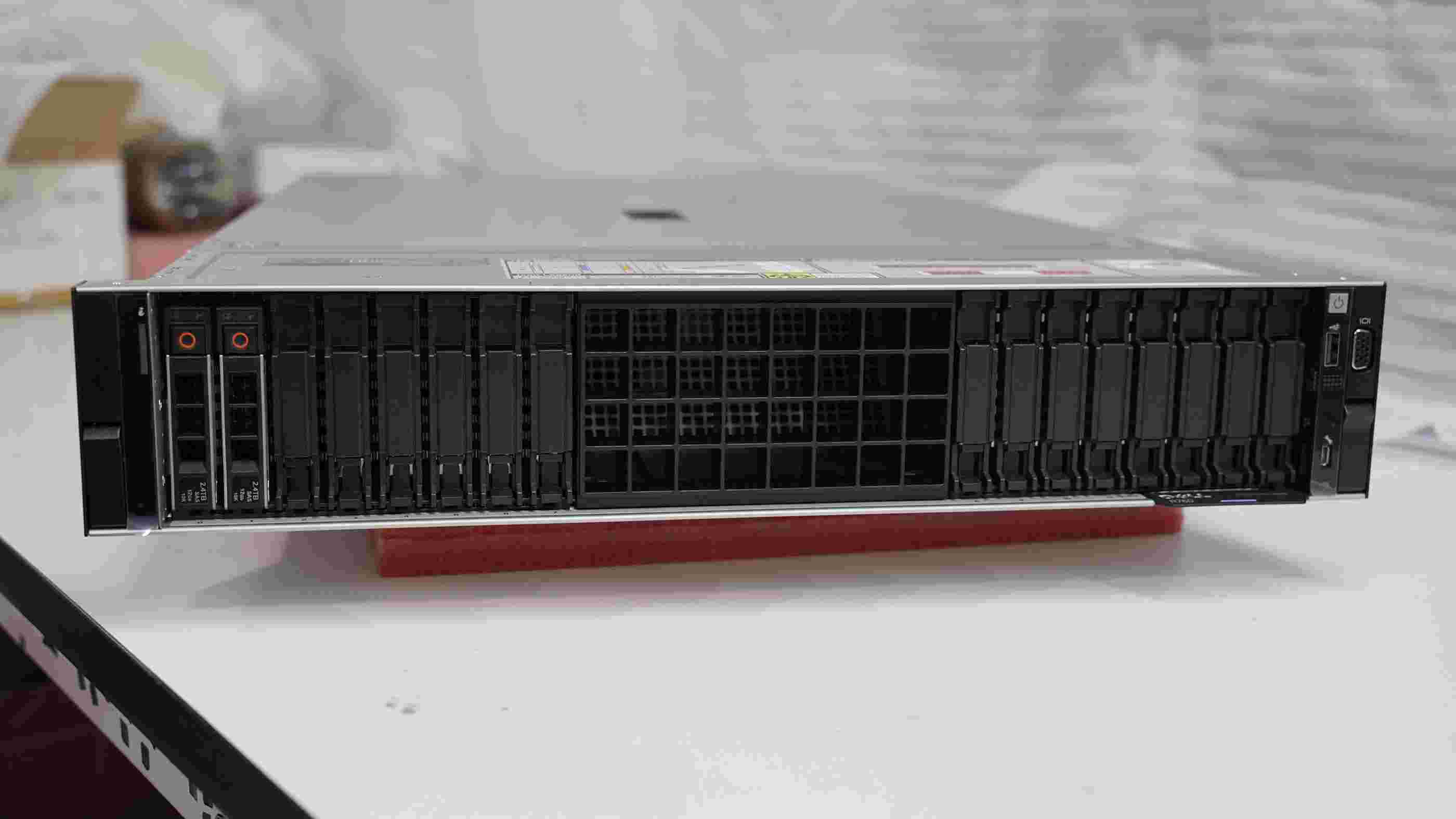
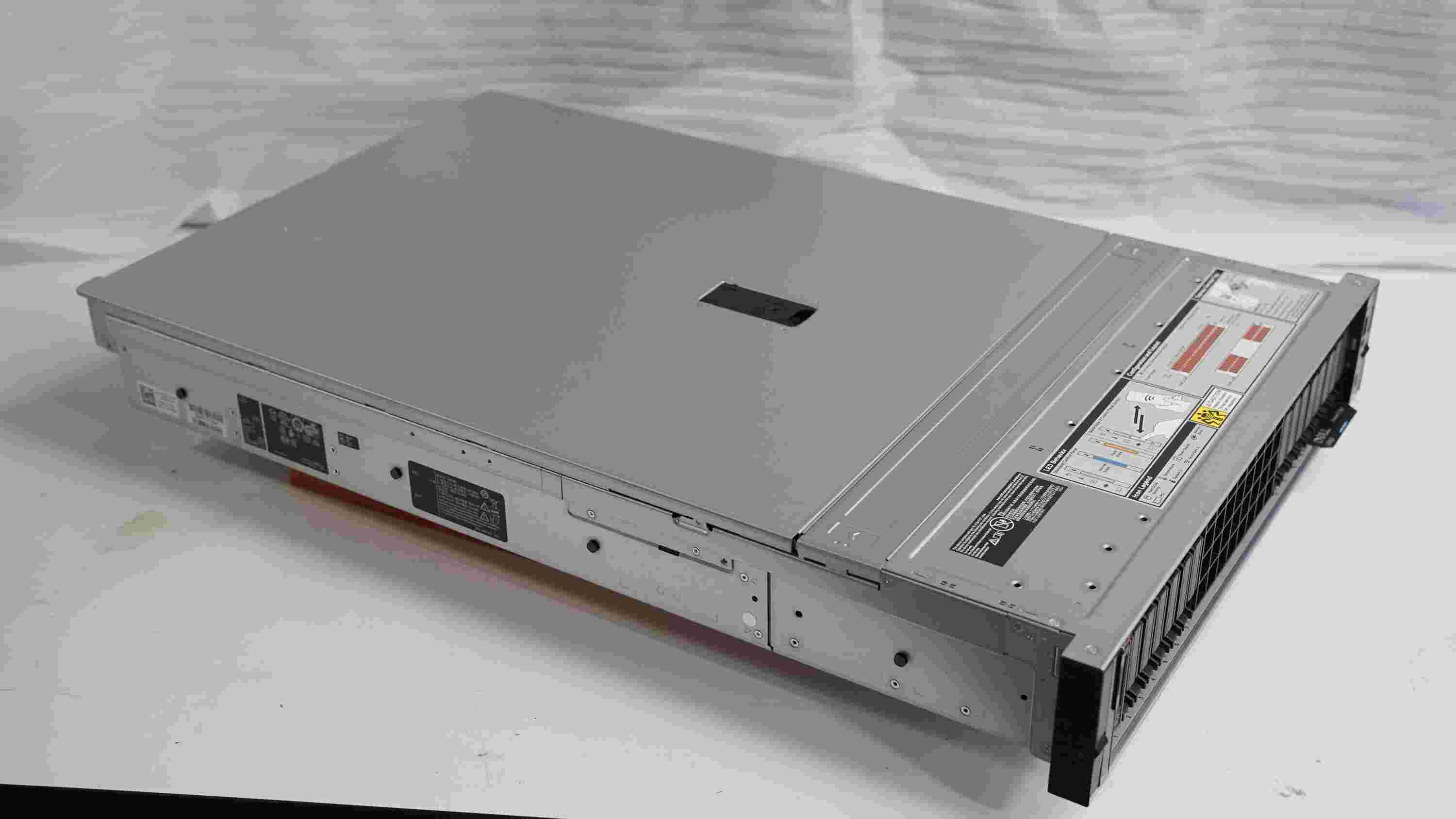
Purchasing enterprise-grade network security appliances requires deep evaluation of compatibility, expansion paths, and component lifespan. For procurement directors and system integrators, we recommend prioritizing these primary technical metrics during product selection:
Network security appliances require high parallel-processing efficiency. Ensure that selected server boards are designed for scalable architectures, such as dual-socket Intel Xeon Scalable processors or high-density ARM architectures, allowing the hardware to scale seamlessly with software upgrades.
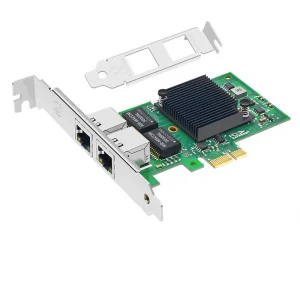
Determine the density of copper and fiber interfaces required. Ensure that the appliance accommodates riser card expansions (PCIe Gen 4 or Gen 5) for high-speed NIC additions. Platforms must offer adequate expansion slots to accommodate 10GbE, 25GbE, or 100GbE network cards as modern network topologies expand.
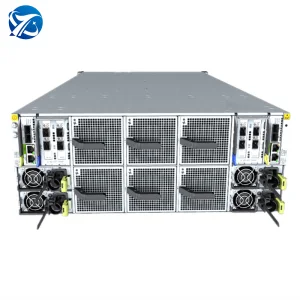
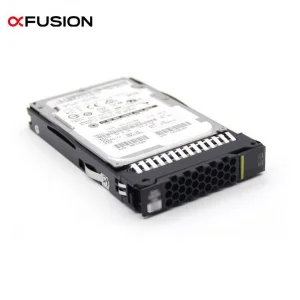
Ensure that all security appliance platforms feature hot-swappable redundant power supplies (AC/DC) and enterprise-grade cooling fan configurations. Incorporating reliable storage array solutions (such as SAS/SATA RAID configurations with high-quality array cards) prevents single points of failure from causing catastrophic downtime.
Get answers to the most common queries regarding enterprise network security hardware procurement and integration.
High-density processing boards, PCIe expansion units, storage controllers, and customized computing nodes for network integrity deployment.