Borevo
Borevo
Borevo
High-reliability servers and enterprise storage arrays configured for mission-critical backup, high availability, and rapid data restoration pipelines.
How next-generation infrastructure prevents data loss before it happens, optimizing RTO and RPO metrics for global enterprises.
Integrating advanced machine learning pipelines directly into the BIOS/BMC firmware levels allows modern servers to forecast storage medium failures before they happen. By tracking SMART attributes and telemetry, systems trigger auto-replication processes, eliminating sudden offline periods.
Using NVMe over Fabrics (NVMe-oF) allows data recovery setups to pool resources across remote data centers with microsecond latencies. This ensures real-time backups of critical AI model checkpoints without choking server performance.
Ransomware attacks frequently target backup repositories. By integrating immutable storage hardware systems, write-once-read-many (WORM) configurations, and hardware-level encryption, data is kept entirely isolated from malicious operating system level changes.
Decentralized networks demand robust hardware platforms capable of handling continuous operations under intense data-intensive workloads.
When selecting data recovery systems and backup storage targets, international procurement managers focus on minimizing overall cost of ownership (TCO) while guaranteeing continuous uptime. Enterprise platforms must resolve multiple critical parameters simultaneously:
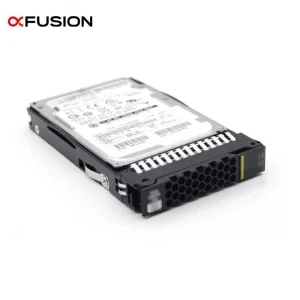
To support high-availability recovery pipelines, modern server nodes must be certified to run workloads exceeding 550TB/year on mechanical drives, coupled with SAS 12Gb/s data transfer channels to handle rapid system state restores.
End-to-end server deployment configurations engineered to secure data integrity and ensure rapid system recovery.
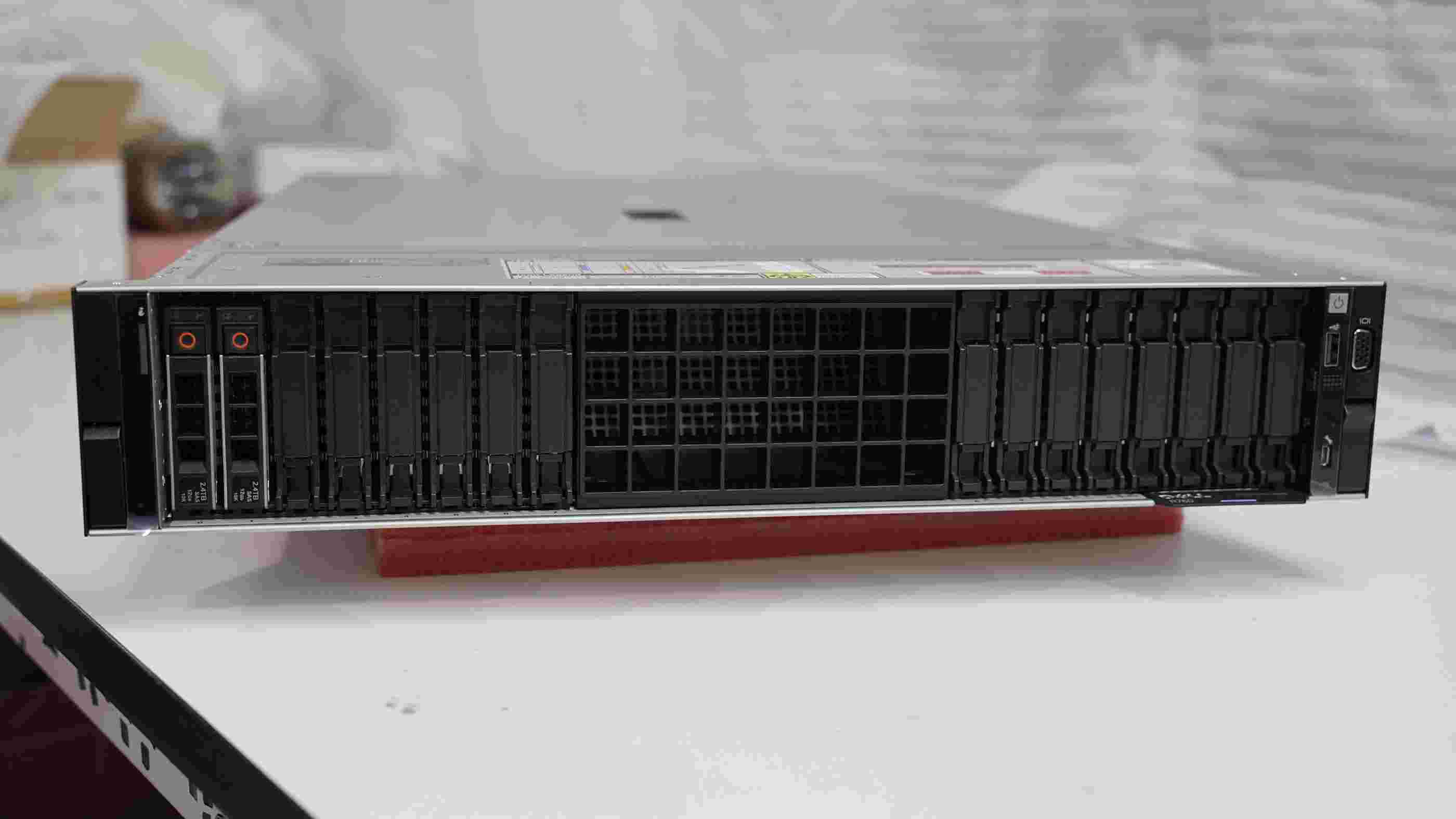
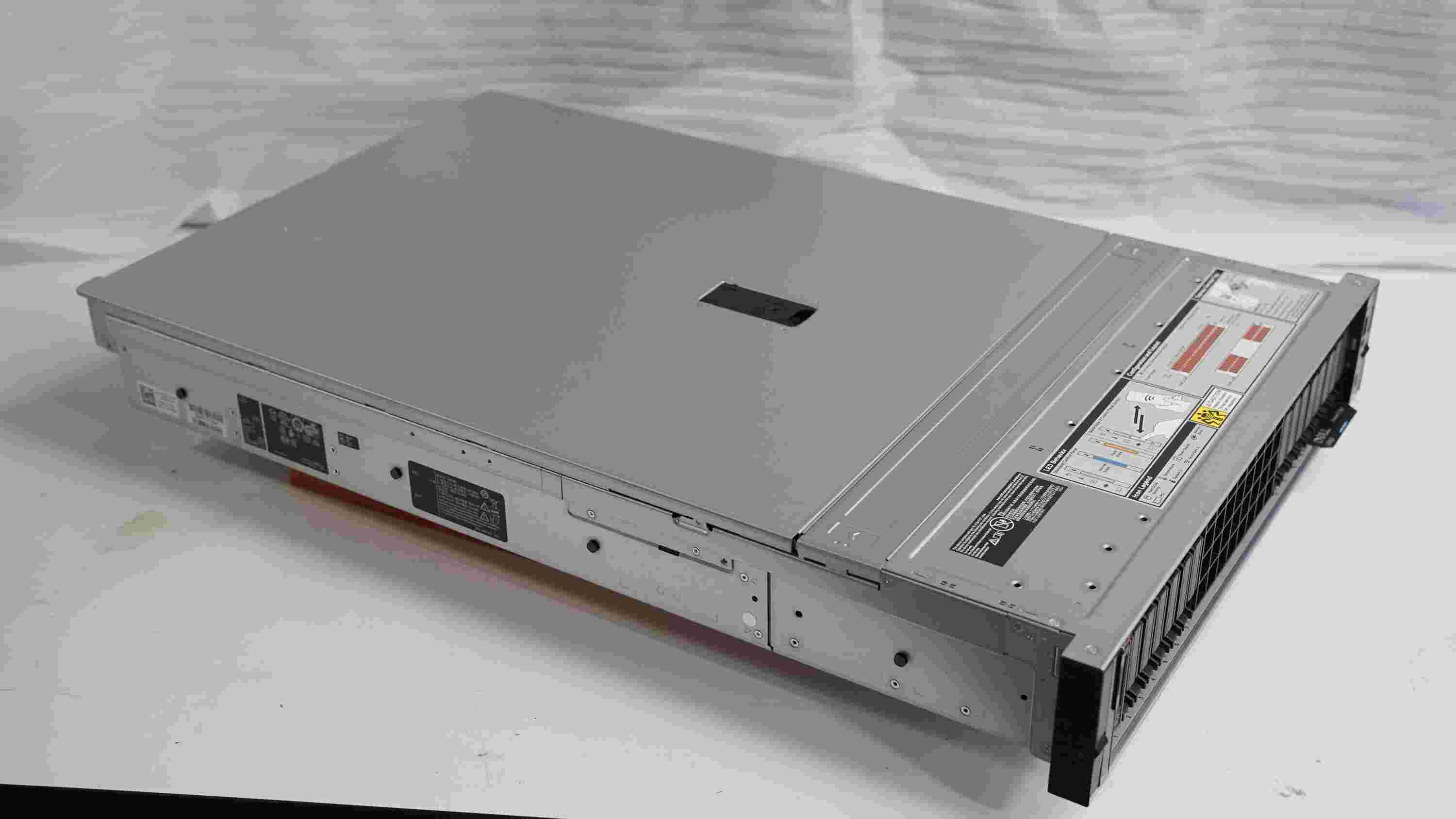
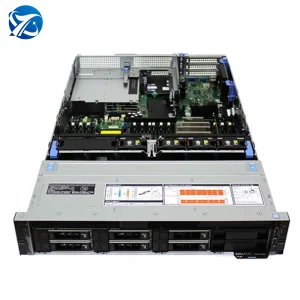
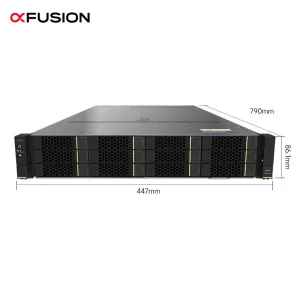
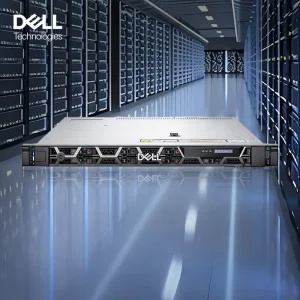
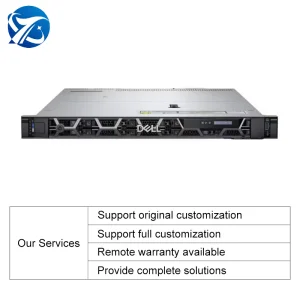
Leveraging high-density 1U and 2U rack servers (such as the Dell PowerEdge R660 and xFusion 2288H V6) containing dual-socket Intel Xeon processors and enterprise SAS storage. These servers act as active cluster nodes for real-time application replication, guaranteeing zero data loss during primary facility dropouts.
High-end GPU-heavy deployments require immediate state restoration when training large language models (LLMs). Utilizing massive compute nodes alongside high-speed local enterprise storage drives allows training systems to recover from nodes failures in minutes rather than days.
Combining high-capacity 3.5-inch SATA hard drives (up to 20TB) with energy-efficient server frames provides businesses with cost-effective, petabyte-scale storage arrays for historical data compliance, archiving, and system image recovery.
A specialized AI GPU manufacturer dedicated to delivering high-performance computing hardware and advanced AI infrastructure solutions for global markets.
Borevo focuses on GPU design integration, AI acceleration systems, and customized computing solutions for data-intensive applications. By integrating high-performance processing capabilities with scalable storage, we ensure our global partners can deploy bulletproof data-recovery nodes capable of sustaining massive transaction loads.
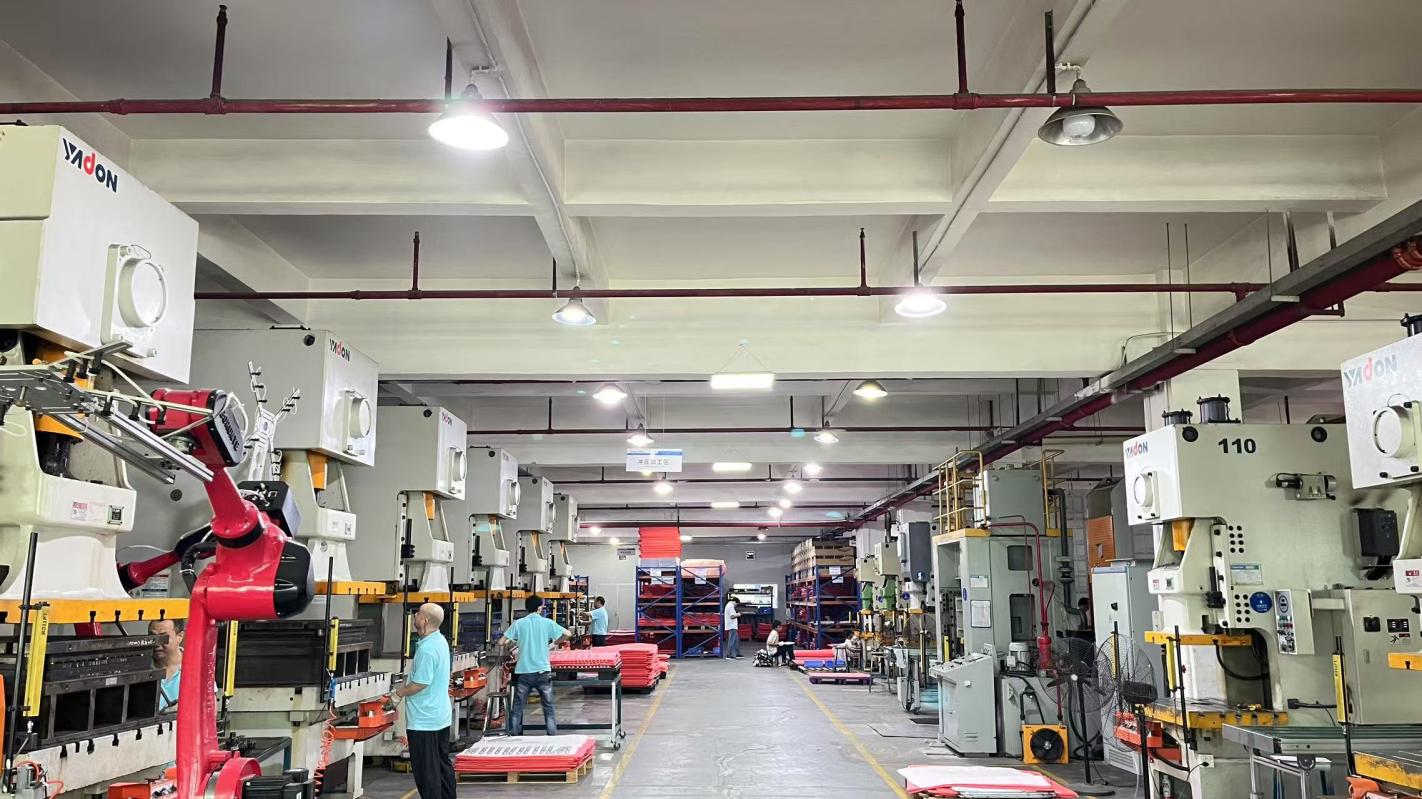
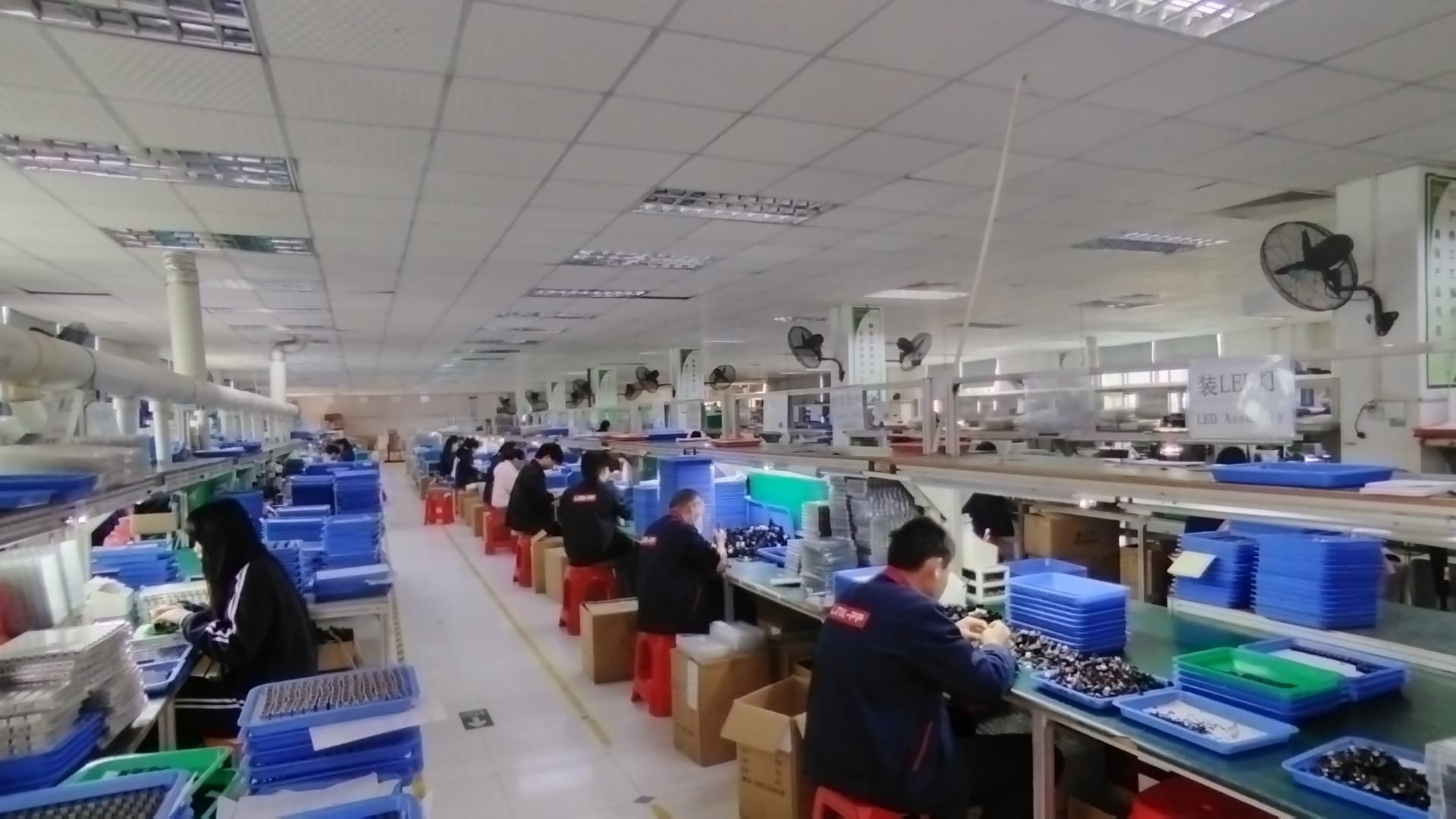
Borevo has built a highly resilient, globally distributed supply chain network to ensure high-performance components are delivered on time, regardless of regional shifts.
Innovation is the core driver of our storage and compute technologies. Our engineering teams customize configurations down to the lowest hardware layers.
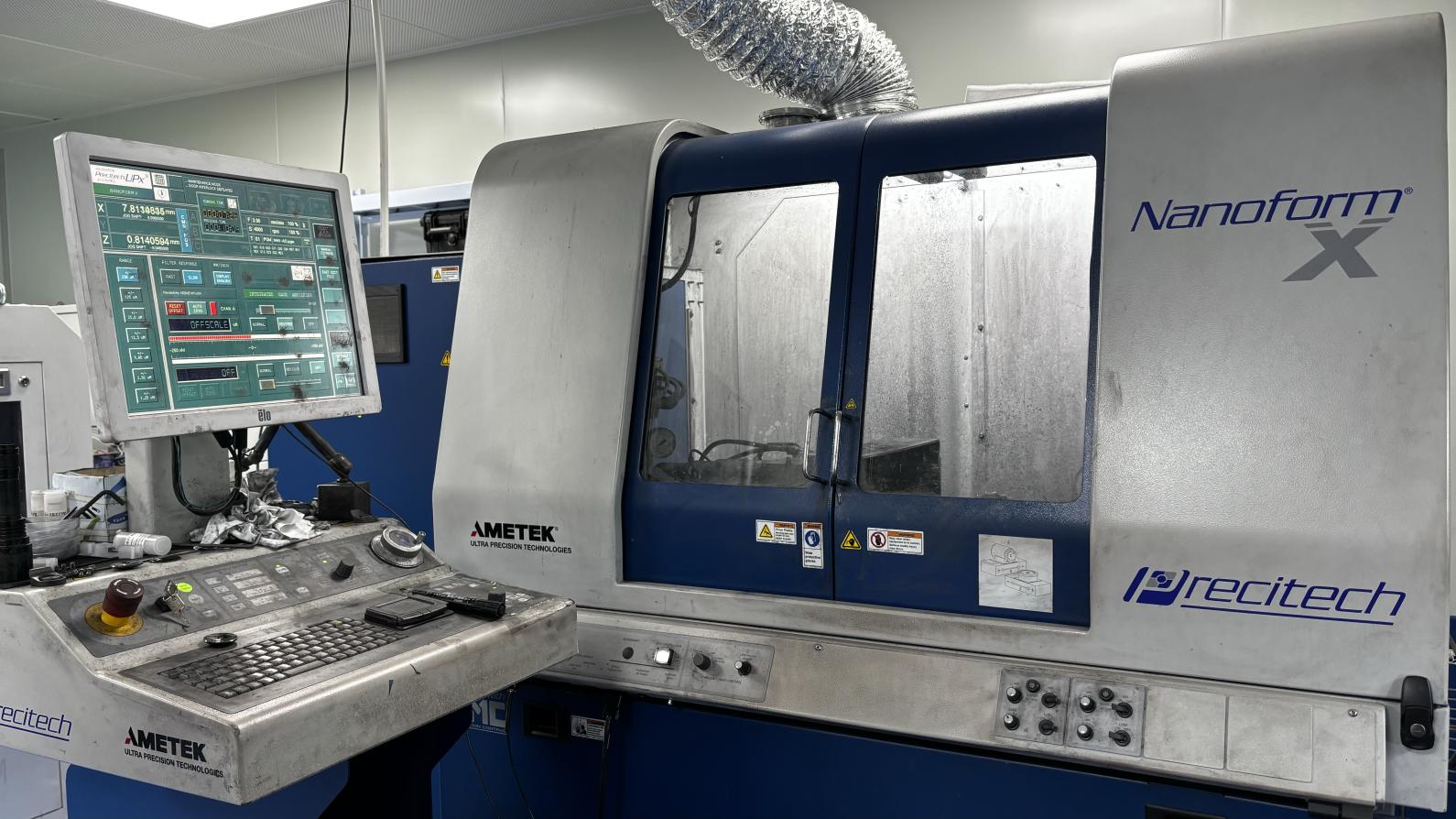
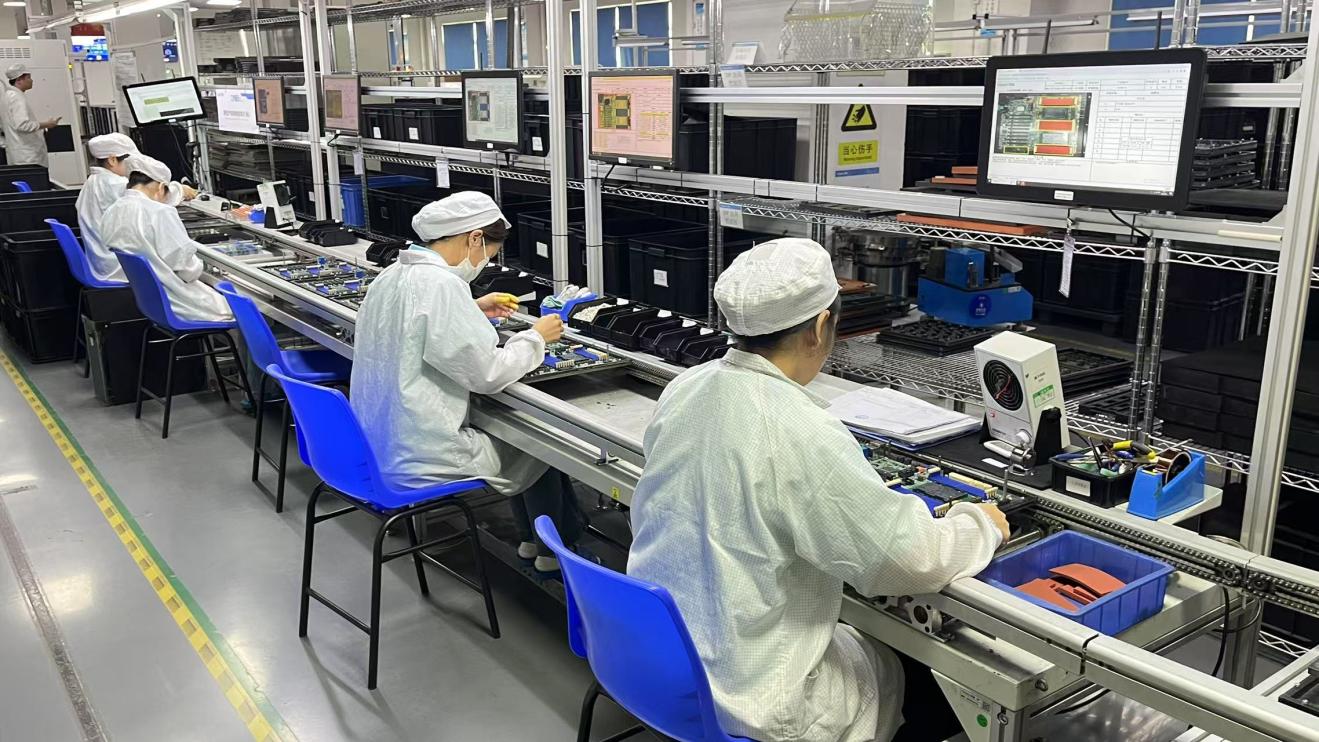
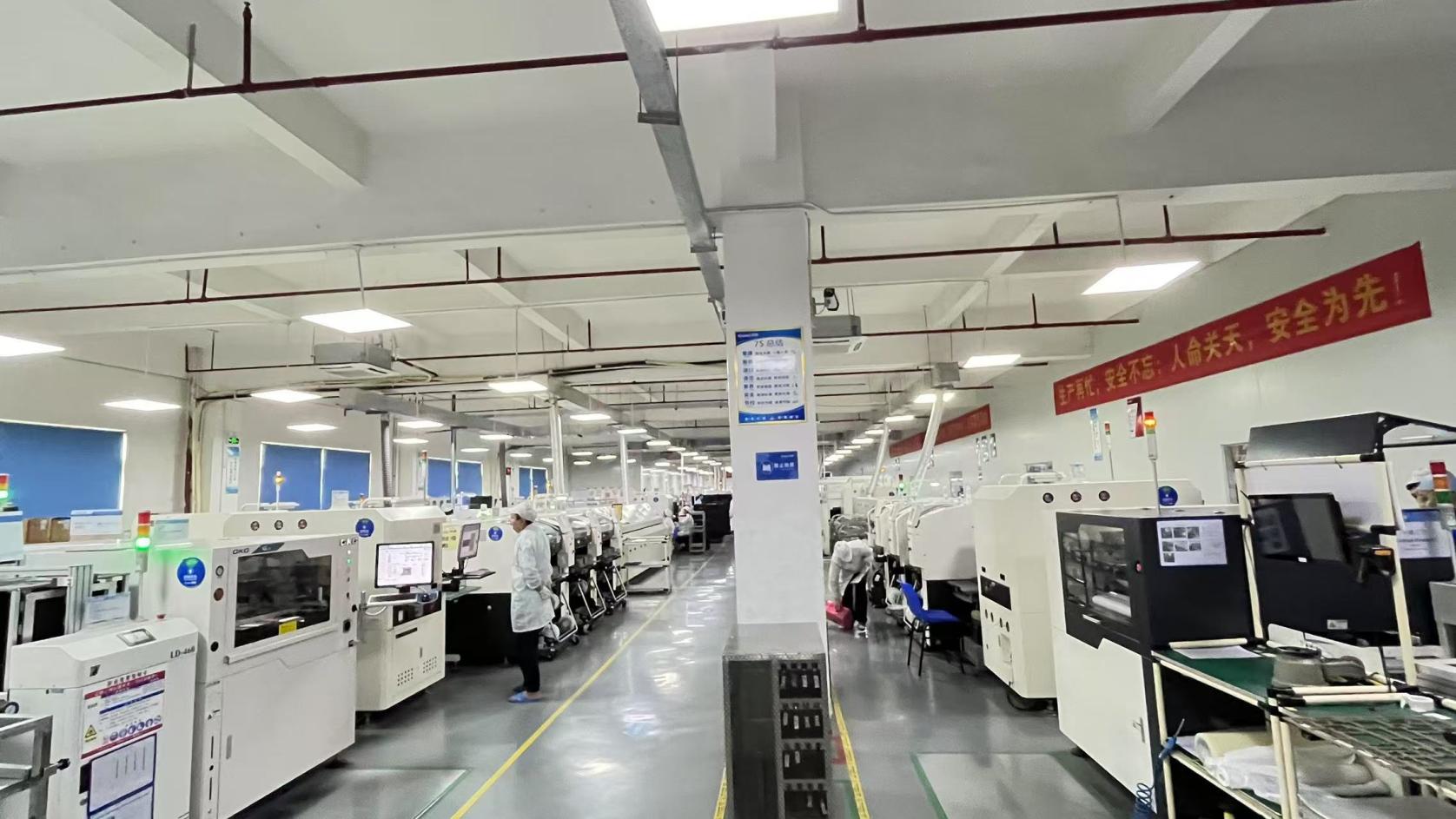
To guarantee that backup storage systems function reliably when needed, Borevo implements strict component-level testing.
All PCBs, server backplanes, and components undergo automated optical inspection (AOI) to detect trace defects, short circuits, or component misalignments before assembly.
Fully assembled server chassis are placed inside environmental chambers for extended thermal cycle stress runs. This ensures hard drives and controllers survive sudden spikes in data recovery workloads.
Every single power supply unit, backplane power connector, and drive adapter is benchmarked against unstable electrical signals, ensuring robust protection against voltage surges.
Deploying enterprise hardware globally requires careful compliance with security, environmental, and trade laws. Borevo products are fully engineered to comply with target market guidelines, including RoHS, CE, FCC, and UL standards. We support localized technical centers to assist field technicians with drive array swaps, controller provisioning, and hardware firmware updates, guaranteeing minimizing data recovery solution downtime.
Developing tomorrow's hardware platforms to meet the needs of exponential dataset growth.
Designing next-generation motherboard architectures supporting double the bandwidth of current PCIe 5.0 systems, allowing lightning-fast database backups directly to non-volatile storage targets.
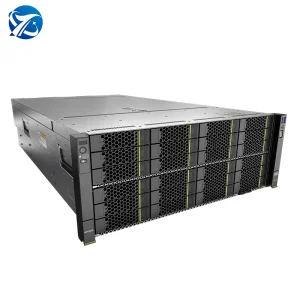
Optimizing 2U chassis layouts to hold up to 36 high-capacity hot-swap drive bays, lowering data center footprints while scaling backup capacities to petabyte levels on a single node.
Developing hardware accelerator cards that process compression and de-duplication inside the storage controller pipeline, preserving valuable network and processor capacity.
Answers to crucial integration, backup reliability, and enterprise storage procurement questions.
Select high-capacity mechanical storage solutions and specialized server systems to secure your company's data.
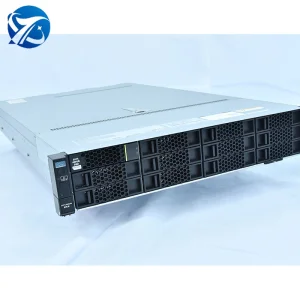
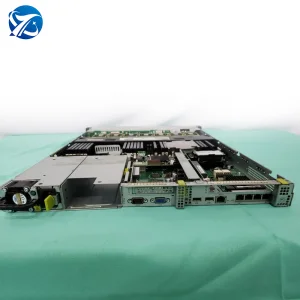
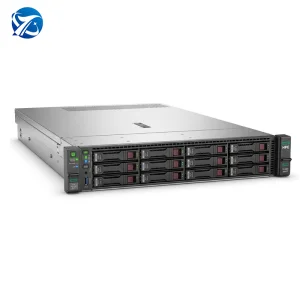
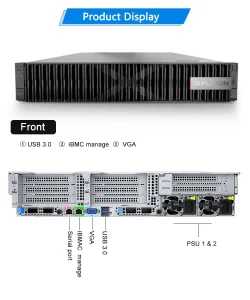
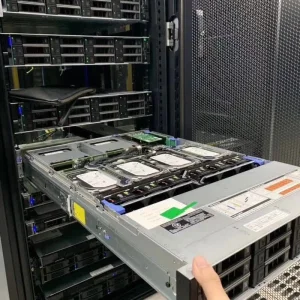
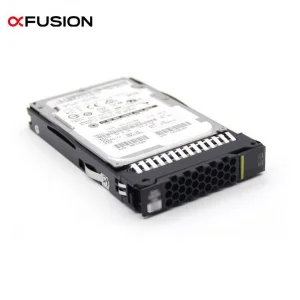
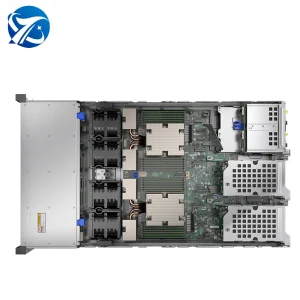
Inside Borevo's advanced assembly line where we design, build, and optimize hardware configurations to maintain strict data integrity standards.