Borevo
Borevo
Borevo
Explore our premium grade hardware lineup optimized for low-latency virtualization, high-density cloud storage, and robust server management configurations.
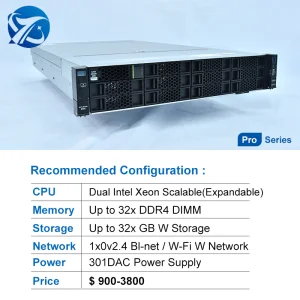
Understanding the tectonic shifts in compute densities, virtualization topologies, and global scale exporting patterns.
The global demand for high-performance computing (HPC) and deep learning server configurations has entered a hyper-growth phase. Driven by large language model deployments, such as DeepSeek R1 and Llama architectures, modern data center infrastructure demands custom solutions built to sustain heavy thermal loads, maximize IOPS throughput, and optimize total cost of ownership (TCO). High-density deployments require specialized components: from structural server backplanes and GPU power rails to advanced storage topologies like Enterprise M.2 SATA/NVMe arrays and high-capacity 20TB mechanical disk arrays. Industry dynamics are shifting away from off-the-shelf generalized hardware toward specialized ODM/OEM configuration strategies tailored for target workloads.
In the role of a leading Chinese exporter and system integration factory, Borevo AI Infrastructure (China) Co., Ltd. addresses these complex industrial requests by streamlining system assembly, custom firmware testing, and rigorous hardware burn-in validation protocols. Global cloud service providers and hyperscale environments can no longer depend on standard configurations; instead, they require components configured to manage high Thermal Design Power (TDP) architectures while maintaining edge-band control and robust server management paradigms.
Modern server racks require flexible 1U and 2U options capable of hosting multi-socket Intel Xeon Scalable or AMD EPYC processors. System designers must integrate efficient server chassis configurations that maximize airflow alongside support for dense memory modules (DDR5) and NVMe storage cards to eliminate compute bottlenecks.
AI model execution demands dedicated acceleration matrices. Utilizing xFusion GPU servers or custom-tailored Dell PowerEdge computing structures with dedicated PCIe power systems guarantees that heavy training workloads and low-latency inference passes run with maximum up-time and thermal stability.
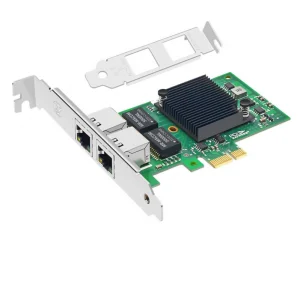
Hardware failure diagnostics demand specialized boot-cards and RAID adapters. By implementing standard RAID cards (like the SAS3808 BootCard supporting RAID 0,1, and JBOD configurations without cache), system administrators gain independent hardware initialization paths, separating management networks from data planes.
Analyzing high-reliability hardware configuration profiles optimized for regional cloud frameworks, virtualization nodes, and specialized storage arrays.
Across regional deployments in North America, Europe, and Asia-Pacific, structural demands vary by site design. Data centers configured in urban cloud nodes prioritize hyper-converged, low-profile structures. In contrast, remote edge deployments demand systems optimized for dust resistance, wide operating temperatures, and simplified remote maintenance pathways. Borevo AI Infrastructure delivers modular components that fit seamlessly into these diverse scenarios:
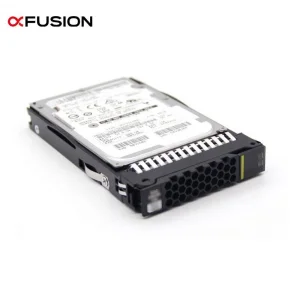
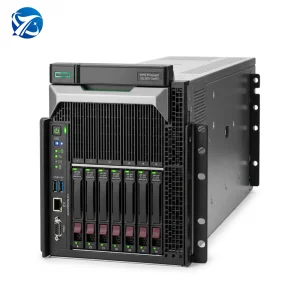
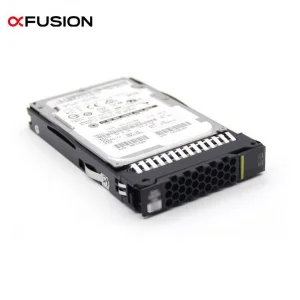
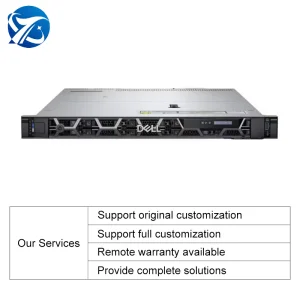
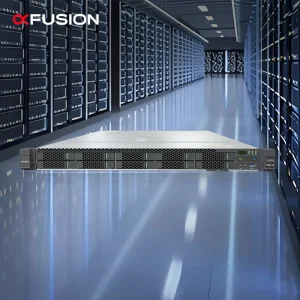
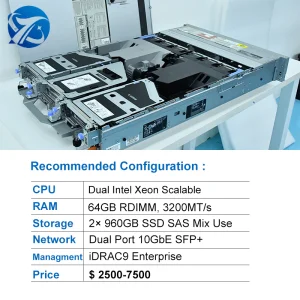
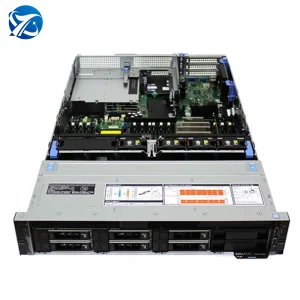
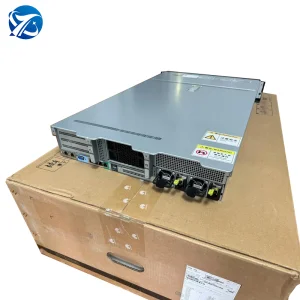
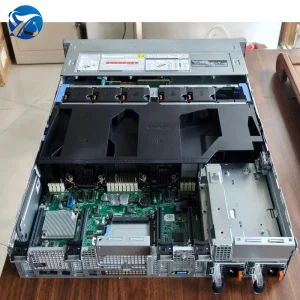
Providing high-volume enterprise hardware such as Dell PowerEdge R750 and xFusion FusionServer 1288H V6 systems allows global hosting facilities to easily scale computing power. Enterprise HDD systems with structured 3.5-inch bracket adapters ensure simple replacements and hot-swappable setups, keeping uptime high for tenant workloads.
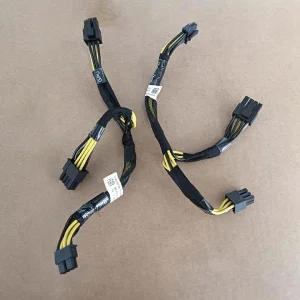
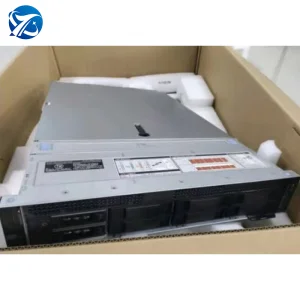
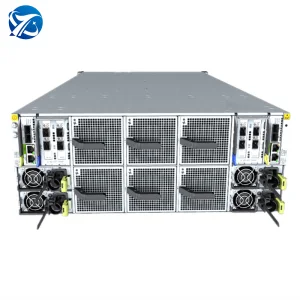
High-density GPU platforms like the xFusion G5500 V6 and Dell PowerEdge R7625 (utilizing dual EPYC processors and NVMe storage) are perfect for machine learning environments. Using reliable GPU power connection structures (such as TR5TP cables) helps manage high wattage demands, ensuring stable performance during long training cycles.
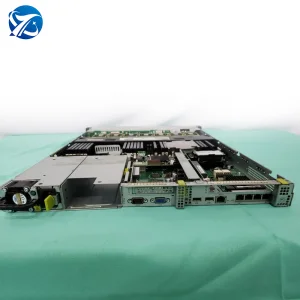
For decentralized edge computing nodes where rack space is restricted, 1U solutions such as the Dell PowerEdge R260/R360 line are preferred. They provide essential processing power, secure edge-band communication, and low-latency storage support, making them excellent choices for regional caching and smart manufacturing sites.
Architecting future-proof platforms with advanced interfaces, liquid-cooling adaptability, and reliable server-level components.
Modern system design must look beyond current requirements. The path forward for server systems focuses on improving data transfer rates, optimizing power use, and developing better thermal cooling solutions. As hardware speeds move from PCIe Gen 5 to Gen 6 and beyond, storage setups must adapt to prevent performance bottlenecks. Enterprise SSD lines (such as the SATA PM893 series) are evolving alongside NVMe protocols to ensure steady data flow for heavy processing tasks.
Simultaneously, the integration of new technologies like Compute Express Link (CXL) is changing how we manage system memory, allowing CPUs and custom accelerators to share pools of RAM with minimal latency. For power management, systems require smart power supply units (PSUs) combined with custom power cabling (such as the TR5TP model) to handle high-wattage components safely. When combined with smart cooling systems, these developments help operators reduce energy use and work toward carbon reduction goals.
Upgrading PCIe routing structures on system mainboards to support fast NVMe storage cards and high-bandwidth interconnects.
Adapting dual-socket server frames to use direct-to-chip liquid cooling setups, helping manage thermal loads above 350W per socket.
Using shared memory systems to let server clusters pool memory resources dynamically, reducing latency for complex database workloads.
Using on-board sensor microcode to adjust fan speeds and power draw dynamically, optimizing efficiency across data center rows.
Established in 2018, Borevo AI Infrastructure (China) Co., Ltd. is a specialized system integration manufacturer and exporter focused on delivering high-performance computing configurations, server systems, and specialized hardware parts to worldwide markets.
With a facility spanning 18,600 square meters, our engineering teams build and configure systems that support modern cloud platforms, deep learning projects, and edge operations. Through a combination of thorough hardware testing, customized design adjustments, and reliable supply partners, we provide dependable compute structures to clients around the globe.
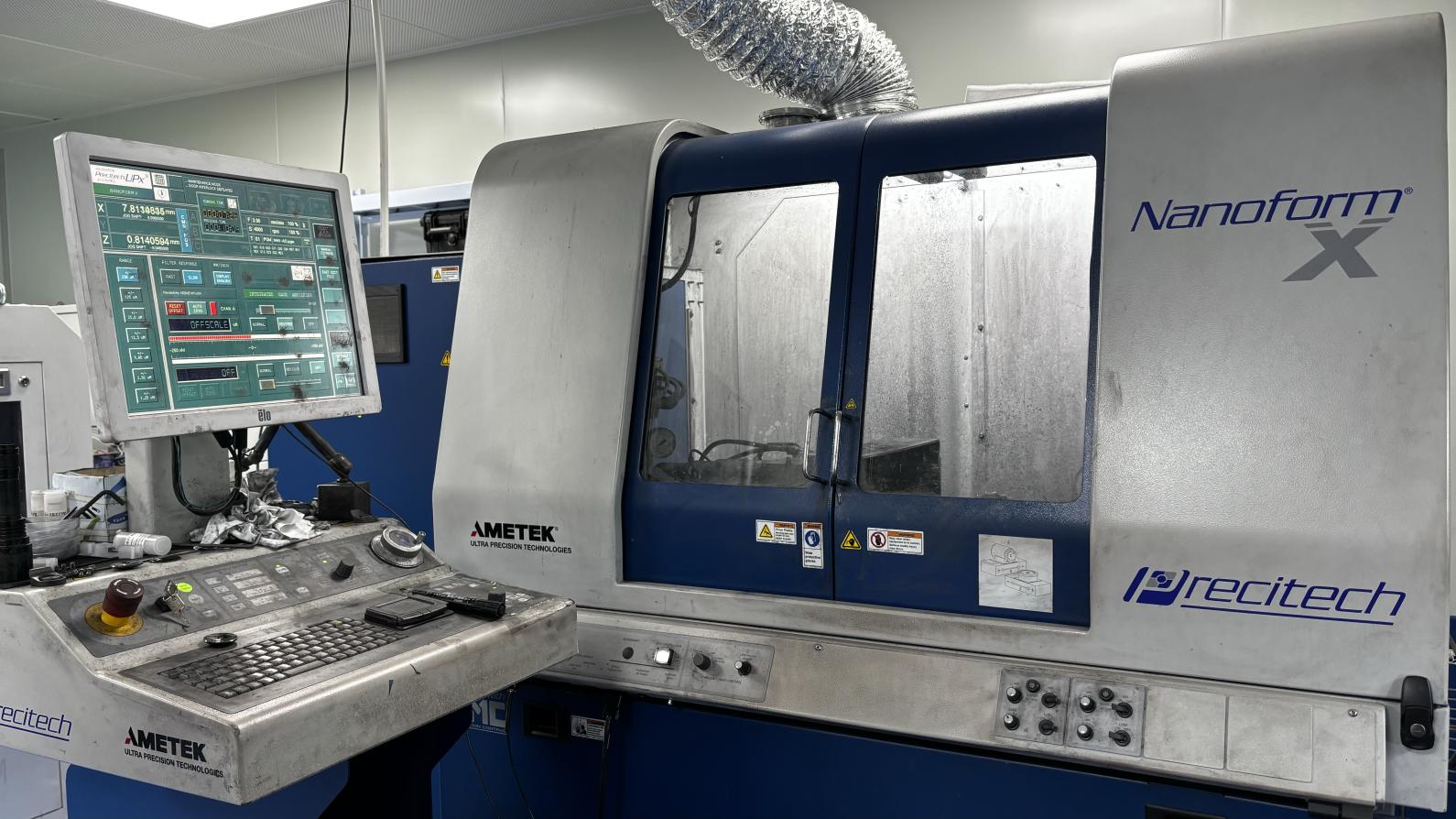
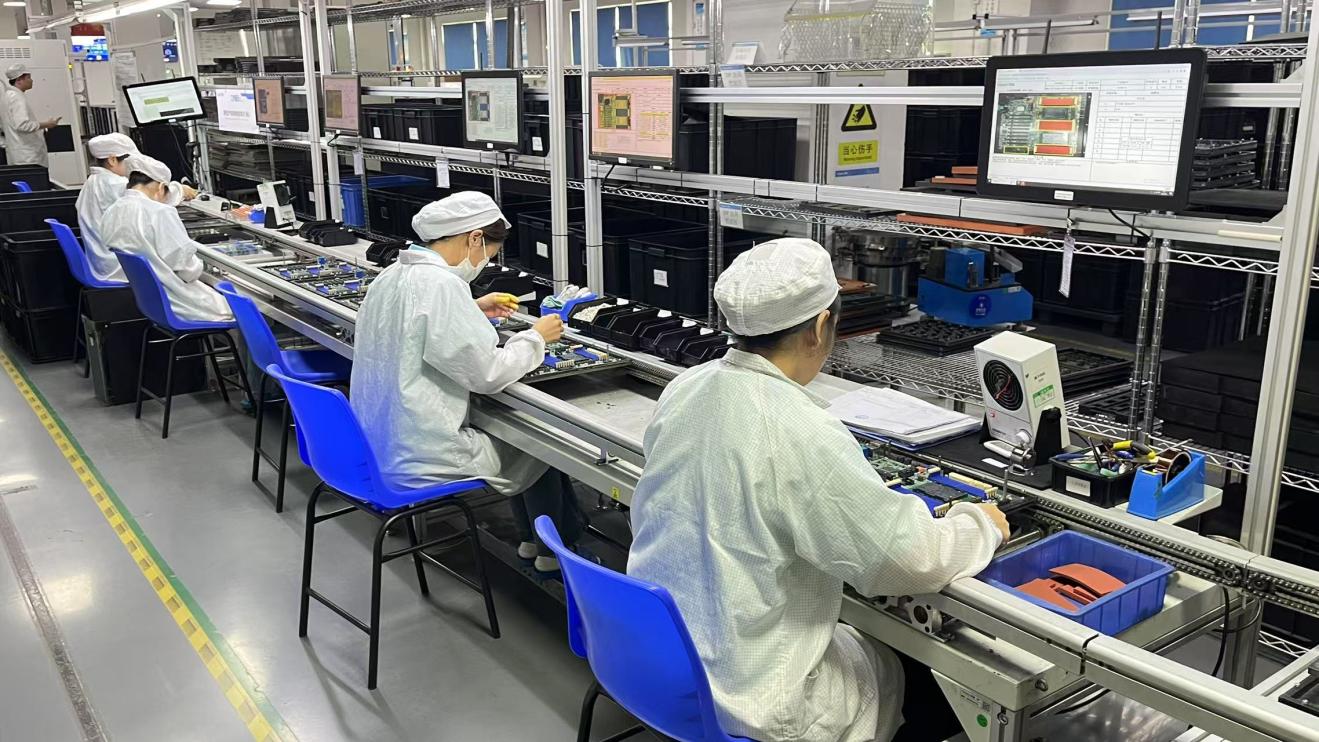
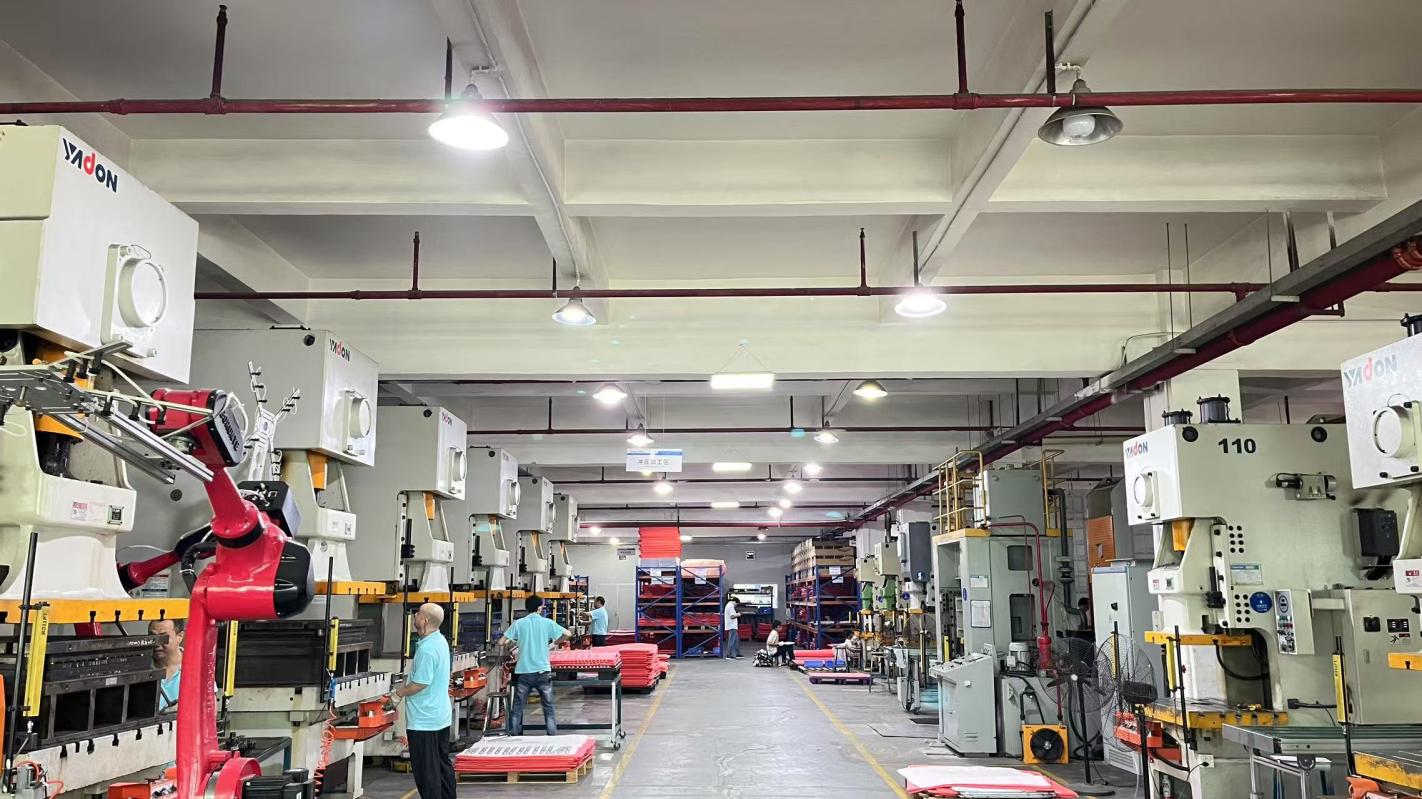
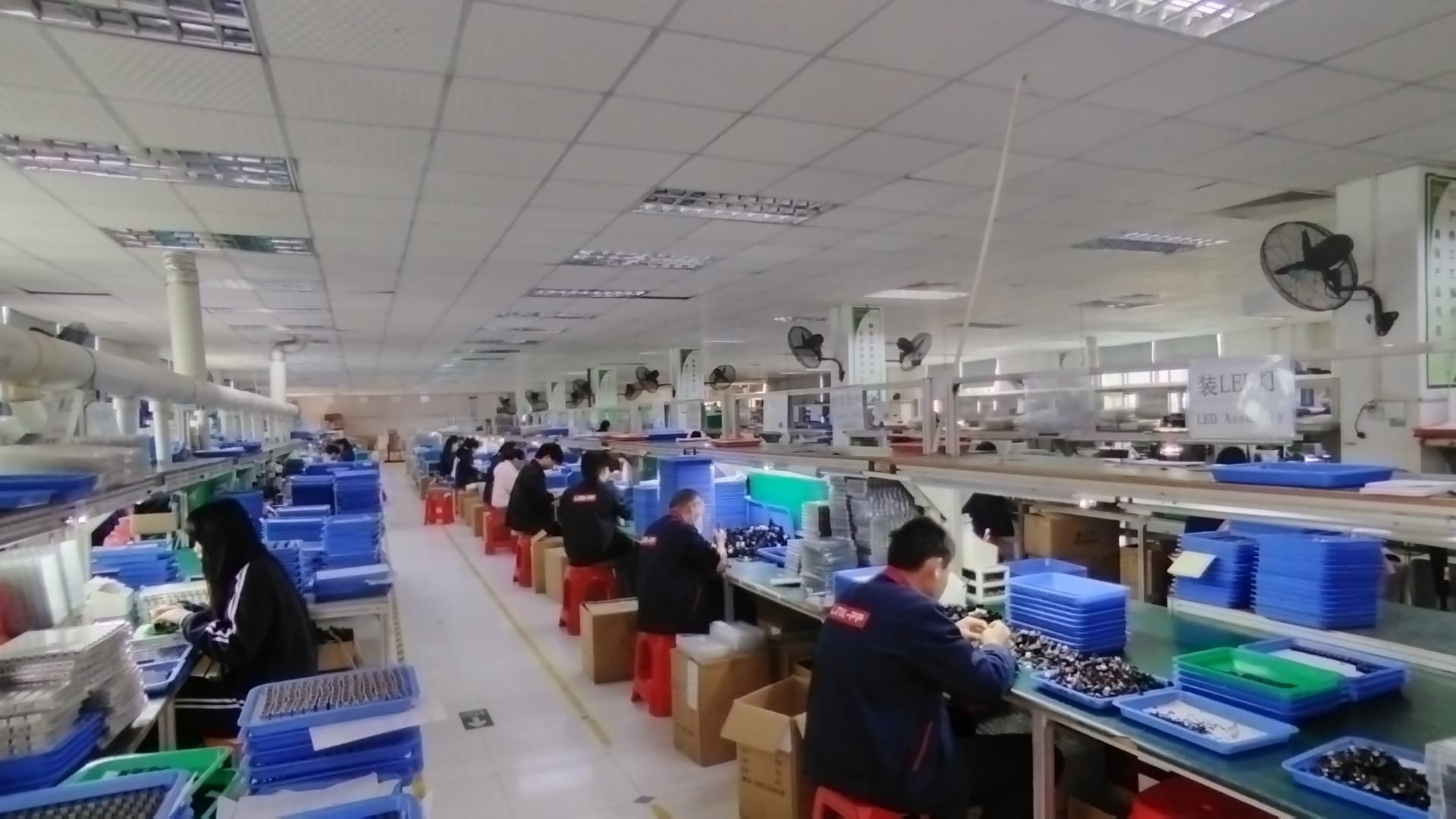
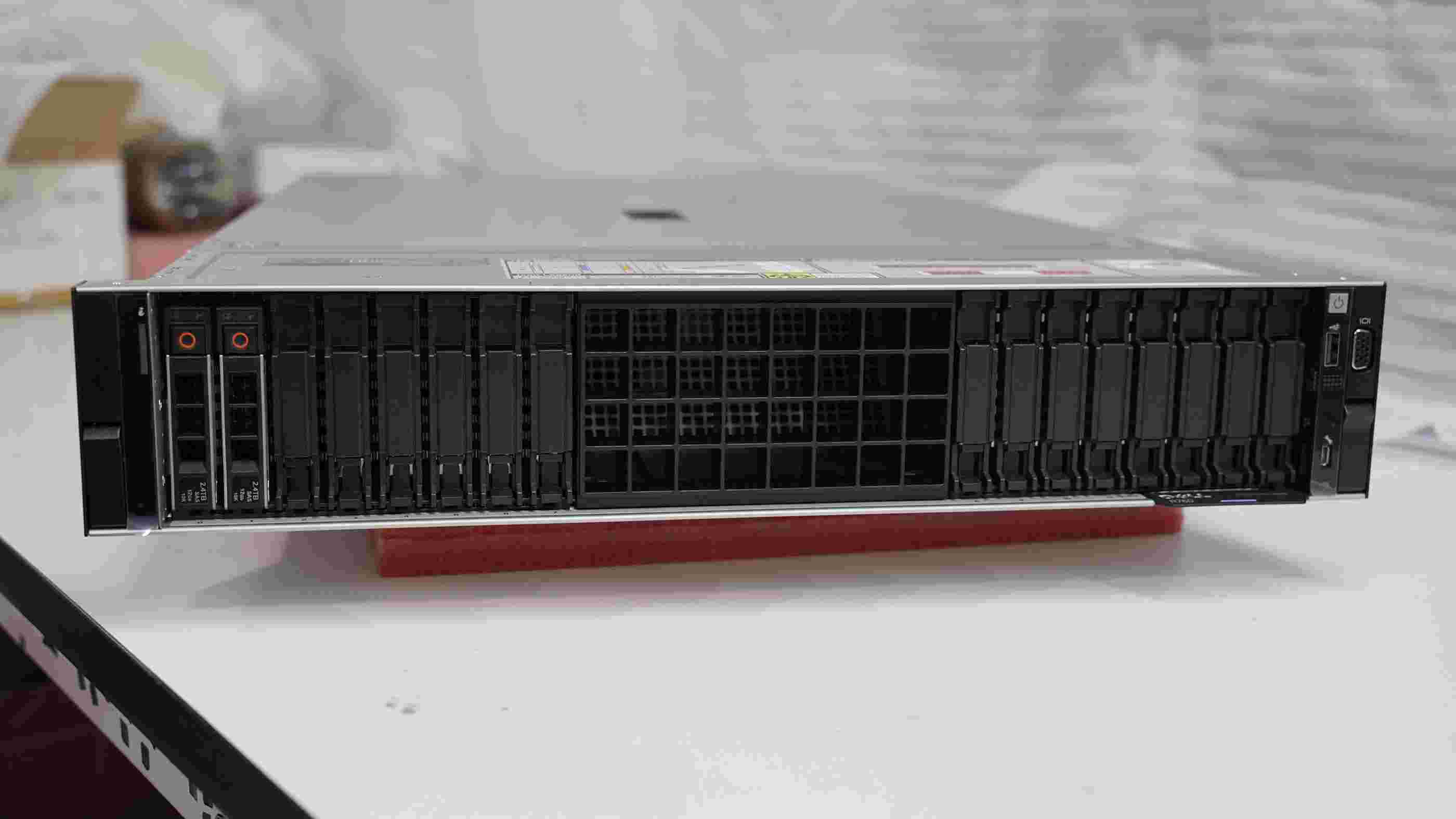
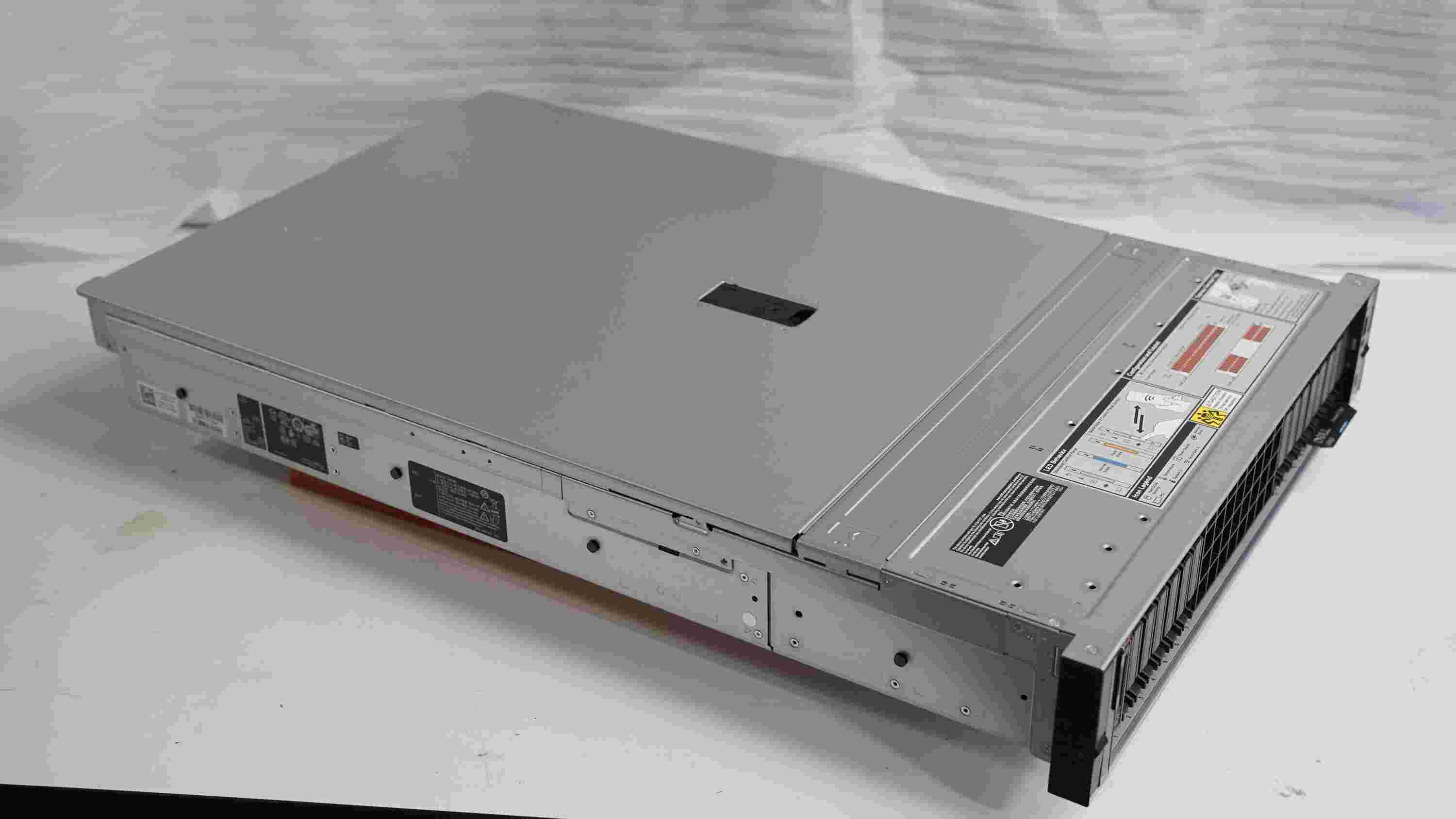
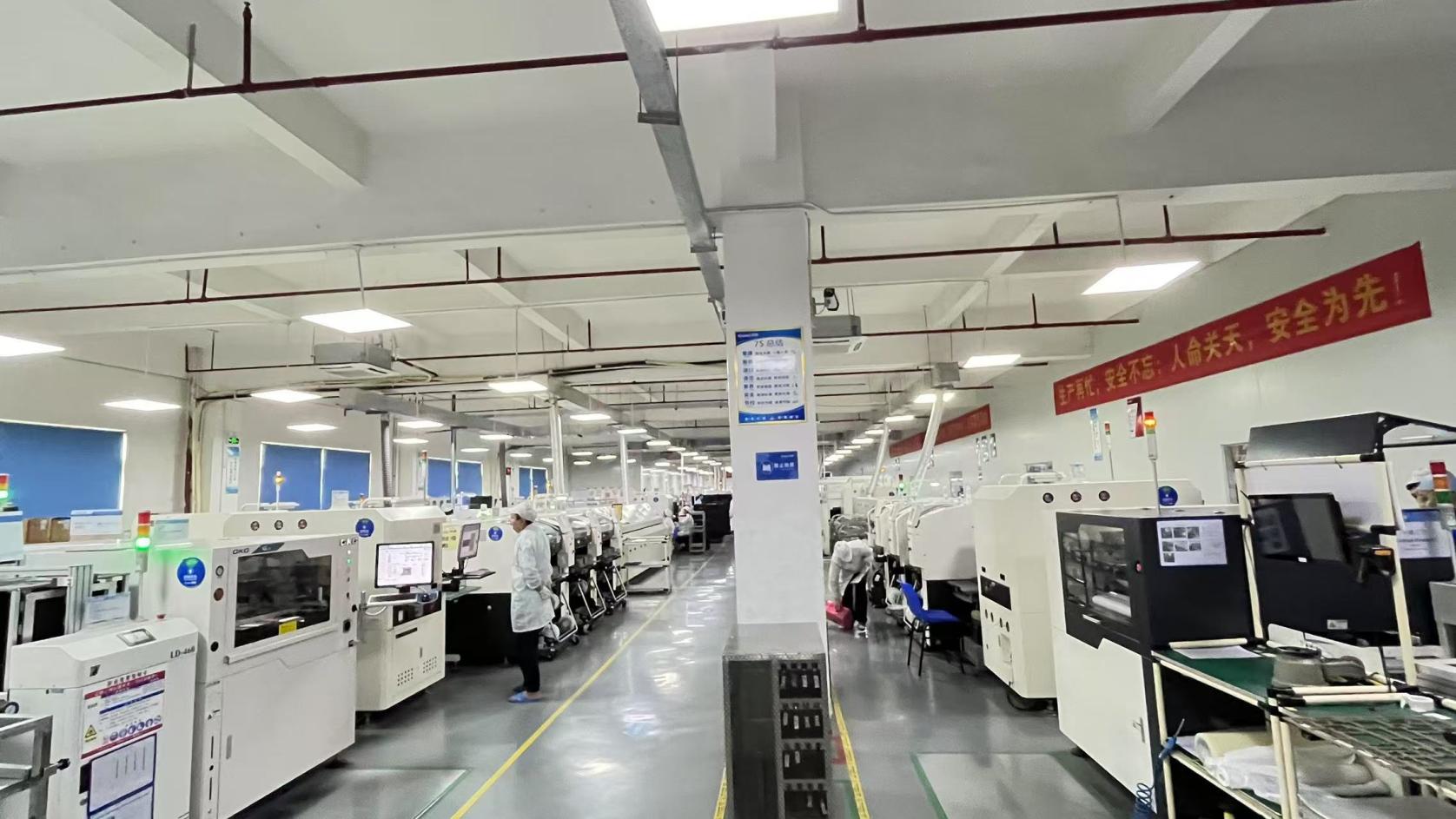
Enterprise and GPU server systems configured to handle complex deep learning models, training jobs, and heavy virtualization projects.
Direct technical answers from Borevo's system design and quality control engineering teams.