Borevo
Borevo
Borevo
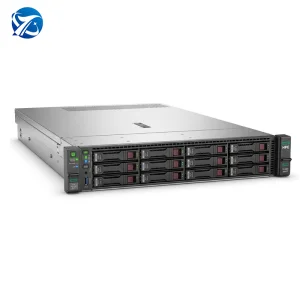
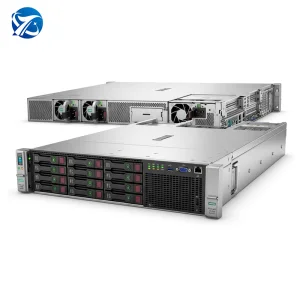
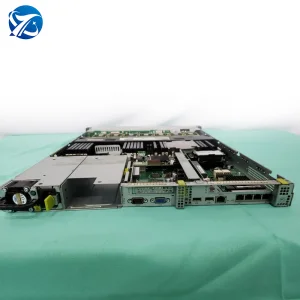
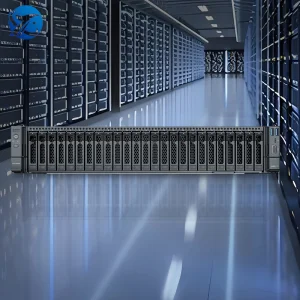
The global enterprise storage sector is witnessing a massive migration from traditional spinning media to Solid-State Drives (SSDs). Modern hyperscale datacenters, deep learning clusters, and high-performance computing (HPC) nodes demand data retrieval structures that operate at latency values measured in microseconds. With the rapid deployment of massive AI frameworks like DeepSeek, LLMs, and real-time streaming engines, SSDs are no longer optional—they are the foundational base of efficient compute architecture.
Key drivers behind this transition include the rapid rise of PCIe Gen5 and Gen6 NVMe protocols, which boast throughput speeds upward of 14 GB/s. Combined with technologies like CXL (Compute Express Link), modern SSD architectures are effectively breaking through traditional memory bottlenecks, allowing compute architectures to pool storage blocks seamlessly.
As a global powerhouse in electronics manufacturing, China has consolidated its position at the center of the SSD value chain. Chinese flash storage providers offer high-efficiency vertical integration—from wafer packaging and controller design to final system integration and custom firmware optimization.
Borevo AI Infrastructure (China) Co., Ltd. is a specialized AI GPU and high-performance computing storage manufacturer. We design, optimize, and distribute state-of-the-art server solutions and data-intensive infrastructure platforms worldwide.
With 12 years of industry experience and 7 years of active global export success, Borevo bridges the gap between raw SSD speed and backend AI logic. Our custom storage architectures are tuned specifically to avoid packet loss, optimize random IOPS, and ensure uninterrupted host access.
Reliability is key in enterprise operations. With our strategic partner base of 850 verified suppliers, we construct systems that perform under strenuous environments. Every single system component undergoes multi-tiered testing protocols before shipping out.
ZNS technology aligns data placement directly onto the flash media, eliminating write amplification, reducing over-provisioning requirements, and minimizing structural latency anomalies.
Utilizing high-performance multichannel controllers to deliver sequential reads reaching up to 14.5 GB/s, designed to handle extreme ingestion pipelines during AI training.
Advanced Low-Density Parity-Check (LDPC) error-correcting code ensures data retention security and pushes enterprise drive life endurance to 3+ DWPD (Drive Writes Per Day).
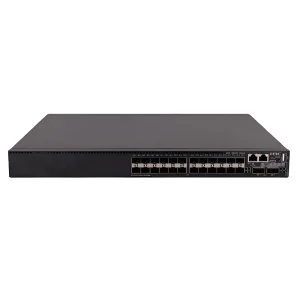
Modern enterprises do not buy storage in isolation. An effective infrastructure strategy combines high-capacity enterprise SSD storage with robust server nodes and optical switching fabrics. For instance, pairing low-latency NVMe SSD drives with three-layer core switches (like the H3C S6520X-30QC-EI) allows data pools to be queried across local storage area networks (SAN) at unprecedented speeds.
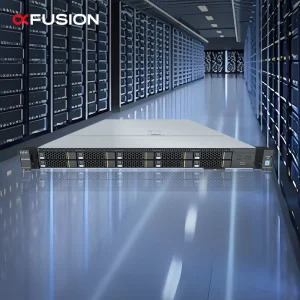
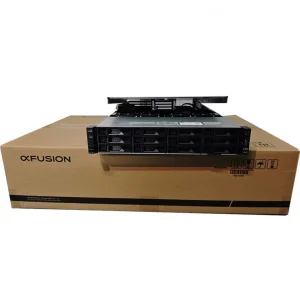
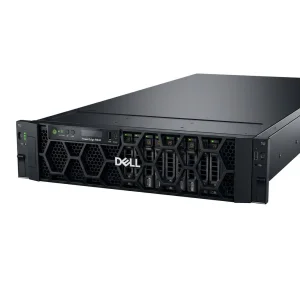
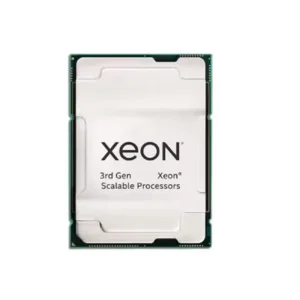
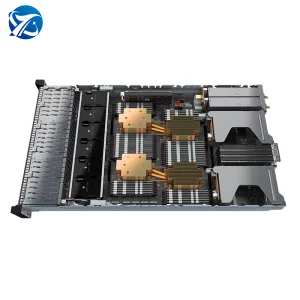
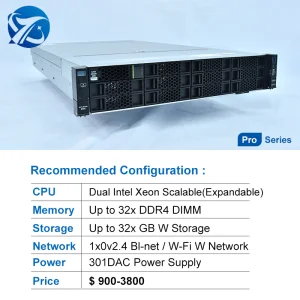
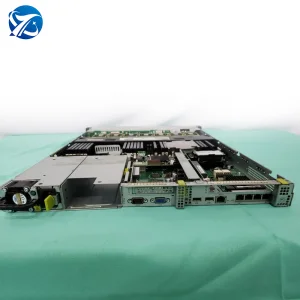
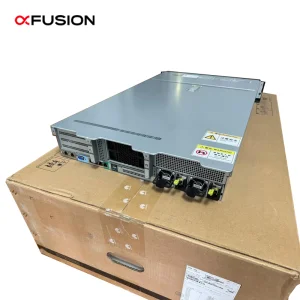
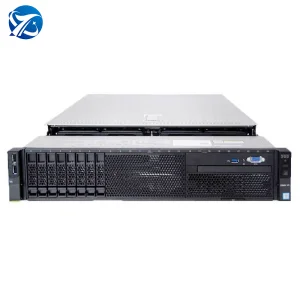
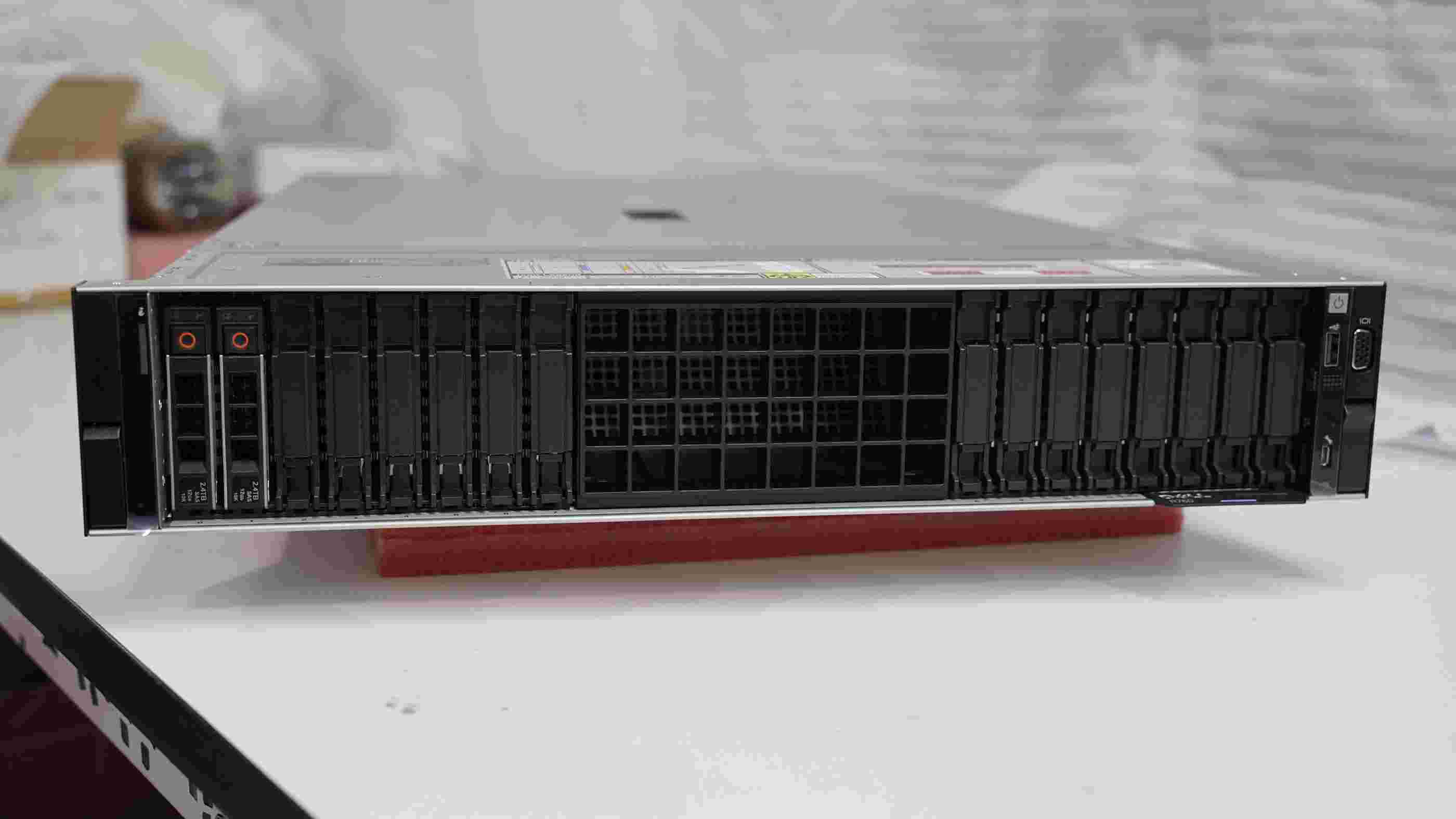
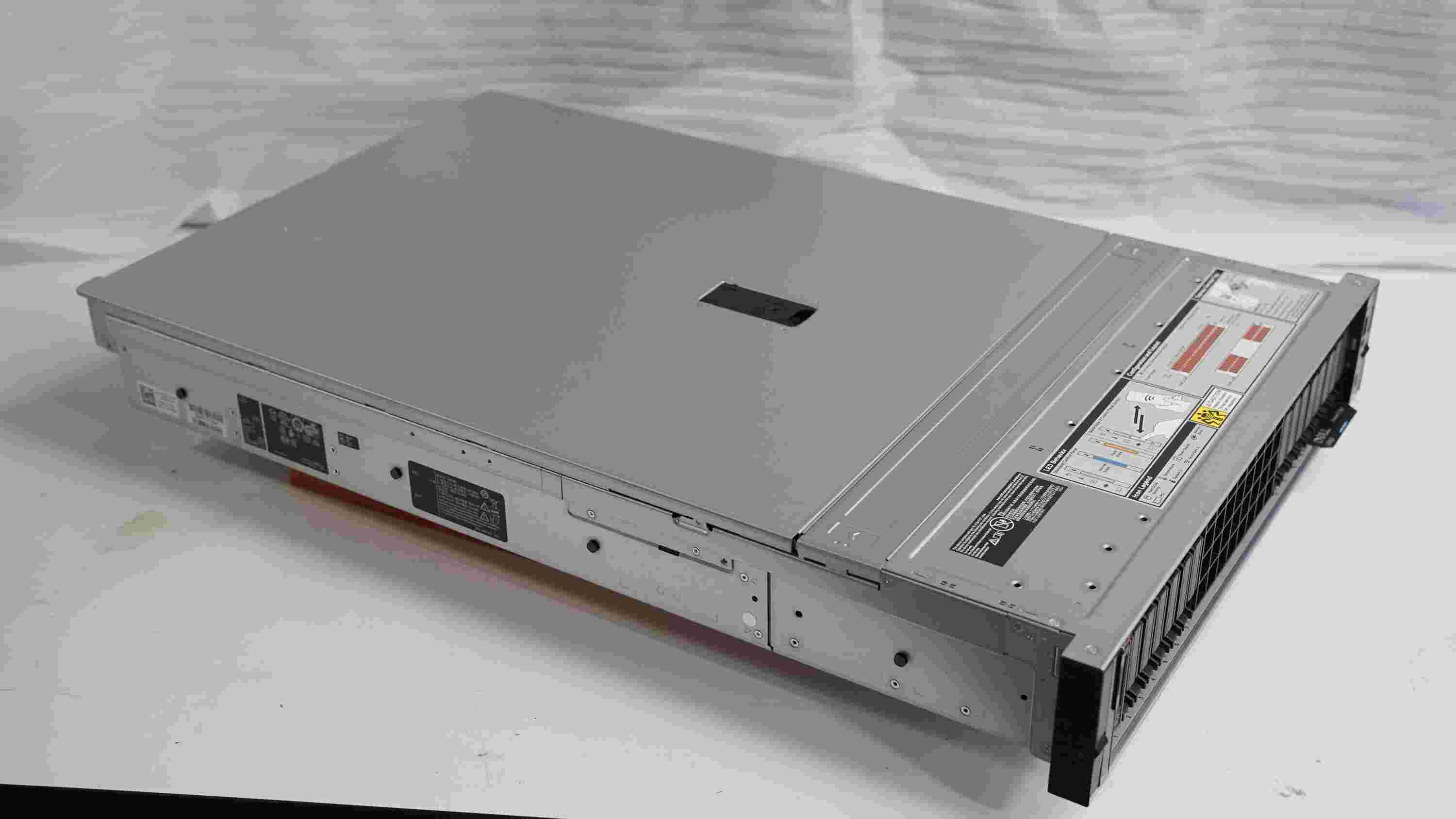
Simultaneously, housing these configurations inside dual-socket platforms like the xFusion FusionServer 2288H V6 or HPE ProLiant DL380 Gen11 ensures that host memory architectures receive sustained storage performance without causing thermal throttling or hardware interrupts.
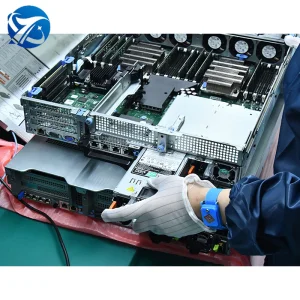
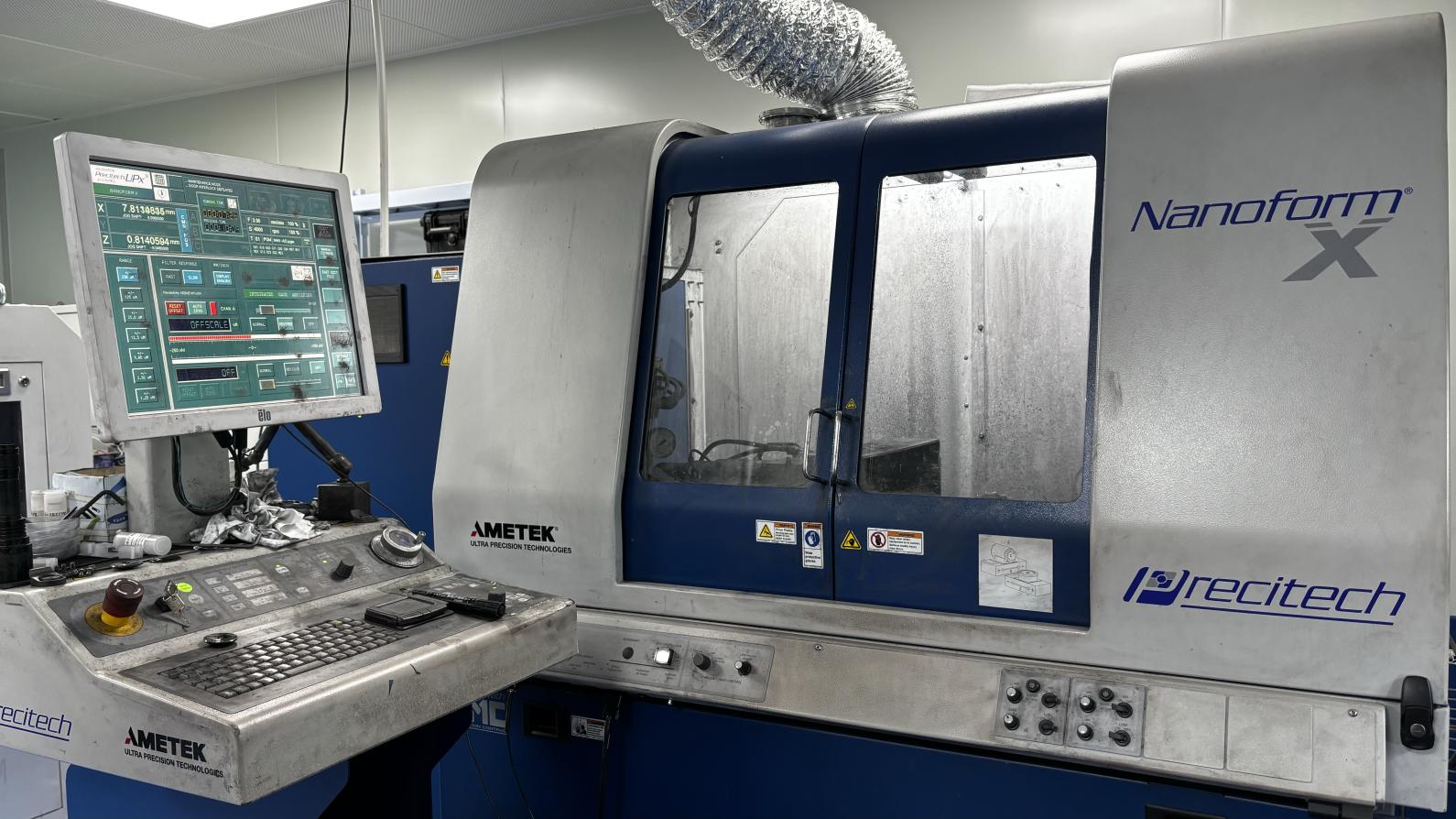
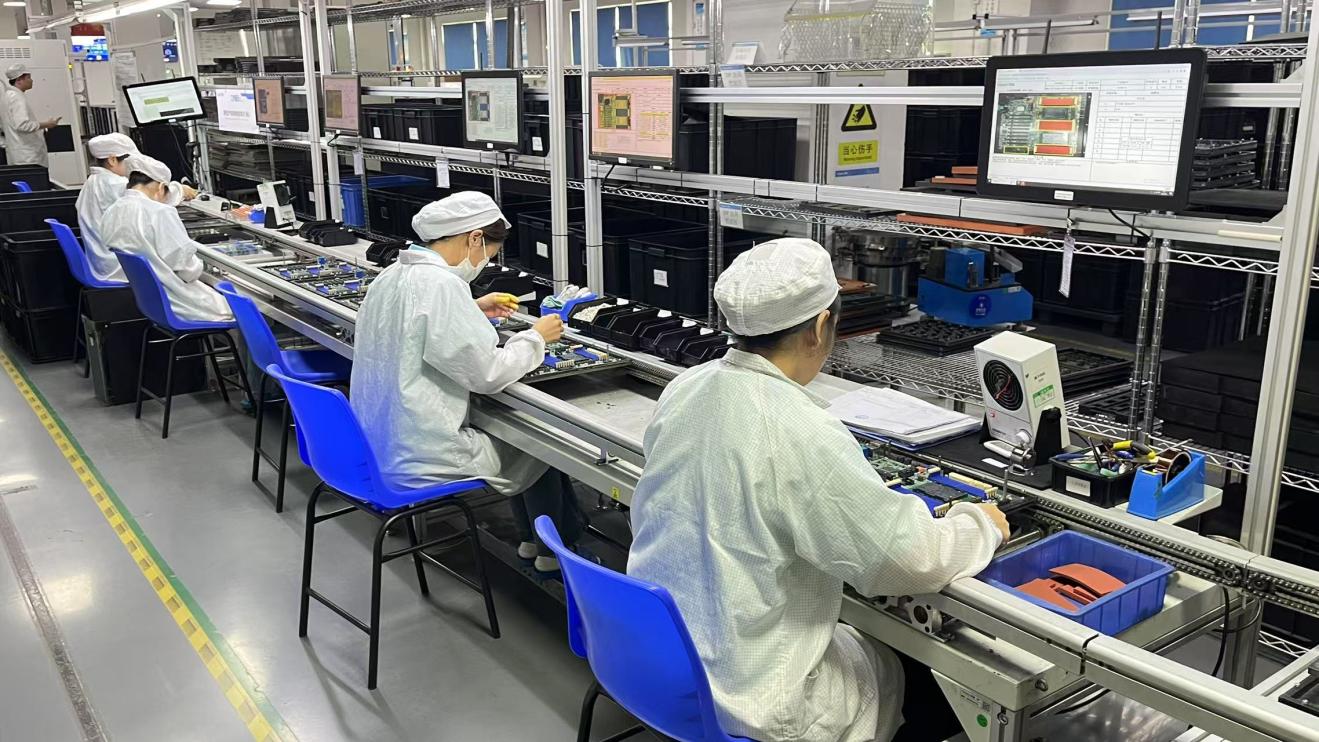
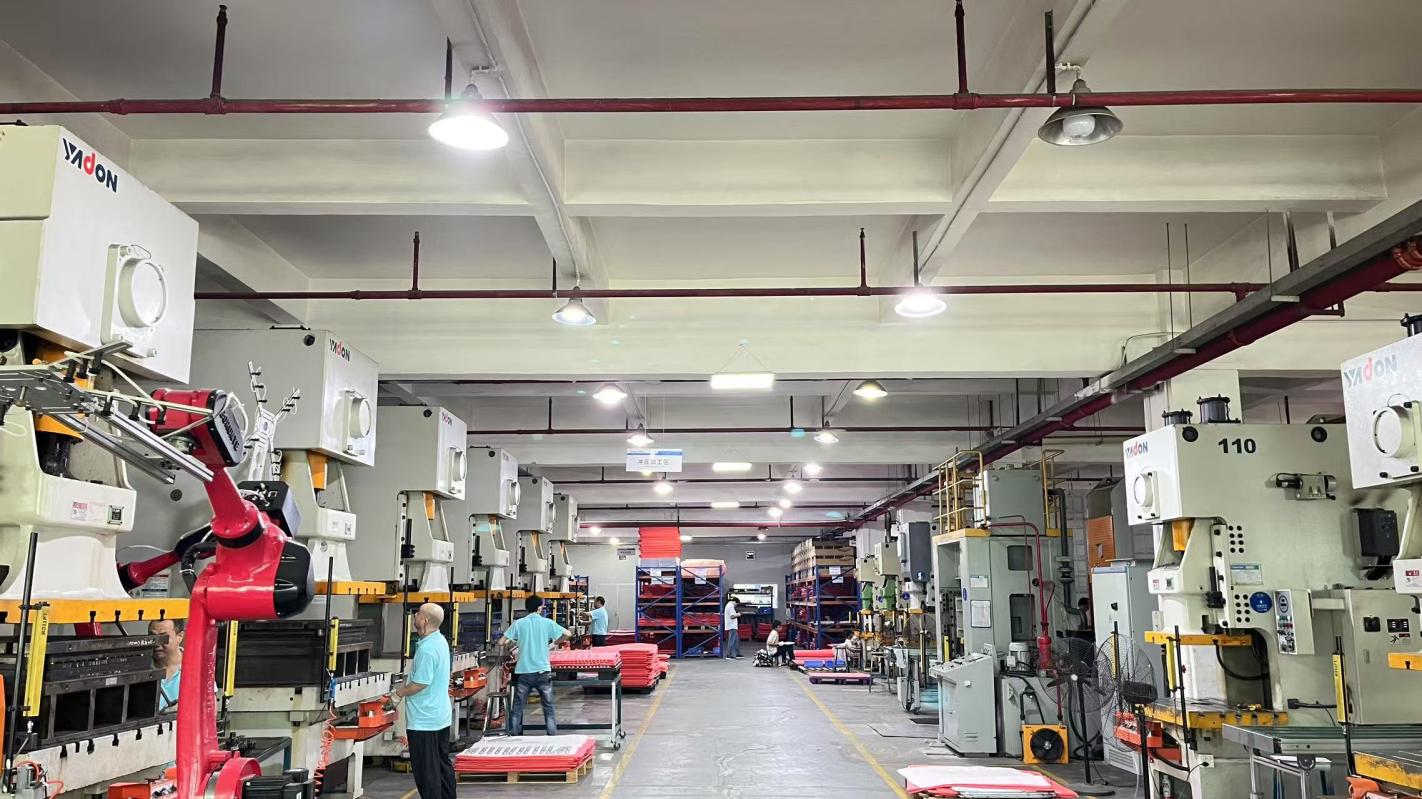
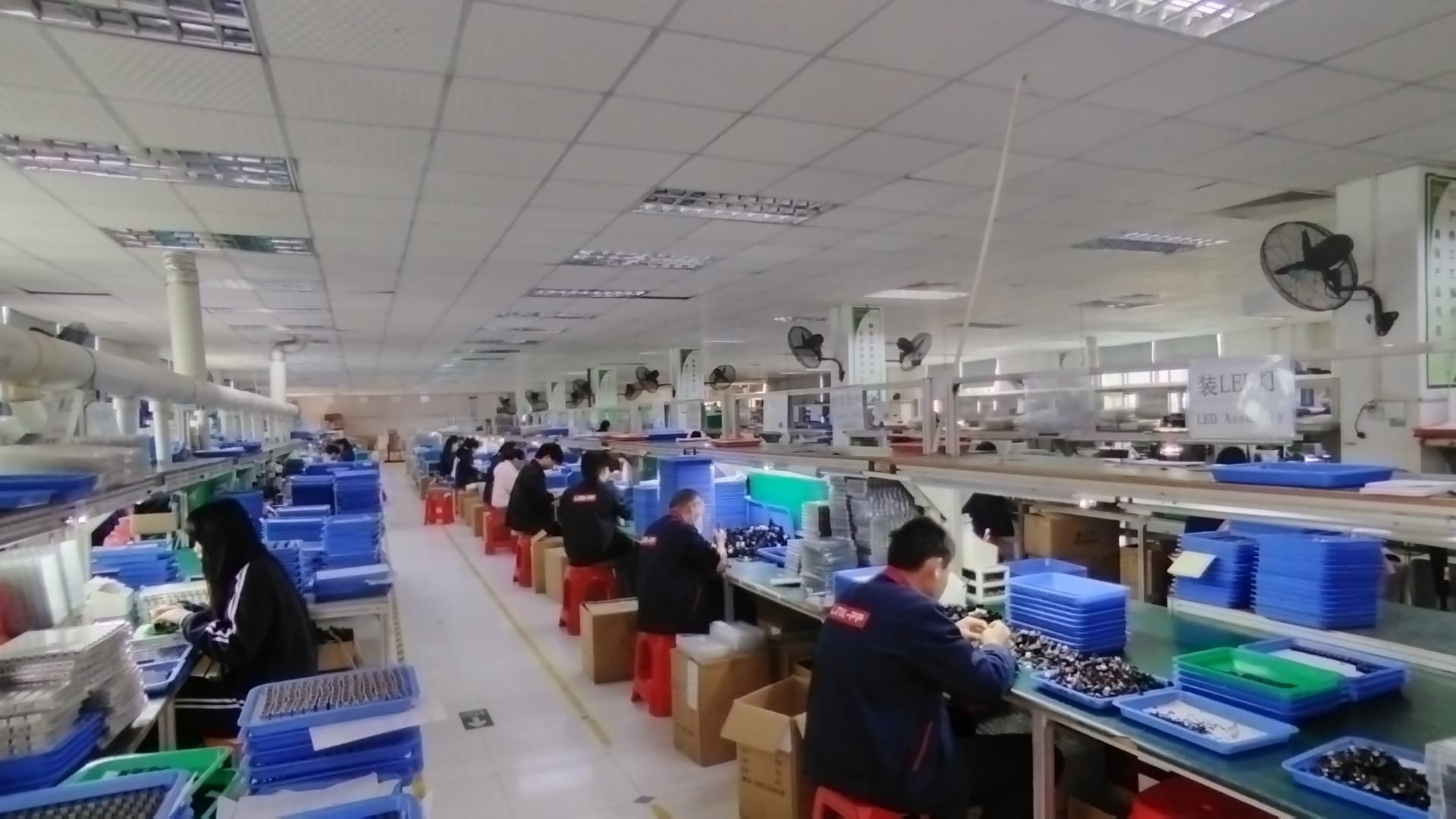
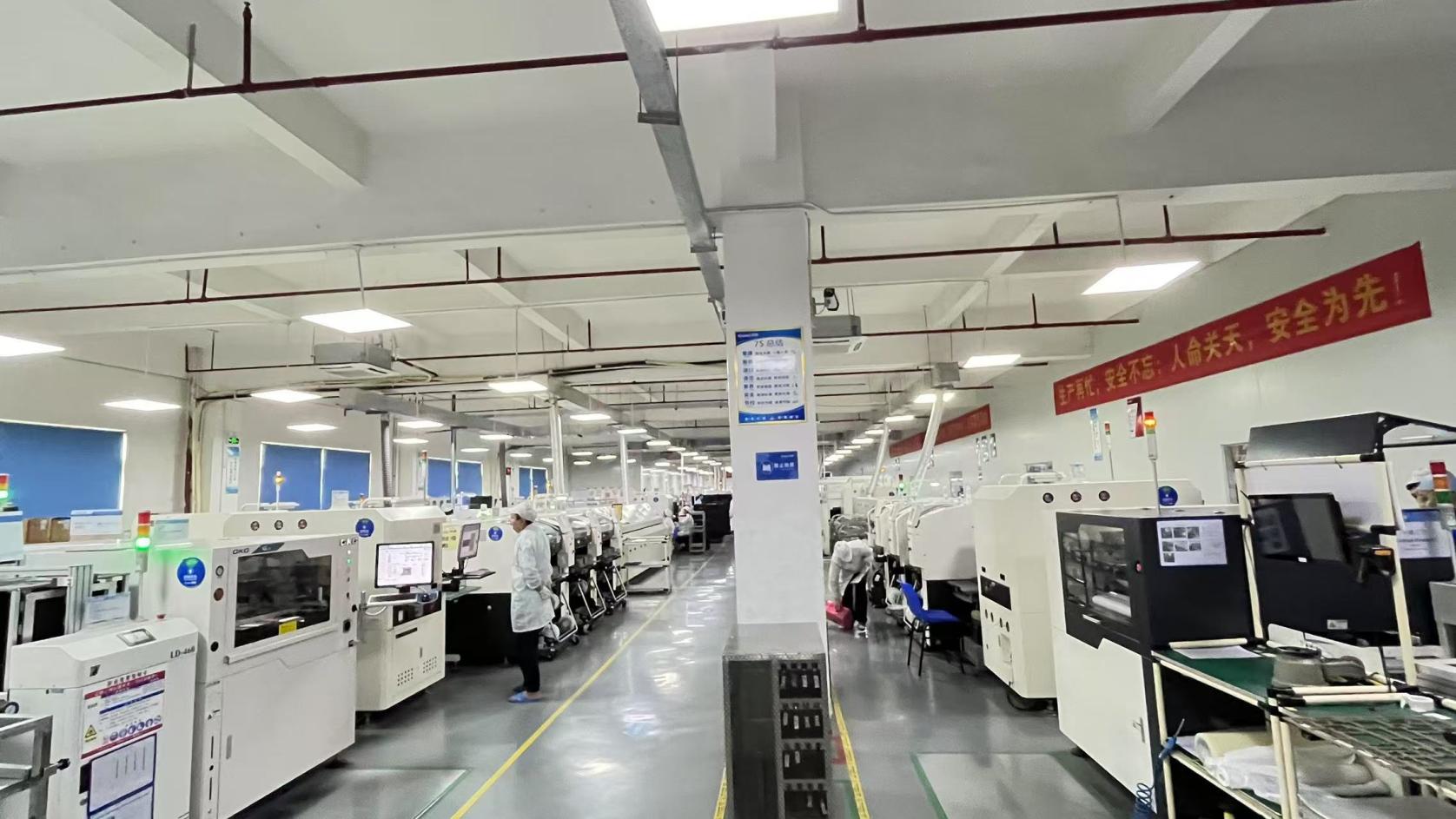
Take a look inside our state-of-the-art facilities, featuring cleanroom environments, automated testing labs, and high-efficiency server integration lines.
TLC (Triple-Level Cell) flash offers higher endurance (typically 1 to 3 Drive Writes Per Day) and faster write speeds, making it ideal for write-heavy database engines and caching tiers. QLC (Quad-Level Cell) offers higher density at lower cost, making it the preferred choice for read-intensive operations, deep archives, and streaming platforms.
Our hardware platforms are engineered and programmed to adhere strictly to JEDEC and NVMe consortium standards. We conduct rigorous validation loops using industry-standard virtualization hypervisors and storage controllers to guarantee zero-fault integration with host architectures including HPE ProLiant, Dell PowerEdge, and xFusion platforms.
Yes. Our 180-engineer R&D division specializes in firmware customization. We adjust dynamic over-provisioning partitions, wear-leveling schedules, and garbage collection timing to align directly with our customers' operational models.
Our quality control department applies dual testing tracks. We perform physical stress tests, including thermal cycling, relative humidity analysis, and vibration checks. On the logic side, we run continuous data-integrity test patterns over 72 hours, using hardware-embedded LDPC algorithms to ensure zero read-write failures.