Borevo
Borevo
Borevo
In the current era of Industry 4.0, unplanned downtime has emerged as one of the most critical challenges facing global manufacturing, oil and gas extraction, energy networks, and high-performance logistics. Predictive Maintenance (PdM) represents a strategic transition from legacy reactive (run-to-failure) and preventative (time-scheduled) paradigms to condition-based prognostics. By leveraging dynamic sensor telemetry, acoustic profiles, thermal dynamics, and mechanical vibration analysis, modern predictive maintenance architectures identify micro-anomalies before they escalate into systemic operational failures.
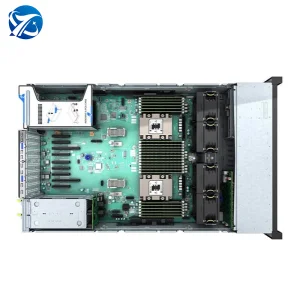
At the heart of this global industrial revolution is the requirement for compute power. Sensor arrays mounted on critical rotating machinery, CNC spindles, turbine bearings, and automated assembly lines generate terabytes of time-series data daily. Extracting actionable insights from this data volume requires highly specialized AI server systems and enterprise-class data storage engines. China has established itself as the premier manufacturing and development center for these computational backbones, providing worldwide enterprises with robust hardware capable of running complex deep learning, anomaly detection, and physics-informed neural network (PINN) models.
Executing deep neural networks directly at the factory floor level to achieve ultra-low latency anomaly detection and machinery shutoff triggers.
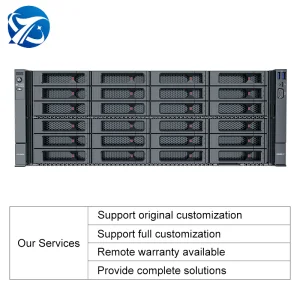
High-speed SSD frameworks and high-density rack storage arrays designed to log continuous sensor feedback without bottlenecks.
Rigorous physical stress testing, thermal control, and electromagnetic insulation to ensure reliable server deployment inside industrial zones.
As a prominent specialist in high-performance GPU architectures, heterogeneous computing, and enterprise rack server manufacturing, Borevo AI Infrastructure (China) Co., Ltd. supplies the physical infrastructure required to operate modern predictive maintenance systems.
To implement predictive maintenance effectively, plants must build an optimized data pipeline. The hardware stack is typically divided into three primary segments:
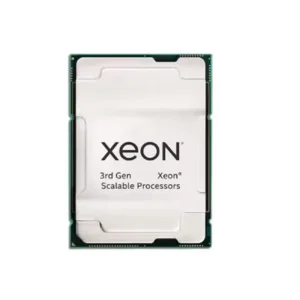
In heavy chemical environments, fluid pumps, compressors, and pipeline valves run continuously under extreme pressures and temperatures. Any mechanical failure risks ecological hazards and costly shut-downs. High-performance computing nodes analyze real-time flow variations, micro-vibrations, and heat profiles using thermal cameras. Through the deployment of edge servers equipped with Xeon multi-core processors, local SCADA systems can preemptively identify seal degradation or bearing wear, prompting schedule adjustments during normal maintenance windows.
Modern mass transit systems rely on automated bogie and wheelset diagnostic frameworks. Acoustic sensor nodes placed alongside the tracks capture high-frequency wheel signatures as trains pass. These signals are parsed by edge rack servers using Fast Fourier Transform (FFT) algorithms. By running these computational workloads on robust GPU and CPU configurations, transit operators can flag anomalies such as flat wheels or bearing cracks instantly, maintaining public safety and optimizing track-wear lifecycles.
Modern robotic welding and assembly arms are susceptible to joint degradation, backlash, and drive motor failures. Predictive maintenance programs monitor joint motor currents and mechanical deviation values. Processing this multi-axis coordinate telemetry in real-time requires reliable edge server installations with fast flash array storage (like Samsung enterprise SSDs) to avoid write latency issues during concurrent data influxes.
Global procurement teams choose Chinese manufacturers and suppliers for predictive maintenance hardware for several key reasons:
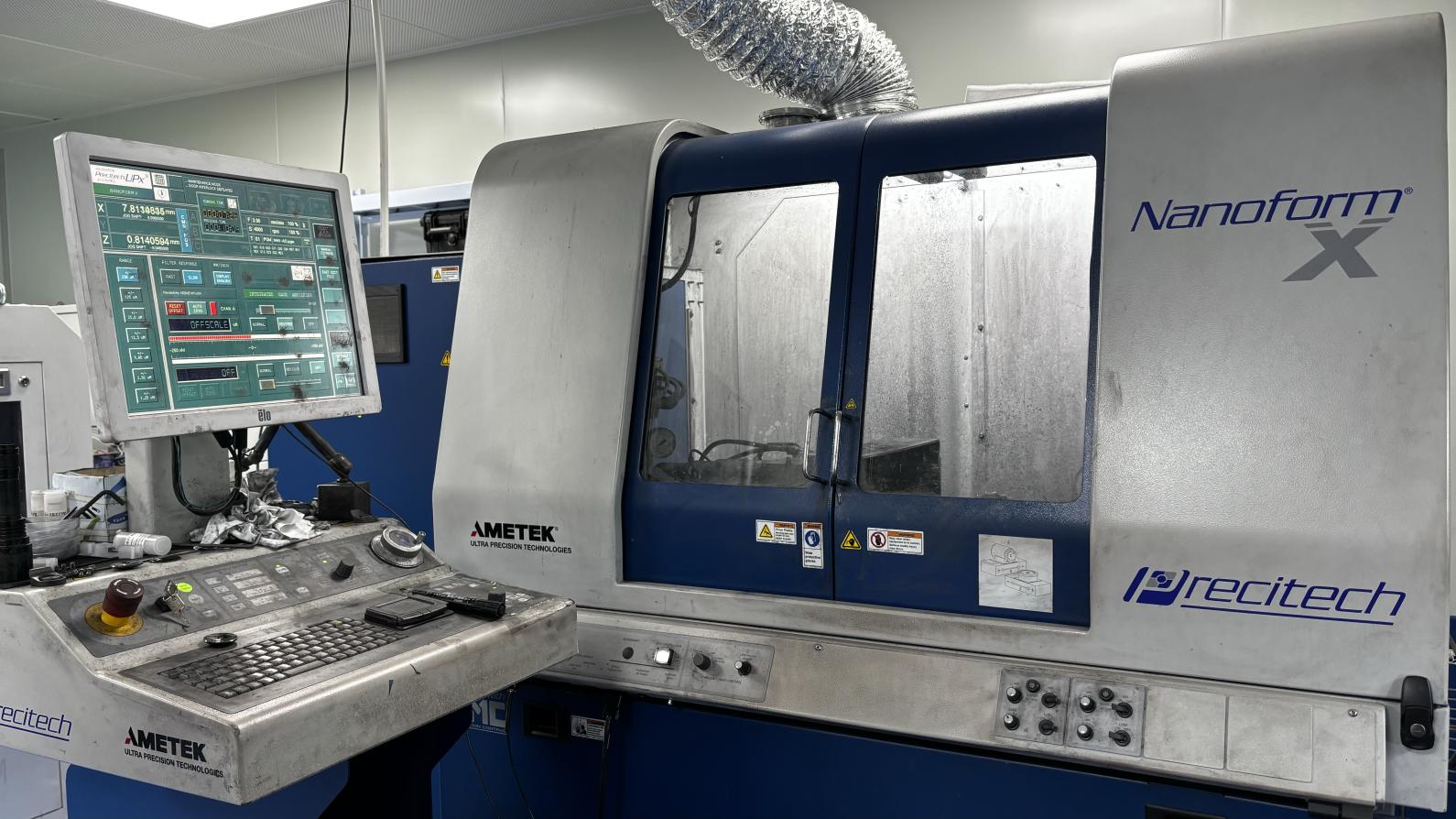
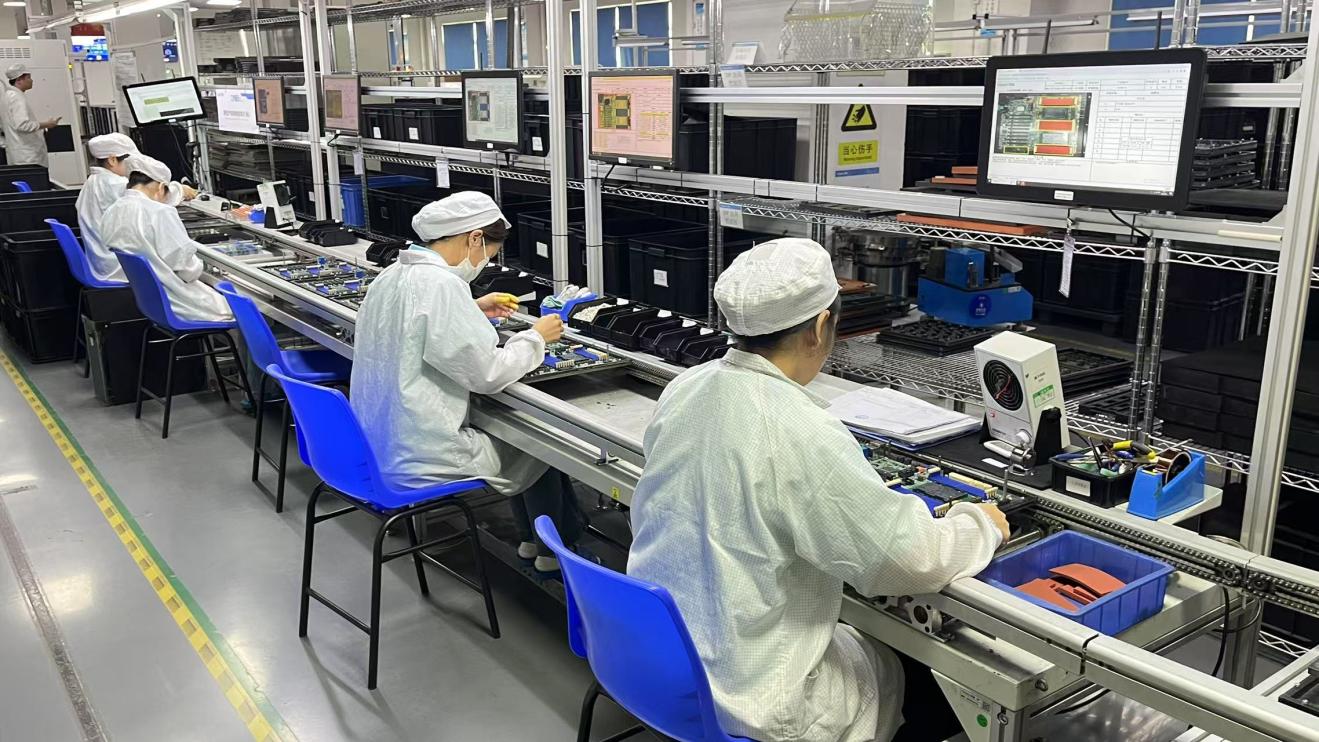
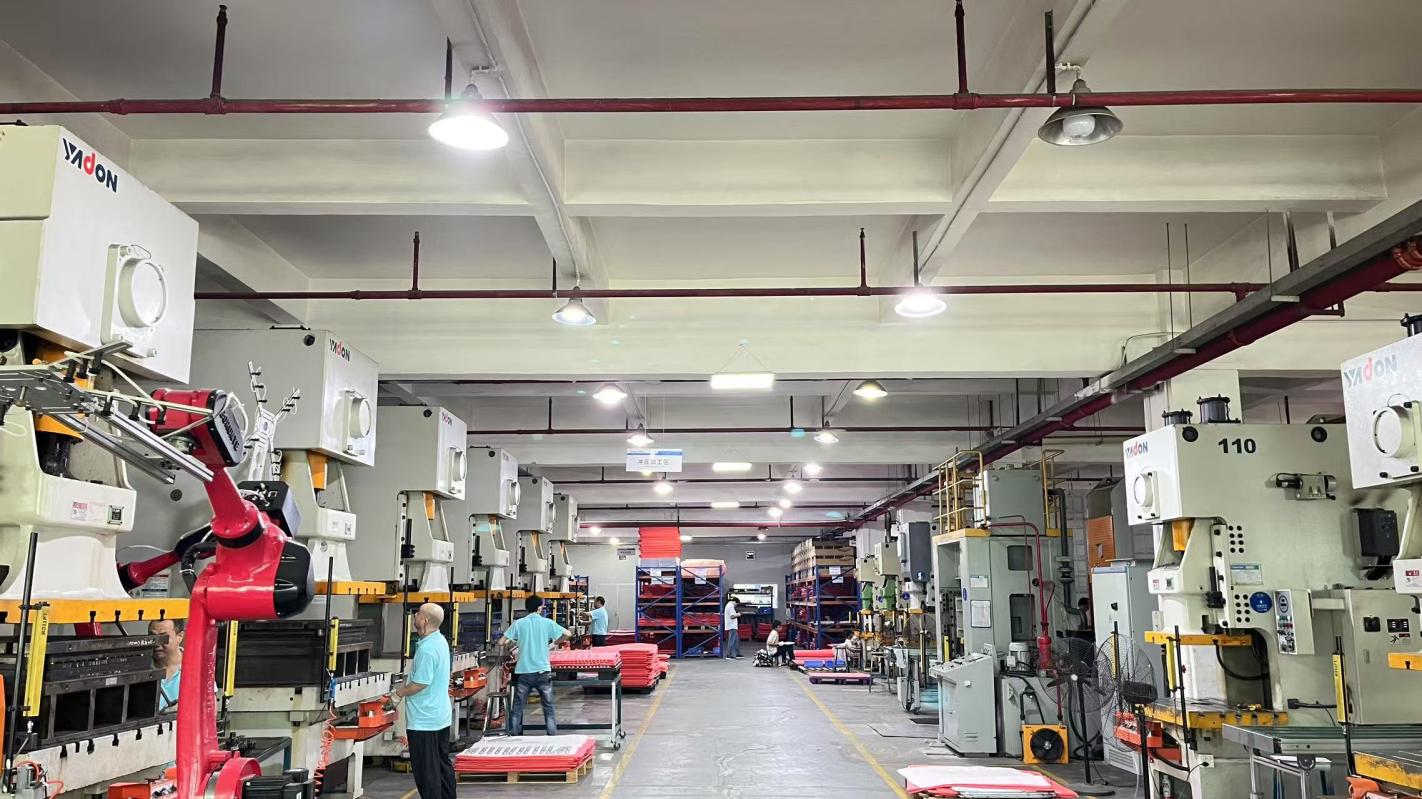
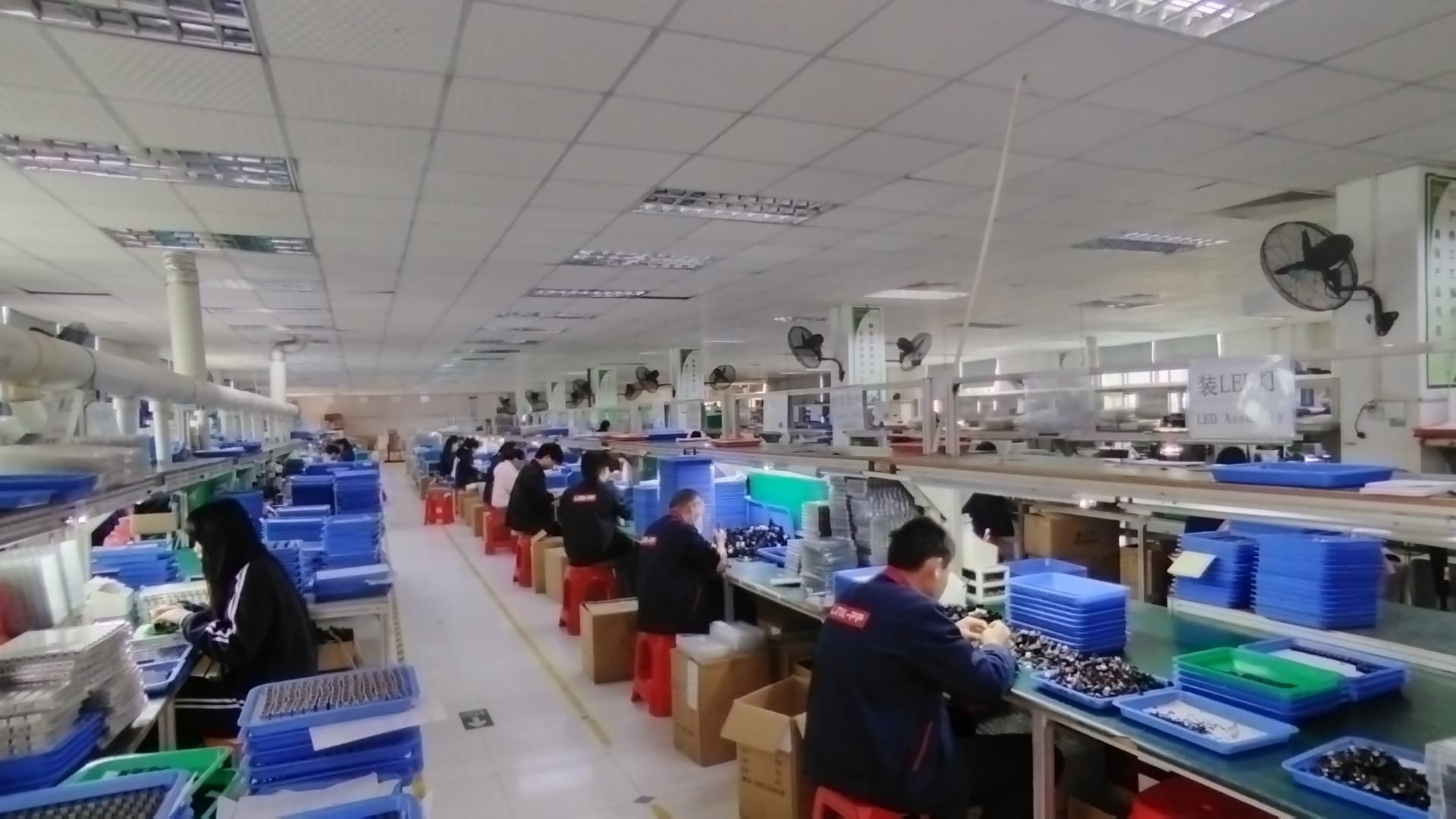
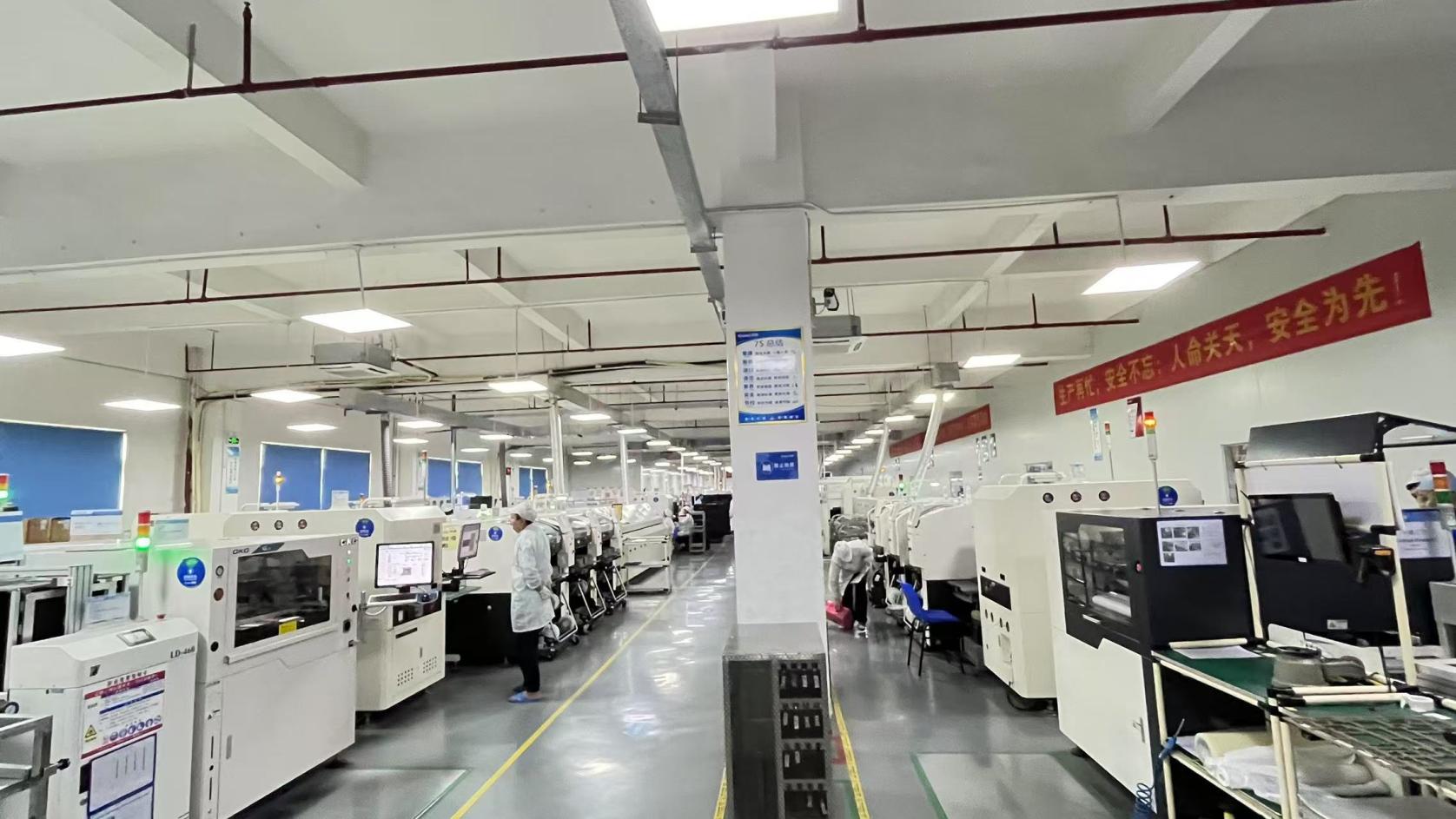
Explore our advanced manufacturing plants, quality testing departments, and integrated assembly facilities where our computing hardware undergoes rigorous validation.
Understanding upcoming technology shifts helps procurement managers and systems architects choose future-proof hardware solutions:
Processing workloads are shifting closer to the data source. Integrating machine learning microcontrollers and low-power edge servers allows local networks to classify vibration patterns without constantly uploading raw files to remote cloud storage.
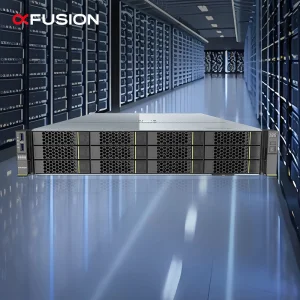
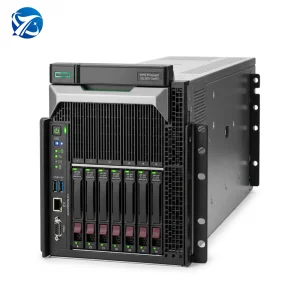
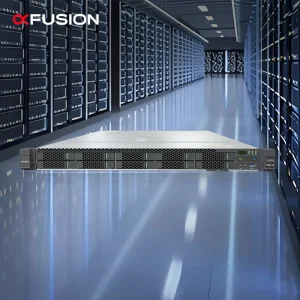
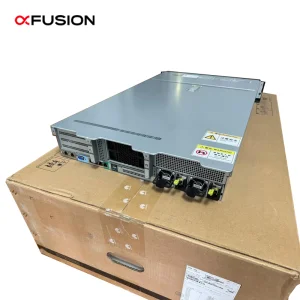
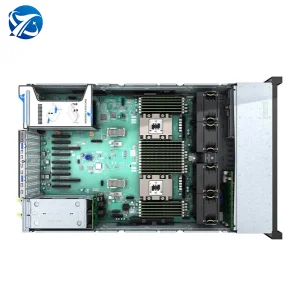
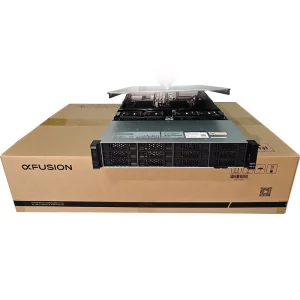
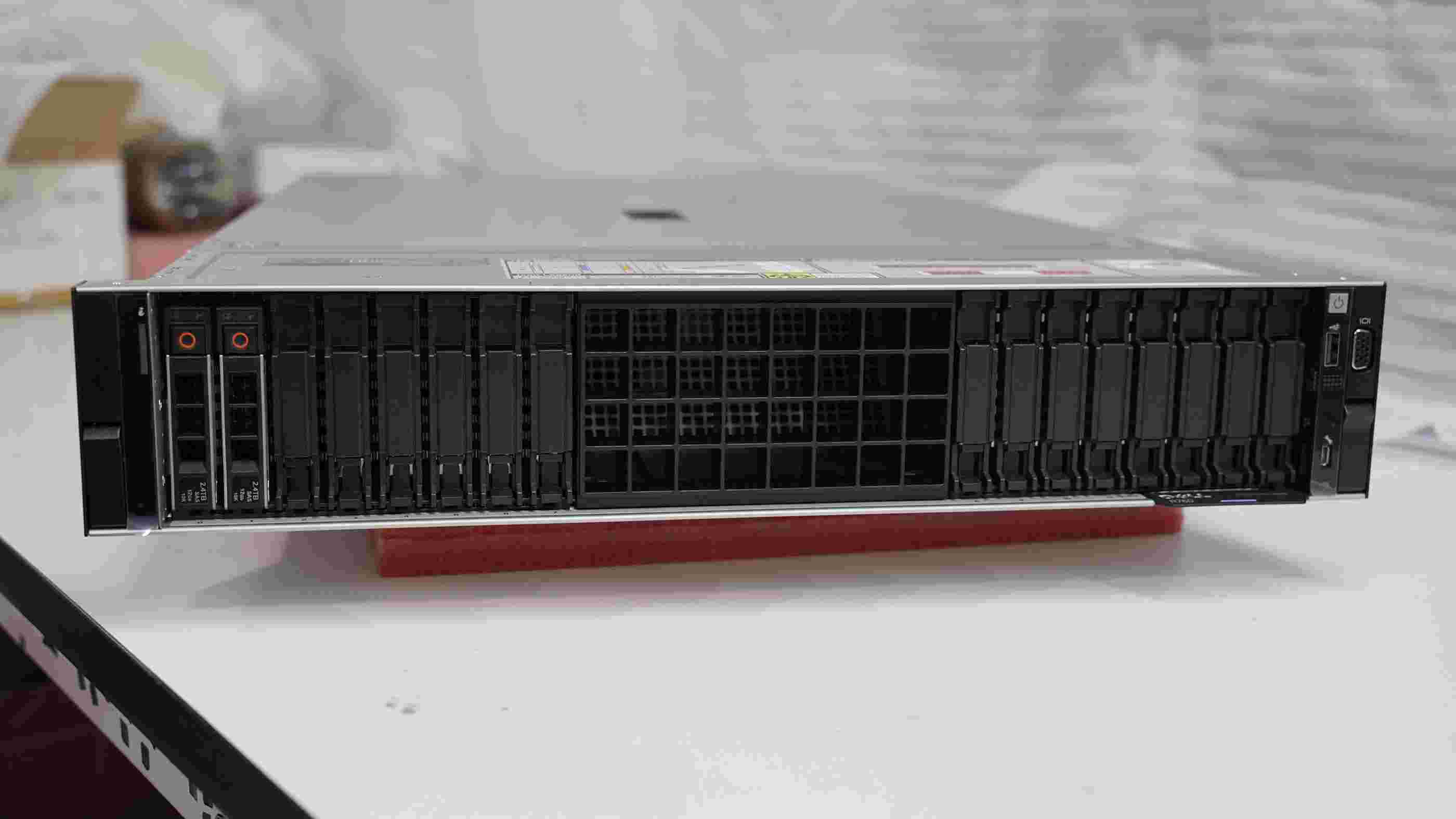
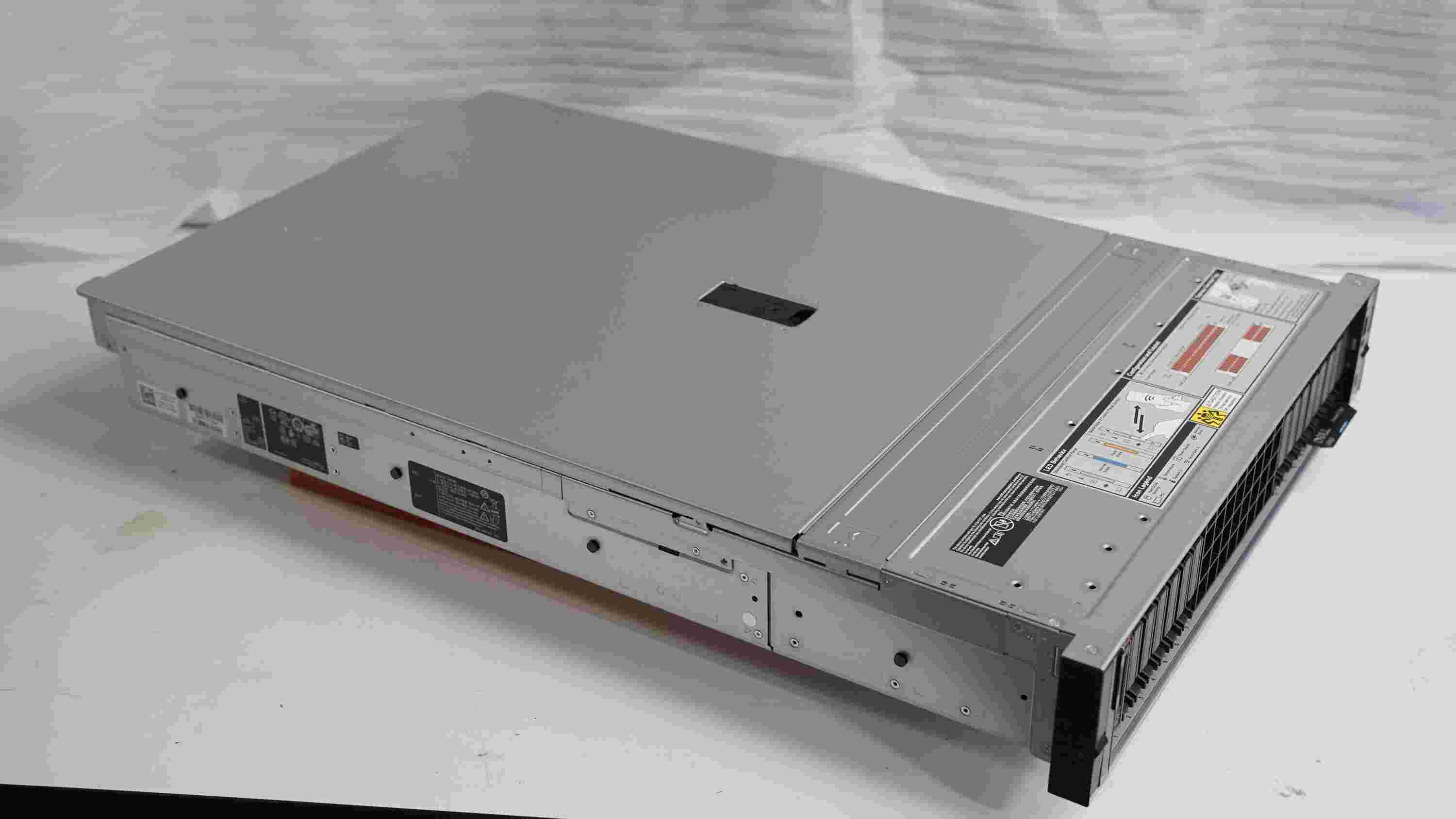
Modern maintenance models require CPUs for sequence orchestration alongside high-density GPU accelerators for fast matrix computation. Implementing combined servers, such as the FusionServer G5500 V7 AI Rack Server, provides the performance levels needed for complex mathematical modeling.
Industrial partners are increasingly adopting collaborative model structures. Hardware nodes train failure models locally and share only updated weight tensors, allowing plants to leverage collective diagnostic models without exposing proprietary operational data.
Procuring high-performance servers for industrial settings involves unique criteria compared to traditional IT data centers:
Modern predictive maintenance utilizes high-frequency sensor readings, such as vibration signals sampled at rates up to 100 kHz. Transforming this data via Fast Fourier Transforms (FFT) and feeding it into deep learning architectures (like Autoencoders or LSTM networks) requires high computational throughput. GPUs process these matrix operations in parallel, providing the speed necessary for real-time anomaly detection, whereas standard CPUs struggle with parallel processing at this scale.
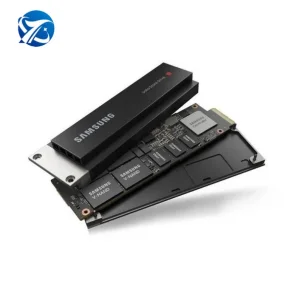
In large-scale manufacturing installations, thousands of sensors continuously stream state parameters to local storage servers. Traditional hard disks or consumer-grade SSDs can suffer from write speed degradation under continuous load, leading to data loss. Enterprise SSDs, including the Samsung PM883 and PM9A3 series, offer high write endurance (DWPD), low write latency, and power loss protection (PLP) to ensure continuous data capture without throughput bottlenecks.
Borevo provides end-to-end hardware customization, including firmware/BIOS modifications, PCB layout changes, specialized PCIe expansion setups for industrial interfaces, custom fan/liquid cooling modules, and chassis designs designed to fit specific spatial footprints on factory floors.
Our quality control process is managed by a team of 45 QC professionals. Every server undergoes Automated Optical Inspection (AOI), high-temperature burn-in chamber testing, thermal cycling, and electrical signal validation under heavy loads to verify stable performance before shipment.
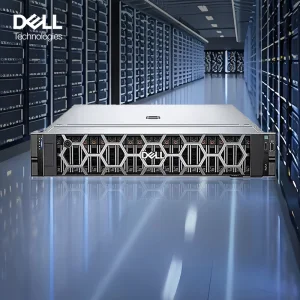
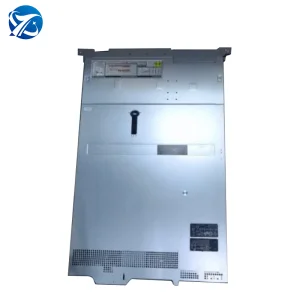
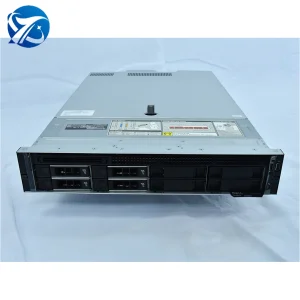
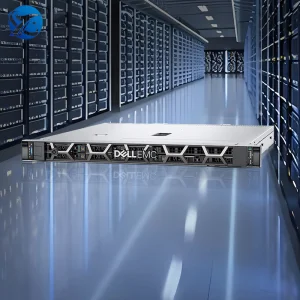
Yes. Industry-standard platforms like the HPE ProLiant DL380 Gen12 or Dell PowerEdge R760xs serve as versatile foundations. When configured with compatible GPU accelerators, high-speed networking cards, and enterprise storage drives, these platforms provide reliable, scalable computational nodes backed by global supply chains.