Borevo
Borevo
Borevo
Factory-direct enterprise appliances, custom OEM rack servers, and hardware acceleration platforms for high-density traffic distribution.
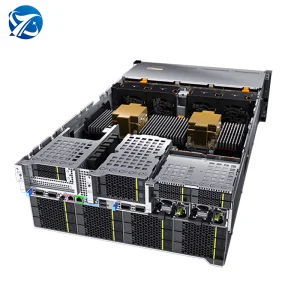
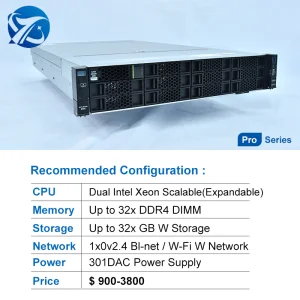
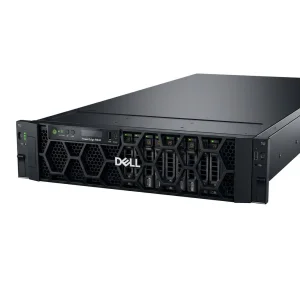
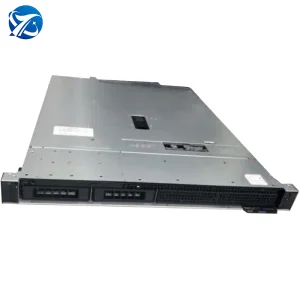
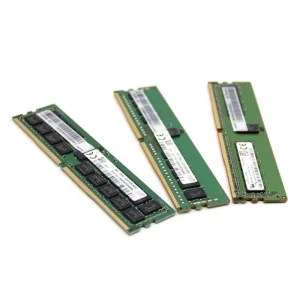
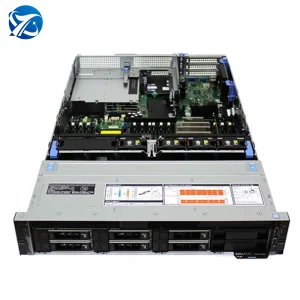
In an era dominated by hyper-scale cloud deployments, microservices architectures, edge AI clusters, and massive East-West data center traffic, load balancers have evolved from basic round-robin connection distributors into highly specialized Application Delivery Controllers (ADCs) and programmable packet-processing engines.
Global enterprises sourcing hardware load balancers and high-density networking appliances from leading Chinese manufacturers leverage unprecedented advantages in manufacturing scale, supply chain integration, and rapid OEM/ODM engineering customization. Modern enterprise workloads demand more than simple Layer 4 (L4) TCP/UDP packet forwarding; they necessitate intelligent Layer 7 (L7) application-aware routing, microsecond-level latency, SSL/TLS hardware offloading via dedicated ASIC/FPGA acceleration cards, and zero-trust packet inspection capabilities.
As China solidifies its position as the world's primary hub for server hardware and networking infrastructure manufacturing, selecting the right supplier requires evaluating technical roadmaps, manufacturing quality control standards (AOI, thermal stress, burn-in validation), supply chain resilience, and global compliance capabilities. This whitepaper serves as an authoritative buyer's manual and architectural guide for enterprise IT directors, cloud service providers (CSPs), and procurement executives searching for tier-1 China load balancer suppliers and custom OEM server manufacturers.
Implementation of DPDK (Data Plane Development Kit) and eBPF technology allows load balancers to bypass standard OS networking bottlenecks, reaching up to 100Gbps+ per socket throughput.
Dynamic flow management for GPU server arrays (such as DeepSeek and LLM clusters) utilizing RoCEv2 (RDMA over Converged Ethernet) to eliminate network congestion.
Integrated crypto-accelerators handle 100,000+ RSA/ECC handshakes per second, freeing up CPU cores strictly for business logic and high-speed routing.
Understanding the hardware and software technology stack of Chinese enterprise load balancers.
The architecture of physical Load Balancing Appliances and Software-Defined ADCs has undergone a fundamental redesign to cope with multi-terabit bandwidth requirements. Suppliers in China's technology ecosystems are now embedding advanced hardware acceleration components directly into custom rack-mount platforms.
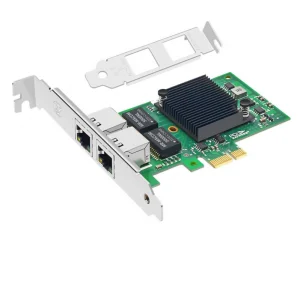
Traditional Layer 4 load balancing relies heavily on IP tuple hashing performed by standard CPUs. Modern Chinese hardware platforms incorporate SmartNICs, FPGA cards, and P4 programmable switch chips. This allows Layer 4 packet flow distribution to occur directly within NIC ASIC hardware, achieving line-rate performance with zero CPU overhead.
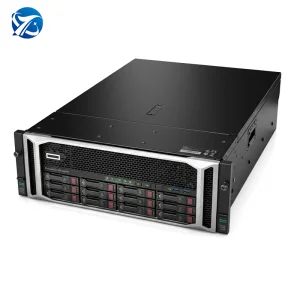
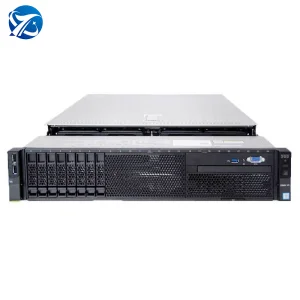
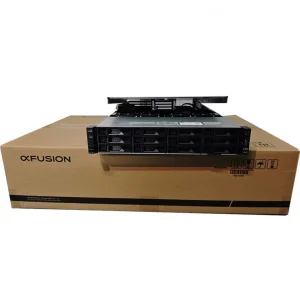
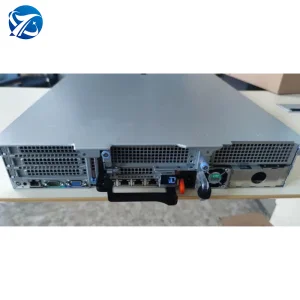
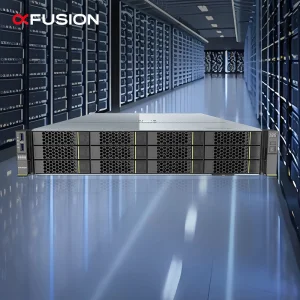
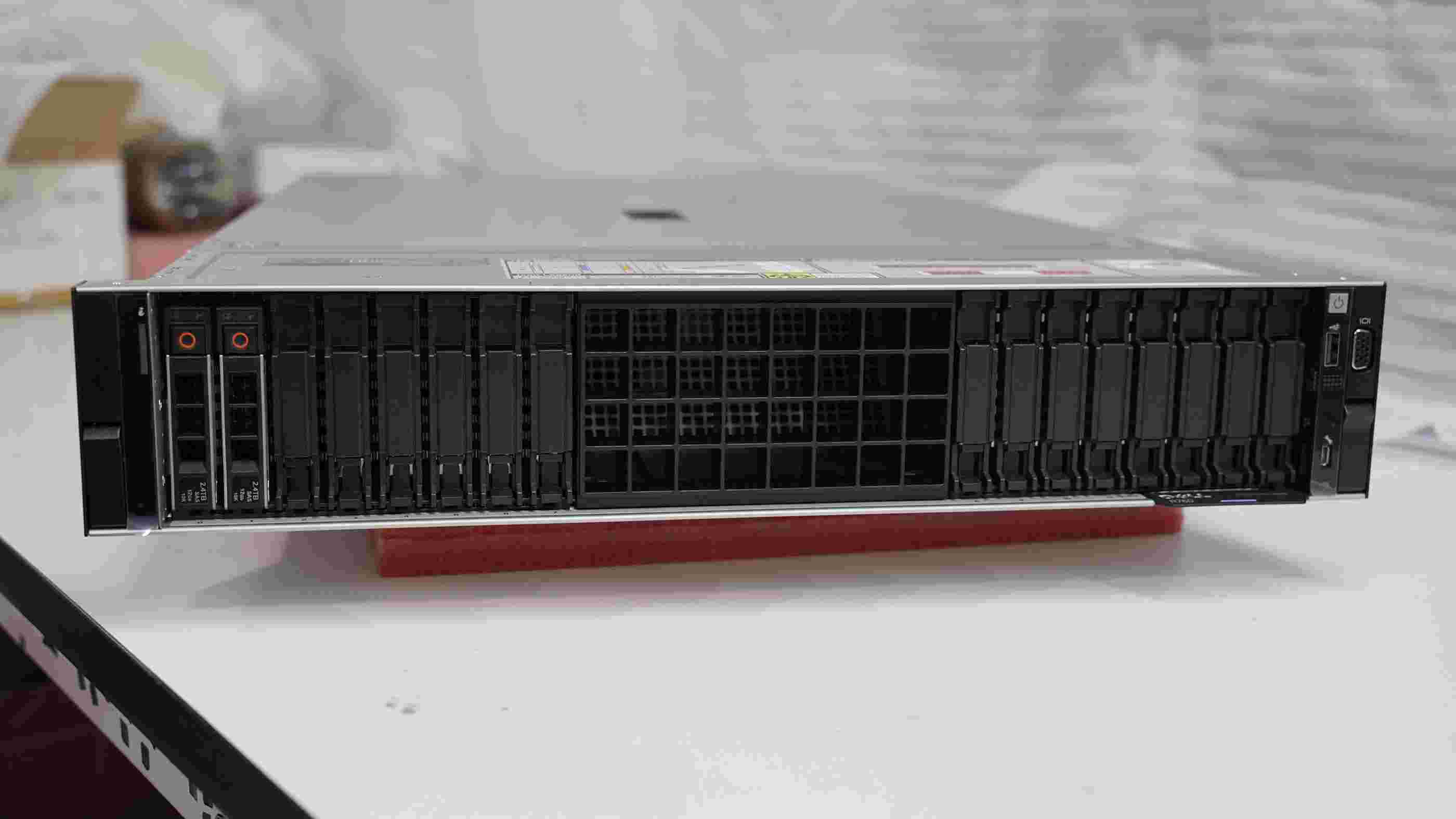
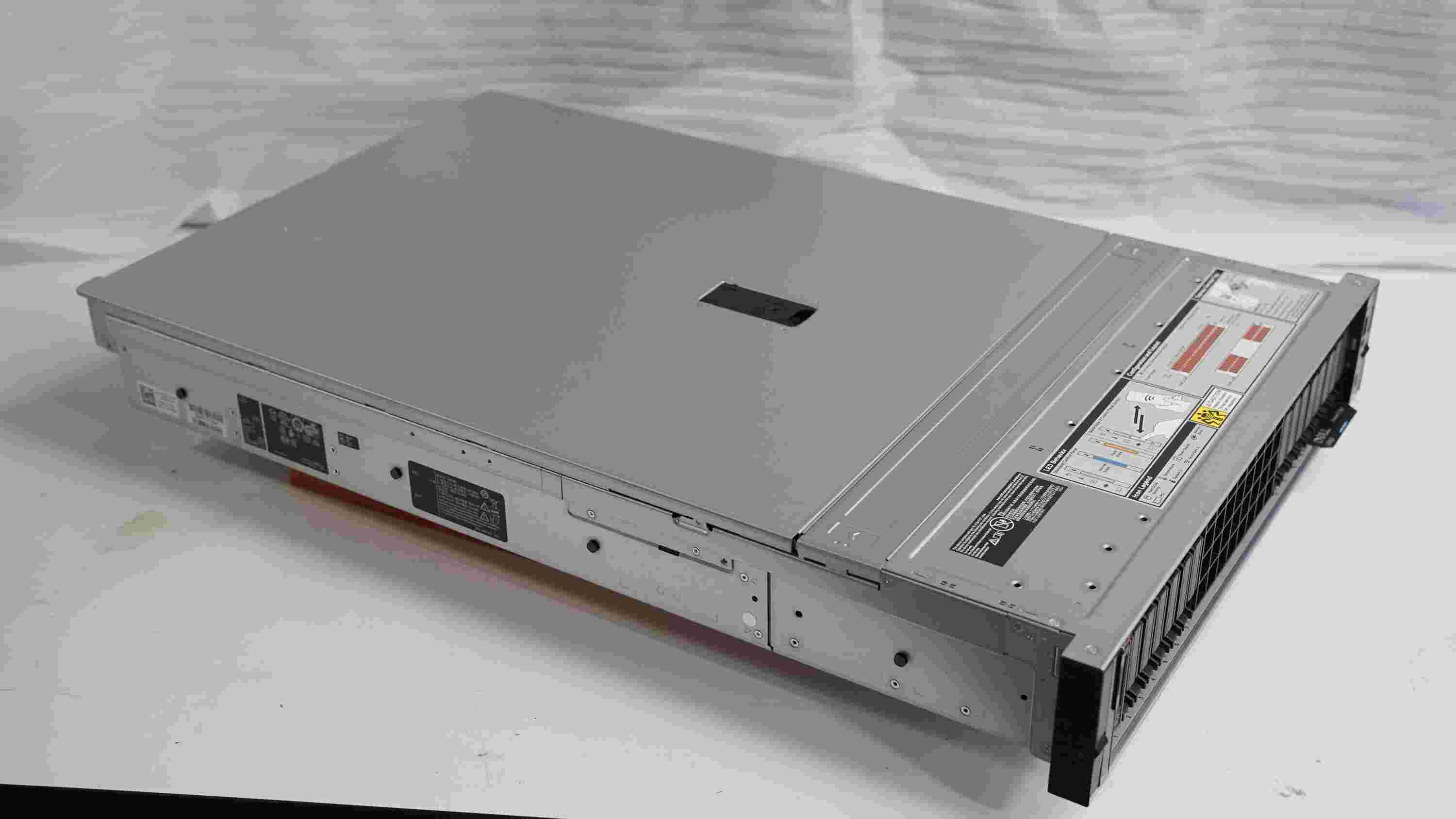
For Layer 7 (Application Layer) balancing, HTTP/2 and HTTP/3 header parsing, cookie-based session persistence, and WAF inspection are processed via DPDK multi-threading across modern multi-socket server hardware (such as xFusion FusionServer and Dell PowerEdge platforms).
Extended Berkeley Packet Filter (eBPF) technology enables modern load balancer platforms to execute sandboxed code inside the Linux kernel without changing kernel source code or loading kernel modules. Chinese manufacturers are pre-integrating eBPF-based load balancing daemons (e.g., Katran-derived engines) into enterprise firmwares.
This results in sub-microsecond packet processing times, robust protection against SYN flood DDoS attacks, and seamless connection migration without packet dropping during server maintenance windows.
The explosion of Large Language Model (LLM) training and AI inference (e.g., DeepSeek R1/V3 configurations) requires ultra-low latency interconnects between GPU racks. Standard TCP congestion control is insufficient for AI parameter synchronization.
High-end hardware load balancers manufactured in China feature customized RoCE v2 (RDMA over Converged Ethernet) traffic management. By implementing Priority-based Flow Control (PFC) and Explicit Congestion Notification (ECN), these appliances guarantee zero packet loss and maximum GPU cluster utilization.
Next-generation load balancers incorporate on-board AI acceleration modules (such as dedicated PCIe NPU or lightweight GPU riser kits). Machine learning algorithms continuously analyze packet telemetry, network health, latency spikes, and backend server load metrics in real-time.
Instead of static rules, the load balancer dynamically predicts traffic bottlenecks and reroutes inbound sessions milliseconds before server performance degradation occurs.
| Feature Architecture | Legacy Load Balancers (Layer 4) | Modern Cloud ADC (Layer 7) | China OEM AI-Optimized ADC (2026+) |
|---|---|---|---|
| Packet Forwarding Engine | Standard Linux Kernel Networking | Software DPDK Drivers | SmartNIC Hardware Offload + eBPF Bypass |
| Maximum Throughput (1U Appliance) | 10 Gbps – 40 Gbps | 40 Gbps – 100 Gbps | 200 Gbps – 800 Gbps Dual-Socket PCIe Gen5/6 |
| SSL Handshakes/sec (TPS) | ~15,000 RSA-2048 | ~60,000 RSA-2048 | 350,000+ ECC / RSA Hardware Acceleration |
| AI / GPU Cluster Aware | No | Basic Health Checks | Native RoCEv2, ECN/PFC Telemetry & IB Support |
| Custom Firmware Availability | Locked Vendor Firmware | Restricted API Options | Full OEM/ODM Firmware, Open API & K8s Ingress |
How Chinese hardware suppliers achieve unmatched manufacturing speed, strict quality assurance, and global cost efficiencies.
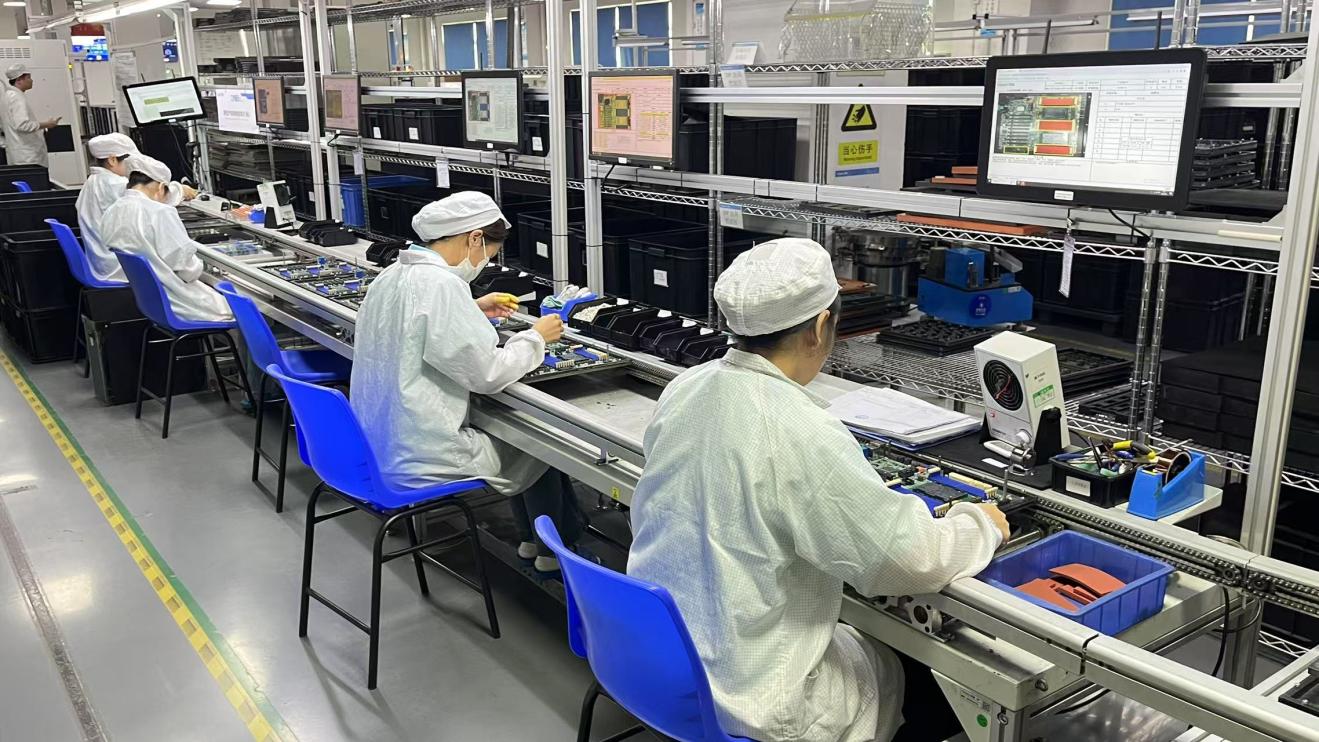
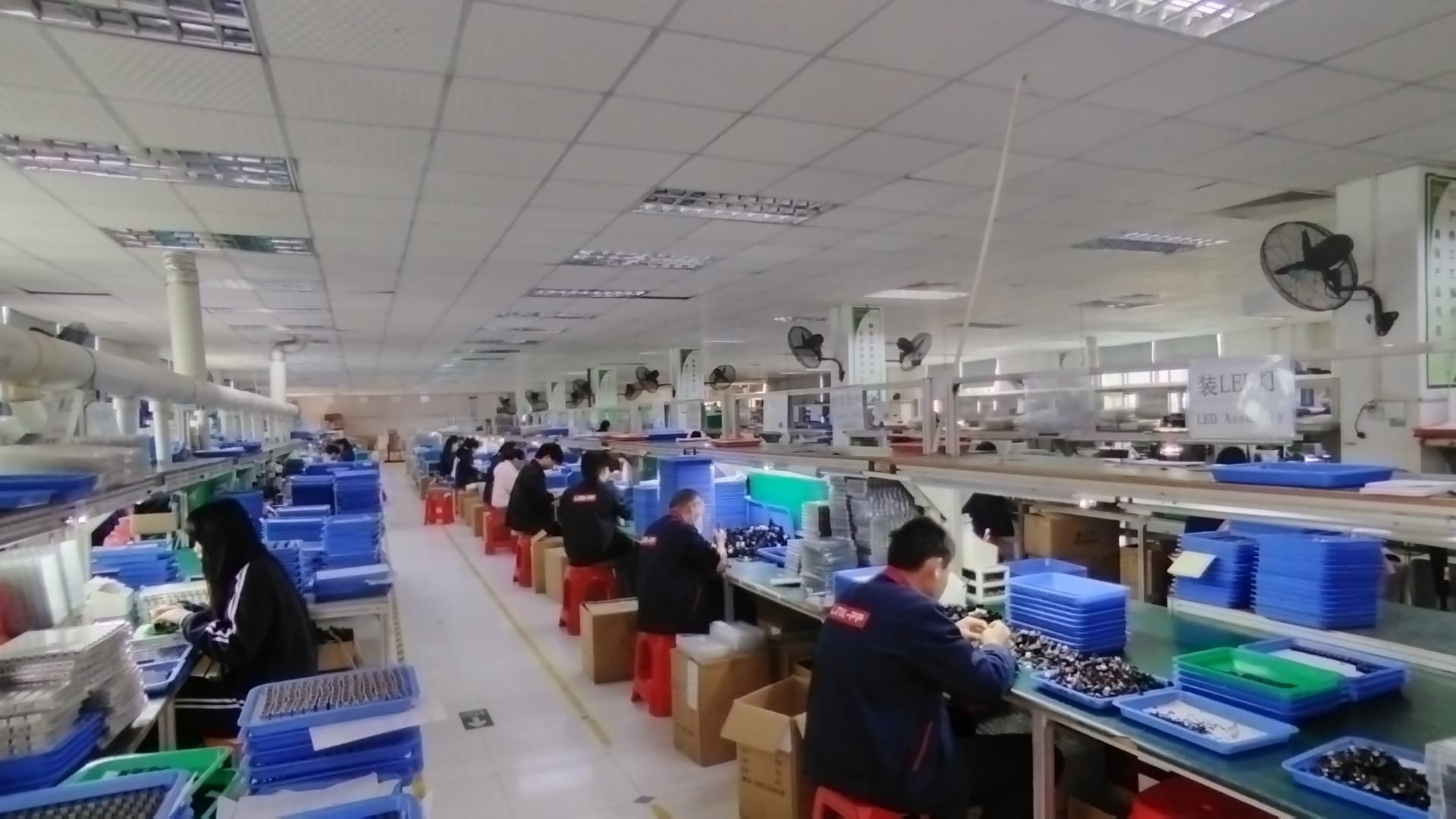
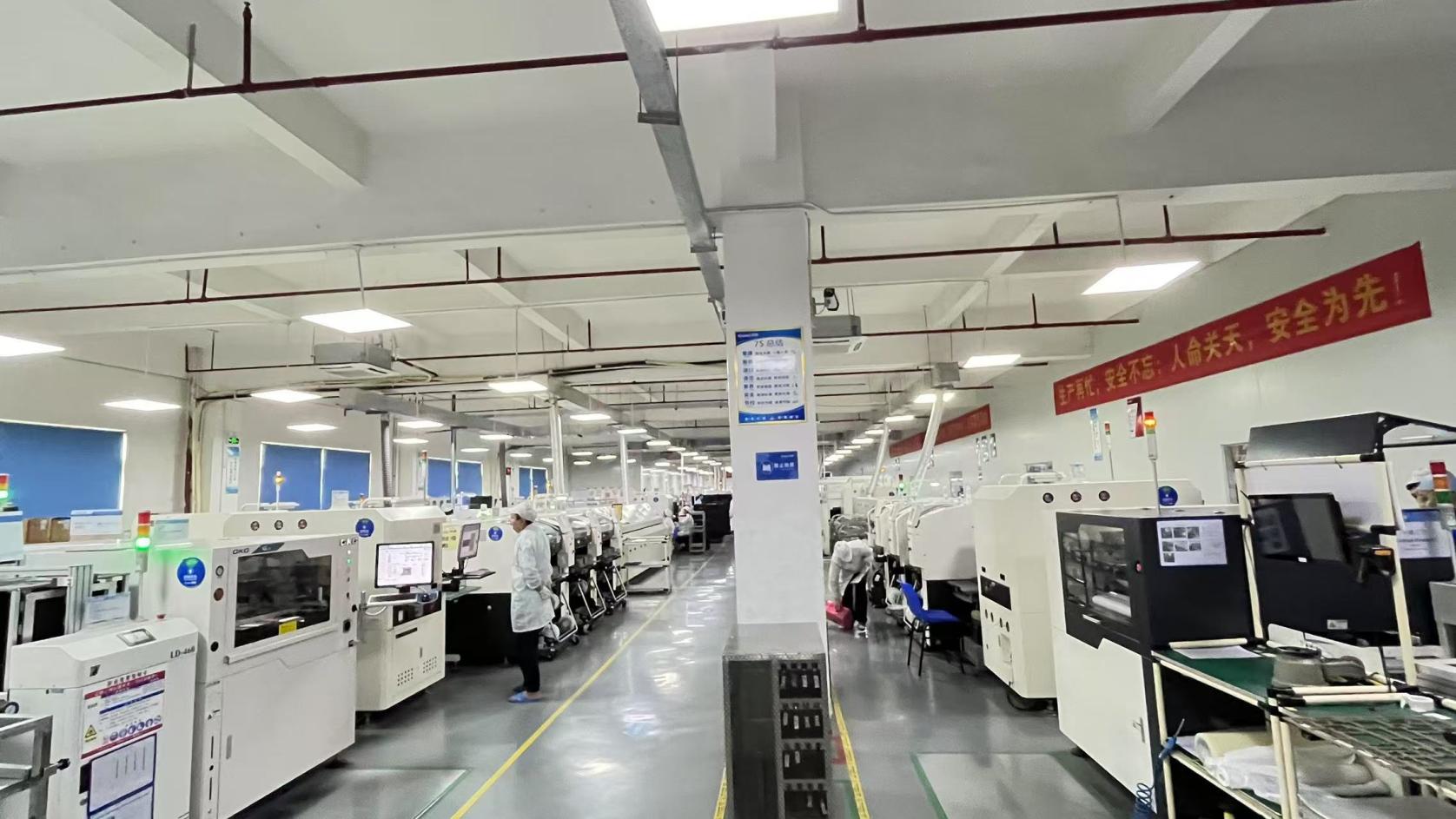
China's server and networking hardware manufacturing ecosystem—centered around industrial powerhouses in Shenzhen, Dongguan, and the Yangtze River Delta—offers international enterprise buyers a complete supply chain matrix. From raw PCB fabrication and thermal heatsink design to specialized component sourcing and high-speed automated assembly, Chinese manufacturers provide substantial operational advantages.
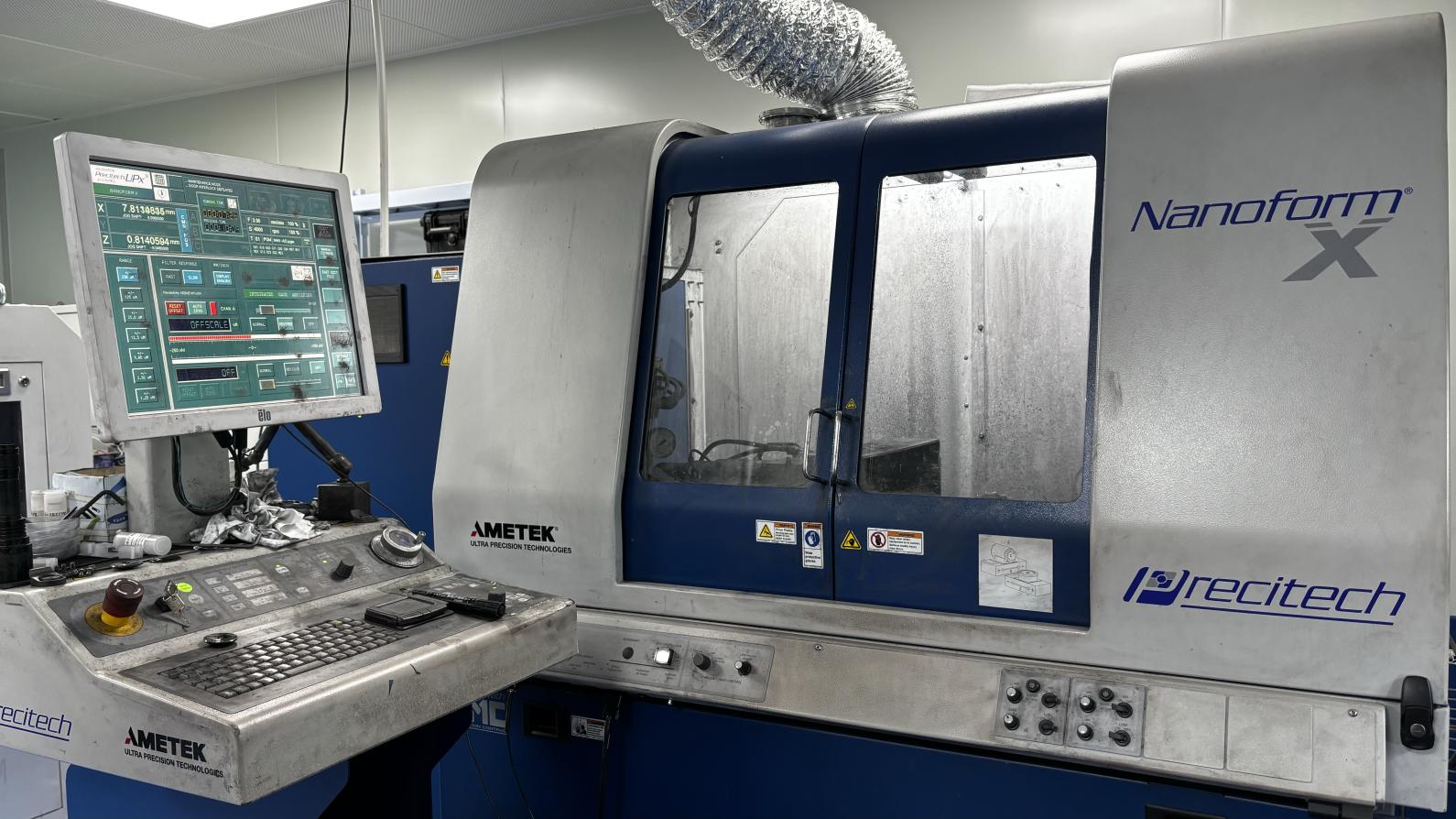
Leading factories implement full-process quality control. Every load balancer platform undergoes Automated Optical Inspection (AOI), 72-hour continuous burn-in stress testing in elevated temperature chambers, thermal cycle stress validation, and full electrical signal integrity benchmarking prior to global shipment.
With direct strategic partnerships spanning semiconductor vendors, PCB manufacturers, specialized cooling system designers, and memory module fabricators, Chinese suppliers maintain robust inventory buffers to mitigate global semiconductor shortages and supply chain disruptions.
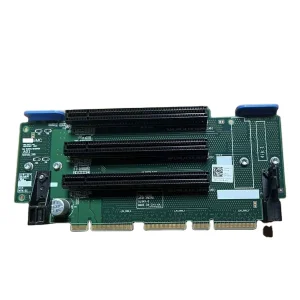
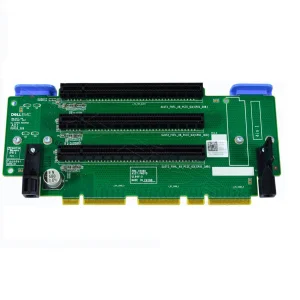
Unlike traditional proprietary Western appliance vendors, Chinese manufacturers offer flexible hardware and software customization: custom chassis branding, modified BIOS/UEFI firmware, specific PCIe riser card layouts, specialized power supply redundancy, and targeted thermal design tuning.
Tailored hardware load balancing configurations for specialized enterprise verticals.
Hyper-scale public and private cloud operators require high-density load balancing clusters capable of managing millions of concurrent connections. By deploying 1U and 2U rack-mount appliances equipped with dual 100Gbps QSFP28 interfaces and dynamic BGP Anycast routing, CSPs can achieve fault-tolerant active-active load distribution across geographically dispersed data centers.
In banking, trading, and fintech networks, every nanosecond counts. Hardware-accelerated L4 load balancers featuring direct FPGA memory mapping route order execution packets to financial exchanges with ultra-predictable deterministic latency, eliminating packet buffering jitter and preventing session drops.
Telecom operators deploying 5G User Plane Functions (UPF) require rugged, low-depth edge load balancing appliances capable of operating in wide temperature ranges. Hardware solutions pre-configured with SR-IOV (Single Root I/O Virtualization) isolate network traffic per virtualized function for optimized bandwidth delivery.
Distributing high-volume prompt payloads across massive GPU clusters requires intelligent session queuing and prompt caching load balancers. Customized server configurations featuring PCIe Gen5 GPU riser cards dynamically direct inference requests to idle compute nodes, optimizing overall GPU utilization.
Navigating regulatory standards, TCO analysis, and long-term global technical support.
Procuring network infrastructure from Chinese suppliers involves evaluating beyond-the-box criteria. Global enterprises require absolute certainty regarding international safety compliance, export logistics, software API flexibility, and local hardware RMA support.
Tier-1 suppliers ensure their hardware holds international certifications including CE, FCC, RoHS, and ISO9001/ISO27001 quality and security management standards. Hardware data-plane isolation ensures compliance with GDPR and regional data privacy frameworks.
Sourcing directly from OEM/ODM factories reduces capital expenditure (CAPEX) by 40% to 60% compared to legacy Western networking brands, without licensing fees or recurring per-gigabyte bandwidth penalties.
Modern Chinese load balancers feature fully open RESTful APIs, SNMP management, Prometheus metric exporters, and native Kubernetes Ingress Controller plugins (e.g., NGINX, HAProxy, Envoy-compatible management planes).
A Premier OEM/ODM Hardware Manufacturer for AI Compute & Load Balancing Solutions.
Borevo AI Infrastructure (China) Co., Ltd. is a specialized AI hardware and network acceleration server manufacturer dedicated to delivering high-performance computing hardware and advanced AI infrastructure solutions for global markets. The company focuses on GPU design integration, high-throughput load balancing platforms, AI acceleration systems, and customized computing solutions for data-intensive applications.

Expert insights on sourcing hardware load balancers and server hardware from Chinese OEM/ODM suppliers.
Layer 4 load balancers operate at the transport layer (TCP/UDP), routing traffic purely based on IP addresses and port numbers without inspecting application content. They deliver extreme throughput and lower latency. Layer 7 load balancers operate at the application layer, inspecting HTTP/HTTPS headers, cookies, and payload data to perform intelligent content routing, SSL termination, and web application firewall (WAF) filtering.
Purchasing directly from specialized Chinese manufacturers provides up to 60% savings in Total Cost of Ownership (TCO) by eliminating excessive Western brand margins and perpetual bandwidth licensing costs. Furthermore, Chinese suppliers offer full ODM/OEM flexibility, allowing custom hardware configurations, firmware adaptations, and faster delivery timelines backed by massive industrial supply chains.
Modern hardware load balancers designed for AI clusters leverage RoCE v2 (RDMA over Converged Ethernet), Priority Flow Control (PFC), and Explicit Congestion Notification (ECN). This ensures microsecond latency and zero packet loss across GPU compute nodes (e.g., DeepSeek and LLM training clusters), eliminating inter-node bottlenecking during parameter synchronization.
Yes. Modern platforms support fully open RESTful management APIs, SNMP, and native Kubernetes Ingress Controller integrations (compatible with HAProxy, NGINX, and Envoy control planes), enabling seamless automated deployment within existing cloud-native DevOps CI/CD pipelines.
Tier-1 facilities utilize rigorous multi-stage quality assurance including Automated Optical Inspection (AOI), high-temperature environmental burn-in testing (up to 72 hours under full load), thermal stress cycling, and high-frequency electrical performance benchmarking before dispatch.
Buyers can request customized chassis designs and colors, logo screen printing, specialized BIOS/UEFI firmware branding, custom PCIe riser expansion card setups, specialized thermal cooling configurations, and tailored RAM/storage presets to meet specific operational requirements.
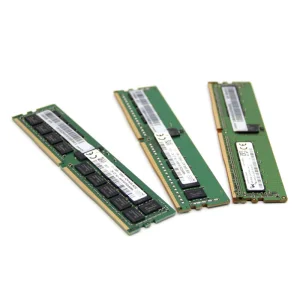
Explore our expanded inventory of enterprise servers, memory expansions, and riser card acceleration kits.