Borevo
Borevo
Borevo
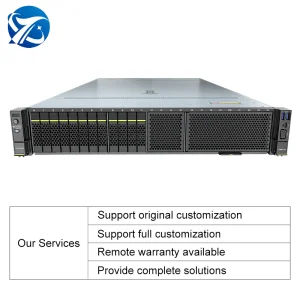
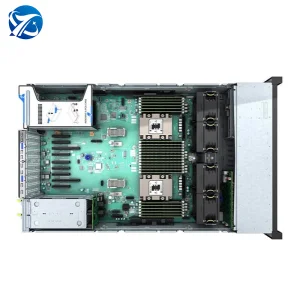
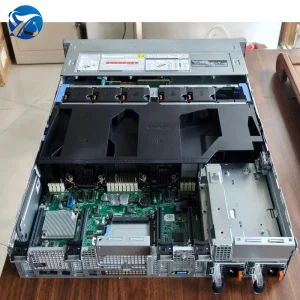
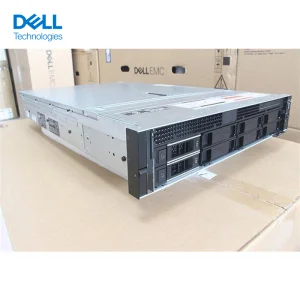
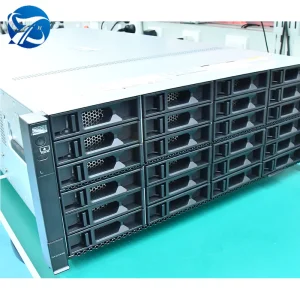
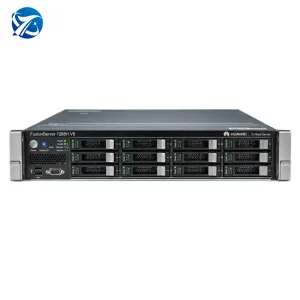
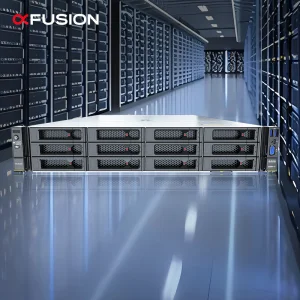
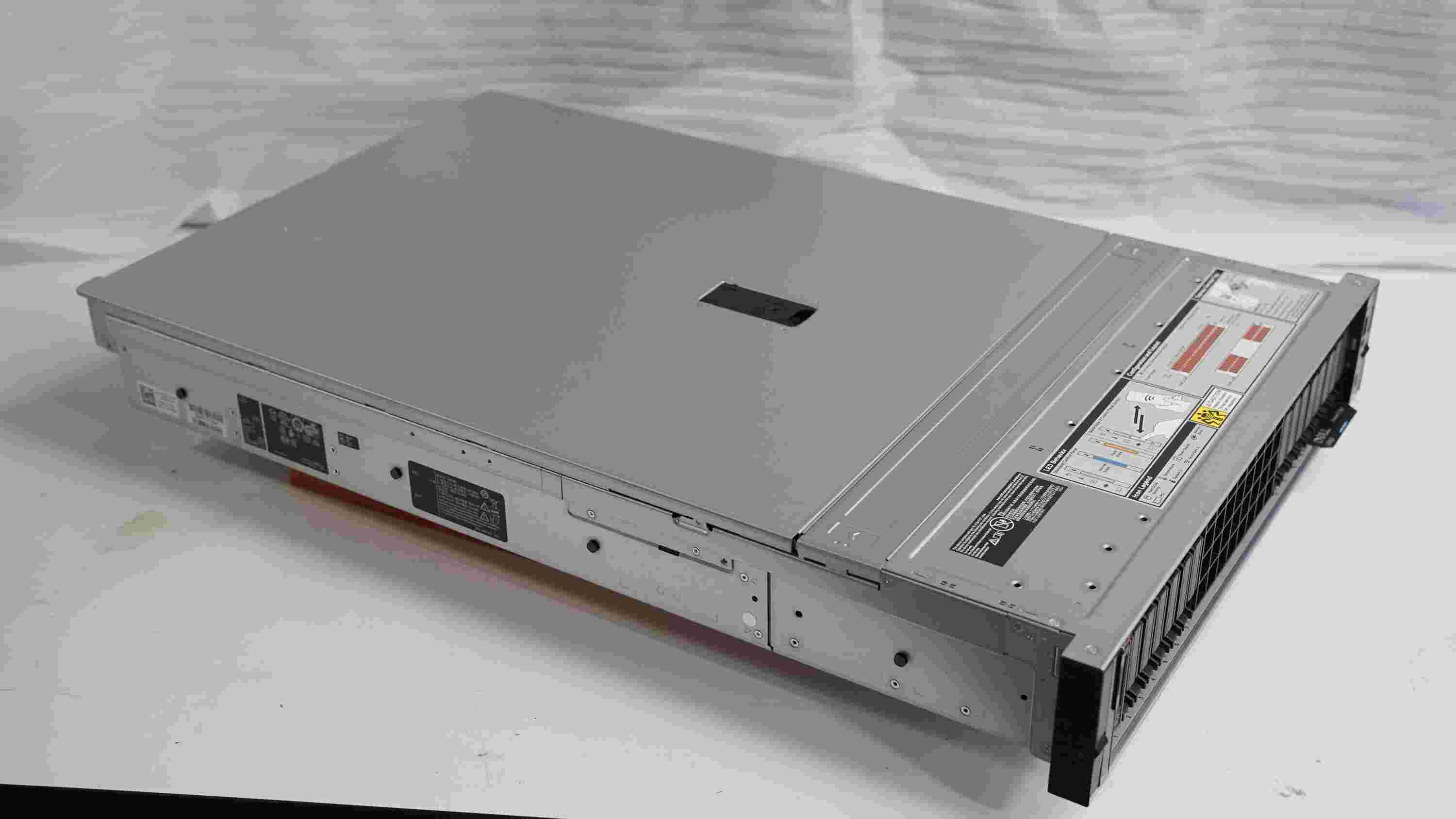
Explore our top-tier server architectures optimized for cluster clustering, virtualization, and compute redundancy.
In the era of hyper-scale computing, artificial intelligence, and real-time data processing, zero-downtime infrastructure has transitioned from an enterprise luxury to a foundational necessity. As global systems grow more complex, hardware failures must be mitigated at the physical level before affecting software runtimes. Under the operational banner of Borevo AI Infrastructure (China) Co., Ltd., we design, integrate, and manufacture high-performance hardware architectures built specifically to address the stringent SLA requirements of modern cloud deployments, deep learning nodes, and database servers.
Our commitment to engineering excellence is backed by a robust foundation: a state-of-the-art facility spanning 18,600 ㎡, a dedicated workforce of 180 R&D engineers, and a strict 45-person Quality Control (QC) framework. Operating globally with seven years of hardware export experience, we bridge the gap between competitive Chinese manufacturing and Western engineering standards, ensuring our global supply partners receive high-availability server racks, GPU nodes, and storage expansion options that perform reliably under critical, continuous workloads.
True high availability is built from the silicon level upward. For enterprise systems targeting "Five Nines" (99.999%) uptime, every single point of failure (SPOF) must be systematically engineered out of the physical server configuration. Borevo’s technological roadmap is driven by five core hardware failover methodologies:
Integrating dual-rail power supplies with automatic phase transfer switches (ATS) that handle input fluctuations. In the event of a power grid or PSU failure, the secondary line instantly assumes 100% load without system reset.
Configured with redundant host bus adapters (HBAs) and multiple physical network interface cards (NICs) supporting LACP link aggregation. This guarantees uninterrupted connectivity if a network switch or cable link fails.
Implementing PCIe Gen 5 and Compute Express Link (CXL) technologies. This allows pooled memory allocation and heterogeneous GPU clusters to reroute traffic dynamically if a single accelerator node experiences error states.
Utilizing ASPEED AST2600 Baseboard Management Controllers (BMCs) loaded with customized OpenBMC firmware for real-time monitoring of voltage, thermal conditions, and hardware health metrics, preventing failure before it occurs.
As server densities scale to support AI accelerators, traditional air cooling is paired with loop-level liquid cooling distribution units (CDUs) to maintain steady-state thermal behavior, reducing wear on silicon components.
Integrating hardware controllers (e.g., LSI MegaRAID/Dell H755 series) supporting NVMe-oF, guaranteeing automatic block-level failover and data replication across distributed SSD nodes.
Different enterprise workloads present unique challenges for infrastructure engineers. We tailor server and storage combinations to ensure system continuity across various computing environments:
| Vertical Industry | High Availability Target | Primary Hardware Architecture | Redundancy Protocols Used |
|---|---|---|---|
| Cloud & Hyperscale Hosting | Maximum compute density, live migration capability | 1U/2U multi-socket Xeon/EPYC rackmount nodes | Virtualization failover, vMotion, multi-port 25GbE LACP |
| AI Inference & Training | Inter-node GPU fabric connection stability | Multi-GPU accelerated platforms (Windows 2025/Linux) | PCIe switch redundancy, direct GPU-to-GPU mesh topologies |
| Financial Processing / ERP | Zero transaction loss, instantaneous DB failover | 4U compute nodes (e.g., R960 architectures), RAID arrays | Dual-active controllers, dual-path SAS, hardware NVMe RAID |
| Edge Computing & Telecom | Low-latency execution in harsh environments | Short-depth servers, wide-temp chassis, rugged builds | DC-power system redundancy, passive cooling backups |
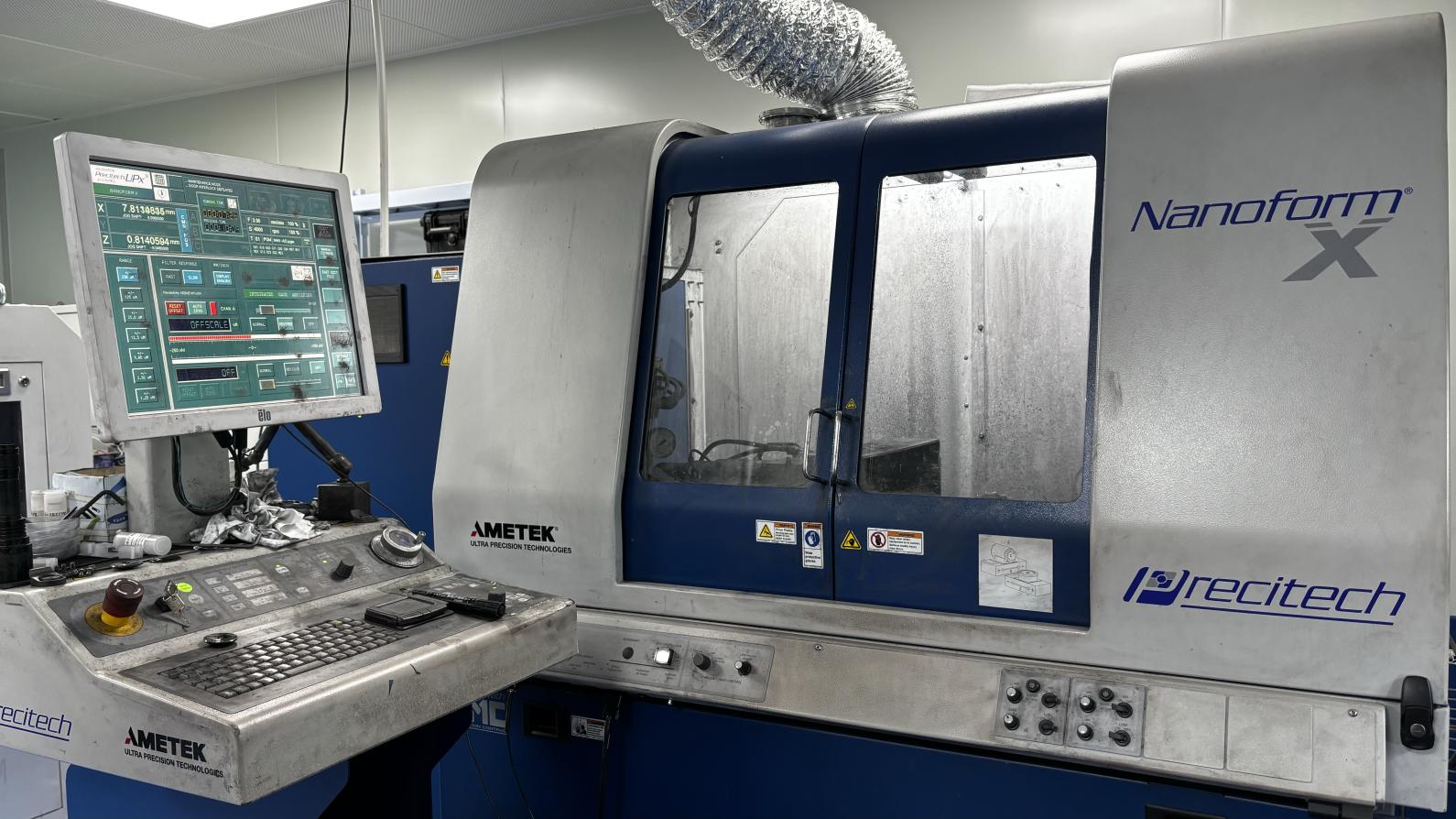
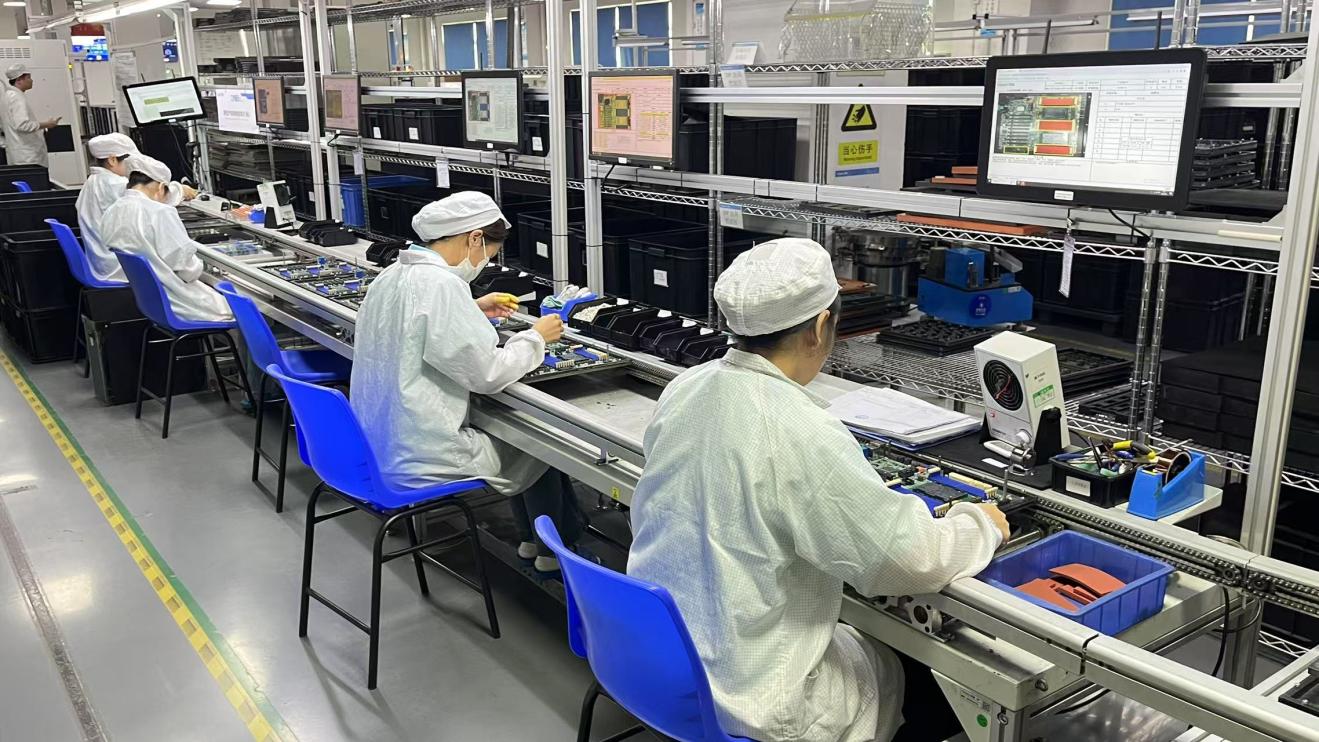

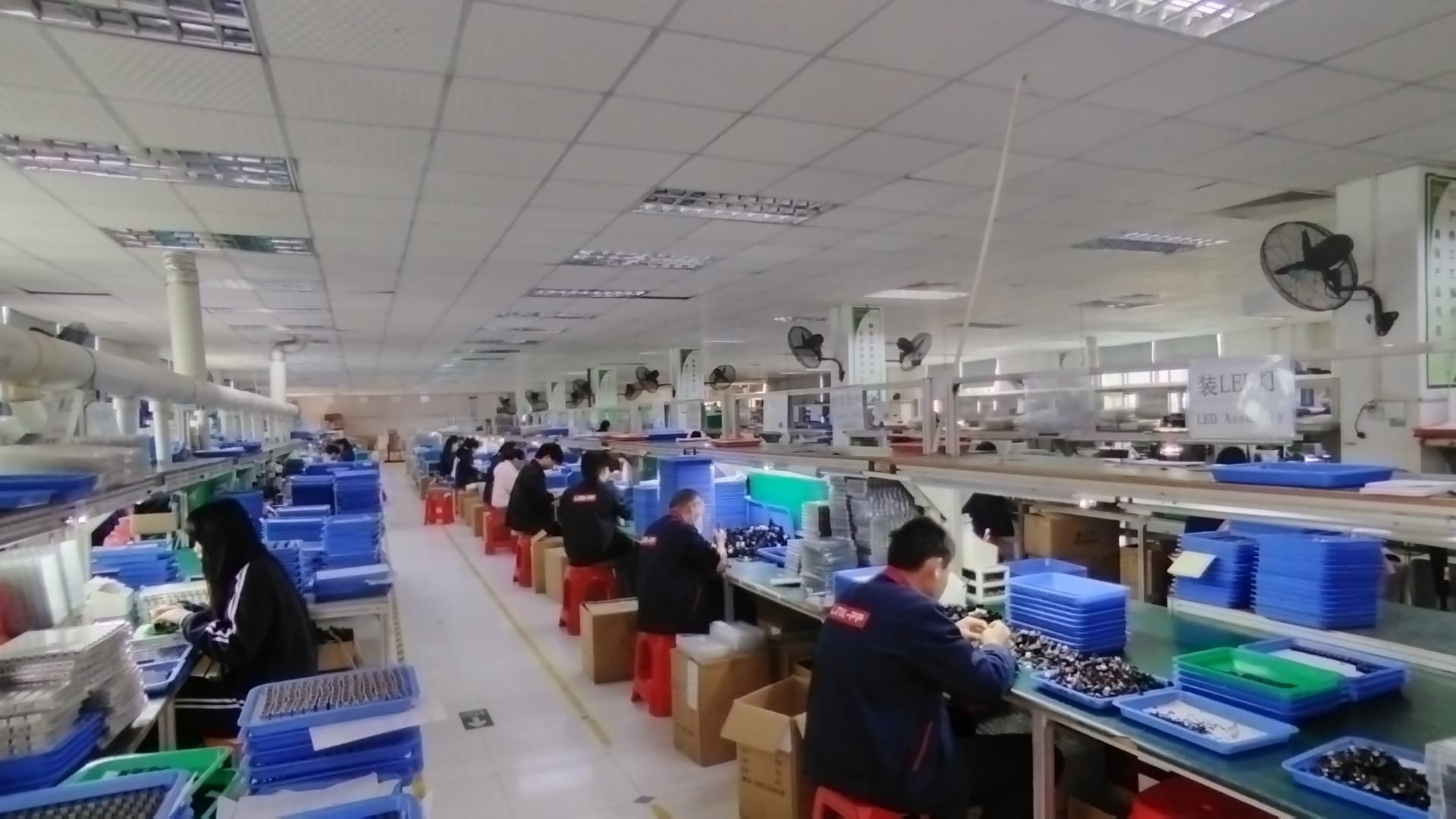
Borevo AI Infrastructure operates under smart factory protocols, minimizing delays in customization, assembly, and testing. Sourcing critical server parts requires strong supply chain integration to maintain competitive production timelines. Our supply network includes approximately 850 strategic partners across the semiconductor, PCB, memory, and cooling systems sectors, ensuring consistent component availability even during global chip shortages.
Within our 18,600 ㎡ facility, precision assembly is supported by automated SMT lines and high-density wave soldering. This automation helps prevent assembly variances that could lead to circuit failures in the field. Our manufacturing strategy focuses on three main principles:
Every motherboard capacitor, flash module, and controller chip is tracked using RFID serial keys, ensuring transparent diagnostic tracking back to the semiconductor source.
By maintaining relationships with local component vendors, we secure early access to raw chassis metal, high-frequency PCB laminates, and redundant cabling hardware.
Our line configurations support quick transitions between customized system builds, allowing us to package, test, and ship custom configurations in short lead times.
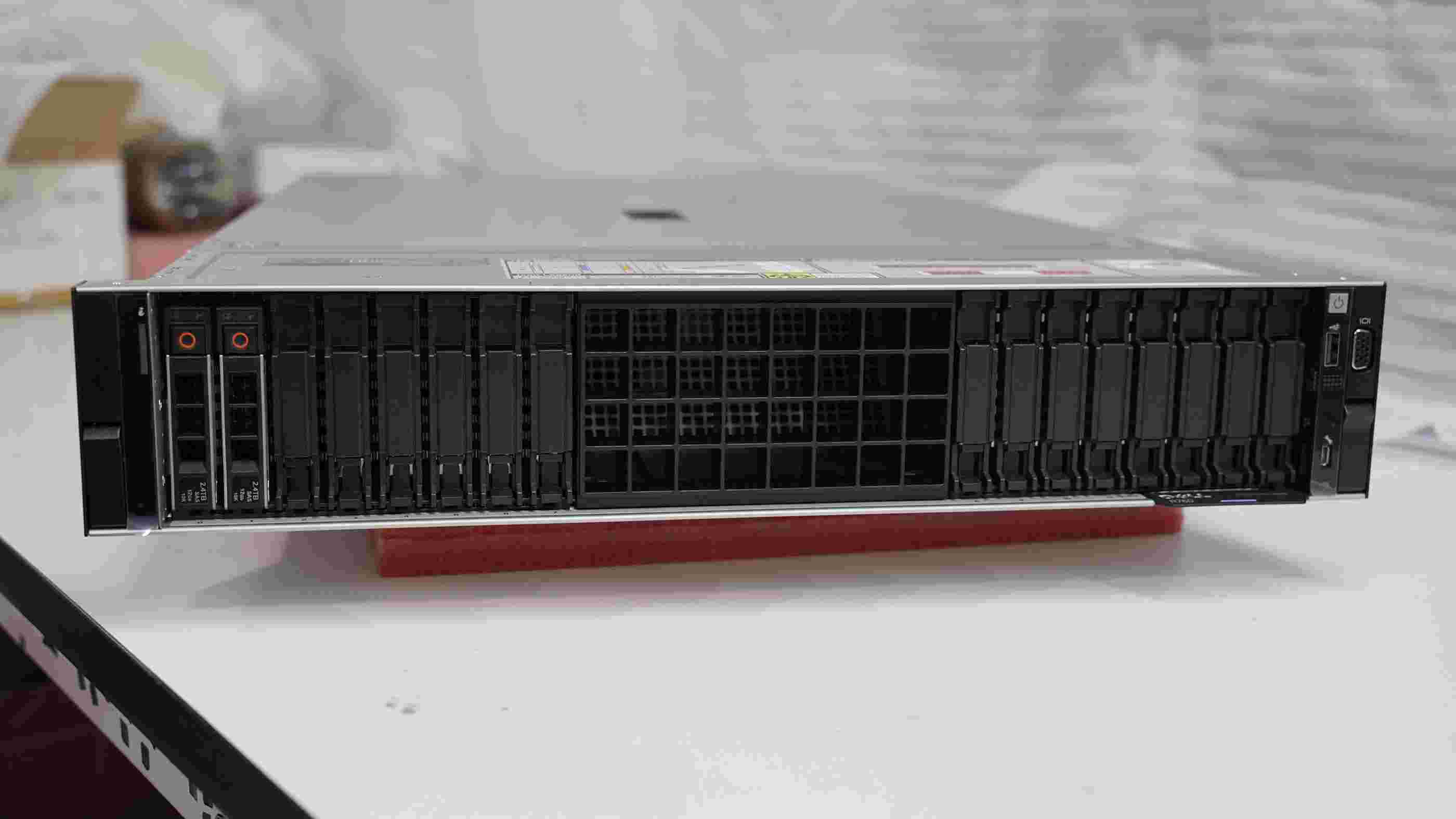
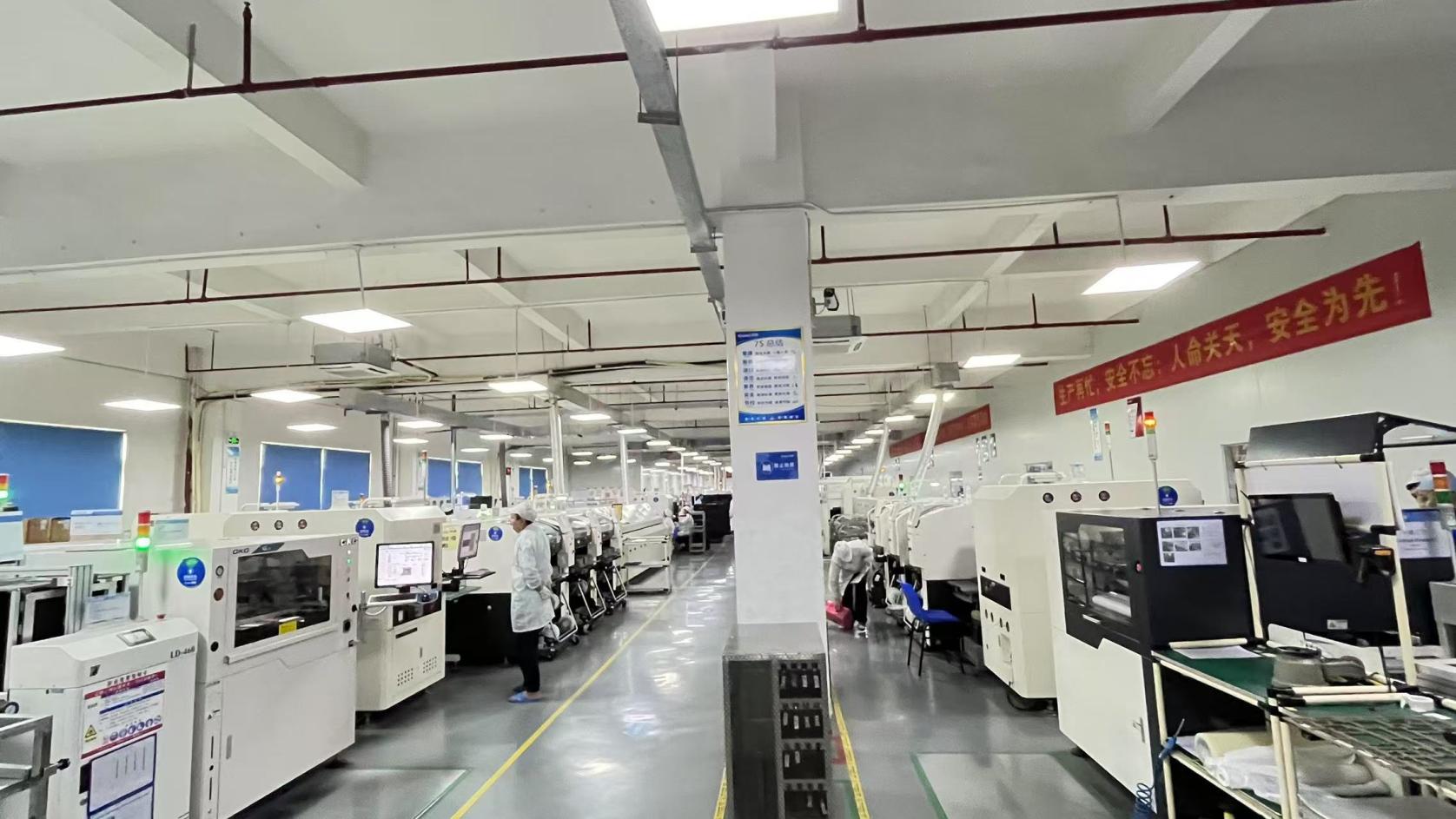
To operate reliably in enterprise environments, hardware must undergo rigorous stress testing prior to deployment. Our quality management program is run by a dedicated team of 45 QC inspectors who monitor each stage of production. We use four main validation stages to test server components:
High-resolution imaging scans PCB joints and solder traces down to microscopic resolutions, identifying potential connection issues before functional testing begins.
Servers are placed in heated chambers and run at 100% capacity for 24 to 72 hours. This process helps identify component defects and early hardware failures.
Systems are tested against thermal cycling and relative humidity levels up to 90%, verifying system stability in varied deployment environments.
Oscilloscopes check power lanes for ripple noise and voltage fluctuations, confirming that power distribution complies with CPU and GPU power specifications.
Additionally, our factory processes comply with global safety and environmental guidelines, ensuring that systems exported to North America, Europe, and Southeast Asia hold CE, FCC, RoHS, and UL markings as required by localized regional standards.
Enterprise hardware sourcing involves complex supply chains, custom specifications, and long-term maintenance requirements. Standard retail servers often lack the adaptability needed for specialized hyperscale operations. We address these requirements through targeted customization and localization services:
We modify BIOS, BMC, and UEFI systems to match specific cooling profiles, security settings, and hypervisor requirements, ensuring clean integration with existing software architectures.
We modify physical dimensions, drive placement, and airflow direction (front-to-back/back-to-front) to match specific cold-aisle containment and rack limits.
For cloud providers and systems integrators, we provide custom faceplates, bezel labels, dynamic logos, and custom packaging designs for global distribution.
To support system uptime, we maintain dedicated spare component inventories (motherboards, PSUs, storage brackets) near major regional shipping hubs.
Find answers to common questions about server configuration, redundancy protocols, and quality standards.
Explore our wider catalog of server platforms, GPU enclosures, and server cooling solutions.