Borevo
Borevo
Borevo
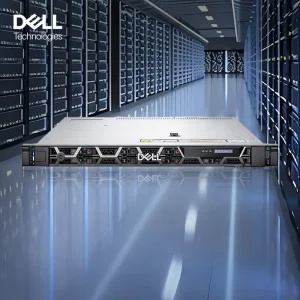
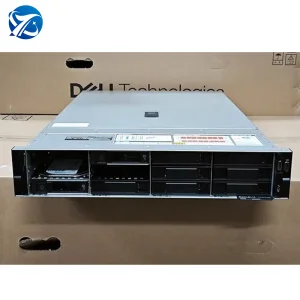
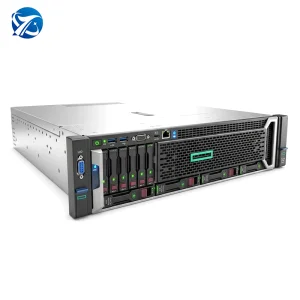
Enterprise-grade server units engineered with redundant architectures to eliminate single points of failure.
In the age of generative AI (GenAI), Deep Learning inference, and massive big-data orchestration, the traditional boundaries of Disaster Recovery (DR) and Business Continuity (BC) have fundamentally shifted. Modern enterprise systems no longer measure recovery parameters simply in hours. Instead, they demand sub-second Recovery Time Objectives (RTO) and zero-loss Recovery Point Objectives (RPO).
Global infrastructure deployments are shifting from passive hot-standby configurations to active-active hybrid environments. This evolution requires resilient hardware interfaces built directly with hardware-level virtualization, high-density non-volatile express (NVMe) storage fabrics, and adaptive networking ports capable of instant packet rerouting.
Key Market Driver: Neural network training clusters require fault-tolerant check-pointing technologies. Because deep learning processes are highly compute-intensive, any node failure mid-epoch can result in hundreds of thousands of dollars of lost computational time. Consequently, suppliers must engineer server node level protections, hot-swappable cooling, and resilient bus configurations to prevent computational degradation.Enterprise buyers from North America, Europe, and Asia-Pacific demand specific hardware qualifications before integrating overseas infrastructure into their redundancy loops. Procurement parameters focus on three core pillars:
Additionally, modern buyers look for flexible bare-metal customization options. Standard off-the-shelf configurations rarely align with specialized replication software topologies. Thus, OEMs that provide deep custom bios options and adaptive thermal cooling designs consistently win large-scale datacenter tenders.
How our manufacturing ecosystems leverage advanced component integration and structural quality control to guarantee global uptime.
The concept of China Factory 4.0 is not merely about robotic assembly lines; it is defined by the absolute integration of supply chain partners, real-time materials tracking, and deep structural automation. At Borevo AI Infrastructure (China) Co., Ltd., we utilize this sophisticated manufacturing ecosystem to produce hardware components that form the backbone of modern disaster recovery setups.
By partnering with approximately 850 strategic partners across the semiconductor, PCB, thermal engineering, and high-frequency memory markets, we bypass the typical choke points of global logistics. This massive integration ensures that even during global component shortages, our clients receive high-availability servers without delays, allowing them to scale their hot-site failover systems continuously.
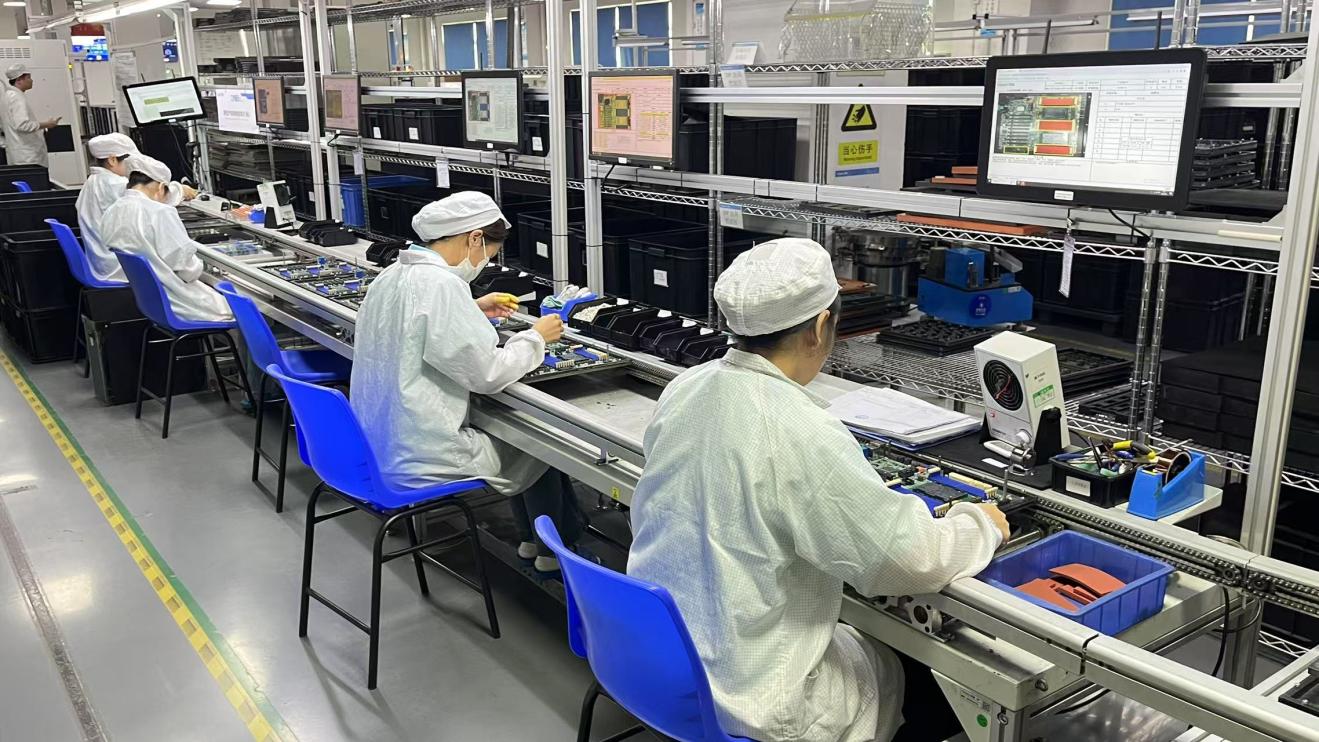
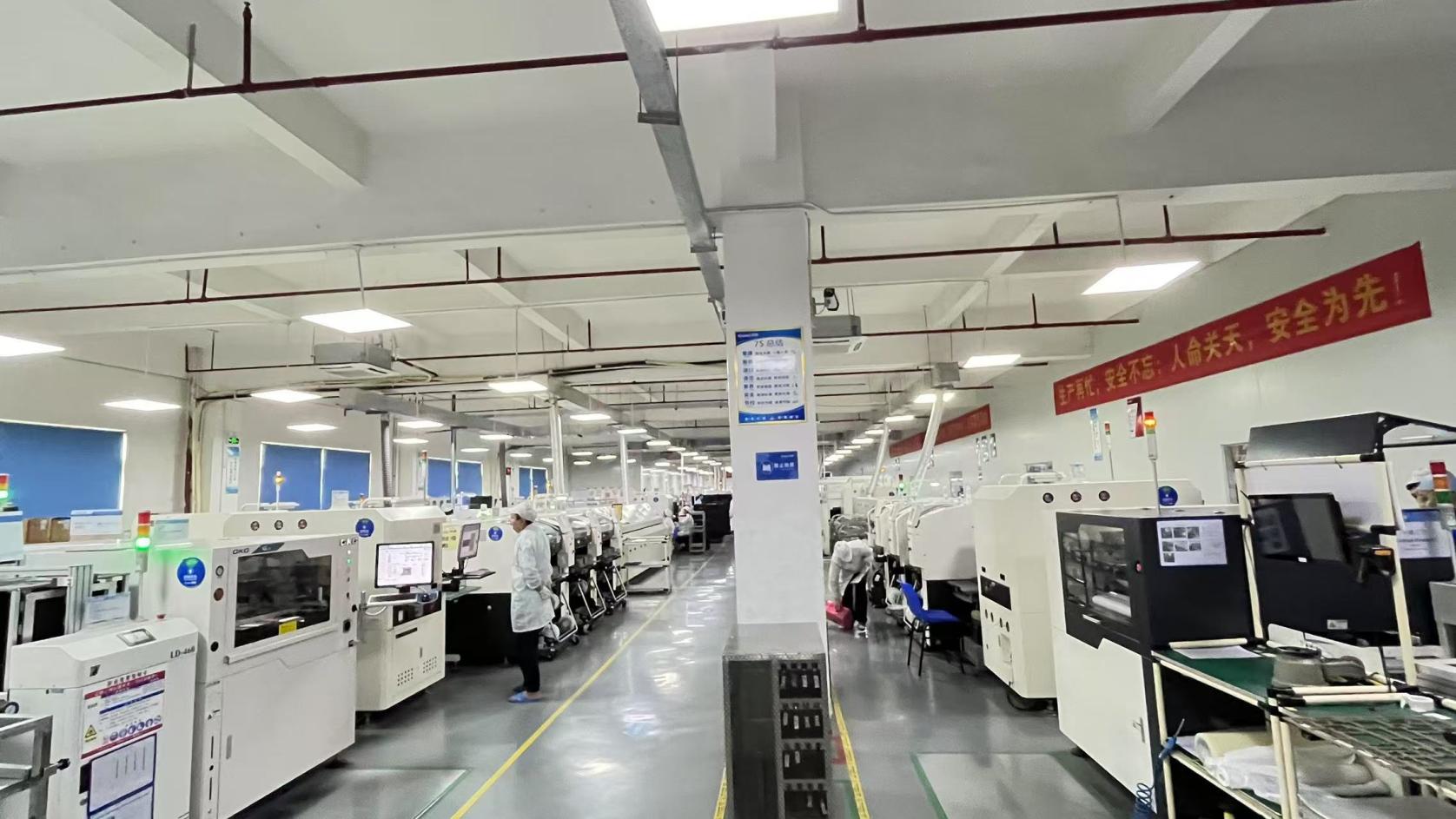
Furthermore, our Quality Control (QC) infrastructure leverages Automated Optical Inspection (AOI), rigorous burn-in environments, thermal cycle chambers, and real-time stress simulators. Every unit that leaves our production floor is certified to withstand the intense, prolonged electrical stresses associated with unscheduled datacenter failovers.
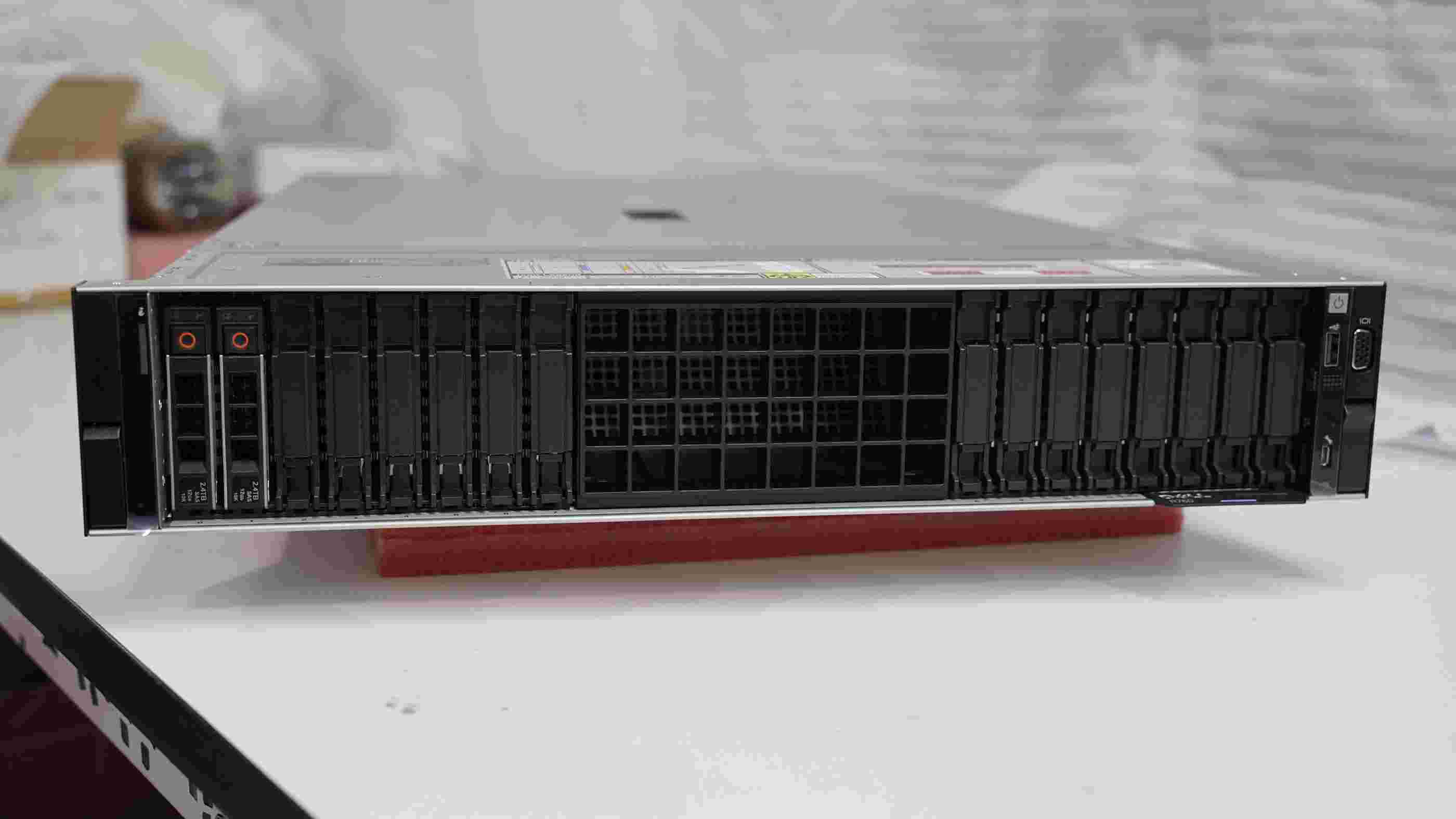
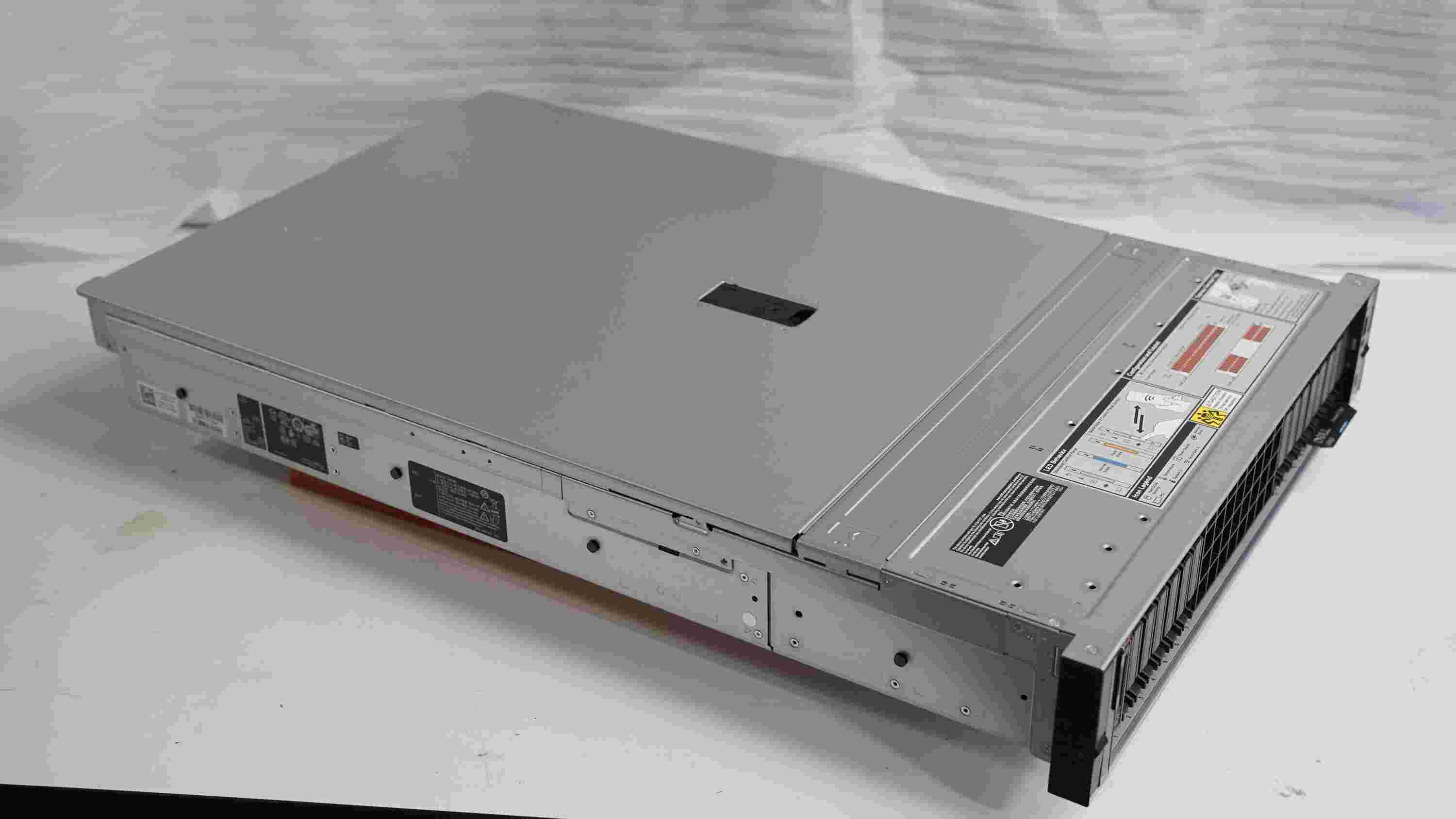
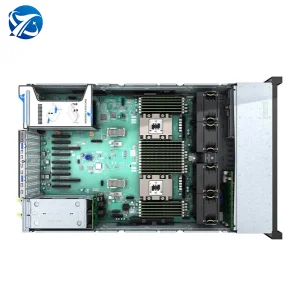
During a localized outage or ransomware attack, primary infrastructure goes offline instantly. The secondary cluster must absorb processing loads without thermal throttling or memory allocation errors. This requires compute hardware that can scale from an idle state to 100% computational capacity within milliseconds. Our high-performance GPU and Xeon rackmount servers are engineered for this exact stress pattern.
Established in 2018, Borevo AI Infrastructure (China) Co., Ltd. has developed into a premier GPU hardware manufacturer and global infrastructure partner. Over 12 years of core industry experience equips our design engineers to handle customized compute configurations, PCB modification, and deep cooling system tuning.
Headquartered in an advanced 18,600 ㎡ production facility, we manage the entire lifecycle of server development, from structural prototyping to high-volume manufacturing, quality testing, and worldwide distribution networks.
Operational designs optimized for high-risk applications requiring zero hardware down-time.
Financial hubs require synchronous replication to prevent data drift between trading engines. Using our 1U network systems and dual-socket CPU platforms, banks establish real-time failover sites capable of executing trades during active node migrations without losing transaction ledger states.
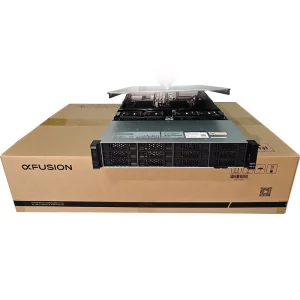
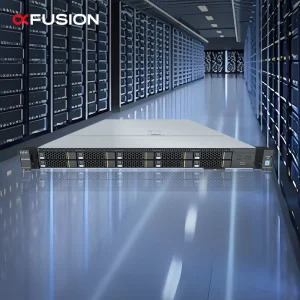
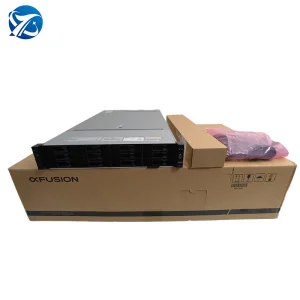
High-density GPU architectures (such as xFusion G5500 V7) are deployed inside secondary locations. If the primary training site experiences an outage, our multi-GPU systems pull the latest system state checkpoints from local NVMe arrays, avoiding epoch loss and continuing the neural training loop.
In smart factories, manufacturing execution systems (MES) control heavy equipment. If the local control unit fails, our industrial rack servers configure an instantaneous virtualization container layer to process inputs, preventing factory line stoppages and assuring human operator safety.
Technical clarifications to help systems administrators choose the correct hardware for high-availability deployments.
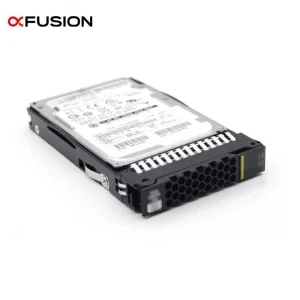
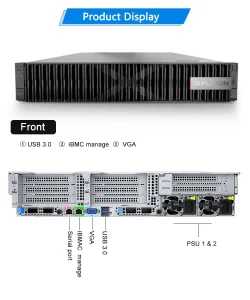
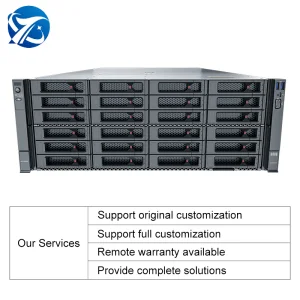
Ensure complete hardware-level reliability with our high-throughput network nodes and enterprise SAS drives.
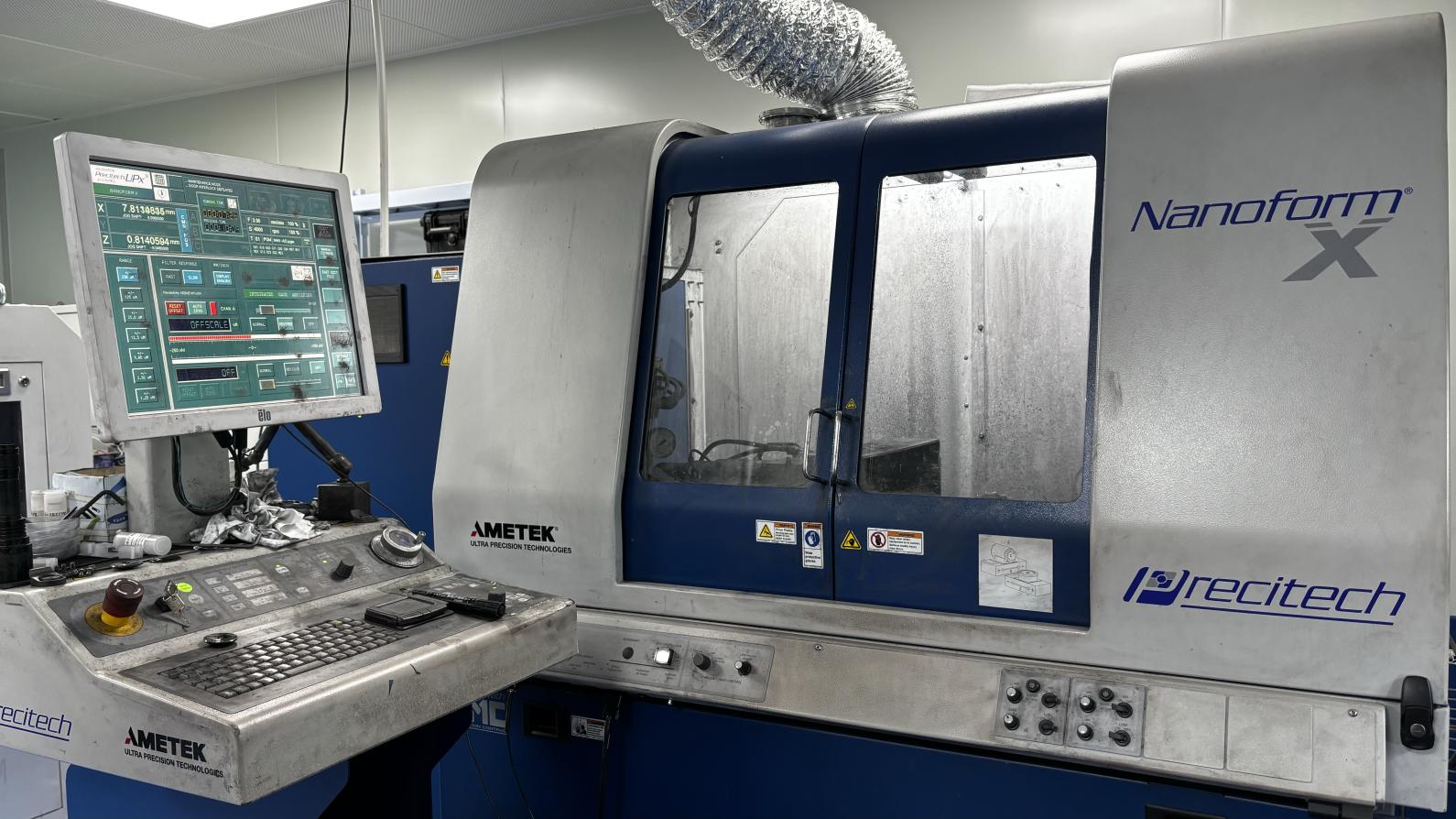
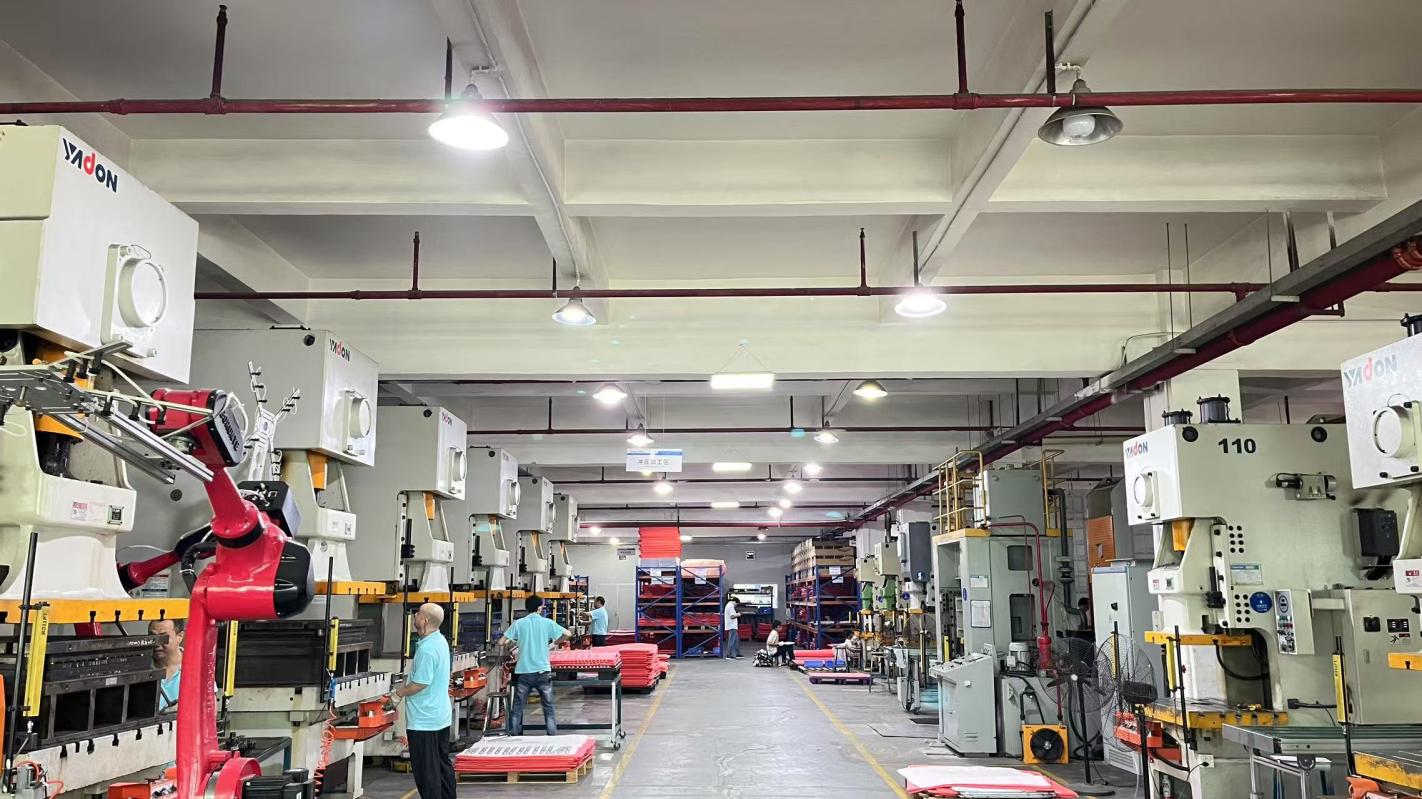
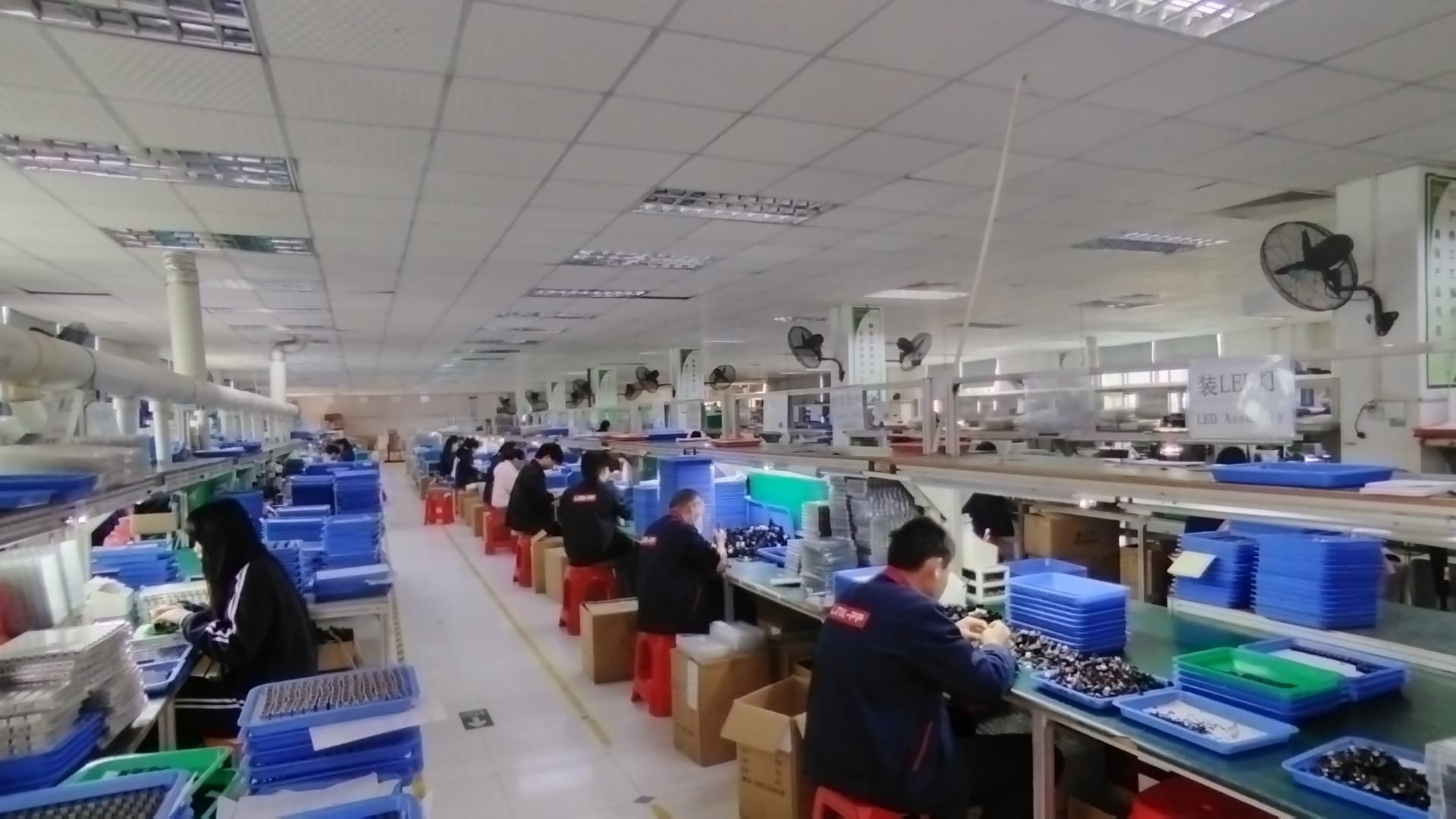
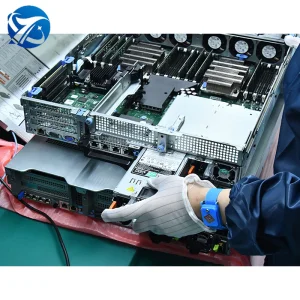
Inside Borevo's 18,600 ㎡ high-performance manufacturing labs and hardware testing zones.