Borevo
Borevo
Borevo
A Technical Whitepaper on Deploying Secure Hardware Root-of-Trust and AI-Powered Local Compliance Tools
In the modern era of data sovereignty, regulations such as GDPR (EU), HIPAA (USA), and PIPL (China) demand that sensitive user metrics, system logging, and regulatory filings undergo secure local processing. While compliance management software tools interface with corporate policy, the actual enforcement, audit logging, and cryptographic security depend entirely on the underlying hardware infrastructure. Modern enterprises can no longer rely solely on hyper-scale public clouds where compliance verification is opaque. Deploying dedicated server architecture with hardware-level security keys, secure enclaves, and high-performance processing guarantees local data processing sovereignty.
"Compliance is not merely a software layer; it is a stack of cryptographic certifications, secure data paths, and computing nodes situated securely within geographical and administrative boundaries."
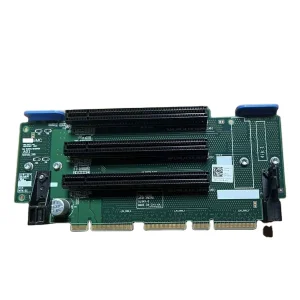
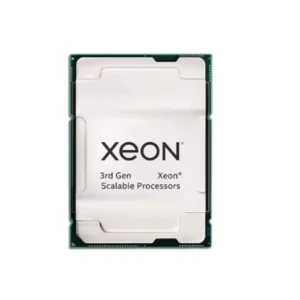
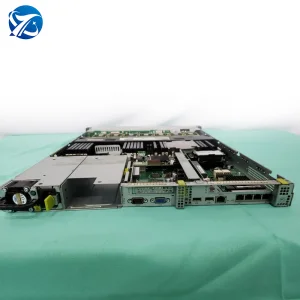
China's manufacturing ecosystem has evolved from component fabrication into specialized global computing architecture design. As a hub for advanced semiconductor integration, high-density multi-layered PCB fabrication, and customized thermal cooling designs, factories in Shenzhen and other industrial sectors manufacture the hardware that houses today's top compliance management tools. Advanced system boards, reliable PCIe riser architectures (such as the PM3YD Riser Board), and multi-core Xeon and EPYC compute configurations provide the raw throughput needed to perform real-time audit trails, compliance analysis, and encrypted network transmission.
A major challenge for international enterprises is the alignment of hardware configuration with local data storage compliance mandates. Customized compliance tool hosting requires modular BIOS settings, TPM 2.0 (Trusted Platform Module) integrations, and cryptographic acceleration. Chinese manufacturers provide critical ODM/OEM tuning, enabling enterprises to deploy bare-metal systems pre-configured to block unauthorized firmware modifications, secure physical boot paths, and interface seamlessly with regulatory audit portals.
Manufacturer Profile, Quality Verification Systems, and Global Market Execution
Borevo AI Infrastructure maintains a rigorous quality validation framework to support critical regulatory computing infrastructure. All server builds, GPU clusters, and riser cards undergo multiple testing gates, ensuring 24/7 uptime for compliance management systems:
Operating across North America, Europe, and Southeast Asia, Borevo bridges the gap between hardware fabrication and compliant software deployment. The company leverages partnerships with approximately 850 strategic hardware vendors across semiconductors, PCBs, thermal solutions, and system memory.
This ensures that target deployments—ranging from AI-driven compliance tracking nodes to secure deep learning racks—remain resilient to global supply chain disruptions.
Aligning Procurement with Local Data Protection Mandates and Factory Integration Capabilities
Each sovereign territory requires distinct hardware telemetry handling. The integration of local compliance engines with system BIOS settings allows global enterprises to toggle localized telemetry configurations, preventing unexpected data out-of-boundary calls.
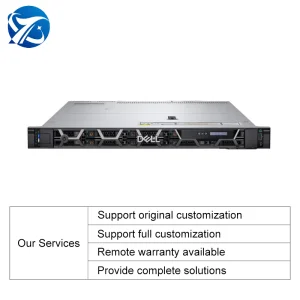
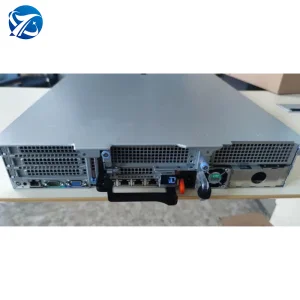
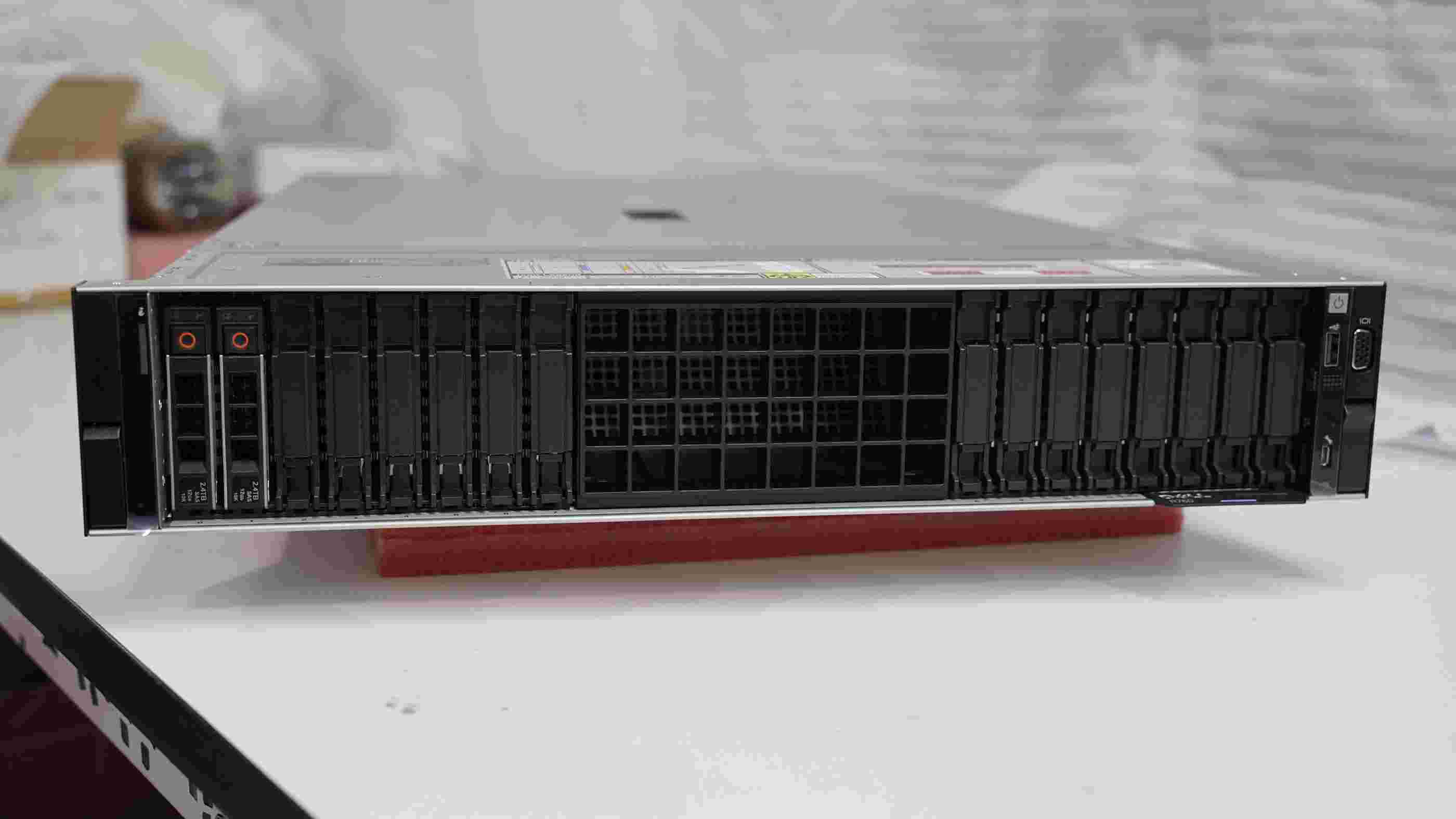
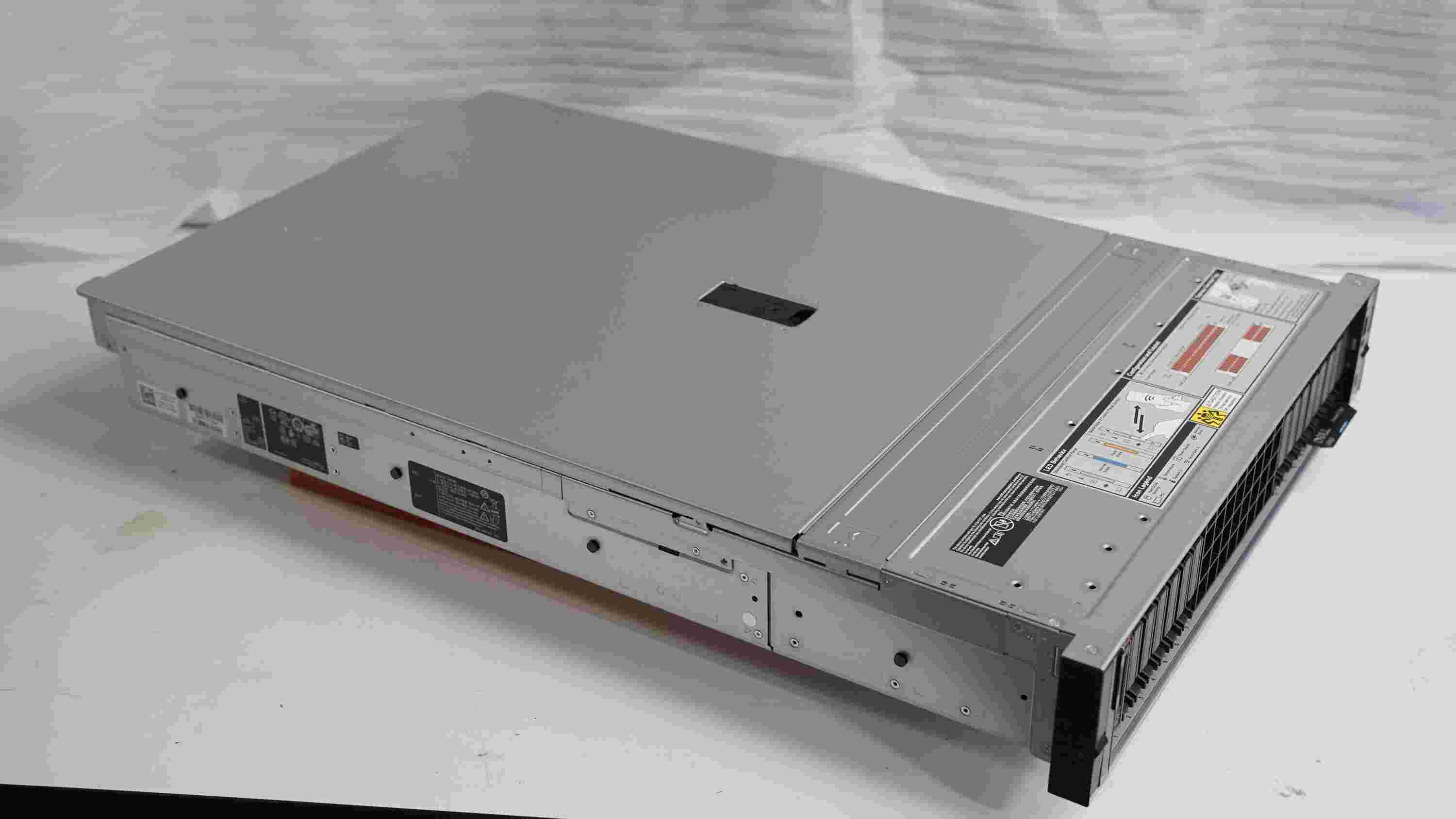
Using systems like Dell PowerEdge R740/R740XD right-angle riser boards allows companies to customize network expansion cards. This lets organizations build dedicated, hardware-isolated firewalls or secure hardware security modules (HSMs) directly inside the server chassis.
Processing compliance metrics requires robust heat dissipation. Using custom 2U heat pipe heat sinks on multi-socket Xeon processors prevents thermal throttling, maintaining a reliable processing rate during intense data auditing tasks.
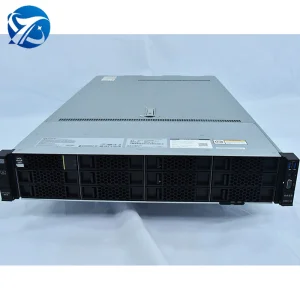
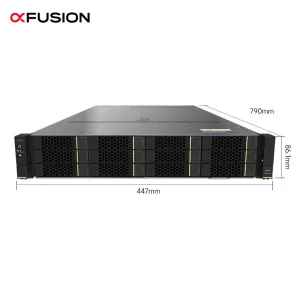
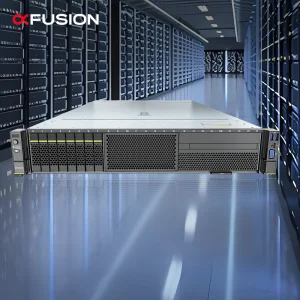
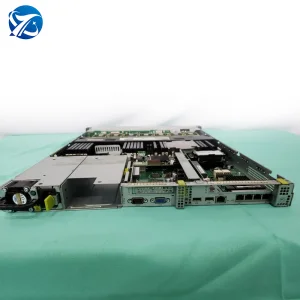
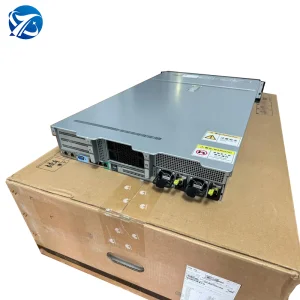
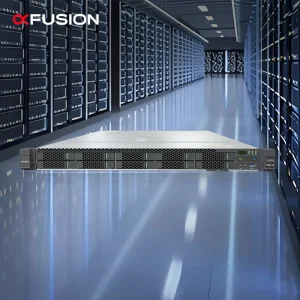
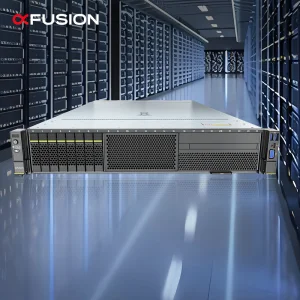
Modern compliance platforms use AI for anomaly detection and NLP analysis of contract databases. The factory customization of GPU acceleration shelves (like the xFusion 2288H V6 or Fusionserver 1288H V6) provides the processing power required for real-time model auditing.
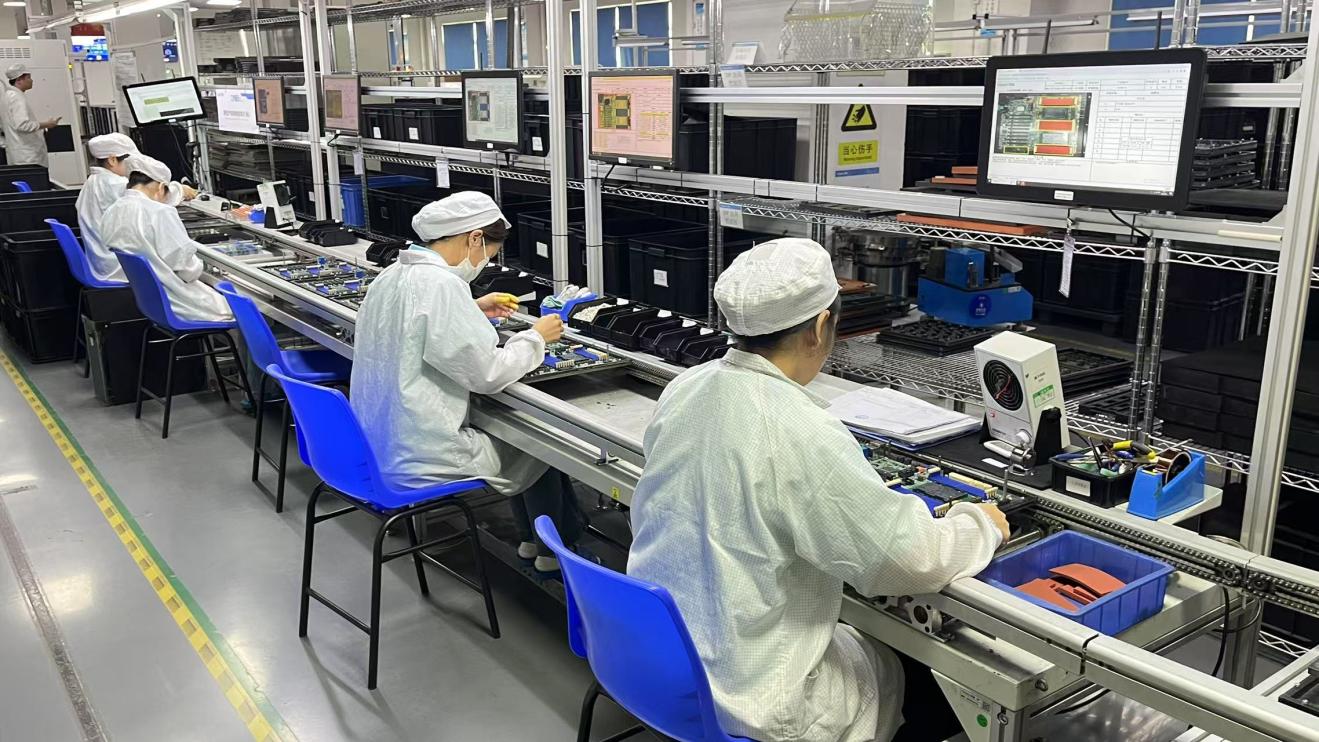
When sourcing compliance management server hardware, procurement officers must demand compliance with global structural standards. Hardware deployments must support CE, FCC, RoHS, and UL electrical and safety standards. Furthermore, strict environmental controls at the factory level—such as ESD (Electrostatic Discharge) protected zones, dust-free component assembly rooms, and automated component tracking databases—ensure that each unit is fully serialized and verifiable down to the component batch level.
Additionally, factory-level customization options, including specialized chassis silkscreens, customized IPMI firmware profiles, and region-specific power distribution units (PDUs), simplify the integration of server hardware into global enterprise datacenters.
How the Rise of Sovereign AI and Local Security Enclaves Redefine Next-Gen Hardware Infrastructures
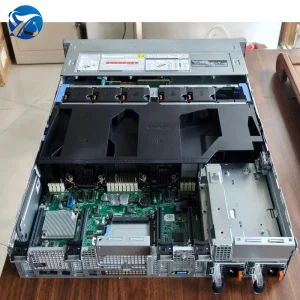
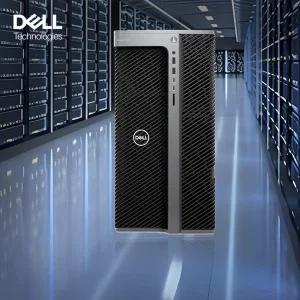
Traditional compliance systems rely on batch-processed log file audits. As real-time data flows grow, compliance platforms must process live data feeds to detect leaks, unauthorized accesses, or regulatory violations instantly. This change requires high-density servers equipped with fast storage arrays, NVMe drive cages, and AI acceleration coprocessors. Platforms like the Dell PowerEdge R7625, featuring dual AMD EPYC processors and NVMe SSD pools, provide the high IOPS and processing power needed to run real-time compliance checks.
As compliance breaches increasingly target host operating systems, trust is shifting down to the physical silicon. Future compliance tools will rely on hardware secure boot sequences, cryptographic key generation at the board level, and secure virtualization technologies (like AMD SEV or Intel SGX). Manufacturers must design system boards that isolate compliance processes, keeping them secure even in the event of an OS-level compromise.
Understanding where localized compliance hardware is deployed reveals the varying demands of different industries:
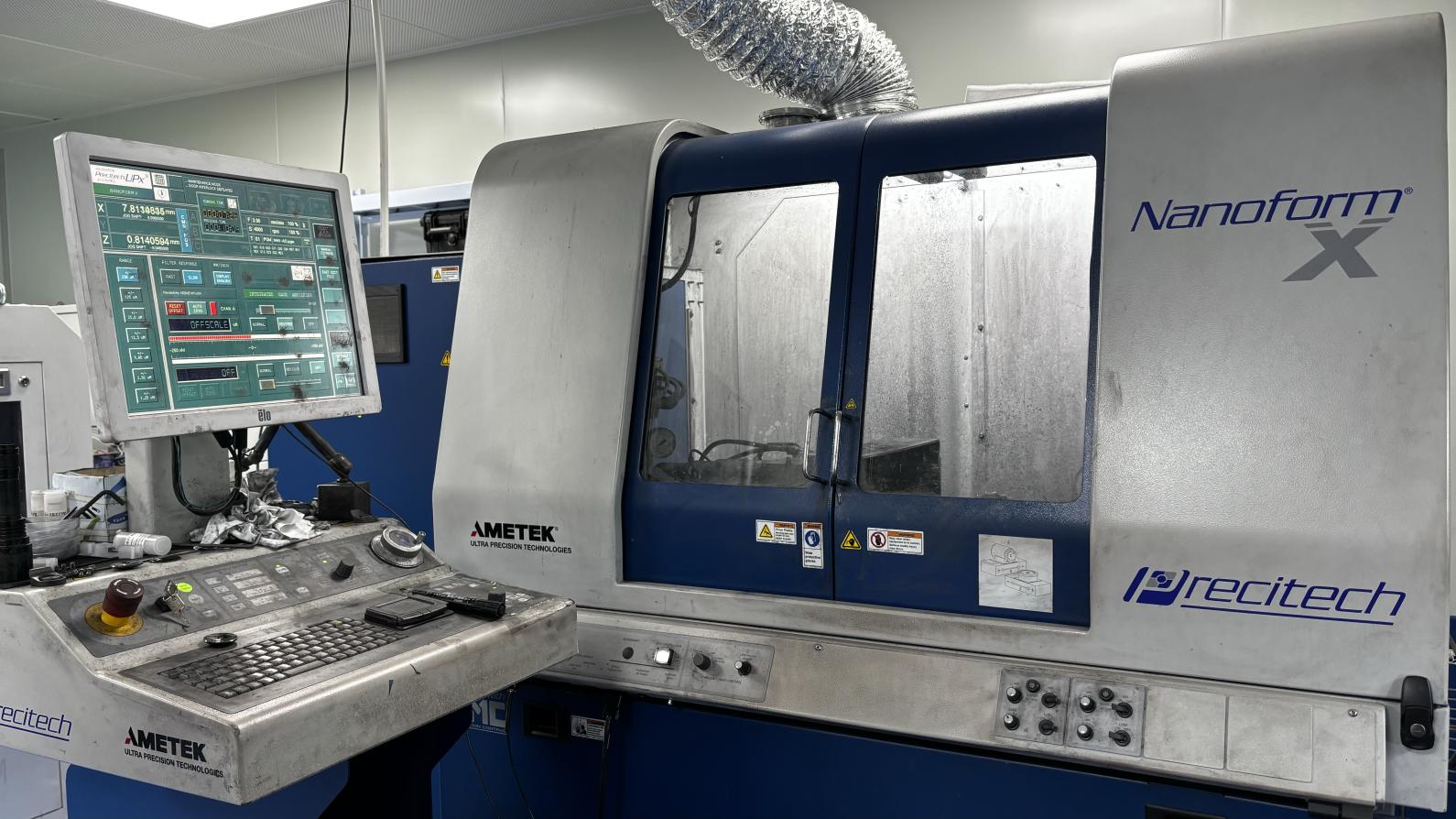
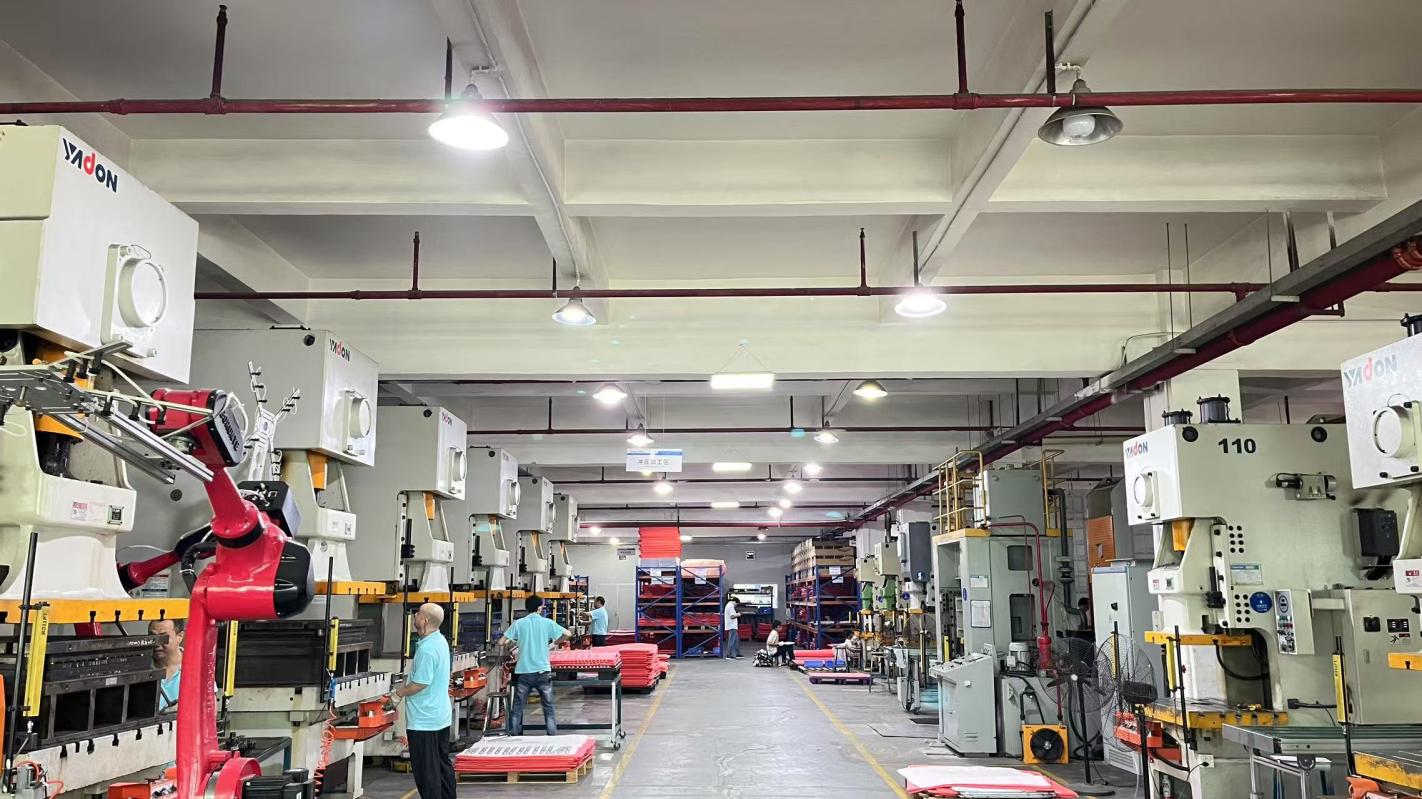
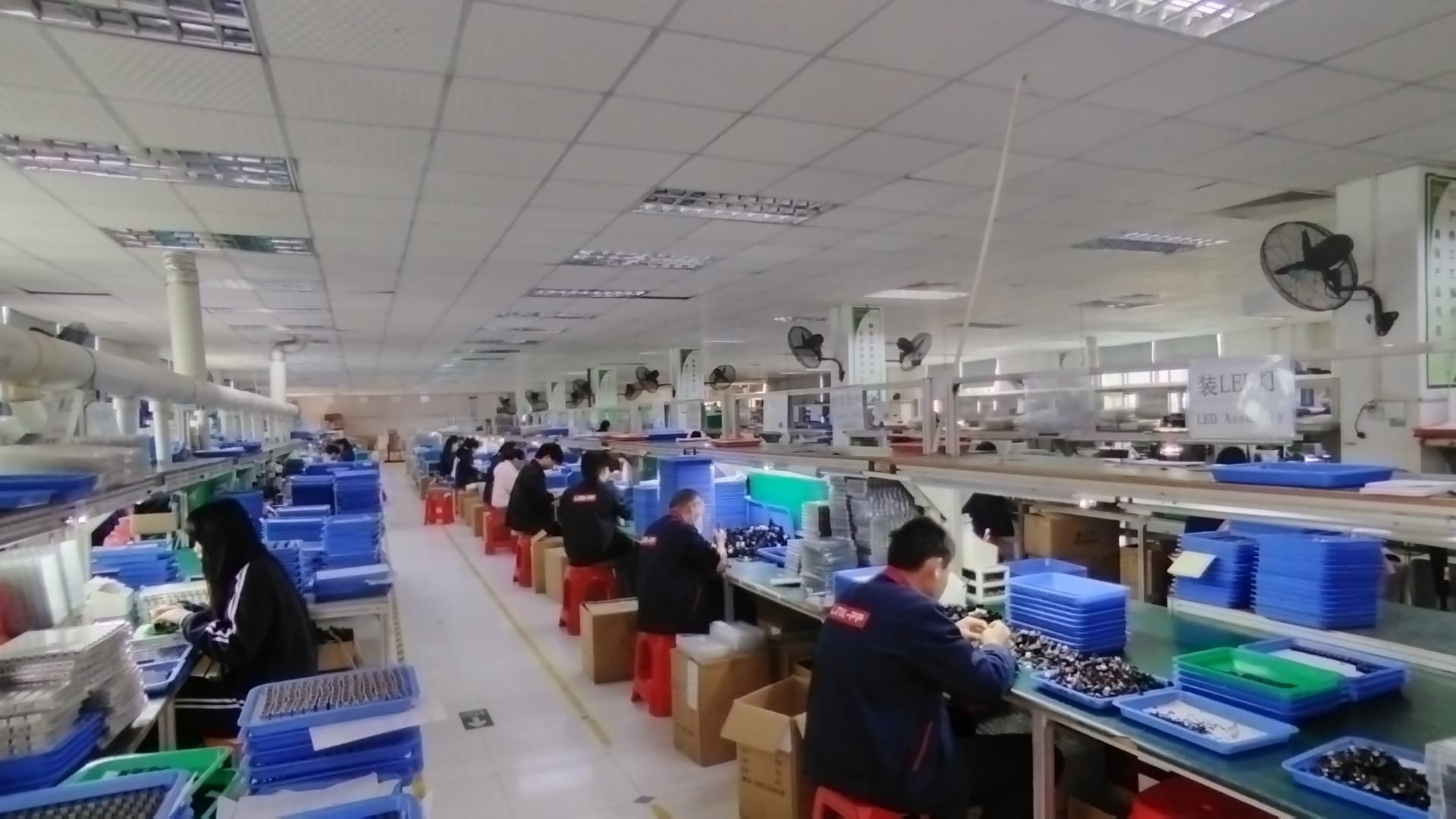
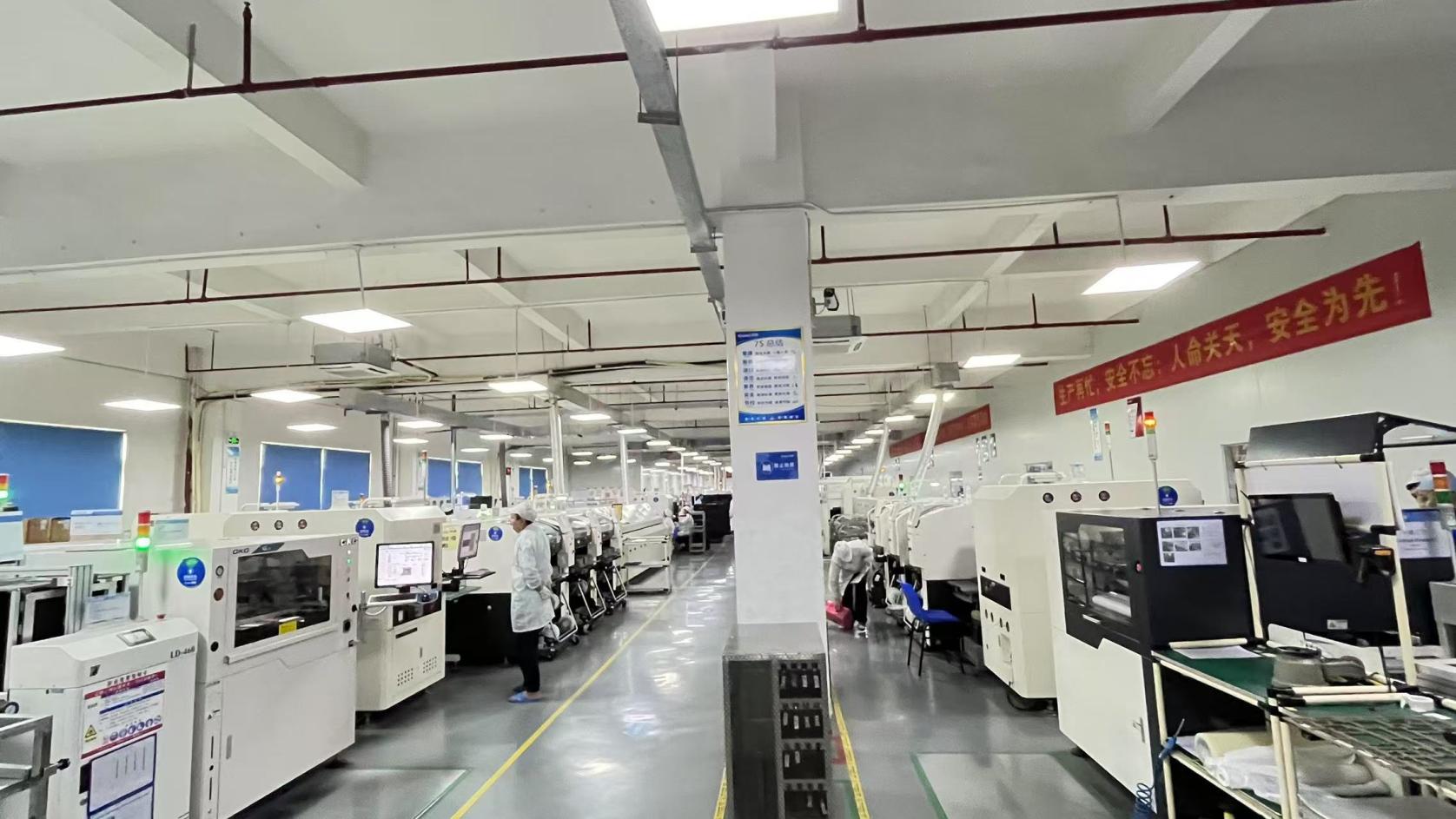
Visualizing our 18,600 ㎡ Manufacturing Facility, R&D Centers, and System Integration Lines
Expert Clarifications on Sourcing Hardware and Deploying Localized Compliance Management Infrastructure