Borevo
Borevo
Borevo
In the modern digital economy, cloud migration is no longer a mere shift in data hosting—it is a comprehensive re-engineering of processing capability, computational elasticity, and data alignment. Leveraging next-generation hybrid cloud migration architectures requires top-tier hardware configurations capable of processing petabytes of data with minimal latency. As global industries seek high-performance computing (HPC) nodes and AI infrastructure partners, China has emerged as a premier hub for hardware manufacturers and cloud system integrators.
Seamless execution models that transition legacy bare-metal operations into distributed, virtualized environments. Optimize your workloads using specialized system boards, high-bandwidth memory (HBM), and storage arrays built for continuous data syncing.
Integrate specialized GPU servers directly into your hybrid cloud workflow. Migration is not just about virtual machine state replicas; it is about scaling your artificial intelligence models, LLMs, and real-time inference frameworks with zero disruption.
Navigating international regulatory frameworks like GDPR, HIPAA, and China's MLPS 2.0. We construct hardware profiles designed to strictly manage data location boundaries, ensuring your cloud tenant respects regional compliance laws.
Every industry presents unique performance bottlenecks, compliance mandates, and scale configurations. True cloud migration optimization starts by addressing sector-specific computing realities.
Financial architectures demand ultra-low latency, rigorous data isolation, and real-time transaction processing. Migrating legacy financial systems requires a strategic layout of hybrid nodes, relying on local PCI-e NVMe storage tiers coupled with secure public cloud endpoints. Implementing high-performance memory configurations reduces execution latency in fraud detection pipelines.
For smart factories, massive telemetry and sensory data must be ingested continuously. The design of edge computing nodes facilitates local filtering of raw sensor signals before migrating structural payloads to the core data center. Industrial applications leverage custom chassis and cooling solutions, sustaining 24/7 reliability in demanding floor conditions.
E-commerce relies on horizontal scalability. Transitioning workloads dynamically between local hardware arrays and distributed public cloud environments prevents application downtimes during flash sales. We recommend highly dense multi-node configurations that maximize CPU core availability per rack unit.
Medical data processing requires massive storage arrays coupled with specialized compute profiles. Migrating hospital archival databases (PACS) to the cloud is optimized using high-density server configurations. These accommodate multi-TB memory pools and redundant GPU co-processors to run AI-driven tumor diagnostics seamlessly.
Software orchestrates the cloud, but hardware defines its ultimate capabilities. As enterprises migrate computationally intensive pipelines (such as machine learning training, rendering, and database sharding), the underlying infrastructure dictates real-world performance, stability, and ROI.
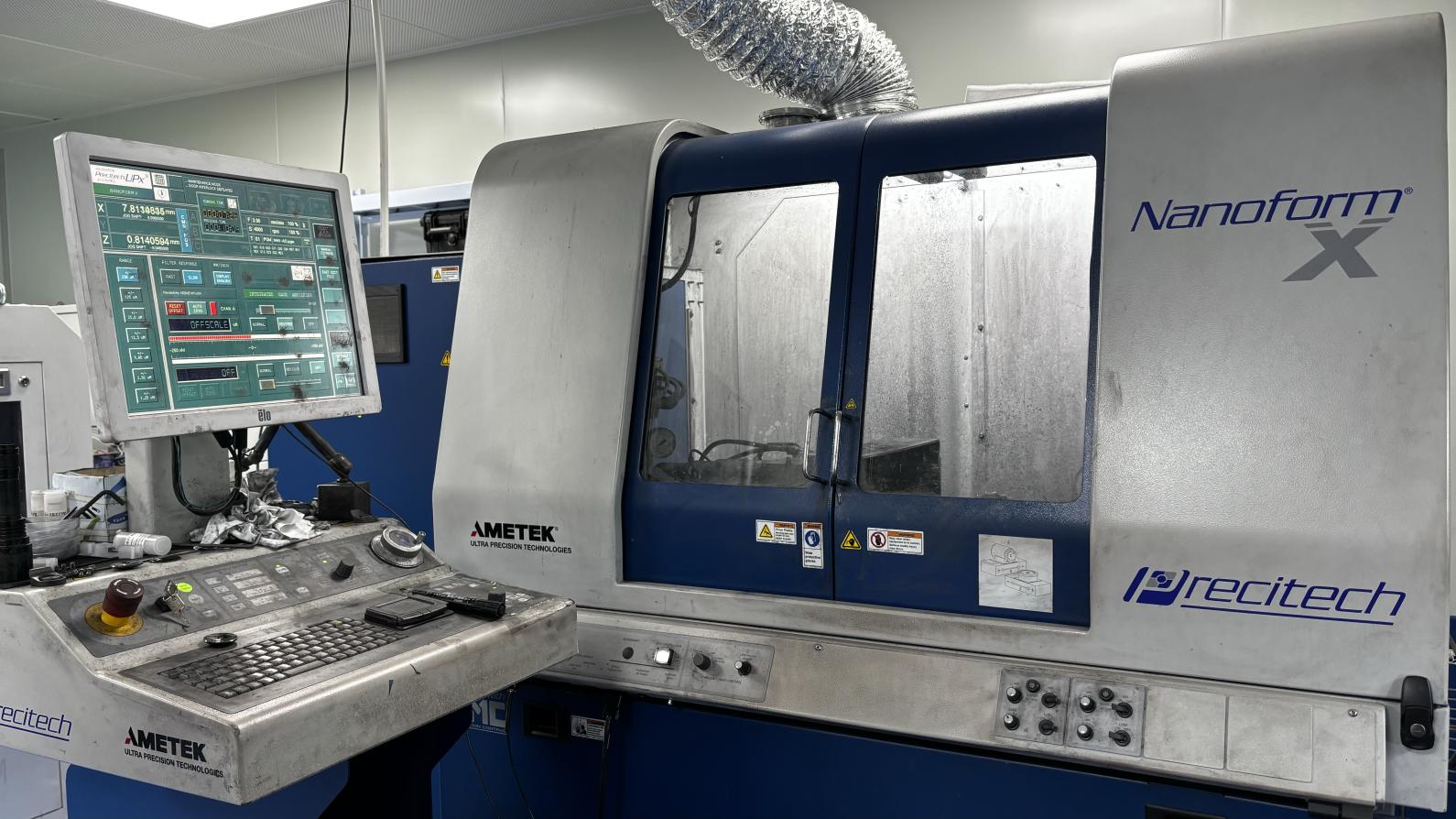
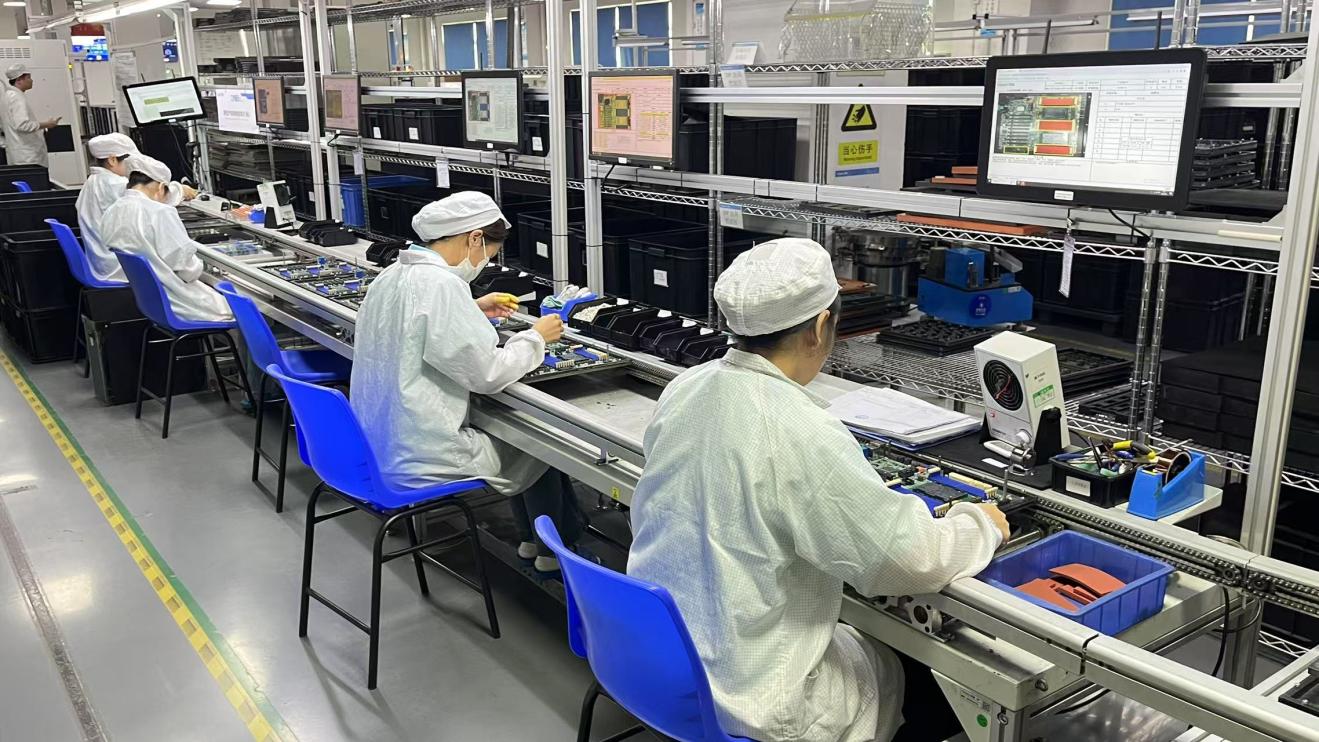
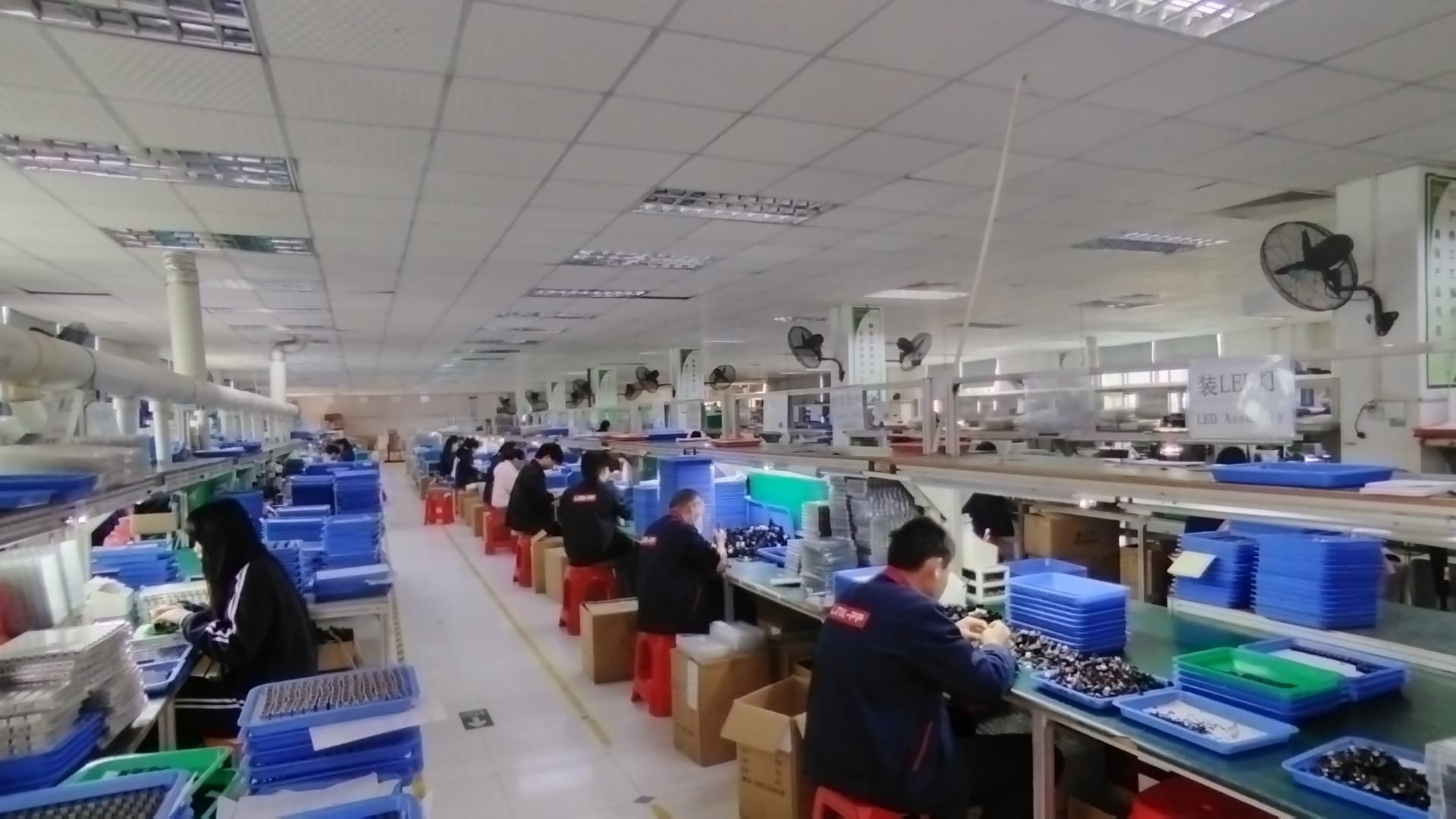
Borevo AI Infrastructure (China) Co., Ltd. serves as a crucial backbone for enterprise-scale migrations, manufacturing specialized high-performance AI GPUs and optimized computing systems designed for modern data centers. Founded in 2018, Borevo bridges the gap between raw board-level semiconductor engineering and turn-key heterogeneous computing cabinets.
Through robust collaboration across 850 strategic partners, Borevo supplies key compute nodes utilized globally in North America, Europe, and Southeast Asia. The company’s focus on PCB layout tuning, firmware optimization, and cooling technology allows migrated database engines and neural networks to operate up to 35% more efficiently than legacy configurations.
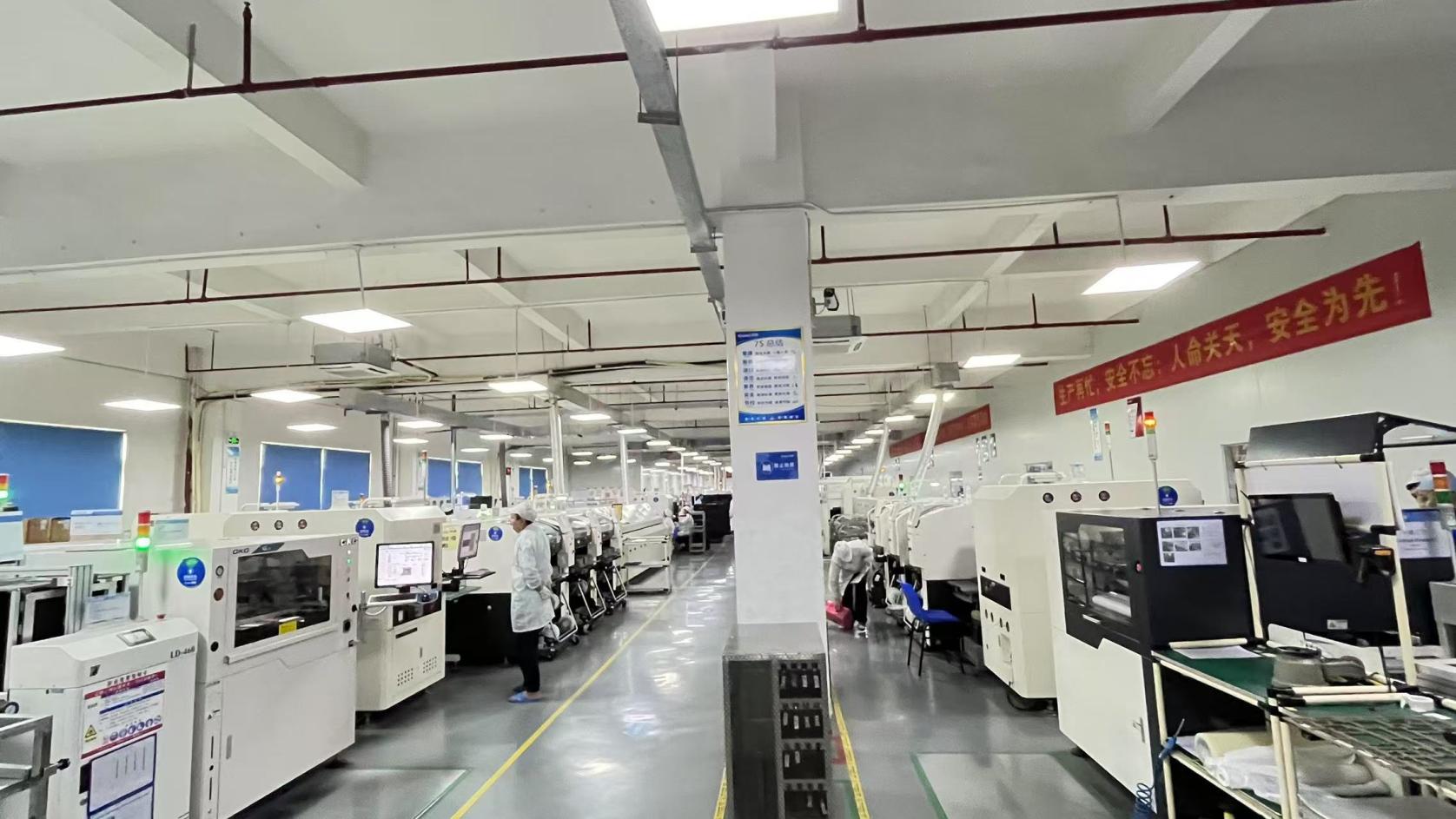
Transitioning vital workflows to a hybrid architecture implies complete trust in your physical assets. To guarantee this, Borevo has established a multi-layered quality control framework led by 45 dedicated QC personnel. Every server and custom AI system undergo meticulous validation procedures before shipping:
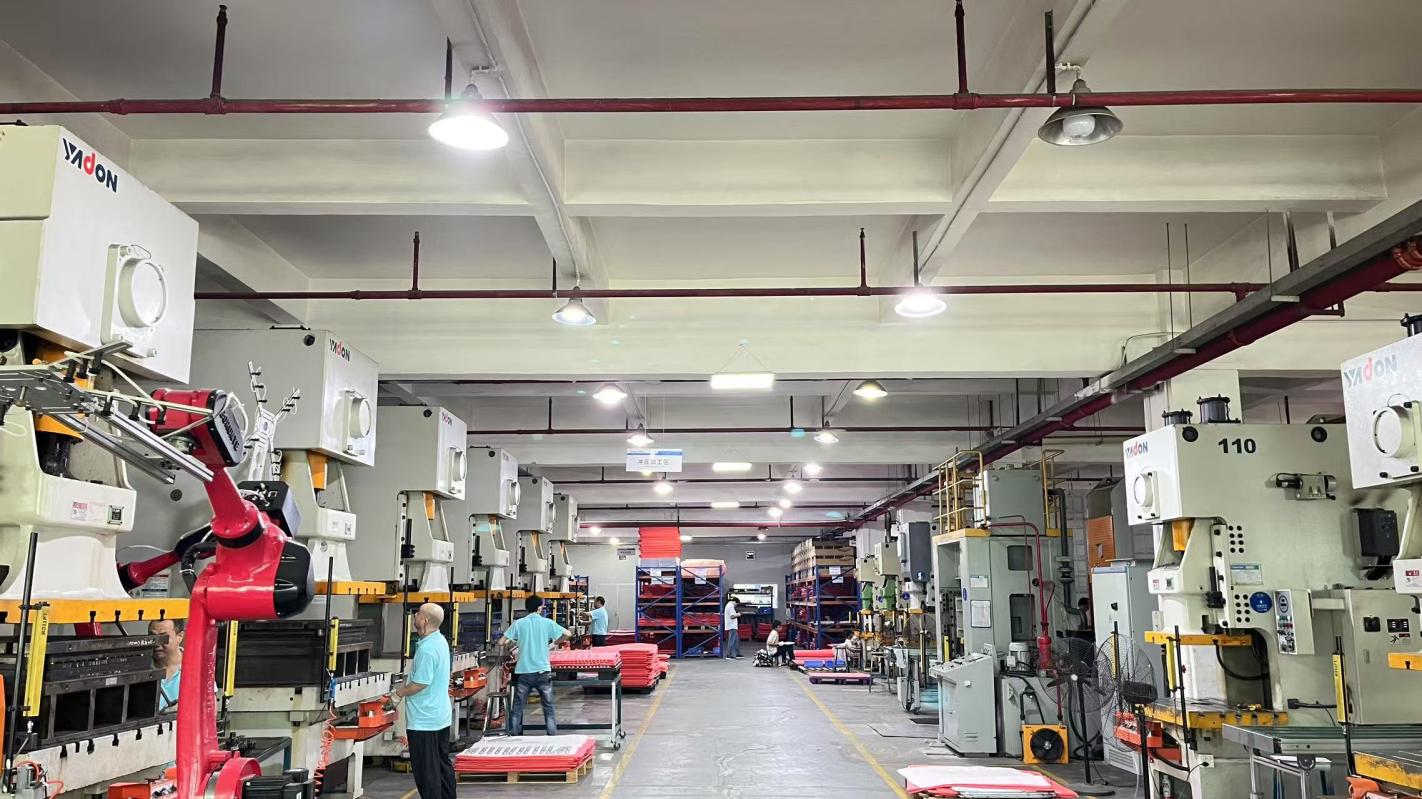
Managing global shipments of heavy-duty rack servers requires a highly resilient supply chain. Borevo works in close alignment with key semiconductor, PCB, memory, and mechanical chassis manufacturers to buffer against component shortages. This extensive partner network ensures that even custom configurations can be produced, verified, and shipped to data center operators worldwide with reliable lead times.
From North American hyper-scale facilities to regional European private clouds, Borevo adapts firmware configurations to align perfectly with regional electricity standards, rack standards, and structural constraints.
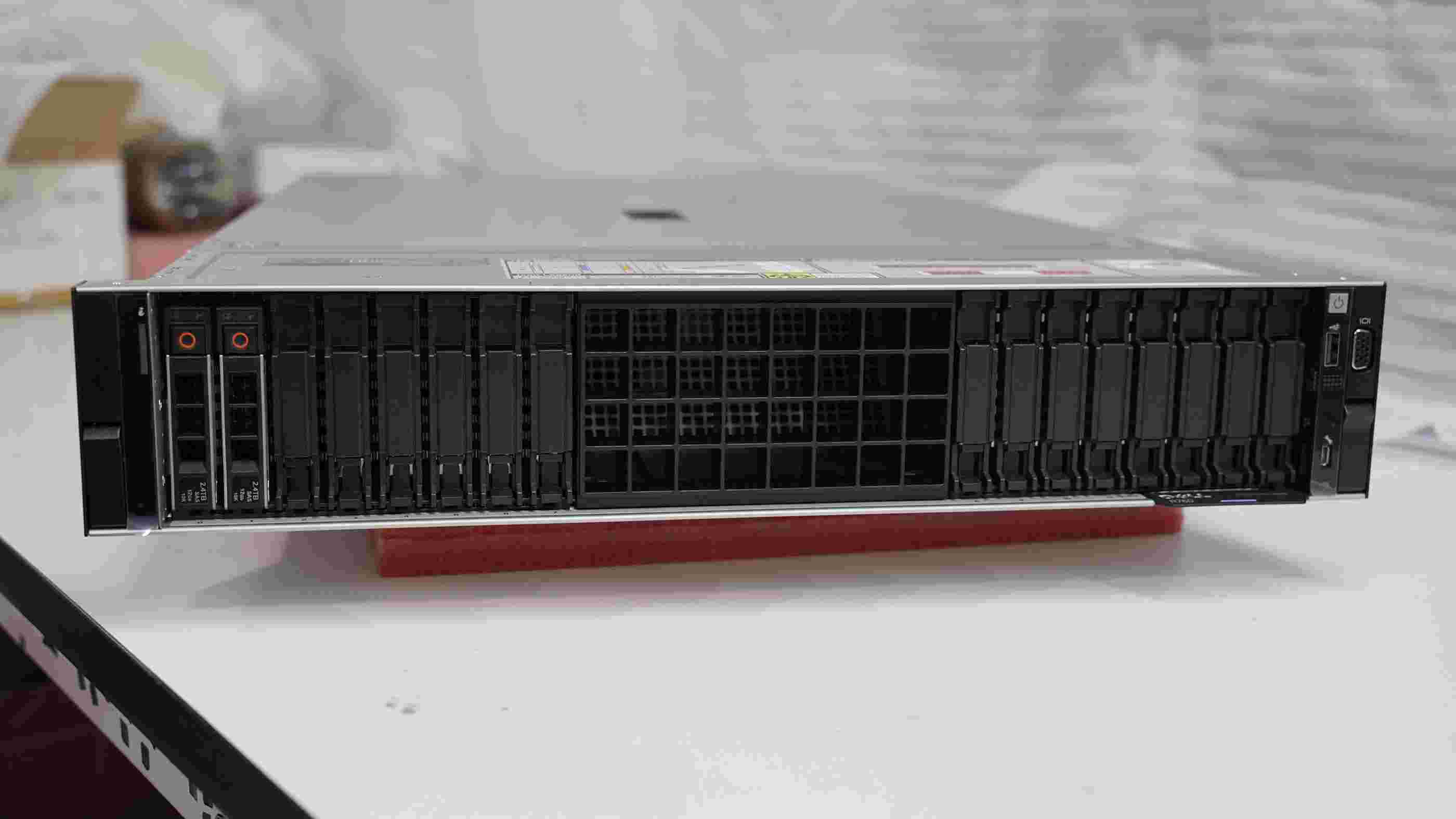
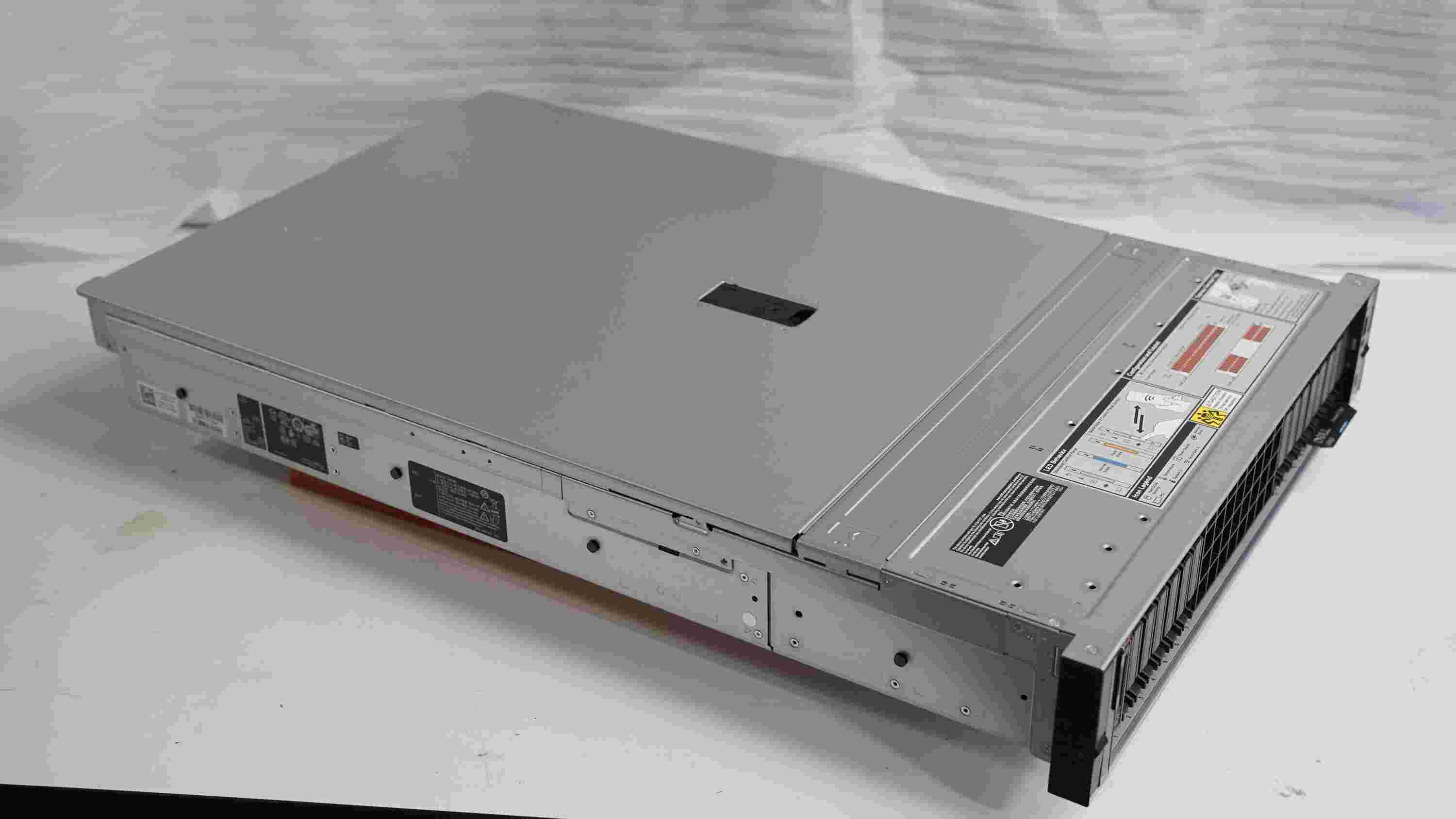
A reliable migration framework ensures seamless transitions with minimized downtime. We structure our migration roadmaps according to the industry-standard "7 Rs," optimized to leverage next-generation hardware topologies.
Moving workloads directly from on-premise hardware to cloud virtual machines without modifying code. Best optimized by pairing source and target systems with matching CPU microarchitectures to maintain software instruction parity.
Optimizing the operating system environment or database management engines during migration. For example, moving database instances onto cloud-managed storage solutions powered by ultra-fast PCIe NVMe drives.
Rewriting applications to utilize cloud-native features like microservices, containerization, and serverless compute. This maximizes system utilization and adapts applications for dynamic scaling.
Shifting containerized Kubernetes clusters or VMware vSphere instances to cloud equivalents without re-architecting applications. Hardware validation ensures that local virtualization parameters match cloud host configurations.
Moving from custom-built, legacy applications to third-party software-as-a-service (SaaS) options, offloading operational complexity and physical maintenance requirements.
Retain critical legacy applications on secure, dedicated on-premise server racks when compliance or latency requirements prevent migration. Completely retire redundant applications to free up physical space and data resources.