Borevo
Borevo
Borevo
The global enterprise workforce has transitioned permanently into hybrid and distributed operating environments. In this landscape, Virtual Desktop Infrastructure (VDI) has shifted from a niche virtualization configuration to a foundational security and business continuity mechanism. The VDI market size, currently expanding at a CAGR of over 15%, is driven by requirements for rapid employee provisioning, central database custody, zero-trust network access, and the mitigation of endpoint vulnerabilities.
VDI's modern framework is heavily reliant on resource orchestration at the host server level. Unlike historical deployments that suffered from high latency and visual stuttering during intensive compute cycles, modern architectures leverage dedicated physical GPU nodes. This ensures smooth delivery of high-definition protocols like VMware Blast Extreme, Citrix HDX, and Microsoft RemoteFX to thin clients, mobile devices, and browser interfaces worldwide.
When engineering VDI host hardware arrays, procurement teams must evaluate hardware capabilities beyond simple CPU and memory capacities. High-concurrency environments require deep consideration of the following critical vectors:
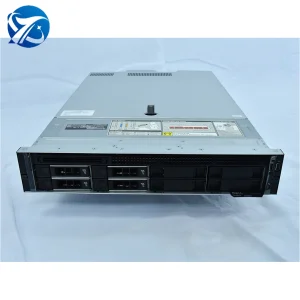
VDI boot storms (hundreds of users logging in simultaneously) require high random read and write capacities. SSD-based hyperconverged storage and SAS/SATA RAID configurations are crucial to prevent desktop latency.
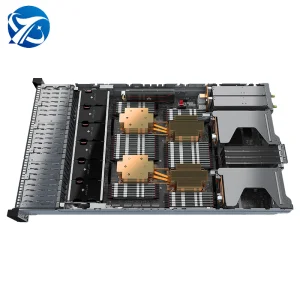
Traditional workloads rely on CPU resources, but modern productivity demands vGPU virtualization. Integrating hardware GPUs into host rack servers enables CAD design, media rendering, and AI engineering tasks.
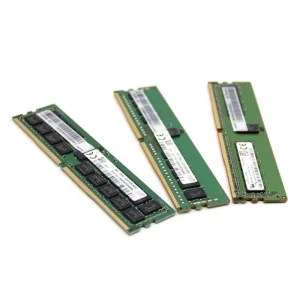
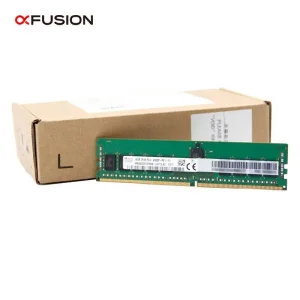
VDI hosts execute parallel memory allocations across hundreds of dynamic virtual environments. Using Error-Correcting Code (ECC) DDR4/DDR5 server RAM is mandatory to maintain virtualization layer stability.
Deploying an enterprise VDI framework requires integration between virtualization orchestration software and high-density, reliable host server hardware. Below is an analysis of the industry-leading hardware and solution providers globally:
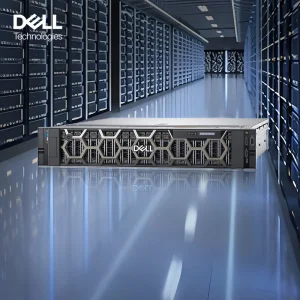
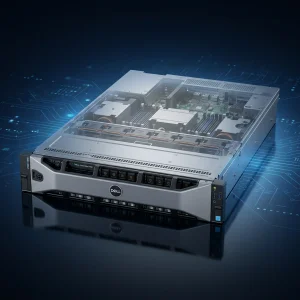
Dell remains a global powerhouse in VDI host compute. Their PowerEdge rack servers (such as the R750 and R760 series) are highly valued for their GPU density, dynamic cooling solutions, and seamless native compatibility with VMware vSphere and Omnissa Horizon, making them the standard choice for multi-tenant enterprise deployments.
HPE stands out for its security-centric compute platforms. ProLiant servers (like the DL380 Gen11) feature silicon root-of-trust technology that secures firmware down to the metal, a critical requirement for military, government, and financial VDI hosts.
Lenovo excels in engineering hyperconverged and dense computing platforms. Their VDI-optimized servers focus on power efficiency and high-concurrency thermal management, supporting high-density user counts per rack unit.
Cisco's Unified Computing System (UCS) provides unique advantages by integrating compute hardware with advanced network fabric. This fabric-centric management simplifies networking provisioning for massive scale-out VDI environments.
Offering massive computing density and hyperconverged infrastructure options, Huawei's hardware platforms support high-density processing, large NVMe array configurations, and optimal thermal profiles for large-scale hybrid cloud environments.
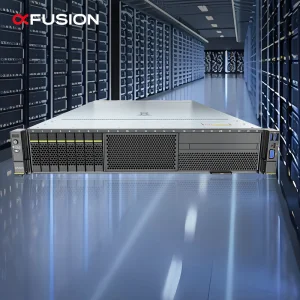
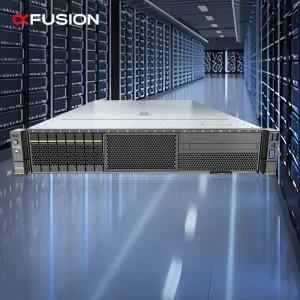
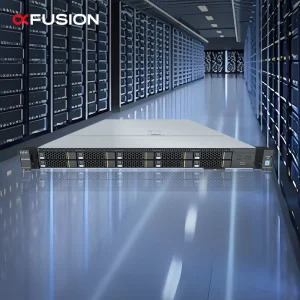
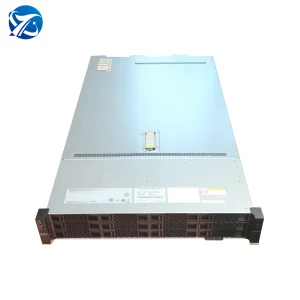
An emerging leader in hyperconverged compute architecture. xFusion's FusionServer rack systems provide exceptional dual-socket density, flexible PCIe expansion capabilities for GPUs, and highly robust ECC memory channel distributions designed for virtualization hosts.
As a leading server manufacturer in AI and cloud datacenters, Inspur specializes in dense GPU nodes. Their systems are tailored for massive organizations deploying virtual workstations for visual effects and scientific analysis.
Nutanix represents the vanguard of Hyperconverged Infrastructure (HCI). Rather than focusing purely on bare metal, Nutanix packages specialized hardware solutions with their Cloud Platform software, offering turnkey VDI scaling.
Known for highly customized, green-computing server configurations. Supermicro's multi-node systems allow organizations to configure precise hardware mixes of CPU cores, storage volumes, and vGPU slots for tailored virtual workspaces.
A highly specialized AI GPU and server manufacturer focusing on the hardware enablement layer. Borevo integrates high-end heterogeneous GPU nodes, custom PCB designs, and bare-metal server infrastructure optimized for heavy GPU-based virtualization, deep learning workloads, and scale-out enterprise desktop delivery.
Borevo AI Infrastructure (China) Co., Ltd. is a specialized AI GPU manufacturer dedicated to delivering high-performance computing hardware and advanced AI infrastructure solutions for global markets. The company focuses on GPU design integration, AI acceleration systems, and customized computing solutions for data-intensive applications.
Our commitment to hardware reliability is reflected in our robust production procedures. With a dedicated QA team of 45 specialized quality control personnel, Borevo implements strict multi-stage testing processes:
Automated Optical Inspection verifies every PCB circuit, capacitor solder, and interface connection to prevent logical failures.
Servers undergo intense environmental chamber cycles under 100% compute load to eliminate early-stage component failures.
Our engineers test signal integrity across high-speed PCIe Gen 5.0 lanes and DDR5 bus lanes for maximum data throughput.
Borevo operates on the cutting edge of heterogeneous computing design. With an engineering force of 180 R&D specialists, we design tailored systems to solve challenging computational problems:
Tailor host behaviors, boot protocols, power profiles, and virtualization pass-through options for hypervisors.
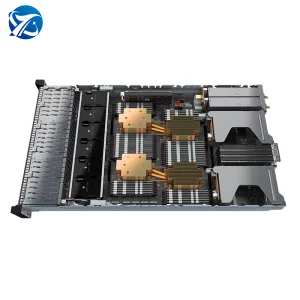
Design multi-GPU baseboards to meet strict rack envelope specifications and specific airflow patterns.
Borevo launched 120 new products last year alone, addressing updates in PCIe topologies, flash storage interfaces, and liquid-cooling blocks.
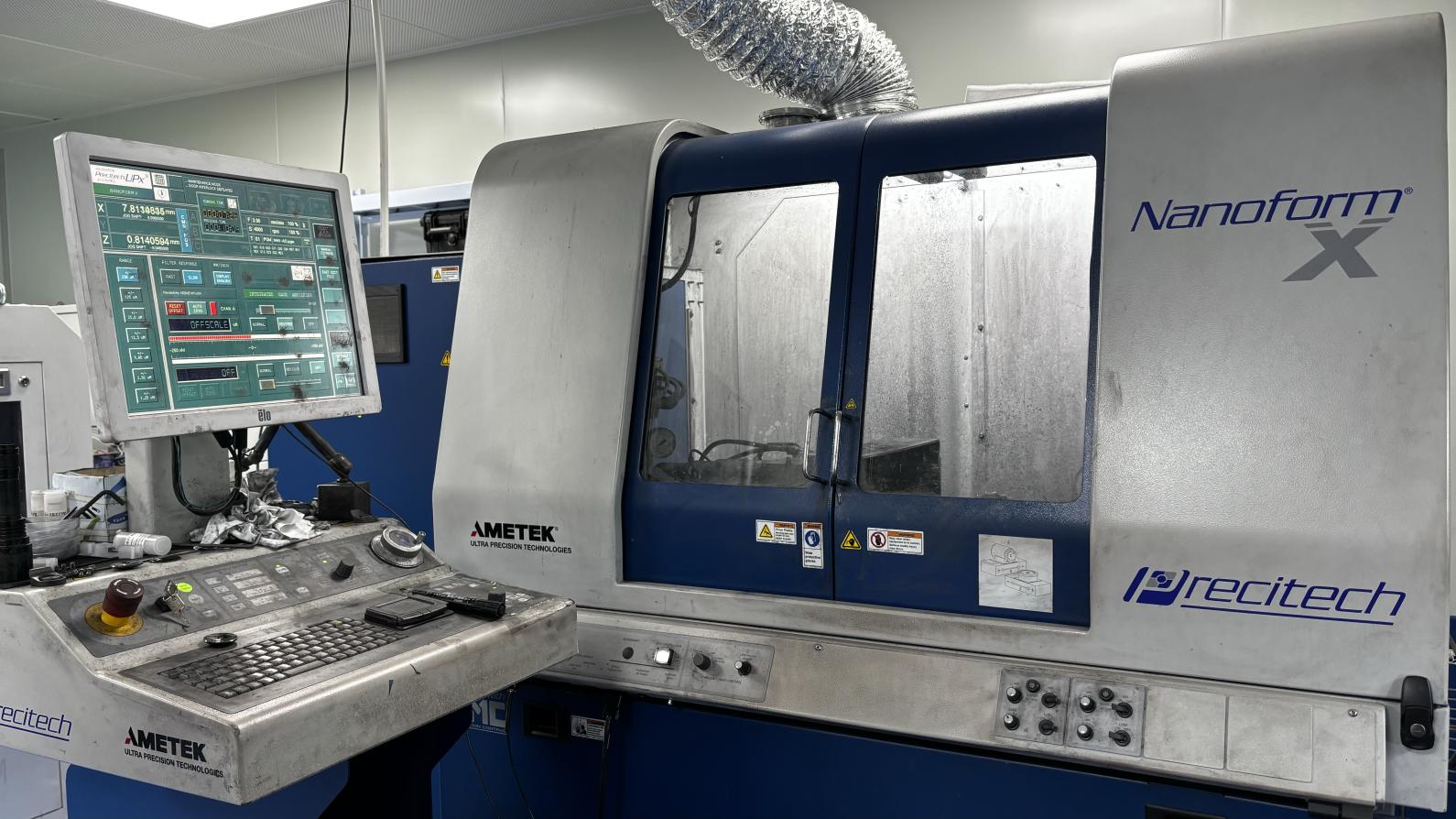
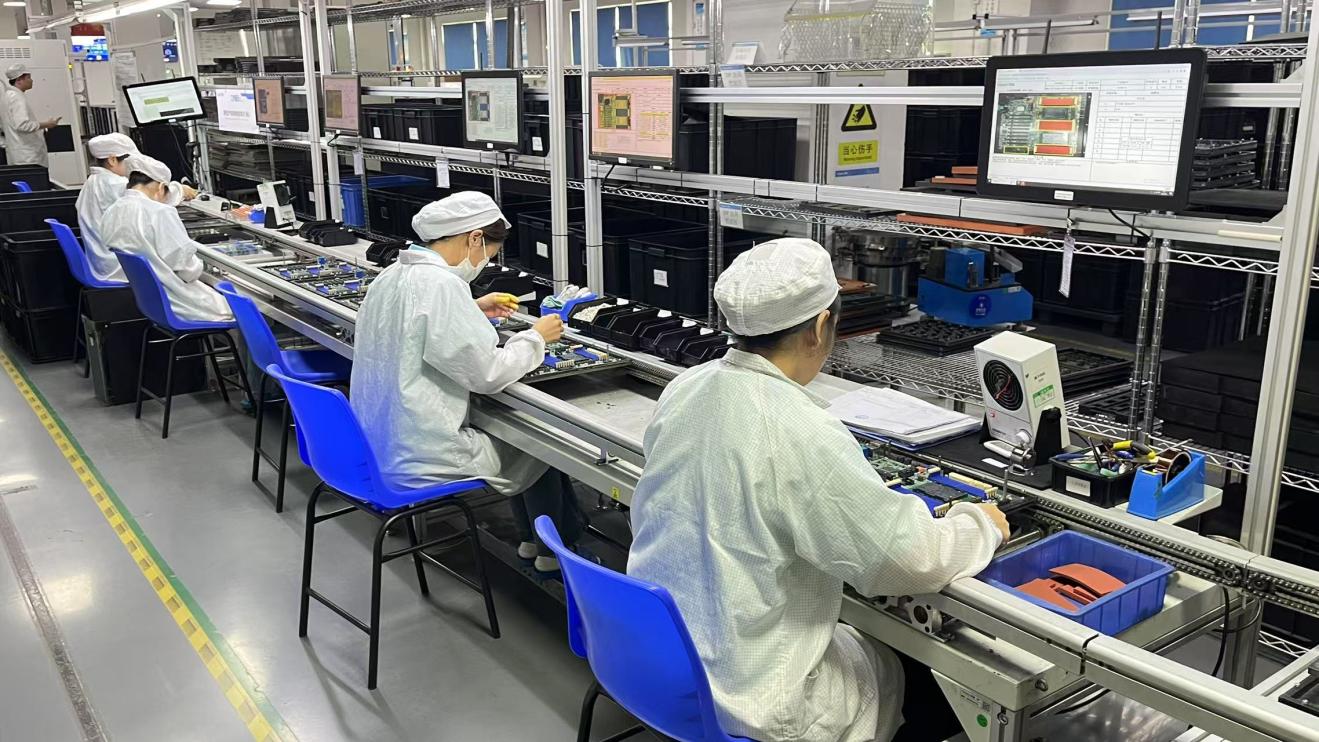
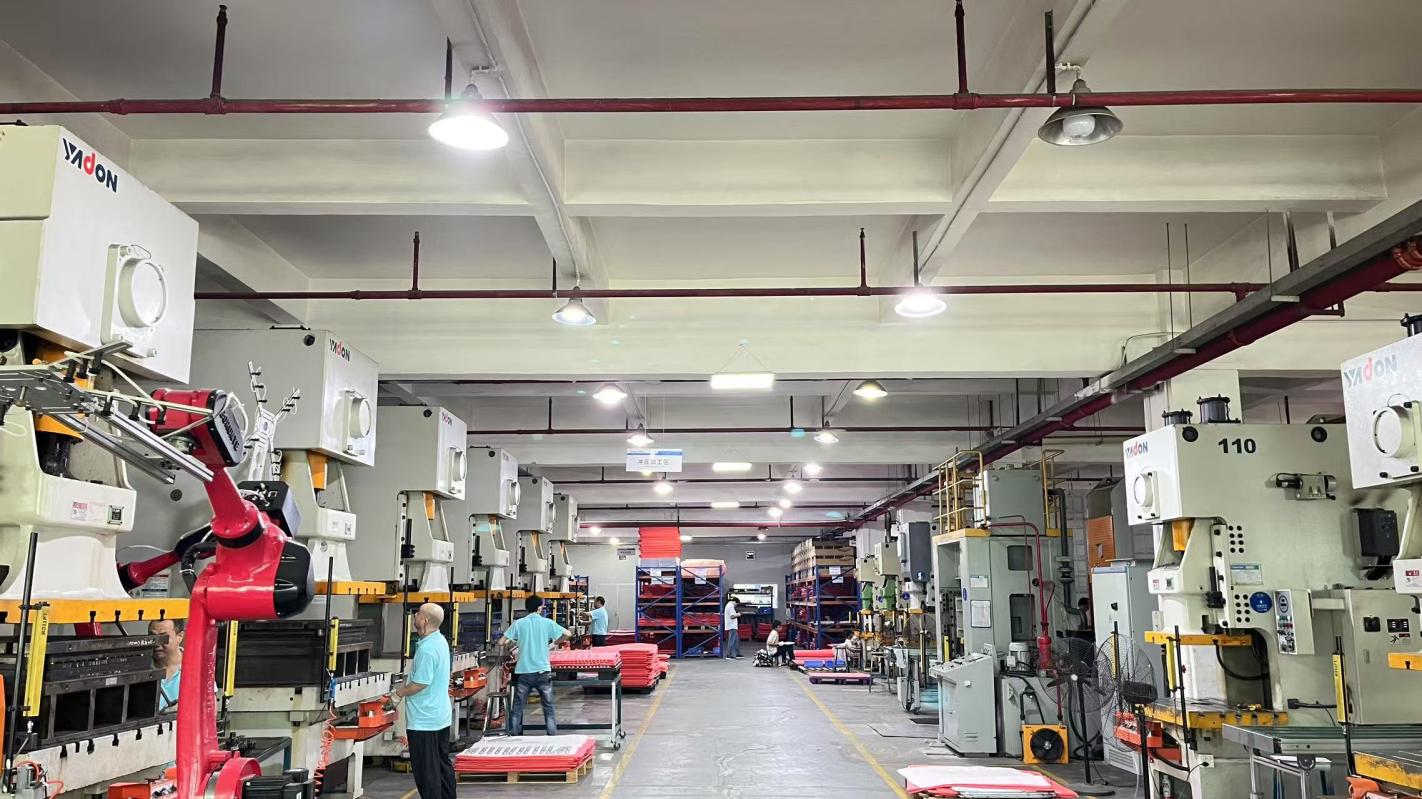
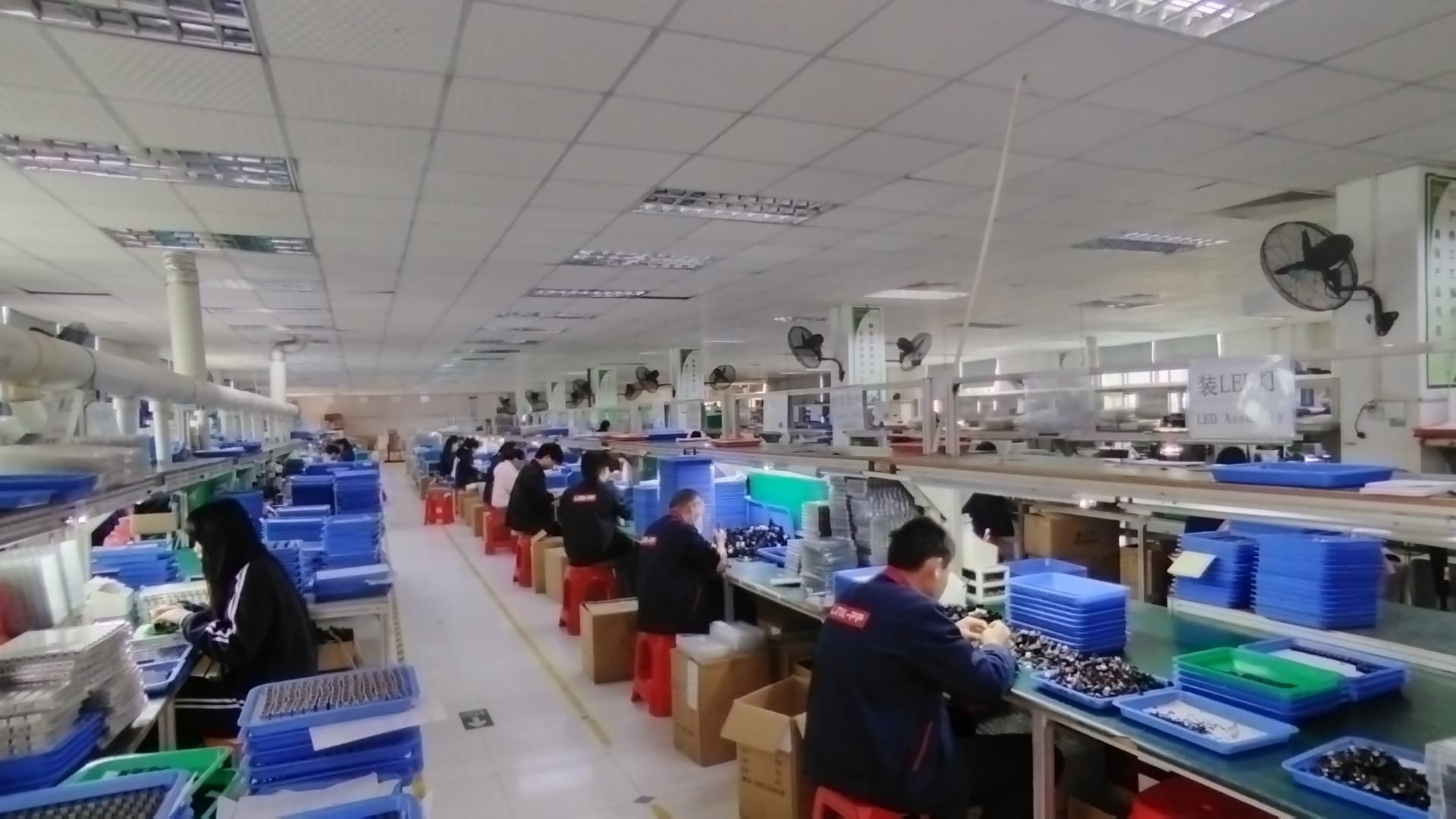
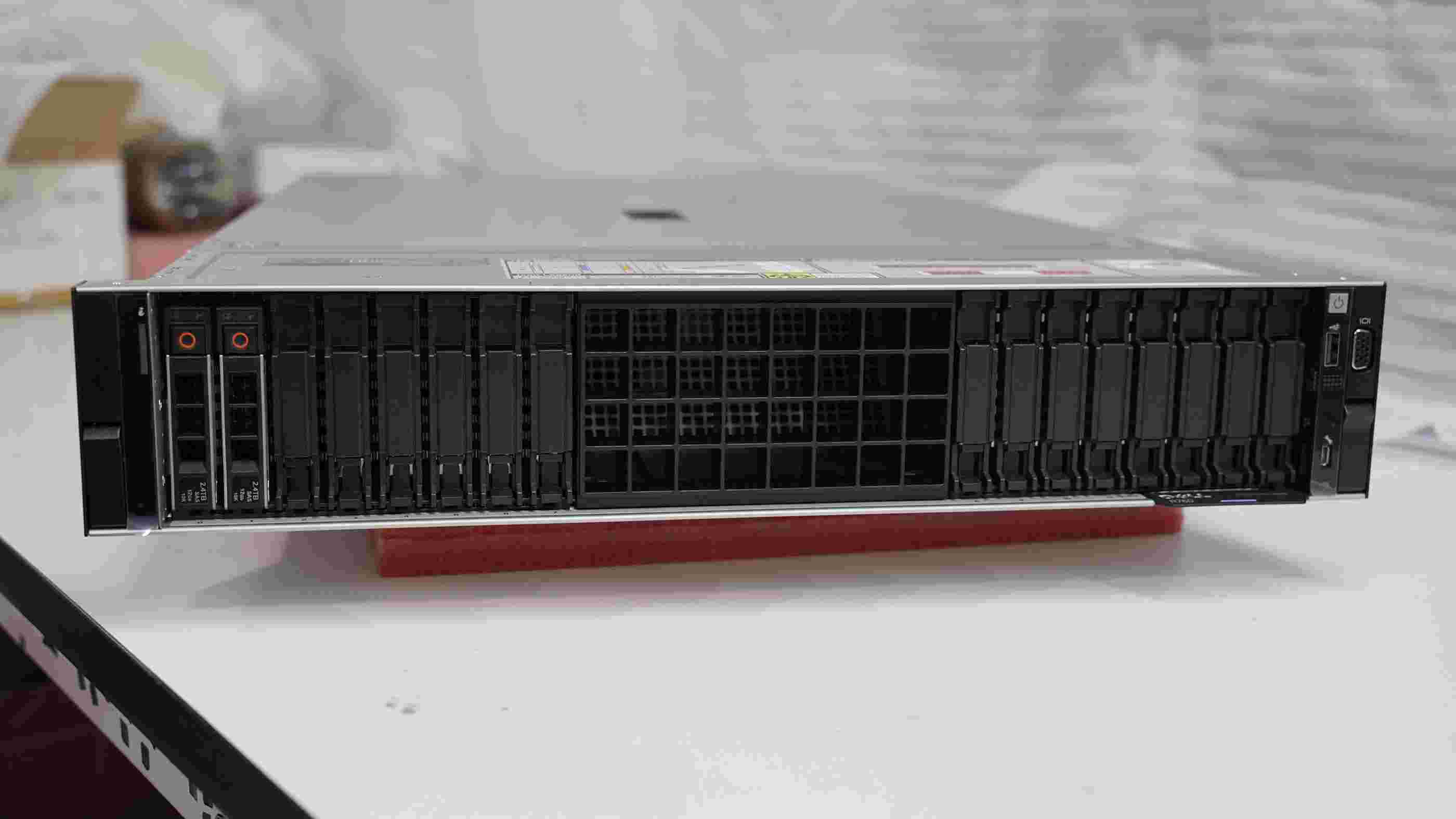
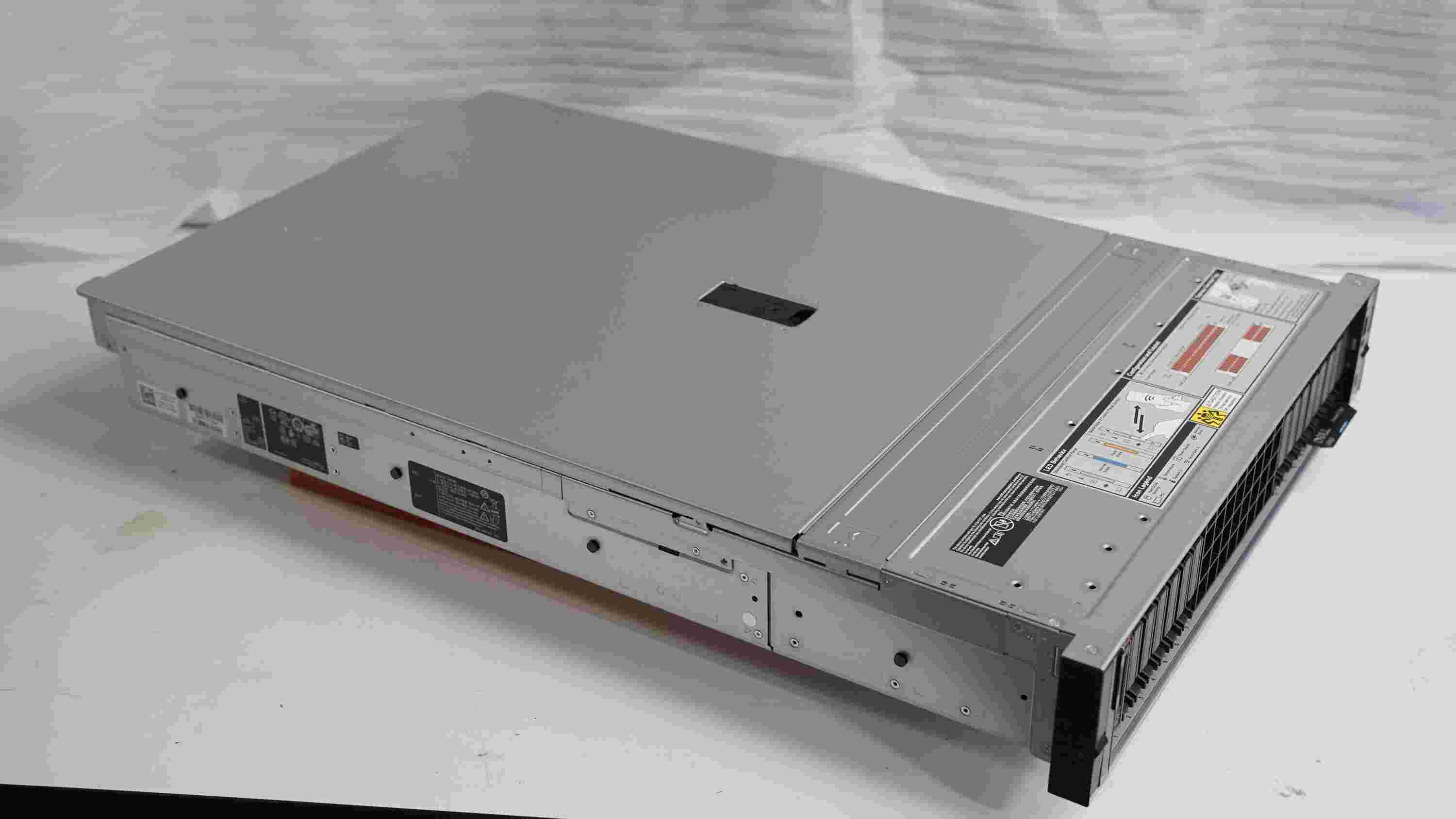
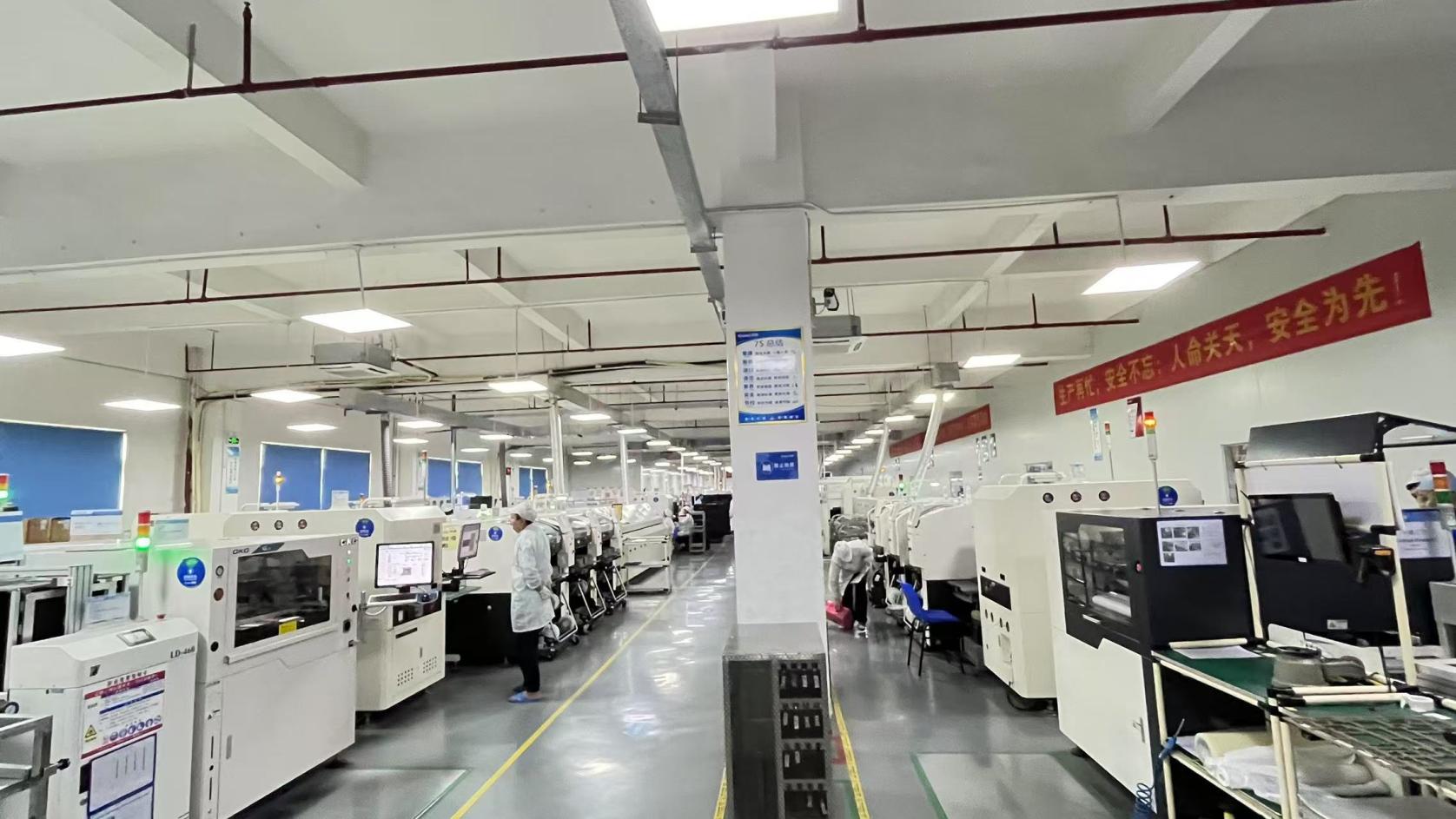
The global dominance of Chinese manufacturing in the VDI server and components sector is built on unified industrial supply chains. At Borevo, our operations benefit from strategic locations surrounded by component ecosystems, including PCB manufacturers, memory fabricators, and advanced semiconductor packaging facilities. This proximity reduces transit latency, optimizes raw material sourcing, and lowers component lead times compared to Western counterparts.
This integration directly translates to cost efficiencies. Our customers benefit from reduced tooling times, faster prototyping cycles, and rapid volume manufacturing scaling. With strategic partnerships across 850 component suppliers, Borevo maintains stable pipelines for critical hardware like multi-layer high-frequency glass-epoxy PCBs and high-capacity flash memory modules, ensuring consistent assembly schedules and shielding clients from unexpected semiconductor supply fluctuations.
Different industries require specialized virtual desktop configurations. Borevo's server platforms are optimized to support these distinct, localized requirements:
The integration of artificial intelligence is redefining traditional virtualization. The industry is moving from simple CPU core slicing to dynamic, AI-assisted workloads. VDI hosts must now handle real-time background video enhancement, voice synthesis, and local natural-language processing models running directly within thin-client virtual sessions.
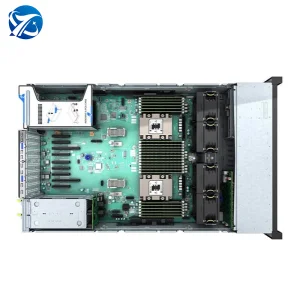
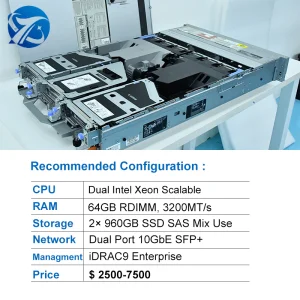
This paradigm shift requires a hardware-first design approach. Advanced architectures utilize Hyperconverged Infrastructure (HCI), which integrates storage, compute, and high-speed networking fabrics. Systems like the xFusion 2288H V6 Hyperconverged Infrastructure System are designed to meet these challenges, supporting high NVMe write capacities and dynamic PCIe slot allocations to handle intensive data processing demands.
Global procurement teams looking to acquire hardware nodes for VDI infrastructure should evaluate manufacturers against the following structured checklist to ensure system stability and support:
| Vector | Critical Requirements | Borevo Compliance |
|---|---|---|
| Hypervisor Compliance | Native compatibility with VMware ESXi, Nutanix AHV, Microsoft Hyper-V, and KVM environments. | Verified through driver testing and customized BIOS configurations. |
| Hardware Customization | Custom memory configurations, PCIe slot arrangements, custom firmware branding, and custom cooling blocks. | 180 R&D engineers supporting rapid custom prototyping and validation. |
| Supply Chain Security | Long-term availability of spare parts (e.g., dual-port SAS drives, ECC RAM sticks, power supplies). | Strategic partnerships with over 850 manufacturers worldwide. |
Traditional servers rely entirely on CPUs to render remote user sessions, which can cause processing bottlenecks during media playback, web browsing, and multi-monitor rendering. Adding dedicated physical GPUs (and utilizing virtual GPU or vGPU technology) transfers rendering tasks to specialized silicon, improving desktop responsiveness and allowing each host to support a higher density of user sessions.
Traditional architectures separate compute nodes, networking, and dedicated SAN storage arrays. HCI integrates compute resources, storage, and networking into unified, modular server appliances. This integration simplifies scaling, as adding storage and compute capacity to the VDI cluster simply requires sliding another node into the server rack.
A "boot storm" occurs when hundreds of virtual desktop users log in at the start of a shift, generating massive read/write requests that can overwhelm storage subsystems. Using NVMe solid-state storage configurations, high-capacity PCIe RAID controllers, and ample ECC memory buffers helps absorb these high-concurrency storage demands without causing session latency.
Borevo provides end-to-end hardware customization, including modified PCIe riser card configurations for GPU placement, specialized BIOS profiles to support specific hypervisors, custom PCB routing, and high-performance server components selected to match particular power and thermal requirements.