Borevo
Borevo
Borevo
High-performance rack servers, accelerators, and modular enterprise arrays designed for mission-critical cloud scaling, AI model hosting, and edge analytics.
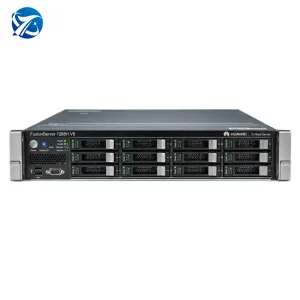
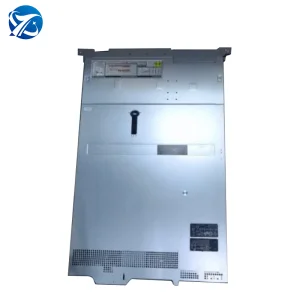
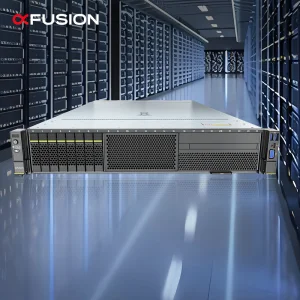
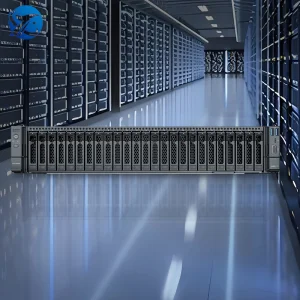
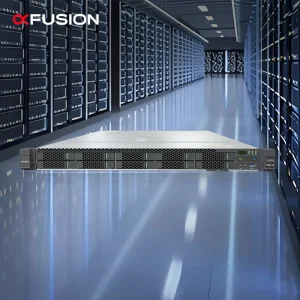
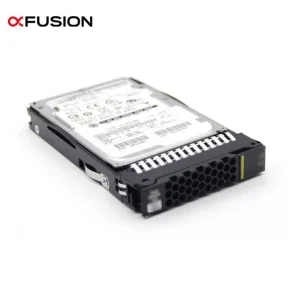
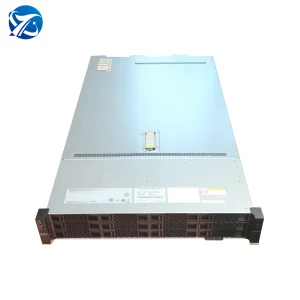
The transition of global enterprise servers to the V7 and next-generation iterations marks a foundational shift in how datacenters handle large-scale data sets, machine learning topologies, and cloud microservices. V7 server solutions represent more than a minor iteration; they integrate high-throughput PCIe Gen 5 buses, DDR5 memory interfaces running at up to 5600 MT/s, and optimized Compute Express Link (CXL) sub-systems. This technological leap addresses the "memory wall" that previously constrained V5 and V6 server nodes under memory-intensive computational loads.
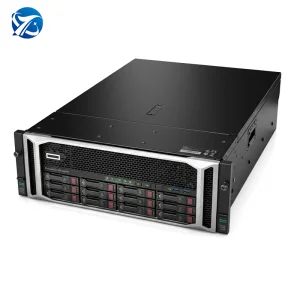
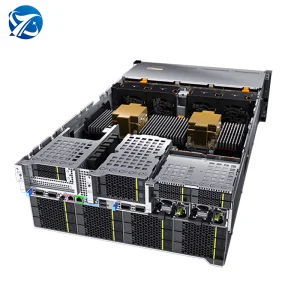
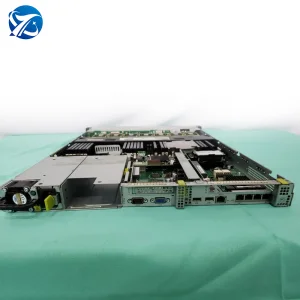
Furthermore, V7 solutions focus on multi-socket high-density server configurations, such as the 2U 4-socket configurations. By integrating enhanced Thermal Management Systems (TMS) and intelligent system cooling, V7 architectures can sustain high TDP CPUs and high-power AI GPU accelerators without thermal throttling. This design is crucial for modern frameworks where predictable performance is key to maintaining operational SLAs.
Doubling the raw I/O throughput compared to PCIe 4.0, allowing high-performance NICs, SSD arrays, and enterprise accelerators to run at full bandwidth.
Provides up to 50% higher memory bandwidth than DDR4. This supports high core-count processors and mitigates bottlenecks in virtualization environments.
Advanced liquid-to-air cooling loops, multi-zone thermal sensors, and high-efficiency fan arrays reduce datacenter energy costs and support green compute goals.
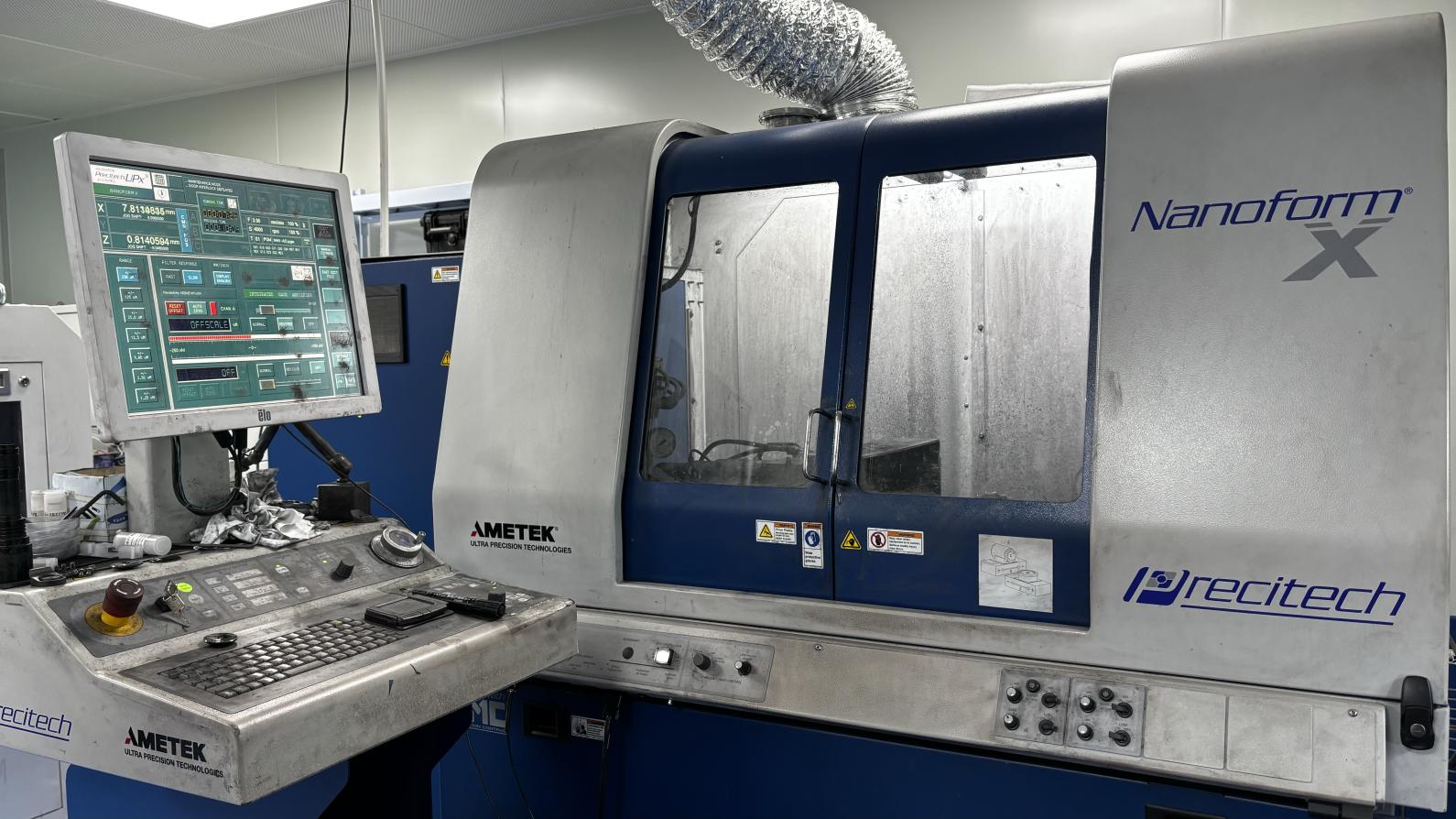
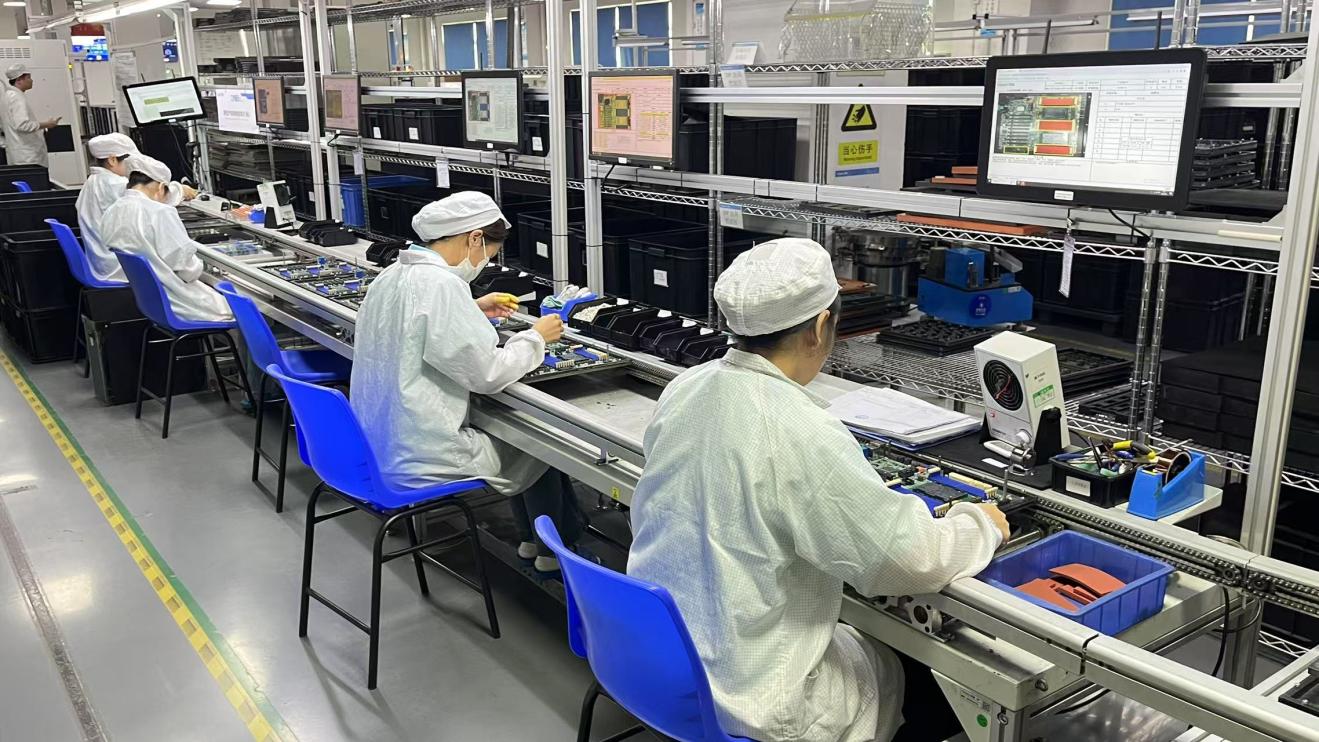
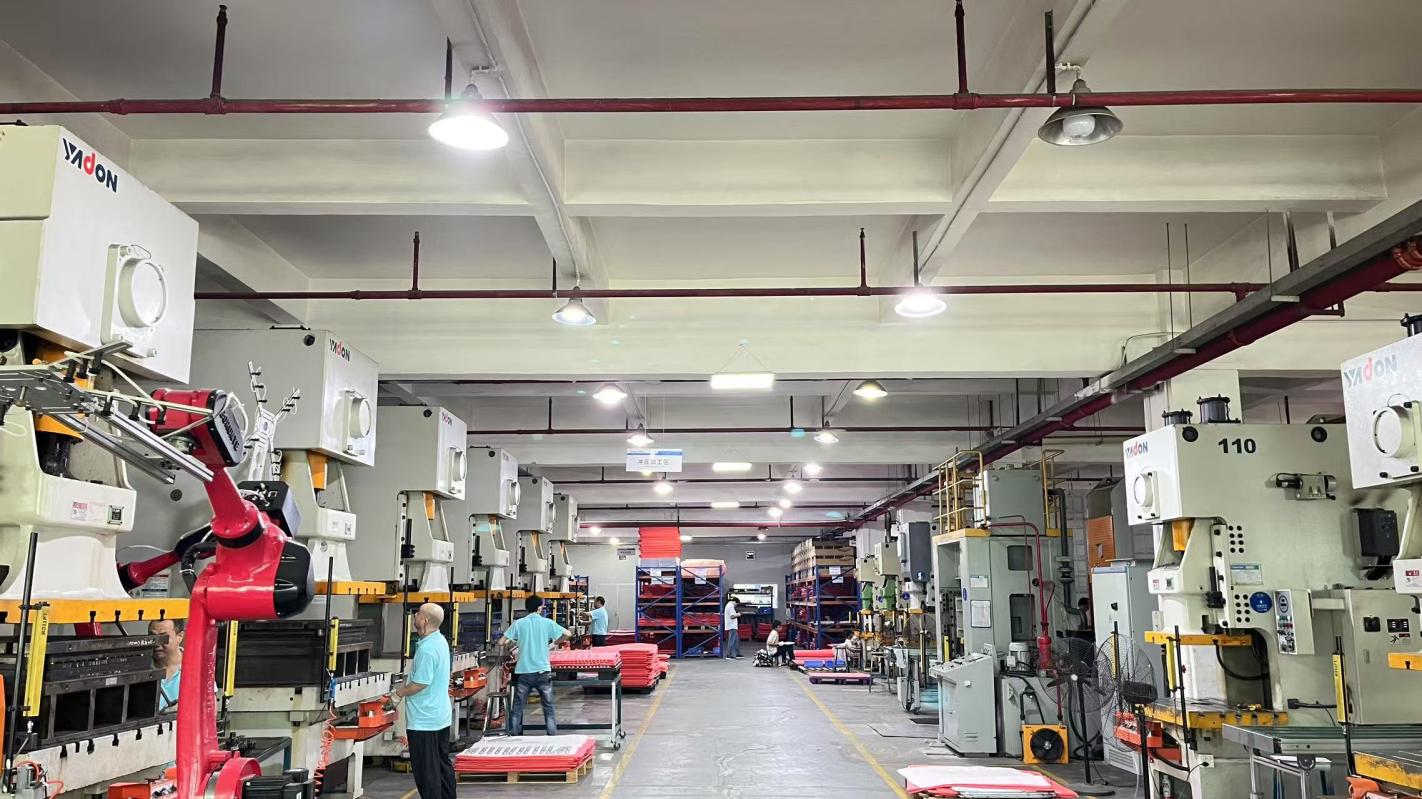
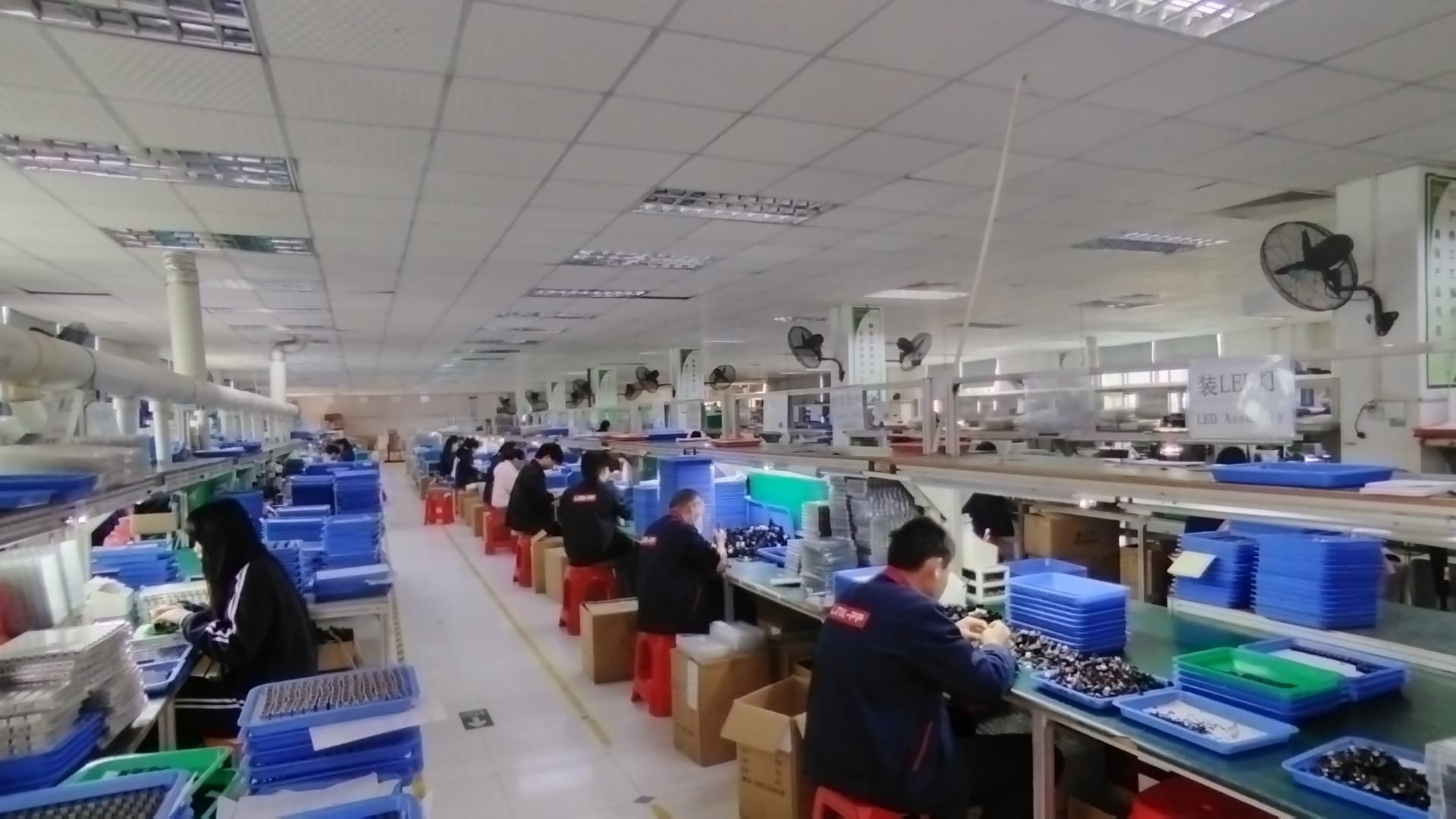
A look inside Borevo's advanced manufacturing capabilities, highlighting their production facilities, R&D design practices, and quality assurance processes.
Borevo AI Infrastructure (China) Co., Ltd. is a specialized hardware provider focusing on GPU system integration and AI infrastructure. With over 12 years of industry experience and 7 years in global export, the company bridges the gap between hardware component level manufacturing and ready-to-deploy enterprise servers.
Every server built at the Borevo manufacturing facility undergoes testing designed to meet global enterprise standards. Production begins with raw material verification and progresses through intermediate automated testing to final system validation. The testing suite includes Automated Optical Inspection (AOI), in-circuit functional testing, high-temperature environmental burn-in, and full-load stress tests. This rigorous approach helps maintain high reliability and performance under continuous workloads.
Borevo’s engineering team specializes in deep firmware customization, BIOS optimization, and structural thermal tuning. This allows hardware configurations to be adjusted for specific operating conditions, ensuring stable deployment in varying datacenter environments.
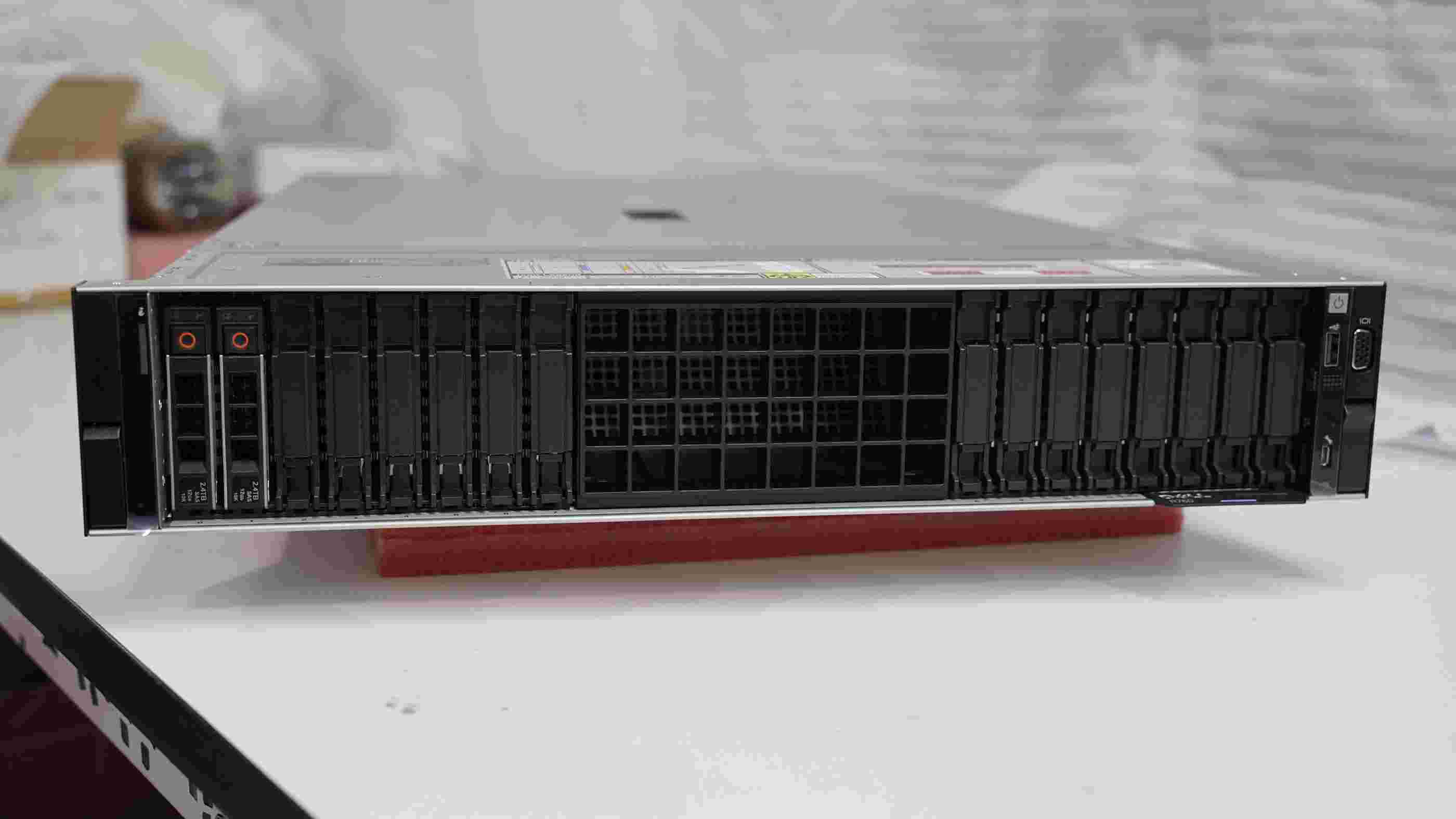
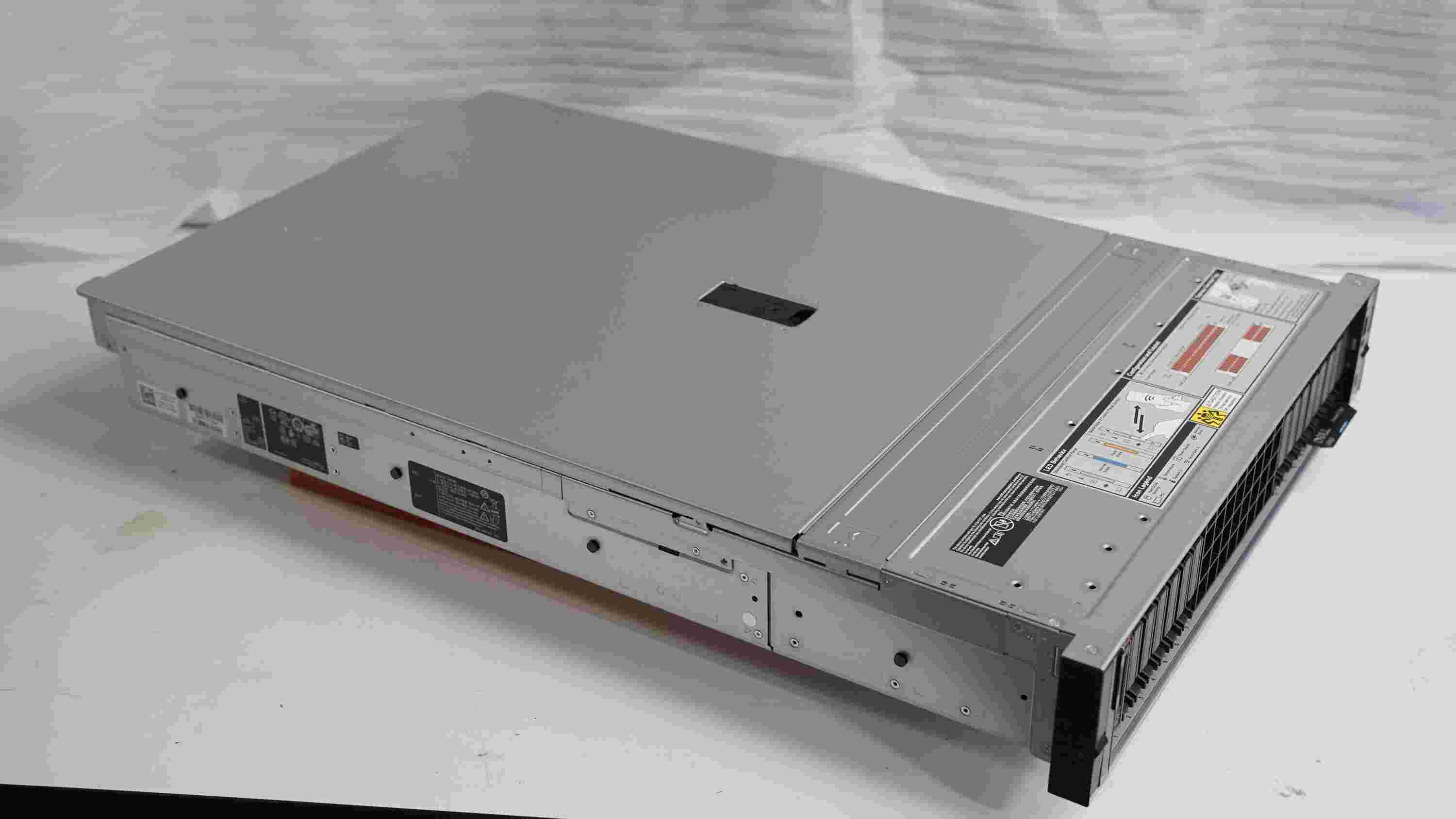
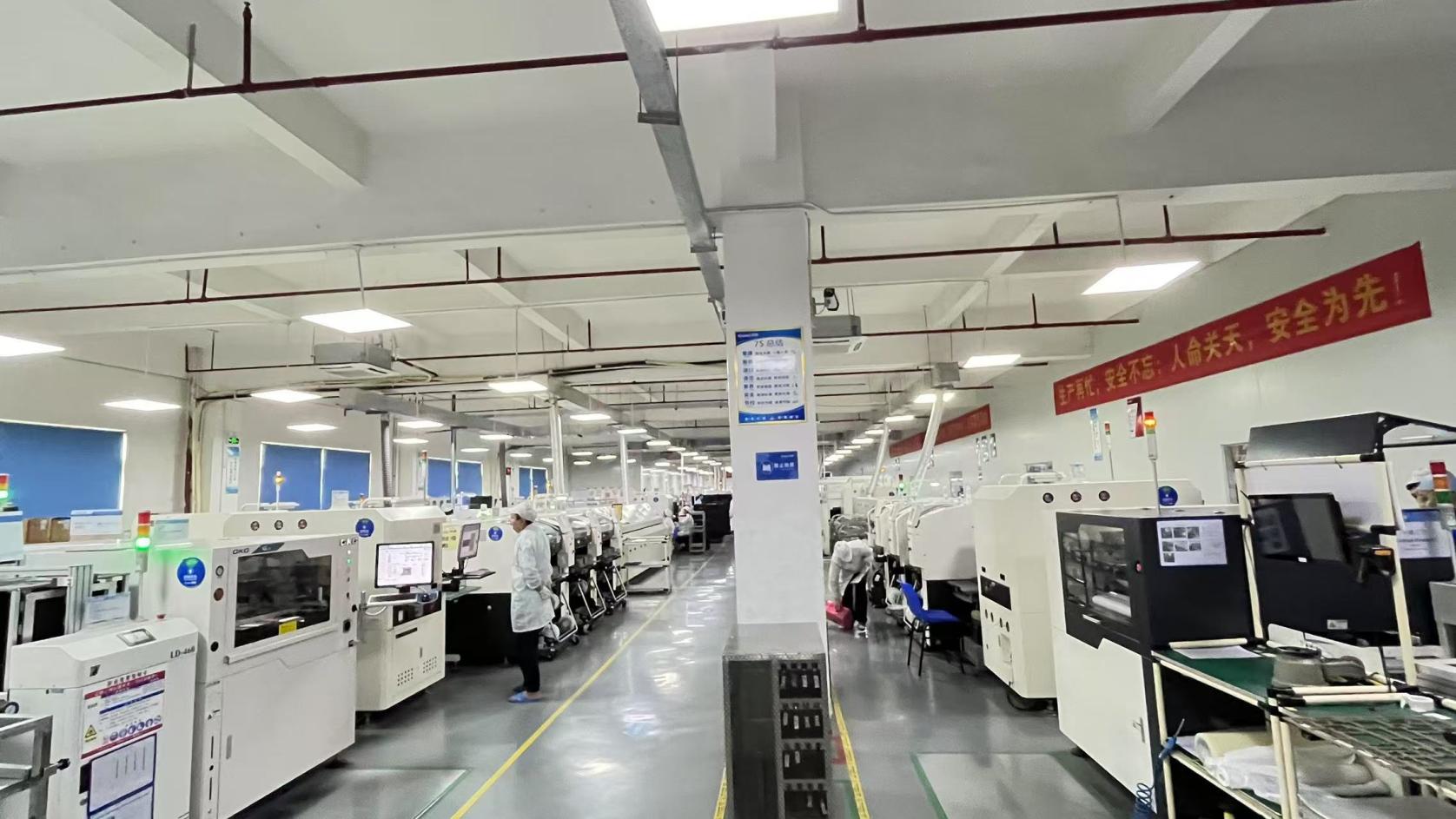
In the high-performance computing market, hardware manufacturers must maintain supply chain resilience. Borevo secures components through strategic relationships with approximately 850 supply chain partners. These collaborations cover semiconductor silicon, multilayer PCBs, thermal management materials, and advanced memory chips. By diversifying sourcing, Borevo helps shield clients from component shortages and geopolitical supply chain disruptions.
Borevo's primary markets include North America, Europe, and Southeast Asia. The company optimizes logistics and compliance programs to meet regional trade guidelines, including RoHS, CE, and FCC requirements. This proactive compliance structure simplifies integration into local datacenters and helps prevent import delays.
Delivering high-density, air-cooled clusters and GPU servers to enterprises requiring custom machine learning and AI inference configurations.
Providing hardware tailored to meet strict energy conservation standards, environmental regulations, and local data compliance guidelines.
Supporting rapid digital infrastructure expansion by providing flexible, cost-effective virtualization nodes and hyperconverged server frames.
V7 hardware architecture is designed to support modern, compute-intensive applications. Below are the primary deployment scenarios where V7 designs demonstrate distinct performance and operational advantages:
Large Language Models (LLMs) and deep learning frameworks require significant compute resources. DeepSeek-compatible server configurations utilize high-density GPU chassis alongside multi-channel memory to sustain complex, high-concurrency model training and real-time inference tasks.
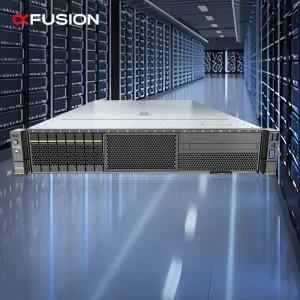
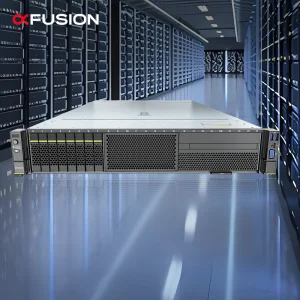
Modern enterprise IT rely on software-defined storage and computing. Systems like the 2288H V6/V7 series consolidate virtualization layers, software-defined storage, and networking into a unified chassis, helping lower operational overhead.
Database engines demand low-latency storage I/O and high memory bandwidth. V7 compute layers, configured with NVMe SSD arrays, accelerate transactional databases, CRM engines, and ERP platforms, improving performance under peak user loads.
Developing next-generation server solutions to support future data environments.
Integrating CXL 3.0 architectures to enable memory-sharing and pooling across multiple compute chassis. This design allows disaggregated resources to scale dynamically as application demands change.
Adopting liquid cooling loops designed to manage chips with thermal profiles exceeding 500W. This system uses closed-loop manifolds and fluid connections to improve heat dissipation and lower Power Usage Effectiveness (PUE) ratings.
Implementing security measures directly on the motherboard silicon. Hardware-enforced root-of-trust, real-time memory encryption, and cryptographic isolation help protect data against firmware-level vulnerabilities and physical tampering.
Answers to common technical questions regarding server integration, upgrade cycles, and customization options.
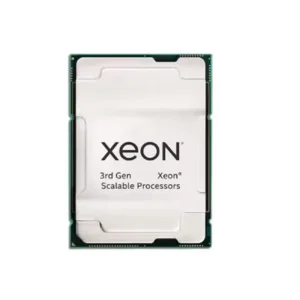
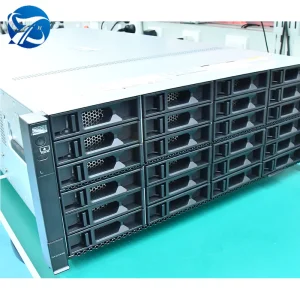
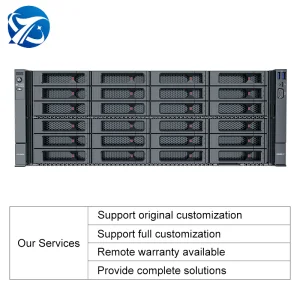
Processors, dense storage drives, and multi-socket high-performance servers designed to support hybrid cloud topologies and scaling operations.