Borevo
Borevo
Borevo
Discover state-of-the-art server solutions and core routing options engineered to eliminate bottleneck latency and boost overall network efficiency.
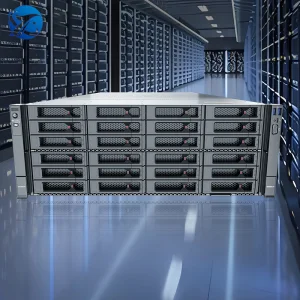
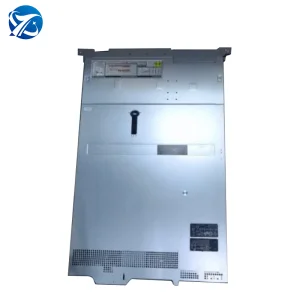

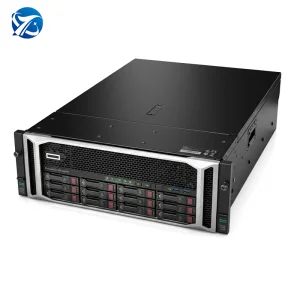

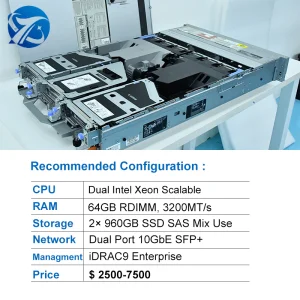
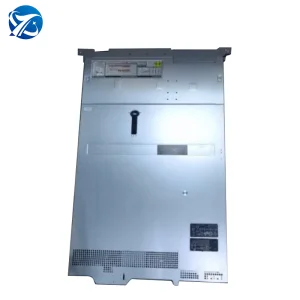
How physical server performance, caching configurations, and advanced GPU infrastructures directly determine the latency limit and data throughput of modern cloud systems.
In modern enterprise networks, the concept of network optimization has migrated from simple traffic shaping to a complete synthesis of high-performance compute integration, low-latency fabric design, and AI-accelerated routing layers. With the emergence of ultra-large LLMs like DeepSeek R1 and large-scale video analytics systems, standard switches and traditional routing mechanisms are no longer sufficient. Enterprise systems demand server environments designed to support deep parallel execution, low-latency memory caching, and PCIe Gen 4.0/5.0 communication channels.
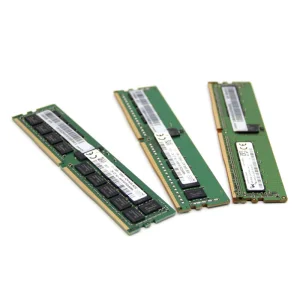
High-end network optimization platforms combine software-defined networking (SDN) with advanced hardware. By offloading packet routing and monitoring algorithms directly onto multi-GPU compute blocks and optimizing RAM registers (such as DDR5 ECC memory running at 4800MHz+), network operators can reduce end-to-end processing delays from milliseconds to microseconds. When selecting a network optimization supplier, international procurers prioritize physical system reliability, dynamic thermal control, and adaptive storage interfaces.
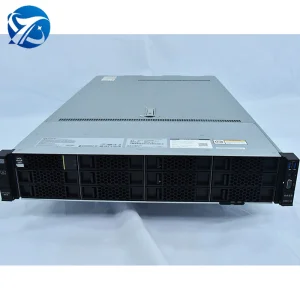
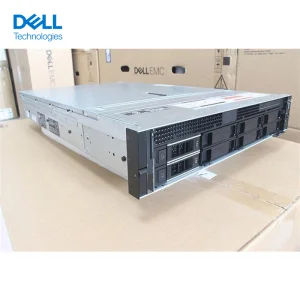
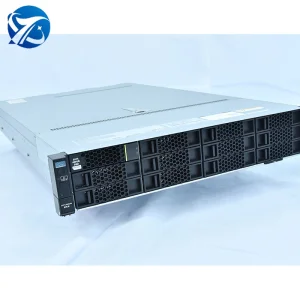
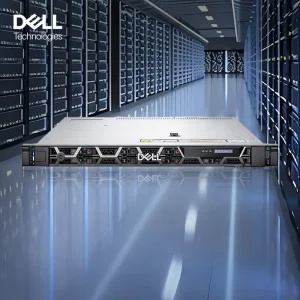
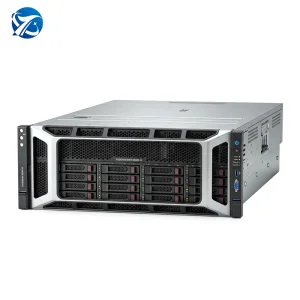
Utilizing high-performance server structures to maintain massive concurrent data streams without experiencing packet drop or thermal throttling under continuous network loads.
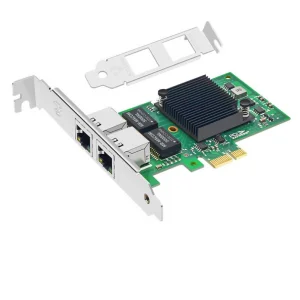
Integrating PCIe Gen 4.0/5.0 host bus adapters and standard high-bandwidth caches to support dynamic network packet processing and real-time analytical routing.
Deploying specialized inference servers, tailored for architectures such as DeepSeek, to predict congestion, balance hardware usage, and optimize routing paths dynamically.
Direct manufacturer of AI GPU platforms, specialized hardware accelerations, and enterprise optimization server solutions.
Borevo AI Infrastructure (China) Co., Ltd. stands at the forefront of AI hardware production and global network optimization design. We operate a highly specialized fabrication and assembly line focusing on GPU architecture integration, heterogeneous computing systems, and thermal-regulated rack server systems. Our setups are engineered to host high-performance network analysis tools, enabling cloud service providers and modern data centers to deploy optimized, zero-latency infrastructures.
Combining structural customization with global supply logistics, Borevo supports Tier-1 data platforms, enterprise cloud providers, and global industrial clients. With over 12 years of industry engineering experience, our solutions ensure structural reliability, high durability, and maximum data efficiency under high workloads.
From SmartNICs to hardware-based LLM offloading—understanding the evolution of processing layers.
Moving packet filtering, load balancing, and network traffic management off the central CPU. Dedicated Data Processing Units (DPUs) and intelligent network interface cards handle data encapsulation directly at the hardware layer.
Adopting Compute Express Link (CXL) structures to allow memory pooling across servers. This significantly boosts database caching performance and network diagnostic tools by eliminating typical interconnect limitations.
Using localized GPU nodes to analyze packet anomalies and perform real-time path re-routing. The network layer predicts congestion bottlenecks using integrated deep learning models, enabling self-healing networks.
How Borevo guarantees absolute hardware reliability through modern manufacturing processes and strict testing.
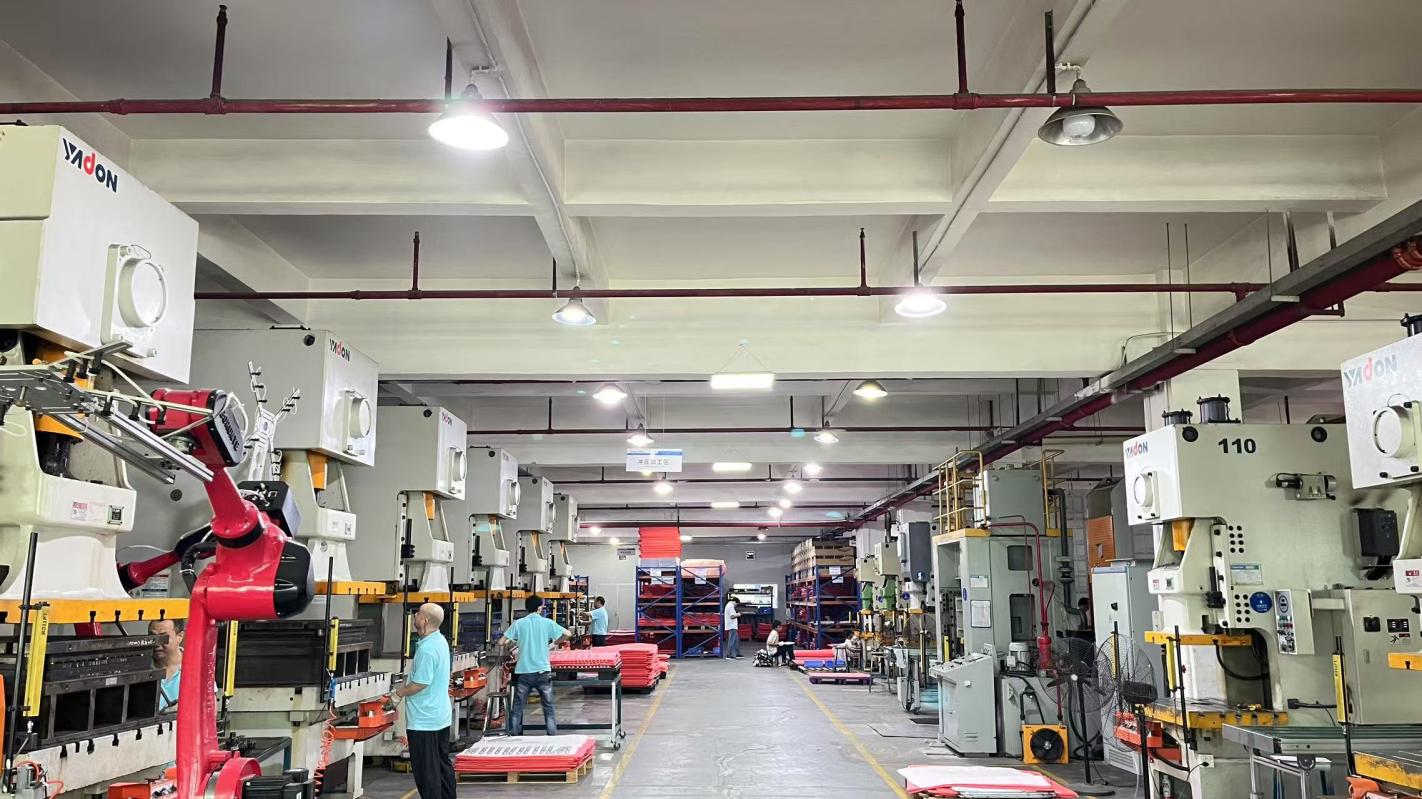
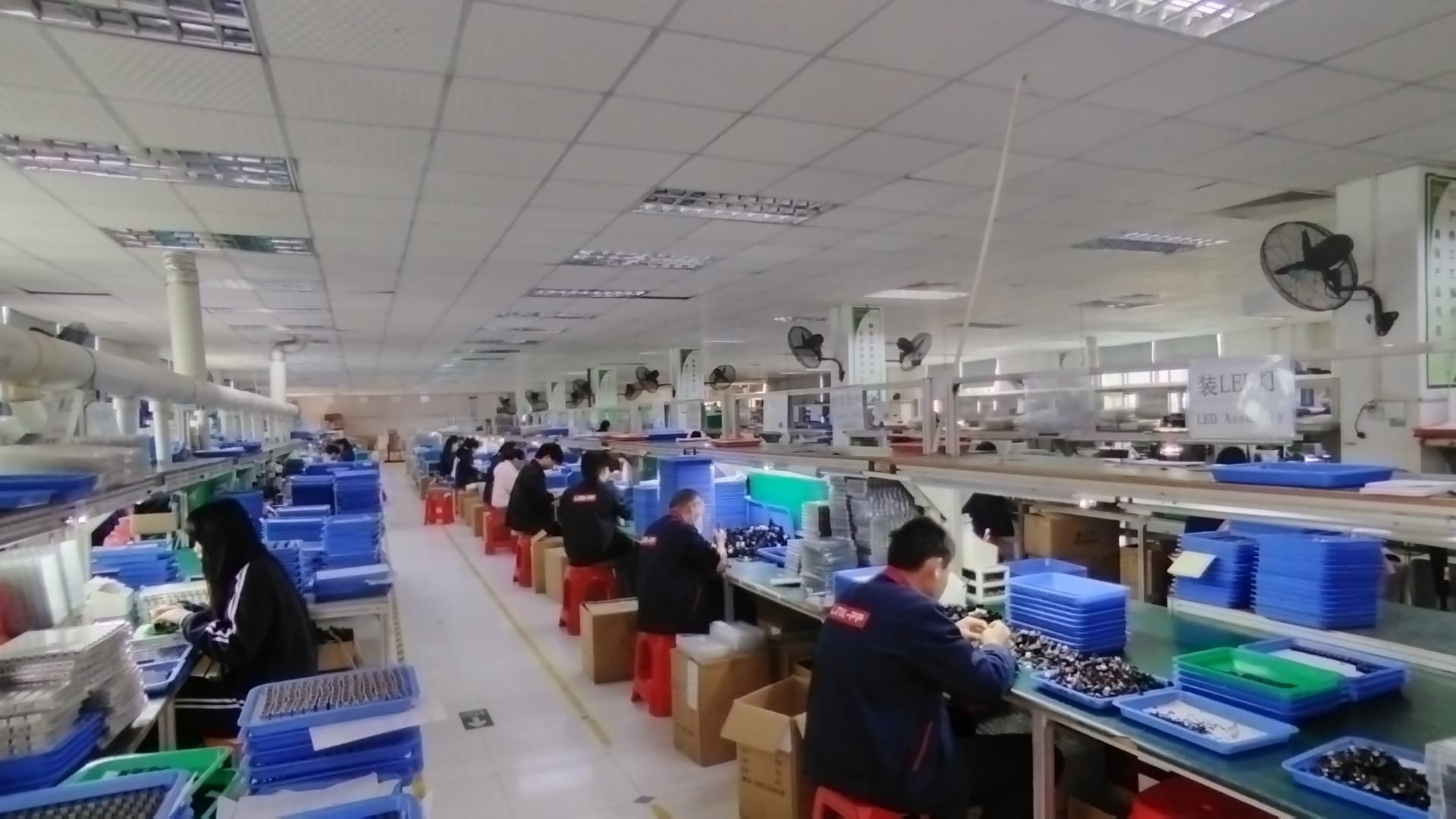
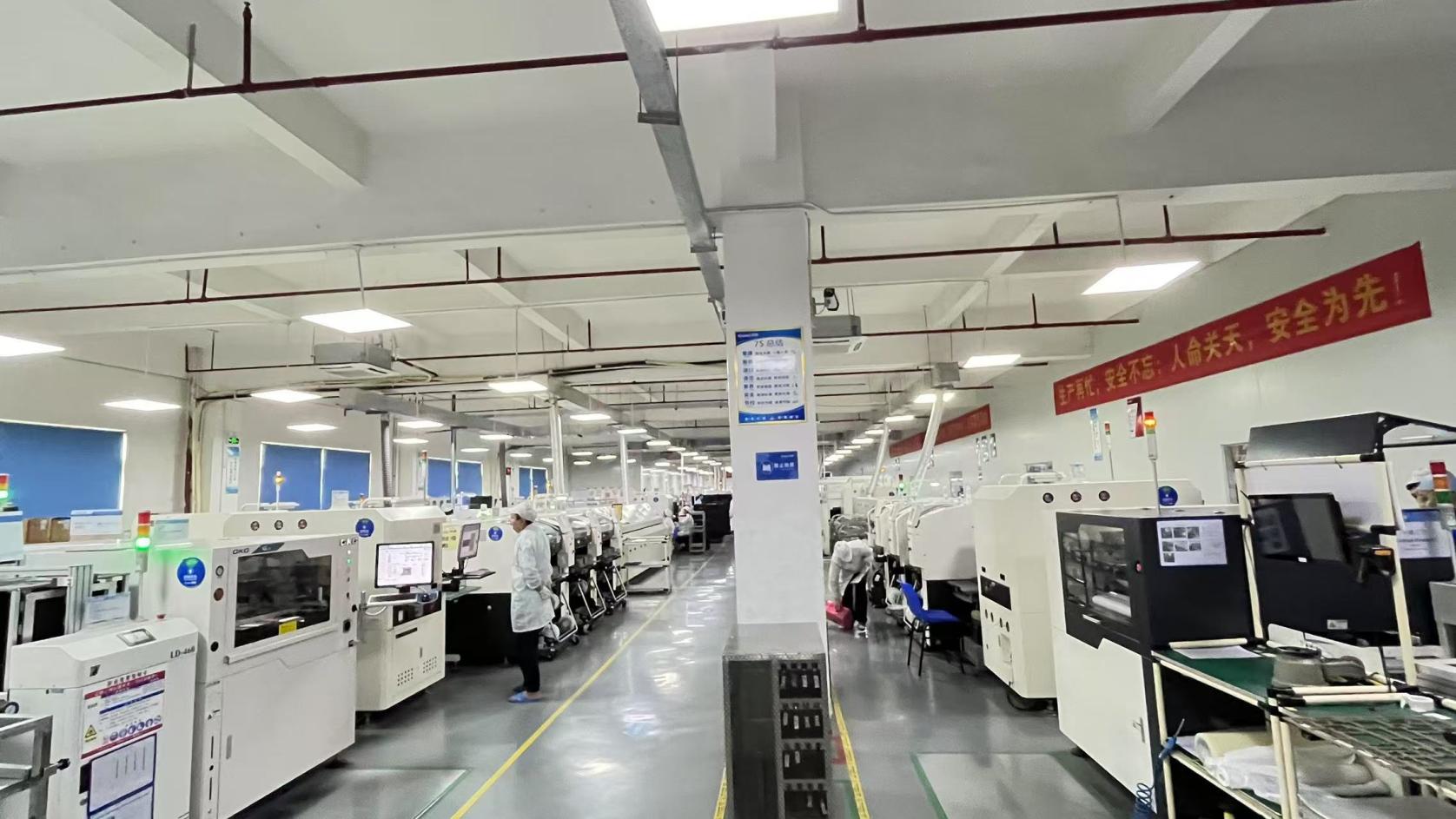
Reliable network optimization requires hardware that can operate 24/7 without performance degradation. At our 18,600 ㎡ production facility, we follow strict quality protocols to ensure all components, servers, and controllers meet international standards before dispatch.
Our quality assurance process consists of four main phases:
Thorough verification of all semiconductor boards, controller ICs, RAM models, and chassis materials from our network of 850 strategic partners.
Deploying advanced Automated Optical Inspection (AOI) systems during PCB assembly to detect circuit trace deviations and soldering inconsistencies.
Placing all completed systems in specialized thermal chambers to verify component reliability under high temperatures and heavy processing loads.
Running high-stress performance checks to confirm network processing speeds, PCIe throughput, and cache efficiency match enterprise requirements.
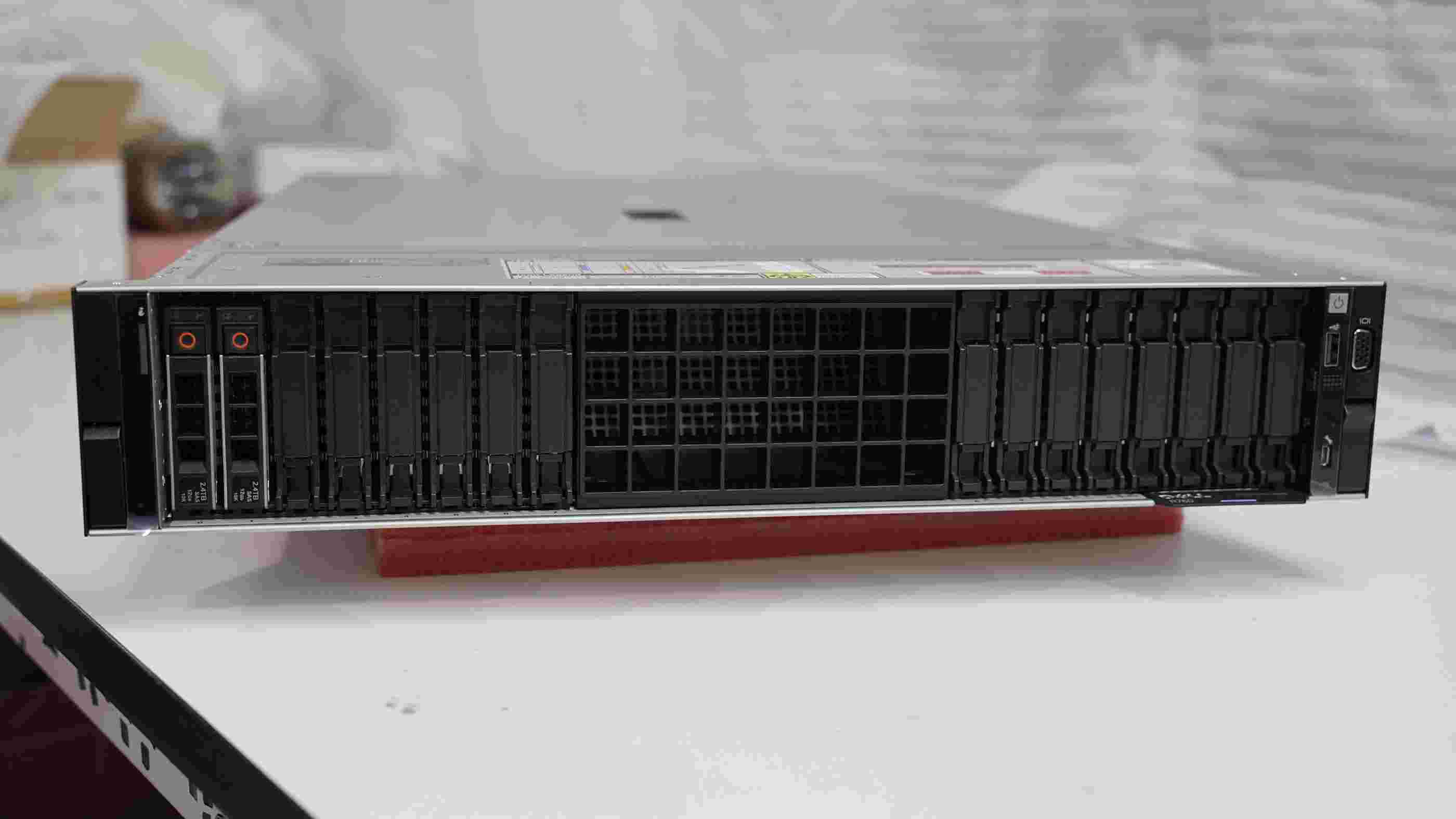
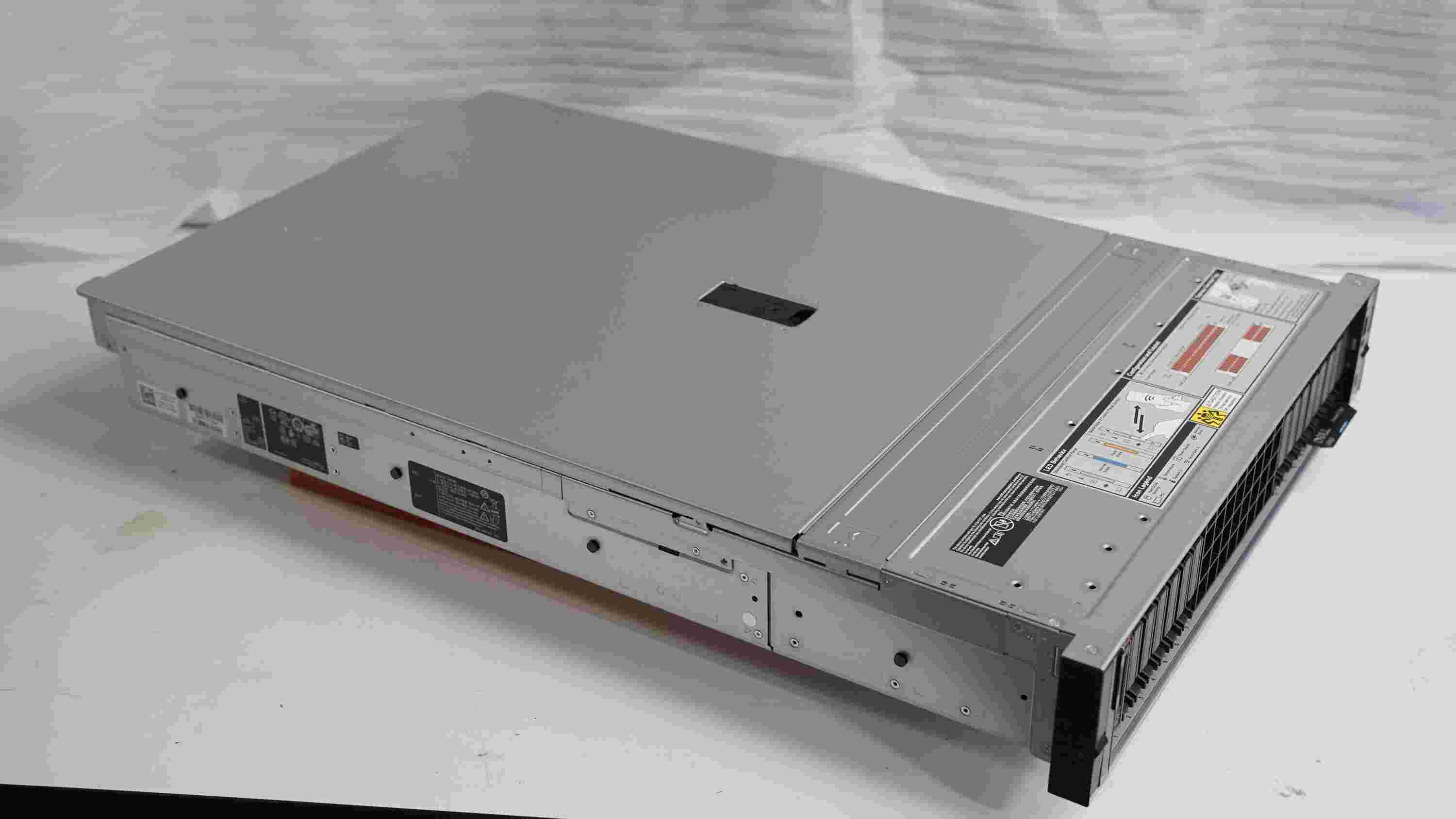
Inside our state-of-the-art production environments, server assembly stations, and testing centers.
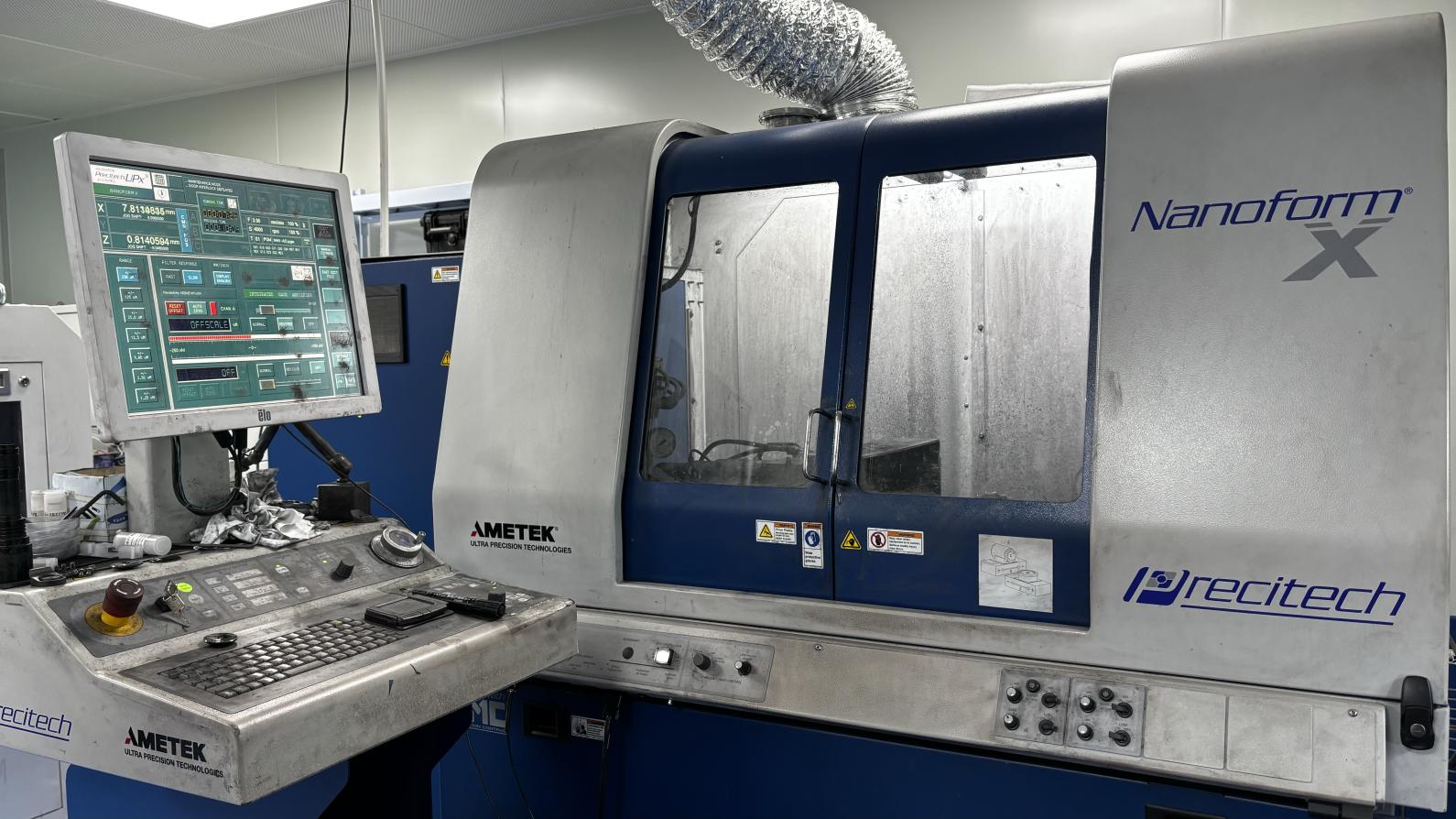
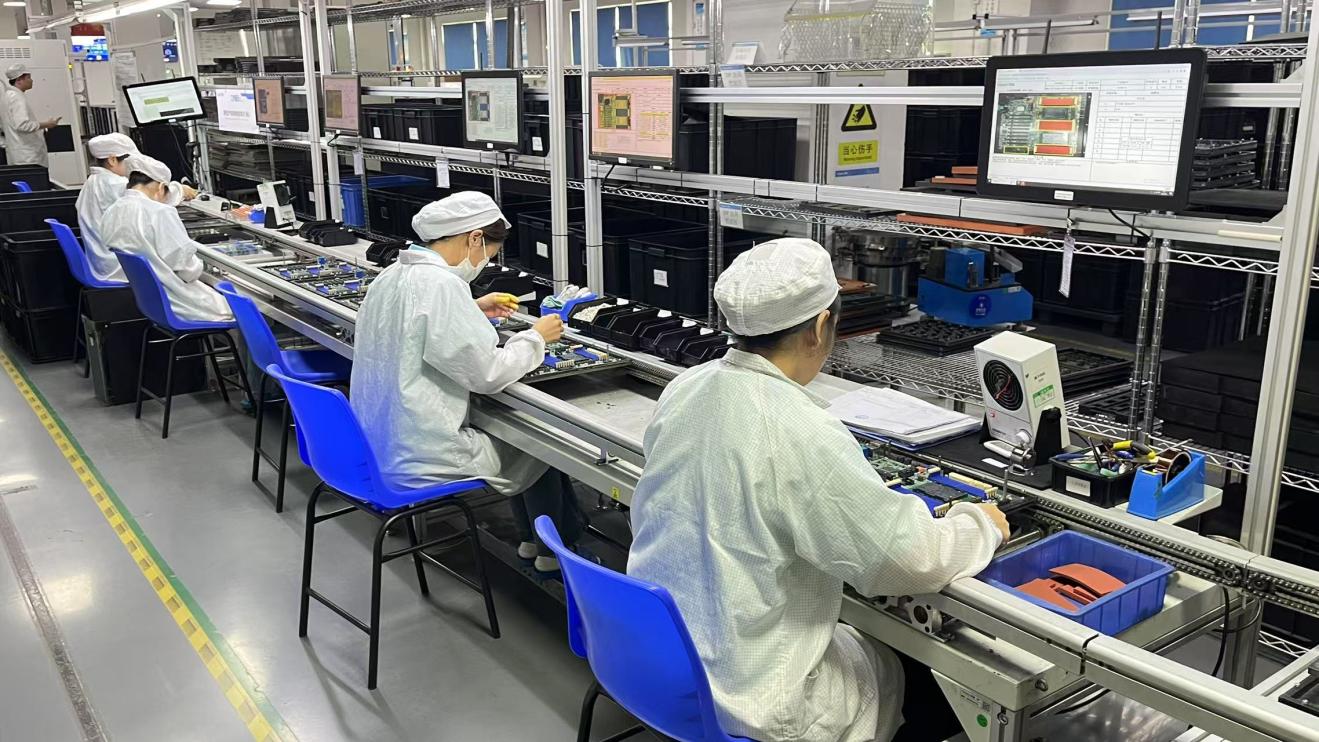
Tailoring hardware and network integration to meet your specific industry requirements.
We modify BIOS, firmware settings, and RAID card drivers (such as PCIe Gen 4.0 controllers) to ensure compatibility with your existing software stack and optimize resource distribution.
We design custom heatsinks, high-velocity fan arrays, and liquid-cooling paths to maintain stable system performance in high-density data centers.
All delivered systems carry key certifications (CE, FCC, RoHS) and comply with local environmental and energy standards across North America, Europe, and Asia.
Answers to key technical questions from enterprise procurement teams and systems integrators.
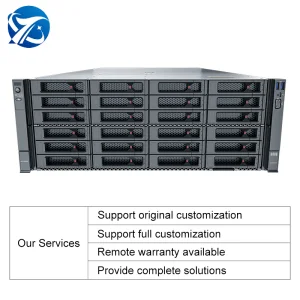
Explore additional compute nodes, storage drives, and memory models designed for demanding enterprise workflows.