Borevo
Borevo
Borevo
Explore high-performance compute hardware designed to process intensive load-balancing tasks, database routing, and cloud operations.
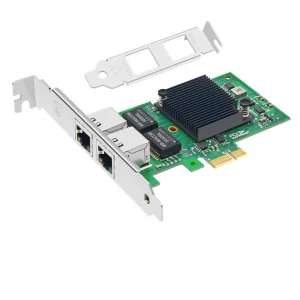
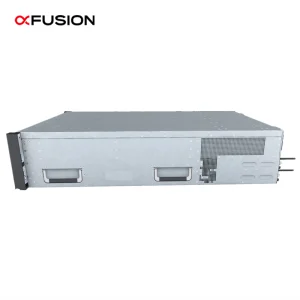
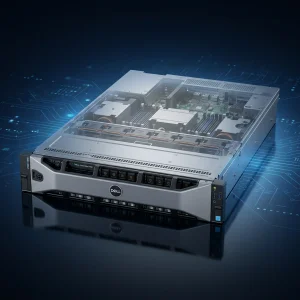
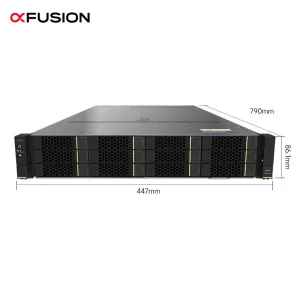
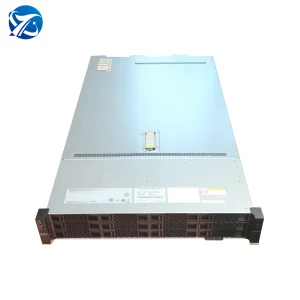
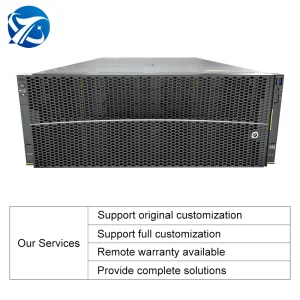
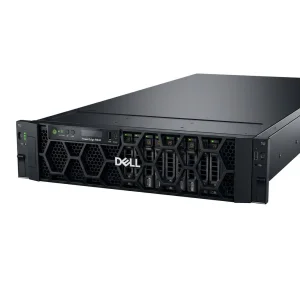
As microservice architectures, enterprise cloud migrations, and high-concurrency applications continue to scale exponentially, traditional software-only load balancers are hitting throughput limits. Today’s high-frequency web networks and large language model (LLM) training pipelines demand hardware-accelerated Application Delivery Controllers (ADCs) and load balancing nodes that operate at physical-layer line speeds.
Modern load balancing solutions distribute incoming IP traffic across a fleet of high-performance backend server systems. By decoupling application logic from distribution logic, enterprise networks avoid single points of failure, mitigate Distributed Denial of Service (DDoS) impacts, and achieve ultra-low latency. Sourcing these complex hardware infrastructures requires direct partnership with robust systems integrators capable of customizing hardware pipelines for maximum compatibility and thermal efficiency.
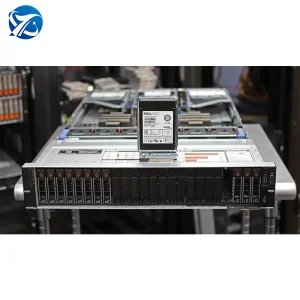
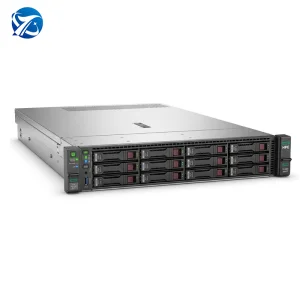
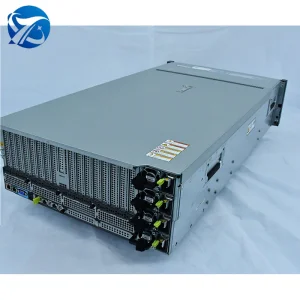
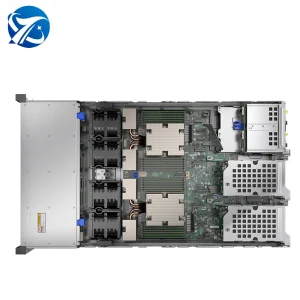
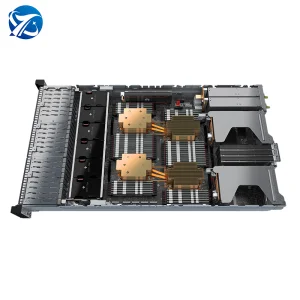
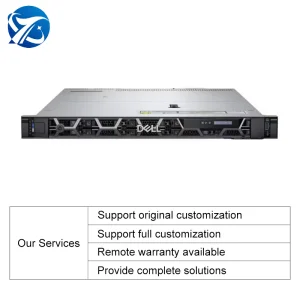
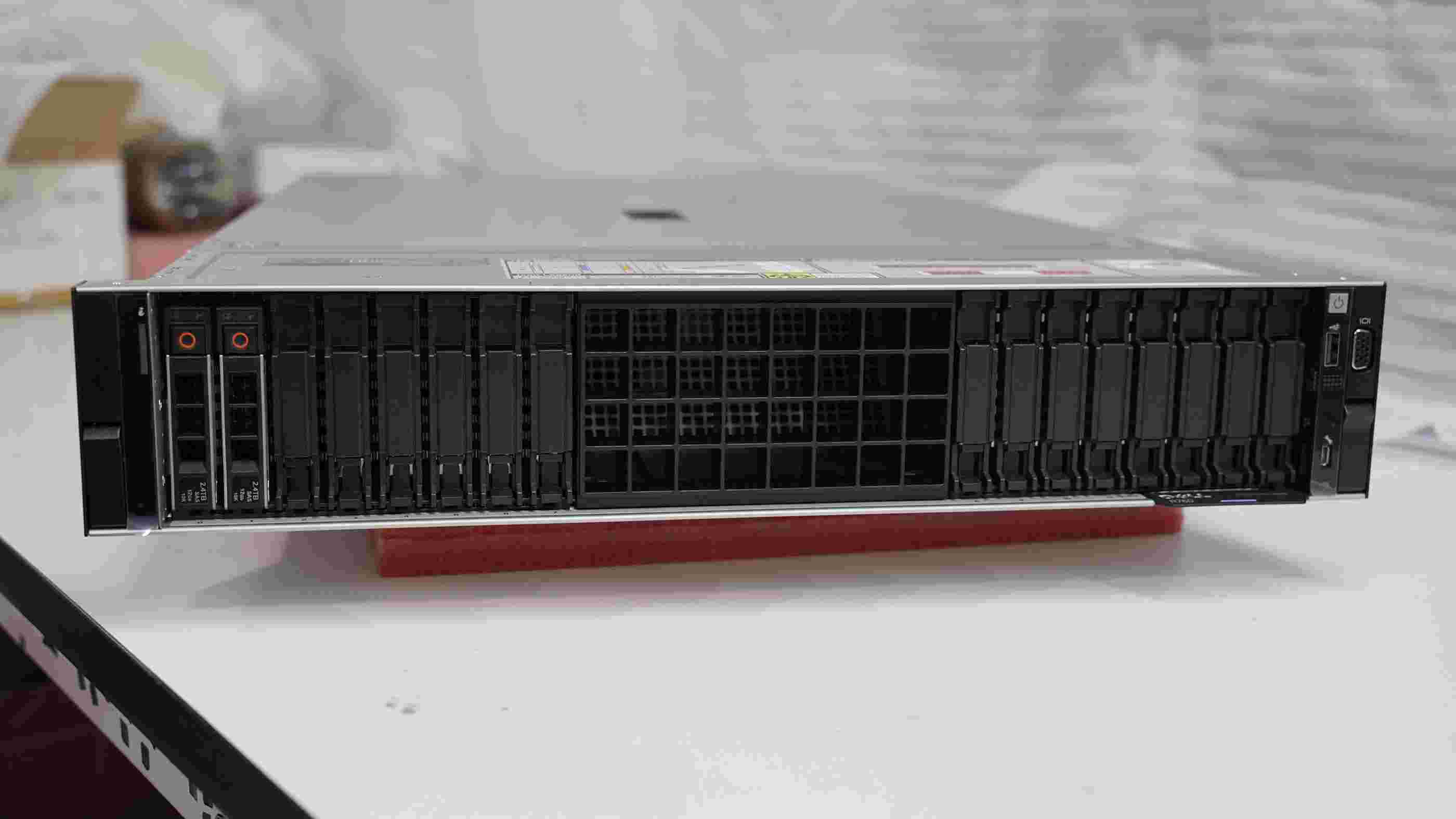
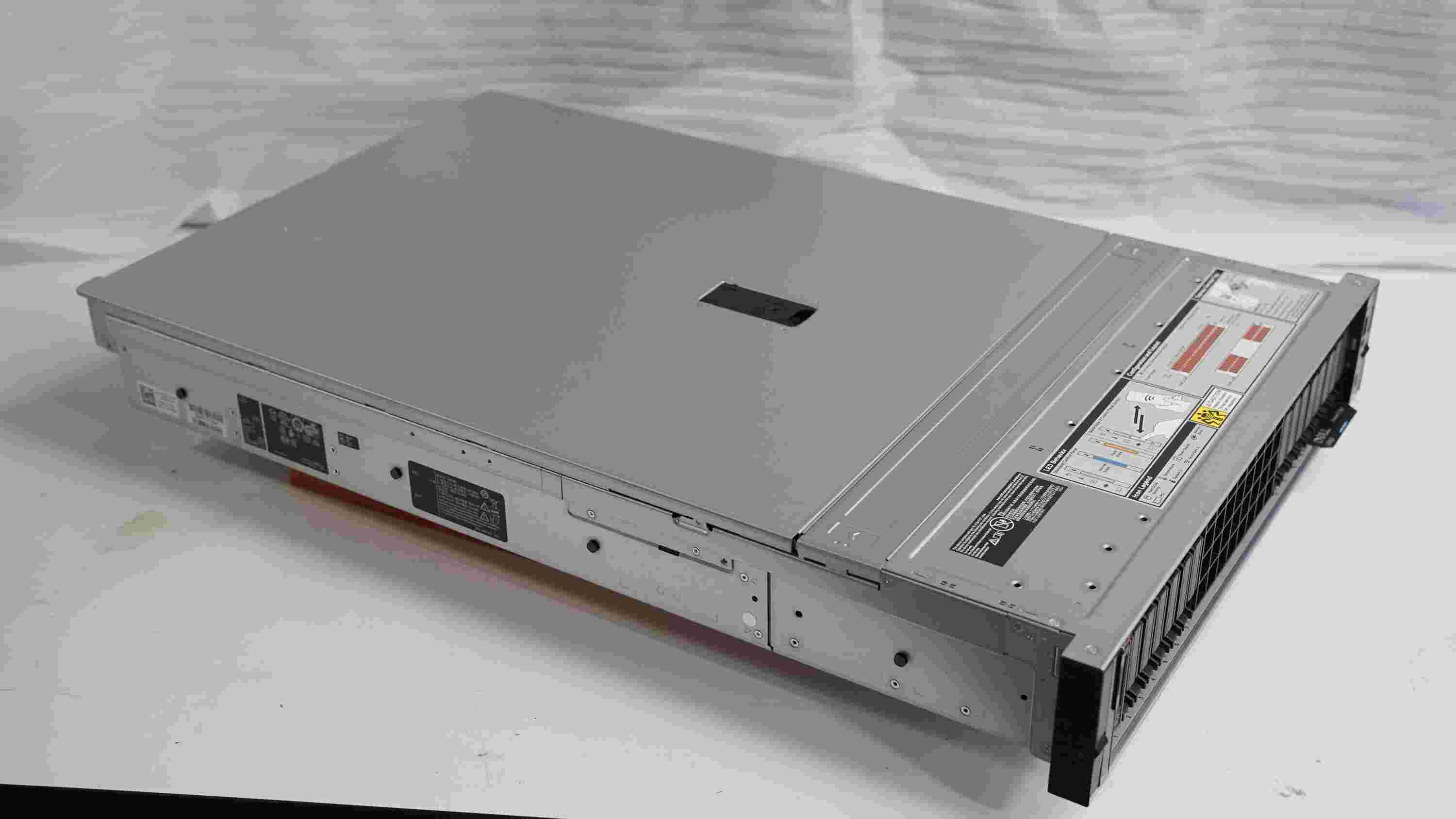
A load balancing policy is only as robust as the servers serving the backend pools. Enterprise computing infrastructures utilize 1U/2U Rack Mount Servers, GPU acceleration clusters, and intelligent SAS/SATA RAID array architectures to process split payload queries instantly. Whether implementing Round Robin, Least Connections, or IP Hash algorithms, hardware nodes must maintain continuous runtime metrics to support health checks from the central load balancer.
By optimizing firmware configurations, PCB bus distribution, and local disk write-speeds (using enterprise SSD systems like the PM893), systems manufacturers dramatically lower response times, keeping load-balancing switches running at near-zero queues.
A comprehensive assessment of leading entities driving enterprise load distribution innovation via hardware design, software ADCs, and ODM services.
A closer look at Borevo AI Infrastructure (China) Co., Ltd. - Sourcing & engineering high-density hardware backplanes for global load balancing nodes.
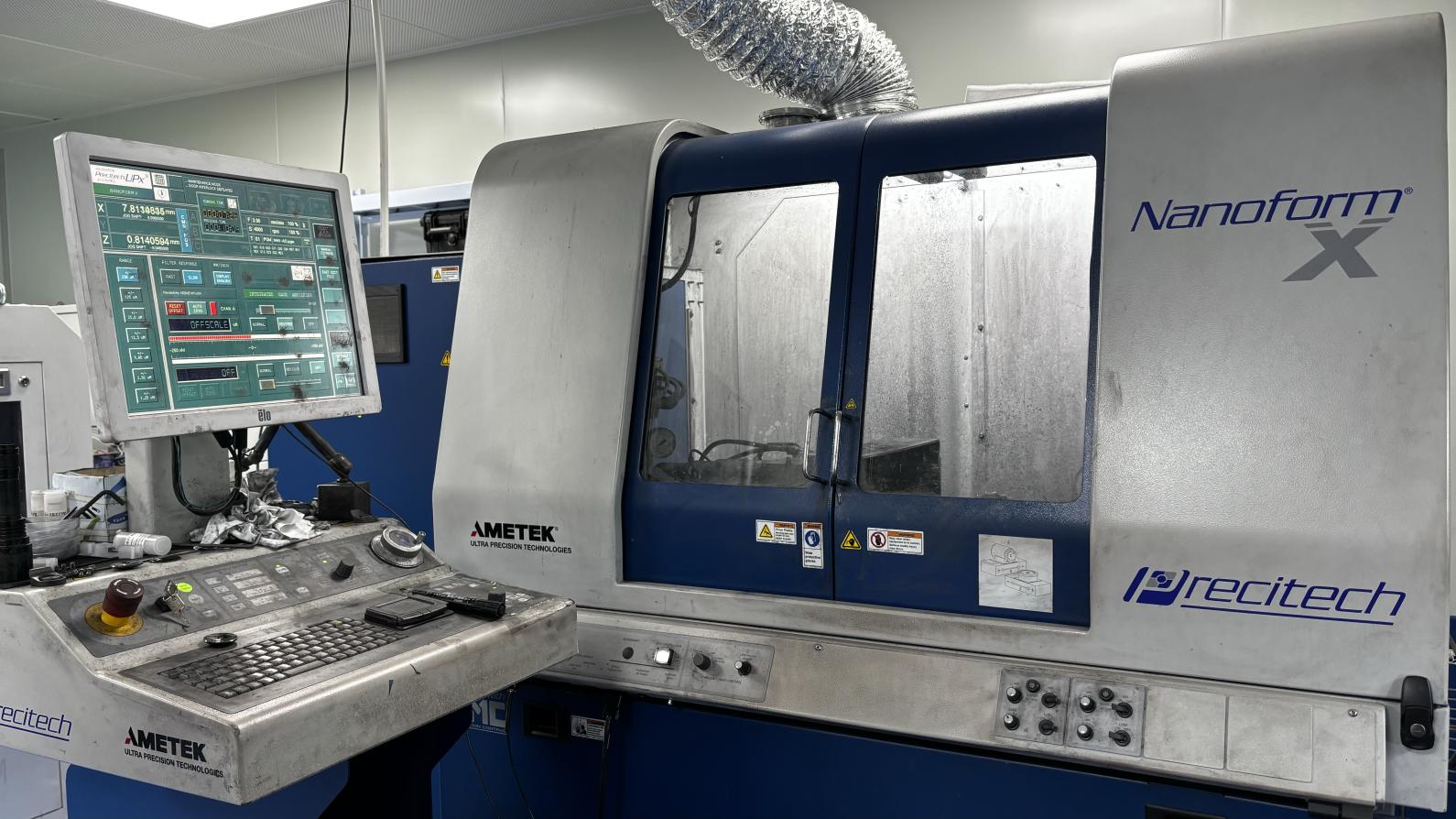
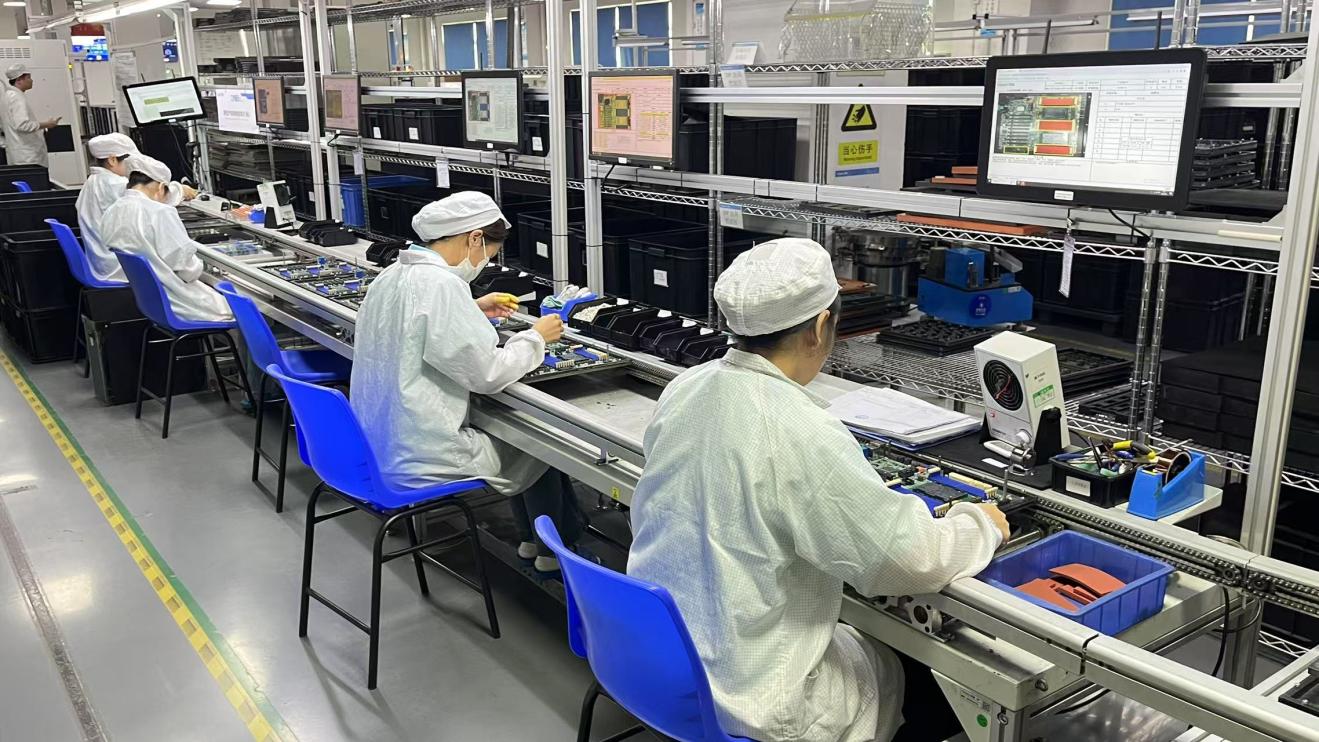
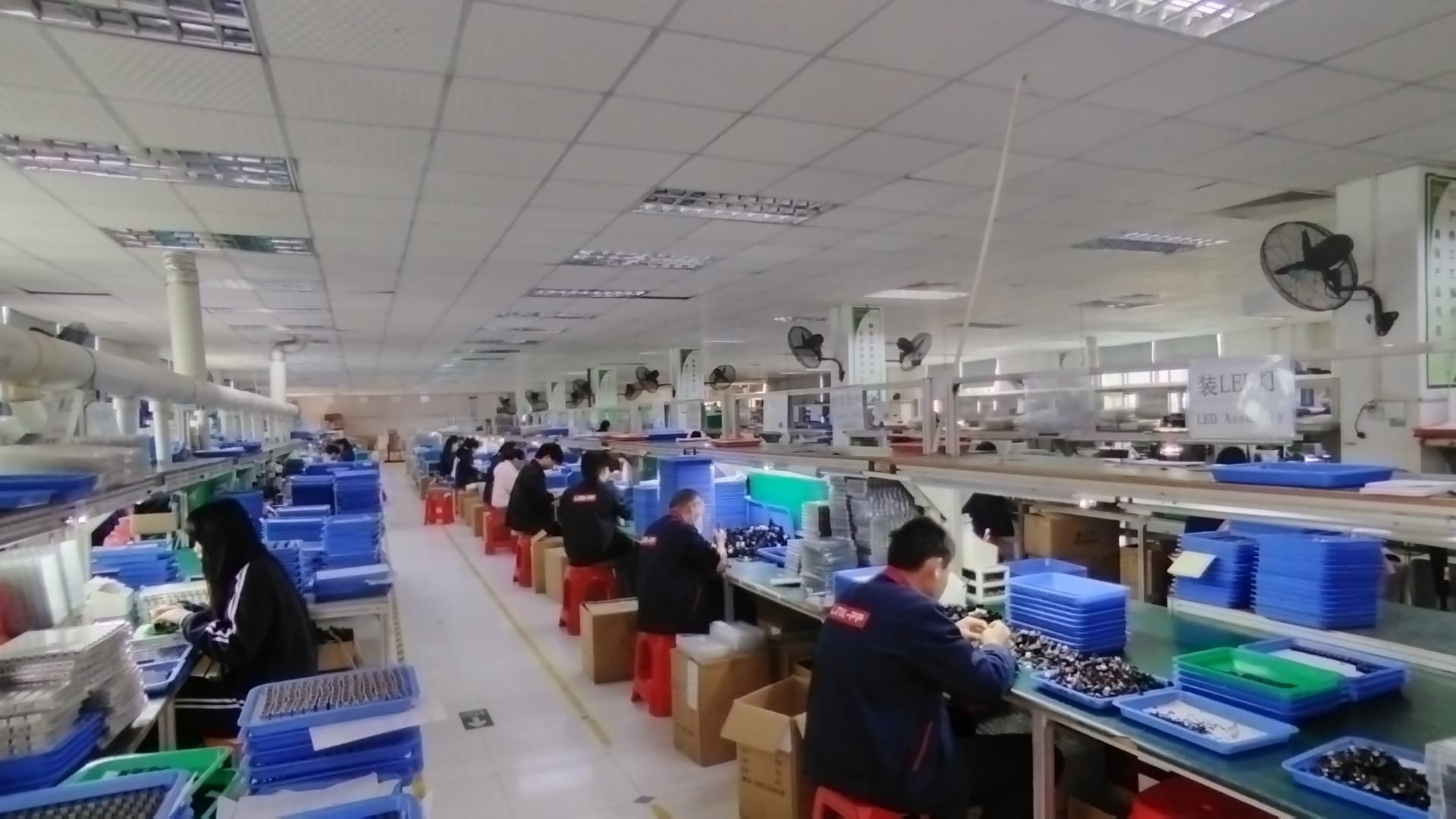
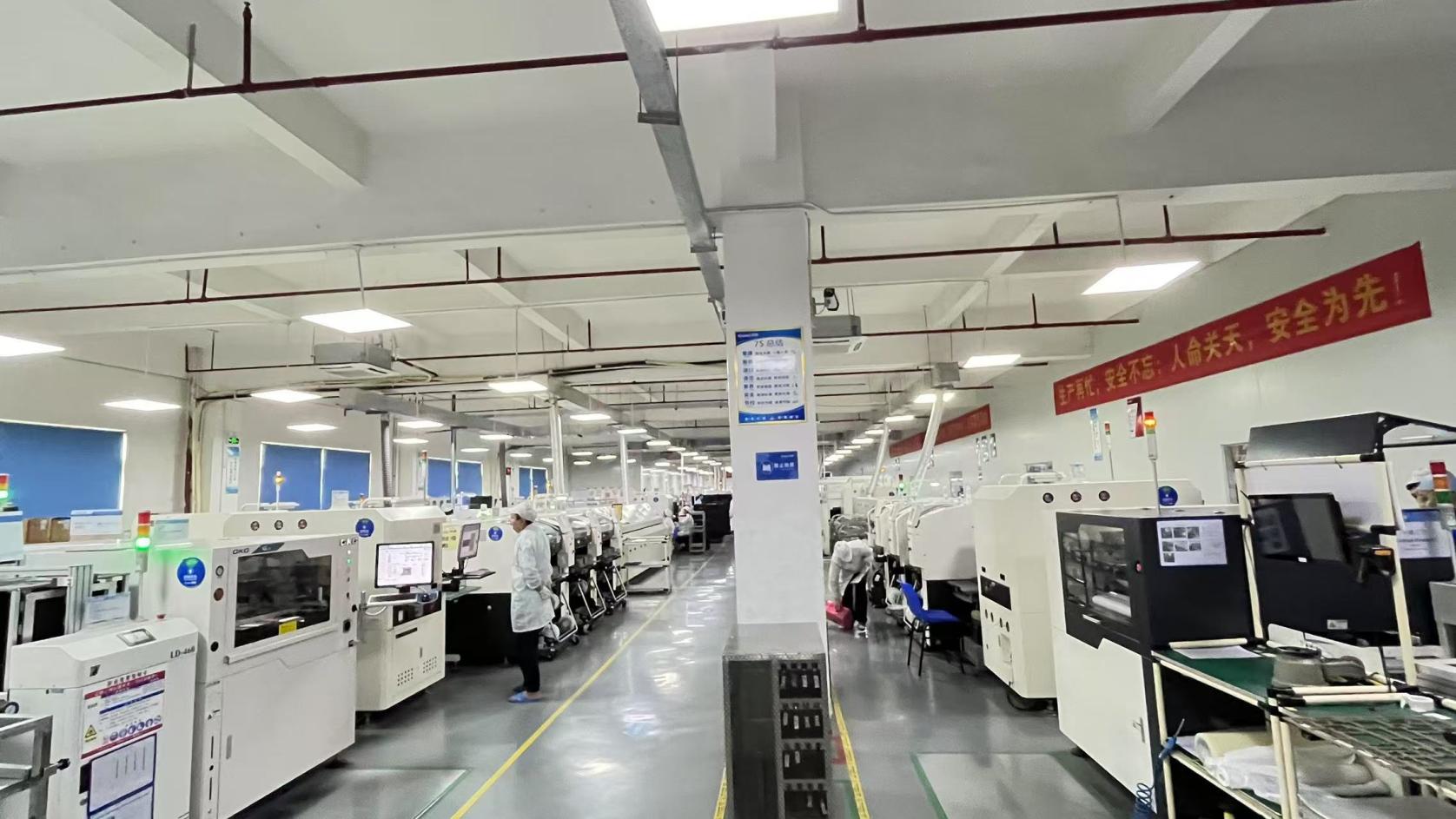
Maintaining high-concurrency network servers requires meticulous physical manufacturing control. At Borevo, we deploy a **45-person Quality Control Team** that oversees every stage of production—from incoming component inspection to thermal profiling and raw electrical benchmarking.
To guarantee that server nodes running load-balancing operations maintain 99.999% uptime, we employ the following stress methodologies:
Every data center has its own architectural philosophy. To adapt, our **180-engineer R&D division** works directly with enterprise clients to build highly custom configurations, including:

Certified Export Standards
Different regions face divergent network compliance directives. For example, enterprise clusters within North America and Europe must satisfy strict FCC, CE, and WEEE requirements. In contrast, cloud zones in Southeast Asia must focus on energy-efficiency ratings to counteract tropical ambient climates.
Borevo's platforms are built to comply with global regulations, and we offer dedicated firmware variations tailored to regional security constraints (such as compliance with localized server component provenance rules). Additionally, our equipment features optimized PSU modules (80-Plus Titanium) that significantly reduce data center Power Usage Effectiveness (PUE) ratings.
As the network envelope expands toward **PCIe Gen 6.0** and **CXL (Compute Express Link)** interconnects, physical server nodes will execute memory sharing directly with next-gen load-balancer NICs. This eliminates traditional memory overhead and provides near-instantaneous packet redirection capabilities.
Our ongoing development roadmap is actively integrating CXL architectures and ultra-density optical transceiver paths to facilitate 800Gbps network interfaces, making Borevo servers the ideal bare-metal destination for future-proof load balancing schemes.
Insights on choosing, configuring, and scaling physical hardware for mission-critical traffic distribution pools.
Layer 4 load balancing operates at the transport level (TCP/UDP) and makes routing decisions based on IP address and port variables without inspecting data payloads. Layer 7 load balancing operates at the application level (HTTP/HTTPS) and routes traffic dynamically based on cookie identifiers, header tags, and URL strings. L7 requires significantly more server processing power (CPU/RAM cache) to decrypt SSL certificates and analyze payloads.
When web users trigger concurrent queries, server nodes must frequently fetch static database logs or read micro-cached state parameters. An array card with massive high-speed cache (like the XC470C-M-8i with 4GB cache and 12Gb/s support) minimizes read/write wait states, ensuring the backend node quickly completes requests and returns to the active pool.
Every piece of hardware undergo strict testing protocols (AOI, thermal stress, and burn-in phases) handled by our 45-person quality control division. All designs meet export-grade requirements for North American, European, and Southeast Asian cloud infrastructures, ensuring seamless system compatibility.
Yes. Our R&D division of 180 engineers provides full firmware adjustments, PCB configuration tuning, memory configuration optimizations, and thermal updates to align our servers with your target software-defined networking (SDN) protocols.
Complete your load balancer architecture with high-performance solid-state drives, rack-mount servers, and auxiliary components.