Borevo
Borevo
Borevo
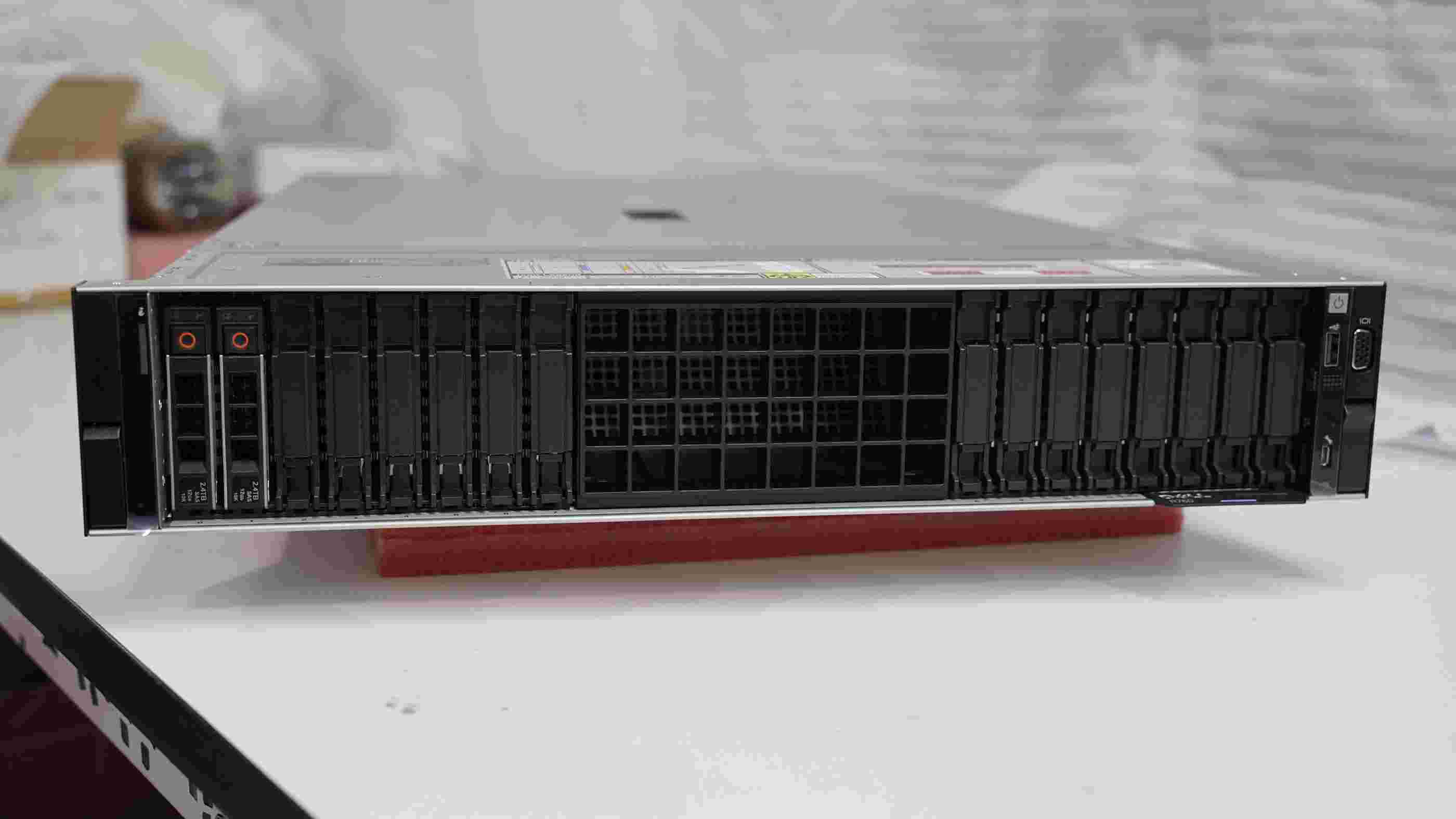
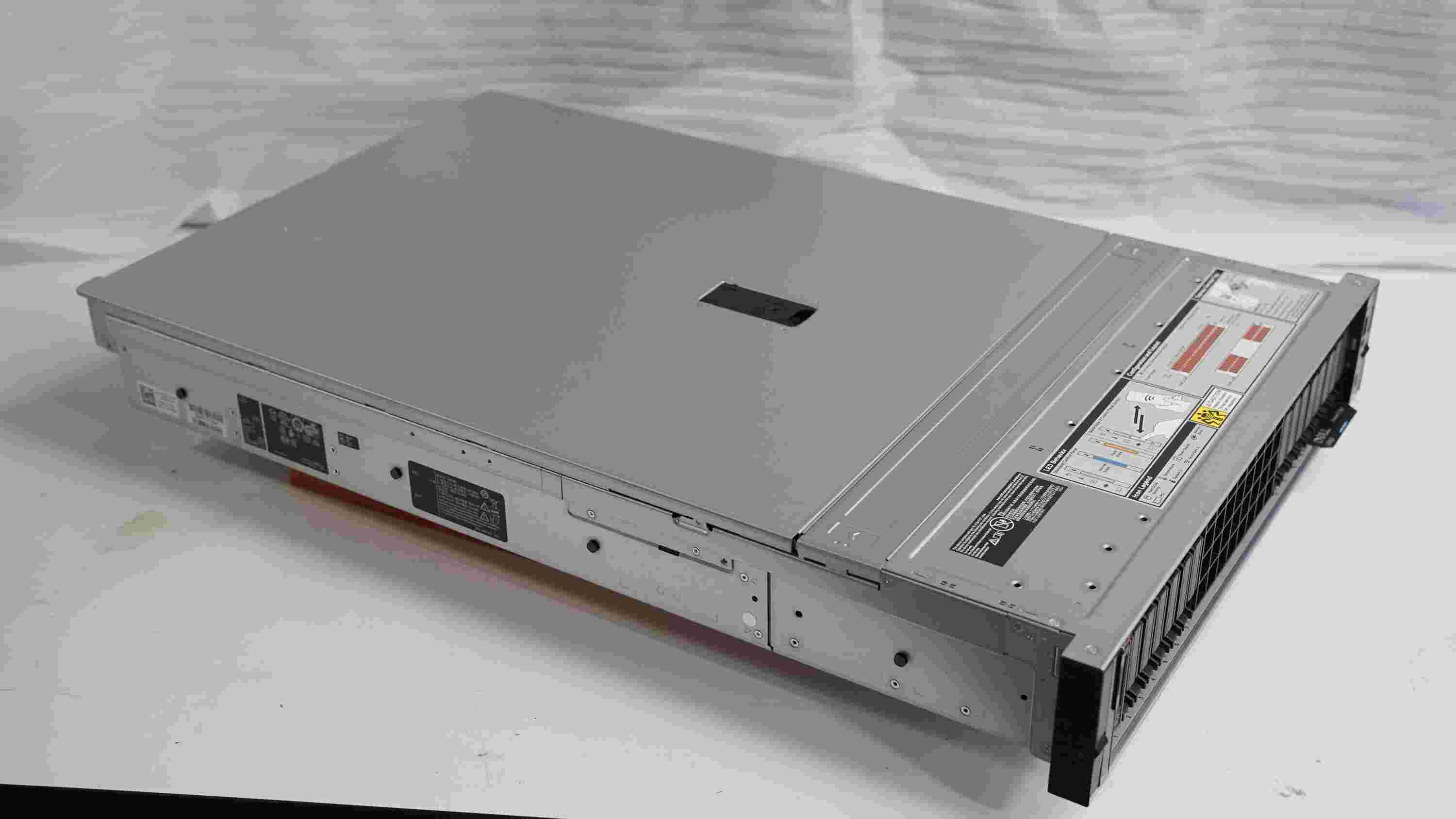
High-availability rack systems and virtualization engines selected for operational redundancy and business continuity.
In an era defined by hyper-scale cloud deployments, real-time AI inference (e.g., DeepSeek models), and distributed data processing, Business Continuity (BC) has transitioned from an operational insurance policy to a core engineering discipline. Modern enterprise workloads demand more than simple virtual backups; they require underlying physical hardware engineered for fault tolerance, ultra-low latency failover, and high-performance computing (HPC) density.
This white paper analyzes the structural architectures, high-availability servers, redundant storage mechanisms, and hardware supply chains required to maintain operational uptime under catastrophic circumstances. By focusing on physical server hardware, system architecture redundancies, and strategic supply chain engineering, global IT leaders can effectively minimize recovery point objectives (RPO) and recovery time objectives (RTO) to near-zero thresholds.
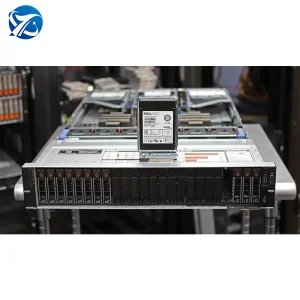
Deploying dual-socket and quad-socket servers equipped with redundant power distribution units (PDU), hot-swappable enterprise NVMe drives, and modular PCIe riser configurations.
Procurement paradigms for 2025 and beyond show a decisive pivot toward localized supply chains, multi-vendor hardware standardization, and integrated hardware-firmware security. Global enterprises are prioritizing solutions that offer:
| Resiliency Layer | Critical Hardware Component | Continuity Strategy & Redundancy Path |
|---|---|---|
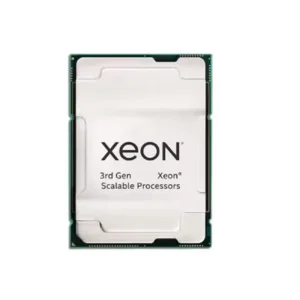
| Compute Redundancy | Dual/Quad Intel Xeon / AMD EPYC CPUs | Dynamic task scheduling, physical core isolation, active-active node clustering. |
| Storage Resiliency | Hardware RAID Controllers (e.g., SAS3908) | RAID 10/50/60 array configurations with dedicated 4GB cache write-back backup batteries. |
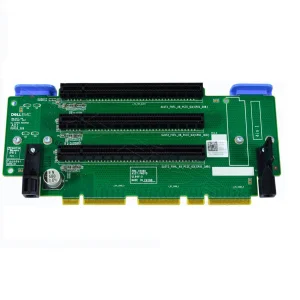
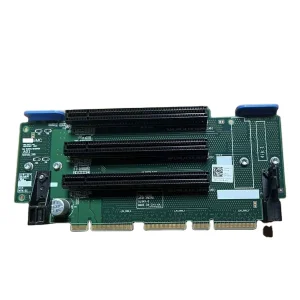
| Interface Expansion | PCIe Riser Cards & GPU Kits (R740/R7625) | Hot-swappable, isolated lane controllers preventing complete bus crashes during card failure. |
| Power Fault Tolerance | Titanium Grade Hot-Plug PSUs | 1+1 or 2+2 grid redundancy ensuring continuous power throughput. |
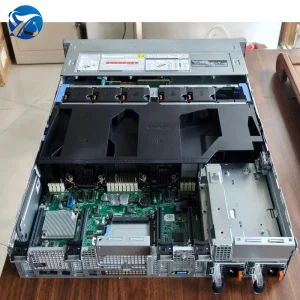
To build a robust business continuity layout, organizations must analyze the hardware architecture of leading enterprise servers. These systems act as the compute foundation for database replicas, hypervisors, and AI models.
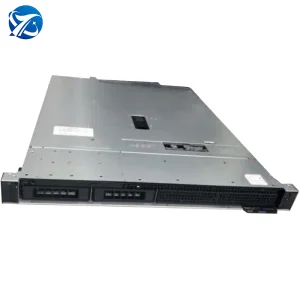
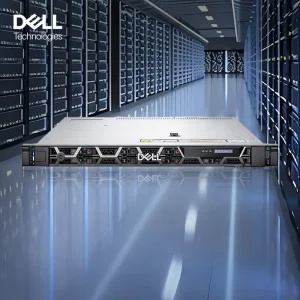
Dell's PowerEdge generation leverages advanced IDRAC9 management controllers to perform predictive analysis on hardware failures before they occur. The PowerEdge R660 provides high-density 1U dual-socket compute capacity ideal for virtual firewall barriers and edge database replicas. The PowerEdge R7625, powered by dual AMD EPYC 9654 processors and high-speed DDR5 memory, acts as an ideal core database host, processing huge workloads while using NVMe drives for instantaneous transaction write-backs.
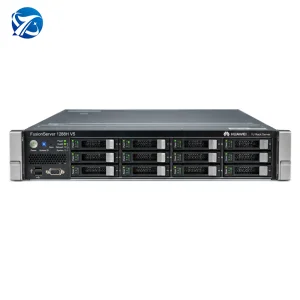
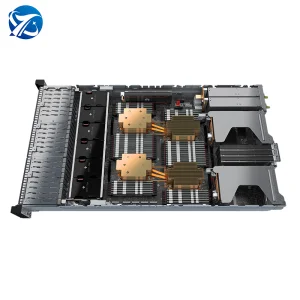
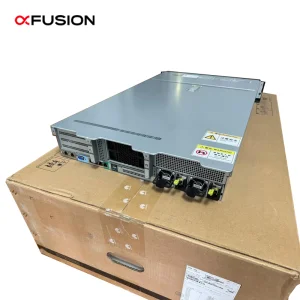
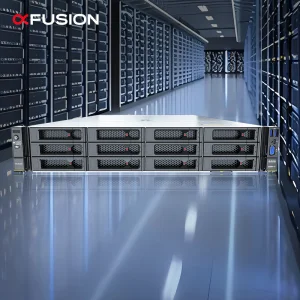
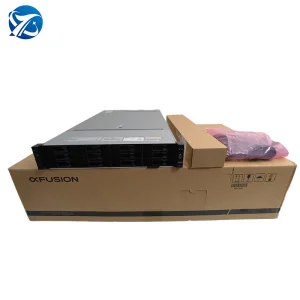
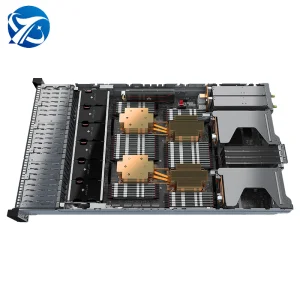
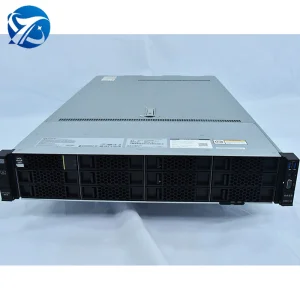
The xFusion and FusionServer lines (e.g., 2288H V6, 2488H V6) excel in high-density computing and heterogeneous database environments. Equipped with multi-socket structures (up to 4 sockets in a 2U space with the 2488H V6), these systems minimize physical rack footprints while providing massive CPU and RAM capacity. This dense design is critical for warm-site recovery centers, where space and energy efficiency directly translate to reduced operational costs.
Providing advanced compute architectures and hardware integration for international markets since 2018.
Borevo AI Infrastructure (China) Co., Ltd. is a specialized AI GPU manufacturer dedicated to delivering high-performance computing hardware and advanced AI infrastructure solutions for global markets. The company focuses on GPU design integration, AI acceleration systems, and customized computing solutions for data-intensive applications.
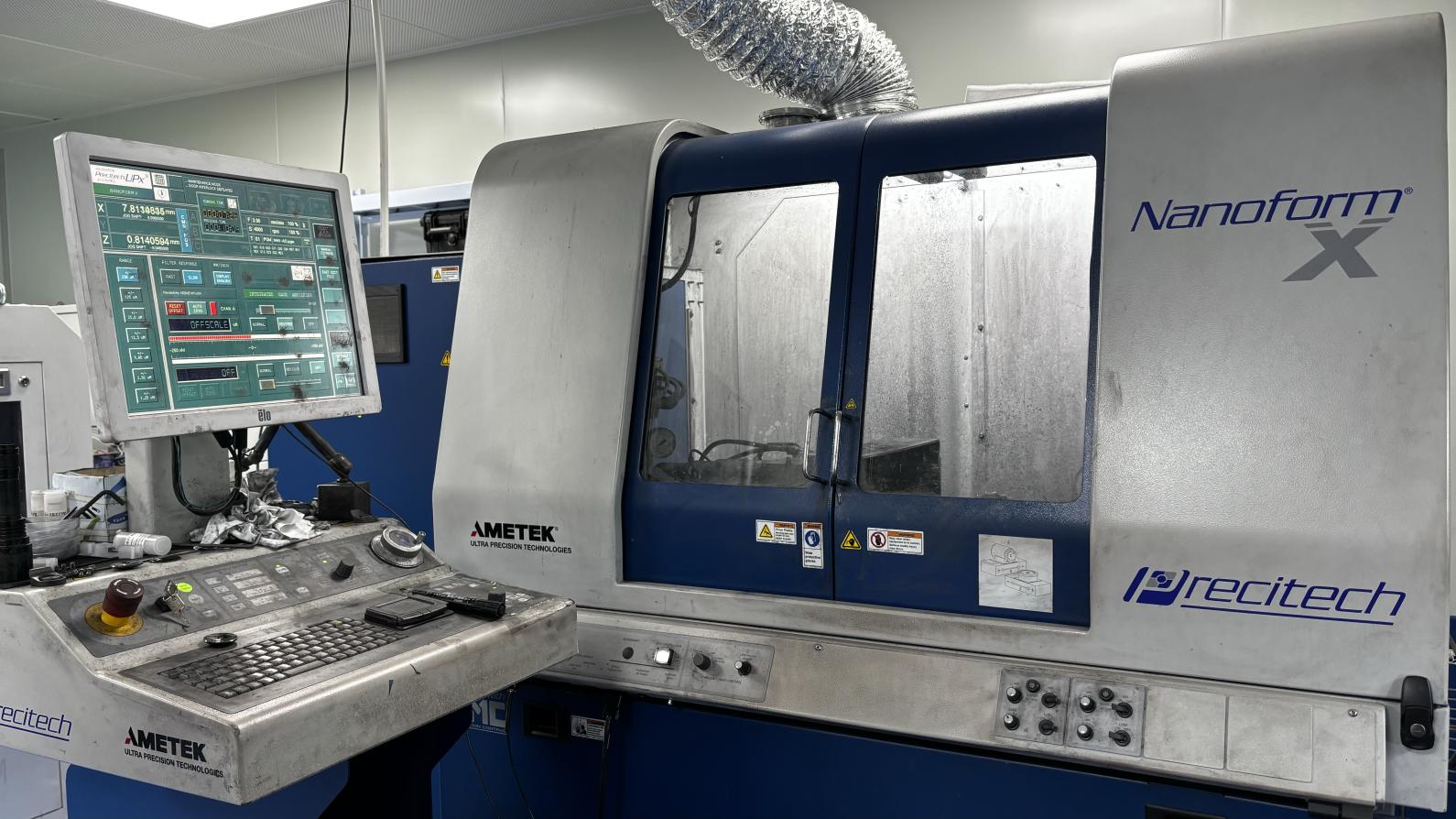
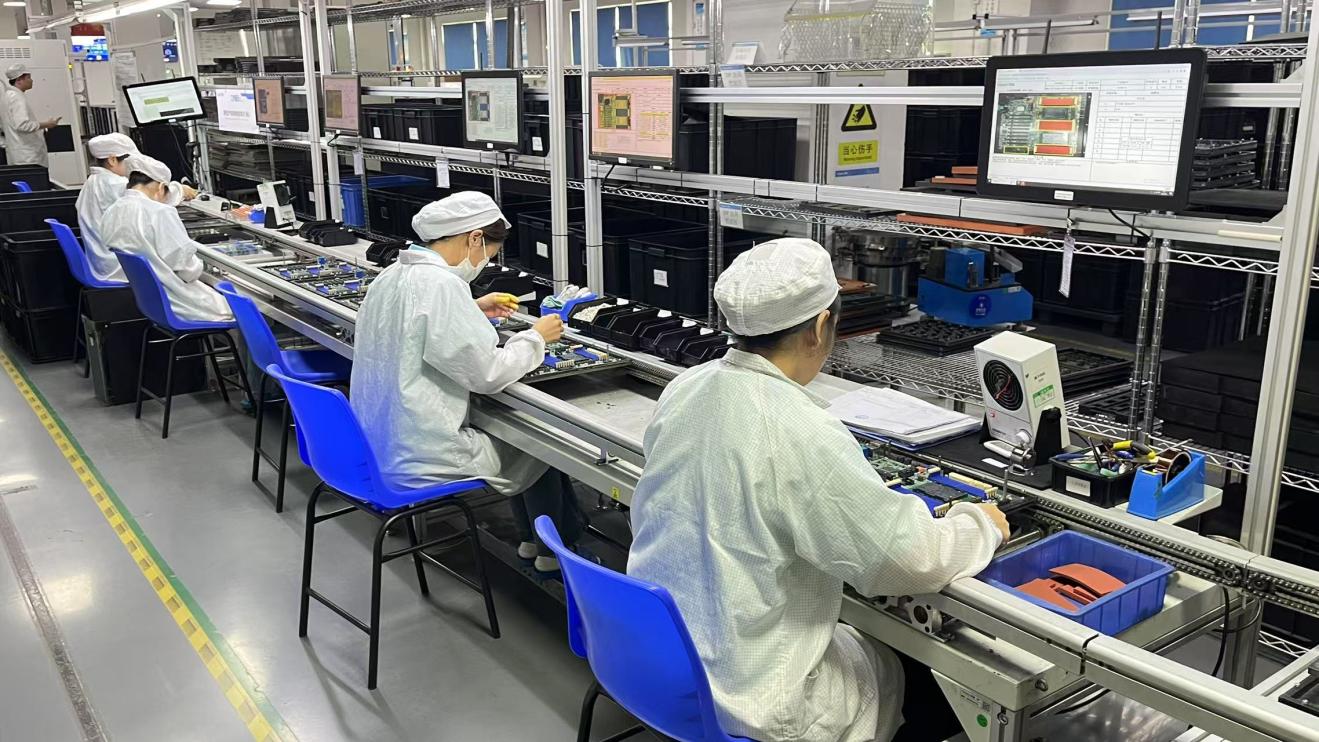
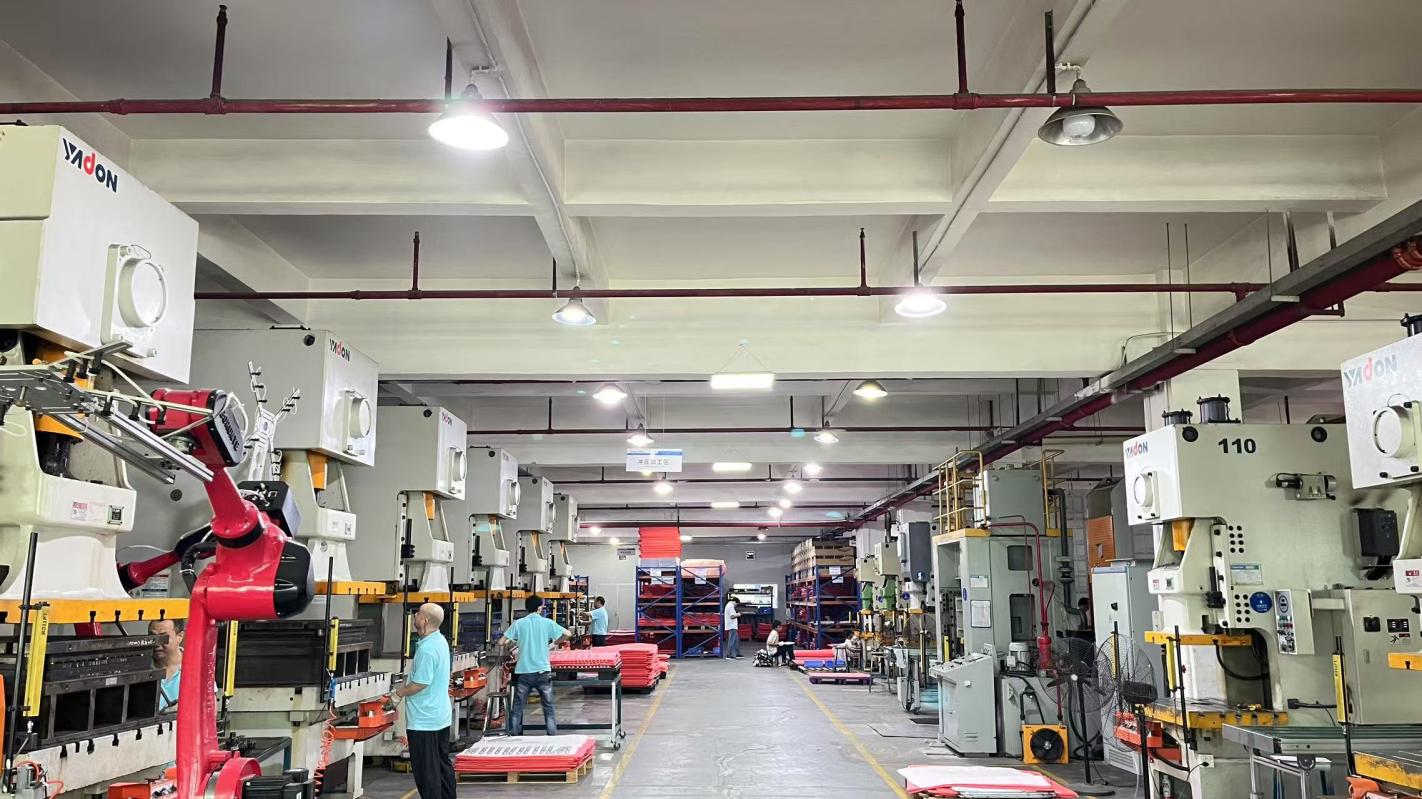
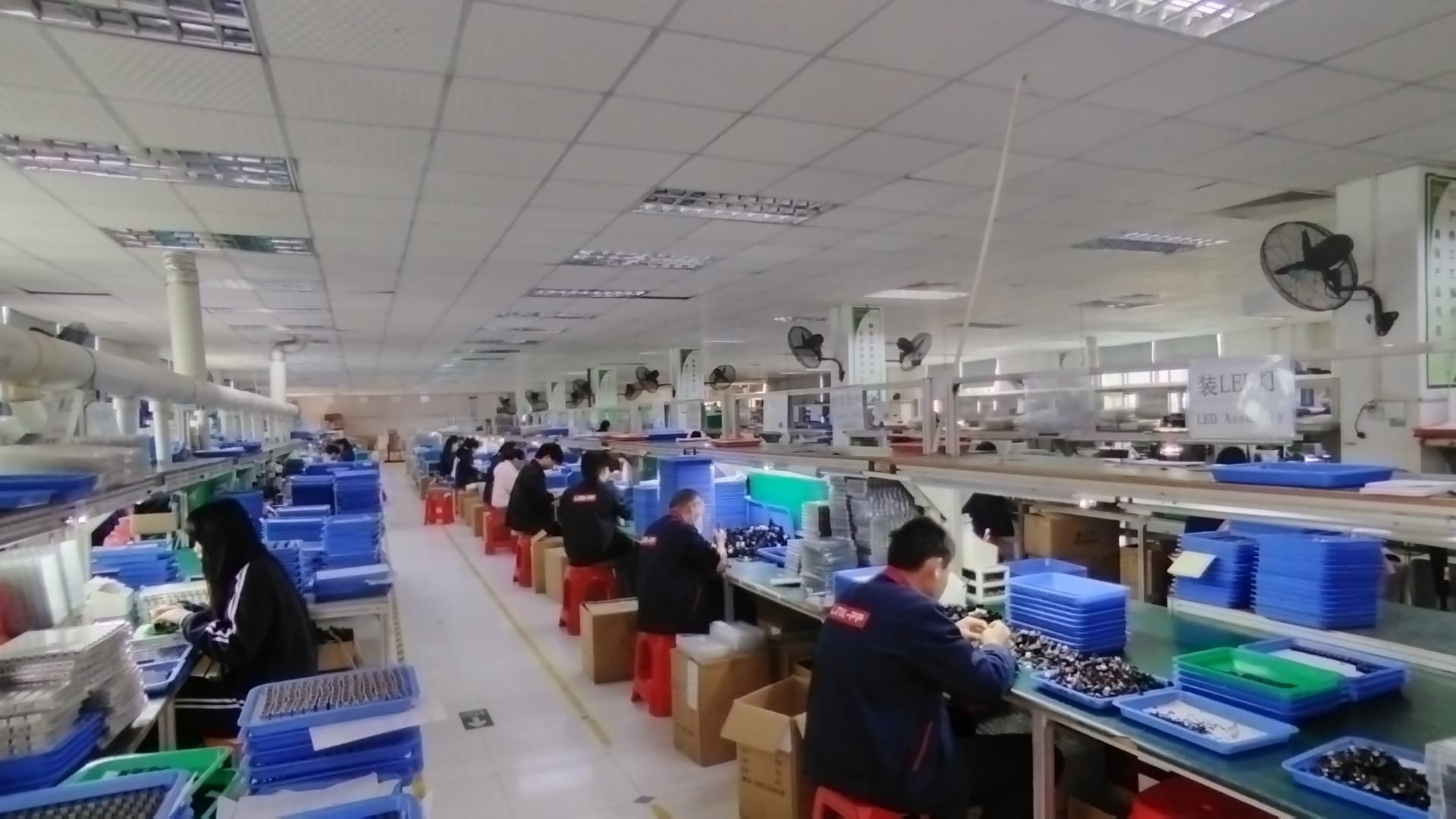
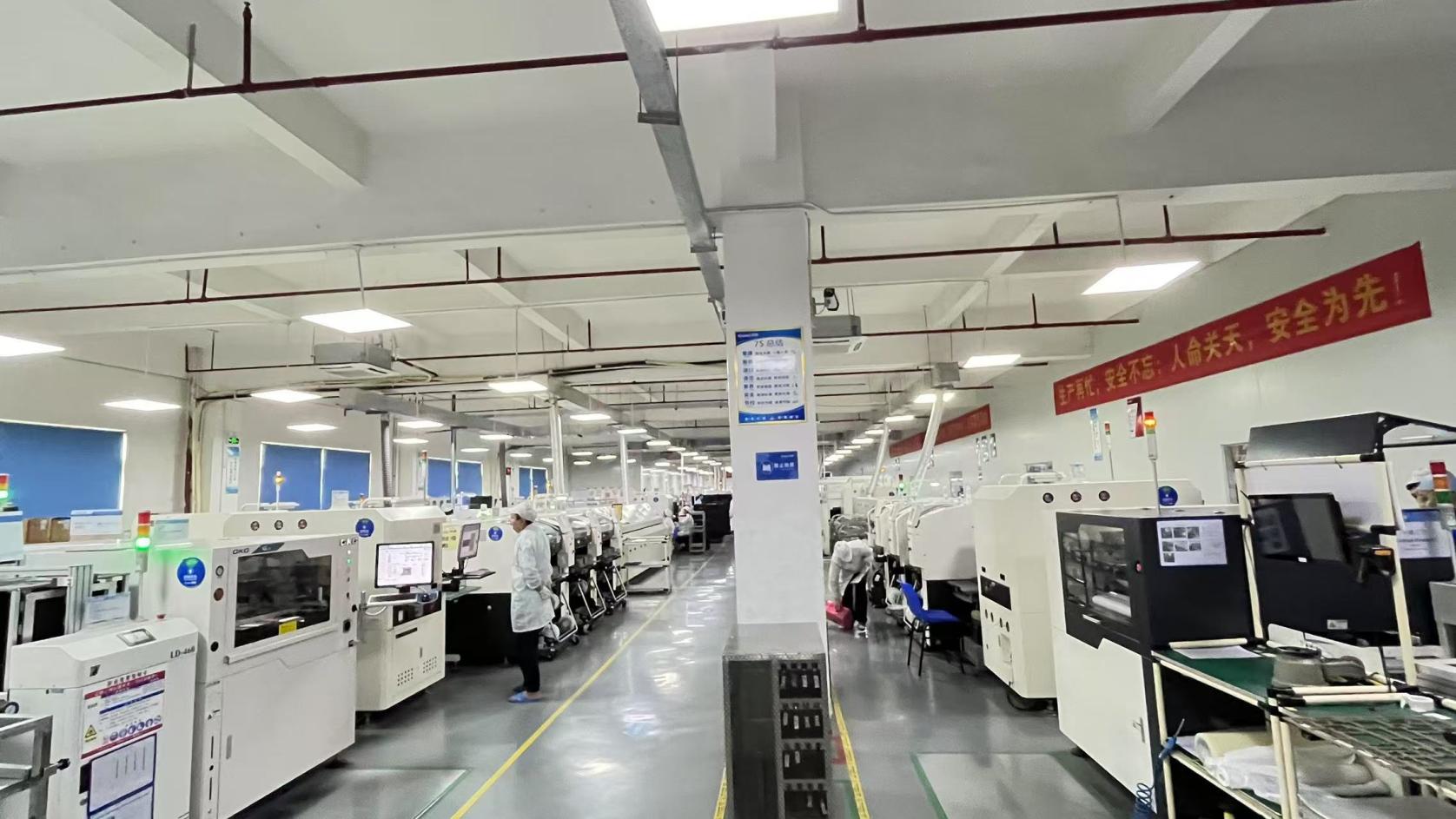
Through systematic R&D and strict quality protocols, Borevo ensures that enterprise servers, expansion modules, and specialized computing nodes maintain structural reliability under sustained peak operational loads.
45 dedicated QC specialists run strict validation loops at every phase: incoming component screening, automated optical inspection (AOI), and final full-load burn-in tests.
Systems undergo environmental thermal chamber testing, electrical signaling margin verification, and real-world system emulation tests to ensure complete operational integrity.
Borevo maintains relationships with approximately 850 strategic partners across semiconductor, PCB layout, active liquid cooling, and storage memory component supply networks.
As systems progress toward higher interface bandwidth, traditional recovery mechanisms face physical limits. Future continuity solutions rely on structural advances in component communications:
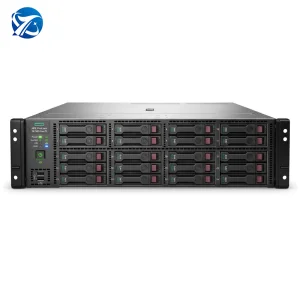
By implementing solutions built on modern architectures (such as the HPE ProLiant DL380 Gen11 or xFusion 2288H V6), businesses can upgrade their infrastructure to leverage automated management protocols and cloud backup integrations.
Expert technical insights regarding high-availability enterprise servers and business continuity systems.
Software disaster recovery coordinates data replication and container orchestration, while hardware business continuity provides physical redundancy (dual power inputs, SAS RAID cache batteries, expansion card path isolation) to prevent system crashes at the hardware layer. This prevents server failures from triggering software cluster outages.
Array cards equipped with dedicated onboard flash cache (e.g., 4GB) store ongoing write processes safely during power drops. An integrated backup power module ensures that unwritten data is written to persistent drives once power is restored, preventing database corruption.
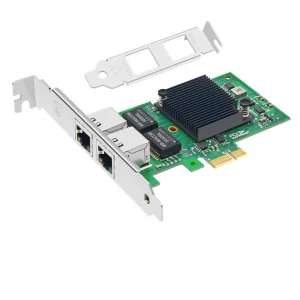
PCIe riser cards allow servers to connect extra network interface cards (NICs) and graphics cards (GPUs) in a space-saving chassis. Standard systems can suffer complete bus failures if a card malfunctions. High-availability risers isolate lanes electrically, allowing the server to disable a faulty interface card while remaining online.
Borevo provides customized services, including tailored PCB layout designs, specialized firmware configurations, custom heatsinks, and custom memory speeds. This enables system integrators to configure servers to meet specific thermal and performance needs in high-density environments.
High-availability replacement parts and processors optimized to minimize operational downtime.