Borevo
Borevo
Borevo
Engineered for extreme performance, low-latency workloads, and mass storage scale. Browse our premier catalog of enterprise-grade computational engines and big data acceleration nodes.
Understanding the tectonic shift from simple software analytics to custom silicon, high-density rack computing, and specialized GPU frameworks.
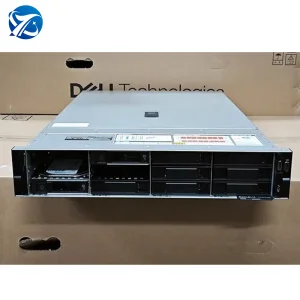
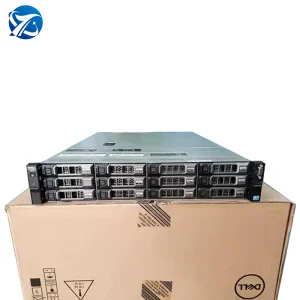
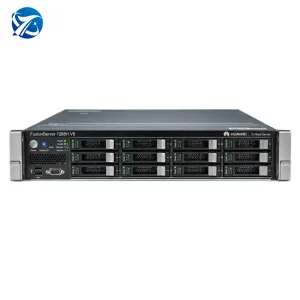
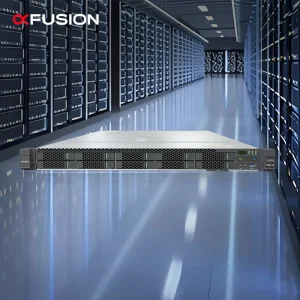
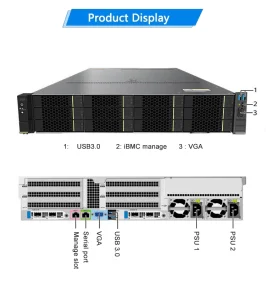
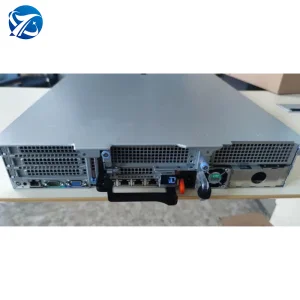
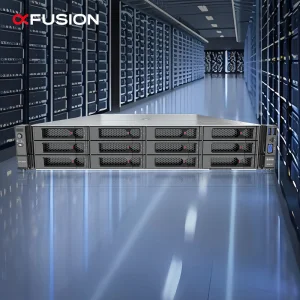
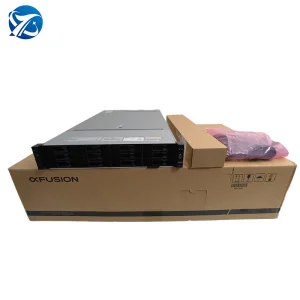
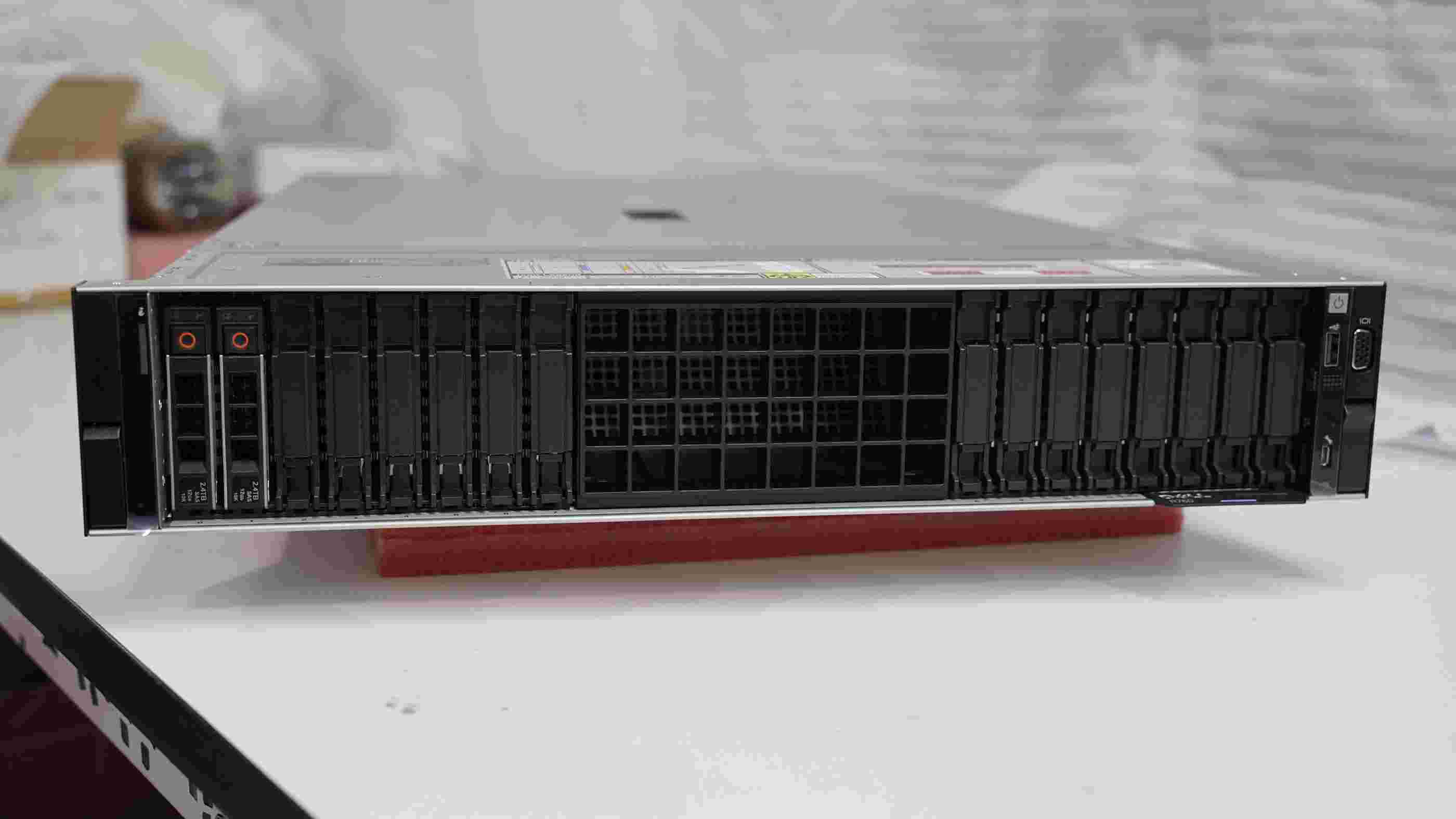
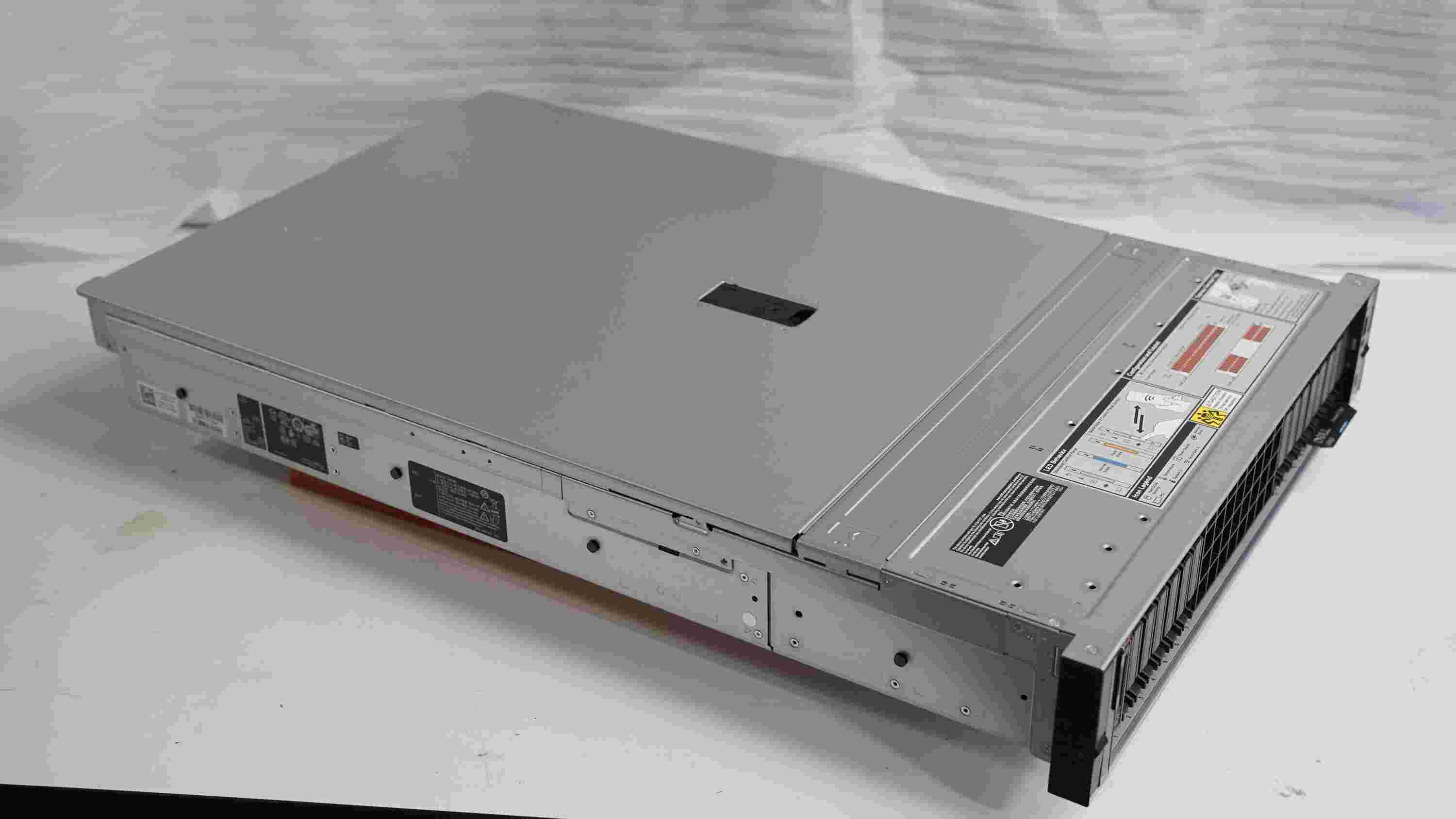
Global corporations are moving away from homogeneous cloud instances to hybrid designs. This architecture demands dedicated hardware configurations, like the Dell PowerEdge R750XS or xFusion FusionServer 2288H V6, allowing enterprises to anchor critical workloads in-house while scaling analytics pipelines.
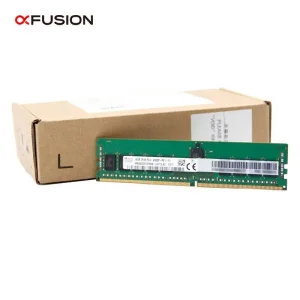
The explosive rise of open-source models like DeepSeek-R1 has restructured computational priorities. Heavy algorithmic inference requires massive RAM speed, native high-throughput ECC modules, and rapid parallel data ingestion systems, transforming typical network servers into specialized AI nodes.
Modern workloads require CPUs and GPUs to work together. Platforms like the FusionServer G5500 V7 support multiple AI accelerators, making them ideal for deep neural network training and massive data vectorization.
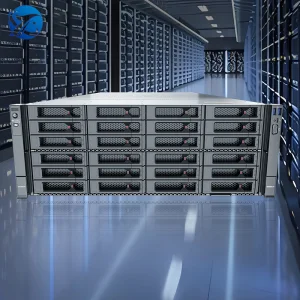
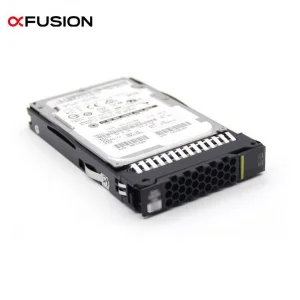
Data lakehouses require massive physical hard disks. The implementation of enterprise-grade, high-capacity SATA HDDs ranging from 4TB up to 20TB ensures storage architectures can handle massive daily ingestion without bottlenecks.
Why Chinese advanced computing manufacturers represent the backbone of the global digital supply chain, combining scale, speed, and precision engineering.
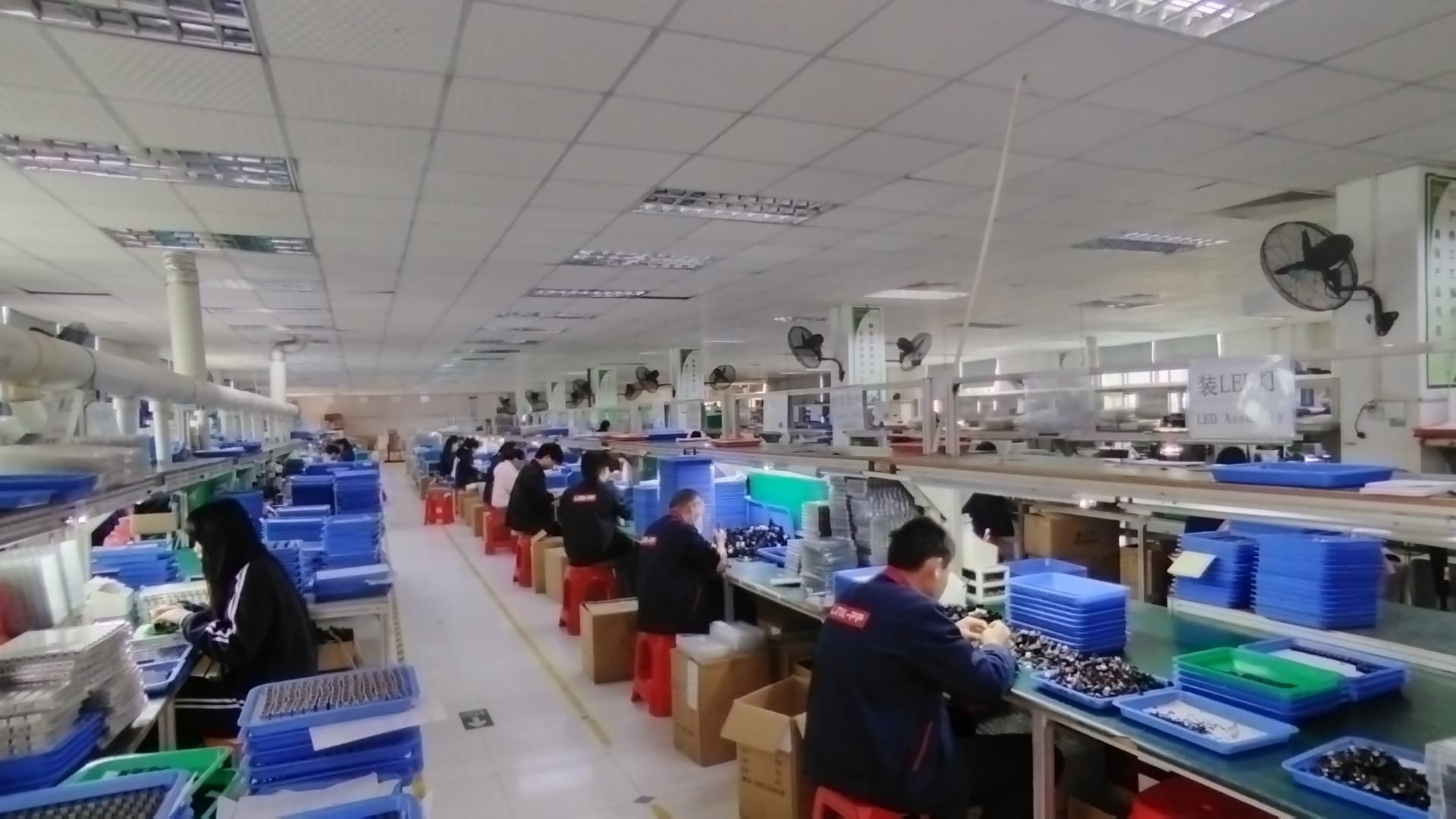
Chinese production clusters feature integrated component supply chains. From advanced multilayer PCBs to specialized dynamic cooling units, components are sourced, verified, and assembled within tight geographic circles, dramatically shortening production timelines.
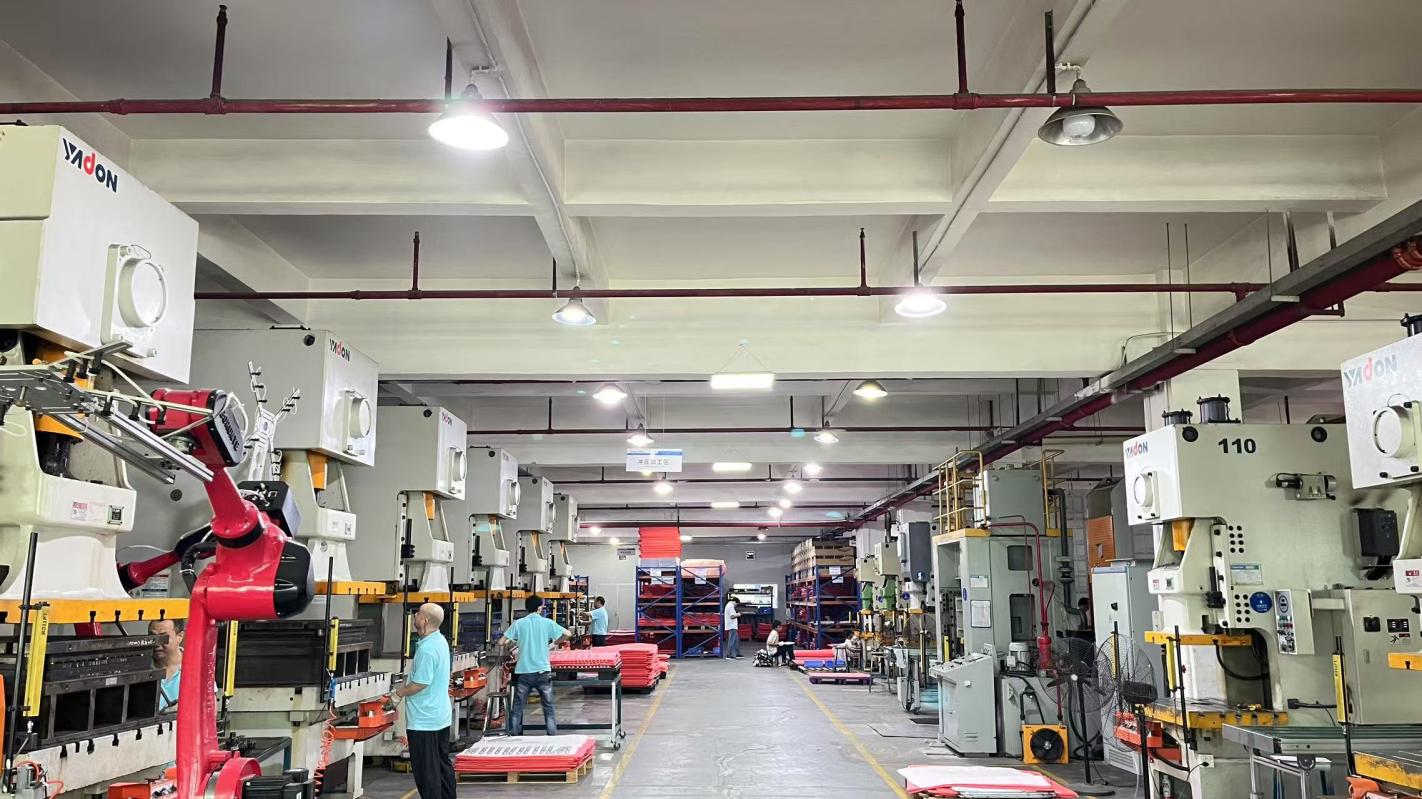
Using automation and lean manufacturing, Chinese facilities offer custom designs for hardware configurations. Clients can customize specifications for memory banks, PCIe layouts, and thermodynamic systems without long delays.
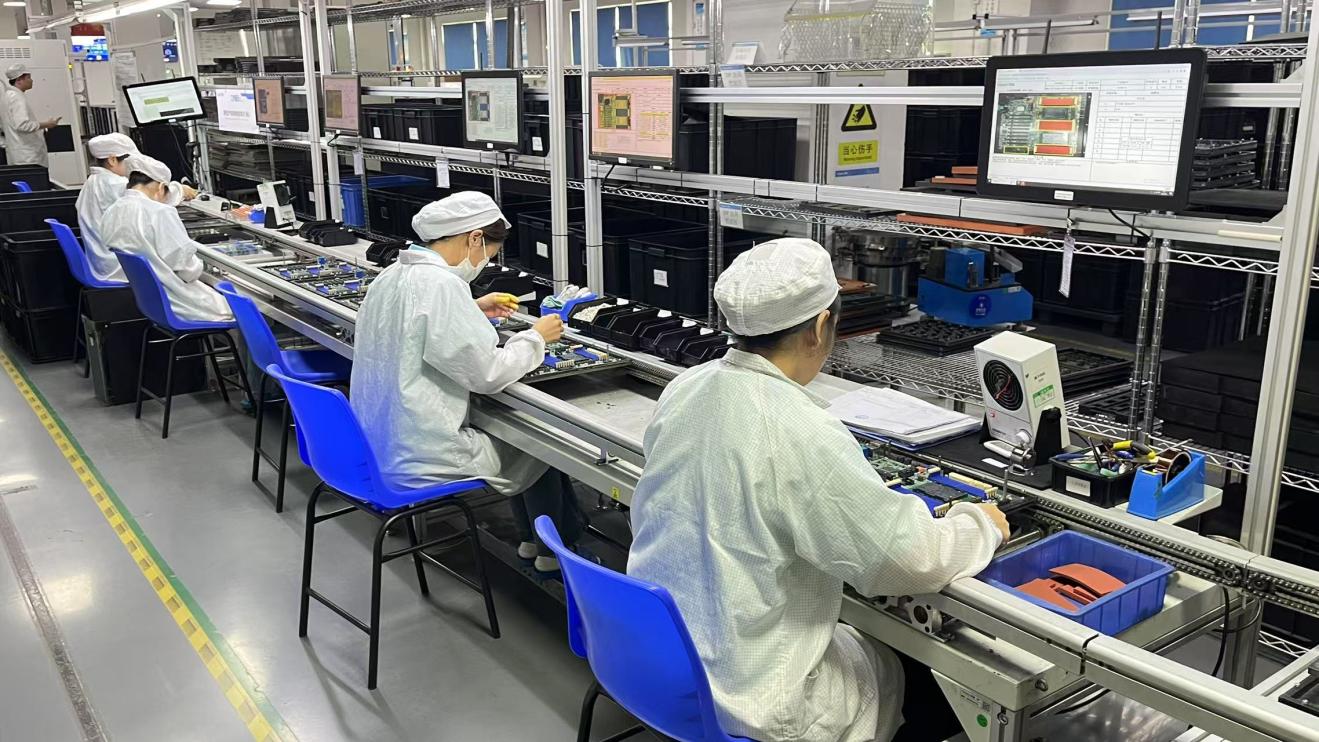
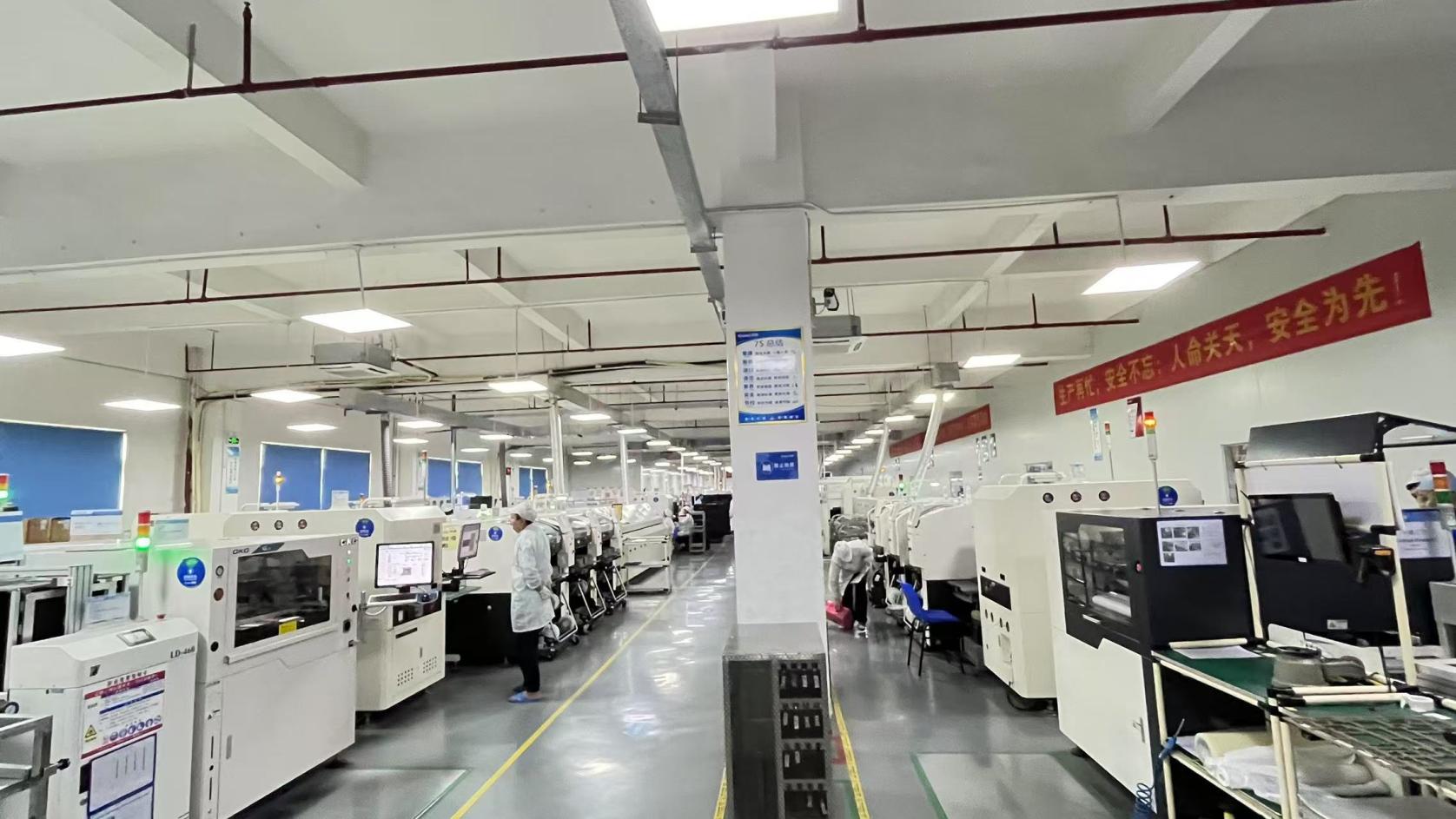
High production speed is supported by strict quality control. Products undergo thorough testing phases including automatic optical inspection (AOI), high-temperature burn-in, thermal stress testing, and real-world network simulation.
An industry leader in AI GPU systems design, custom high-performance computing hardware, and full-spectrum enterprise server assembly.
Founded in 2018, Borevo AI Infrastructure (China) Co., Ltd. is a specialized manufacturer dedicated to high-performance computing hardware. With 12 years of industry experience and 7 years of global export experience, we focus on GPU design integration, AI acceleration systems, and customized computing architectures for data-heavy applications.
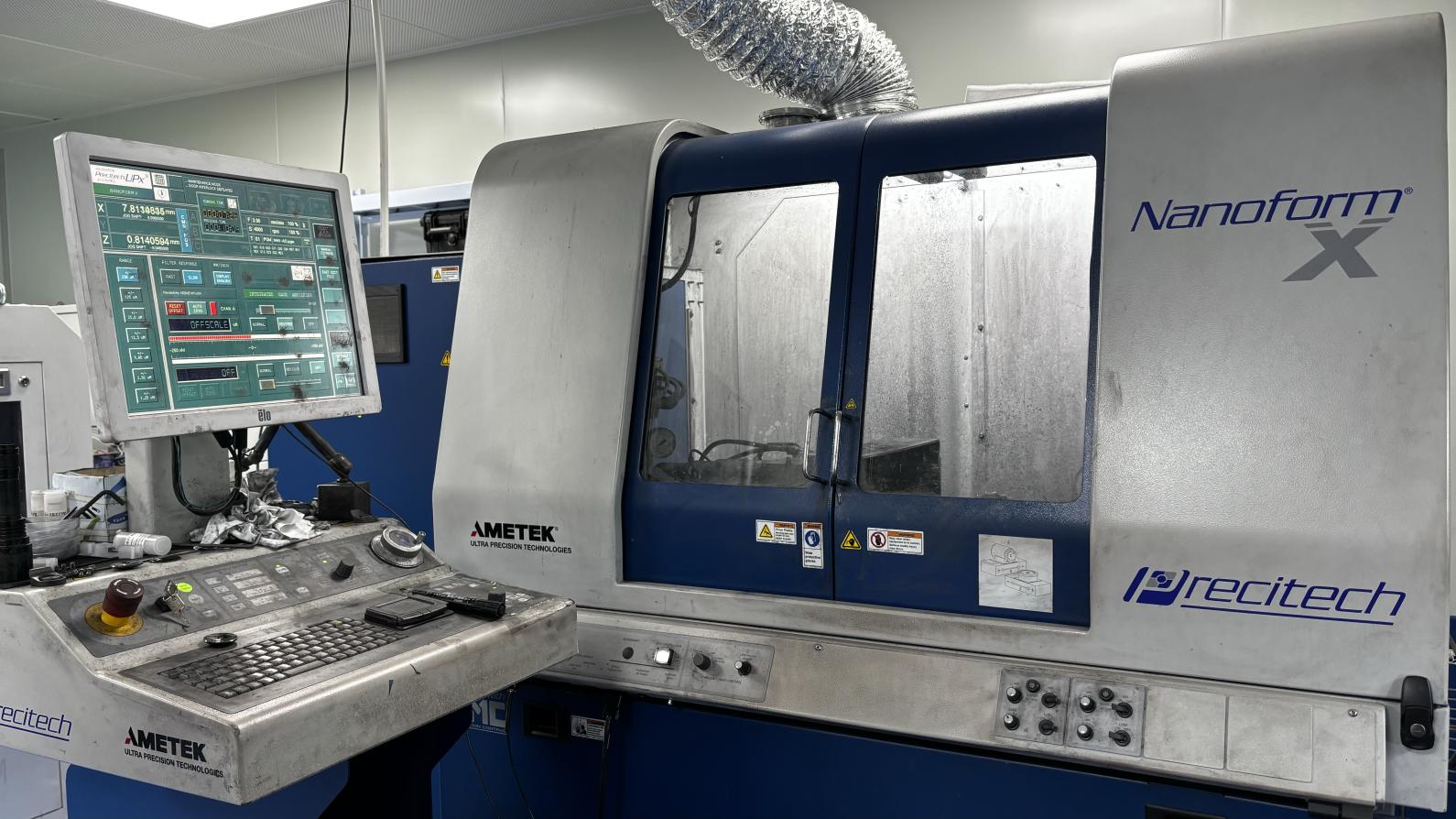
Our manufacturing facility spans over 18,600 square meters. Operating under strict global compliance rules, Borevo maintains a strong network of 850 strategic supply chain partners across semiconductor, PCB, memory, and cooling sectors.
Different regions, compliance domains, and business objectives require distinct computational hardware designs.
Traditional corporate setups rely on balanced dual-socket performance. Models like the Dell PowerEdge R750 serve as the system standard, running legacy ERP systems, internal virtualization, and high-capacity database queries.
AI development pipelines demand specialized hardware layouts. Custom-built AI servers with high-speed GPU configurations, high-frequency DDR5 ECC memory, and fast PCIe lanes provide the throughput needed for training and low-latency inference.
Smart city management, retail analysis, and industrial IoT need computational power close to the data source. Using 1U rack platforms, like the xFusion FusionServer 1288H V6, provides high performance in space-constrained settings.
Key technological trends shaping the landscape of enterprise-grade compute and data storage.
As server processors run hotter, traditional air cooling is reaching its limits. Modern data center designs are shifting toward liquid-to-metal contact cooling, direct-to-chip interfaces, and immersion layouts to keep hardware running efficiently.
Bandwidth bottlenecks can limit processor power. The integration of PCIe Gen5 slots and Compute Express Link (CXL) protocols allows dynamic memory sharing between CPUs and accelerators, reducing latency and boosting workload efficiency.
Modern data security goes beyond software. Hardware manufacturers are adding root-of-trust cryptoprocessors directly onto PCBs, verifying boot signatures and hardware integrity to protect against physical or supply chain threats.
With data centers using more power, hardware efficiency is crucial. Next-generation power supplies feature Titanium-grade efficiency ratings and intelligent scheduling, lowering overall power consumption without sacrificing peak performance.
Expert guidance on structural integration, manufacturing standards, and finding the right big data hardware vendor.
Dedicated manufacturers control the product cycle from R&D and PCB design to physical board assembly and thermal engineering. System integrators typically buy off-the-shelf components and assemble them, whereas manufacturers like Borevo modify firmware, optimize hardware layouts, and run specialized burn-in protocols to meet specific client needs.
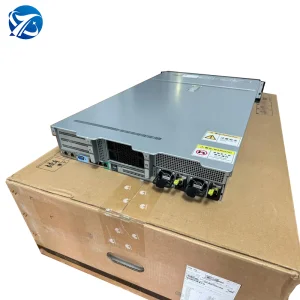
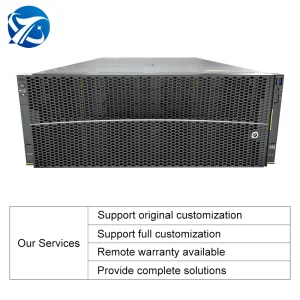
1U systems (like the R660XS) prioritize high compute density for web scale-out workloads. 2U rack systems (like the R750 or 2288H V6) offer more physical space for extra storage drives, PCIe expansion cards, and dedicated GPUs, making them better suited for data-heavy applications.
ECC memory automatically detects and corrects single-bit errors, preventing system crashes and data corruption. This is crucial for financial platforms and large databases where system downtime or data errors can cause significant issues.
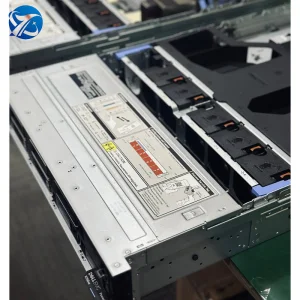
High operating temperatures can cause hardware failure. Custom thermal design—such as optimized heat pipe layouts, high-airflow fans, and advanced thermal interface materials—keeps components within safe operating ranges, reducing wear and extending the life of the system.
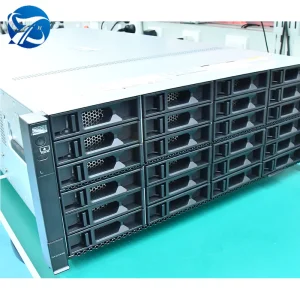
High-performance SSDs handle real-time computation, but storing massive historic raw datasets (data lakes) requires cost-effective storage. High-capacity enterprise SATA HDDs (up to 20TB) offer the storage density needed for archival and batch processing at a lower cost.
Explore our systems optimized for high-performance computing, AI inference, and deep data analytics pipelines.