Borevo
Borevo
Borevo
Explore our high-performance hardware configurations built to power secure compute platforms globally.
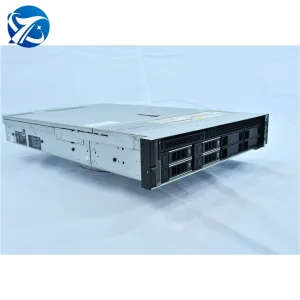
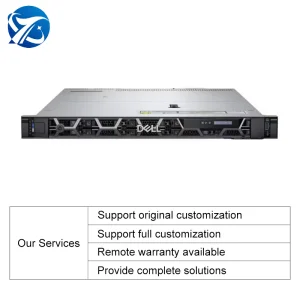
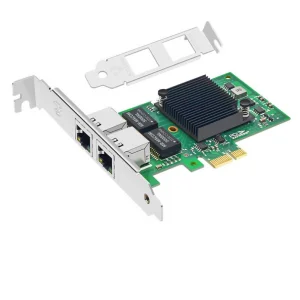
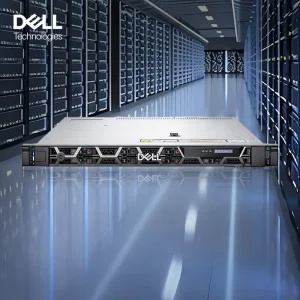
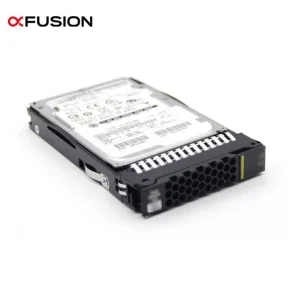
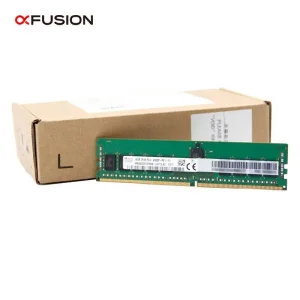
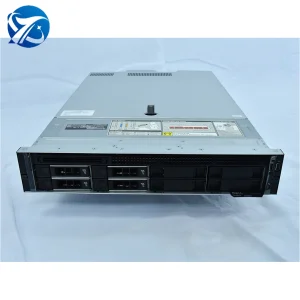
Proven operational excellence, large-scale production area, and reliable strategic supply chain partnerships.
Borevo AI Infrastructure (China) Co., Ltd. stands at the forefront of computational innovation and hardware-level cybersecurity. As a specialized hardware vendor and AI GPU manufacturer, our mission is to supply custom high-performance computing (HPC) hardware, optimized motherboard layouts, and highly secure firmware solutions. We serve global system integrators, hyper-scale data centers, and managed security service providers (MSSPs).
With over 12 years of industry experience, we have cultivated a robust approach to secure computing paradigms. Today’s threat landscape extends far beyond software boundaries; it target firmware, memory channels, and the physical supply chain. By designing security features directly into the hardware substrate—from cryptographic modules to secure boot protocols—we shield critical data infrastructures from physical and remote logical intrusions.
Developing silicon-level security mitigations to thwart firmware manipulation, lateral attacks, and physical probing.
We build our OEM/ODM custom servers utilizing discrete cryptographic microprocessors. By anchoring the boot chain in a read-only hardware register, we ensure that the BIOS, UEFI, and BMC firmware remain entirely untampered throughout the machine lifecycle.
Deploying advanced CPU/GPU architectures that support hardware-enforced memory encryption (such as AMD SEV-SNP, Intel SGX/TDX, and secure GPU enclaves). This keeps active computational data isolated and safe from host hypervisor compromises.
Fully compliant with NIST SP 800-193 guidelines. Our design incorporates real-time firmware monitoring, automatic recovery from secure gold-image vaults, and locked-down debug ports (JTAG/UART) to block physical side-channel attacks.
AI model deployment poses unique structural threats. Proprietary neural networks, weight layers, and high-value data arrays are susceptible to extraction when processed in memory. Borevo addresses this vector by implementing end-to-end cryptographic pipeline isolation, combining PCIe integrity verification (using PCIe IDE protocol) and hardened TPM-bound keys to validate the compute payload at every step.
Tailored configurations engineered for specific regional operational environments and regulatory frameworks.
In highly regulated markets, data sovereignty and regulatory compliance are top priorities. Under frameworks like NIS 2, GDPR, and FedRAMP, data centers require absolute auditability. Borevo customizes server security profiles by pre-configuring FIPS 140-3 Level 3 Cryptographic modules and disabling unauthorized out-of-band management protocols. Physical security chassis intrusion switches interface directly with the Root of Trust, wiping encryption keys immediately if unauthorized server rack tampering occurs.
Distributed telecom stations and industrial environments lack the security perimeters of central data hubs. Our ruggedized secure edge servers employ hardware-enforced boot lockouts and encrypted local storage arrays. If an edge node is stolen or disconnected, self-encrypting drives (SEDs) automatically lock down, preventing analytical models or corporate data assets from being retrieved by physical reverse-engineering.
With the rise of large-scale open-source and proprietary models, training nodes handle extremely sensitive financial, medical, and governmental database schemas. We integrate hardware enclaves and validated BIOS configurations that protect GPU memory from unauthorized process read/writes, mitigating potential host OS level breaches or memory dump exploits.
Our strategic architectural projection for hardware defense mechanisms over the next decade.
Full integration of SPDM (Security Protocol and Data Model) across all peripheral slots. Establishing cryptographic attestation for PCIe cards, memory modules, and storage nodes before granting motherboard access.
Implementing lattice-based cryptographic algorithms directly into the hardware Root of Trust. Hardening firmware signature validation against emerging quantum computer decryption capabilities.
Co-developing hardware neural-network engines integrated within the BMC chip to detect runtime side-channel attacks and cache timing anomalies, triggering real-time hardware-level isolation.
Securing the physical assembly line from component validation to shipping audits.
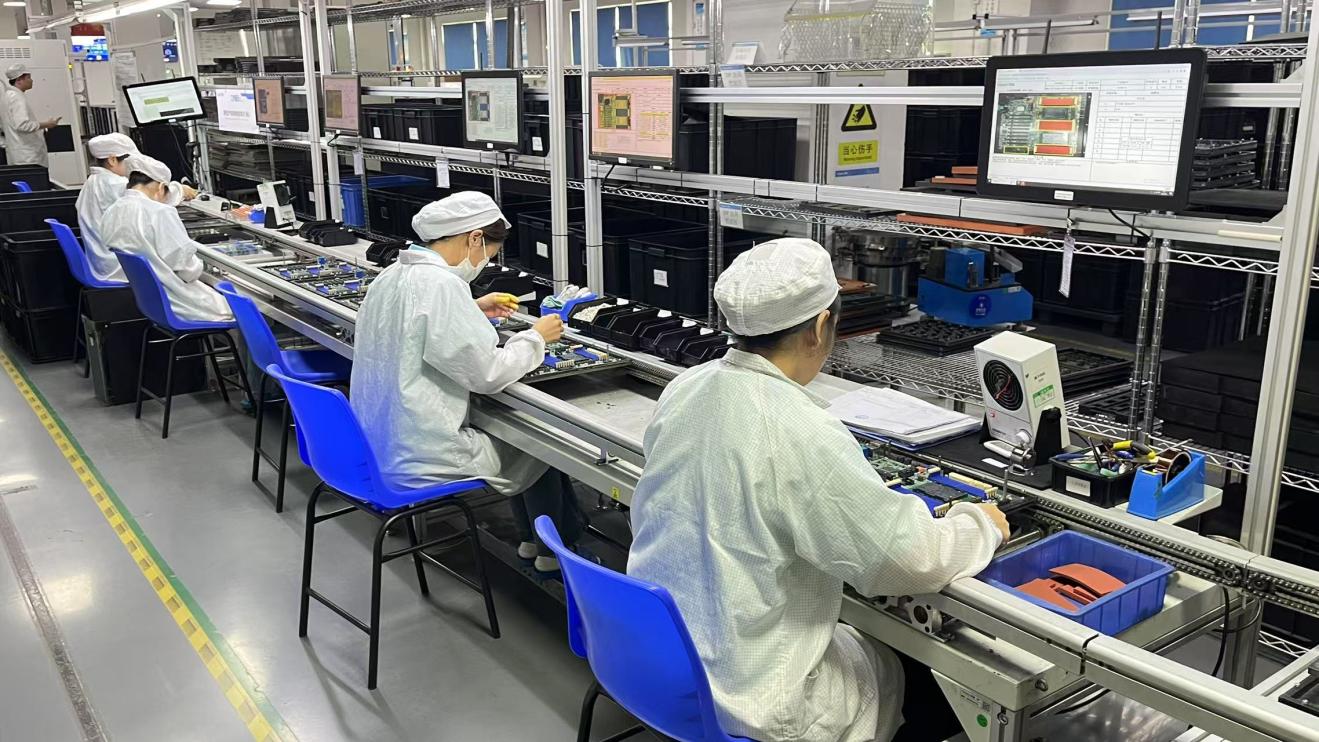
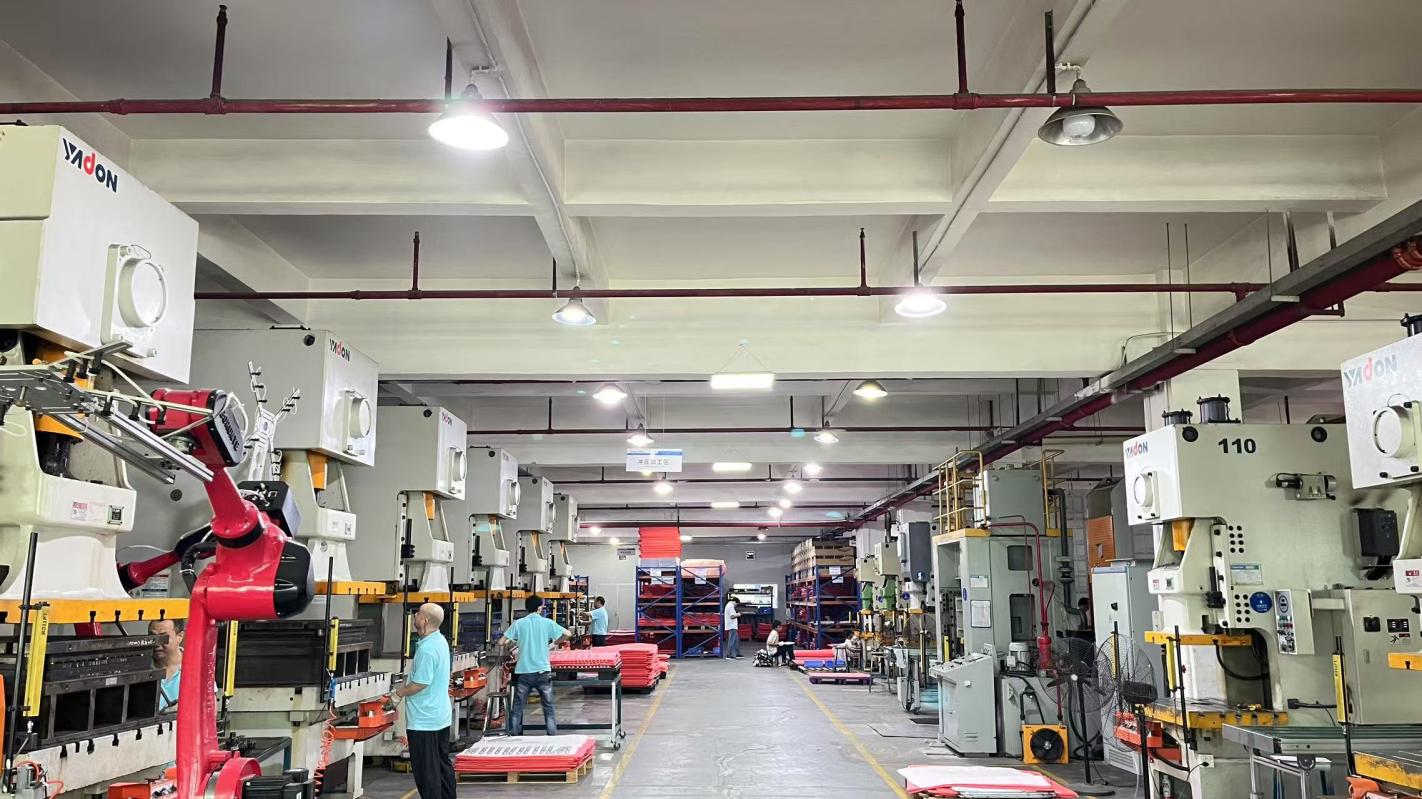
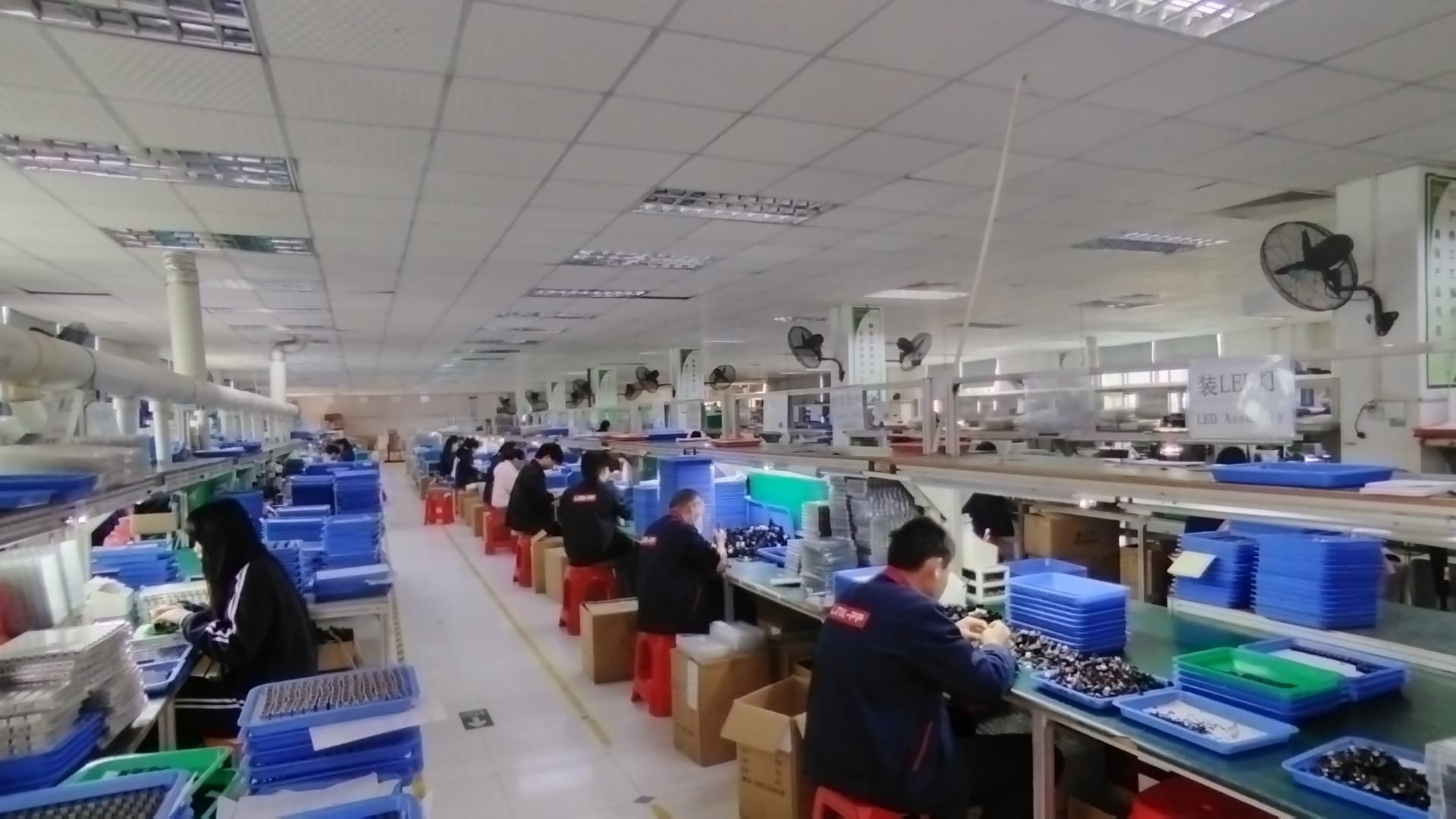
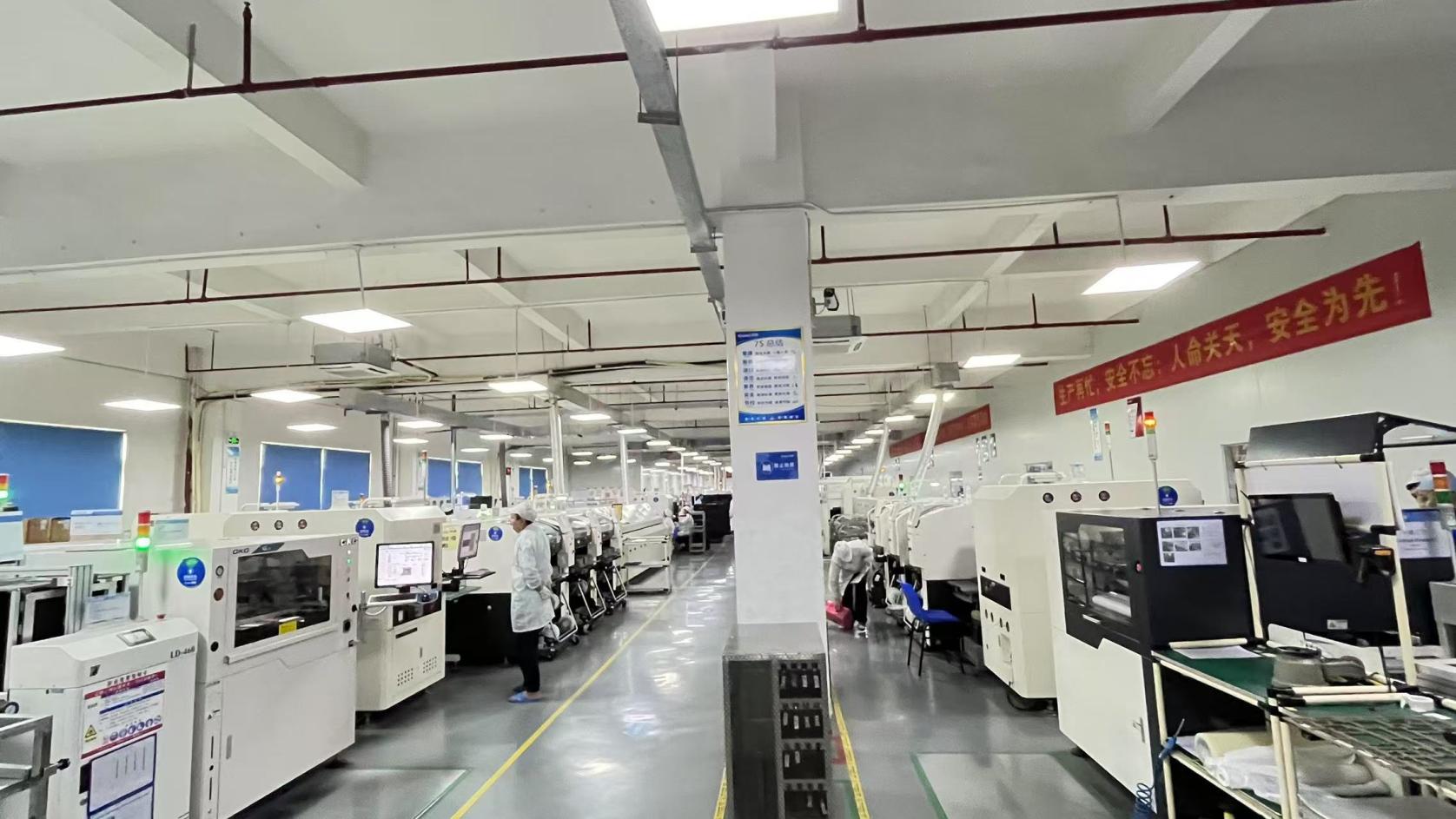
A secure server design is only as strong as the supply chain that builds it. At Borevo's 18,600 ㎡ modern manufacturing facility, we integrate strict chain-of-custody measures to guarantee that no counterfeit components enter our production cycle. With 45 dedicated quality control professionals, we implement rigorous validation gates:
Automated optical inspection (AOI) coupled with X-ray signature verification of controller chipsets to verify silicon authenticity and block malicious component insertion.
Rigorous burn-in and thermal stress testing cycles to provoke early life component failure under extreme load conditions, ensuring long-term hardware structural reliability.
Implementation of cryptographic system provisioning, locking components down in transit and providing customers with cryptographically signed verification keys upon delivery.
Our network of 850 strategic hardware partners ensures component redundancy, allowing us to insulate production schedules from localized component shortages or volatile geopolitics. Our clients receive consistent, on-time shipments, maintaining high throughput for both catalog systems and bespoke designs.
Driving proprietary hardware architectural improvements tailored to high-density environments.
Borevo maintains an extensive team of 180 R&D engineers specializing in GPU design integration, heterogeneous computing, cooling optimization, and custom firmware construction. This deep engineering base allowed us to roll out 120 new products last year alone, focusing heavily on secure system deployments.
Custom BIOS/UEFI codebase compilation, custom cryptographic key integration, and hardcoded firmware configurations to block logical interfaces like USB, PXE, or IPMI features.
Custom component trace paths to reduce electromagnetic emission signatures, integration of physical anti-intrusion trace grids, and bespoke expansion card layouts.
Optimizing liquid loops, dynamic heatsink configurations, and thermal sensor matrices to prevent local heat spikes that can degrade sensitive processing units.
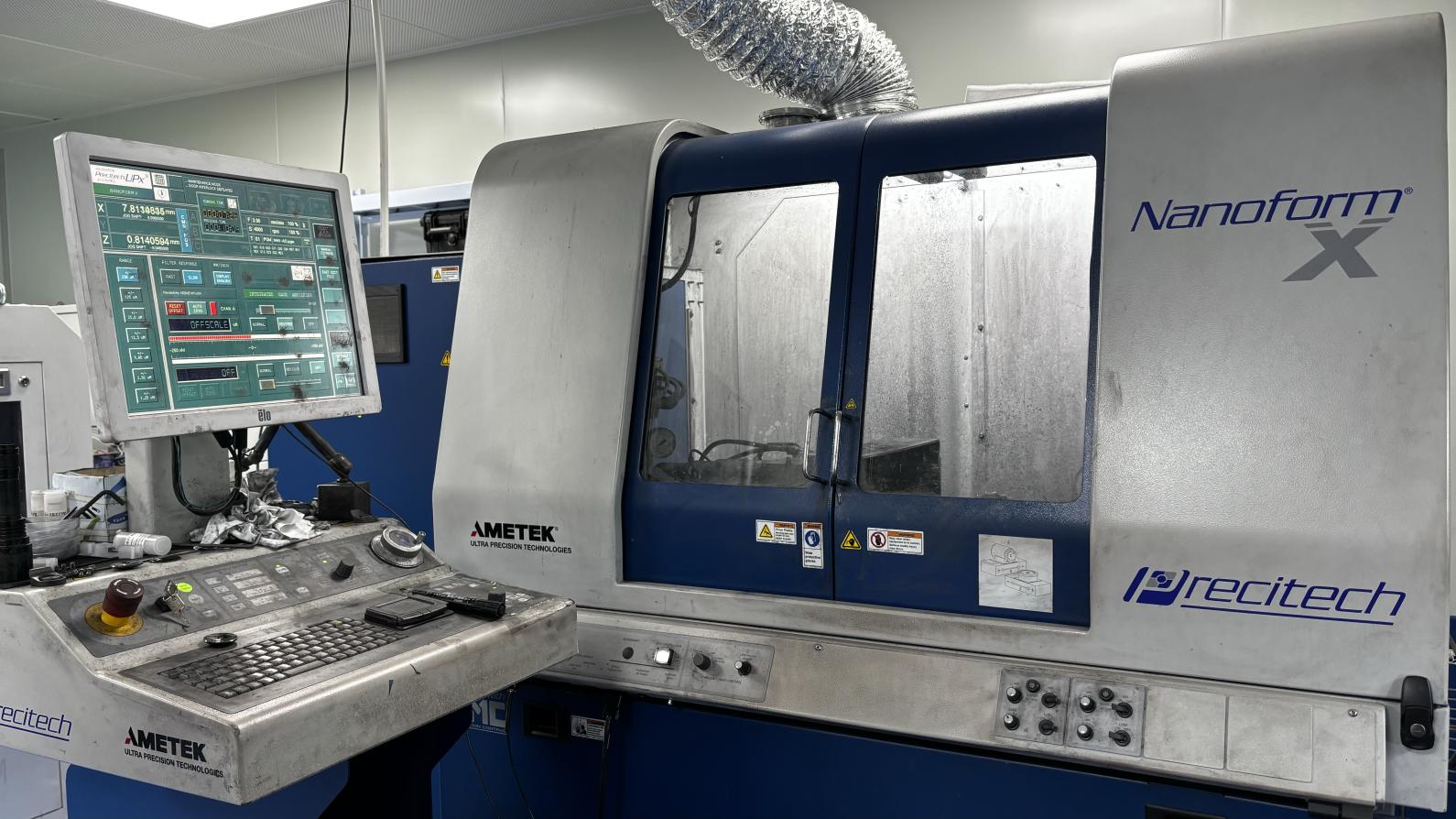
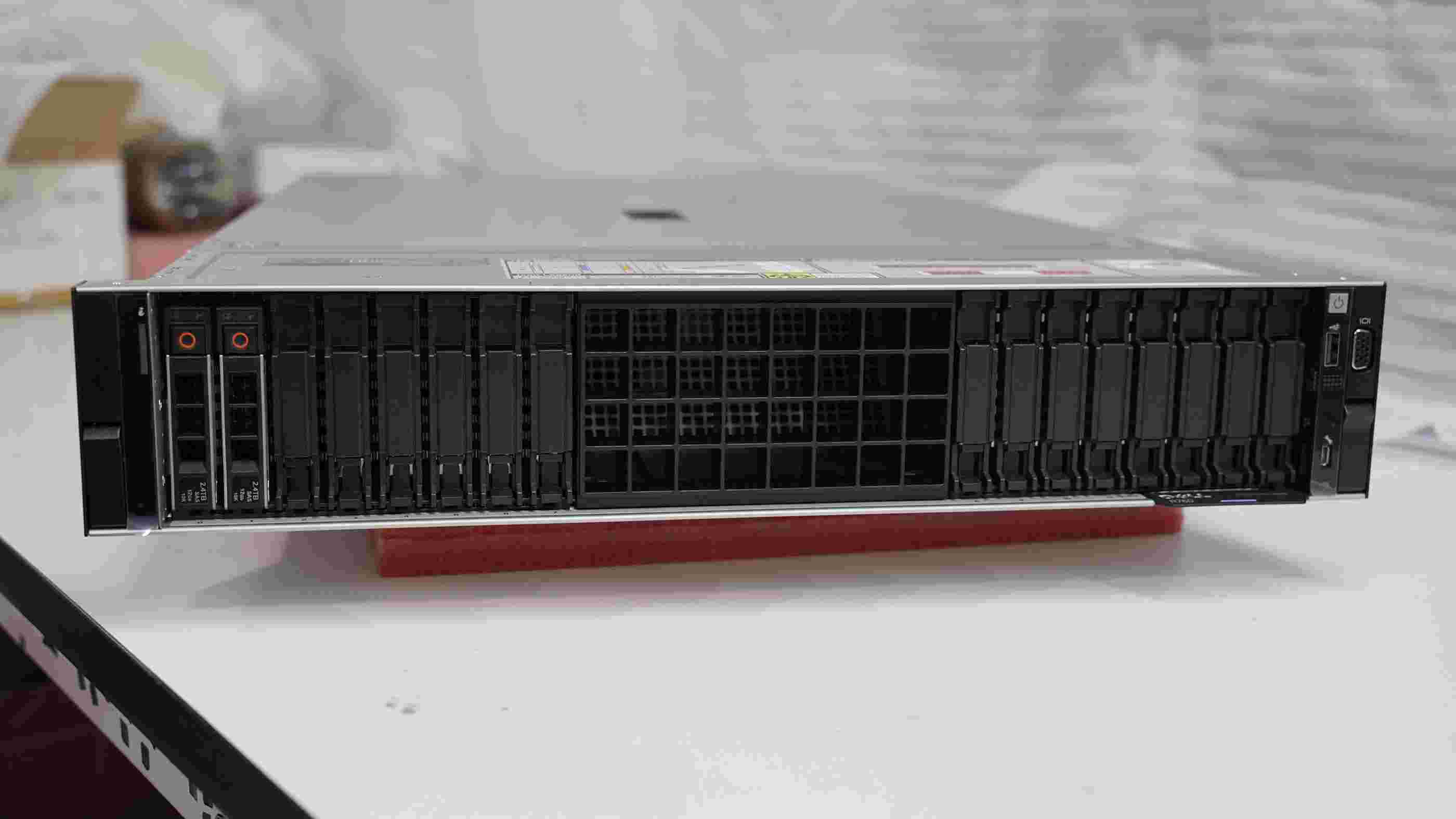
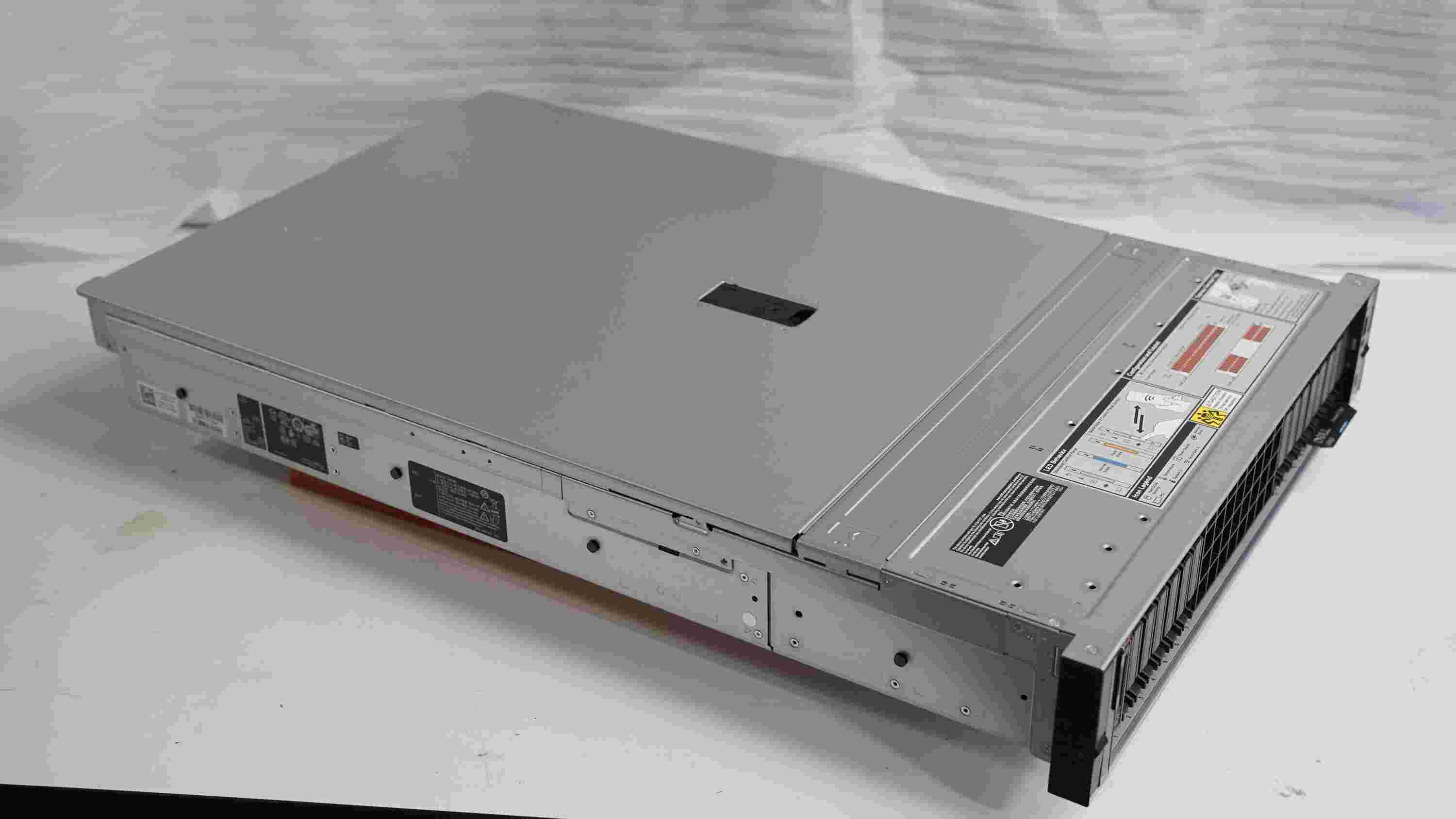
A visual gallery showcasing our production facilities, design processes, and QA validation systems.
Get answers to common hardware integration and security compliance questions.
Explore our high-density compute nodes, network memory options, and high-performance GPU configurations.