Borevo
Borevo
Borevo
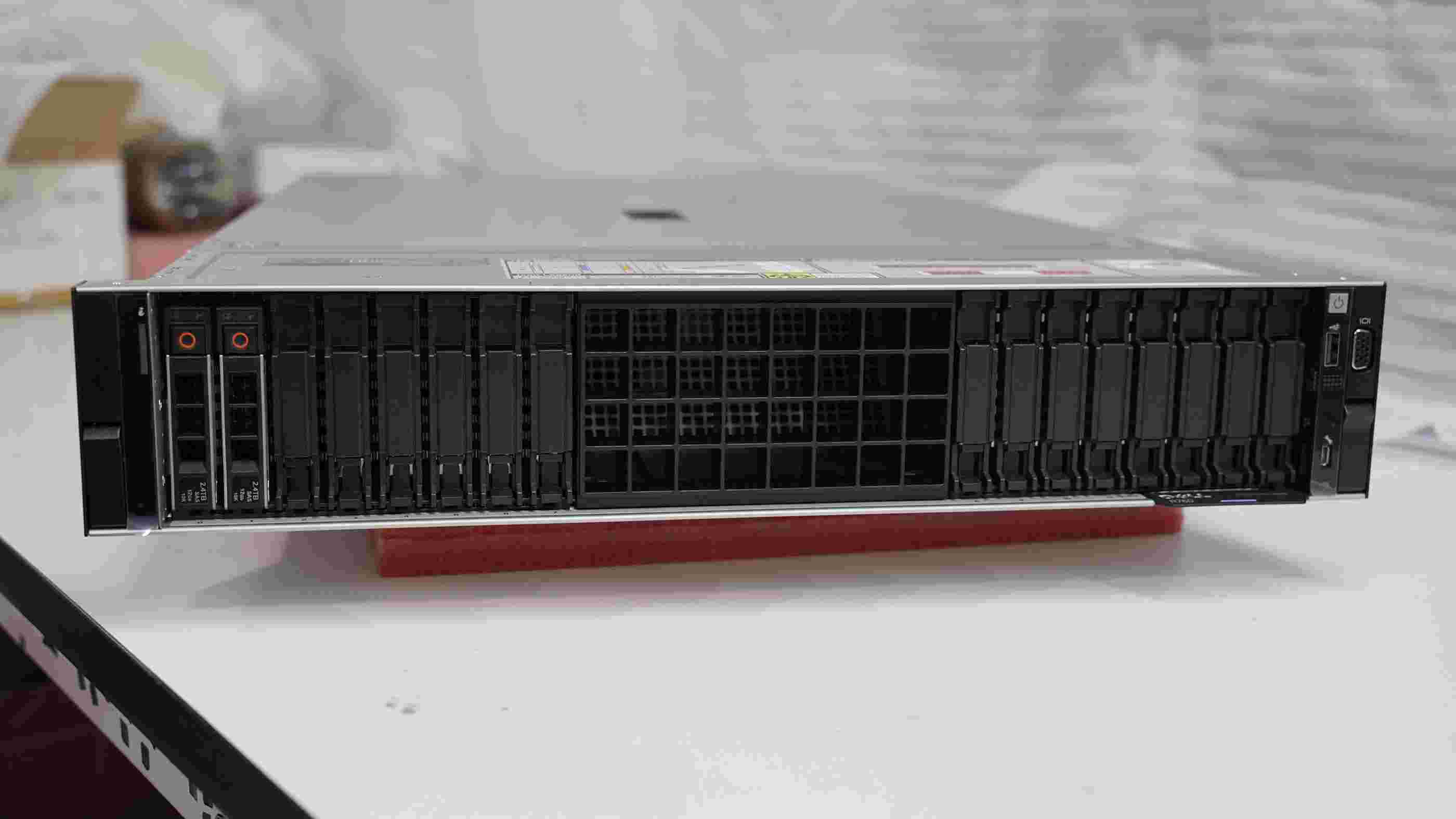
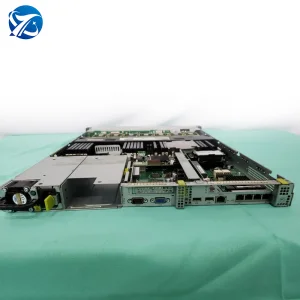
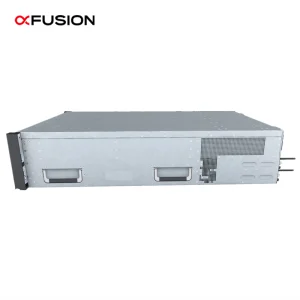
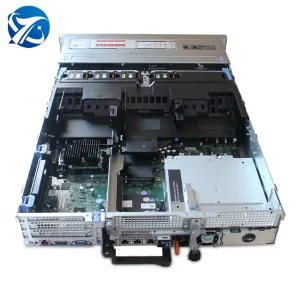
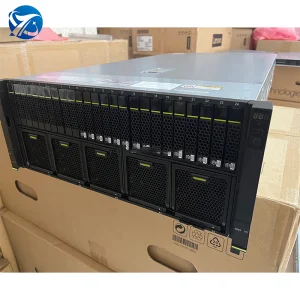
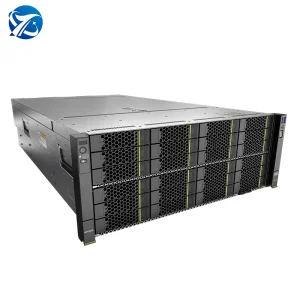
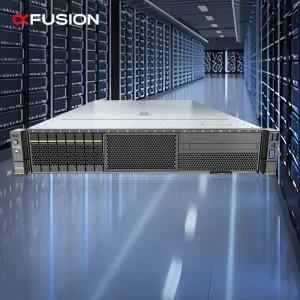
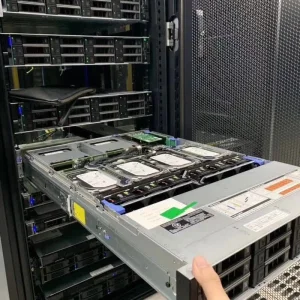
In modern hyperscale cloud computing and AI training deployments, software-only load testing metrics are incomplete without the support of dedicated, bare-metal hardware infrastructures. High-concurrency simulations—ranging from millions of transactions per second to microsecond-level API pings—depend heavily on the memory bandwidth, CPU throughput, and interconnect speeds of the host test nodes. As a premium OEM/ODM supplier of enterprise servers, high-performance computing (HPC) nodes, and customized networks, Borevo AI Infrastructure (China) Co., Ltd. bridges the gap between software load engines and physical hardware integrity.
Whether simulating extreme request loads on deep learning neural models (such as DeepSeek) or stress-testing network backbones via hyperconverged nodes, our computing hardware configurations are optimized for raw simulation throughput. Our servers are designed to host major virtualization engines and simulated load testing agents (such as JMeter clusters, Locust setups, or customized proprietary load engines), ensuring your load testing framework has the electrical stability, thermal overhead, and computing density required to find the true limits of your software applications.
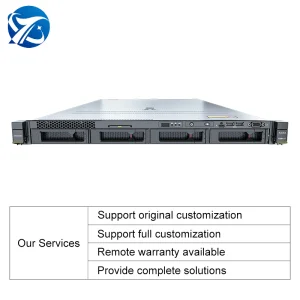
Based in China, Borevo AI Infrastructure (China) Co., Ltd. specializes in GPU integration, high-density server configurations, and tailor-made hardware infrastructure designs. We serve leading cloud providers, telecommunication operators, and global system integrators who require highly stable platforms to execute continuous integration (CI/CD) stress pipelines and hardware verification operations.
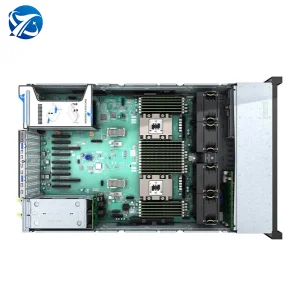
We modify firmware configurations, cooling architectures, high-speed networking card integrations, and customized storage configurations (SSD/HDD arrays) to fit your exact load generation and monitoring pipelines.
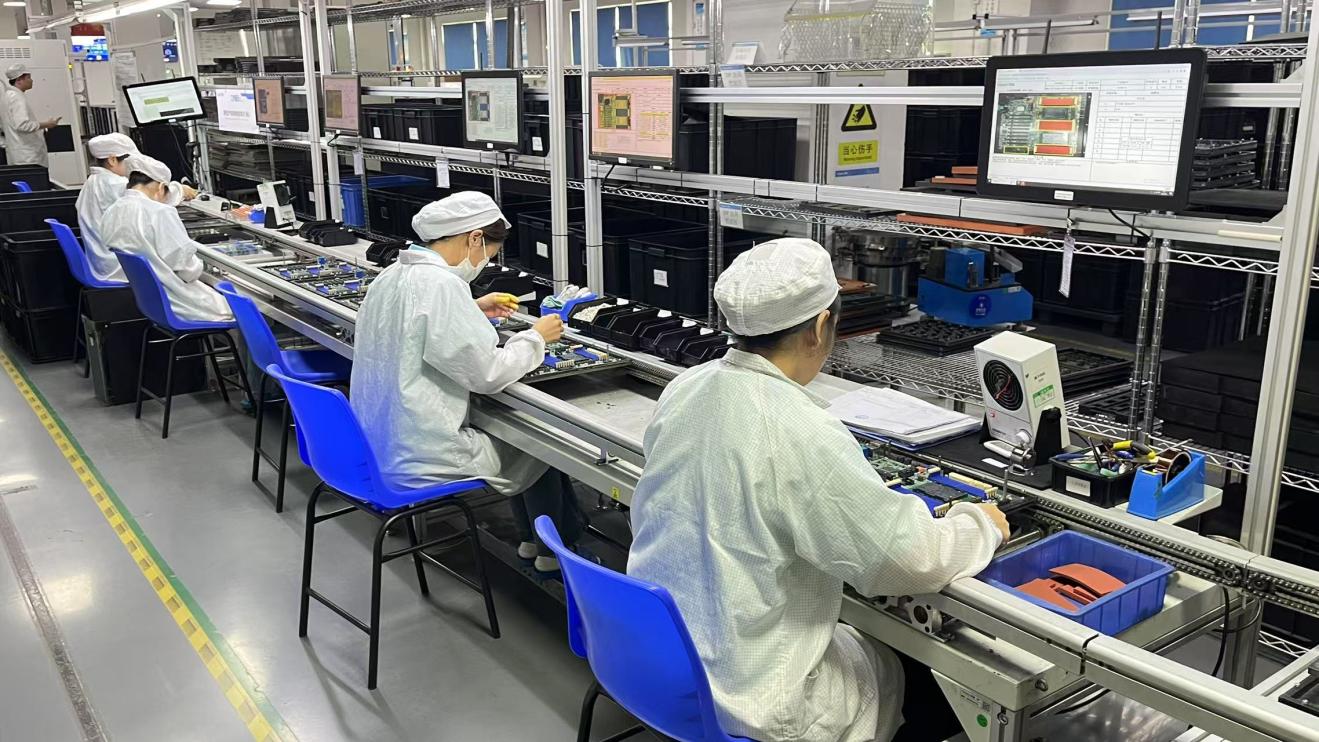
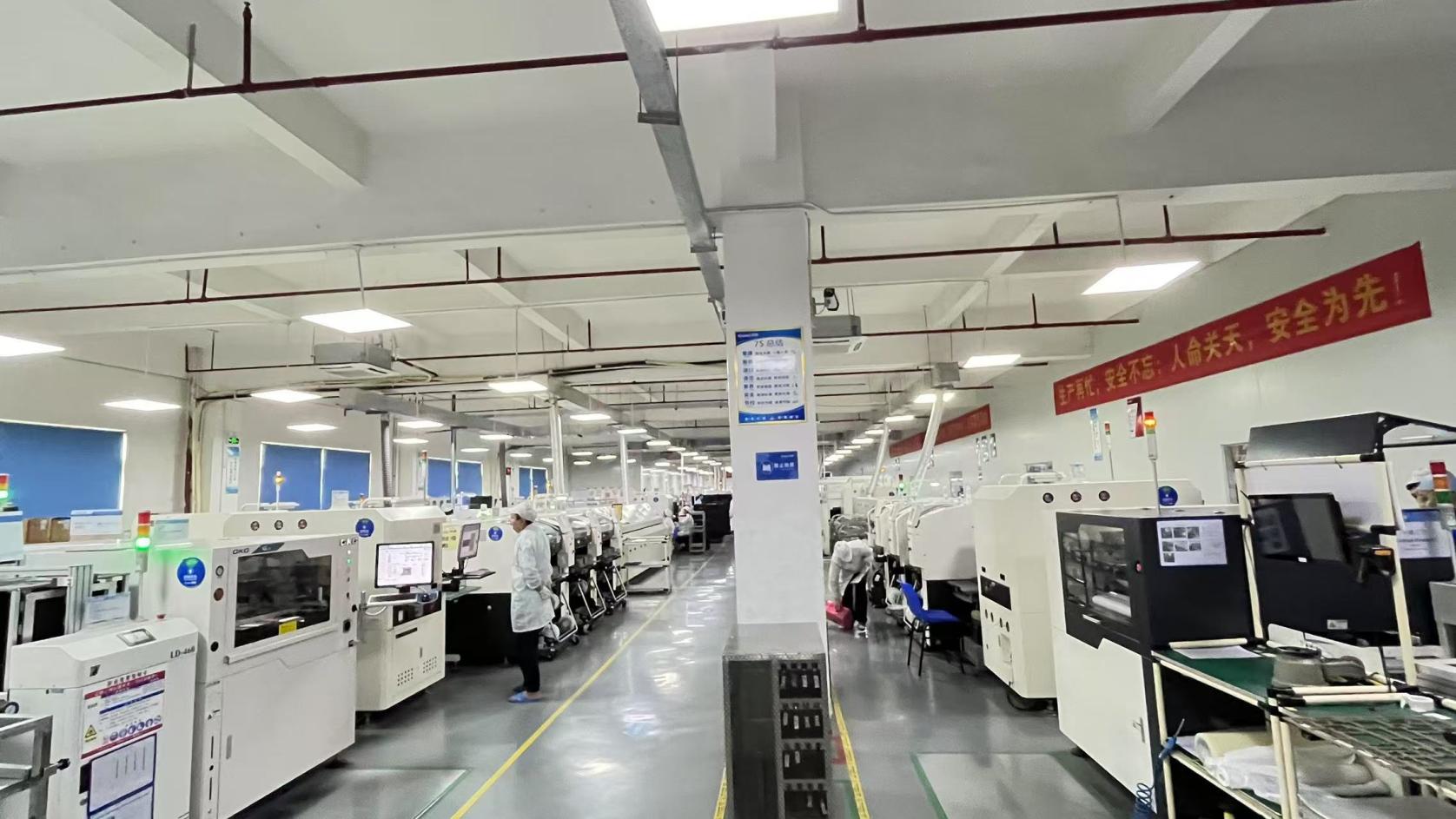
45 dedicated quality control professionals enforce multi-step testing—including AOI inspection, long-duration burn-in, thermal stress tests, and power efficiency benchmarks under full computing load.
Unifying robust upstream components, component integration efficiencies, and rapid prototyping capabilities.
With a network of over 850 strategic partners, we source high-quality PCBs, capacitors, VRMs, memory chips, and custom heatsinks locally. This minimizes latency and optimizes unit pricing for global buyers.
Testing tools run hardware components at 100% capacity for days at a time. Our Chinese facilities specialize in liquid-cooling and forced-air configurations, specifically engineered to withstand high thermal indices without system throttle.
Our factory strictly adheres to quality baselines like ISO 9001 and CE/FCC compliance, executing AOI and thermal cycling on all production runs to prevent failures in critical data center operations.
1. AI Model Load Modeling: The advent of large language models (LLMs) requires testing configurations capable of handling deep network pipelines, massive GPU concurrency, and extreme memory bandwidth. Modern load testing involves firing millions of concurrent tokens into models like DeepSeek, analyzing throughput bottlenecks at the hardware level.
2. Edge and IoT Load Projections: The rapid growth of smart devices requires computing infrastructure to simulate millions of highly distributed, small-payload API requests. Systems must support localized testing structures that reproduce these network patterns reliably.
3. Energy Efficiency and Carbon Neutrality: Enterprises are shifting testing pipelines to hardware configurations optimized for performance-per-watt. Liquid cooling integration and high-efficiency power supplies (e.g., 2000W 80 PLUS Platinum/Titanium options) have transitioned from premium additions to project essentials.
By 2026, over 80% of data centers will integrate continuous hardware-in-the-loop stress testing. Organizations are shifting left, demanding hardware nodes configured to replicate extreme loads dynamically during development.
Delivering customized compute, network, and storage nodes tailored for specific production-scale verification contexts.
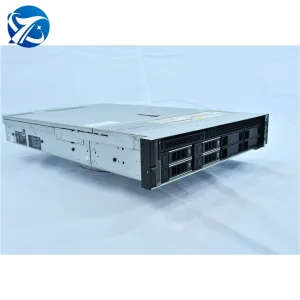
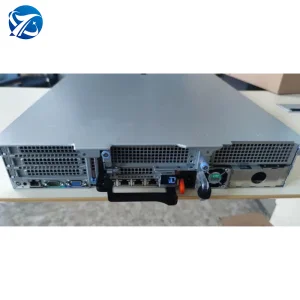
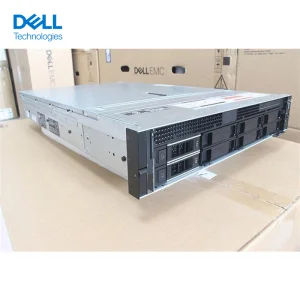
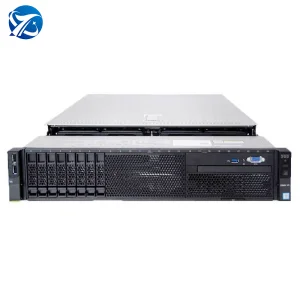
Configuring high-bandwidth rack servers equipped with dual 10Gbps/25Gbps network cards to generate millions of virtual data connections, assessing latency thresholds and package loss during network congestion simulation.
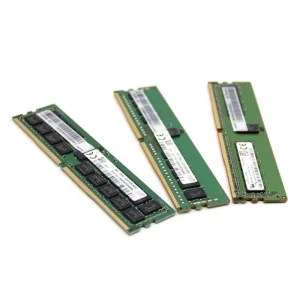
Deploying multi-socket, high-RAM configurations (such as 32GB/64GB/128GB ECC RAM modules) acting as master controller engines for load orchestration. These systems handle the synchronization of thousands of localized container workers.
Leveraging high-end AI GPU servers (featuring architectures customized for training and inference algorithms) to check network interfaces and system pipelines under heavy math calculations and tensor processing workloads.
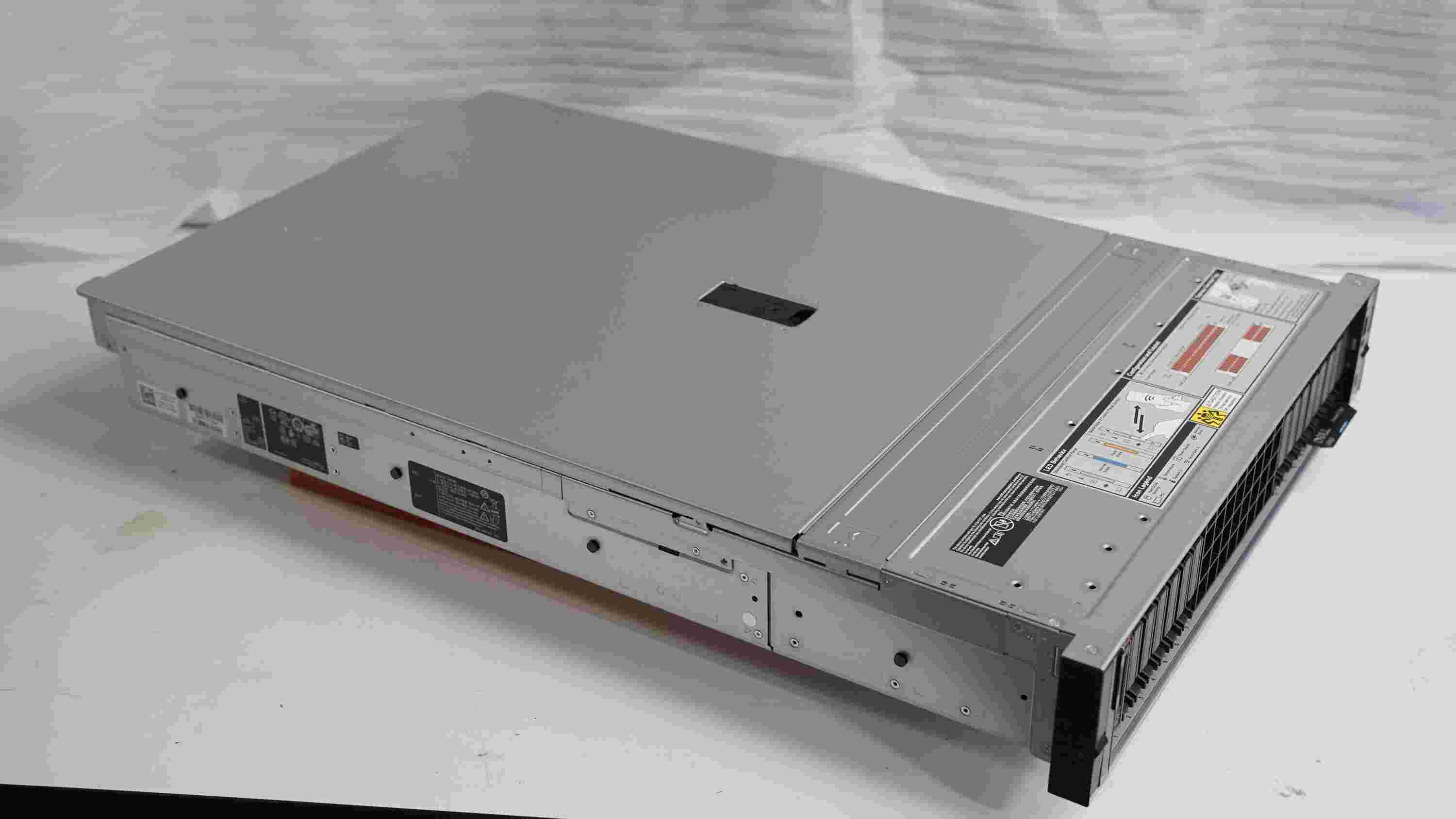
Our quality control workflow operates under strict, multi-tiered inspection environments to ensure hardware longevity and failure-free operation in critical testing scenarios. The system integrates three key phases:
This process guarantees that every OEM system leaving our facility is prepared to withstand high computational load without hardware degradation.
Answering common technical questions related to server procurement, customization, and deployment configurations.
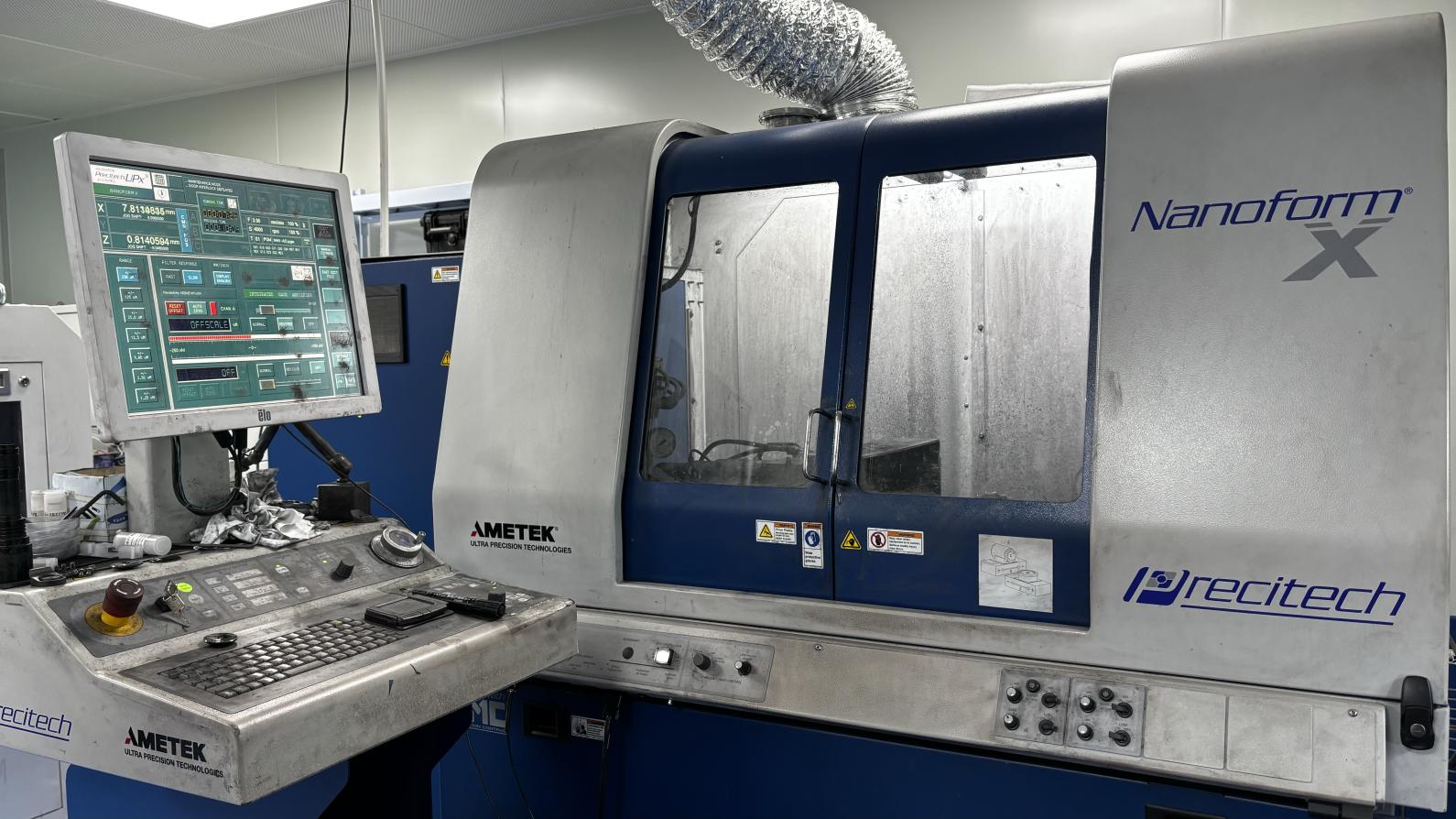
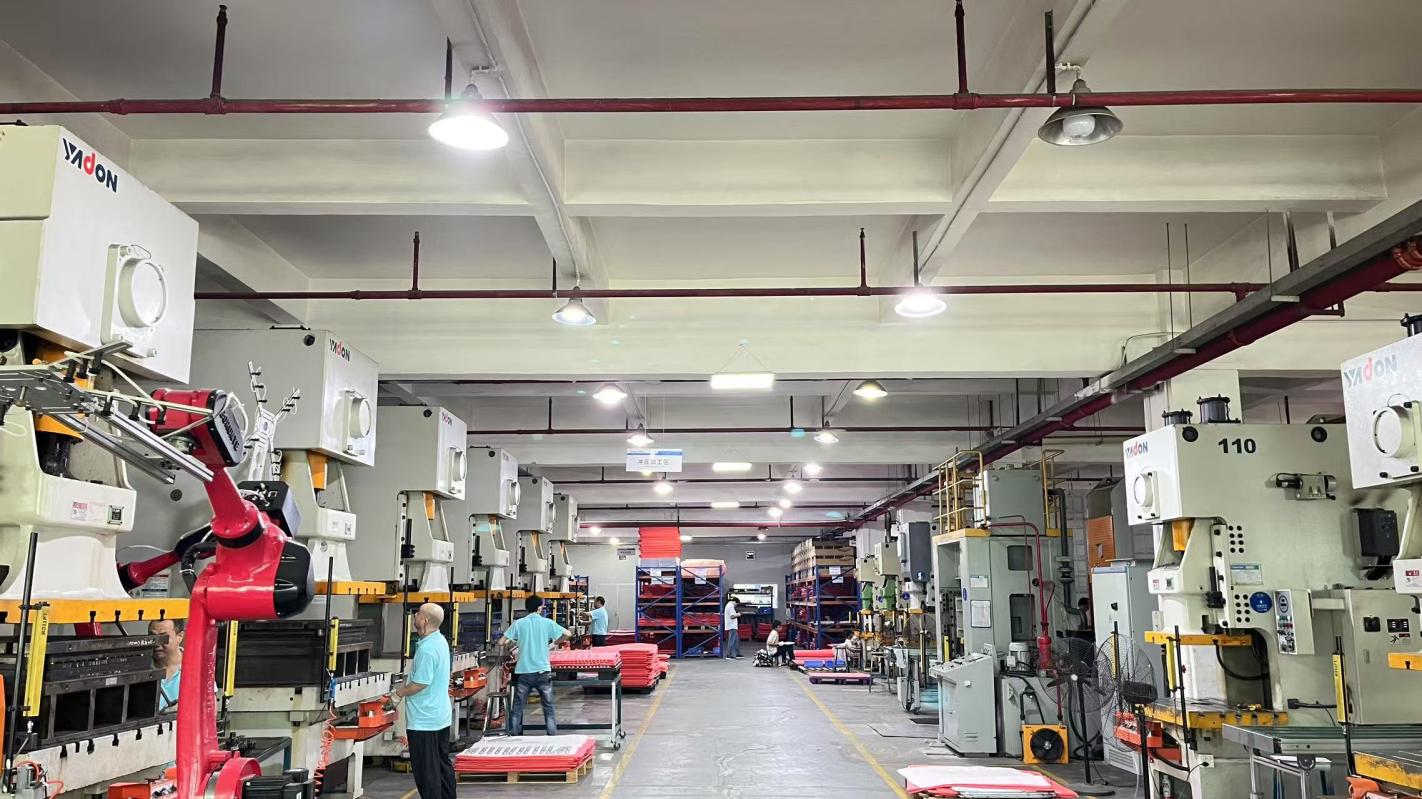
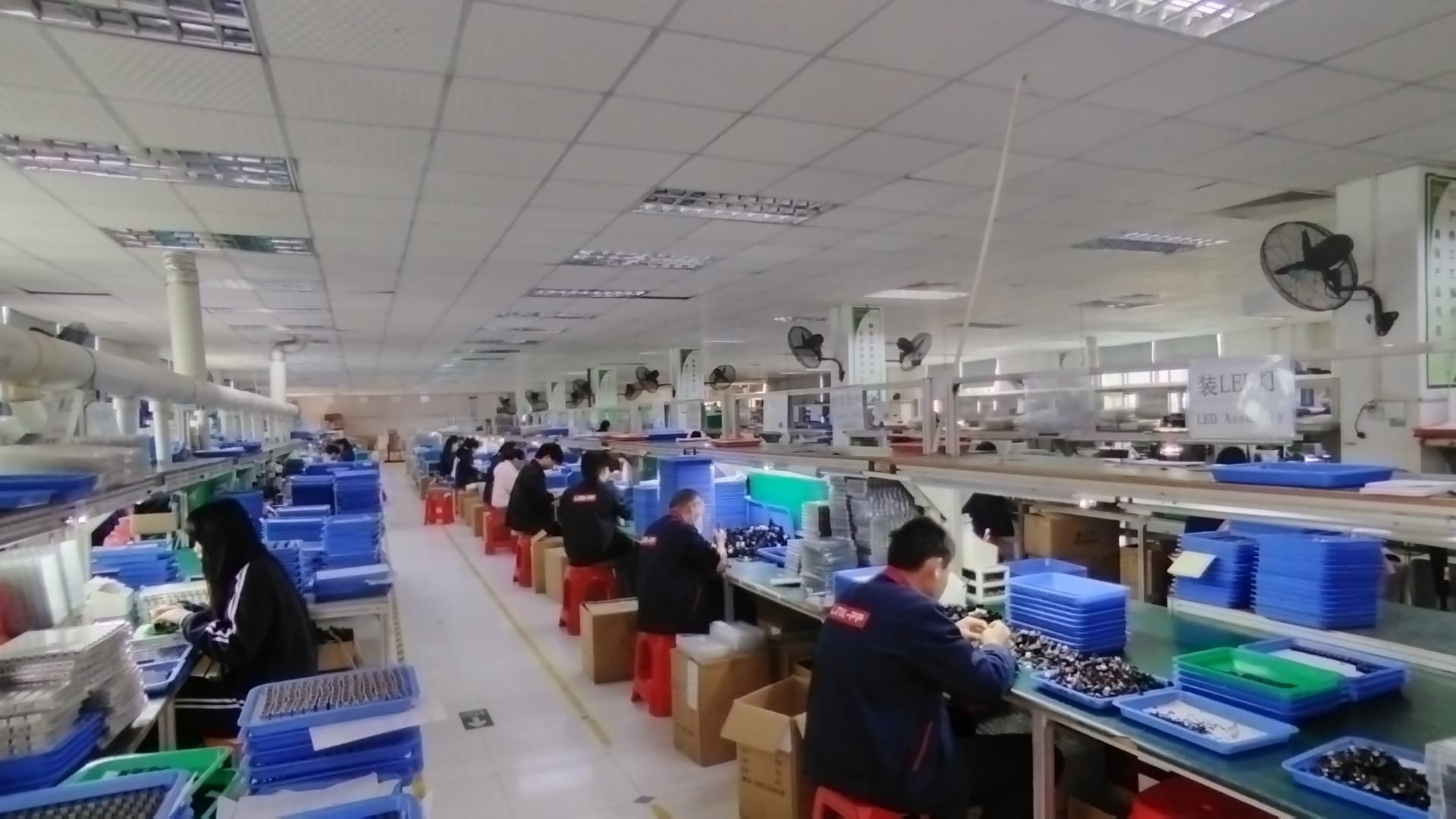
A look inside our 18,600㎡ manufacturing floors, design offices, and hardware assembly spaces.