Borevo
Borevo
Borevo
Mission-critical server modules, computational engines, and memory configurations validated for global ERP deployments.
Why modern transactional structures require a complete reimagining of the computing layer, transition from DDR4 to DDR5, and real-time GPU orchestration.
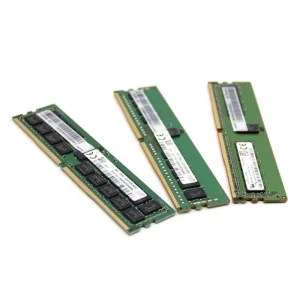
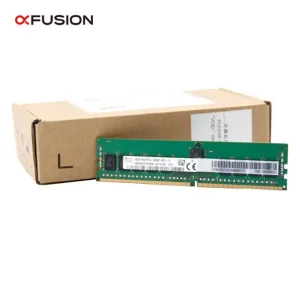
Modern enterprise resource planning systems (such as SAP HANA and Oracle Database In-Memory) process massive analytical data directly in system RAM. This shifts the bottleneck from storage backplanes to memory bandwidth. Transitioning to DDR5 RAM (offering up to 6400 MT/s) and implementing redundant multi-channel ECC architectures is vital to preventing single-bit errors from corrupting critical accounting ledger states.
The integration of localized Large Language Models (LLMs) such as DeepSeek into contemporary ERP systems has introduced heavy compute demands. Real-time predictive maintenance, automatic financial auditing, and natural language business analytics require specialized high-density AI rack servers. These units integrate high-performance GPU nodes directly into core ERP hardware configurations to run local inference jobs.
As regulatory compliance structures like GDPR, HIPAA, and national security data localization mandates tighten worldwide, enterprise ERP architectures are retreating from fully public cloud models back toward hybrid and secure private clouds. The underlying OEM/ODM hardware must incorporate secure boot modules, TPM 2.0 microcontrollers, hardware-level encryption (like Intel SGX), and robust RAID hardware bootcards.
Deciphering custom server configurations, supply chain dependencies, and target performance indicators for enterprise procurement directors.
Enterprise procurement divisions sourcing ERP infrastructure must balance performance capability against total cost of ownership (TCO) and long-term hardware availability. Unlike off-the-shelf consumer systems, server-grade hardware requires customized specifications tailored to specific enterprise database profiles. Key factors such as physical form factors (1U vs 2U vs 4U rackmount architectures), CPU socket configurations, thermal efficiency envelopes, and component validation lifecycles directly impact long-term operations.
As a leading hardware OEM/ODM manufacturing partner, Borevo AI Infrastructure (China) Co., Ltd. plays a vital role in addressing these requirements. We bridge the gap between initial semiconductor fabrication and enterprise deployment by engineering customized server systems, optimized thermal assemblies (heat pipes, custom fan manifolds), and validated ECC RAM modules configured to survive demanding compute workloads.
| ERP Application Category | Optimal CPU/GPU Architecture | Memory Configurations | Recommended Core Hardware Solution |
|---|---|---|---|
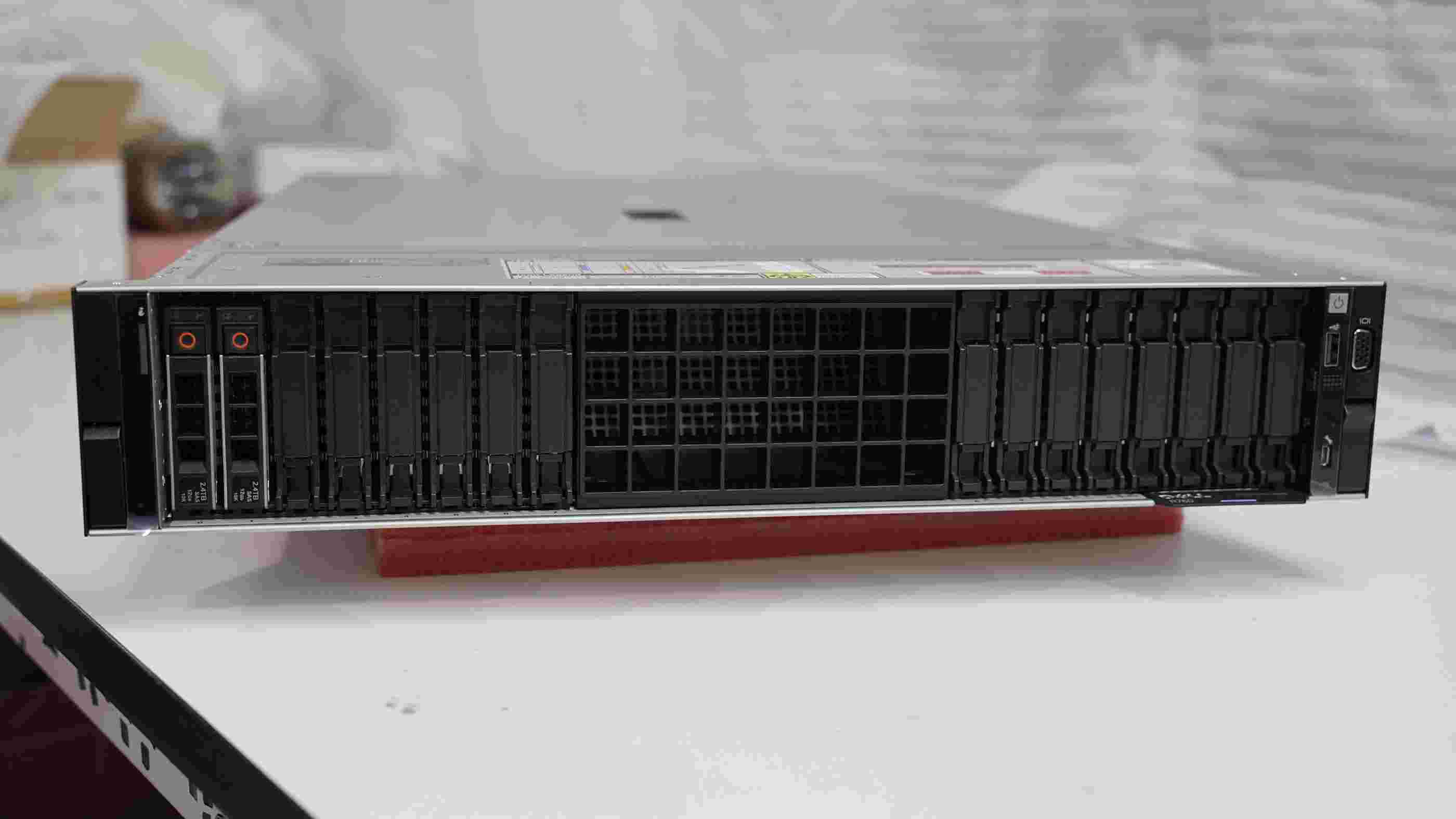
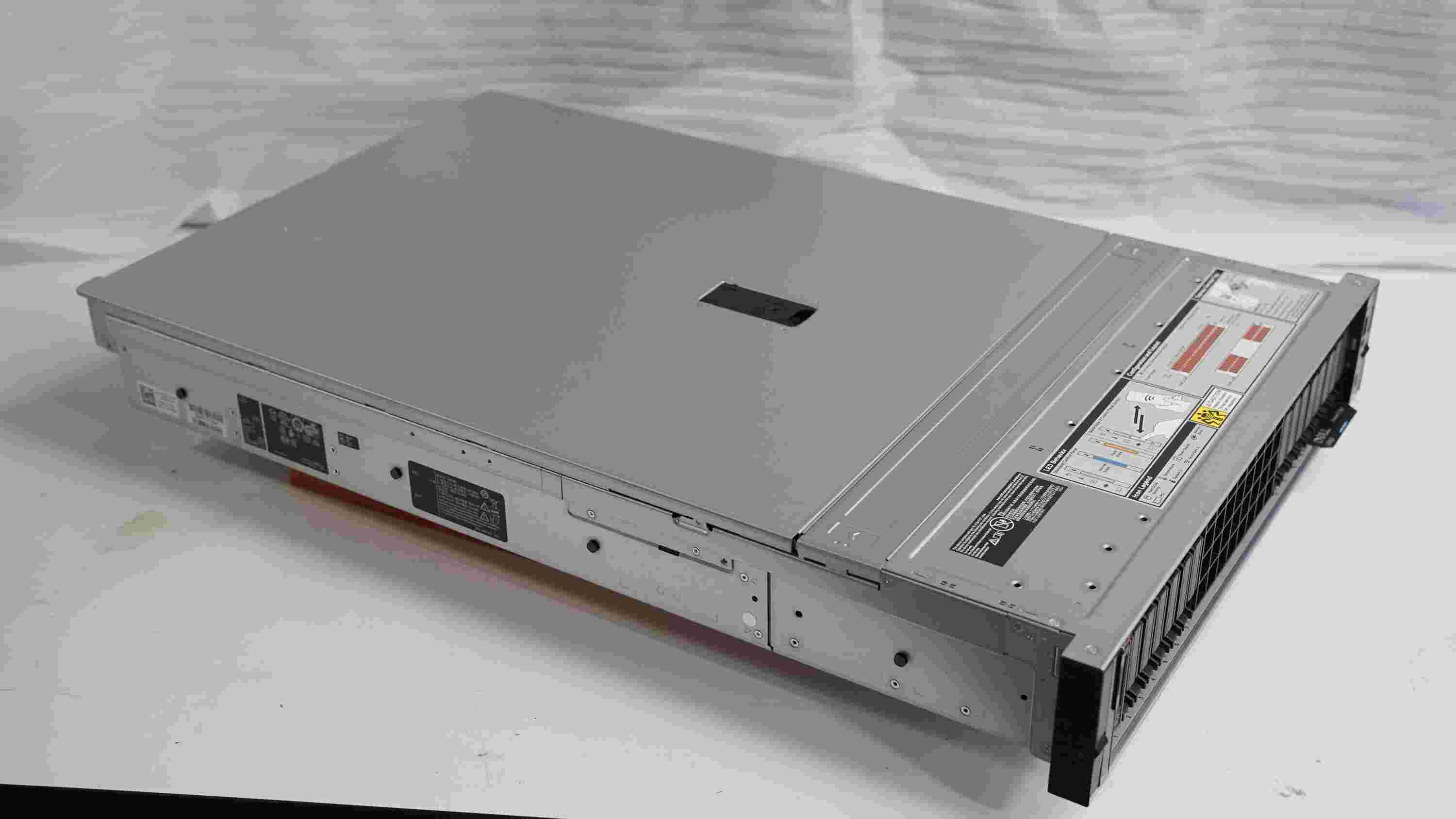
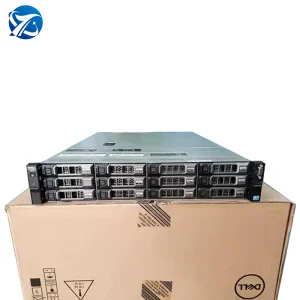
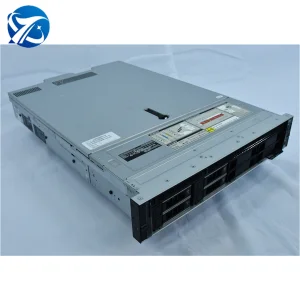
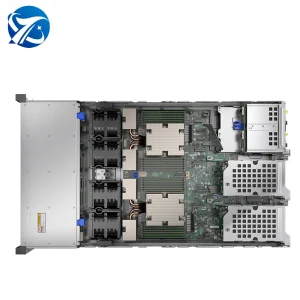
| Heavy Analytics & ERP Databases | Intel Xeon Gold/Platinum (Multi-Socket Scalable) | DDR5 4800/6400 MHz ECC RDIMM (256GB - 1TB) | Mission-critical 4-Socket 2U/4U Rack Servers (e.g., 2488H V5, R960) |
| AI-Powered Forecasting & ERP Search | Intel Xeon CPUs + Multi-GPU Dedicated Array | DDR4/DDR5 ECC RAM + High-Speed VRAM | High-Density GPU Storage Server Clusters (e.g., 1288H V6, 2488H V7) |
| Distributed ERP & Hybrid Cloud Nodes | Intel Xeon Silver/Gold (Single or Dual Socket) | DDR4 3200MHz ECC RDIMM (64GB - 256GB) | 1U/2U Scalable Rack Servers (e.g., R660XS, 2288H V6) |
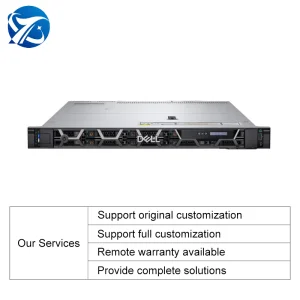
| Branch Office ERP & Backup Targets | Intel Xeon Entry-level Processors | Standard DDR4 ECC Unbuffered Memory | Compact 1U Rack / Workstation Servers (e.g., PowerEdge R350) |
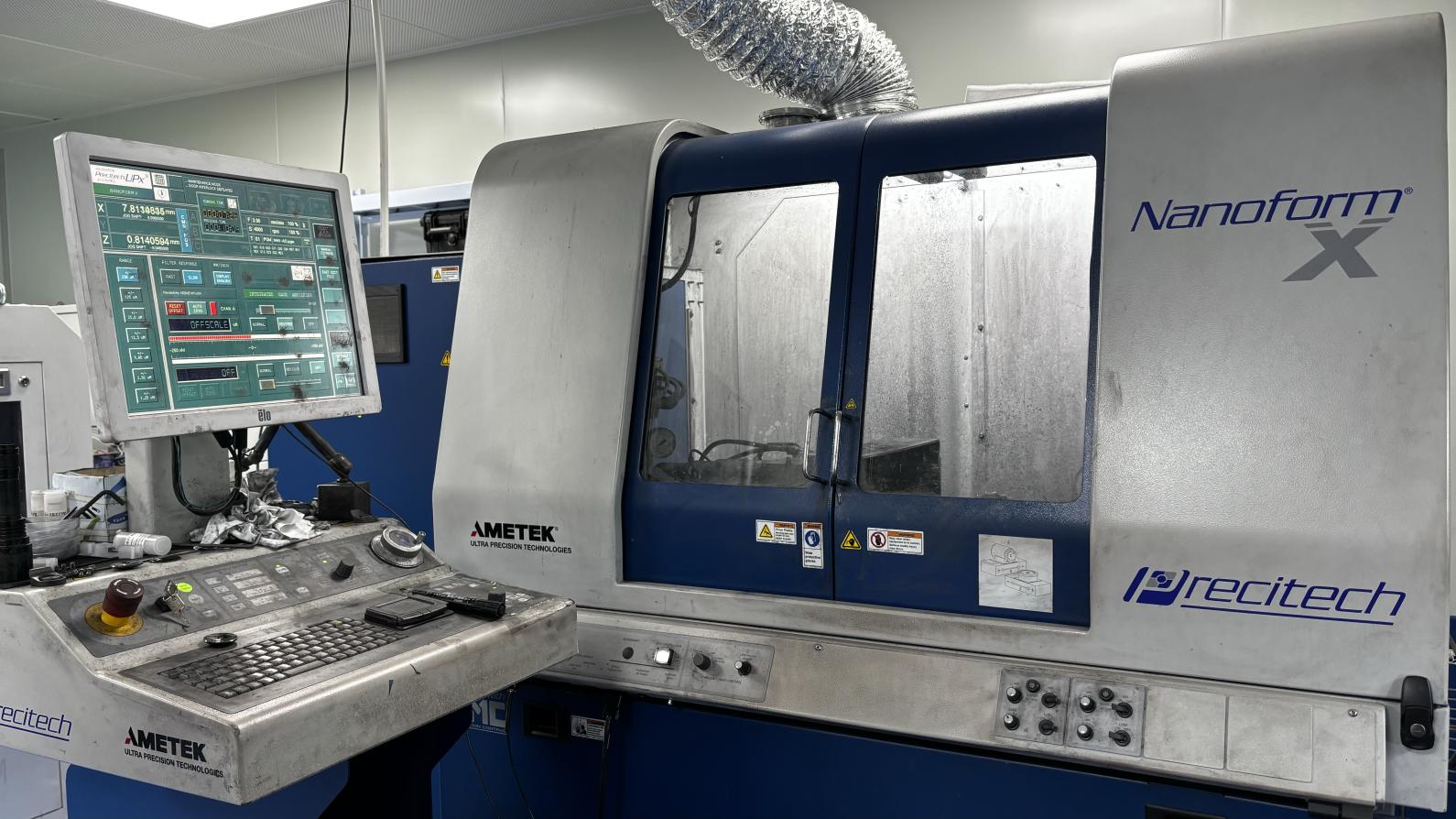
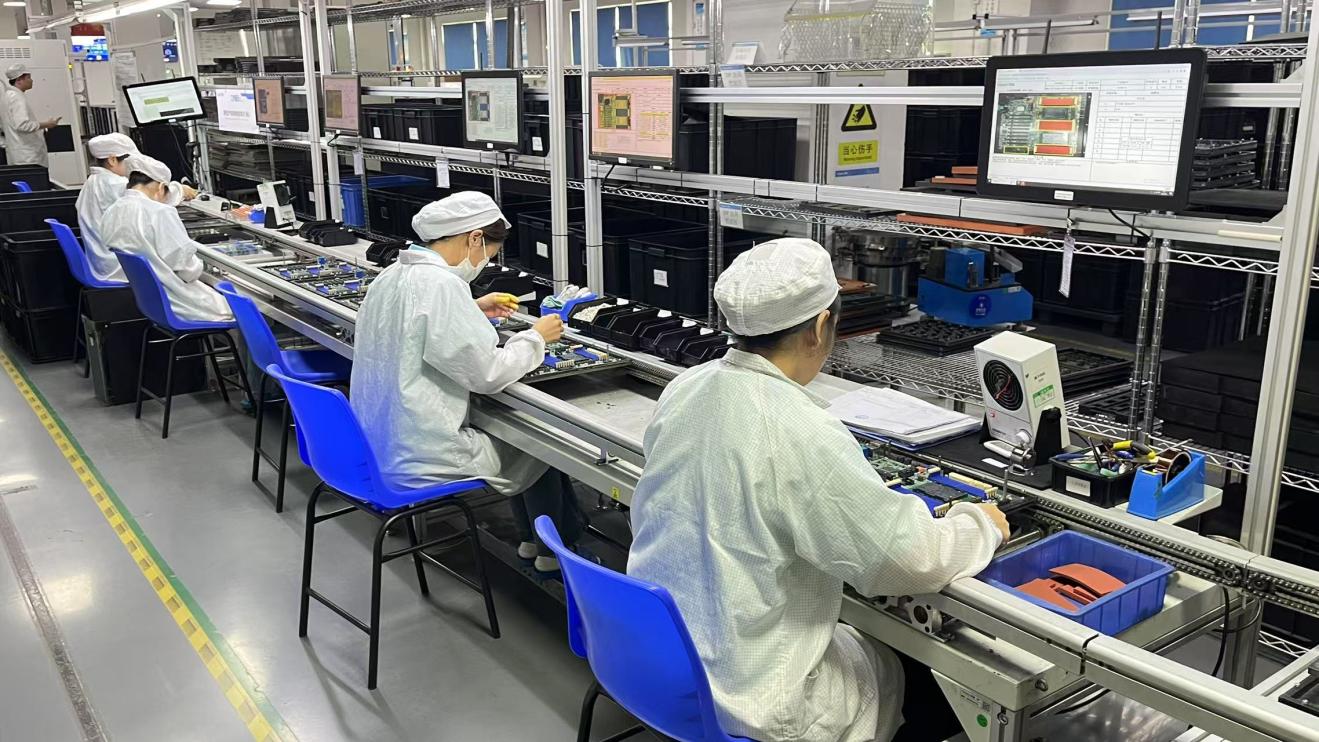
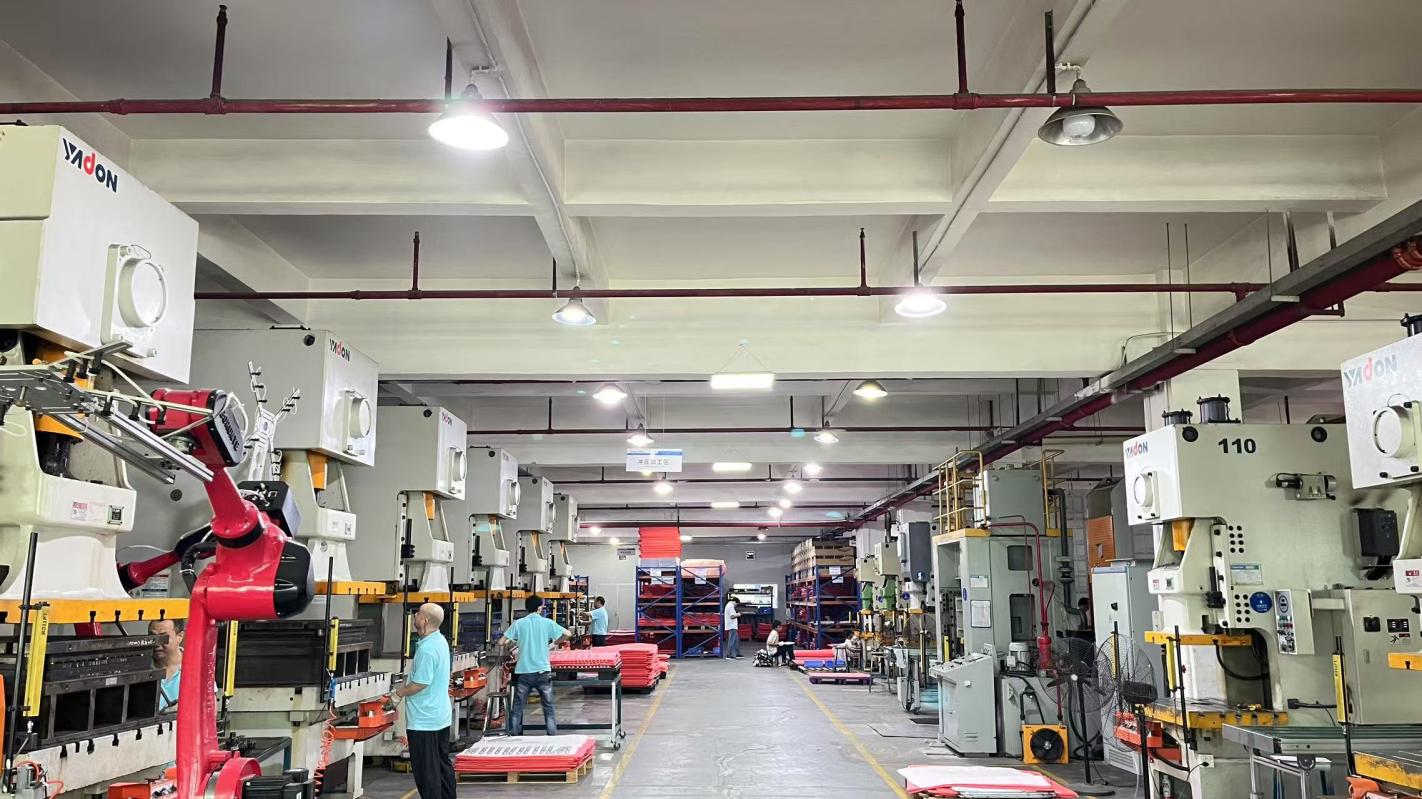
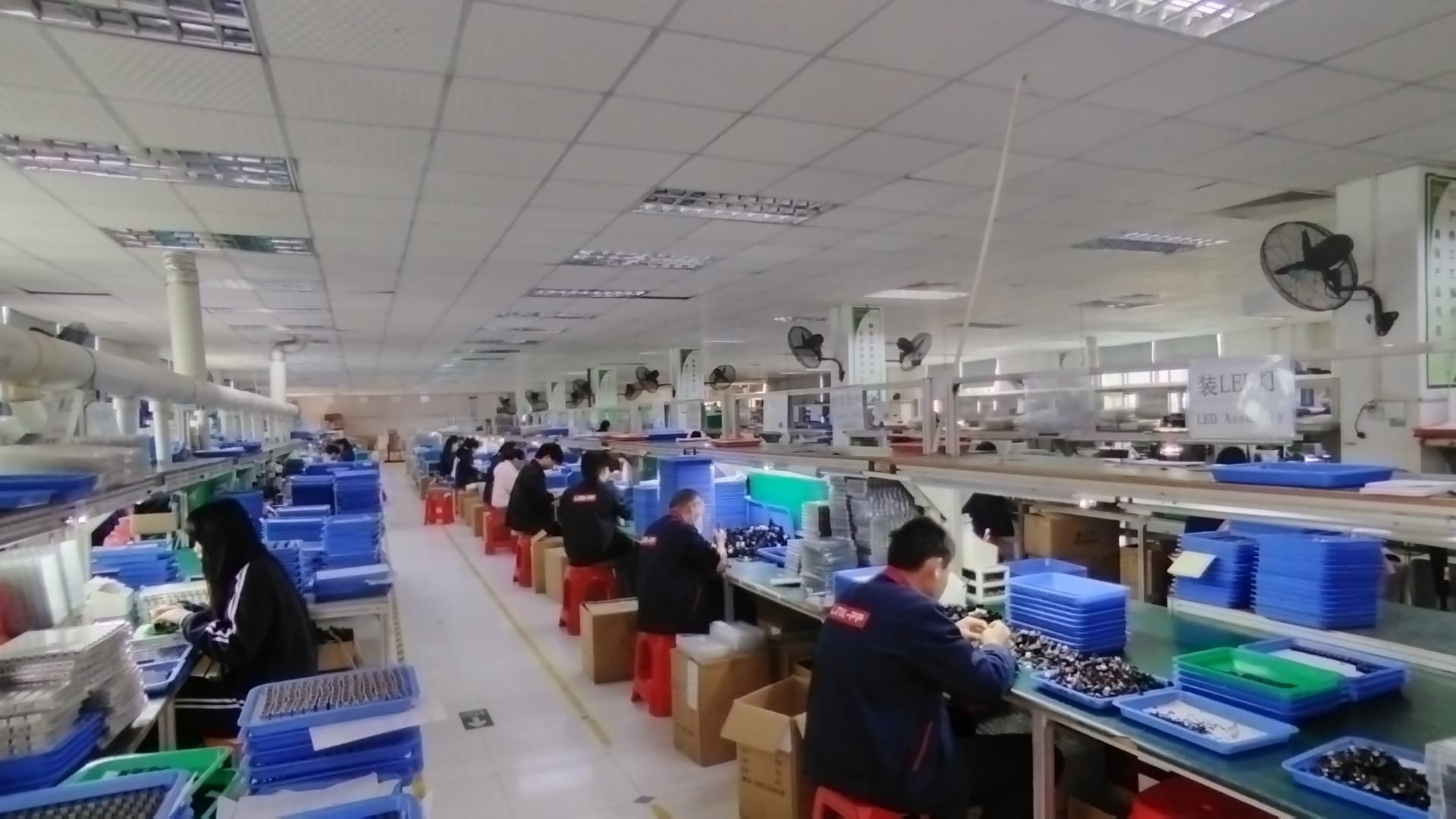
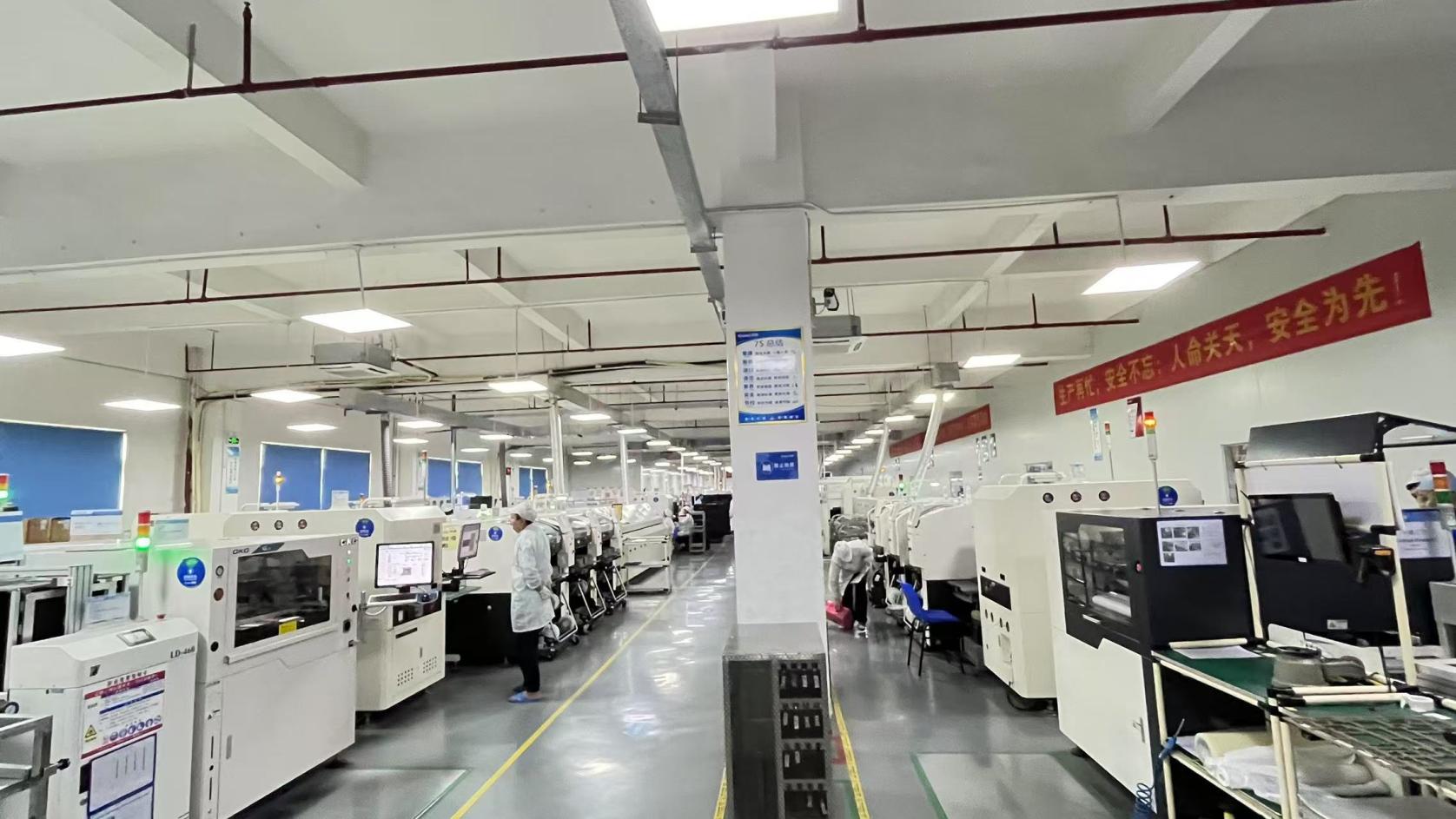
An inside look at our 18,600 ㎡ production plant, quality checking systems, and custom server tailoring methodologies.
We work with server components to align with unique enterprise requirements. Our firmware adaptations include BIOS and BMC adjustments, tailored PCIe cooling paths for thermal stability, memory channel validation to match specific server models, and dedicated drive configurations. We optimize structural layouts to handle intensive databases and demanding multi-thread calculations.
Our quality control facility utilizes a robust testing approach. Every server board, controller card, and memory unit passes through rigorous testing steps, including AOI inspections, burn-in testing, high-temperature thermal cycle stress tests, and intensive data transfer benchmarks. This systematic process ensures hardware stability under constant high-load operations.
Supported by a network of over 850 strategic partners supplying quality semiconductors, PCB blanks, active cooling assemblies, and certified storage controllers, we maintain reliable production and shipment cycles. This robust supply chain helps protect our production lines from unexpected components shortages, ensuring consistent delivery schedules.
Expected technological advances in enterprise hardware engineering, interconnect protocols, and AI integration for the upcoming 3 to 5 years.
As databases scale beyond single-system memory capacities, CXL allows memory pooling across nodes. Our hardware roadmap supports native CXL interfaces to share memory dynamically, lowering TCO and enhancing utilization across enterprise resource planning clusters.
Modern companies run localized AI workloads alongside legacy transactional databases. Our next-generation systems integrate GPU-optimized slots and high-bandwidth interconnects designed for localized DeepSeek-R1 deployments, speeding up intelligent business actions.
Increasing TDP ratings on high-performance processors make standard air-cooling systems less effective. We are developing OEM liquid-to-chip blocks that fit into standard rack configurations, helping control thermal profiles and reduce data center PUE ratios.
Expert insights addressing common engineering, custom manufacturing, and global logistic inquiries from enterprise buyers.
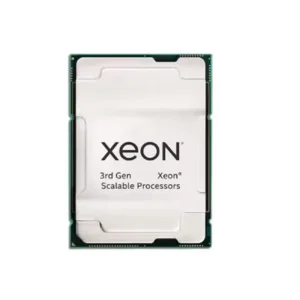
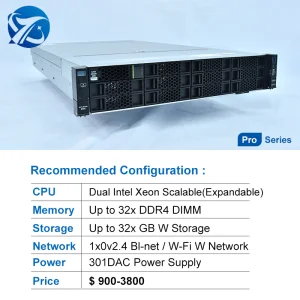
High-compute processors, server chassis configurations, and system extensions for high-intensity enterprise applications.
A look inside our 18,600 ㎡ ISO-certified hardware manufacturing plant, assembly lines, and testing divisions.