Borevo Borevo

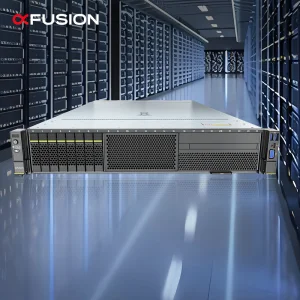
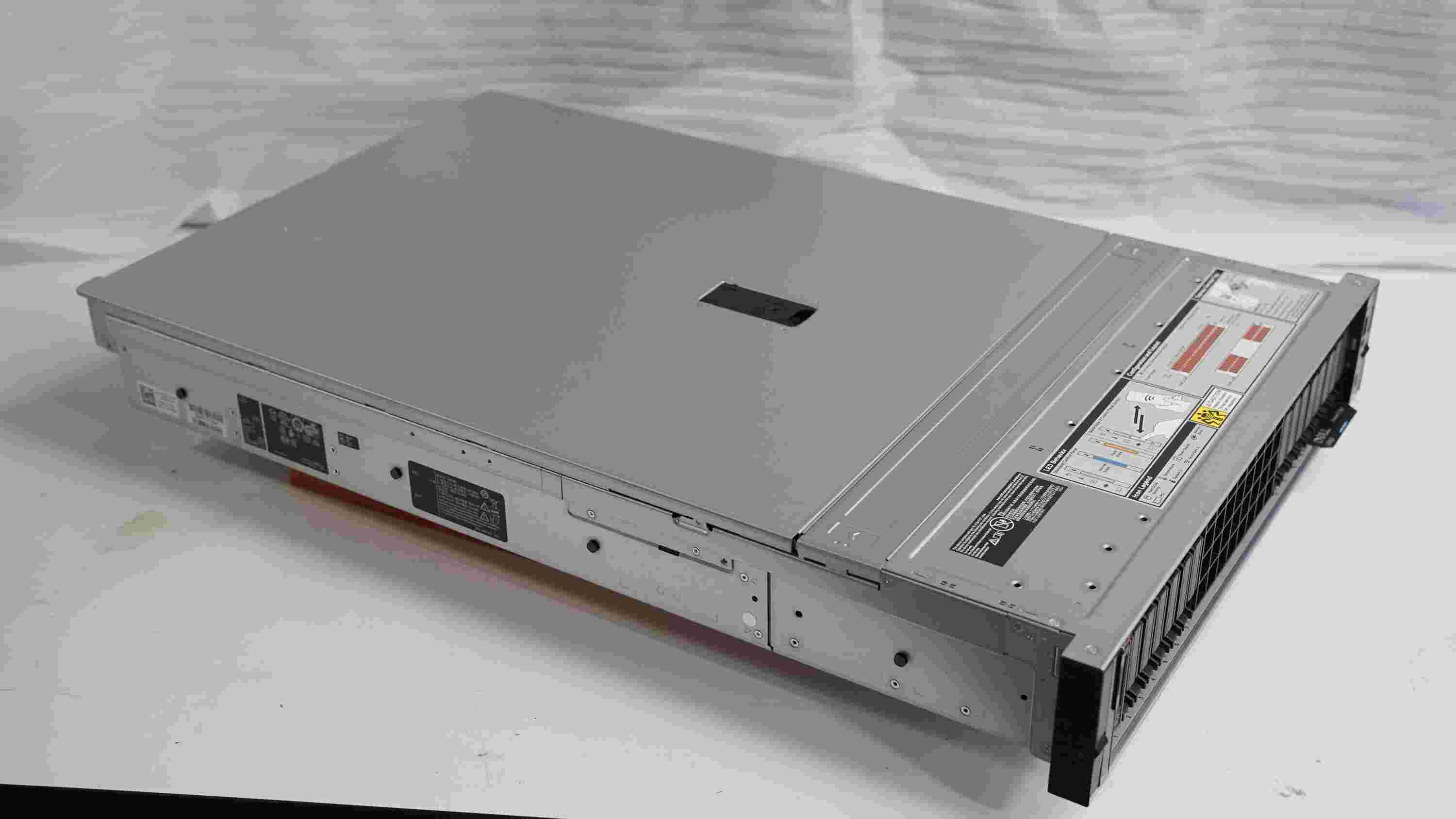
Custom OEM xFusion Solutions Manufacturers & Suppliers

Next-Generation Deep Computing Architectures & High-Performance AI Server Infrastructure Optimized for Hyperscale Deployments

Market Analysis & Penetration

Global Commercial & Industrial Landscape of xFusion Solutions

In the era of hyper-scale computing, the global technology sector has witnessed a profound paradigm shift toward modularized, energy-efficient, and dense computation clusters. At the center of this transformation lies xFusion architecture. By offering optimal performance density and enterprise reliability, xFusion-compatible motherboards, compute units, and specialized node solutions are widely adopted across primary high-compute sectors.

The industrial ecosystem depends on rapid deployments. Cloud service providers (CSPs) and enterprise data hubs face the challenge of dealing with massive unstructured datasets, processing intensive deep learning algorithms, and reducing system latency. This requires hardware manufacturers to not only deliver bare-metal units but also design tailored OEM infrastructure. Borevo AI Infrastructure (China) Co., Ltd. bridge this demand gap by manufacturing optimized components, designing modular thermal units, and providing system configuration tuning for diverse business profiles.

850+
Strategic Supply Partners
USD 18M
Annual Export Volume
180
Dedicated R&D Engineers
12+ Yrs
Industry Experience

Currently, the global deployment landscape is stratified into three major applications:

  • Hyperscale Public Cloud & Edge Node Integration: Dynamic provisioning of multi-tenant architectures, where bare-metal components must handle hypervisor layers without CPU performance loss.
  • Distributed Deep Learning (DLL) Infrastructures: Highly configured GPU clusters working in tandem with low-latency network interconnects (such as InfiniBand or 100G/200G/400G Ethernet).
  • Enterprise Virtualization & Mission-Critical Processing: High-reliability multi-socket systems utilizing resilient boot cards (e.g., SAS3808 / SAS3908 chipsets) to protect persistent databases and handle concurrent transactional workloads.
Engineering & Research

Technological Roadmap & Next-Generation Paradigms (2025 - 2030)

PUE Reduction & Liquid Cooling

Direct-to-chip cold plate integration and immersion fluid-dynamics modeling to lower PUE below 1.15 in hyperscale data centers.

PCIe Gen 5 & CXL Adapters

Optimizing bus layouts to maximize bandwidth allocation, bypass bottlenecks, and enable high-bandwidth memory pooling (CXL 2.0).

Hardware Root of Trust

Out-of-band management controller isolation and cryptographically signed firmware configurations to prevent firmware exploits.

As we look towards the next decade, server technology is shifting focus from raw core counts to high-efficiency heterogeneous systems. The mainstreaming of large language models (LLMs) requires architectural adaptation. For instance, hosting models like DeepSeek 671B requires low-latency GPU-to-GPU communications, sub-millisecond network fabrics, and NVMe-over-Fabrics (NVMe-oF) configurations.

Hardware development is shifting from monolithic board design to customized configurations. By decoupling system boards, backplanes, and peripheral controllers, OEM platforms can adapt to specific operational profiles. We offer customizable systems that support diverse PCIe configurations, hybrid cooling solutions, and alternative power distribution models to meet unique deployment requirements.

Borevo AI Infrastructure (China) Co., Ltd.

Company Overview & Manufacturing Capabilities

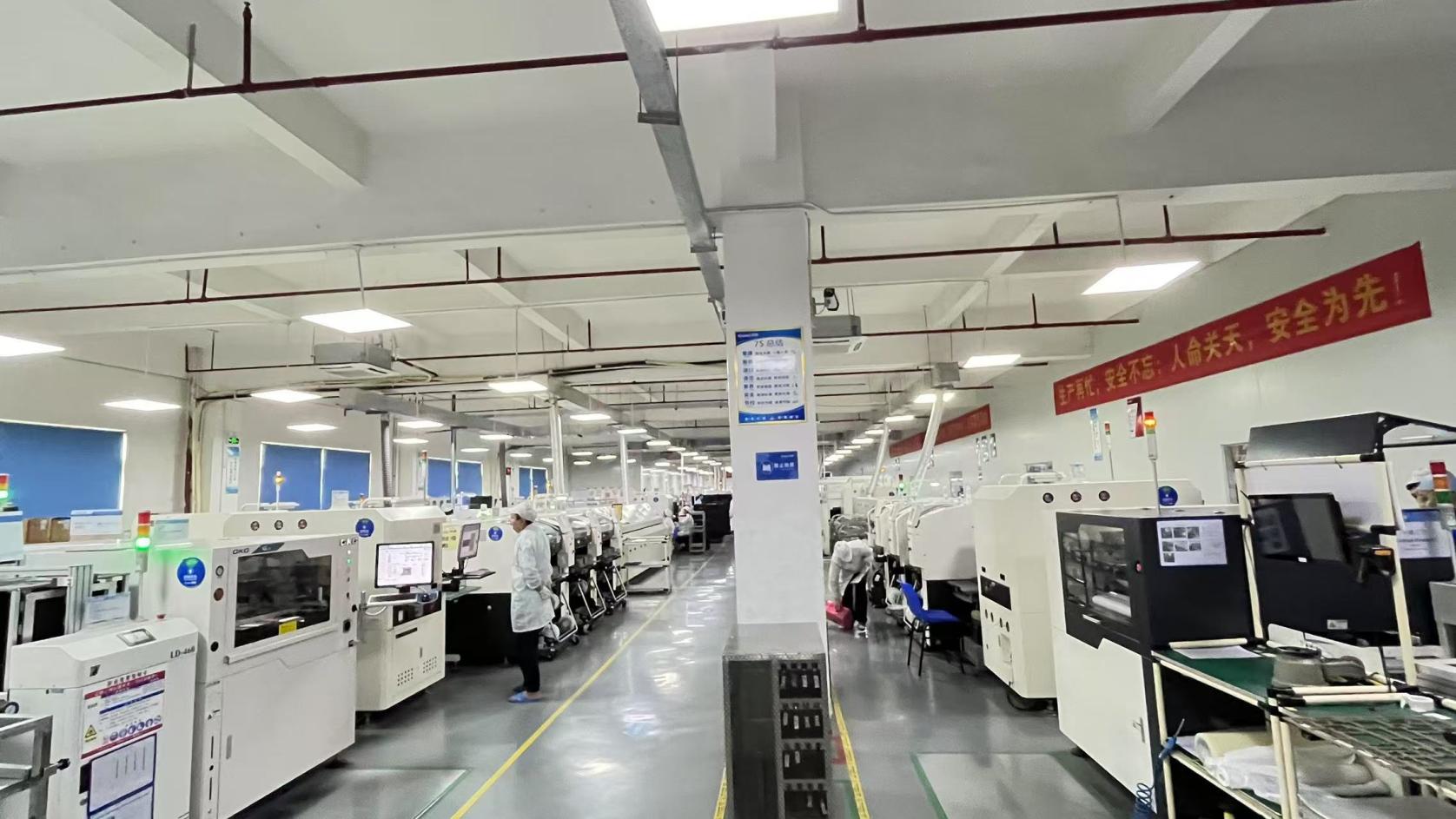
Borevo AI Infrastructure (China) Co., Ltd. is a specialized AI GPU manufacturer dedicated to delivering high-performance computing hardware and advanced AI infrastructure solutions for global markets. The company focuses on GPU design integration, AI acceleration systems, and customized computing solutions for data-intensive applications.

Production Infrastructure

  • Registration Date: Established in 2018
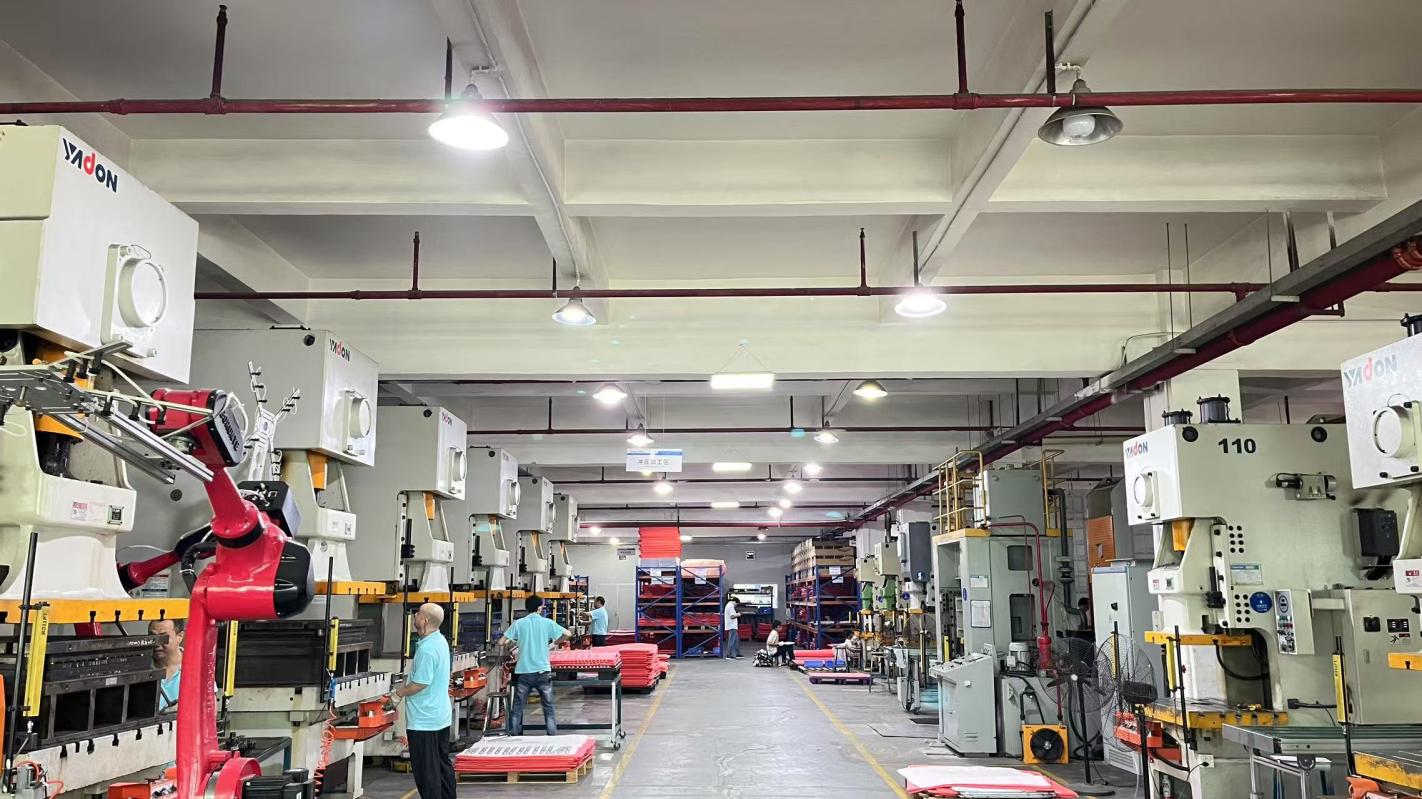
  • Facility Footprint: 18,600 ㎡ Manufacturing Site
  • Export Experience: 7 Years of Global Trade
  • Industry Experience: 12 Years of Development

R&D and Customization

  • R&D Staff: 180 Design & Firmware Engineers
  • Product Releases: 120+ New Designs Annually
  • Firmware Tuning: UEFI, IPMI & RAID Adaptation
  • Thermal Tuning: Dynamic Air/Liquid Optimization

Quality Control (QC)

  • Dedicated Team: 45 Quality Control Personnel
  • Methods: AOI Inspection, Burn-in Tests
  • Thermal Testing: Thermal Stress Chambers
  • Benchmarking: Full Load Electrical Testing

Trade Context & Supply Chain Integrations

Borevo's global trade footprint focuses on high-performance compute clusters in North America, Europe, and Southeast Asia. We maintain a reliable supply network of approximately 850 strategic partners in key areas including semiconductors, PCB manufacturing, cooling assemblies, and memory systems. Our production system is designed to provide cloud service providers, large data centers, and OEM clients with hardware configurations built to survive demanding multi-year operation cycles.
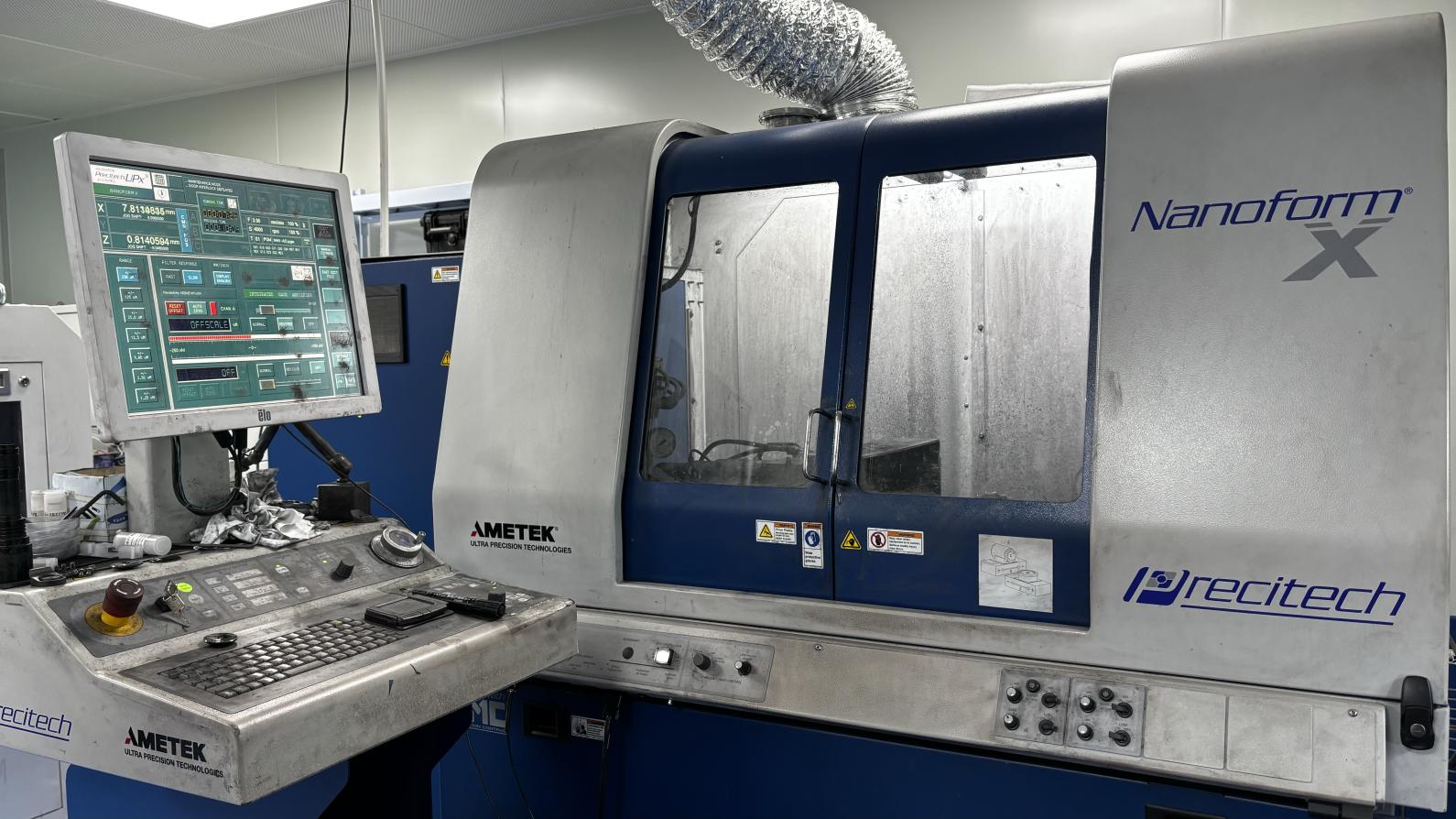
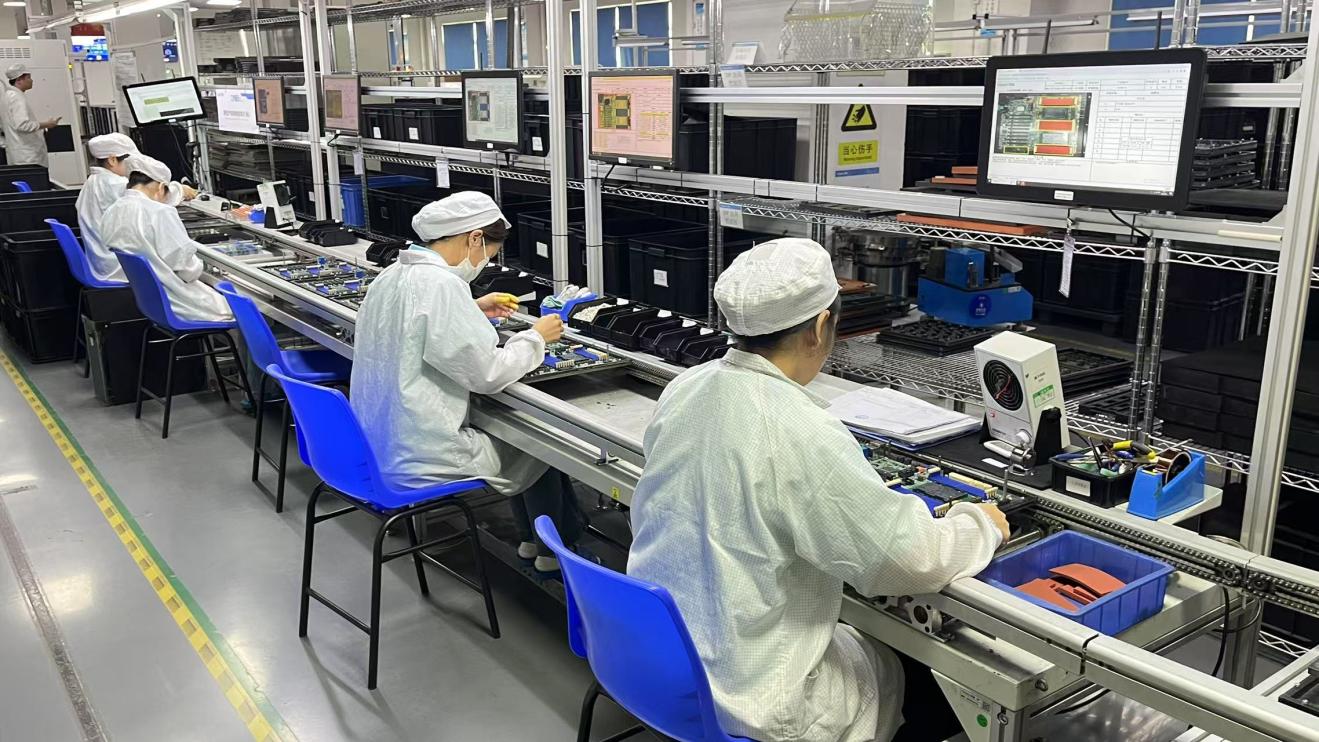
Borevo Factory Facility 1
Borevo Factory Facility 2
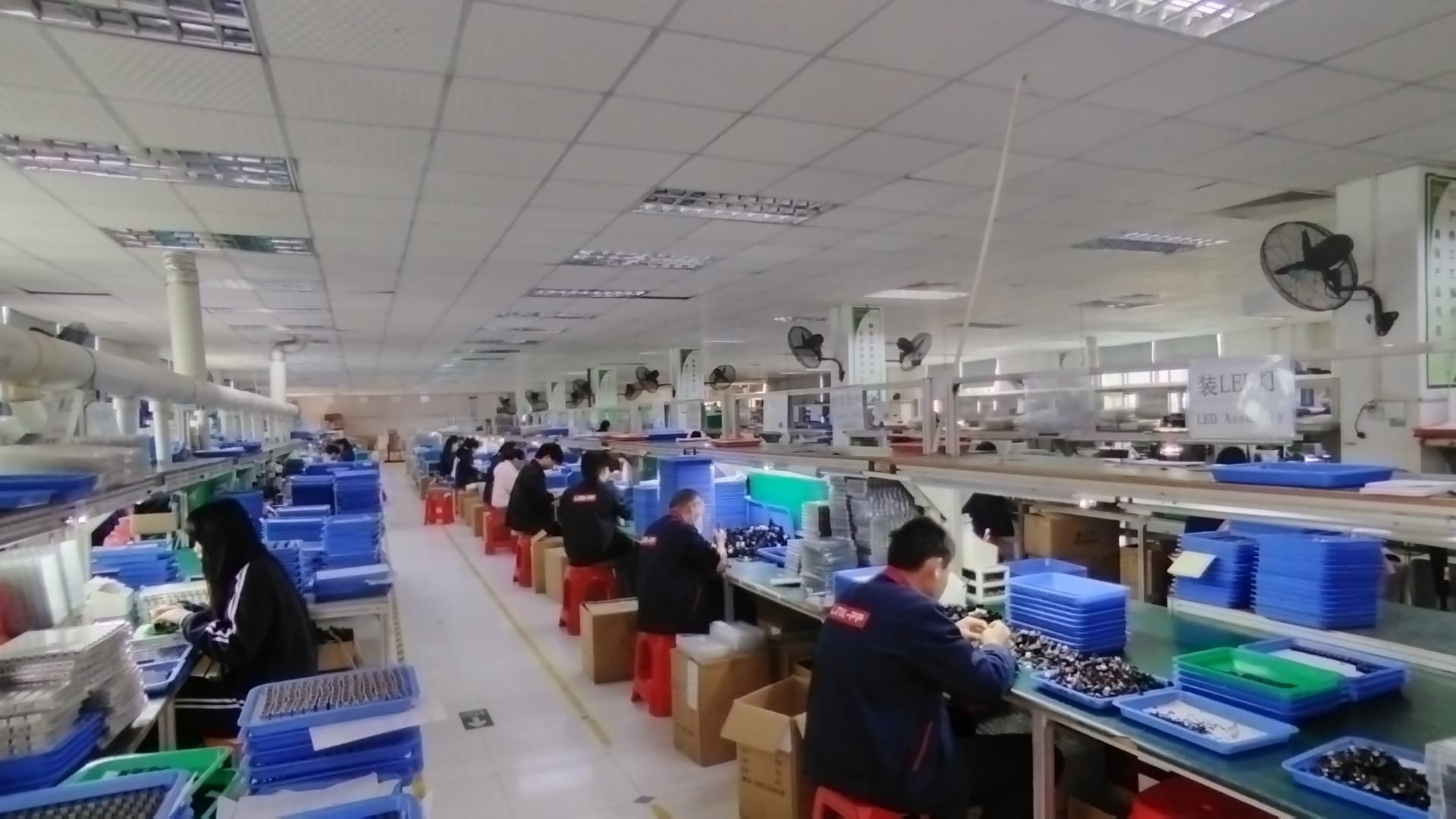
Borevo Production Line
Borevo Optical Testing Facility
Borevo Testing Laboratory
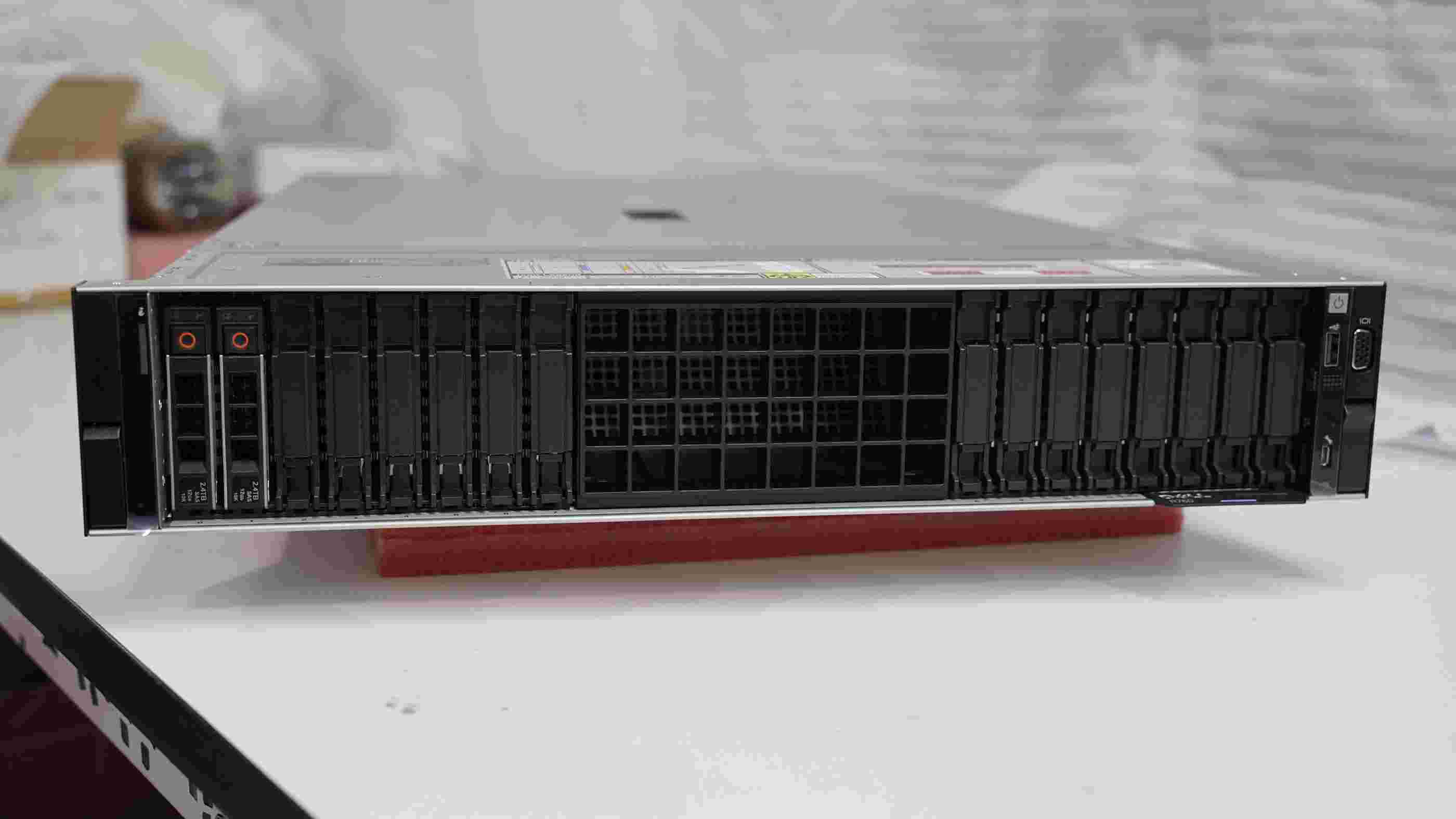
Borevo Server Assembly Area
Borevo Server Burn-in Chambers
Industry Use Cases

Custom Applications & Industrial Integration

Industrial deployments demand targeted engineering rather than generic solutions. Modern data workloads present diverse performance requirements that cannot be met by standard, out-of-the-box servers.

Scenario A: Edge AI Inference & IoT Clusters

In smart factory environments, field-level analytics require small-footprint, resilient platforms. System solutions configured with PCIe expansion slots, dedicated boot controllers (like XP270-M2), and wide temperature ranges allow edge nodes to preprocess visual data feed directly from production floors, reducing upstream bandwidth requirements.

Scenario B: Hyperscale Virtualization & Dynamic Multi-Tenancy

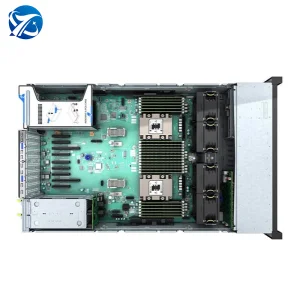
For large cloud centers, managing compute density is critical. Deployments of dual-socket xFusion servers equipped with high-efficiency Xeon processors, CXL 2.0 pathways, and massive DDR5 footprints allow hosting thousands of parallel virtual machines (VMs) without experiencing memory bottlenecking or network drops.

Scenario C: Deep Inference & LLM Training (DeepSeek 671B Optimizations)

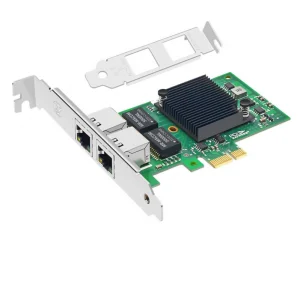
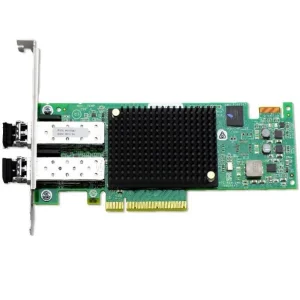
Deep learning workflows demand high network performance. By combining high-density GPU nodes with Emulex LPe35002-M2 Dual Port 32GB Fibre Channel HBAs, operators can build low-latency pathways that prevent GPU processing stalls, facilitating efficient parallel training of large AI architectures.
Technical Q&A

Technical FAQ & Intent Deep Dive

Q1: How do custom xFusion solutions support DeepSeek 671B model inference?
A1: Implementing DeepSeek 671B requires high GPU memory capacity and low inter-node communication latency. Custom OEM xFusion platforms achieve this by optimizing PCIe Gen5 trace lengths on the motherboard, utilizing NVLink bridge architectures, and supporting dual-socket Xeon/AMD configurations with high DDR5 memory allocations. Additionally, integrating low-latency Emulex Fibre Channel HBA cards ensures rapid model checkpointing and parallel task distribution across nodes.
Q2: What are the primary benefits of using the XP270-M2 SAS3808 BootCard in cloud centers?
A2: The XP270-M2 utilizing the SAS3808 chipset serves as a dedicated hardware-based RAID storage boot card. It isolates the operating system boot path from primary storage arrays, supporting RAID 0, 1, and JBOD configurations without consuming valuable host cache memory. This design ensures that even during high-load read/write spikes on the primary database, the server's hypervisor remains secure, responsive, and isolated.
Q3: How does Borevo quality control ensure reliability for server boards and peripherals?
A3: Borevo employs a multi-tiered quality assurance program managed by 45 dedicated QC personnel. Every board undergoes Automated Optical Inspection (AOI), followed by controlled burn-in procedures under high thermal and electric loads. Thermal chambers test operations up to 55°C, ensuring components resist high operating stresses in server environments.
Q4: Why is dual-socket configuration essential for enterprise database virtualization?
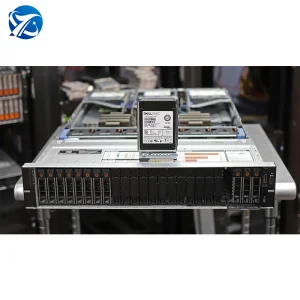
A4: Dual-socket architectures, featured on models like the FusionServer 2288H V6, double the available CPU cores and memory channels within a compact 2U form factor. This enables NUMA (Non-Uniform Memory Access) load balancing, allowing high-throughput virtualization layers to dynamically isolate cores for database operations while routing secondary I/O tasks to a separate physical CPU.
Q5: Can customized thermal management solutions be integrated into legacy racks?
A5: Yes. Borevo specializes in modifying server chassis configurations to accommodate older cabinet dimensions. Our engineers optimize airflow direction, adjust dynamic fan-speed profiles in the BMC firmware, and implement customized heat pipes to ensure system stability even in environments with limited rack space.