Borevo
Borevo
Borevo
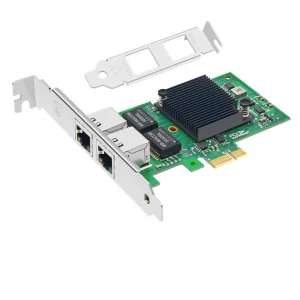
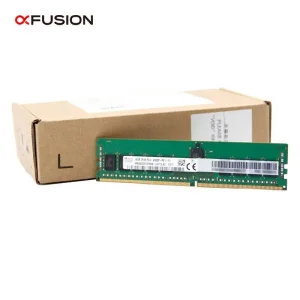
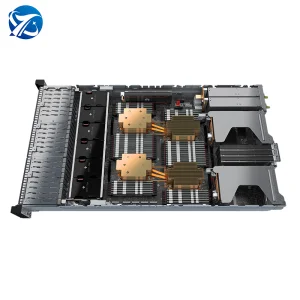
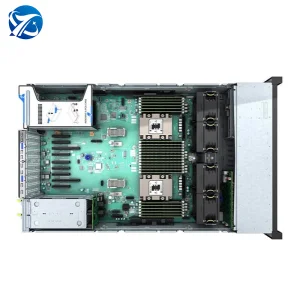
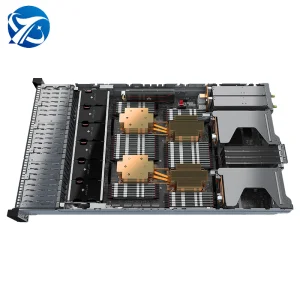
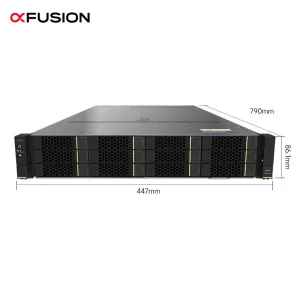
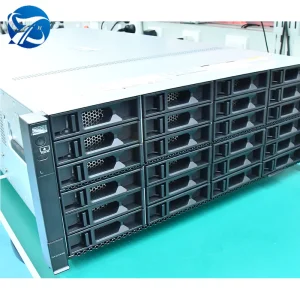
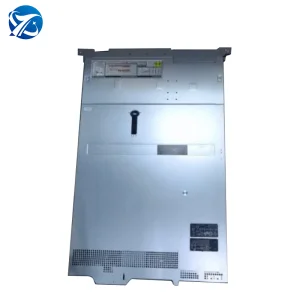
As modern datacenters adjust to high-concurrency computing and model inference loads, V6 Server Technologies have emerged as the structural benchmark. These platforms optimize compute density, throughput, and thermal performance to handle compute-heavy AI workloads and high-throughput databases. For global enterprise purchasing managers, adapting custom OEM server architectures is a strategic choice rather than a simple hardware upgrade.
Historically, server technologies focused on clock speed improvements. The modern architectural dynamic relies heavily on parallel data pipes, high-capacity interconnects, and energy-conscious system designs. Integrating V6 technology unlocks support for PCIe Gen 5 topologies, high-speed DDR5 memory registers, and advanced CXL (Compute Express Link) protocols. These advancements ensure memory-sharing coherence across heterogeneous configurations, including CPU, GPU, and custom FPGA nodes.
From a performance perspective, custom V6 implementations address PCIe lane bottlenecks. With up to 128 PCIe 5.0 lanes per socket, these units deliver double the data rate of preceding architectures. This performance enhancement is essential for feeding dense arrays of NVMe SSDs and high-end accelerator clusters, preventing bandwidth bottlenecks during high-throughput processes.
Enterprise buyers evaluate OEM server manufacturers on strict operational parameters: cost-efficiency, thermal management, regulatory compliance, and supply chain reliability. Custom OEM V6 server platforms solve configuration challenges by allowing enterprises to specify motherboard layouts, power delivery units (PDUs), and thermal dissipation solutions to match their specific facility constraints.
This custom configuration flexibility directly addresses the high costs of cooling high-density datacenter systems. As average rack power density increases, basic server configurations fall short. System integrators require customized fan curves, direct-to-chip (D2C) liquid cooling paths, and tailored chassis layouts. These customizations optimize thermal dynamics, keeping components within safe temperature ranges while reducing cooling costs.
Global supply chain risks make source diversification a key priority. By partnering with dedicated hardware manufacturers like Borevo AI Infrastructure (China) Co., Ltd., procurement agencies gain access to reliable components, validated build pipelines, and predictable shipping times. This setup minimizes project delays and ensures projects are delivered on schedule.
Borevo AI Infrastructure (China) Co., Ltd. is a specialized AI GPU and server manufacturer. We deliver high-performance computing hardware and advanced AI infrastructure solutions for global markets. We focus on GPU design integration, AI acceleration systems, and customized computing solutions for data-intensive applications.
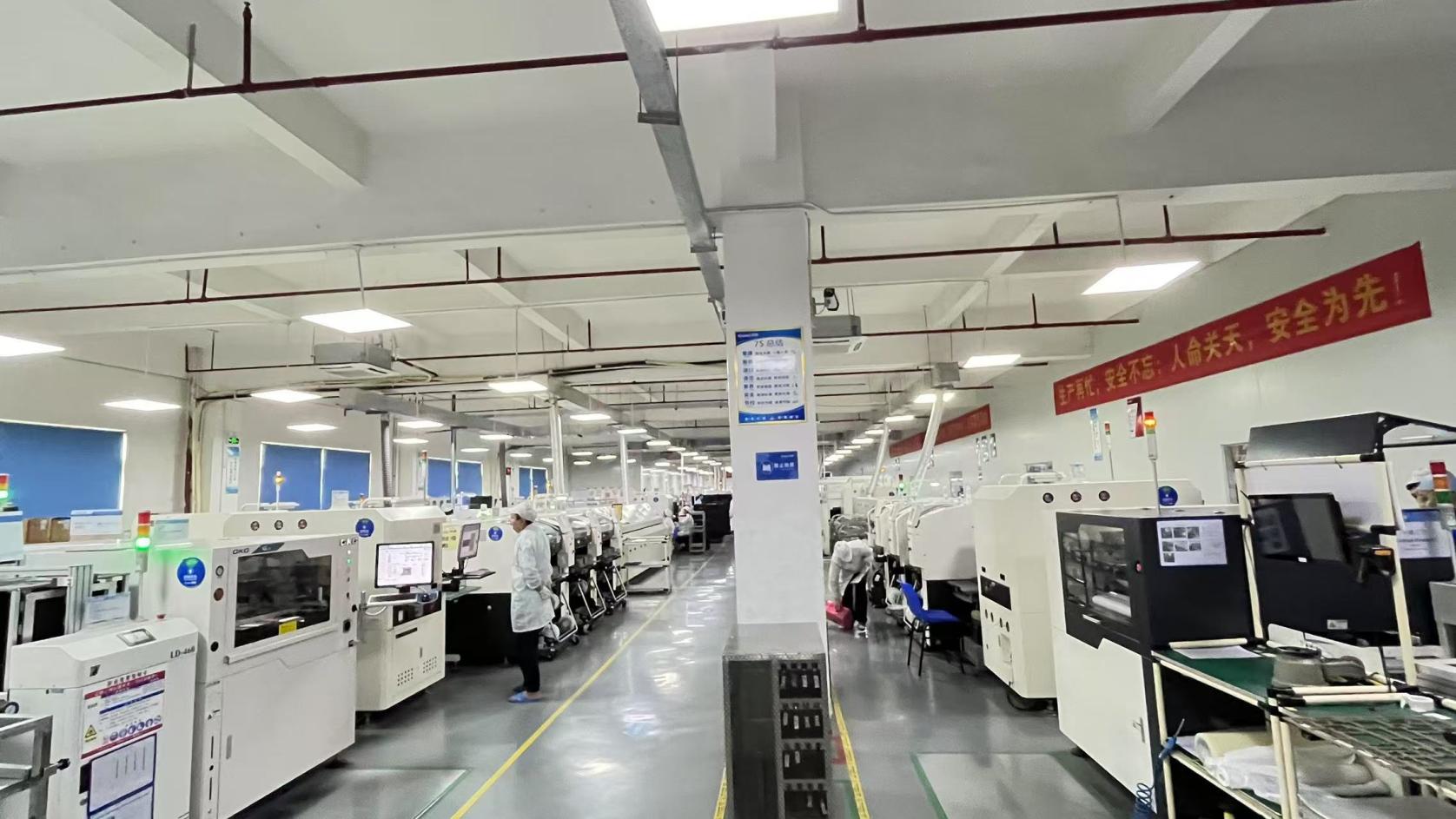
Our manufacturing plants utilize advanced assembly systems, optical inspection stations, and cleanroom environments. This infrastructure enables us to maintain strict production standards and provide high manufacturing capacity for complex projects.
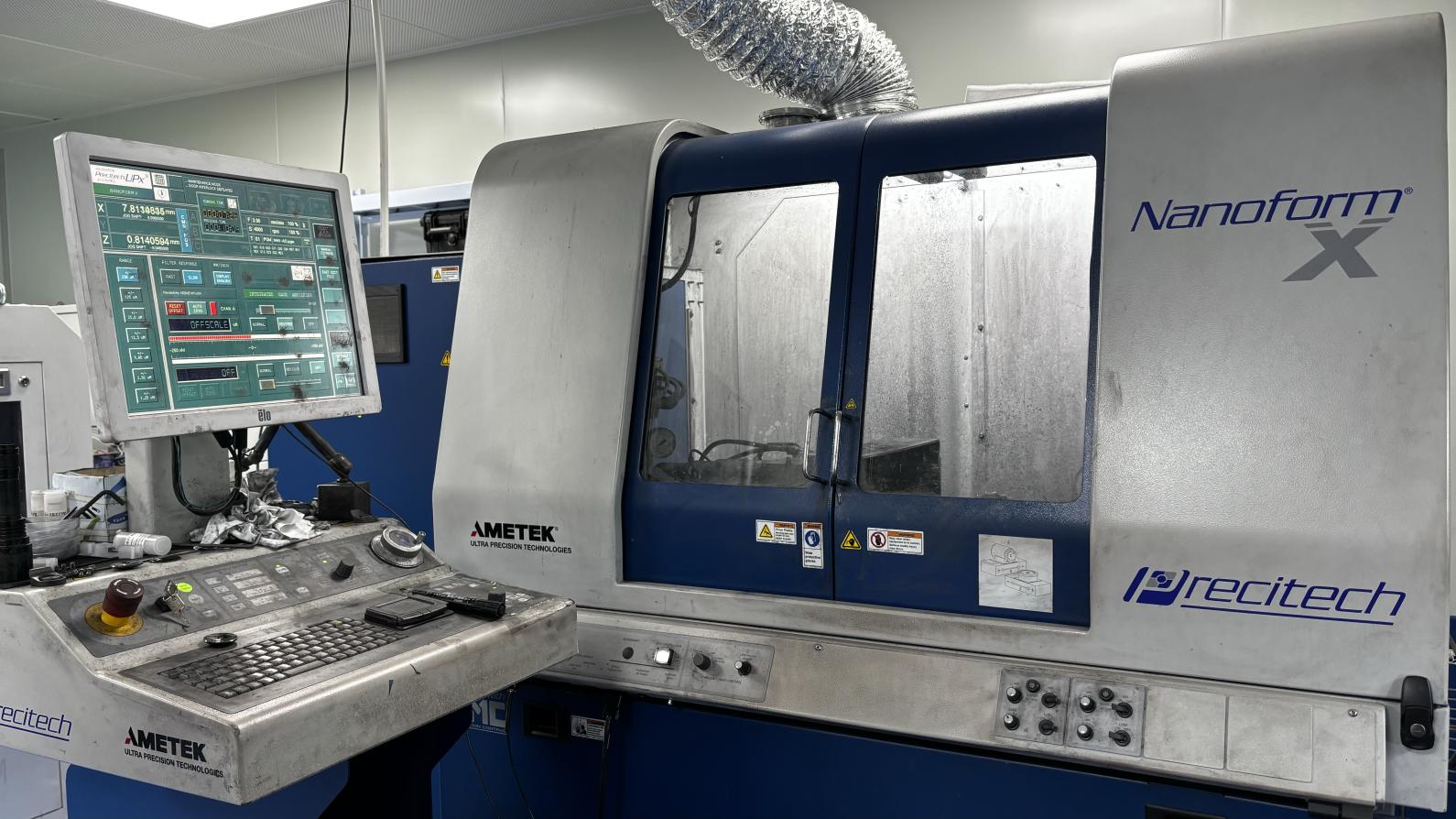
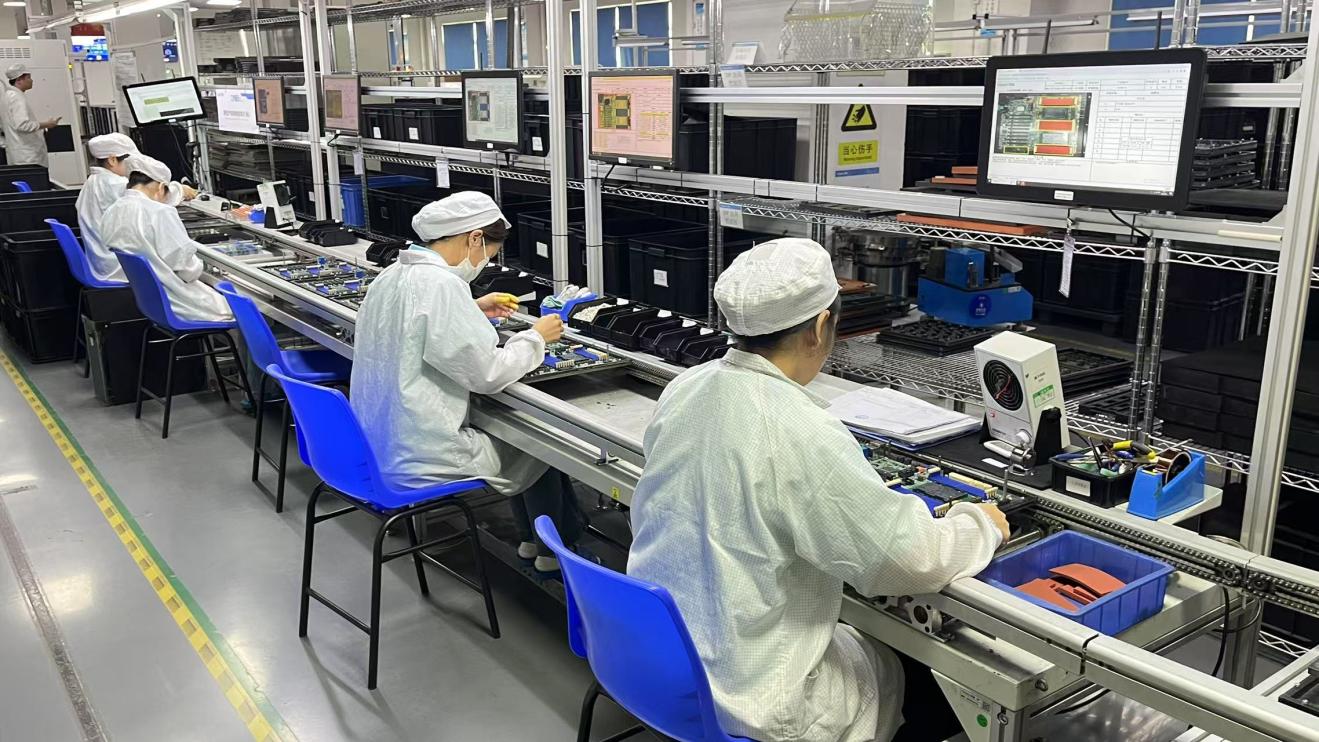
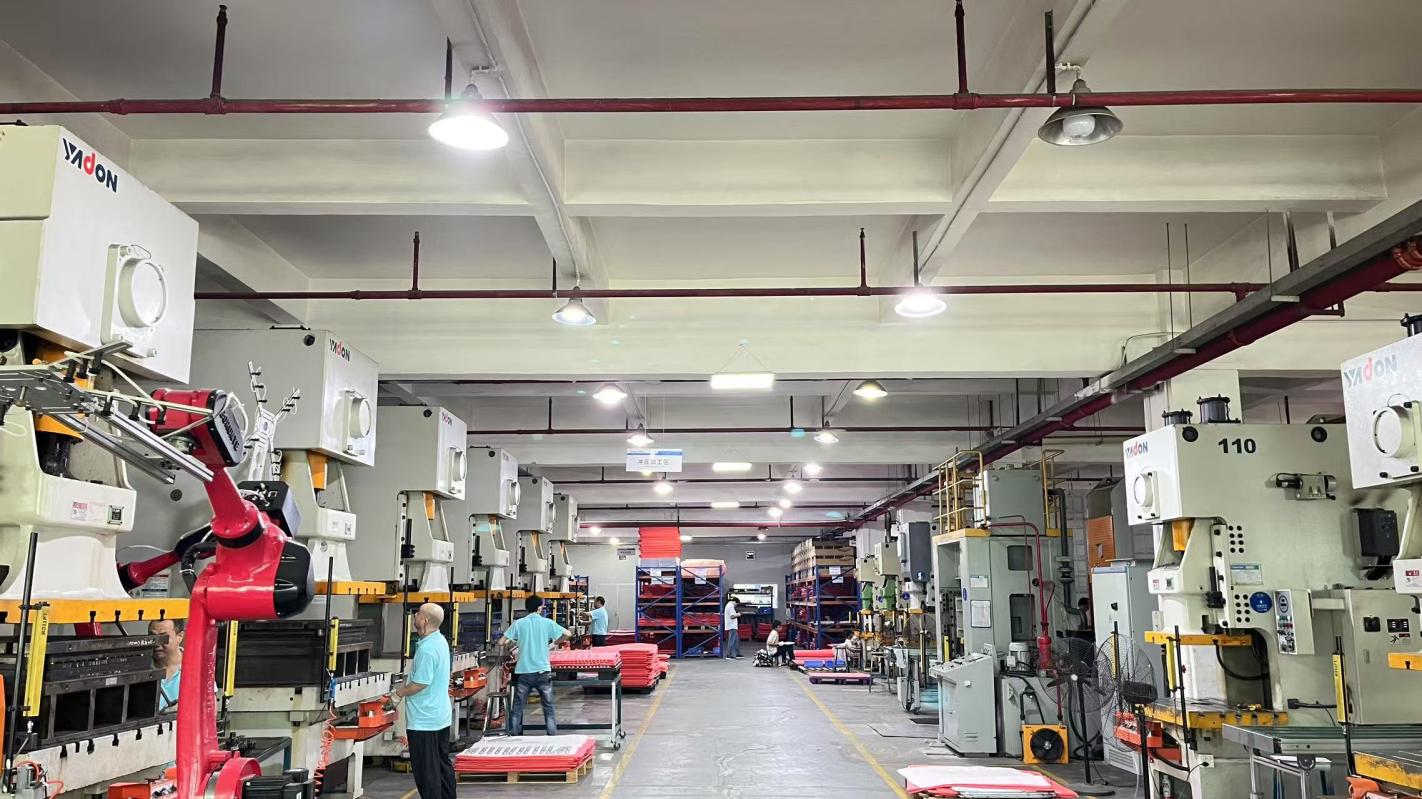
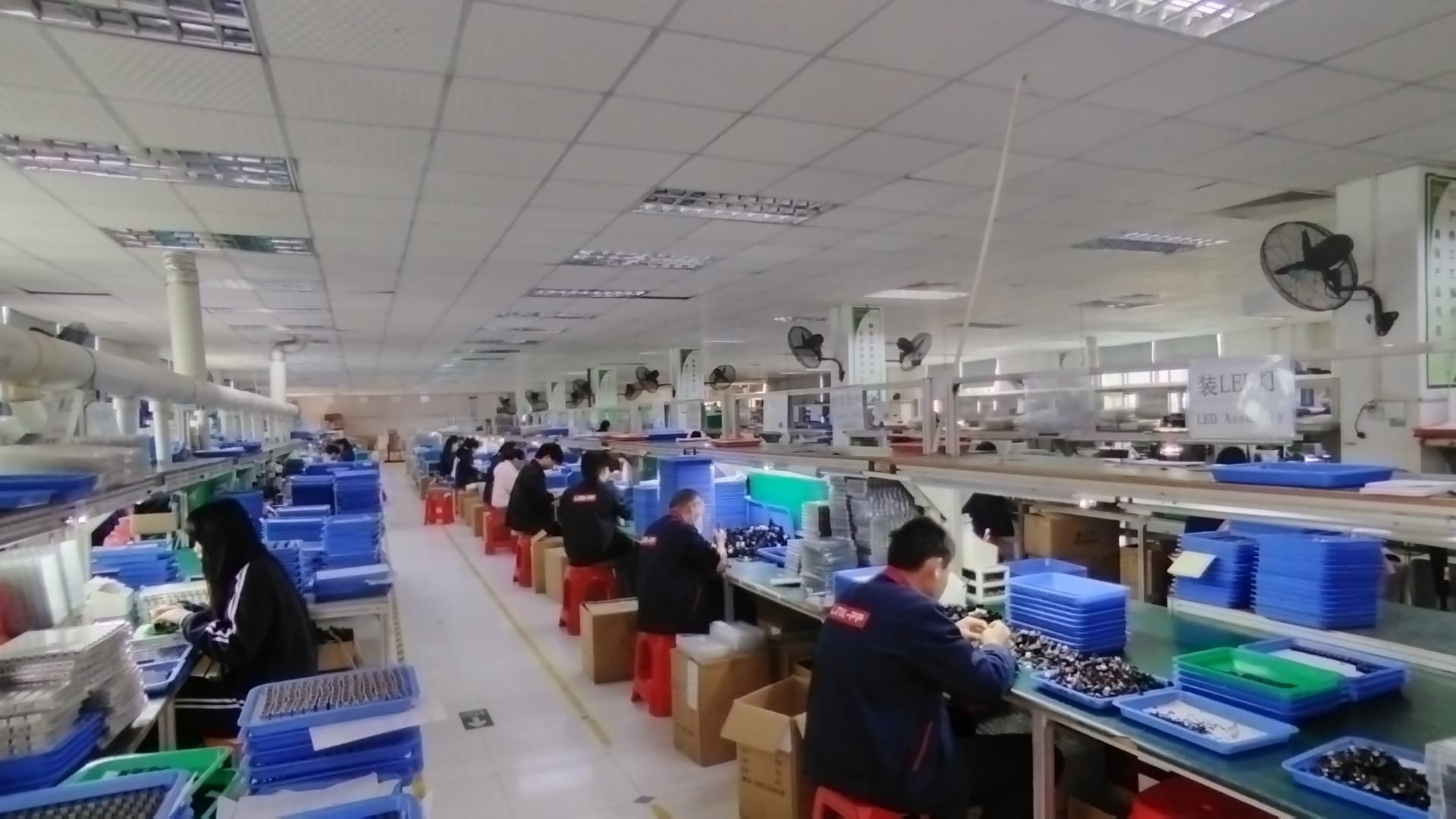
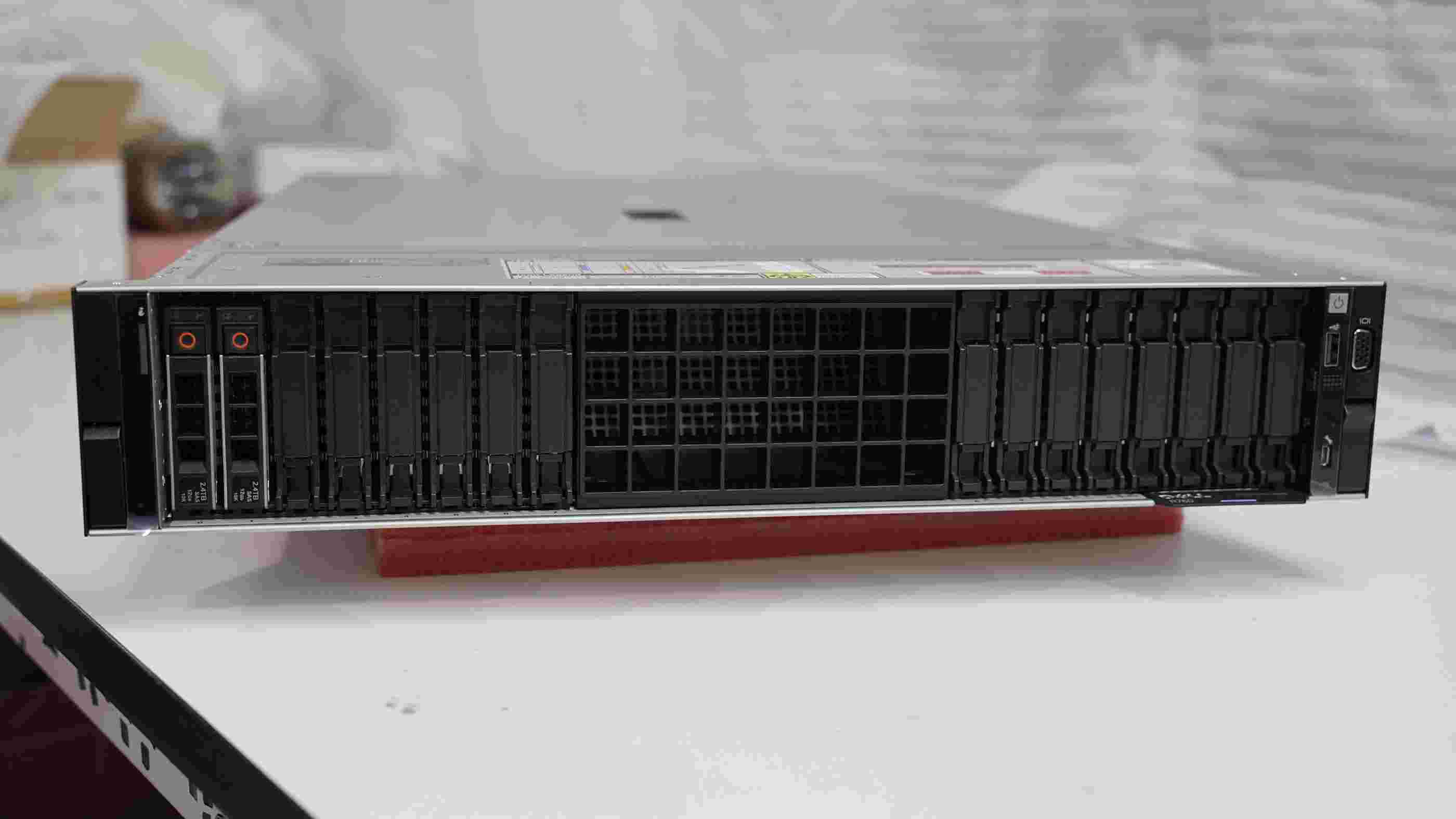
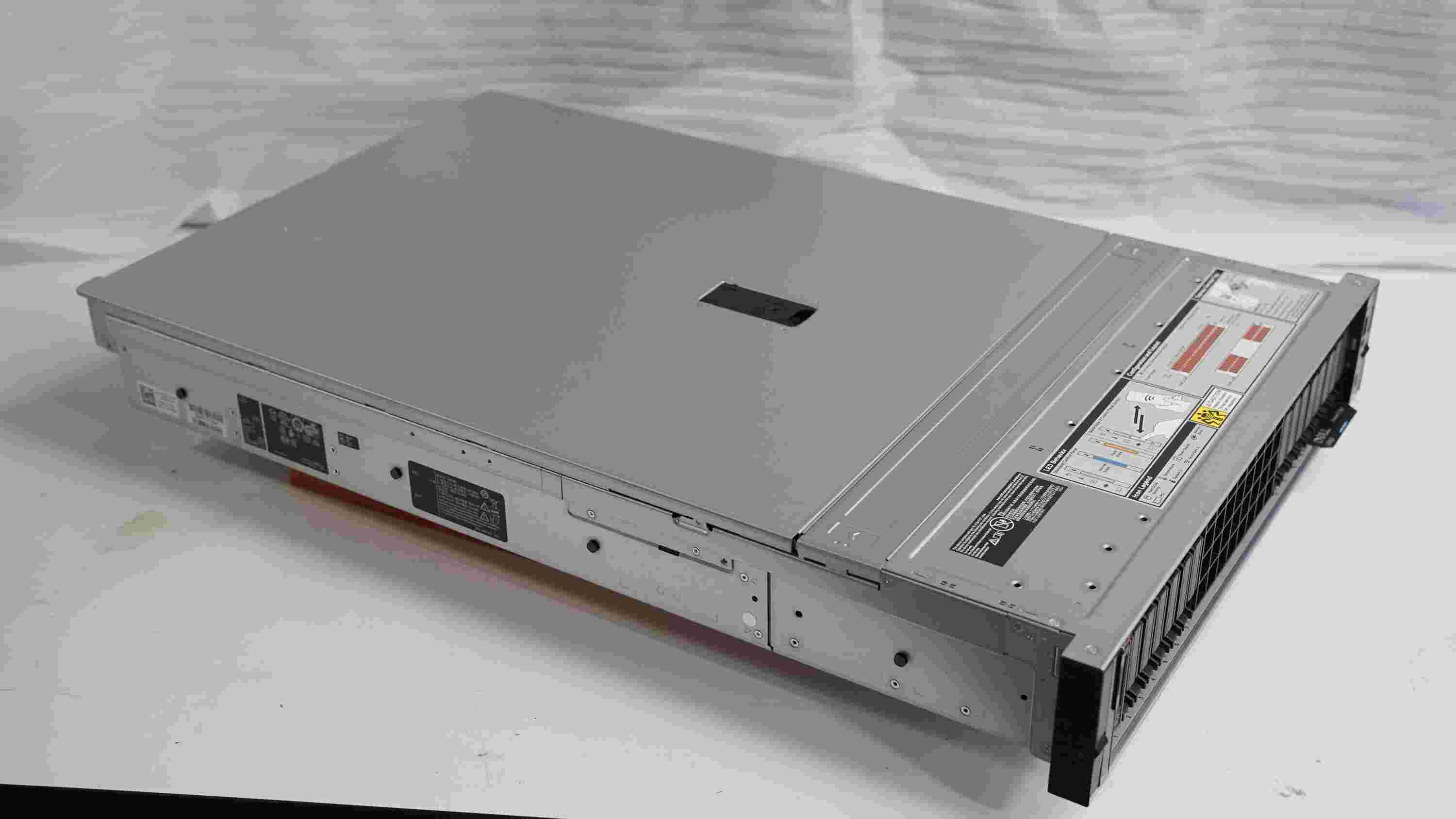
Borevo's R&D operations are run by a team of 180 engineers. They design custom server solutions to meet specific data processing requirements, including GPU architecture optimization, heterogeneous computing systems, and custom firmware interfaces.
We modify PCIe lane assignments, optimize space for custom accelerator layouts, and adjust connector positioning to integrate cleanly with legacy rack system architectures.
We configure vapor chamber layouts and hybrid liquid-to-air loop systems. These solutions allow heat dissipation from high-TDP configurations up to 400W+ per socket.
We build UEFI code tailored to complex deployment environments, construct customized remote management profiles (IPMI/BMC), and implement low-level security standards.
To ensure reliable operation in 24/7 enterprise applications, Borevo operates a thorough quality control structure led by 45 dedicated QC personnel. Every server blade and component undergoes a rigorous validation process before shipping.
Borevo's V6 server platforms are designed for diverse enterprise computing environments. We structure deployment options to fit specific operational requirements:
1U and 2U high-density compute systems optimized for virtualization, web infrastructure hosting, and database processing. These servers feature low-power system profiles and support high storage density, maximizing compute capacity per rack.
Multi-GPU accelerated platforms designed to run model workloads like Deepseek and related LLM inference applications. Designed with optimal power distribution layouts to supply steady power to high-end accelerator arrays.
Chassis configurations with low latency and high bandwidth capacity. These systems integrate high-speed controllers, NVMe PCIe 5.0 drives, and optimized RAID options to manage high-volume transactional database operations.
Deploying hardware across multiple countries requires navigating strict compliance frameworks and export standards. Borevo ensures full compliance with international safety and electromagnetic standards, including FCC, CE, RoHS, and CCC. This guarantees that our hardware conforms to national import standards.
We offer customized technical support programs tailored to our customers' target regions. Our engineering resources help customers integrate and test systems, update firmware locally, and perform diagnostics remotely via advanced BMC controllers. This reduces ongoing operational overhead for local datacenters.
We continue to expand our technological horizons. Our R&D team works to refine server architectures, preparing designs to support future CXL 3.0 implementations and next-generation PCIe Gen 6 standards.
Future system profiles focus on reducing idle power draw and improving server efficiency under varying compute loads. Key design goals include upgrading on-board power management ICs (PMICs), developing highly efficient liquid cooling solutions, and building systems capable of dynamic load balancing. These developments help enterprise customers build energy-efficient infrastructure and lower total cost of ownership.