Borevo
Borevo
Borevo
Modern enterprise networking demands consolidated protection models. As decentralized edge endpoints expand and advanced persistent threats (APTs) scale in complexity, deploying standalone firewall, VPN, and intrusion prevention solutions creates severe management overhead and architectural vulnerabilities.
UTM gateways integrate stateful packet inspection, deep packet inspection (DPI), anti-malware engines, URL filtering, and application control into a single physical or virtual appliance. This reduces hardware footprint, streamlines policy configuration, and eliminates compatibility bottlenecks associated with multi-vendor stacks.
By shifting from perimeter security to identity-aware micro-segmentation, our OEM UTM hardware modules support strict Least-Privilege Access control policies. Integrated cryptographic engines validate data in transit and confirm identities dynamically at the hardware level.
Modern cyber attacks hide malicious payloads in encrypted HTTPS traffic. Processing heavy SSL/TLS decryption requires immense compute resources. Our computing hardware platforms leverage custom accelerators and multi-core architectures to manage decryption without degradation.
The next generation of Unified Threat Management (UTM) relies heavily on hardware-accelerated machine learning models running at the edge. By integrating advanced processor topologies (such as neural processing units or customized high-throughput AI pipelines), security gateways will transition from reactive, signature-based detection to real-time predictive mitigation. This roadmap outlines key industry shifts over the next five years.
1. Hardware-Assisted Threat Hunting: Standard CPU-based pattern matching is no longer sufficient to handle multi-gigabit traffic streams. Future UTM models deploy dedicated hardware accelerators designed specifically to process neural network graph execution on-chip, detecting zero-day exploits in microseconds.
2. Integration with Secure Access Service Edge (SASE): As networks evolve to decentralized environments, physical UTM appliances function as crucial localized micro-data centers, feeding threat intelligence and telemetry metadata directly to cloud-based security brokers (SSE).
3. Silicon-Root-of-Trust (RoT) Verification: Firmware-level security is essential. Secure Boot technologies verify bootloaders, kernel structures, and system image signatures prior to initialization, ensuring the system firmware is unmodified and resilient against physical tamper attempts.
Financial systems require ultra-low latency routing coupled with stringent packet filtering. Our custom hardware solutions offer specialized network interfaces and optimized network paths to support multi-gigabit throughput while running deep-packet analytics on database traffic.
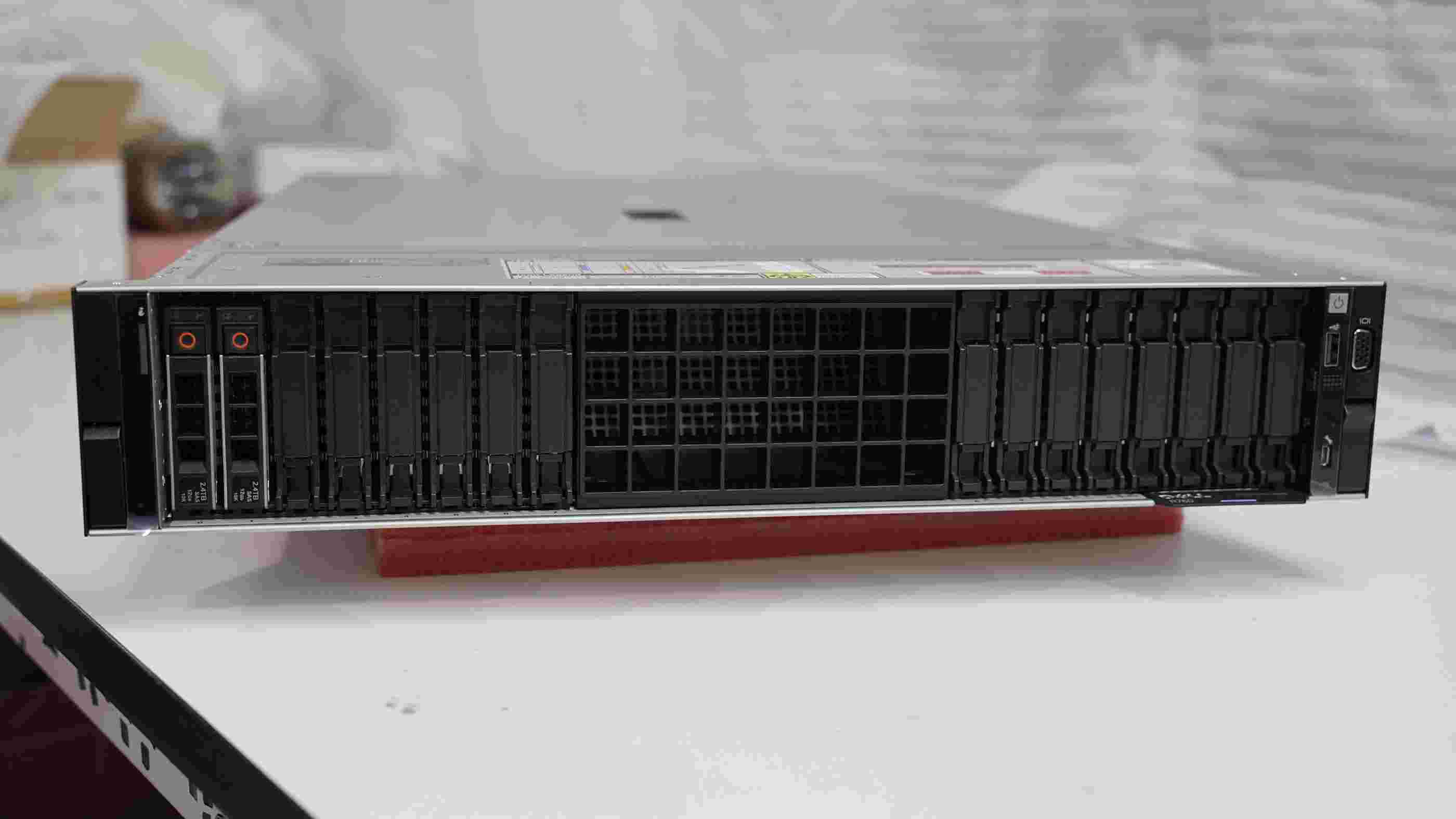
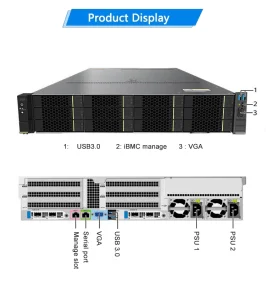
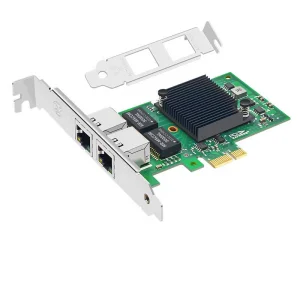
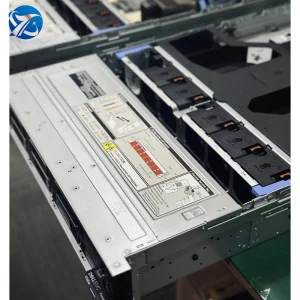
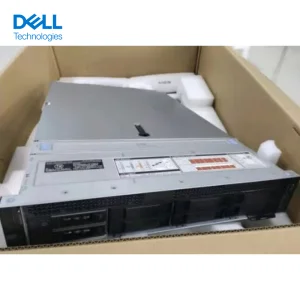
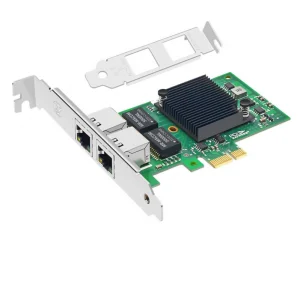
Designed for high density and persistent performance. Telecommunication operations leverage customized rack servers with expansive memory channels and dense PCIe slot topologies to integrate multi-port LAN bypass cards, preventing traffic dropouts even during power failures.
Deploying threat management inside industrial sites requires rugged enclosures and specialized cooling solutions. We design customized PCB form-factors and passive heat-sink assemblies to maintain thermal stability inside smart grids and factories.
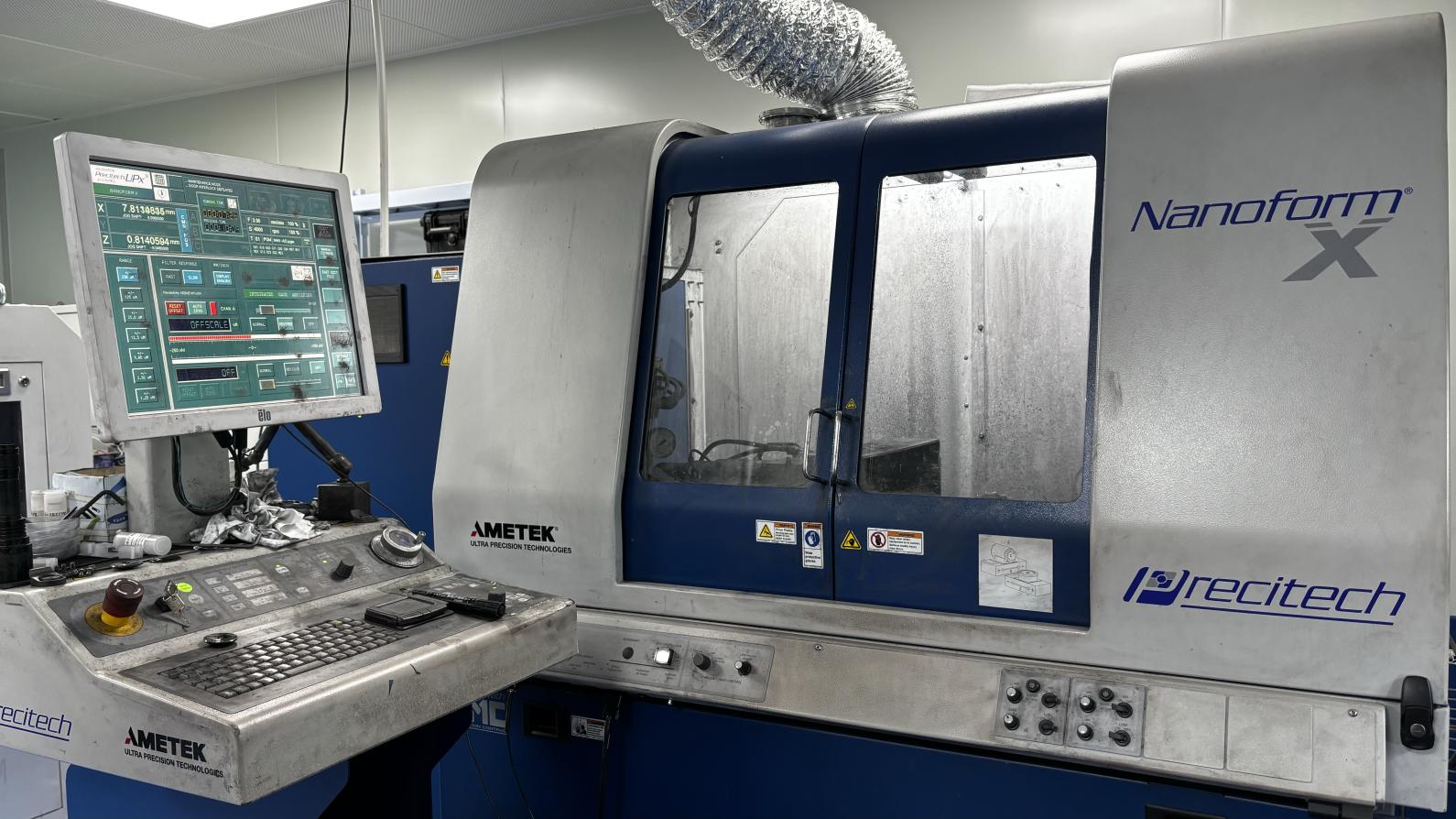
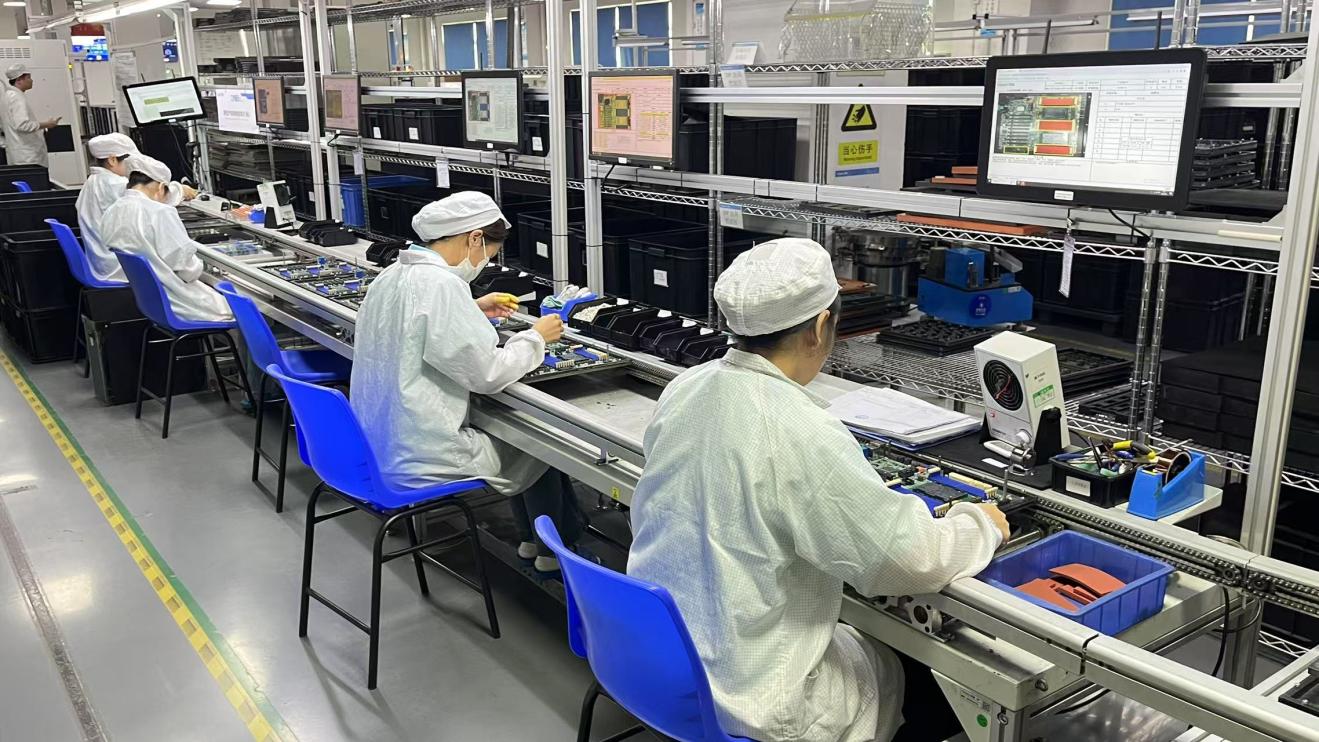
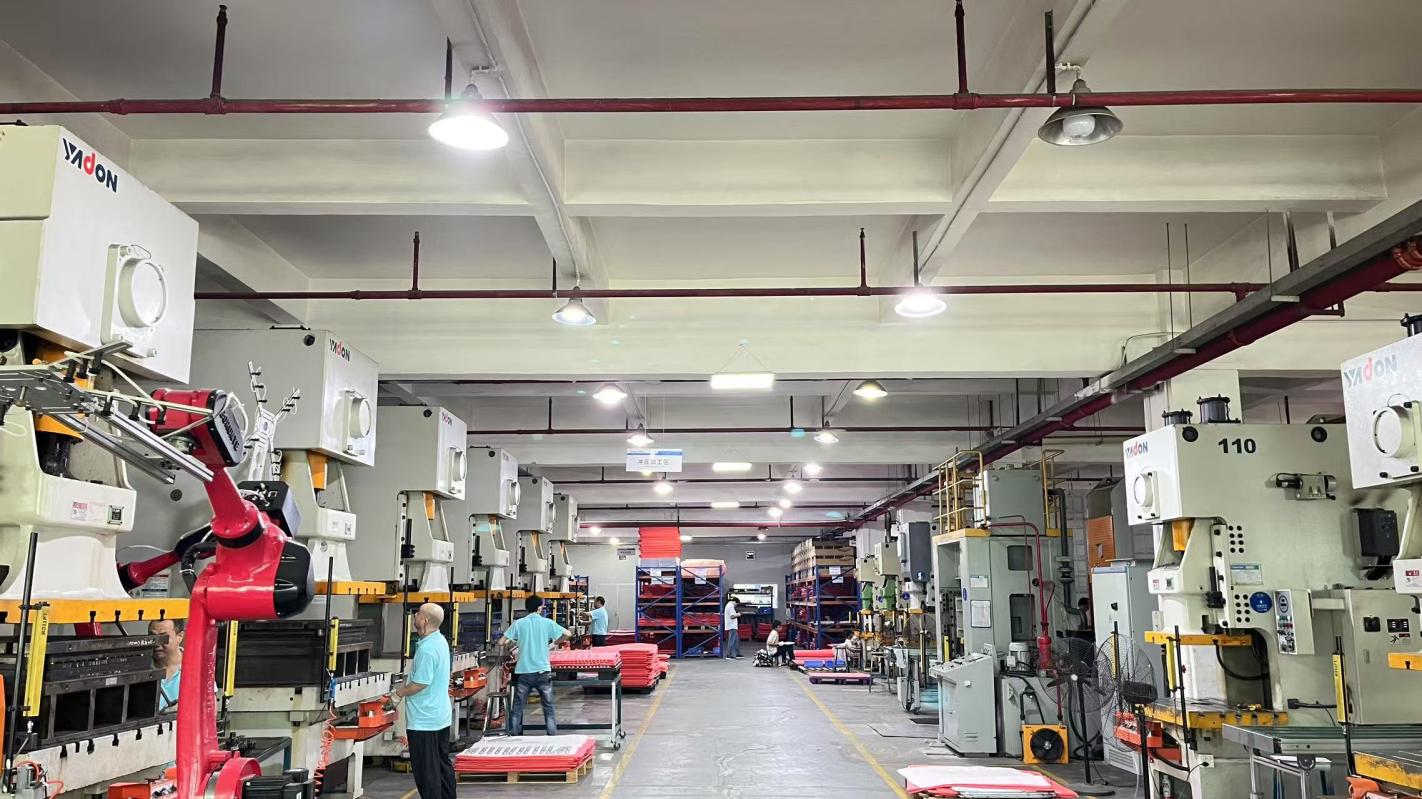
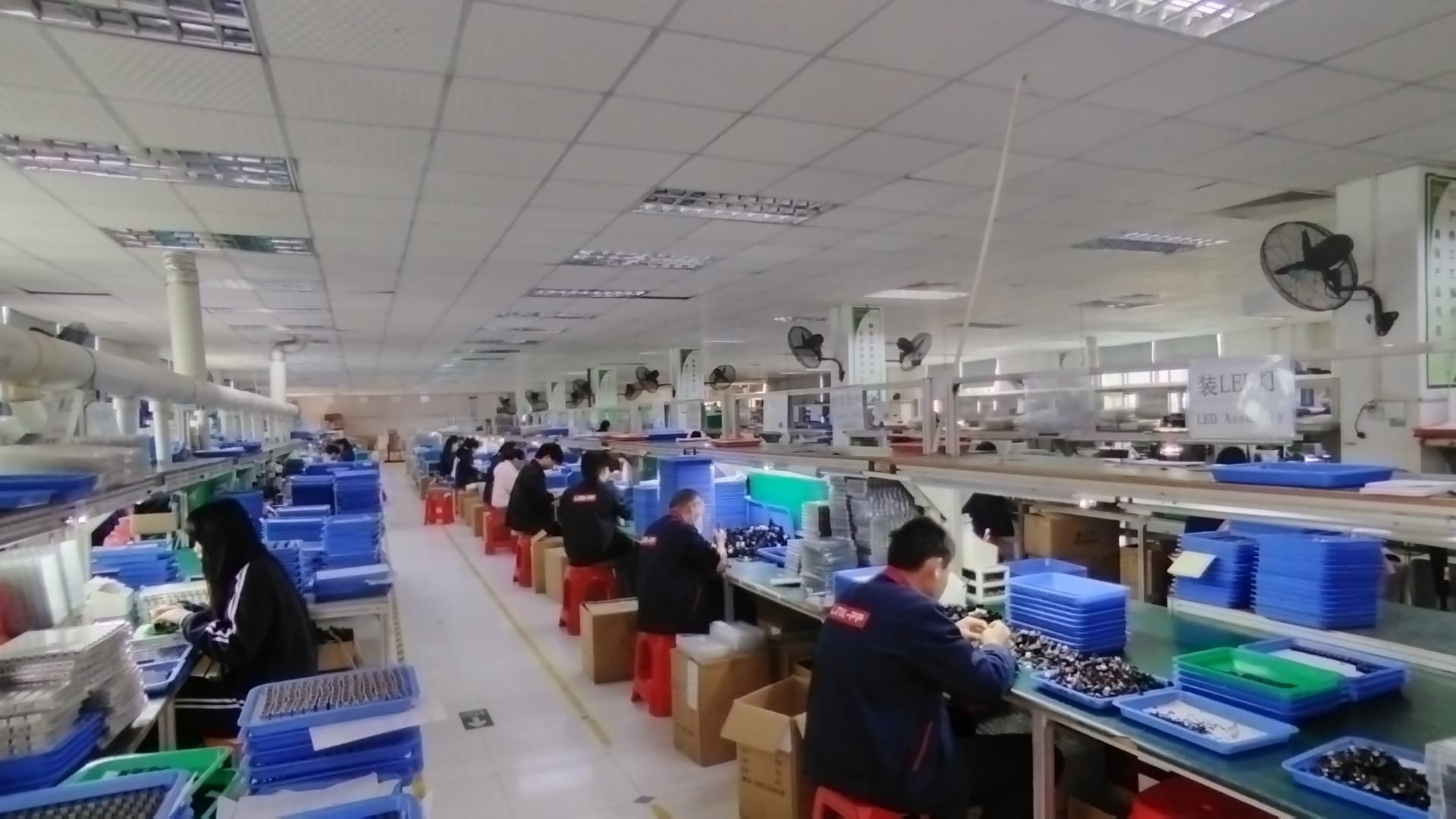
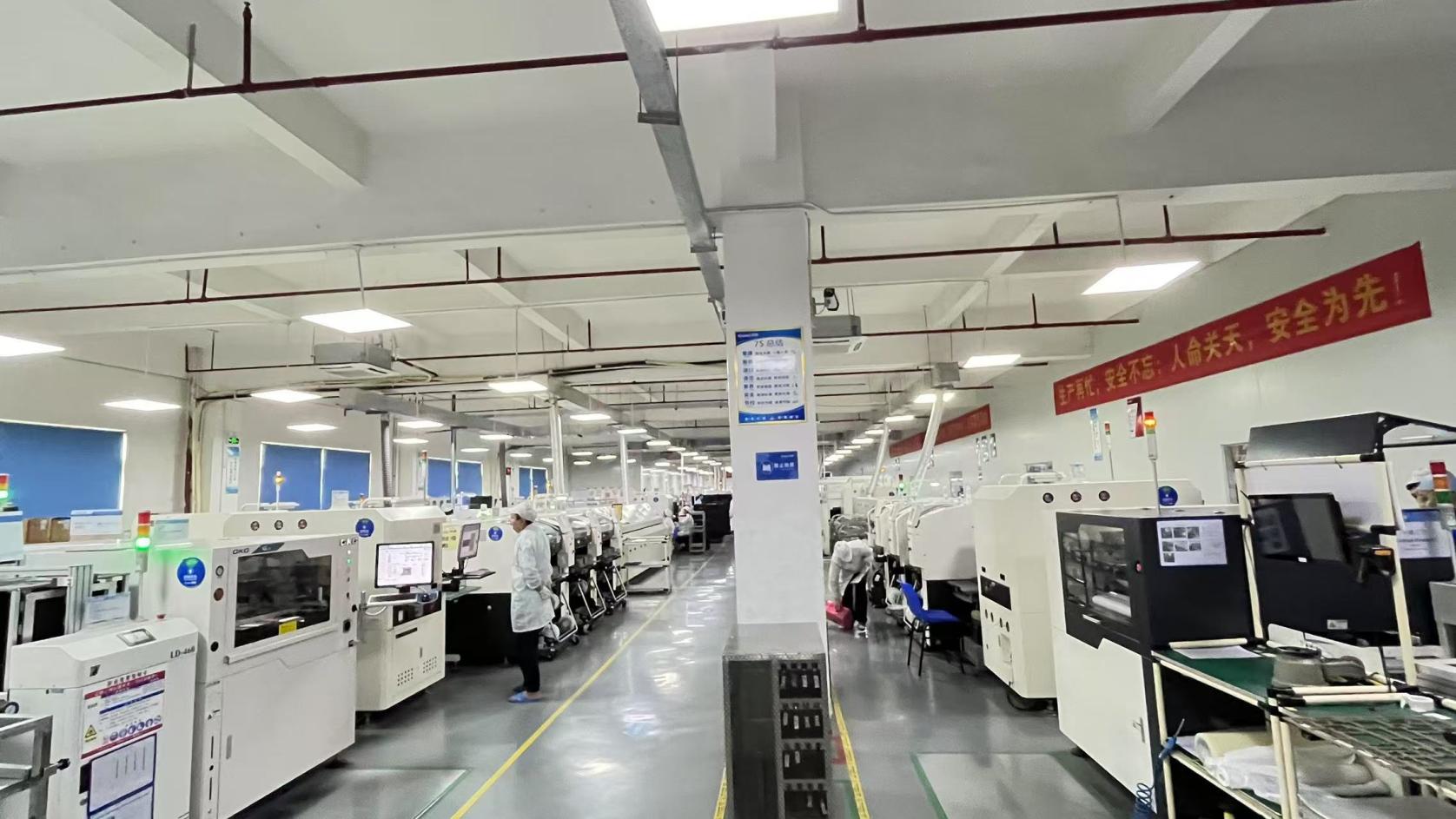
Operating from our 18,600 ㎡ modern manufacturing facility in China, Borevo AI Infrastructure employs a fully integrated Industry 4.0 production framework. By bridging automated surface-mount technology (SMT) with precision robotic assembly, we ensure high component placement accuracy and structural reliability.
Our strategic material forecasting models reduce procurement latency. Working with a complex web of over 850 strategic partners, we secure direct pathways for raw semiconductors, complex PCBs, advanced thermal systems, and memory components.
Quality control is integrated into every phase of production rather than treated as a final check. A dedicated team of 45 QC professionals oversees a structured validation pipeline:
As a global provider, we understand the functional differences between standard security appliances and tailor-made UTM systems. Our R&D group, consisting of 180 engineers, specializes in hardware customization, matching your exact design requirements and application criteria.
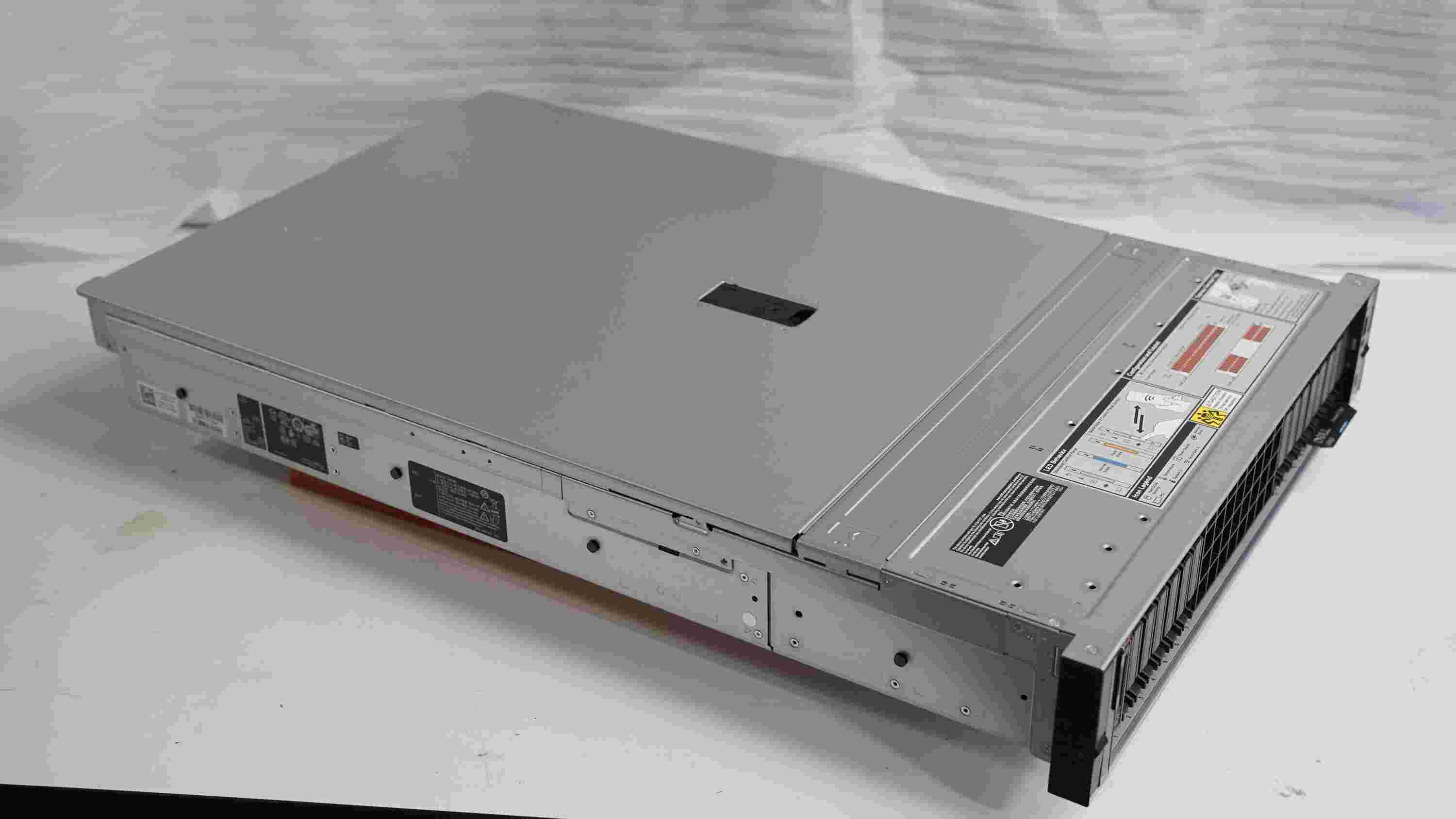
Custom structural cases (1U, 2U, 4U desktop or wallmount), custom paint finishes, silk-screen logos, and modified physical configurations to fit existing server cabinets.
Integration of custom expansion slots, adjustments to bypass ports, integration of additional hardware watchdog components, and custom power inputs.
Custom UEFI BIOS configurations, support for custom logos during system boot, recovery partition integration, and localized IPMI configurations.
Passive cooling modifications for fanless designs, high-volume redundancy systems, and heat pipe engineering for high-TDP processor models.
Deploying network security solutions requires alignment with international trade and security compliance standards. Borevo AI Infrastructure manages all regulatory processes to minimize supply chain liabilities.
Our products meet standard international certifications, including CE, FCC, UL, and RoHS. We support clients through import/export procedures, managing specific validation workflows for cryptographic equipment and local emissions certifications.
We conduct testing to guarantee that the hardware platform is free from undocumented backdoors. Regular third-party assessments of firmware and low-level drivers ensure a secure base for network deployments.
With 7 years of export history, we provide tailored logistics, regional warranty options, spare parts buffering, and direct hardware diagnostic support to ensure continuous operations.
Established in 2018, Borevo AI Infrastructure (China) Co., Ltd. is a specialized AI GPU and security computing hardware manufacturer. We deliver high-performance hardware platforms and network infrastructure solutions for global markets. The company focuses on hardware integration, AI acceleration systems, and customized computing architectures for data-intensive applications.