Borevo
Borevo
Borevo
Browse our high-performance computing hardware engineered for direct integration into modular container configurations.
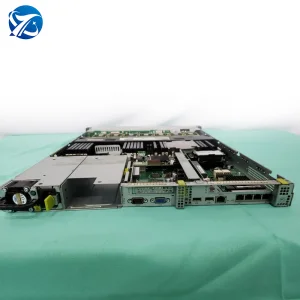
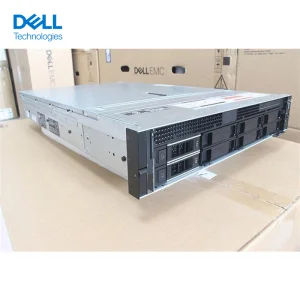
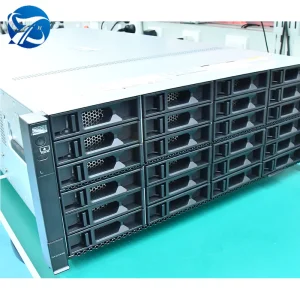
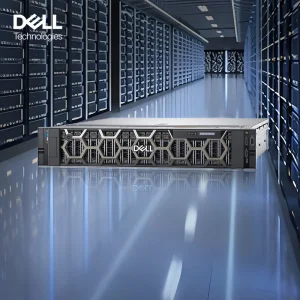
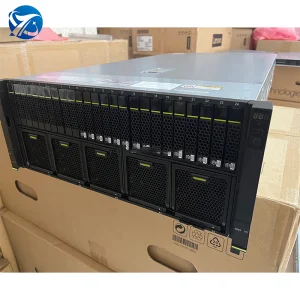
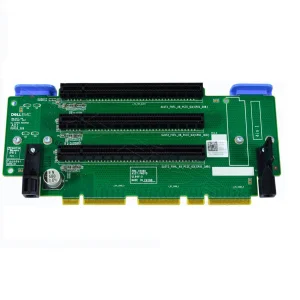
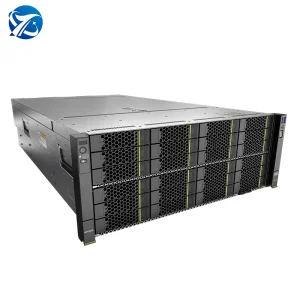
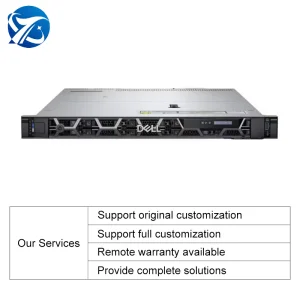
Modern enterprise environments, driven by artificial intelligence, deep learning (such as DeepSeek and large LLMs), and edge storage, require computational platforms that break free from traditional brick-and-mortar constraints. Static datacenter facilities take too long to build, are highly inflexible to upgrade, and face severe cooling bottleneck challenges as thermal density approaches 50kW to 100kW per rack.
Custom OEM Container Solutions resolve these pain points by offering pre-engineered, integrated mobile datacenter environments. Capable of scaling dynamically, these containers combine structural design, robust thermal management (such as liquid-to-liquid heat exchangers and closed-loop liquid-cooling loops), advanced power distribution architectures, and physical security features. This design enables global operators to deploy enterprise-grade GPU computational structures in fractions of the traditional construction time.
As hyper-scale computing environments face power allocation restrictions in traditional technological hubs, containerized systems have transitioned from niche backup applications to primary operational infrastructure. Driven by global demand across North America, Europe, and Southeast Asia, custom enclosures enable swift deployment where traditional construction is unfeasible.
Modular enclosures bypass local site zoning delays. Containers are manufactured, pre-integrated with rack hardware, tested in the factory, and shipped as functional plug-and-play units.
Standard data centers face power limitations under 15kW/rack. Containerized systems utilize closed-loop, cold-row containment systems supporting up to 100kW per server cabinet.
Containers operate efficiently in diverse environments—from cold regions utilizing ambient air cooling to deserts requiring custom direct-expansion cooling units.
Containerized infrastructures offer tailored performance parameters for specific commercial operations worldwide.
Decentralized computation demands low latency. Pre-configured container solutions deployed directly at tower bases facilitate real-time data processing and edge AI workloads without long backhaul transmissions.
Mining and petroleum exploration generate immense spatial datasets in remote locations. ISO-rated containerized datacenters can be shipped directly to exploration sites to process geospatial data on-site.
High-Performance Computing (HPC) projects run intermittent computational runs. Modular containers allow academic institutions to quickly expand GPU server capacity without expanding physical buildings.
Designing an operational, high-performance containerized system involves integrating structural engineering, thermal systems, and power delivery.
Equipped with integrated automatic transfer switches (ATS), modular busway systems, and built-in UPS arrays to provide stable electricity to high-draw GPU systems.
Features customized air-to-air heat exchangers and rear-door heat exchangers (RDHx) along with internal chillers to maintain optimal server temperatures.
Uses localized clean-agent fire suppression systems (such as Novec 1230 or FM-200) coupled with automated air damper closure control.
Constructed with reinforced steel frames, thermal insulation panels, marine-grade protective coatings, and anti-seismic spring isolation mounts.
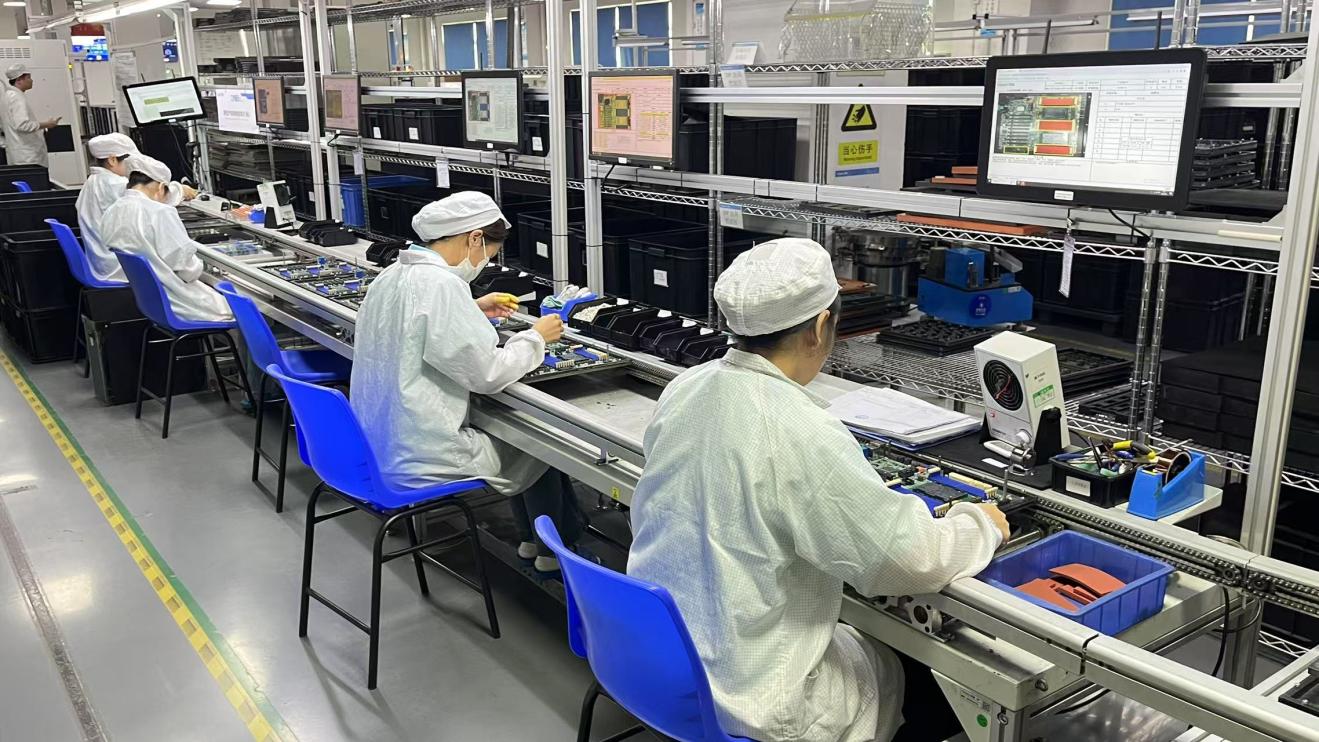
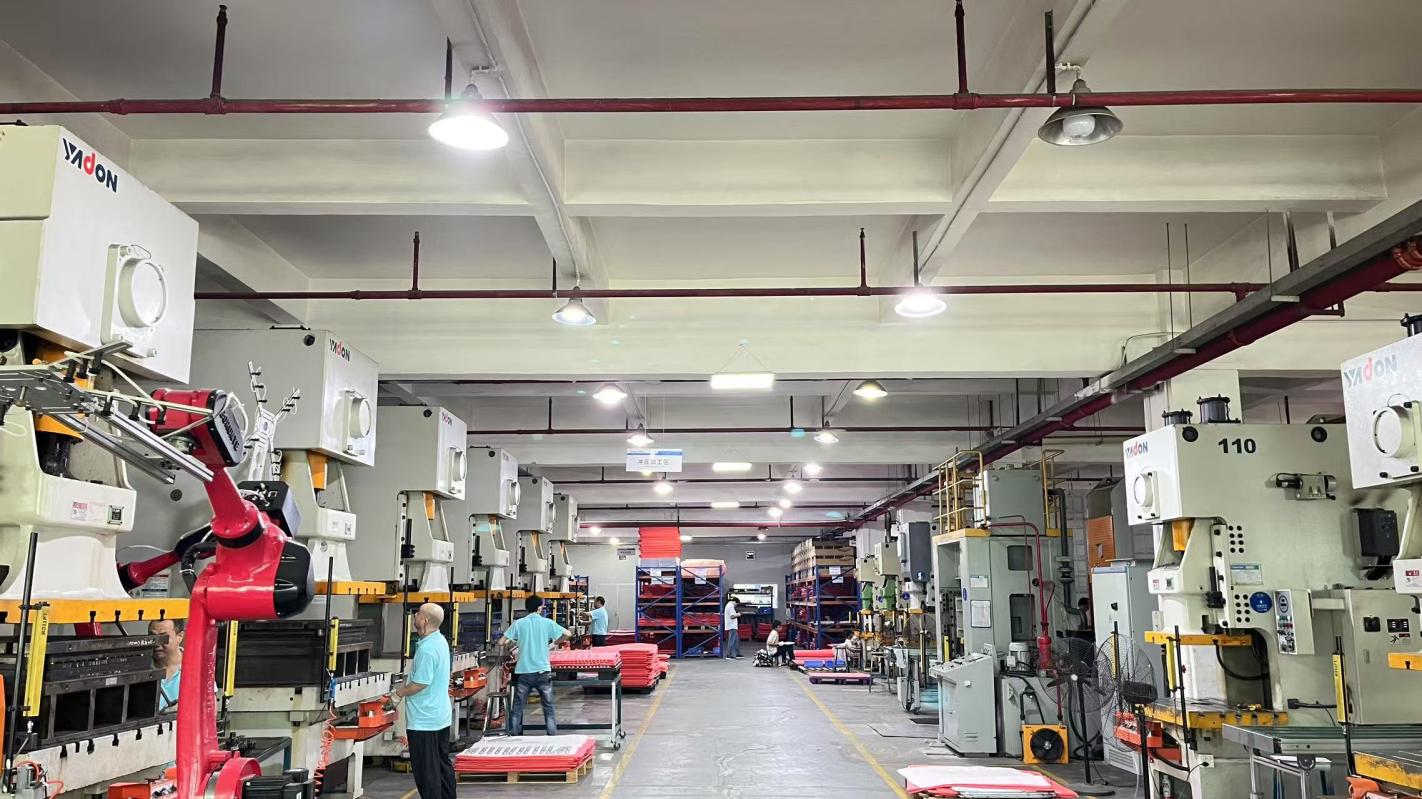
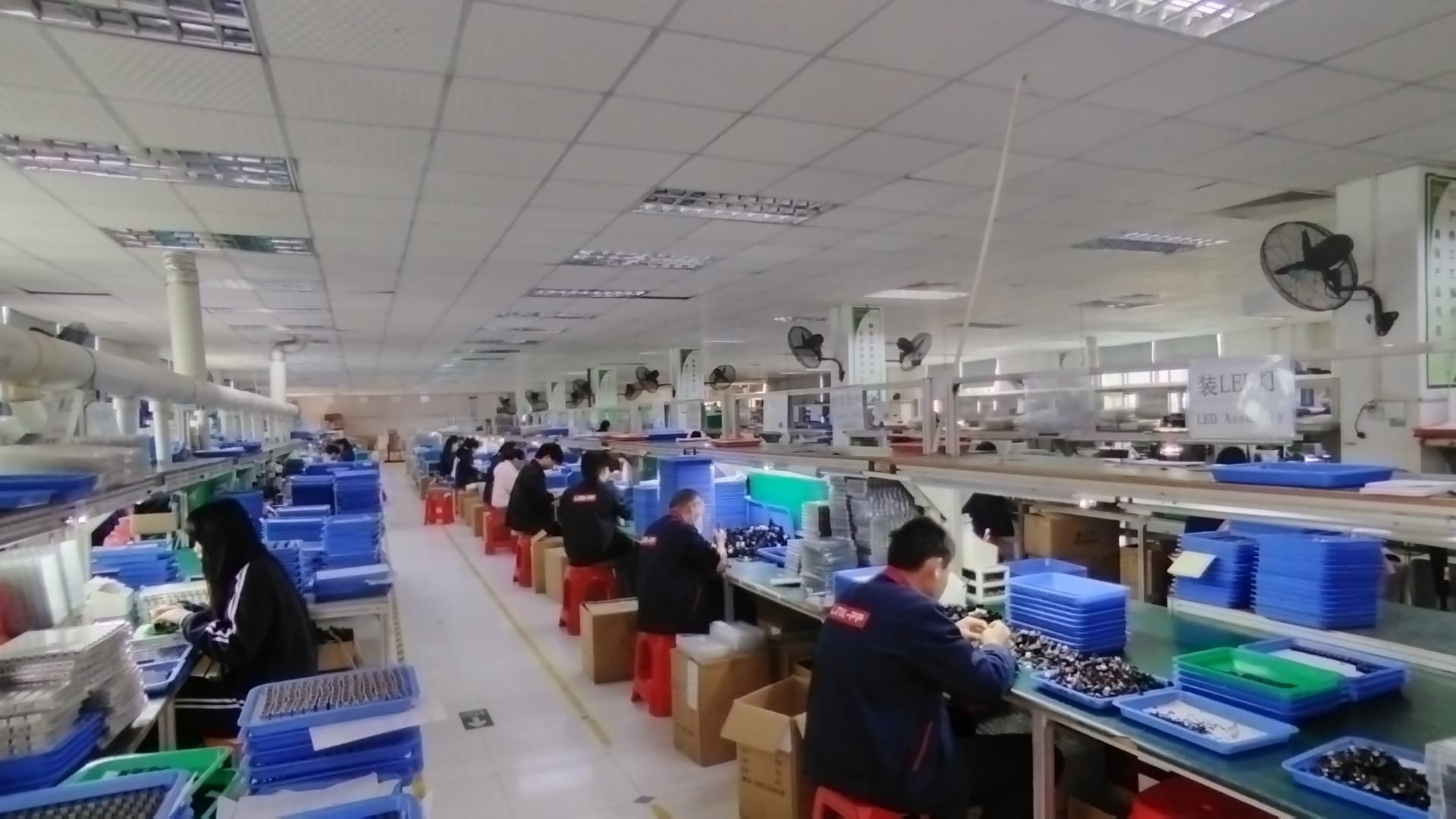
Borevo AI Infrastructure is a specialized AI GPU and modular datacenter manufacturer dedicated to delivering high-performance computing hardware and advanced AI infrastructure solutions for global markets. We focus on GPU design integration, AI acceleration systems, and customized computing solutions for data-intensive applications.
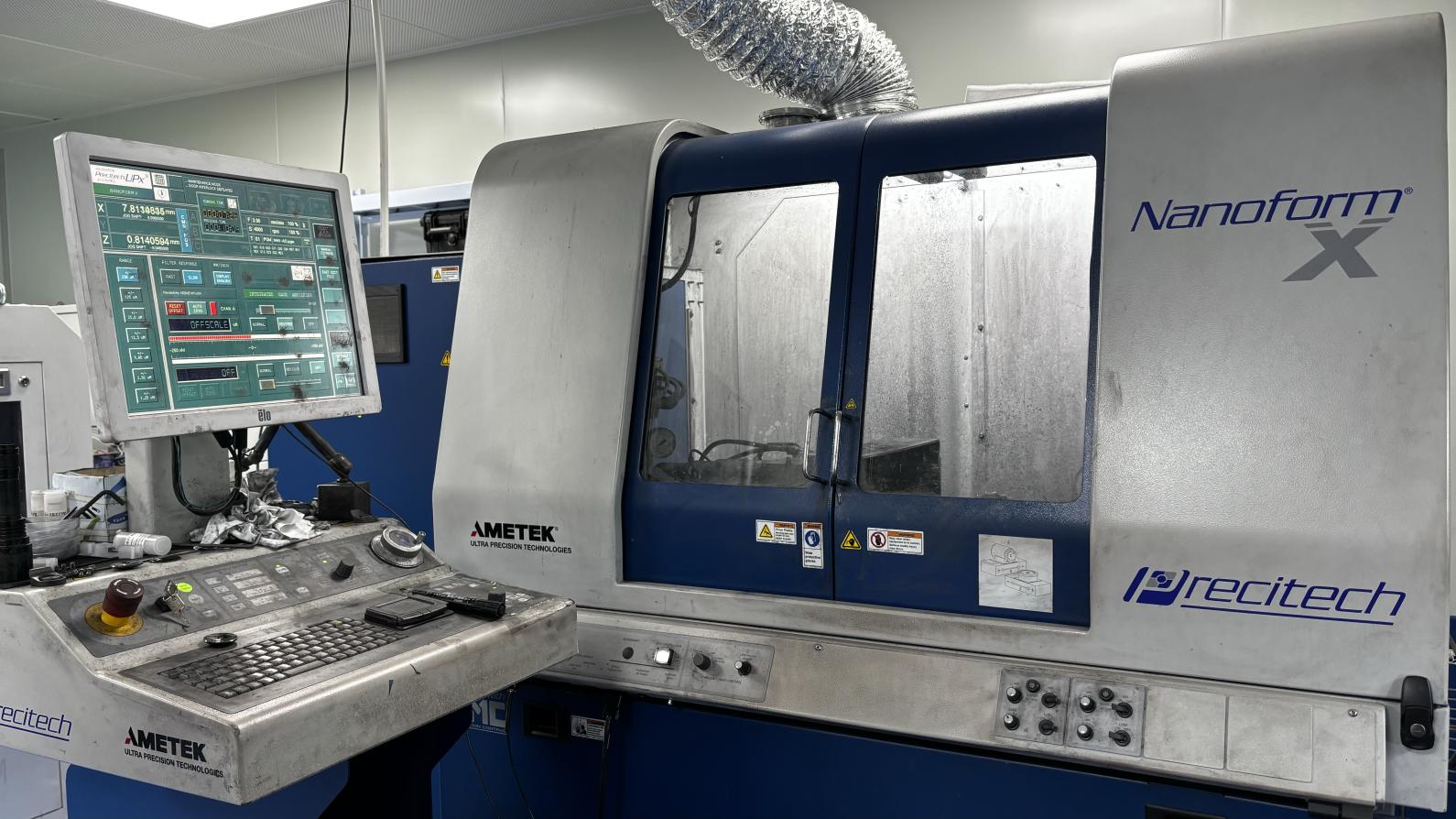
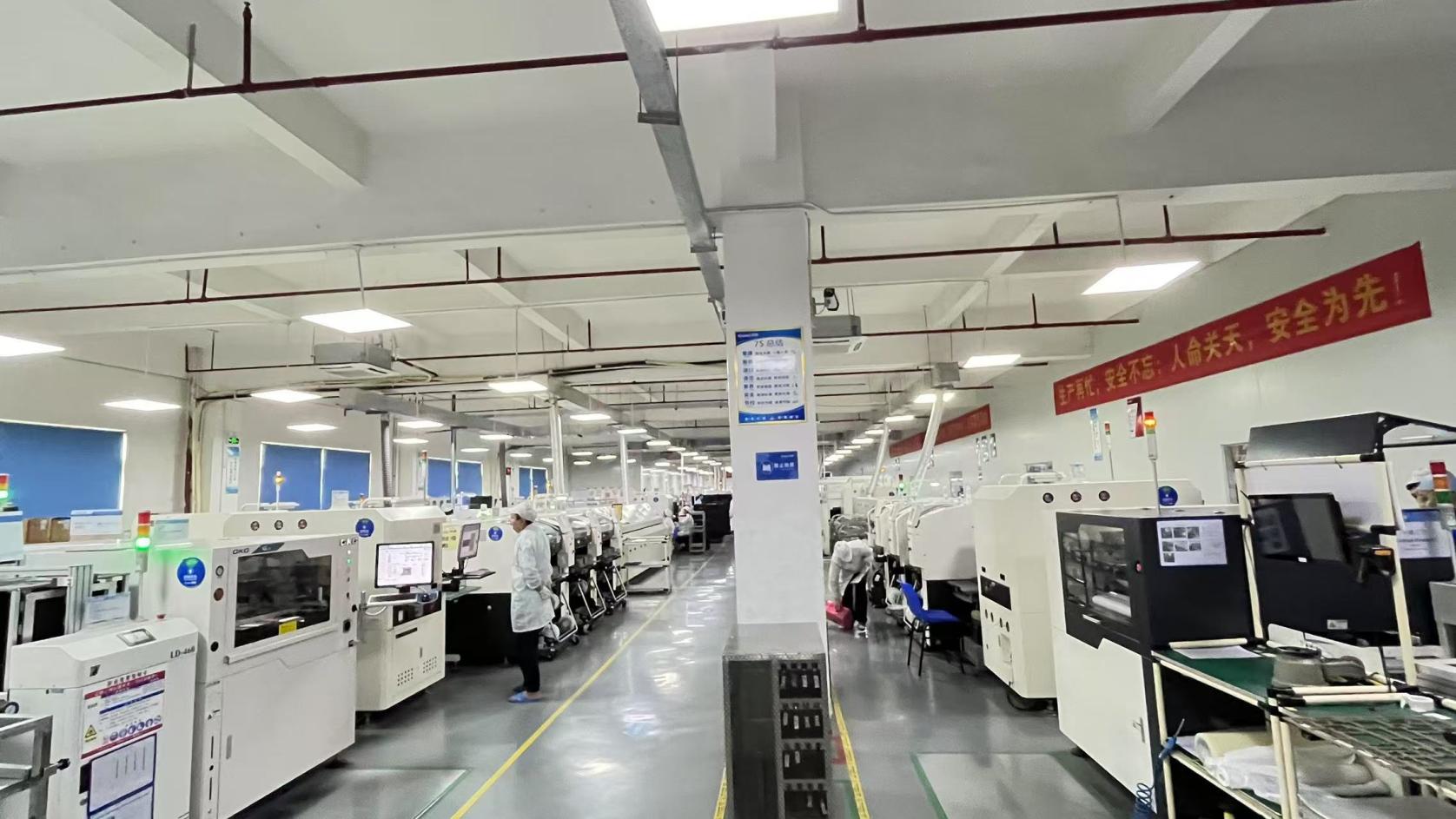
Our quality control process is managed by 45 dedicated QC specialists. Each containerized sub-system undergoes AOI inspection, electrical benchmarking, thermal chamber stress runs, and load-bank validation testing before export shipment.
With an annual export volume reaching USD 18 million and over 7 years of specialized logistics experience, we maintain relationships with 850 strategic hardware partners globally.
We launched 120 new products over the last year. Our engineering capabilities focus on customized power configurations, server chassis layouts, and specialized heat dissipation systems.
Deploying modular infrastructure globally requires compliance with regional safety, environmental, and electrical codes. We work alongside local agencies to certify our containers for safe deployment.
| Regulatory Region | Relevant Standard | Scope & Scope Requirements | Verification Status |
|---|---|---|---|
| North America | UL 9540A & NFPA 855 | Safety standards for energy storage systems and fire safety parameters. | Fully Certified |
| European Union | EN 50600 Series & CE | European guidelines on physical security, power, and environmental controls. | Fully Certified |
| Global ISO Standards | ISO 668 & ISO 1496 | Defines external dimensions, structural strengths, and classification tests. | Compliant |
| Environmental Protection | RoHS / REACH | Directives on hazardous materials inside structural components. | Compliant |
Our engineering team continuously plans for future technological advancements, ensuring container infrastructure remains compatible with next-generation high-density computing platforms.
Introducing standard options for two-phase immersion cooling bath frames directly within 40-foot shipping containers. This update will allow the support of high-heat flux chips exceeding 1200W TDP.
Integrating localized smart battery energy storage systems (BESS) into the container frame to provide peak-shaving capabilities and direct integration with photovoltaic microgrids.
Deploying machine-learning thermal loop controllers that adjust airflow parameters and compressor speeds in real time based on changing computing workloads, targeting operating PUEs below 1.12.
Below are answers to common technical queries from system integrators, datacenter architects, and procurement agents regarding our custom OEM enclosures.
Standard custom configurations require 8 to 12 weeks for fabrication, structural assembly, thermal system integration, and final testing. Complex configurations, such as high-density liquid-to-liquid cooling systems, may extend this timeframe up to 16 weeks depending on component availability.
Our container platforms are designed for diverse environments. For desert regions, we integrate direct-expansion (DX) variable-capacity CRAC units and reflective thermal shielding. In arctic conditions, we implement smart louvers that recirculate exhaust heat to maintain internal ambient design minimums.
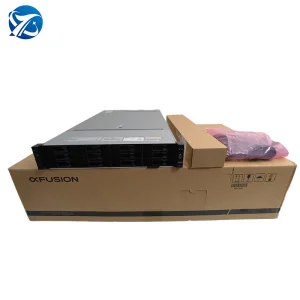
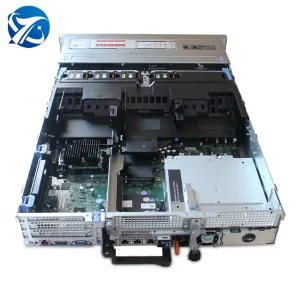
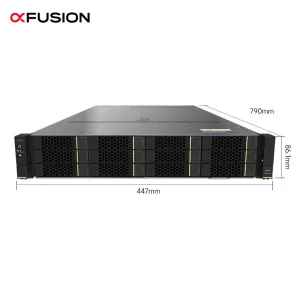
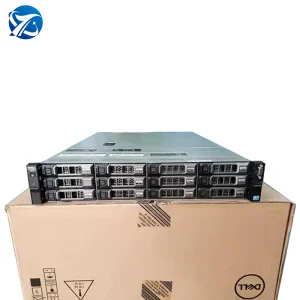
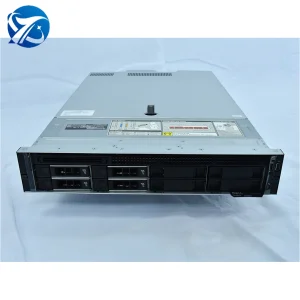
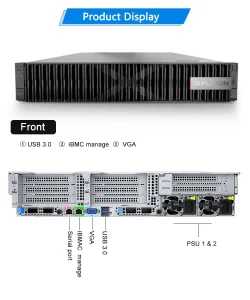
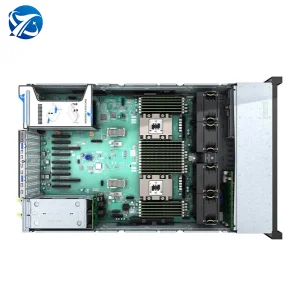
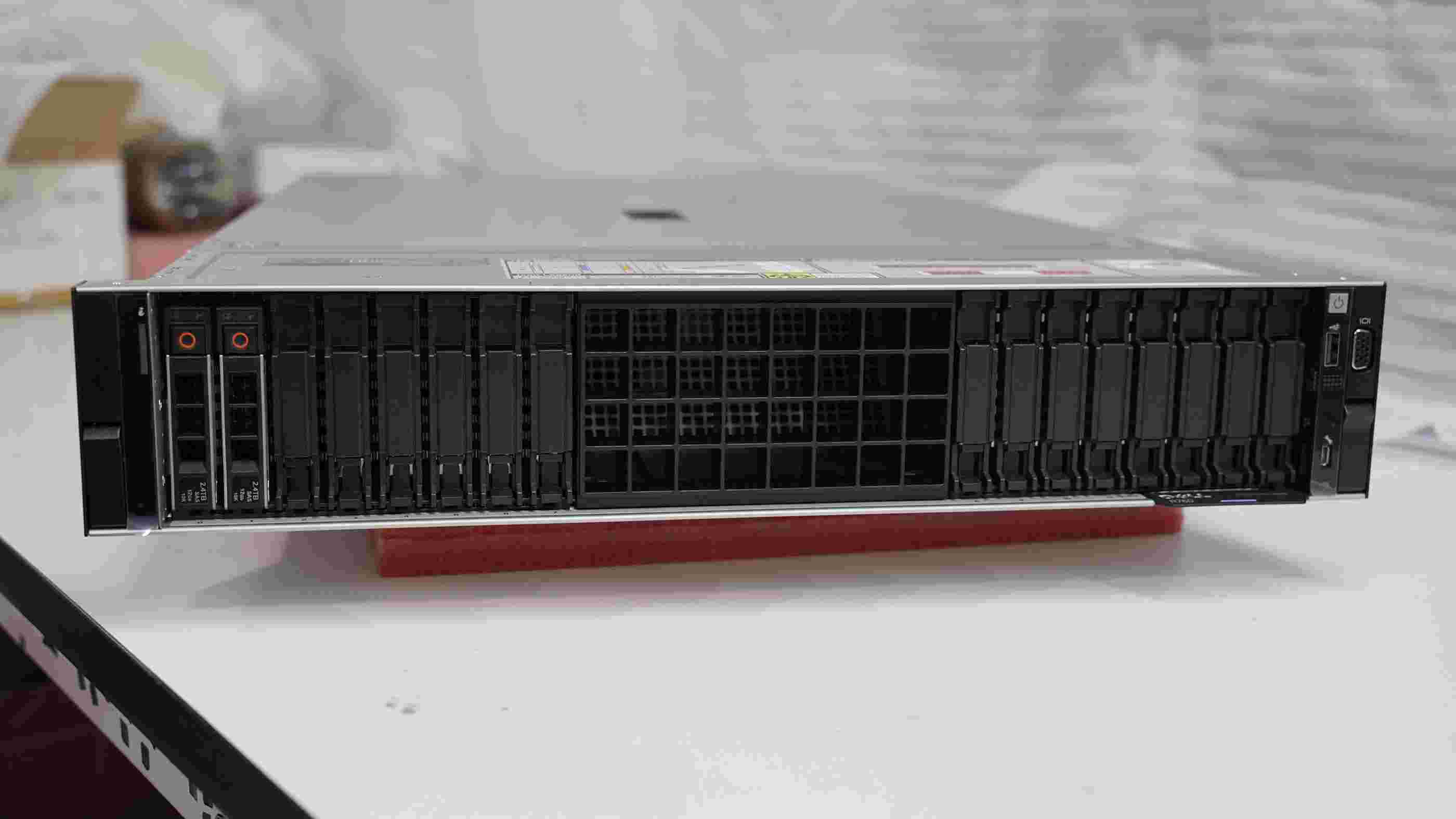
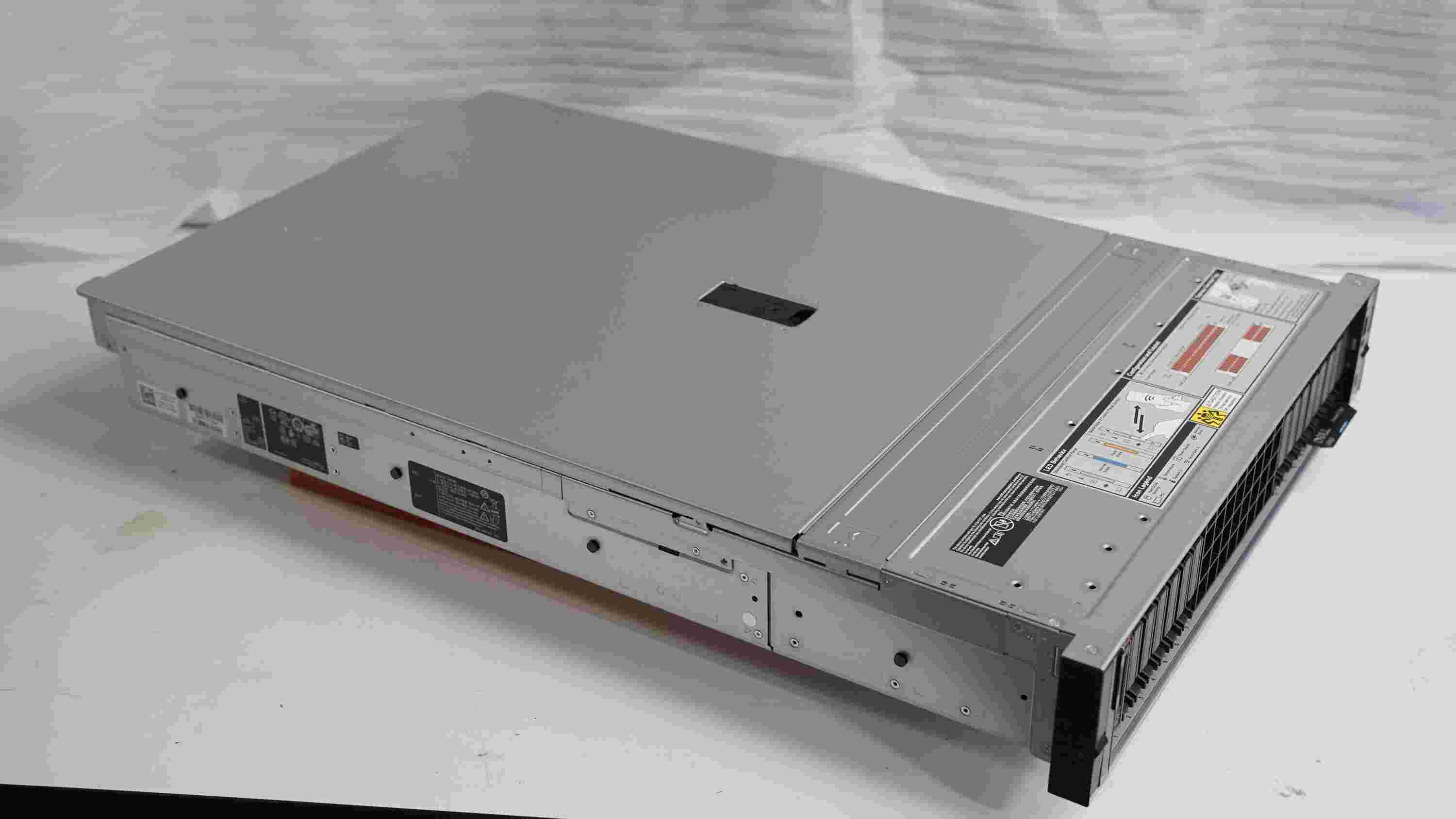
Yes, our containers use standardized EIA-310-D rack rails. Power delivery configurations, PDU types (smart or basic), and structural layouts are designed to support and cool various enterprise server chassis, including Dell PowerEdge, xFusion, and FusionServer systems.
Depending on local climatic conditions and your choice of cooling architecture (forced-air vs. closed-loop liquid-to-air), our configurations achieve operating PUE ranges between 1.15 and 1.30 under standard workload distributions.
Every container frame is engineered and certified to meet ISO 1496 and CSC (Convention for Safe Containers) structural criteria. They are designed to withstand 2G transport accelerations and can be configured to comply with IBC Zone 4 seismic requirements using internal shock-dampening mounting frames.
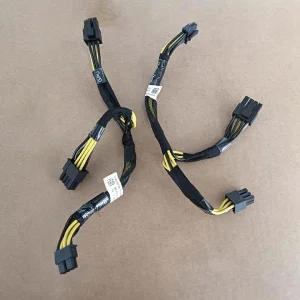
Browse our high-performance hardware and connection components, engineered to withstand continuous compute workloads.