Borevo
Borevo
Borevo
Explore our industrial-grade server systems and component kits engineered for low-latency collaboration systems, remote virtualization, and distributed AI computing workloads.
How the computing fabric underpins the modern collaborative computing ecosystem.
In the contemporary digital enterprise framework, the concept of a "Collaboration Tool" has transcended beyond basic software suites. Today, team collaboration is fundamentally constrained or enabled by the underlying computing architecture. High-definition remote virtualization, globally synchronized CAD designs, low-latency videoconferencing, and federated machine learning training (such as deploying DeepSeek or other large-language AI architectures) demand robust, localized, and custom hardware pipelines. Without highly optimized hardware, collaborative platforms fail to deliver the responsiveness required for real-time operation.
As a leading Custom OEM Collaboration Tools Factory & Supplier, Borevo AI Infrastructure (China) Co., Ltd. builds the physical hardware stack that operates these critical workloads. We supply custom servers, tailored memory clusters, ultra-high-speed network switches, and GPU interface technologies that act as the structural backbone of collaborative platforms globally. By providing comprehensive design-in support, custom firmware BIOS, and physical component optimization, we ensure that collaboration software achieves its maximum operational throughput with absolute reliability.
Targeted hardware topologies built for the most intensive remote collaboration workloads.
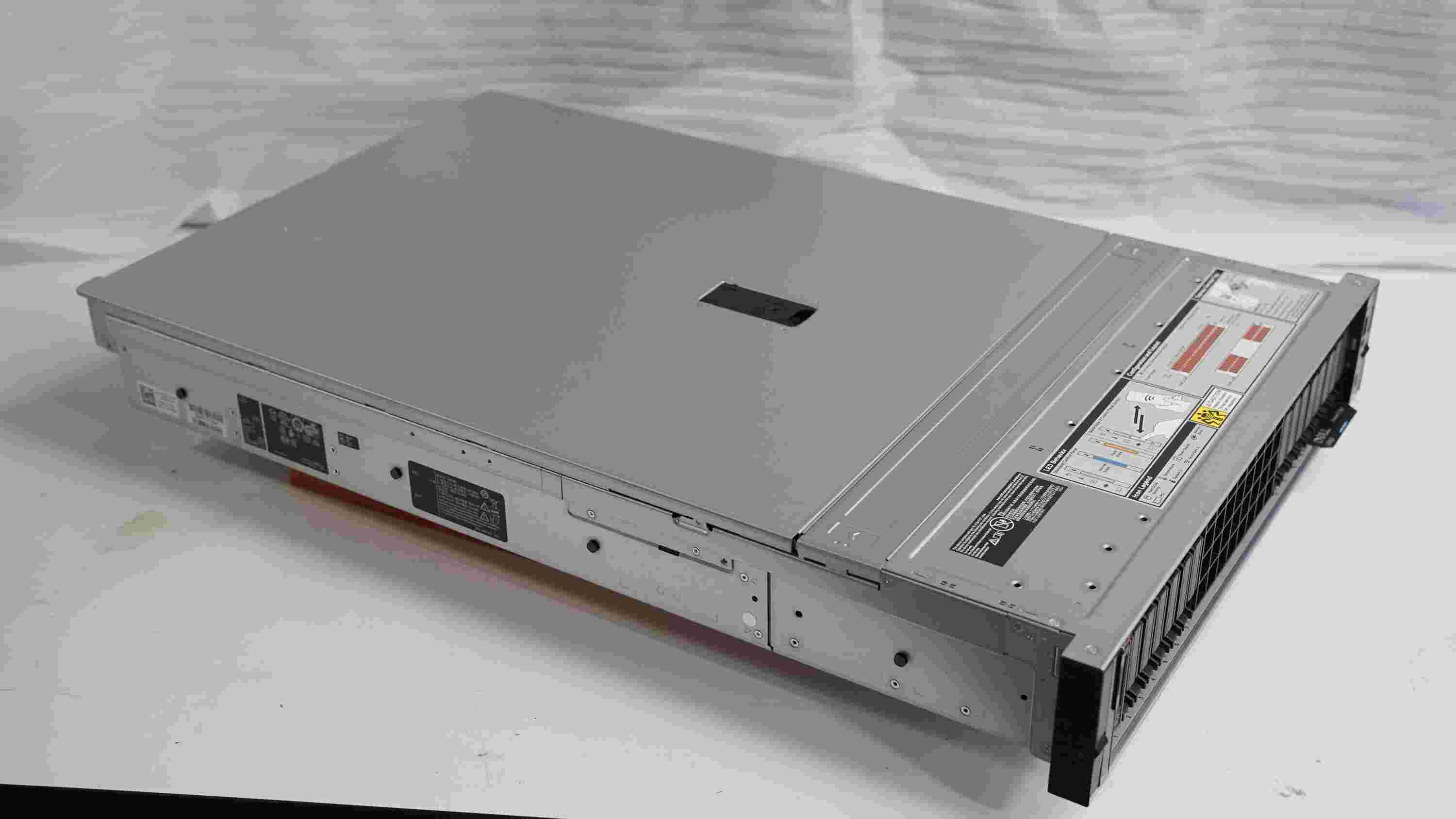
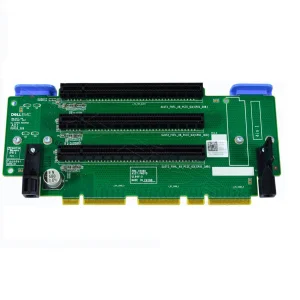
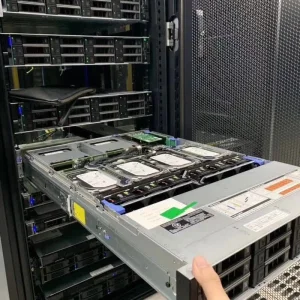
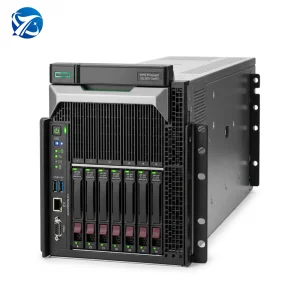
We build customized 2U and 4U servers optimized for Virtual Desktop Infrastructure (VDI). By matching high-core-count Intel Xeon processors with customized multi-GPU riser kits (such as our R740/R740XD Riser Kits), remote engineering and design teams can collaborate on massive 3D models in real-time, hosted within secure, centralized private clouds.
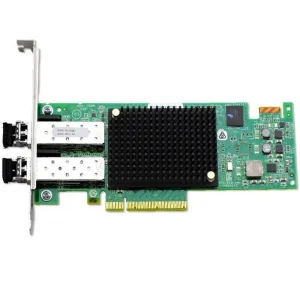
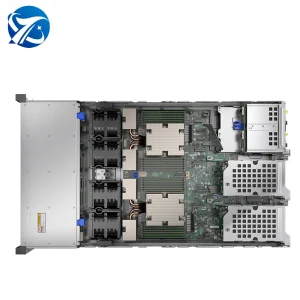
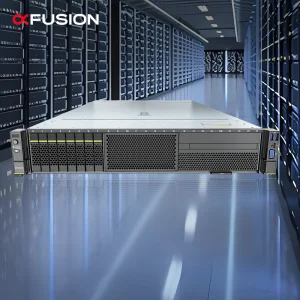
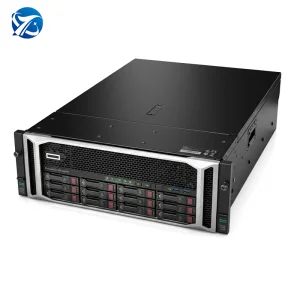
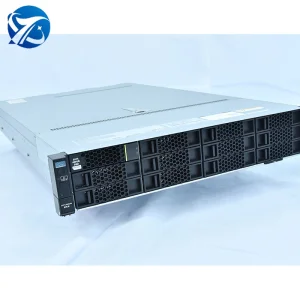
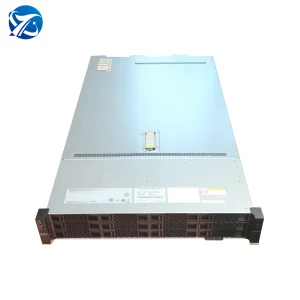
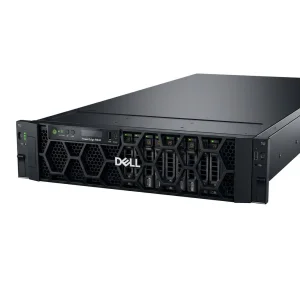
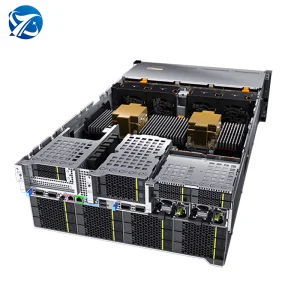
Collaborative research organizations running deep learning models across countries require hardware synchronization. Using server units like the xFusion FusionServer 2258 V7 and HPE ProLiant platforms configured with fast Emulex HBA 32Gb/s cards, teams can distribute AI training nodes while maintaining millisecond-level communications.
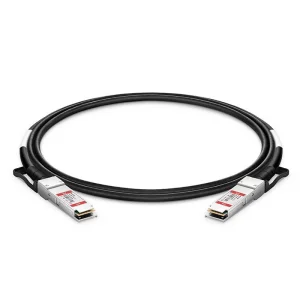
To enable low-latency media collaboration and live-stream production environments, we customize server nodes with high-speed QSFP+ 10G/40G direct-attach cables. This mitigates internal frame drops and guarantees high-throughput media sharing between editing rooms and master control servers globally.
Direct statistics representing our operational footprint and industrial capabilities.
Bridging local deployments with regional performance and compliance requirements.
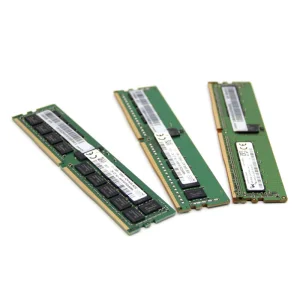
Enterprises in North America demand ultra-high availability and rapid hardware replacement cycles. We offer rapid delivery on key collaboration backend components like xFusion DDR4/DDR5 memory modules and HBA fiber channel cards, ensuring system integrators maintain their strict SLA commitments.
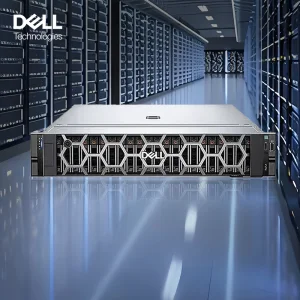
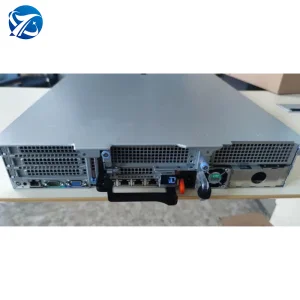
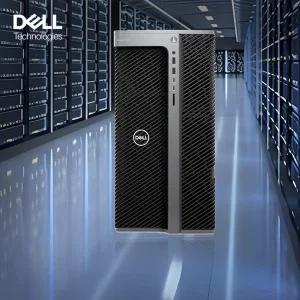
Compliance with GDPR means cloud hosting and remote collaboration environments must remain completely localized. Our custom OEM configurations allow deployment of secure private clouds using Dell R760/R750 nodes, complete with TPM 2.0 modules and secure hardware boot sequences, locking down physical access points.
APAC markets present dynamic topography, combining densely populated urban hubs with remote offices. Our robust power systems and cooling modifications on FusionServer models keep remote nodes running securely in varied edge-data-center contexts, even under elevated temperatures.
How we ensure maximum uptime for collaboration nodes running worldwide.
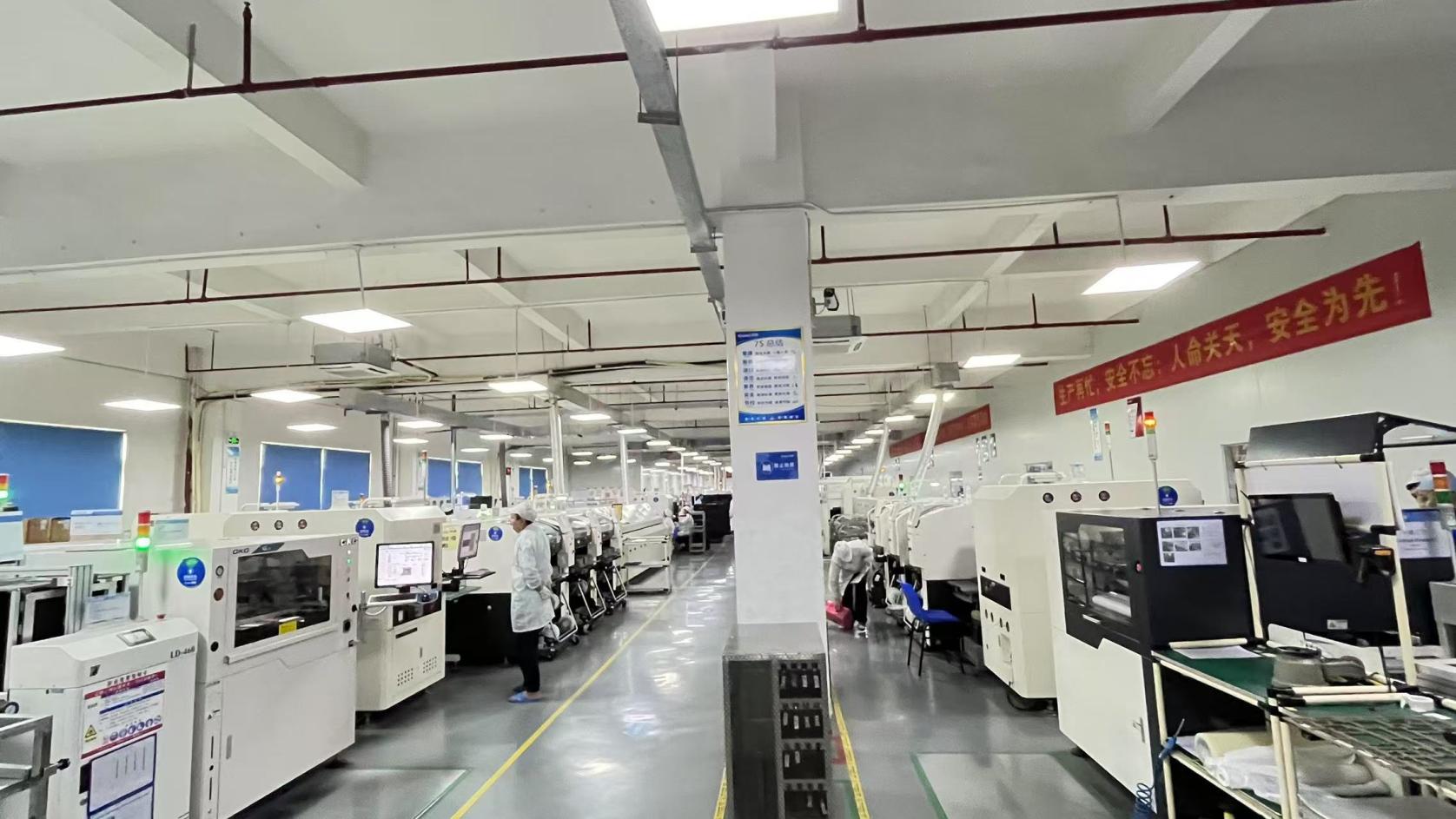
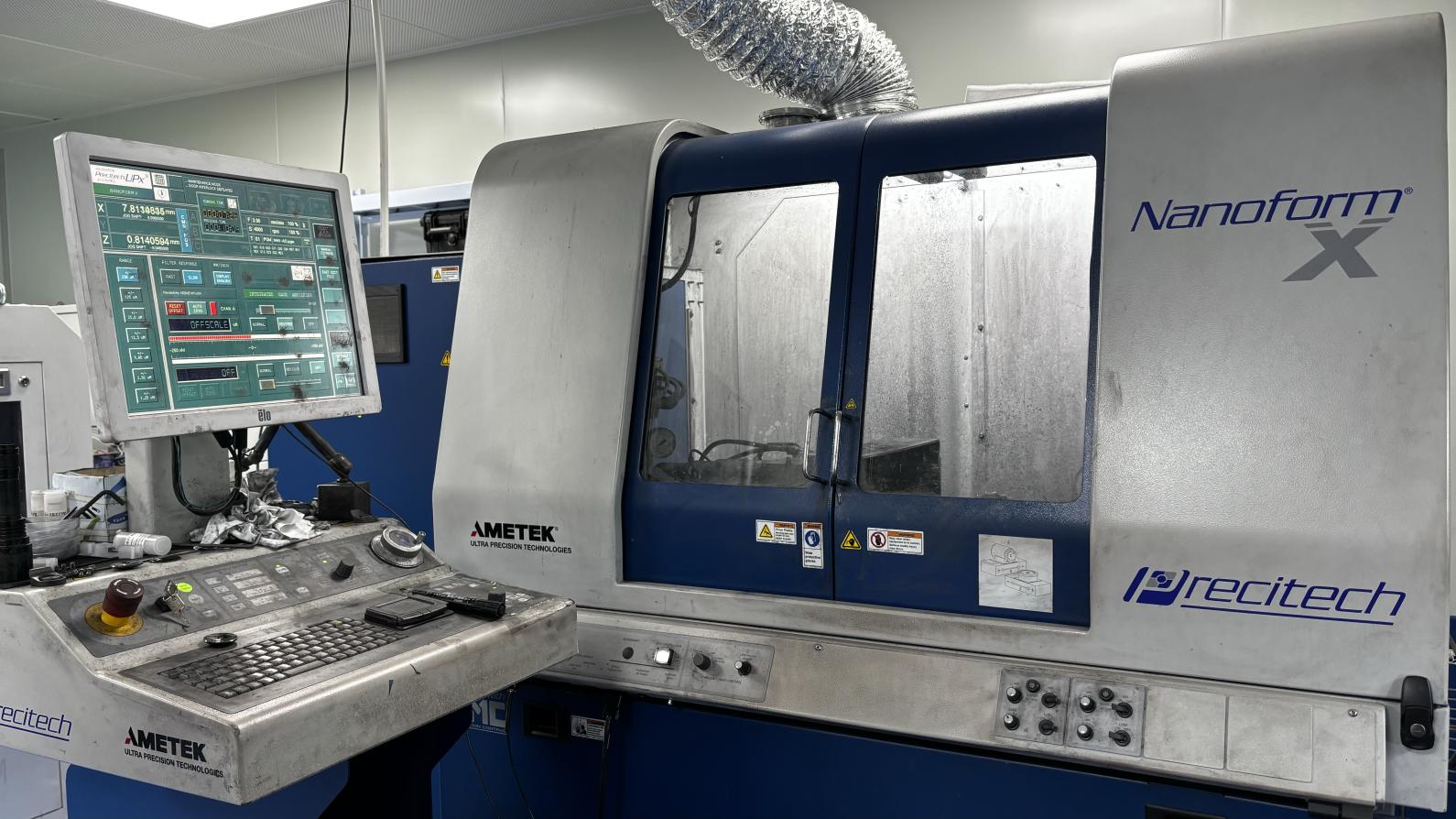
Any collaboration server failure results in lost productivity and damaged user trust. Therefore, Borevo AI Infrastructure operates under an exhaustive, multi-phase quality protocol. Our dedicated 45-member Quality Control team oversees every assembly stage, ensuring compliance with international hardware standards.
Preparing collaborative computing infrastructure for tomorrow's AI workloads.
As remote collaboration tools call for real-time memory pooling across nodes, we are integrating CXL 2.0/3.0 configurations into our next-gen motherboard systems, allowing servers to share DRAM resources with near-zero latency.
To support high-density compute systems housing multiple PCIe GPU kits, our engineering team is finalizing custom cold-plate and liquid-to-air cooling options, lowering PUE to below 1.15 for sustainable data centers.
Moving past standard QSFP+ 10G/40G direct-attach technologies, we are developing next-generation optical transceivers and active copper cables supporting speeds up to 800Gbps, matching the demands of modern AI clusters.
Premium OEM solutions designed to scale cloud environments and accelerate localized AI training pipelines.
Addressing core architectural and procurement considerations for custom server hardware.
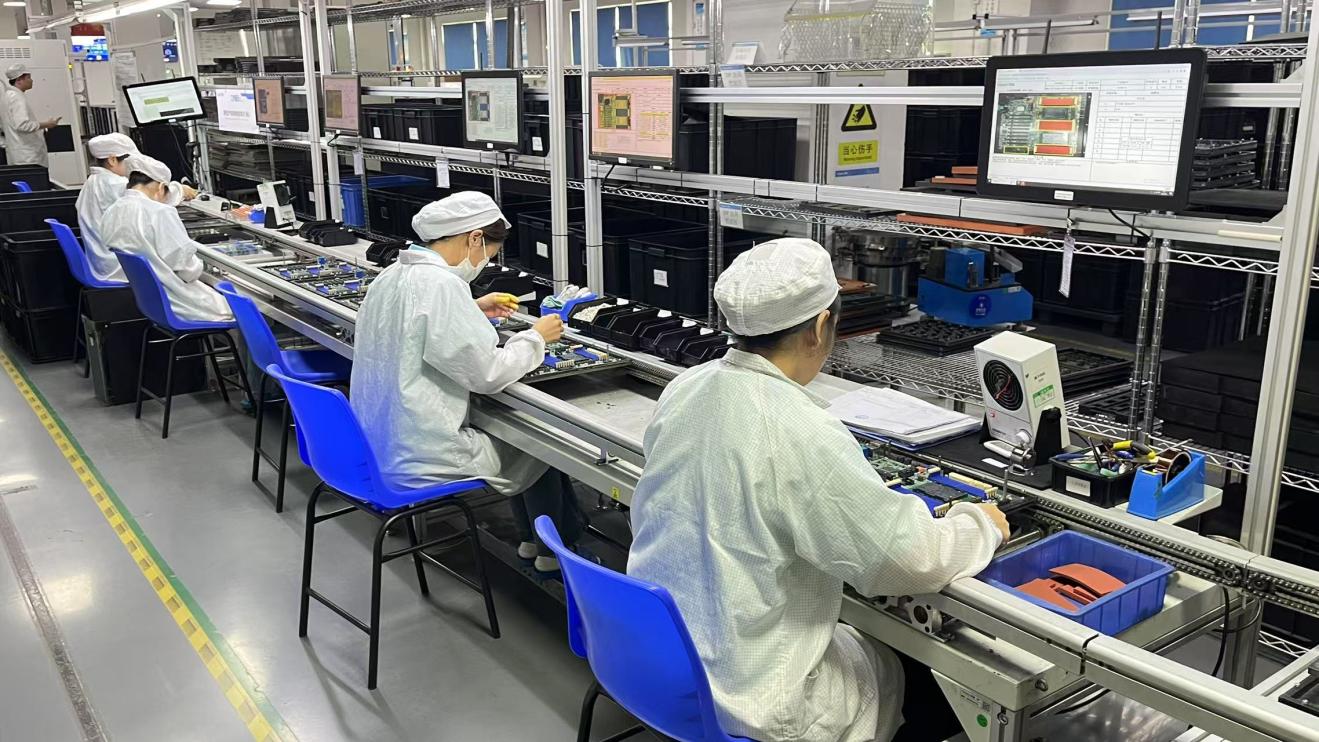
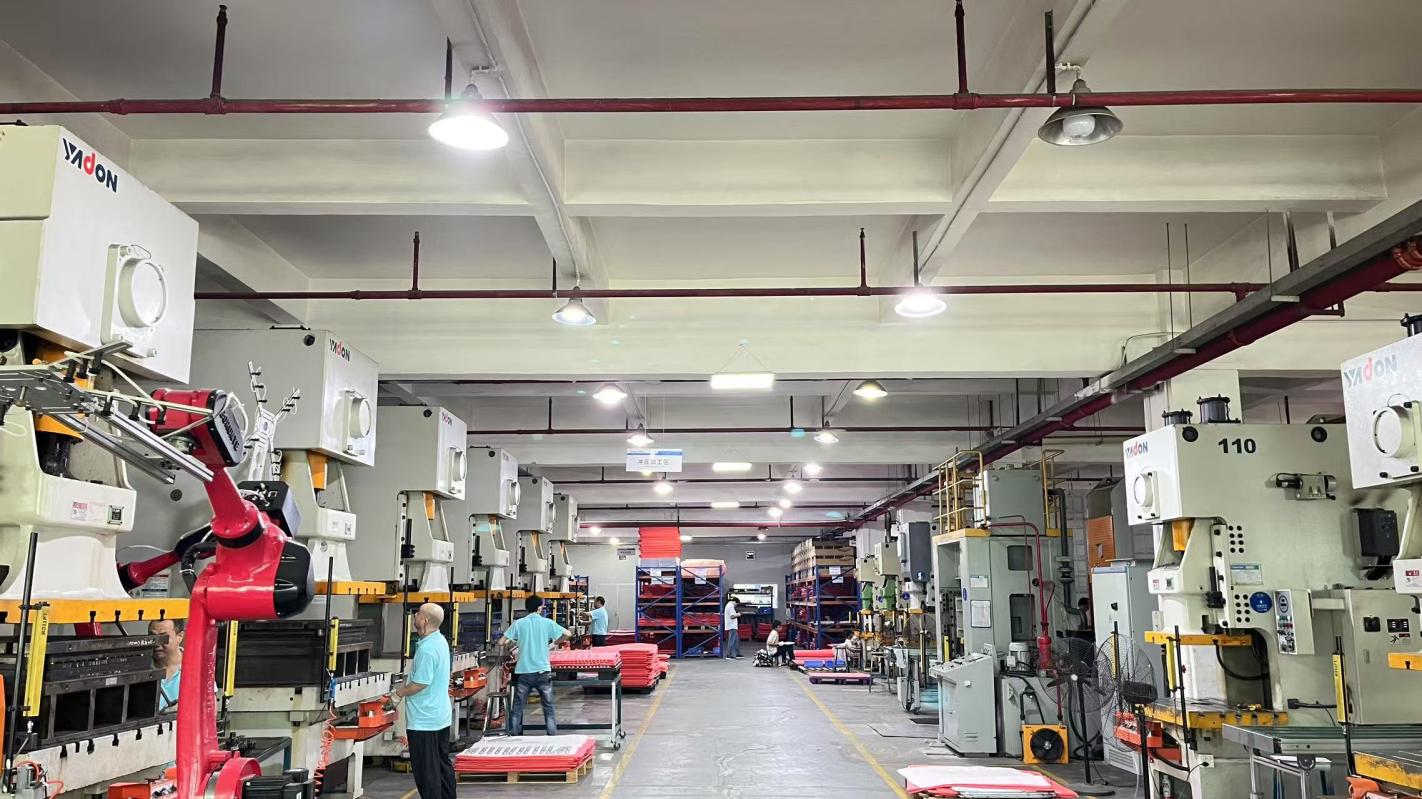
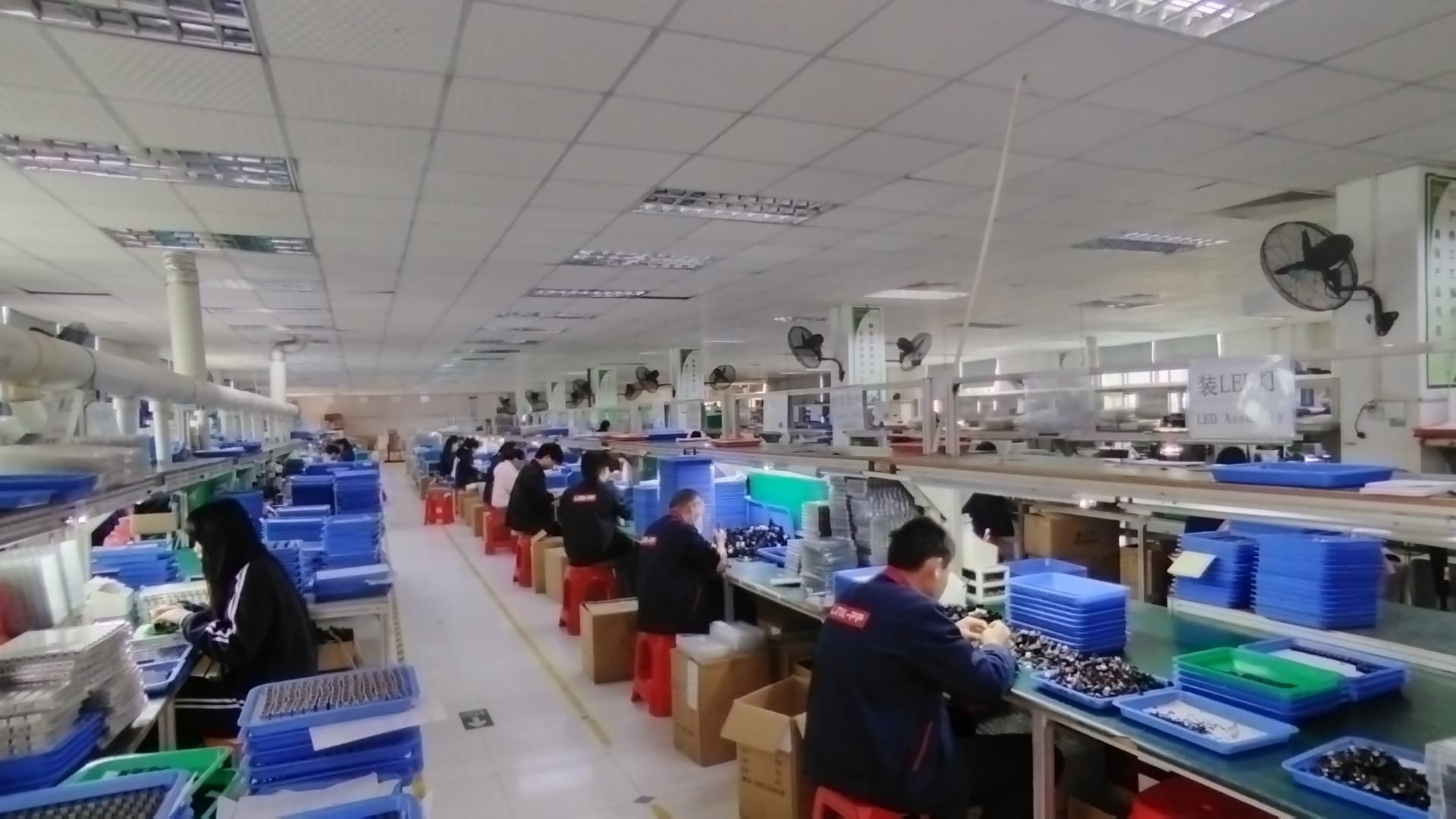
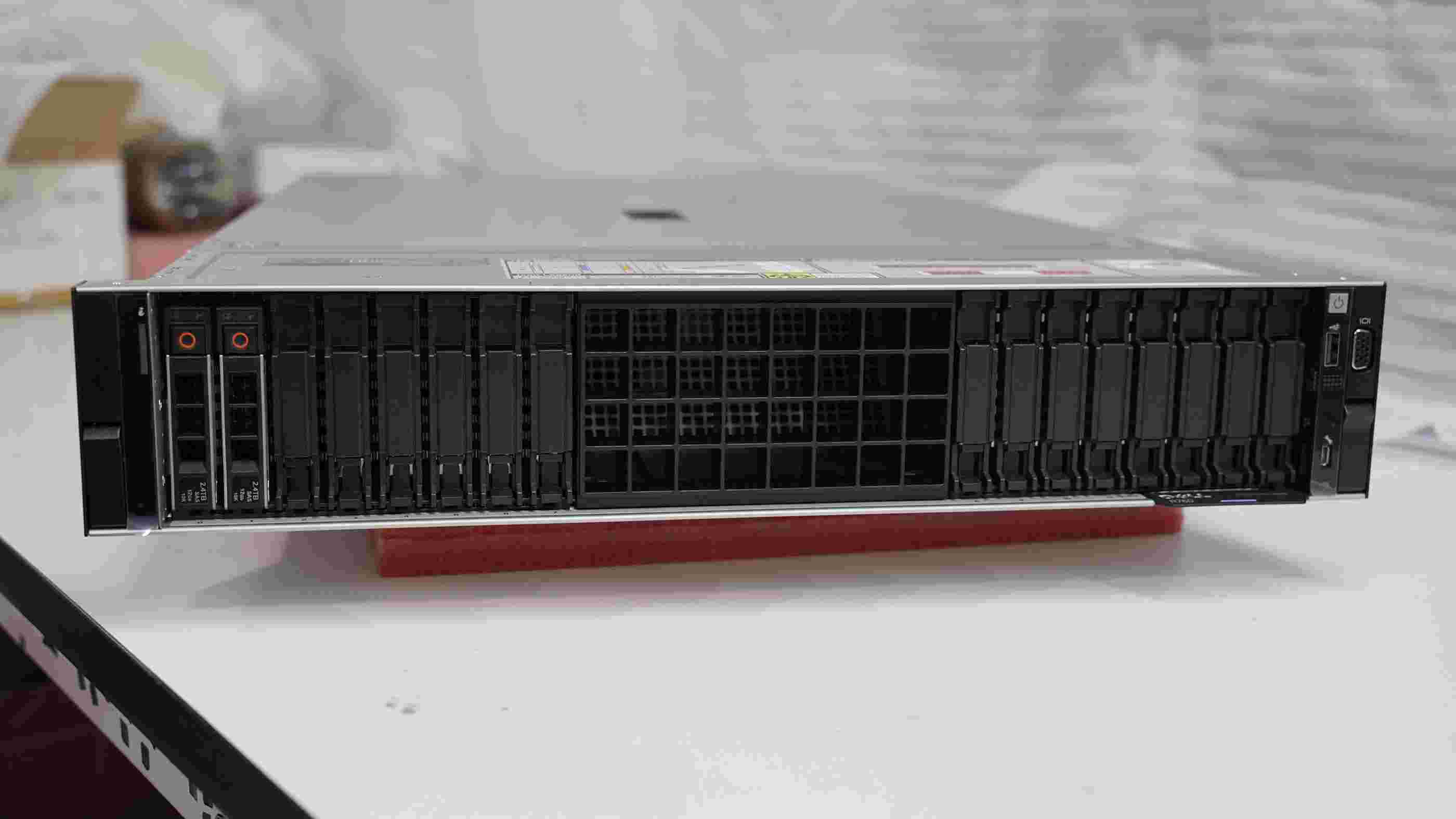
Real photos showing our modern assembly floors, specialized component testing areas, and warehousing logistics.