Borevo
Borevo
Borevo
High-density computing nodes optimized for Unified Communication workloads, Real-time voice processing, and AI translation integrations.
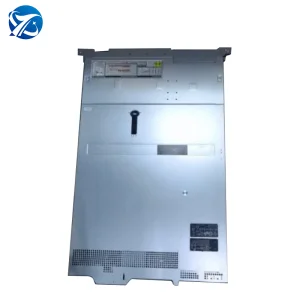
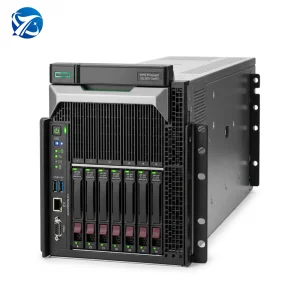
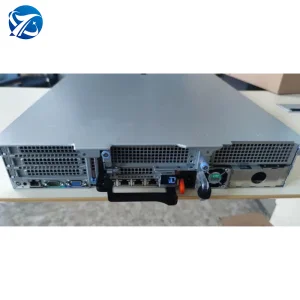
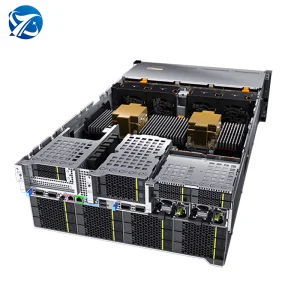
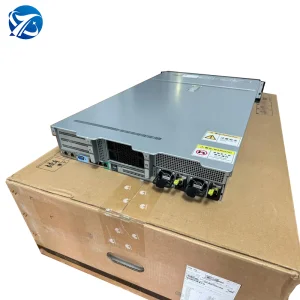
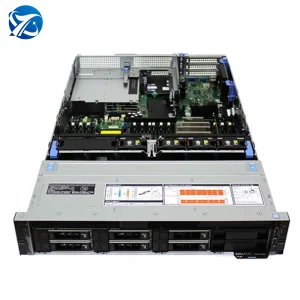
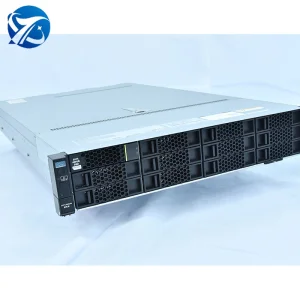
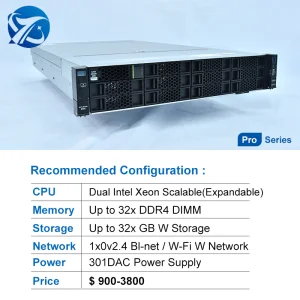
The global landscape of Unified Communications (UC) and Unified Communications as a Service (UCaaS) is undergoing a massive architectural shift. Historically constrained to local IP-PBX setups, SIP trunks, and basic video conferencing, modern enterprise communications now demands real-time, low-latency, and AI-supported collaboration models. Enterprises have consolidated voice, data, video conferencing, team collaboration, and automated chatbots into integrated cloud-native infrastructures.
As remote work configurations mature and hybrid business operations become the norm, data transmission requirements have spiked exponentially. This places unprecedented stress on physical cloud center infrastructure. Providing high-concurrency real-time transcoding, SIP session management, and instant voice-to-text translation requires specialized server deployments.
As a leading hardware supplier, we analyze the micro-needs of wholesale buyers. Modern UC infrastructure demands flexible compute density, custom thermal control, and high-performance processing components to handle thousands of concurrent calls and interactive AI functions without operational degradation.
Driven by edge computing, high-frequency SIP trunk transactions, and strict QoS (Quality of Service) expectations, multinational enterprises rely heavily on regional data hubs loaded with optimized compute profiles.
How deep learning models and high-density GPU computation are reshaping real-time enterprise communication topologies.
Enterprises are increasingly deploying models like DeepSeek, LLaMA, and localized NLP stacks within their own communications cluster. This allows for automated, context-aware call routing, instant transcription, and smart translation directly inside the communications system, drastically reducing public API roundtrip latency.
Modern UC infrastructure spans multi-tenant architectures where traditional virtualization coexists with dedicated high-performance bare-metal components. By implementing customizable chassis systems, system operators ensure hardware is partitioned precisely for compute, data caching, and networking.
Faced with fluctuating semiconductor margins, sourcing high-performance platforms from established China-based manufacturers ensures consistent component access. Bulk supply chains provide customized PCIe configurations, scalable memory solutions, and strategic storage integrations at stable wholesale price levels.
The functional requirements for unified communications differ greatly depending on the operating environment. Our systems are engineered to target several key business profiles:
Banks and trading platforms require low-latency voice logging, instant multi-party secure conferencing, and resilient storage clusters. Redundant hardware, high-end Intel Xeon scalable processing units, and high-speed SAS storage drives ensure compliance and zero frame loss during critical financial calls.
Modern telemedicine relies on high-resolution video streams alongside real-time medical device feedback. Edge servers optimize encoding processes to guarantee consistent connection streams, maintaining video fidelity even when bandwidth drops.
Public safety systems require the integration of video feeds, VoIP dispatch controls, and instant sensor networks into a single interface. Enterprise server setups act as hybrid computing units that compile, route, and distribute warning messages and real-time response layouts securely.
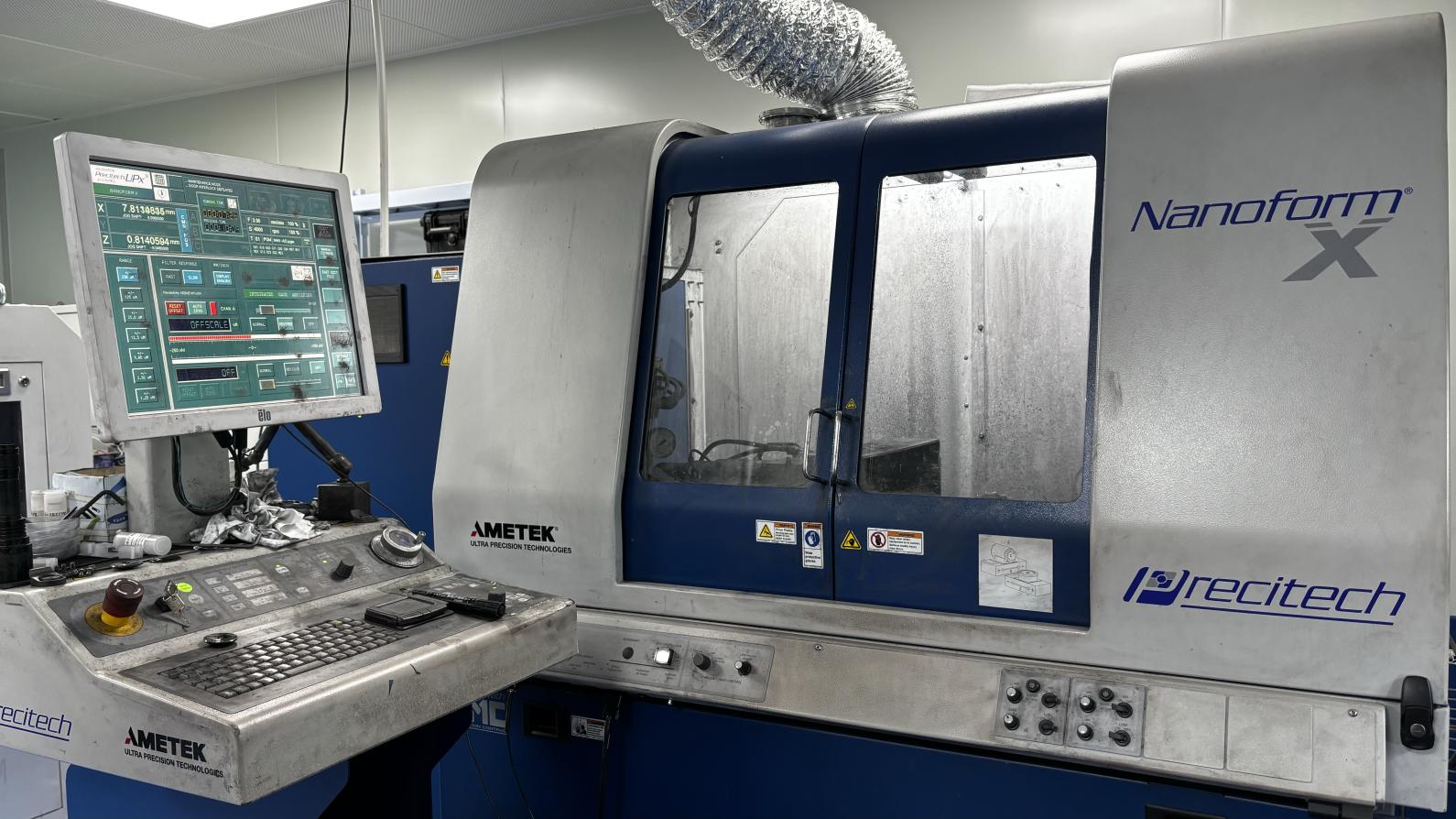
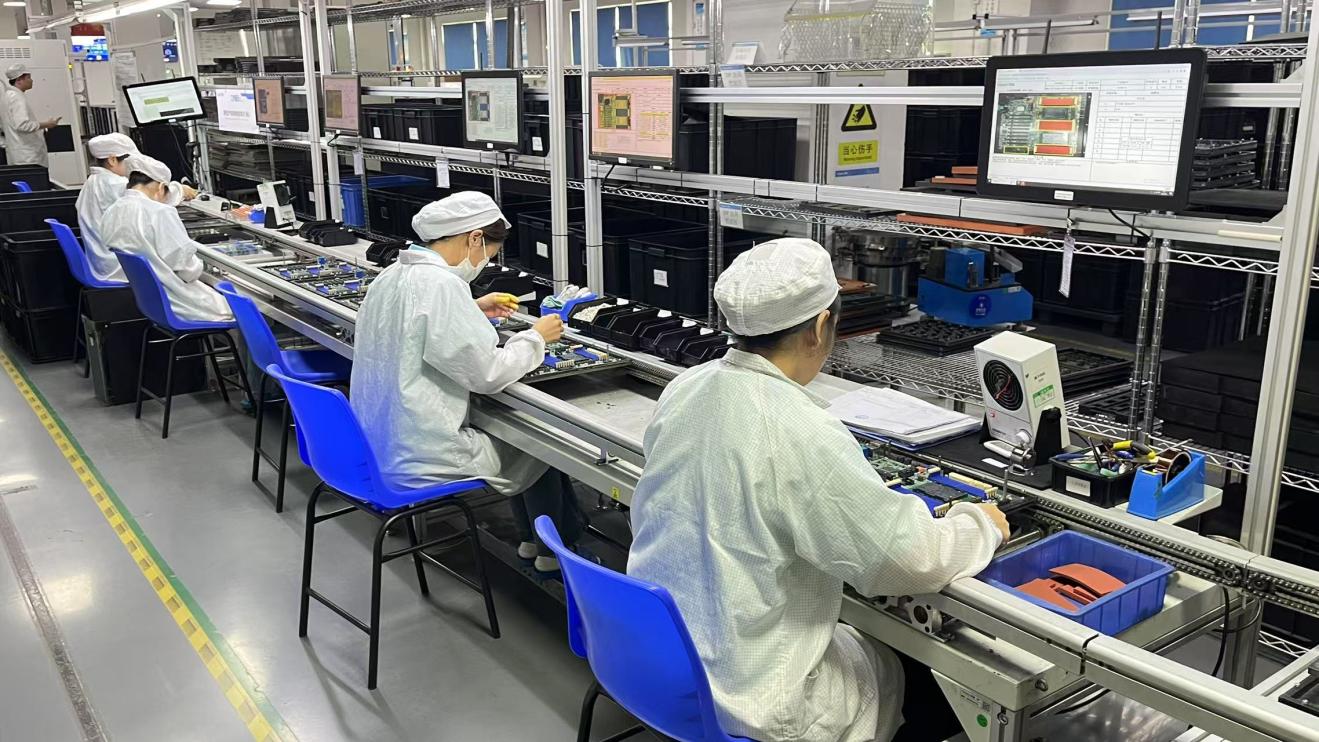
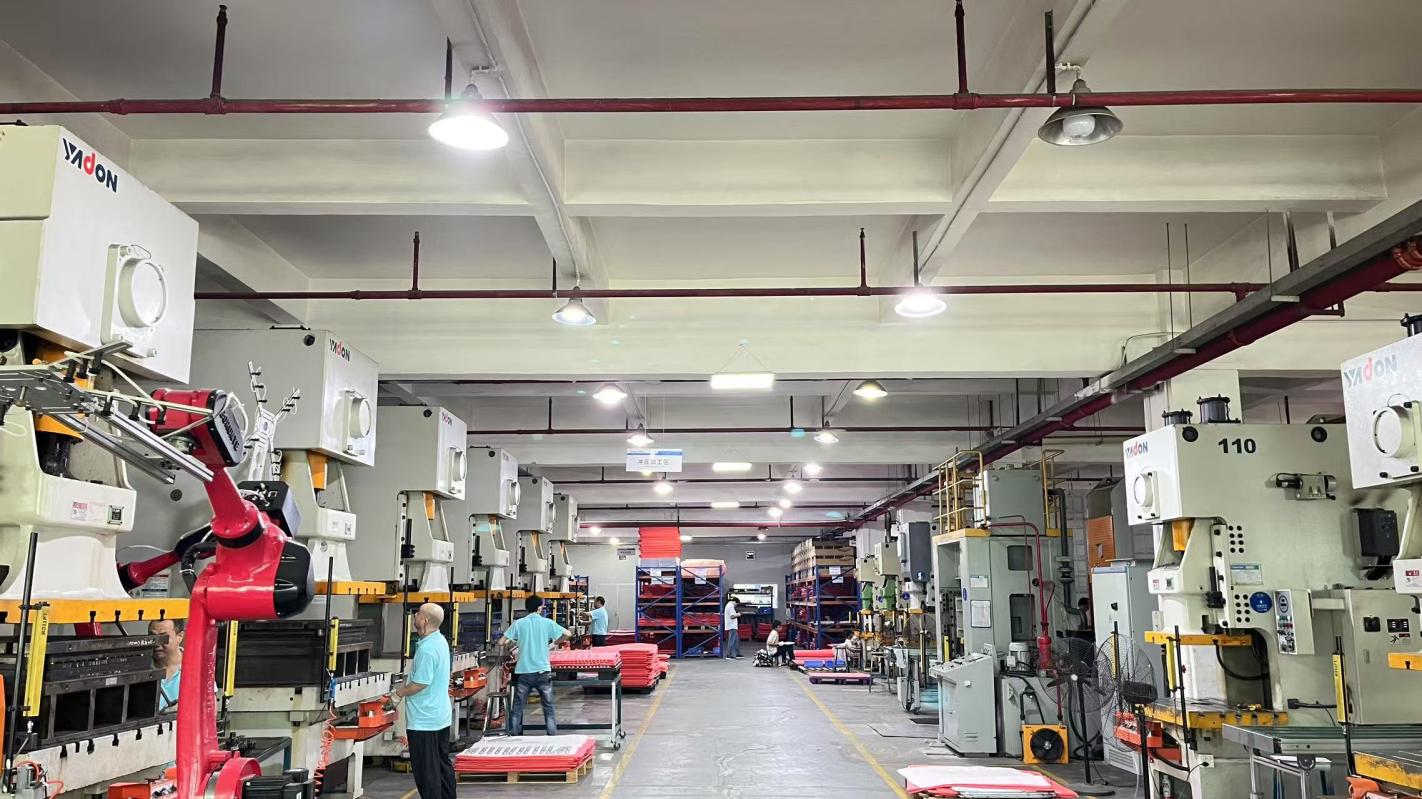
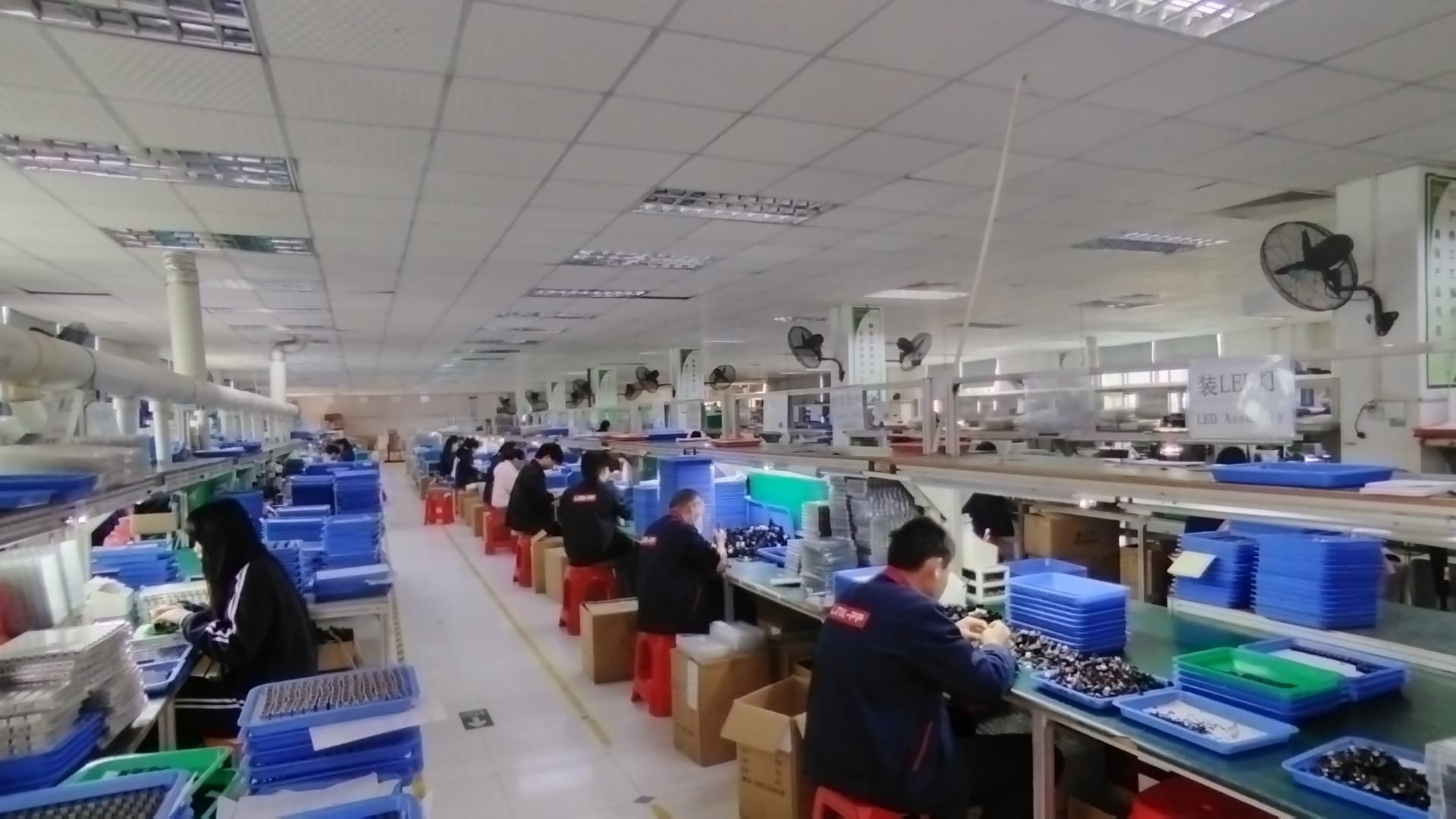
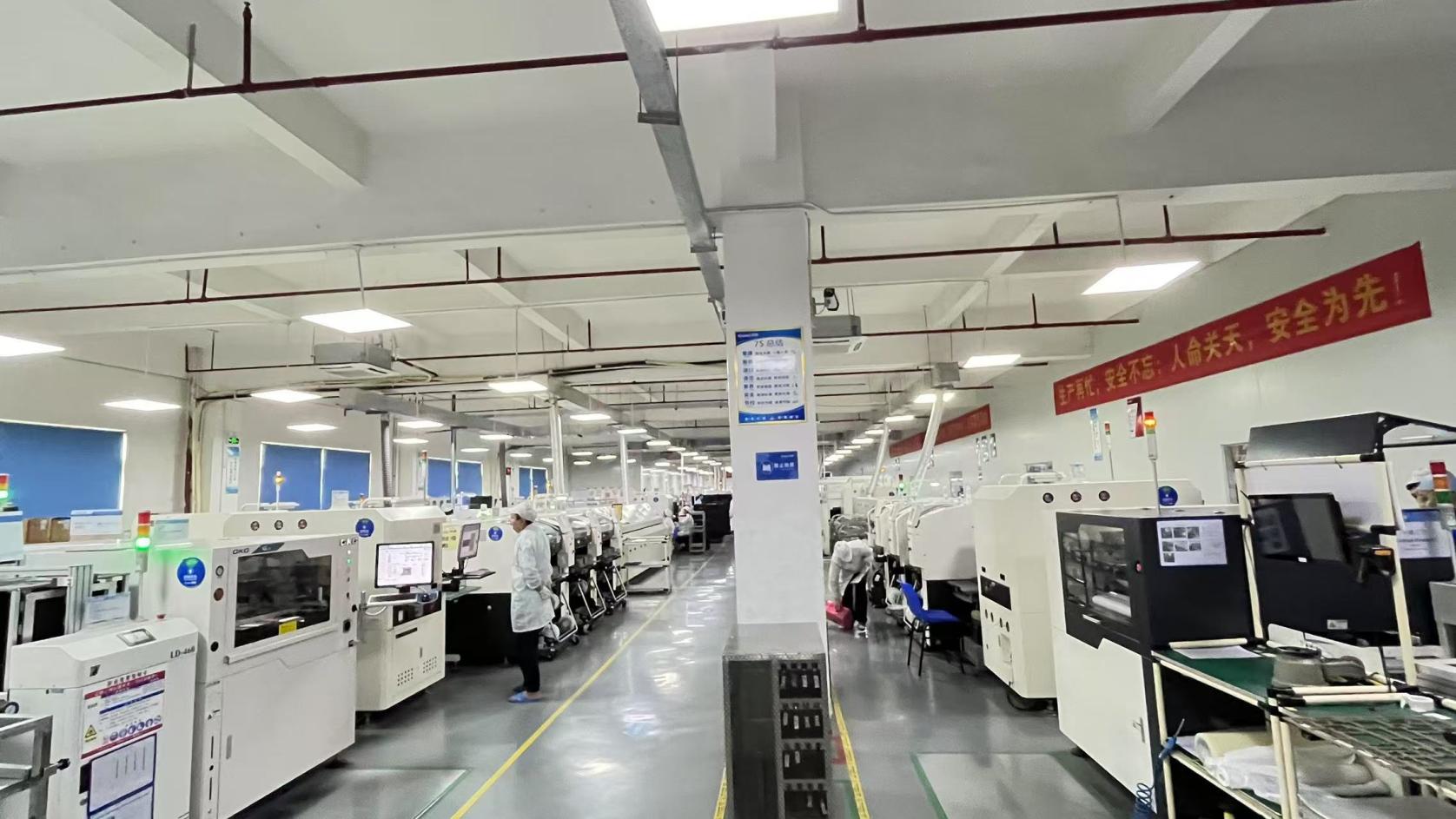
To ensure high service quality in these demanding environments, our physical hardware undergoes rigorous testing protocols:
Anticipating hardware requirements for next-generation platforms between 2025 and 2030.
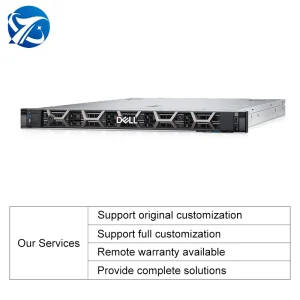
Transitioning from CPU-only voice processing systems to multi-architectural models. Systems integrate GPU hardware (like the Dell R750 or customized GPU accelerators) with scalable CPUs to split the processing of user data streams, signaling traffic, and real-time AI-based translation tasks.
As server component density increases, standard fan-based cooling is reaching its limits. Sourcing strategies focus heavily on liquid-cooled setups, allowing hardware clusters to support 100+ cores per rack unit while keeping operational temperatures stable, lowering overall power usage effectiveness (PUE) metrics.
Moving from copper circuits to integrated silicon photonics on motherboards. Optical pathways eliminate backplane data bottlenecks, allowing local system memory, storage drives, and accelerators to exchange info at speeds exceeding 100Gbps, laying the foundation for zero-latency unified platforms.
Borevo AI Infrastructure (China) Co., Ltd. is a specialized AI GPU and enterprise server manufacturer dedicated to delivering high-performance computing hardware and advanced infrastructure solutions for global markets. We focus on GPU design integration, AI acceleration systems, and customized computing solutions for data-intensive applications, including the core processing nodes required by global Unified Communications platforms.
By offering system customization options—including tailored firmware, motherboard design adaptation, thermal management tuning, and memory optimization—Borevo ensures that wholesale buyers receive hardware that integrates cleanly with their unique software environments.
With over 12 years of industry experience and 7 years of global export service, Borevo supports AI computing companies, cloud service providers, enterprise data centers, and OEM/ODM clients worldwide.
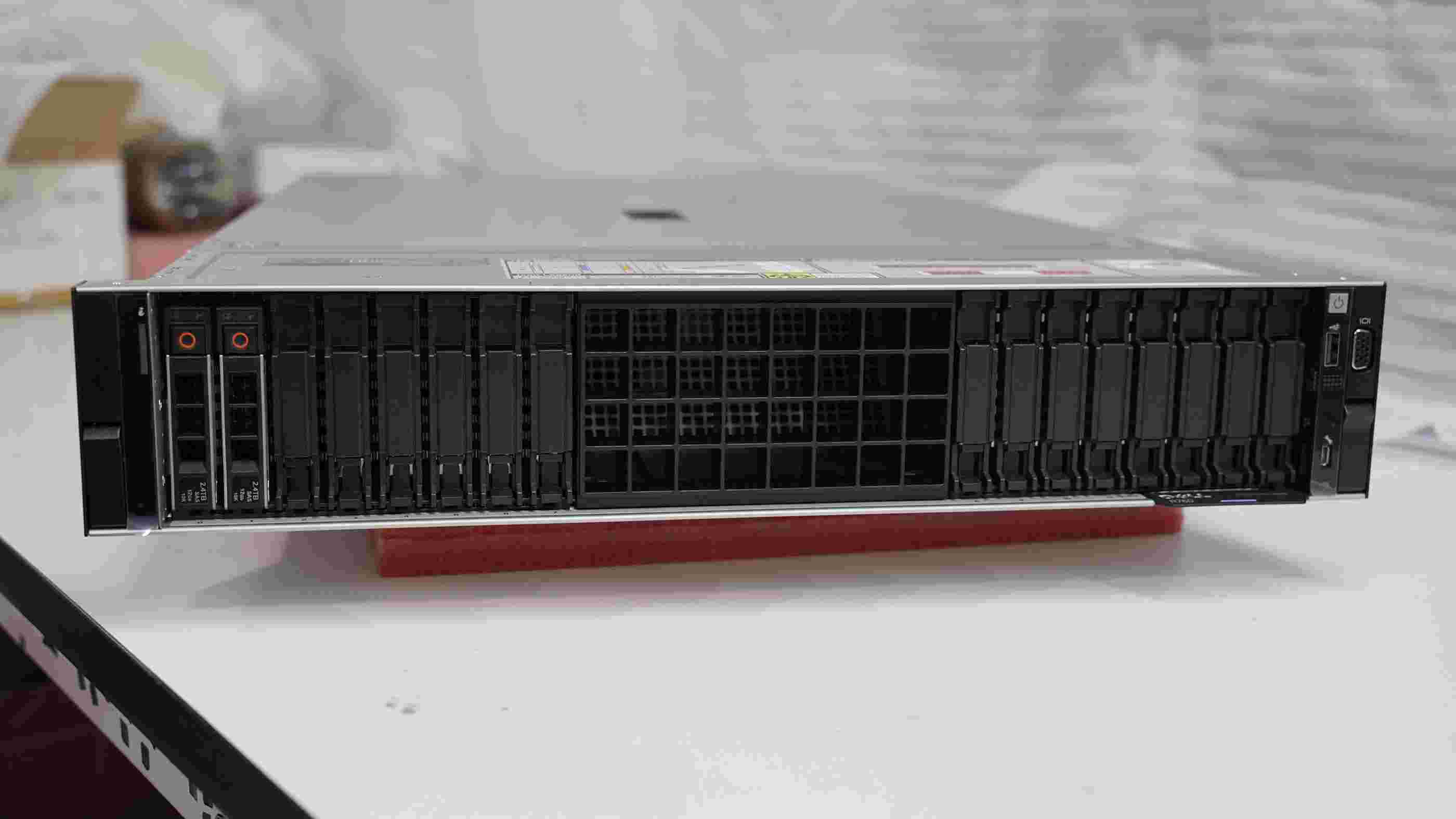
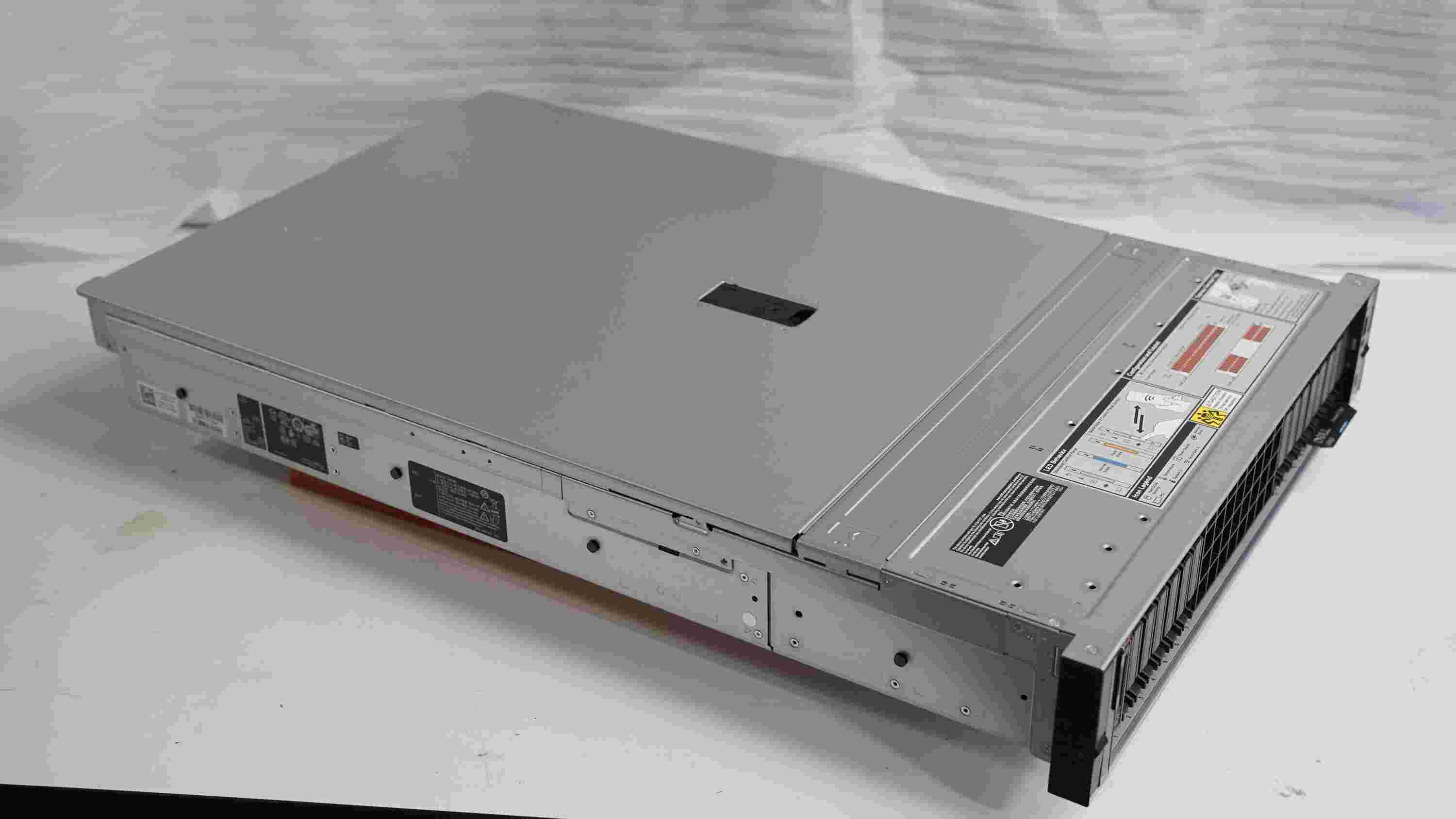
Essential answers for IT procurement, system architects, and wholesale buyers sourcing infrastructure hardware.
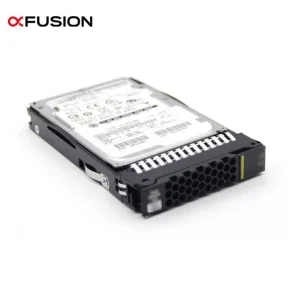
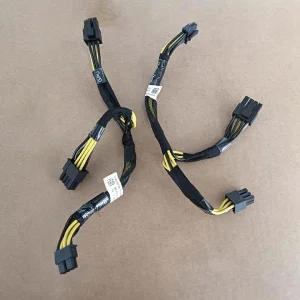
Select from our inventory of enterprise storage nodes, GPU server setups, and specialized cabling options.