Borevo
Borevo
Borevo
Direct from factory-floor source. Engineered for reliability, minimal network latency, and high read/write throughput in mission-critical environments.
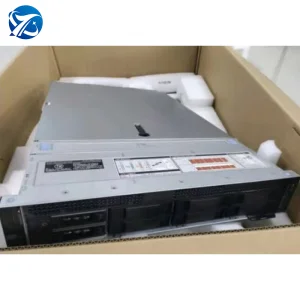
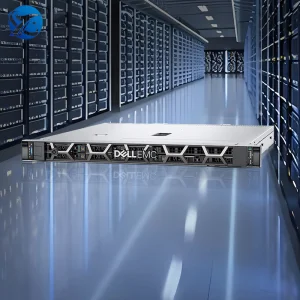
How the demands of Generative AI, Large Language Models (LLMs), and hyper-converged architectures are restructuring Storage Area Networks globally.
Traditional Fibre Channel (FC) SAN infrastructure remains the backbone of transactional database storage. However, modern workloads dictate the integration of NVMe over Fabrics (NVMe-oF) using RDMA over Converged Ethernet (RoCE v2) or Fibre Channel (FC-NVMe) to reduce data transfer times to microseconds.
Global financial institutions, PACS healthcare systems, and industrial IoT manufacturing lines require non-stop storage accessibility. Our carrier-grade servers, SAS controllers, and high-performance HBA cards ensure dual-path redundancy and automated failover for continuous operations.
In highly distributed computing hubs, data loss is not an option. Hardware-accelerated RAID controllers featuring onboard ECC memory caches and battery-backup units provide continuous write preservation, insulating systems from power fluctuations and sudden outages.
A specialized enterprise hardware manufacturer and exporter, delivering AI computing components and SAN solutions to global markets.
| Operational Attribute | Specification Detail |
|---|---|
| Year Established | 2018 (With over 12 years of core industry experience) |
| Export Experience | 7 Years of seamless distribution to North America, Europe, and Southeast Asia |
| Annual Export Revenue | USD 18 Million |
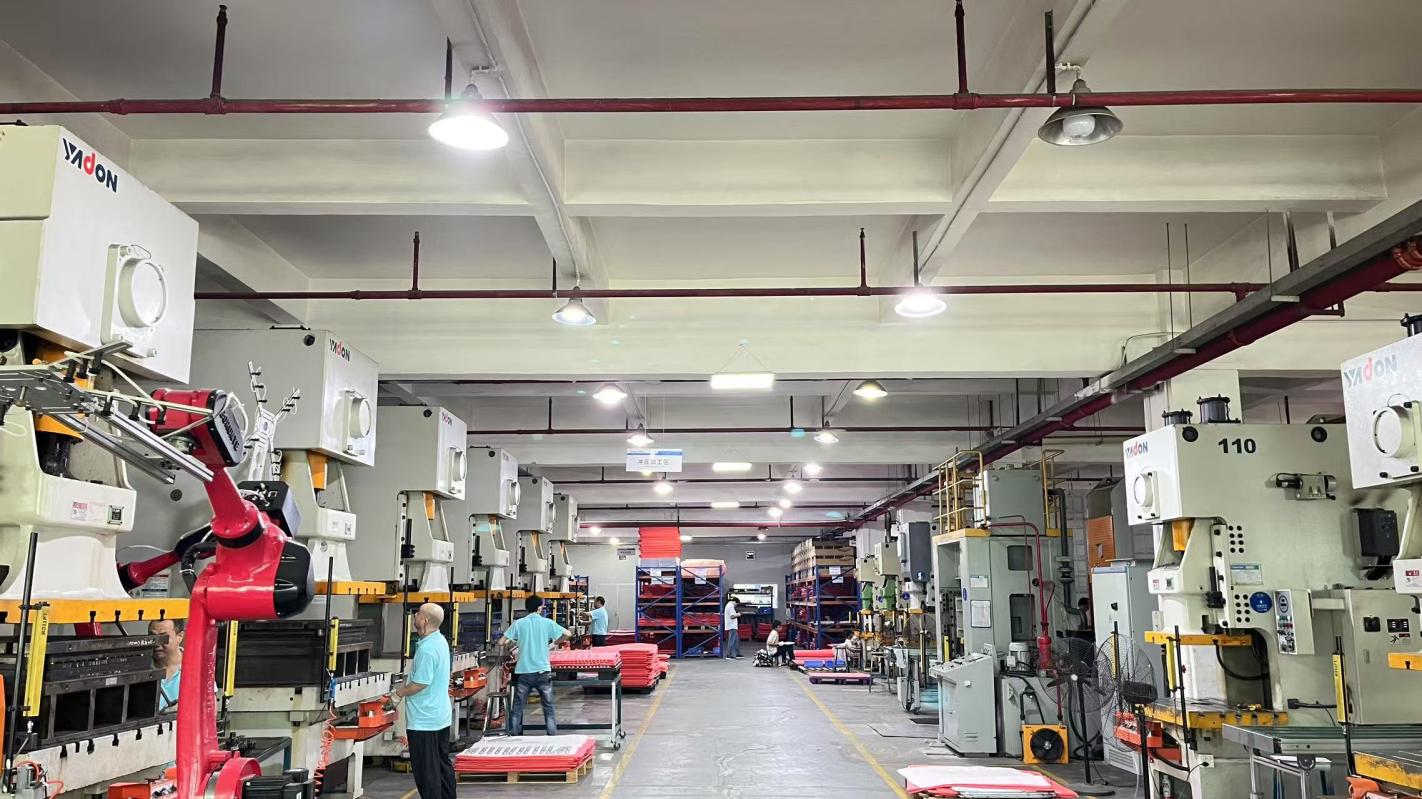
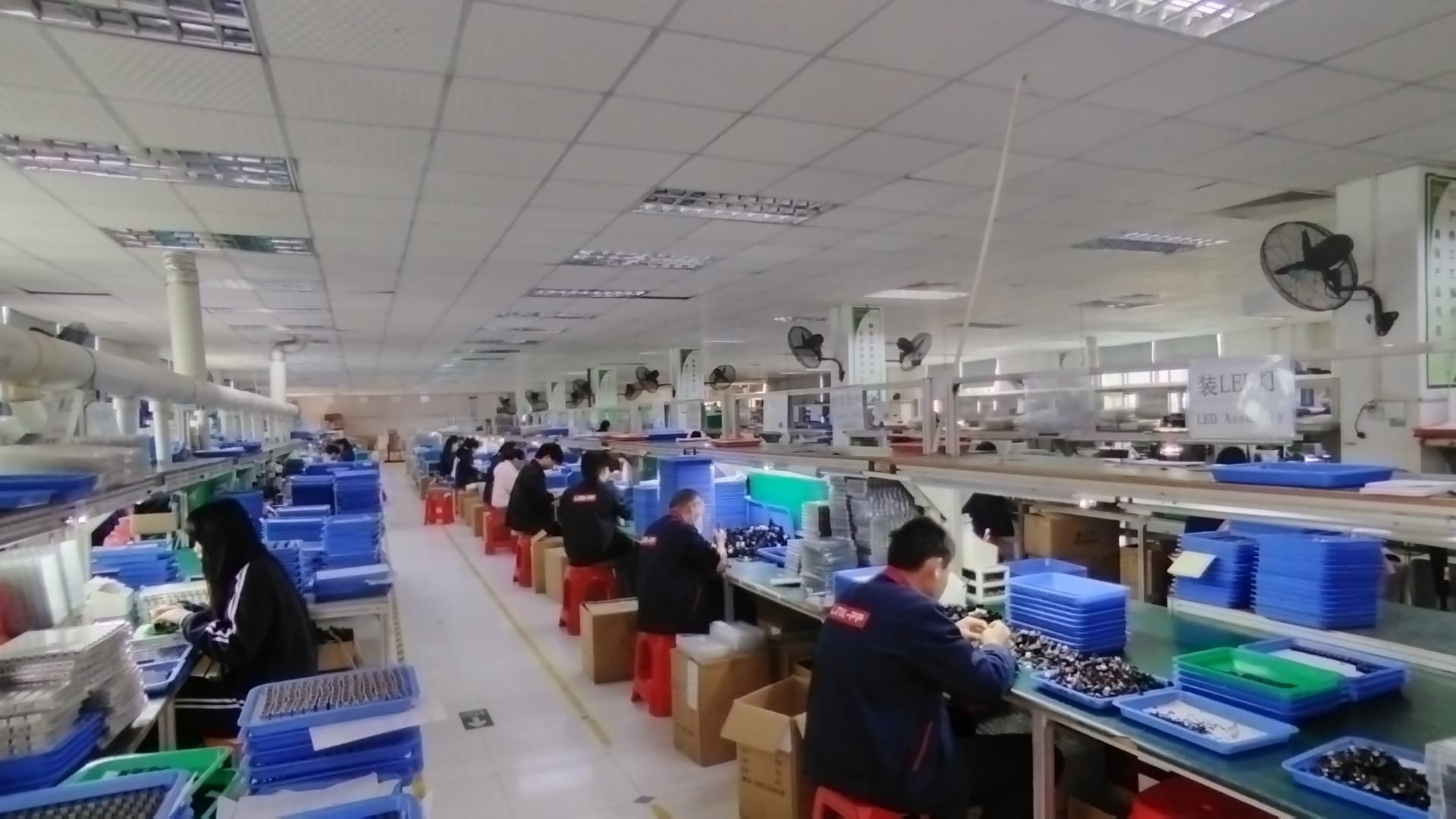
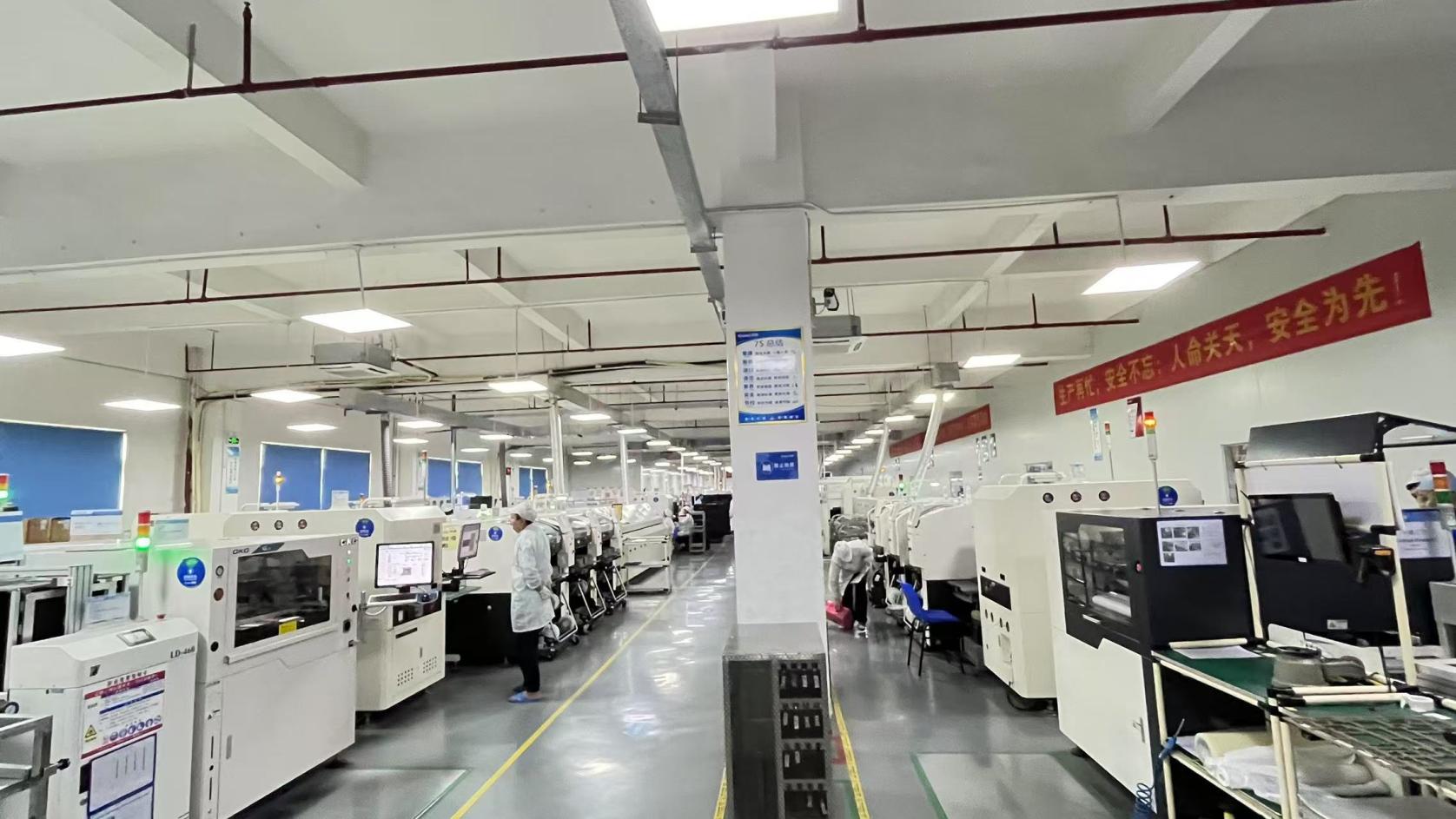
| Testing Methodologies | Automated Optical Inspection (AOI), Burn-in testing, Thermal stress chambers, Electrical load benchmarking |
| Customization Capabilities | OEM/ODM BIOS/BMC firmware modification, custom backplane design, and structural thermal optimization |
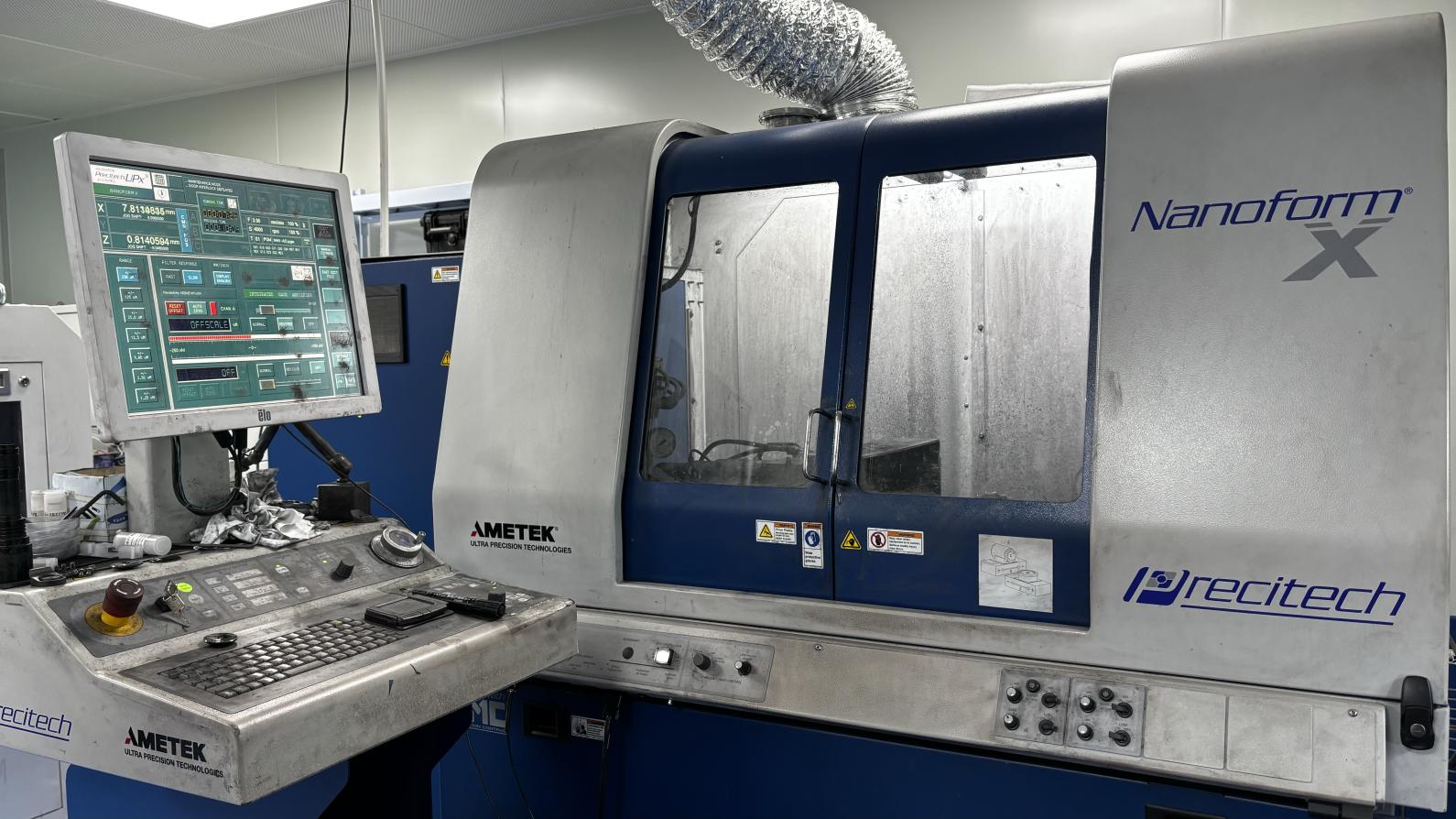
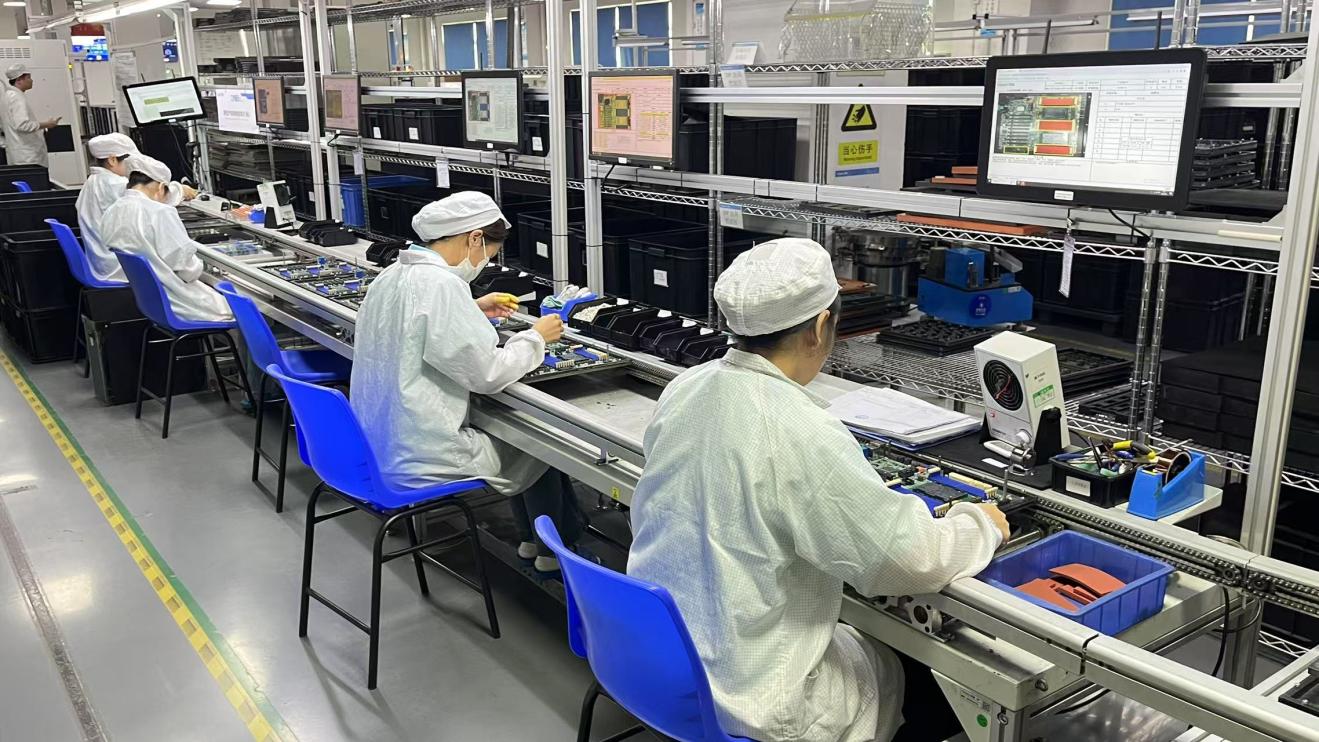
A comprehensive breakdown of enterprise Storage Area Network engineering, connectivity protocols, and architectural integrity.
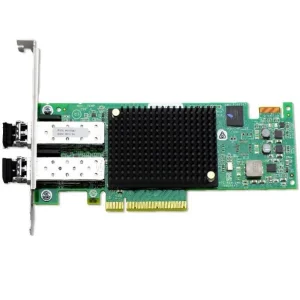
Modern enterprises face the critical decision of implementing Fibre Channel or iSCSI SAN topologies. Fibre Channel SANs utilize dedicated FC switches and Host Bus Adapters (HBAs) to run a deterministic, lossless transport layer. For instance, integration of high-bandwidth PCIe cards like the Emulex LPe35002-M2 Dual Port 32GB FC HBA Card allows datacenters to handle up to 32GFC of traffic per port, achieving sub-millisecond round-trip times necessary for real-time relational databases.
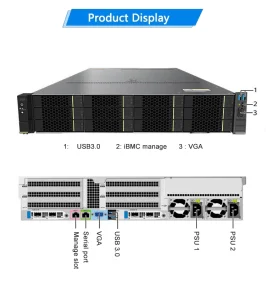
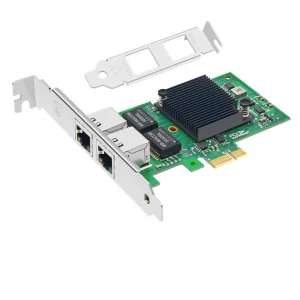
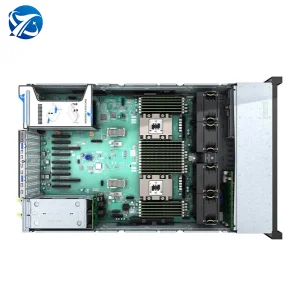
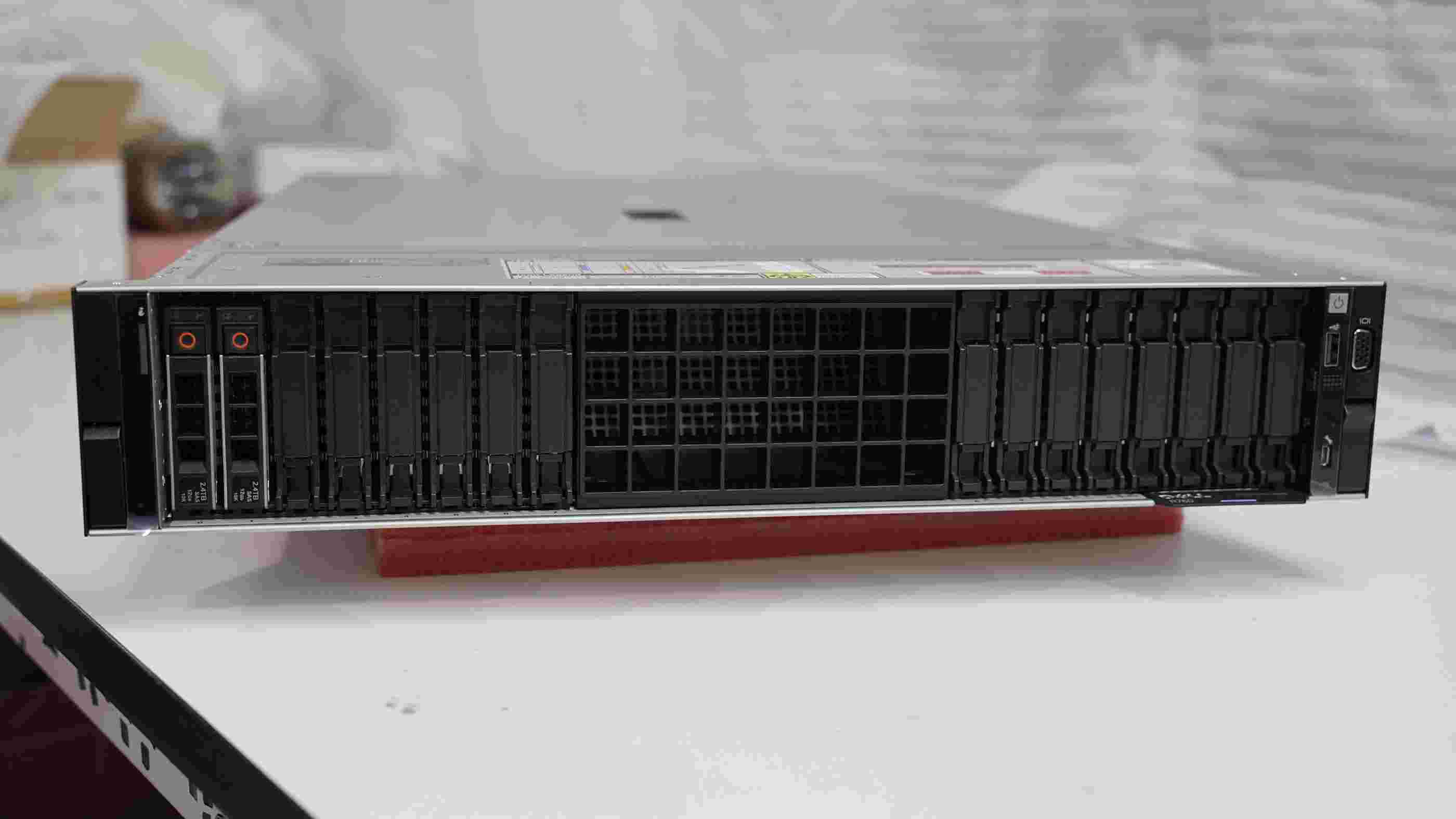
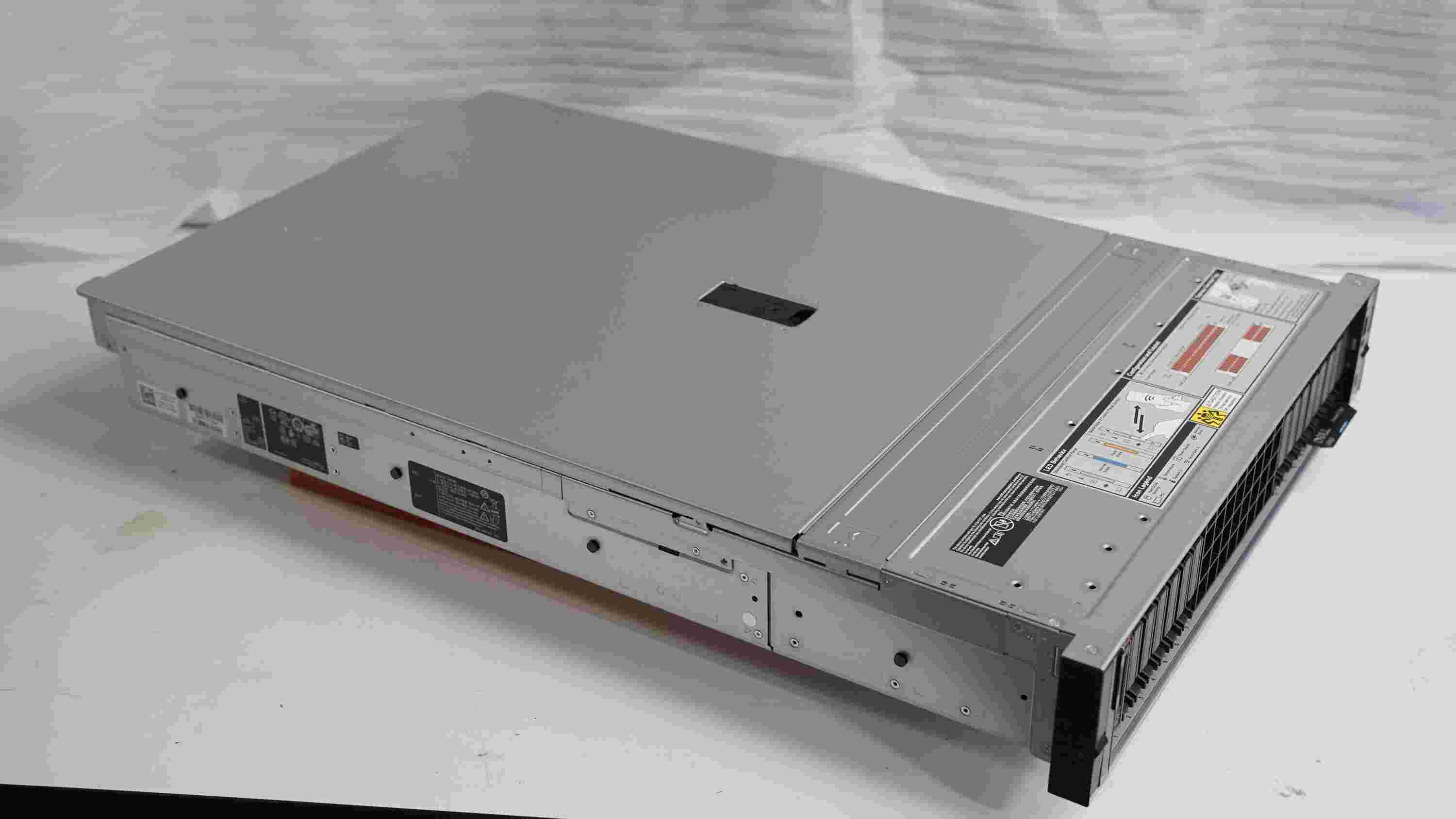
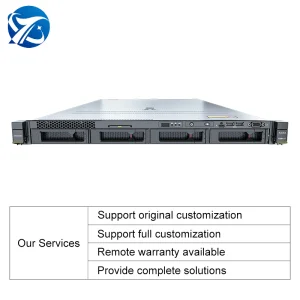
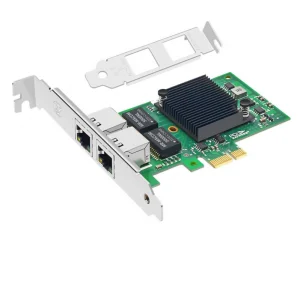
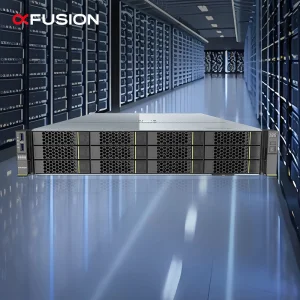
In contrast, IP SANs utilize standard Ethernet frameworks via iSCSI. While cost-effective, they introduce TCP stack processing overhead. To offset this, advanced SAN deployments incorporate hardware offloading through intelligent NICs, allowing high-performance servers, such as the FusionServer 2488H V5 4-Socket Rack Server, to interface seamlessly without CPU saturation.
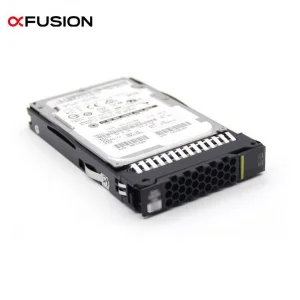
At the disk enclosure tier, raw storage volumes (comprising Enterprise SATA HDDs ranging from 4TB up to 20TB) are consolidated via hardware SAS/SATA RAID cards. Integrating high-performance RAID modules such as the Array Card XC470C-M-8i (powered by the SAS3908 controller) introduces a dedicated 12Gb/s per lane transfer speed paired with a 4GB flash-backed write cache. The hardware chip handles parity calculations for RAID 5, 6, 50, and 60 configurations, relieving host CPUs from intensive mathematical workloads during write cycles.
This localized redundancy, combined with SAS boot cards (e.g. XP270-M2 SAS3808 BootCard), guarantees that if an operating system drive fails at the edge or within a storage node, the host remains active via mirroring, allowing non-disruptive hot-swap procedures.
No two datacenters share the exact same footprint. Our production facility provides deep customization services that encompass:
Navigating global regulatory frameworks to ensure seamless customs clearance, product compliance, and reliable localized logistics.
All hardware items exported by Borevo undergo rigorous compliance testing. We ensure CE, FCC, RoHS, and UL alignment. Our testing processes, overseen by our 45-member QC team, verify that high-density servers and arrays operate safely within electromagnetic compatibility (EMC) regulations.
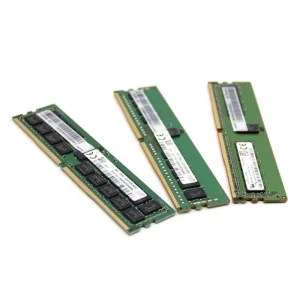
With an extensive network of 850 strategic partners, we mitigate supply bottlenecks. We guarantee long-term availability of legacy critical components, including high-capacity SATA HDDs, RDIMM DDR4 ECC memory, and specific SAS storage controller ICs, securing your infrastructure lifecycle for 5 to 7 years post-deployment.
A technical projection of storage architectures, transitioning towards next-gen interconnection fabrics and AI-assisted performance optimization.
Integrating Compute Express Link (CXL) to allow dynamic memory pooling between host CPUs and storage arrays, optimizing resource usage in hybrid clouds.
Deployment of ultra-wideband Fibre Channel layers to eliminate network throughput congestion in high-performance GPU clustering environments.
Implementation of proactive drive fault warning systems, automated routing adjustment, and adaptive read/write tuning powered by edge-AI models.
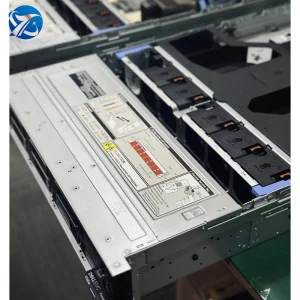
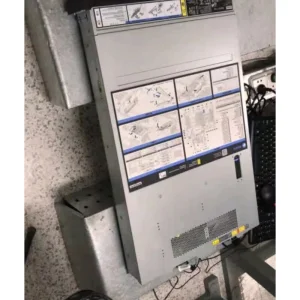
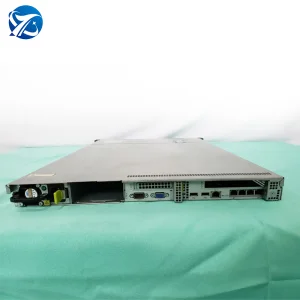
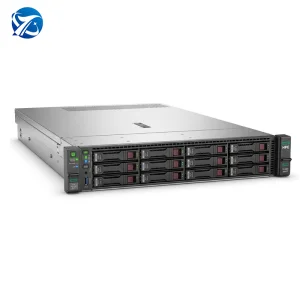
Select from our engineered rack deployments designed to provide processing power and expandability for high-volume SAN deployments.
Clear, direct technical answers to assist enterprise storage engineers and deployment directors in optimizing system performance.
Fibre Channel cards, such as the Emulex LPe35002-M2, operate on dedicated layer 2 routing protocols that process data frames in hardware without requiring CPU cycles. This design offers deterministic latency and eliminates packet loss. Standard Ethernet, while useful, is subject to packet drops and processing overhead unless configured with specialized RoCE v2 networks.
The SAS3908 chip on the Array Card XC470C-M-8i features a dedicated processor and 4GB of onboard cache. Under heavy workloads, it caches write actions and commits them to the drive arrays in groups. In the event of a system power loss, a supercapacitor keeps the cache active, preventing data corruption during writing.
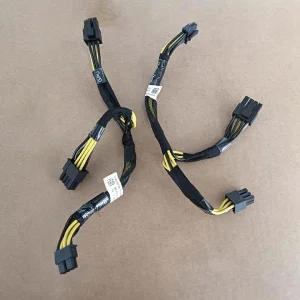
We provide comprehensive OEM and ODM support for all rack systems, including FusionServer and PowerEdge platforms. Options include custom BIOS loading, specialized interface layouts, physical layout adaptations, customized power cable harnesses, and targeted thermal designs optimized for warm-corridor datacenter environments.
Standard components like HDDs, RAM modules, and network cards are usually shipped within 5 to 7 business days from our Shenzhen facility. Customized bare-metal servers or large SAN arrays require 3 to 4 weeks for testing, verification, and packaging. We offer full customs documentation and tracking to destinations worldwide.